
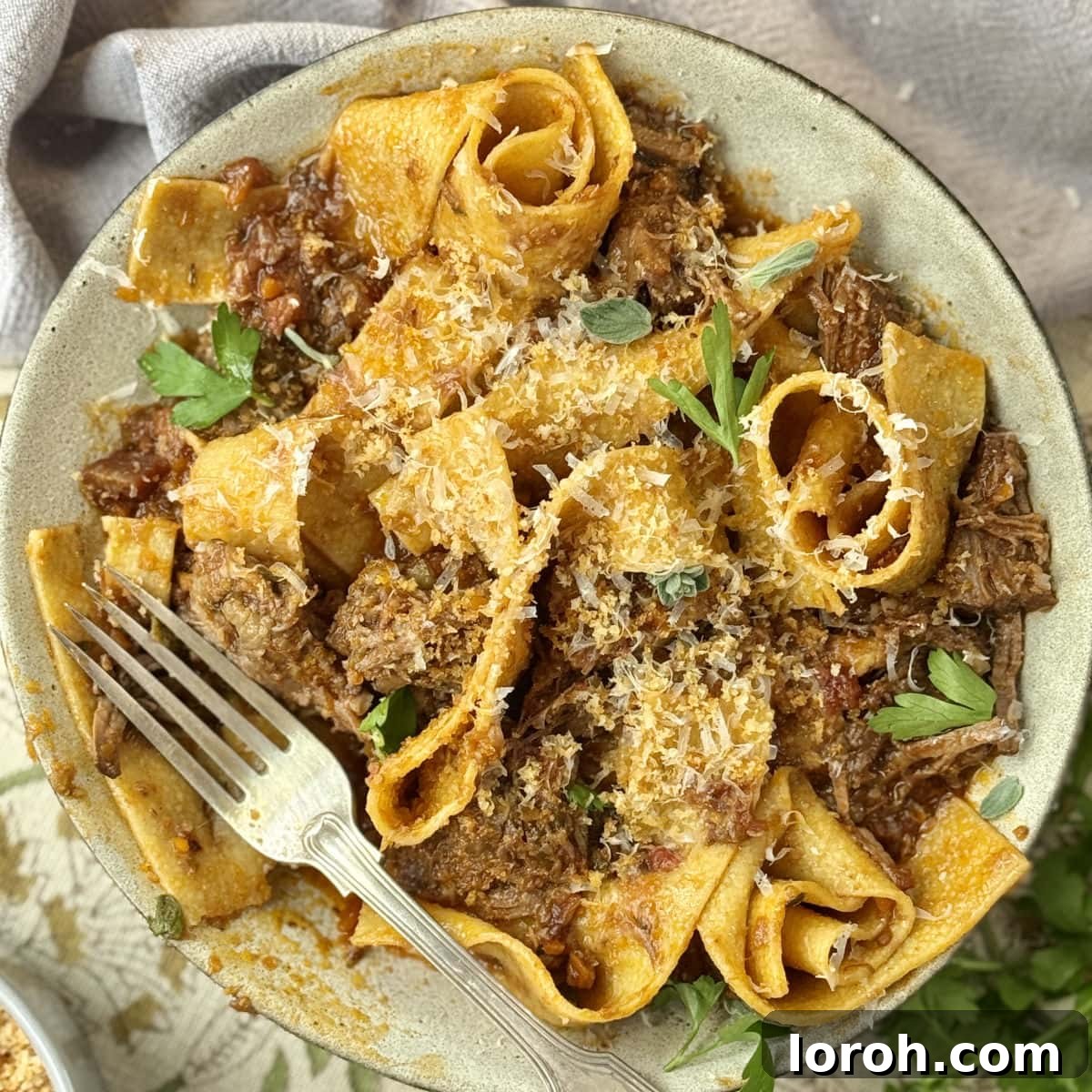
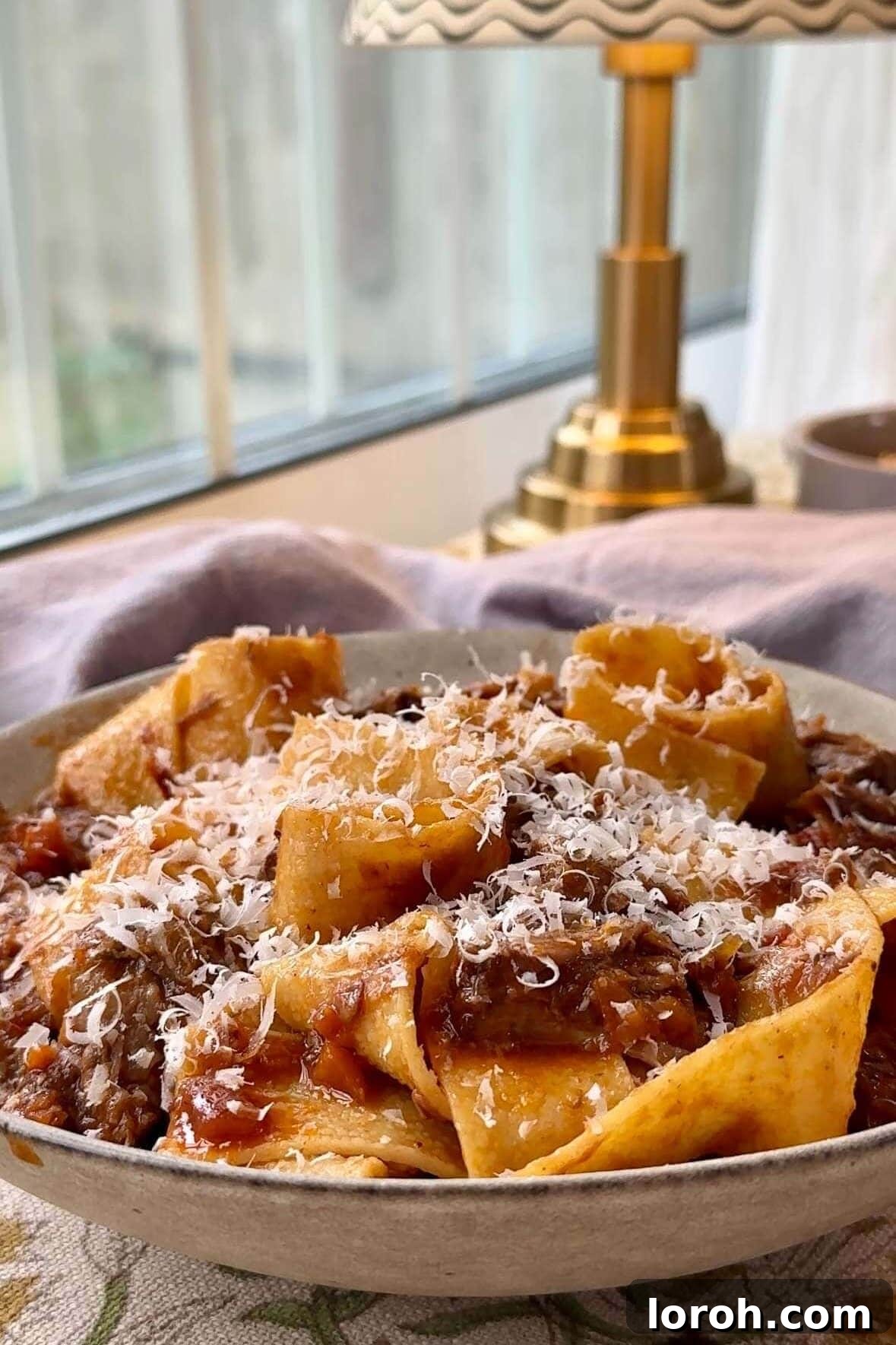
Prepare to fall in love with what might just be the ultimate comfort food: my recipe for silky, slow-cooked beef short ribs ragu, a truly exceptional dish that reaches its peak when tossed with tender pappardelle pasta. This isn’t just a meal; it’s an experience, built layer by painstaking layer to achieve a depth of flavor that is simply unparalleled. We start with deeply seared beef short ribs, creating a rich crust that locks in juices, then build upon a sweet soffritto base of aromatic vegetables. Next, we introduce rich tomato, robust red wine, and fragrant herbs, all coming together in a symphony of taste. After a long, gentle braise, the magnificent short ribs transform, their meat effortlessly falling apart into a luxurious, glossy ragu. This exquisite sauce masterfully clings to wide ribbons of pappardelle or creates a sumptuously rich pool over creamy polenta, promising a truly unforgettable dining event.
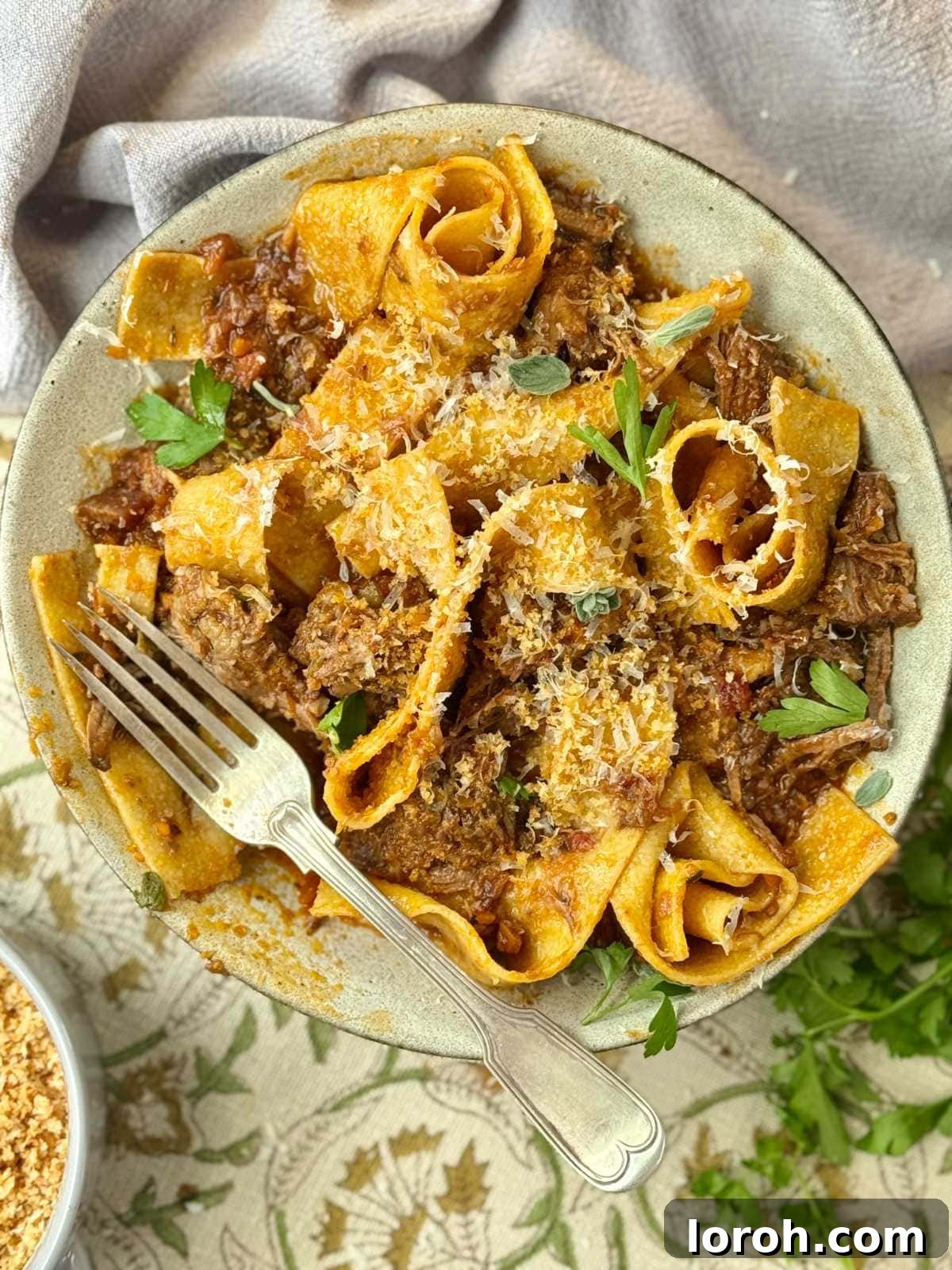
In the culinary world, ragu stands as a quintessential Italian meat-based sauce, a testament to the beauty of slow cooking. Unlike a quick Bolognese, which often focuses on ground meat and a shorter simmer, beef short ribs ragu is all about patience and time. It’s a dish where humble ingredients are transformed into something extraordinary through a prolonged, gentle cooking process, allowing the meat to become incredibly tender and the sauce to develop a velvety richness that speaks volumes of its Italian heritage. While it demands several hours, the actual hands-on effort required is surprisingly minimal, making it a perfect project for a leisurely weekend or for preparing ahead.
This comprehensive guide provides everything you need to create your perfect beef short ribs ragu. You’ll find a detailed, step-by-step recipe, flexible timings for cooking in the oven, on the stove top, or even in a slow cooker. We address common troubleshooting queries, offer valuable make-ahead and freezing guidance for convenience, and present various serving suggestions beyond traditional pasta. For those eager to delve even deeper into the nuances of this magnificent cut of meat, don’t miss my complete guide to cooking beef short ribs, which offers advanced tips and techniques.
Table of Contents
- Why You Will Love This Beef Short Ribs Ragu Recipe
- Essential Ingredients for an Authentic Ragu
- Substitutions and Creative Variations
- Step-by-Step: How to Make a Perfect Beef Short Ribs Ragu
- Expert Cooking Tips for Success
- Frequently Asked Questions About Beef Short Ribs Ragu
- Other Hearty Recipes You Might Enjoy
- Slow Cooked Beef Short Ribs Ragu Recipe Card
Why You Will Love This Beef Short Ribs Ragu Recipe
This beef short ribs ragu is more than just a meal; it’s an experience that delivers rich, comforting flavors with surprisingly little fuss. Here’s why this recipe will become a cherished favorite in your kitchen:
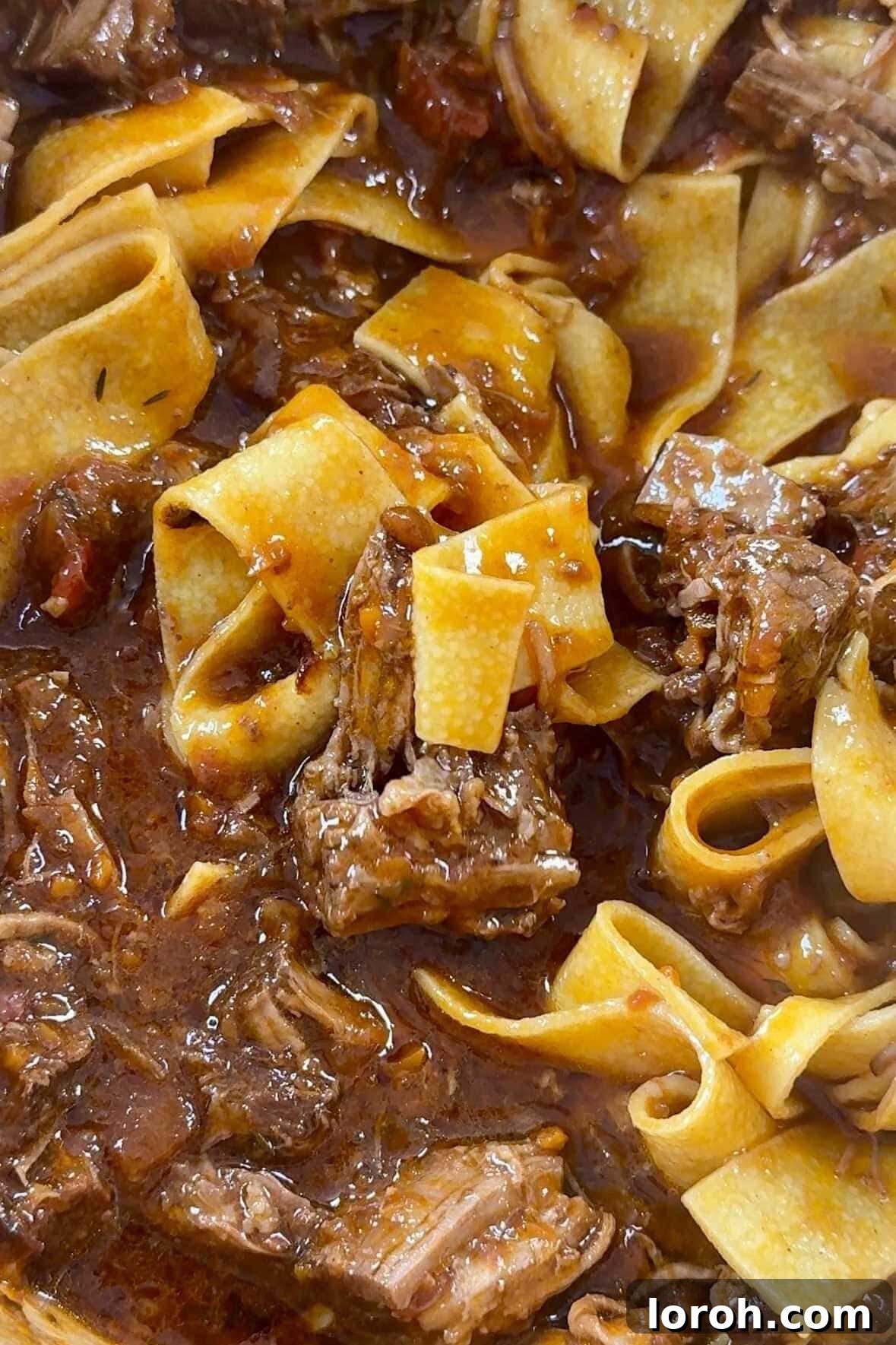
- The meat literally melts into the sauce, creating the most incredibly silky, melt-in-your-mouth texture. This transformation is thanks to the magic of slow cooking, which breaks down tough collagen into succulent gelatin, enriching the sauce and making the beef unbelievably tender.
- Using bone-in short ribs is a game-changer for flavor. The bones impart a profound savory depth to the sauce, adding natural gelatin and marrow that cannot be replicated with boneless cuts. Best of all, after a long, slow braise, the bones effortlessly slide out, leaving you with pure, tender meat.
- This ragu is an ideal choice for make-ahead meals and entertaining. Its flavors only deepen and become more complex overnight, making it perfect for prepping ahead of a dinner party. It also stores beautifully in the freezer, ready for those busy weeknights when you crave a gourmet meal without the effort.
- While the cooking time is extensive, the hands-on preparation is incredibly simple. The unbeatable richness and meaty depth achieved through slow cooking require patience rather than constant attention, allowing you to enjoy your day while this culinary masterpiece simmers to perfection.
- The layering of flavors at every stage – from the deep sear on the beef to the sweet soffritto, the vibrant tomato, and the hint of dark chocolate – ensures a complex, balanced, and utterly satisfying ragu.
Essential Ingredients for an Authentic Ragu
For precise measurements and detailed instructions, please refer to the printable recipe card located at the bottom of this post!
Crafting an exceptional beef short ribs ragu begins with selecting high-quality ingredients. Each component plays a crucial role in building the rich, layered flavors of this Italian classic.
Bone-in Beef Short Ribs: For this recipe, aim for about 1.2kg (approximately 2.6 lbs) of bone-in beef short ribs. This cut is incredibly forgiving with quantities, making it an excellent choice for feeding a crowd as it transforms into a generous, hearty sauce. I consistently opt for bone-in ribs for their unparalleled flavor contribution and the natural gelatin they release, which enriches and thickens the sauce. You’ll typically find them as “English cut” (meat on top of the bone) or “Flanken style” (across the bones). Either works, but English cut is often preferred for braising. If you’re looking for more ways to enjoy this cut, my red wine braised beef short ribs served with creamy mash is another fantastic option.
Soffritto (Carrots, Celery, Onion, Garlic): This aromatic base is the soul of many Italian sauces. Finely diced carrots, celery, and onion, slowly cooked until sweet and tender, lay the foundation for the ragu’s complex flavor. Fresh garlic adds a pungent warmth that is essential.
Beef Stock: A high-quality beef stock is paramount. Whether you use a convenient stock pot, a cube dissolved in hot water, or a store-bought carton, ensure it has a robust beefy flavor. Homemade beef stock is, of course, the gold standard, offering an unmatched depth, but I understand it’s a rarity for most home cooks.
Red Wine: Choose a red wine that you would genuinely enjoy drinking, but it certainly doesn’t need to be an expensive bottle. A dry red like a Cabernet Sauvignon, Merlot, or Chianti works beautifully, adding acidity, fruit notes, and tannins that cut through the richness of the beef and deepen the overall flavor profile. Avoid anything overly sweet.
Tomato Paste and Tinned Tomatoes: Tomato paste provides concentrated umami and helps build a deep red color. Tinned chopped tomatoes (or passata for a smoother sauce) form the core of the ragu, offering sweetness and acidity that balance the rich meat.
Dark Chocolate: This is my secret weapon for an unbelievably rich ragu! Just two small squares of good quality dark chocolate (around 70% cocoa) add an incredible depth, richness, and a subtle bitterness that balances the sweetness of the tomatoes and rounds out the savory notes. Don’t worry, your ragu won’t taste like chocolate, but it will taste richer and more complex.
Fresh Herbs (Thyme & Bay Leaves): These classic herbs infuse the sauce with an earthy, aromatic quality that complements the beef perfectly. Fresh thyme offers a delicate floral note, while bay leaves contribute a subtle, peppery undertone.
Olive Oil, Salt, and Pepper: Essential for searing the meat and seasoning the sauce at every stage, building layers of flavor from the very beginning.
Substitutions and Creative Variations
This beef short ribs ragu recipe is wonderfully versatile, allowing for several adjustments to suit dietary needs or simply to experiment with different flavor profiles:
Wine Alternatives: If you prefer to cook without alcohol, or simply don’t have red wine on hand, you can easily substitute it. Add an additional 100ml (approximately 1/2 cup) of beef stock along with a tablespoon of good quality balsamic vinegar. The balsamic vinegar provides the crucial acidity that the wine would otherwise contribute. You might find it needs an extra splash of balsamic at the very end of cooking to perfectly mimic that bright, acidic finish.
Diverse Serving Suggestions: While tossed with wide pappardelle is my absolute favorite way to enjoy this rich ragu, its versatility knows no bounds. Consider serving it with fluffy potato gnocchi, which are perfect for soaking up the luxurious sauce, or spoon it over creamy, buttery polenta for a truly decadent meal. Buttery mashed potatoes are another classic pairing. For something a little different, try serving it on crusty bread – a toasted baguette or a warm ciabatta roll, piled high with ragu and a generous sprinkle of Parmesan, makes for an unexpectedly delicious open-faced sandwich. It’s also fantastic stirred into a baked potato, or even used as a filling for a hearty lasagna or shepherd’s pie base.
Vegetable Additions: Feel free to enhance the soffritto with other vegetables. Diced mushrooms add an earthy umami, bell peppers contribute sweetness and a slight crunch, and even a handful of spinach or kale stirred in at the end can boost nutritional value and color.
Spice It Up: For those who appreciate a little heat, a pinch of red chili flakes added with the tomato paste can give the ragu a subtle kick. Smoked paprika can also introduce a wonderful smoky depth.
Cheese Varieties: While Parmesan is traditional and highly recommended, experiment with other hard Italian cheeses like Pecorino Romano for a sharper, saltier bite, or even a milder Grana Padano.
Step-by-Step: How to Make a Perfect Beef Short Ribs Ragu
This is a simplified step-by-step guide. For complete and highly detailed instructions, please scroll down to the full recipe card at the bottom of the page.
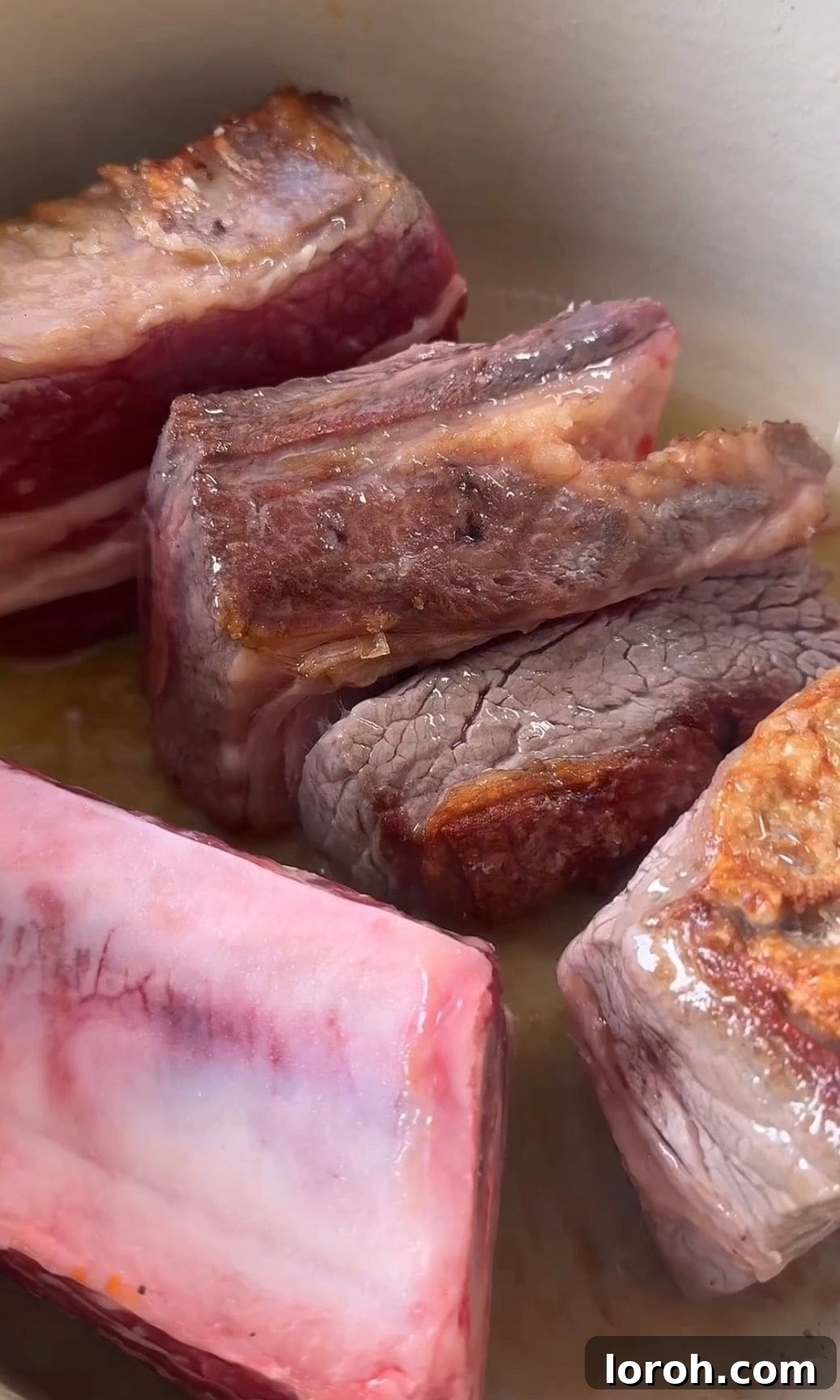
ONE: Prepare and Sear the Ribs. Begin by patting your bone-in beef short ribs thoroughly dry with paper towels; this crucial step ensures a superior sear. Season them generously with salt and black pepper on all sides. Heat a large, heavy-bottomed Dutch oven (or a similar ovenproof pot with a lid) over high heat. Add a drizzle of high-smoke-point oil (like canola or grapeseed). Once the oil is shimmering, carefully add the ribs in batches, ensuring not to overcrowd the pot. Sear them deeply on all sides until a rich, dark brown crust forms, but do not cook them through. This browning develops incredible flavor through the Maillard reaction. Once seared, remove the ribs from the pot and set them aside.
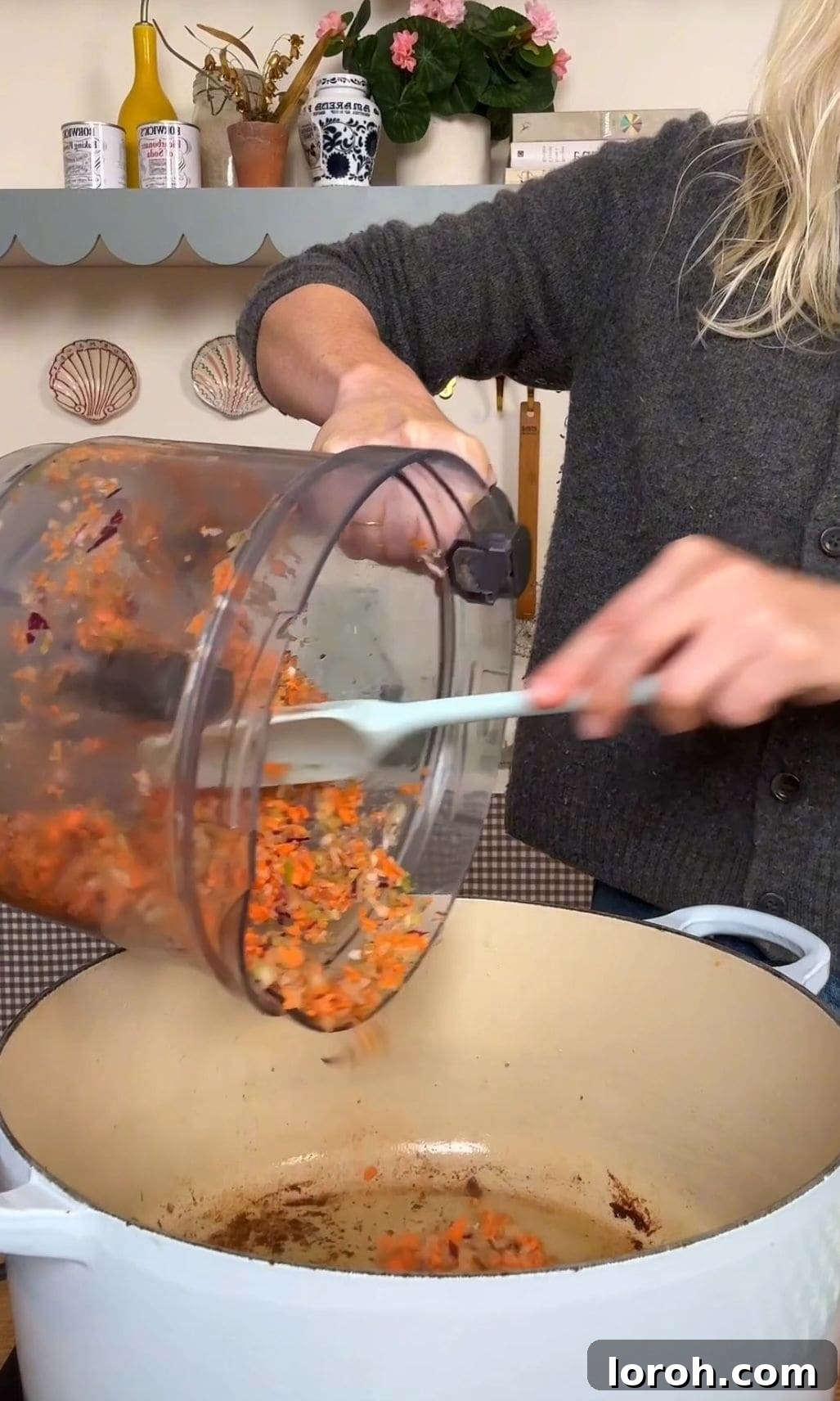
TWO: Build the Soffritto Base. Reduce the heat to medium. Add the diced carrots, celery, red onion, and minced garlic to the same pot, utilizing the flavorful fond left behind by the seared beef. Add a pinch of salt and pepper. Sauté these vegetables for about 5-7 minutes, stirring occasionally, until they begin to soften and become translucent. This slow cooking allows their natural sugars to caramelize, creating a sweet and aromatic foundation for the ragu.
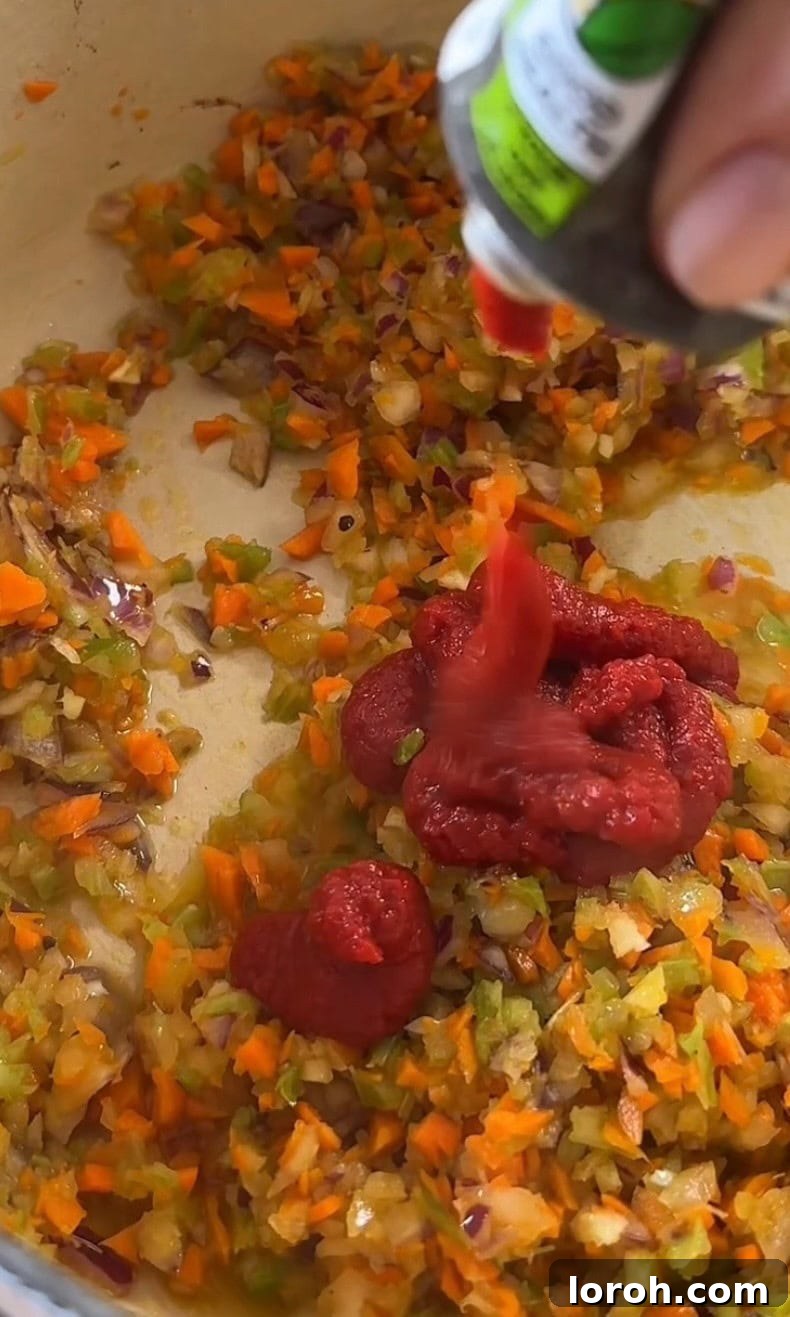
THREE: Deglaze and Add Tomato Paste. Stir in the tomato paste, cooking it for 2-3 minutes until it darkens slightly and becomes fragrant. This step deepens its flavor. Then, pour in the red wine, scraping up any browned bits from the bottom of the pot with a wooden spoon – this is called deglazing and adds immense flavor. Let the wine simmer for a couple of minutes until it reduces by about half, allowing the alcohol to cook off and the flavors to concentrate. While this is happening, preheat your oven to 160°C fan / 180°C conventional / 355°F.
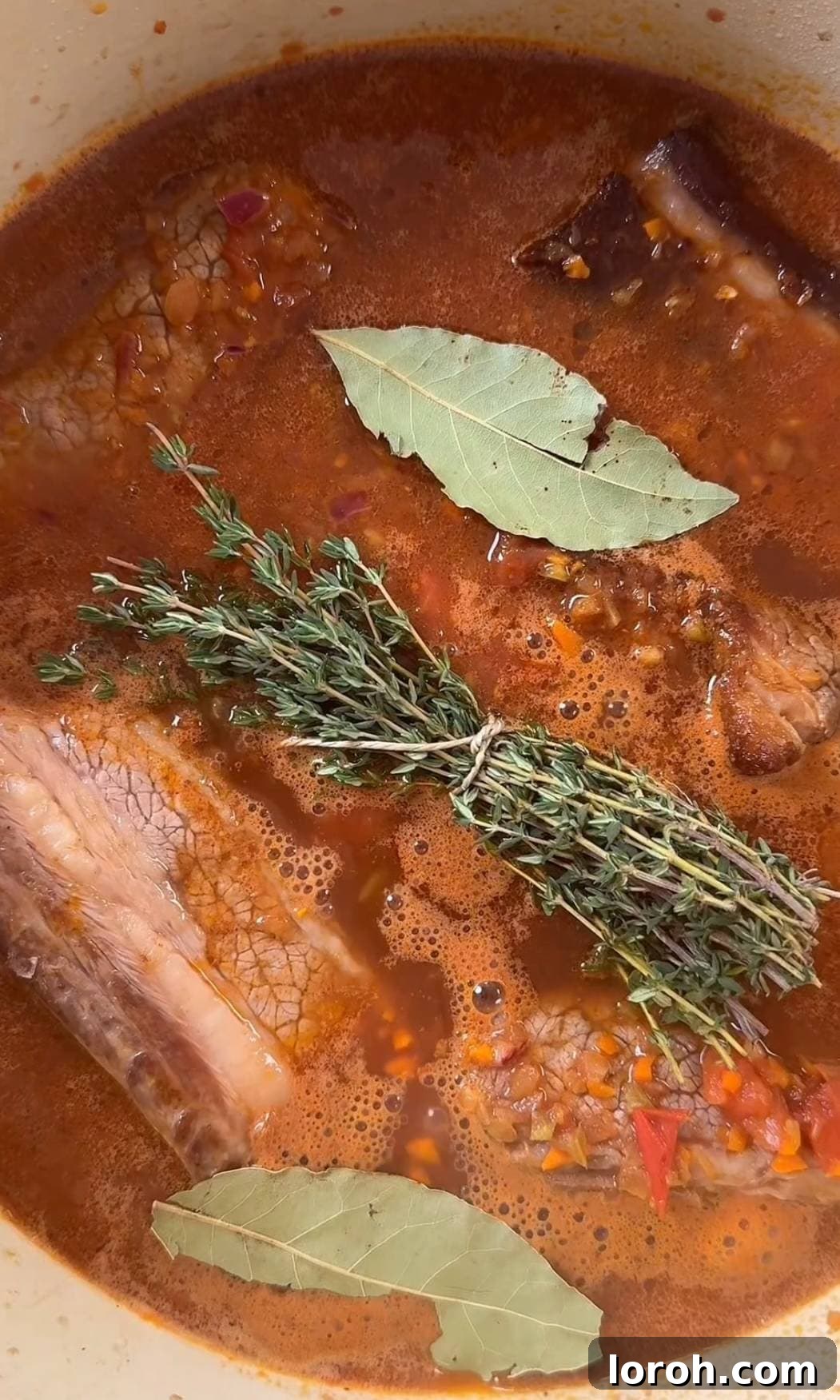
FOUR: Combine and Simmer. Add the secret ingredient – the dark chocolate squares – along with the bay leaves, fresh thyme, and tinned chopped tomatoes to the pot. Refill the empty tomato tin with water and add that to the pan, ensuring no tomato goodness is wasted. Next, pour in the beef stock. You’ll want just enough liquid to almost cover the short ribs; around 500ml (2 cups) is a good starting point, but the exact amount may vary based on the size and shape of your pot. Bring everything to a gentle simmer on the stovetop, then carefully nestle the seared short ribs back into the rich sauce. Cover the pot tightly with its lid.
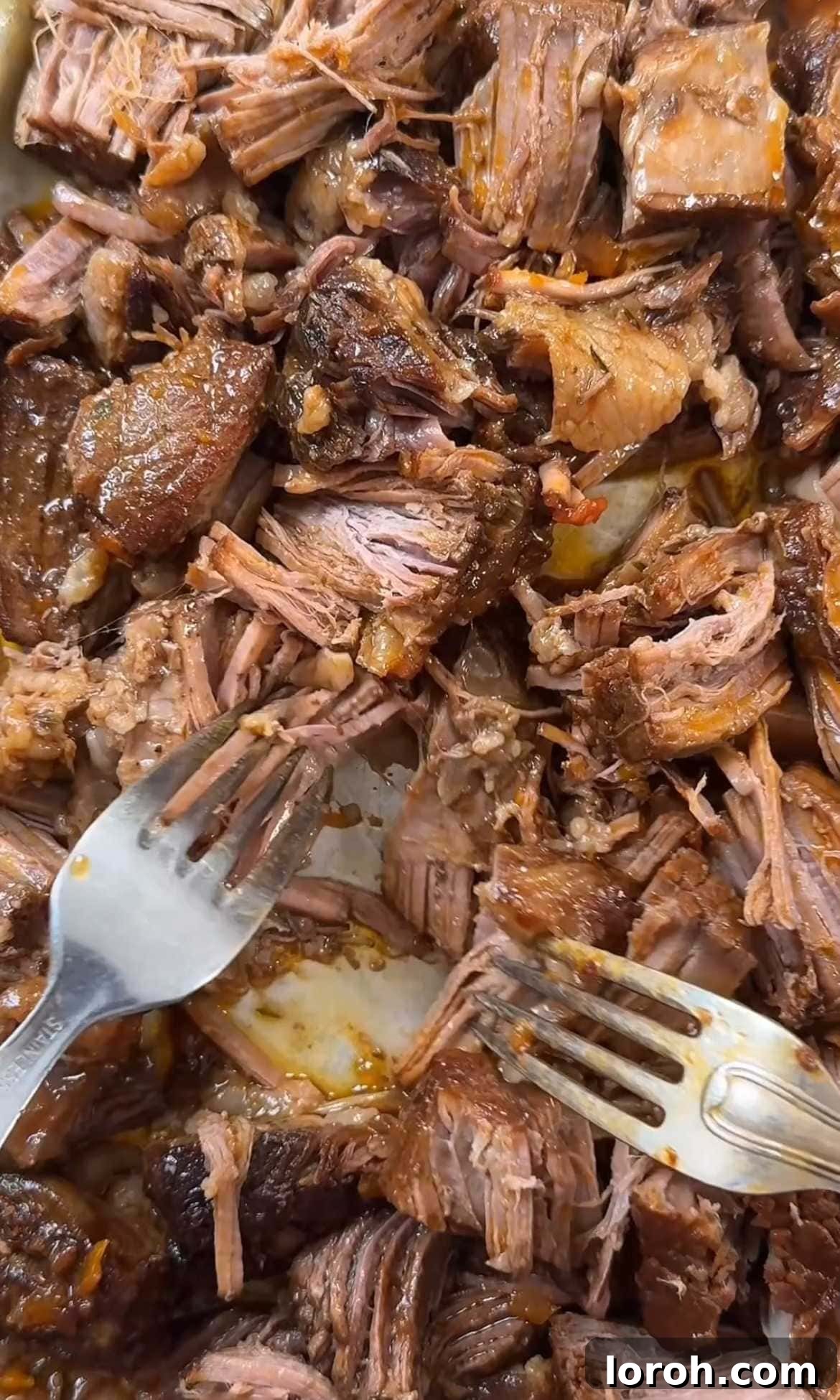
FIVE: Slow Braise Until Fall-Apart Tender. Transfer the covered Dutch oven to your preheated oven and cook for approximately 3.5 hours. The goal is for the meat to be incredibly tender, easily falling off the bone. Alternatively, you can braise it on the stove top over a very low simmer for about 3 hours, again, until the meat reaches that fall-apart stage. Once cooked, carefully remove the bones from the ribs; they should slide out effortlessly. Shred the succulent meat using two forks and return it to the rich ragu sauce, stirring to combine. At this point, you can cool and refrigerate the ragu for later, as its flavor will only improve.
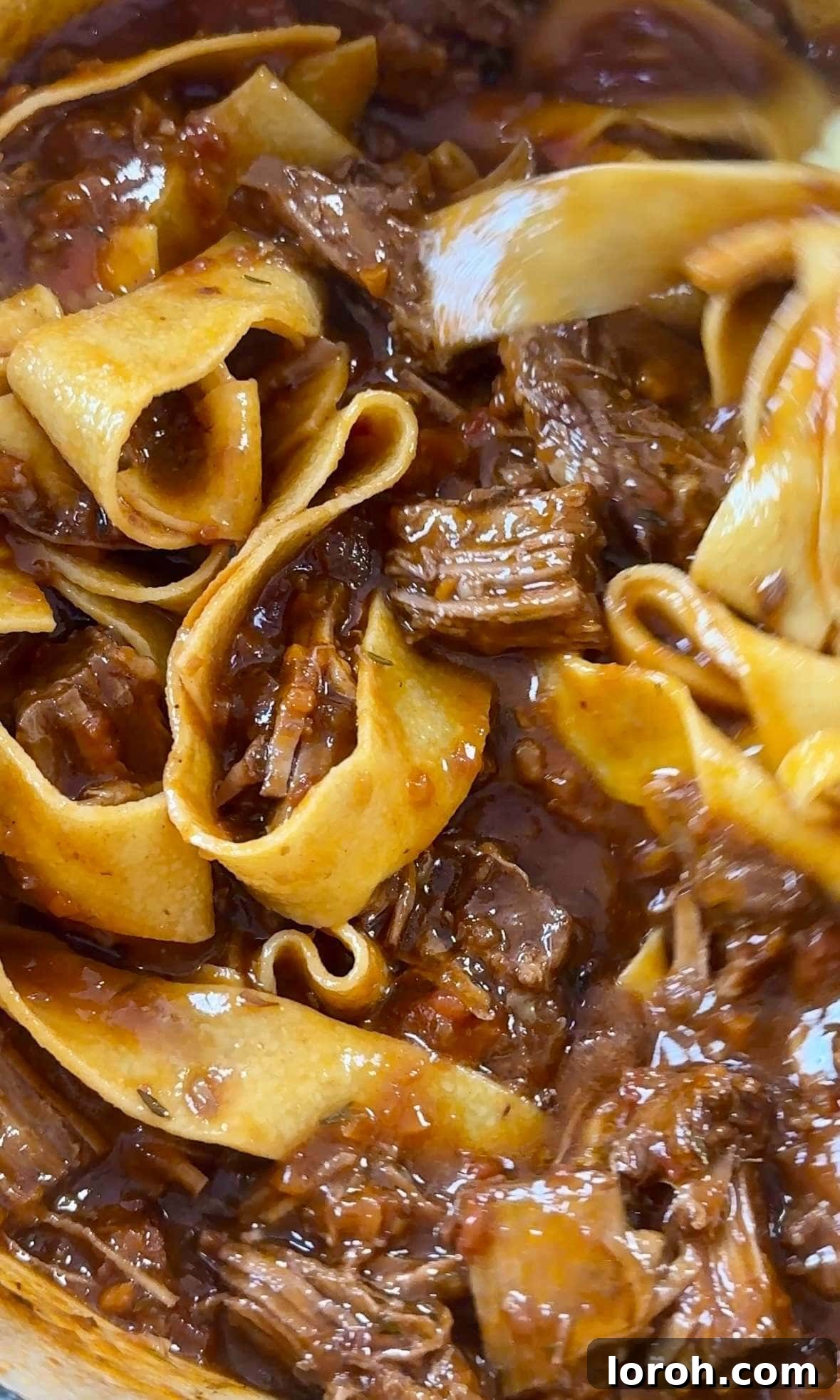
SIX: Finish and Serve. While the ragu is ready, bring a large pot of well-salted water to a rolling boil. Cook your chosen pasta (pappardelle or rigatoni work beautifully) according to package directions until al dente. Before draining, reserve a few spoonfuls of the starchy pasta water. Drain the pasta and immediately add it to the pan of hot ragu. Add a splash or two of the reserved pasta water, then toss everything together vigorously. The pasta water helps emulsify the sauce, making it cling beautifully to the pasta. Serve hot, topped with a generous grating of fresh Parmesan cheese and a sprinkle of fresh parsley or basil for a burst of color and herbaceous freshness.
Expert Cooking Tips for Success
Achieving a truly exceptional beef short ribs ragu often comes down to a few key techniques and considerations. Keep these tips in mind to elevate your culinary creation:
Sauce Too Thin? If, after cooking, your ragu sauce appears thinner than desired, don’t fret. Simply remove the lid from the pot and let it simmer gently on the stovetop over medium-low heat for an additional 15-20 minutes, or until it reduces and thickens to your preferred consistency. Stir occasionally to prevent sticking.
If Your Meat Isn’t Shredding Easily: The tenderness of short ribs can vary slightly depending on the cut and individual animal. If, after the recommended cooking time, your beef short ribs aren’t effortlessly falling apart and shredding with a fork, it simply needs more time. Place the ribs back into the sauce, cover the pot again, and return it to the oven (or stovetop) for another 30 minutes. Check again, and continue cooking in 30-minute intervals until it reaches that desired melt-in-your-mouth tenderness.
Making Ahead for Enhanced Flavor: Beef short ribs ragu is one of those magical dishes that truly benefits from being made ahead of time. I highly recommend preparing it a day in advance, especially when hosting guests. The flavors meld and deepen overnight, resulting in a much richer and more complex sauce. To do this, allow the ragu to cool slightly after cooking, then transfer it to an airtight container. Leave the lid ajar until it has cooled completely to room temperature, then seal and refrigerate for 3-4 days. You can also freeze portions for up to 3 months.
Reheating Instructions: When reheating chilled ragu, gently warm it on the hob (stovetop) over low heat, covered, until it’s warmed through. If the sauce has thickened too much in the fridge, add a splash of water or, ideally, pasta water (if serving with pasta) to loosen it back to the perfect consistency.
Skimming Excess Fat: After braising, you might notice a layer of fat on top of the ragu. While some fat adds flavor and richness, too much can make the sauce greasy. To remove excess fat, simply use a wide, flat spoon to gently skim it off the surface once it’s out of the oven. If you’ve made the ragu ahead, chilling it overnight will solidify the fat, making it incredibly easy to lift off in a solid layer before reheating. This helps achieve a perfectly balanced texture without sacrificing any flavor.
Frequently Asked Questions About Beef Short Ribs Ragu
Absolutely! If you prefer to omit red wine, simply add an additional 100ml (approximately 1/2 cup) of beef stock along with a tablespoon of balsamic vinegar. The balsamic vinegar will provide the necessary acidity to balance the richness of the ragu. You may wish to add another splash of balsamic at the end of cooking to fine-tune the flavor.
I highly recommend using bone-in beef short ribs for this ragu. The bones contribute significantly to a deeper, richer flavor and release natural gelatin during the slow braise, which inherently thickens and enriches the sauce, giving it that luxurious mouthfeel. While boneless ribs can certainly be used, they are typically leaner and will result in a slightly lighter sauce. If using boneless, you might consider adding a bit of extra beef stock or even a spoonful of unflavored gelatin to achieve a similar richness.
For a hearty ragu like this, pasta shapes that are excellent at capturing and holding a thick, rich sauce are ideal. I’ve used pappardelle, a wide, flat ribbon pasta, as its broad surface area allows the ragu to cling beautifully. Other excellent choices include short, robust pasta shapes like paccheri or rigatoni, which have hollow centers or ridges to trap the sauce. Tagliatelle, a narrower flat pasta similar to pappardelle, is also a fantastic option.
Skimming excess fat is simple and helps refine the texture of the ragu. The easiest method is to use a wide, flat spoon and gently skim the top layer of the sauce once it’s finished cooking and out of the oven. The fat will naturally rise to the surface. Tilt the pot slightly to gather the fat in one area, making it easier to scoop off. For maximum ease, prepare the ragu a day ahead, let it cool completely in the pot, and then refrigerate it overnight. The fat will solidify into a firm layer on top, which can then be easily lifted off and discarded before reheating. Remember to leave some fat, as it contributes significantly to the ragu’s flavor.
While both are Italian meat-based sauces, the terms are often used interchangeably, but there are distinct differences. Bolognese, specifically Ragu alla Bolognese, typically uses ground meat (often a mix of beef, pork, or veal) and is characterized by a creamier, milk-enriched sauce and a shorter cooking time. A “ragu” (like this beef short ribs ragu) generally refers to a broader category of slow-cooked meat sauces, often featuring larger cuts of meat (like short ribs, pork shoulder, or beef shin) that are braised until fall-apart tender, resulting in a richer, more robust sauce with a deeper meat flavor.
Yes, this recipe is adaptable! For a slow cooker, follow steps one through four on the stovetop (searing the meat and building the soffritto and sauce base), then transfer everything to your slow cooker. Cook on low for 6-8 hours or on high for 3-4 hours, until the meat is fork-tender. For an Instant Pot, use the sauté function for searing and building the sauce, then pressure cook on high for 60-75 minutes (depending on rib size), followed by a natural pressure release. Always ensure the meat is fall-apart tender regardless of the cooking method.
Other Hearty Recipes You Might Enjoy
If you’re a fan of rich, slow-cooked meat dishes and comforting pasta, you’ll undoubtedly appreciate these other delicious recipes. Expand your culinary repertoire with these deeply flavorful options:
If you loved this beef short ribs ragu, you’ll also adore my beef shin ragu, another fantastic slow-cooked marvel, and for those special occasions, my guide to cooking the perfect sirloin steak. For a equally satisfying, yet entirely plant-based alternative, be sure to try my Creamy and Rich Lentil Ragu, which offers incredible depth of flavor without the meat.
Easy Pasta Recipes
Burrata with Pasta (Tomato Burrata Pasta)
Easy Pasta Recipes
Creamy Sausage Pasta (Pasta alla Norcina)
Recipes
Easy Lasagne With Cheat’s White Sauce
Easy Lamb Recipes
Juicy Lamb Burgers with Mint, Tzatziki & Pesto
If you tried this Beef Short Ribs Ragu or any other recipe on the site, please do leave a rating or comment below and let us know how it went!
Slow Cooked Beef Short Ribs Ragu
30
3
30
4
4
servings
Ingredients
For the Ragu:
-
1.2
kg
bone-in beef short ribs,
usually about 4 ribs, trimmed of excess silver skin -
2
large carrots,
peeled and finely diced -
1
red onion,
finely diced -
2
celery stalks,
finely diced -
4
garlic cloves,
minced or finely chopped -
1
small bunch of fresh thyme,
tied with kitchen twine or leaves picked -
2
bay leaves -
3
tbsp
tomato paste -
100
ml
dry red wine,
such as Cabernet Sauvignon or Merlot (or 100ml beef stock + 1 tbsp balsamic vinegar for non-alcoholic) -
500
ml
beef stock,
or enough to nearly cover the short ribs. Have extra on hand to top up as needed. -
1
x 400g tin of tinned chopped tomatoes,
or smooth passata -
2
squares
good quality dark chocolate,
around 70% cocoa -
½
tsp
sugar,
optional, to balance acidity (or 1 tsp balsamic glaze) -
Salt and freshly ground black pepper,
to taste -
Olive oil,
for searing
To Serve:
-
400
g
pappardelle or rigatoni pasta -
Freshly grated Parmesan cheese,
for serving -
Fresh parsley or basil,
finely chopped, to garnish
Instructions
-
To begin, pat the short ribs thoroughly dry with paper towels to ensure a beautiful sear. Season them generously on all sides with salt and black pepper. For an even deeper flavor and tenderness, if time allows, you can leave them uncovered in the fridge overnight to dry brine. If you’re short on time, proceed directly to the searing step.
-
Heat a large, heavy-bottomed Dutch oven (or a similar ovenproof pot with a tight-fitting lid) over high heat. Add a drizzle of olive oil. Once the oil is shimmering, carefully place the short ribs into the pot in batches, ensuring not to overcrowd, which prevents proper browning. Sear the ribs on all sides until they are deeply browned and have a rich crust. They should not be cooked through at this stage. Once seared, remove them from the pot and set aside.
-
Reduce the heat to medium. Add the diced carrots, celery, red onion, and minced garlic to the same pot, along with a little salt and pepper. Cook for about 5-7 minutes, stirring occasionally, until the vegetables soften and become aromatic. You can blitz the carrots, celery, garlic, and onions in a food processor for a quick, fine dice, or simply chop them by hand.
-
Stir in the tomato paste and cook for 2-3 minutes, letting it darken slightly. Then, pour in the red wine (or beef stock + balsamic alternative), scraping the bottom of the pot with a wooden spoon to deglaze and incorporate all the flavorful browned bits. Allow the wine to simmer for a couple of minutes until it reduces by about half. While this is happening, preheat your oven to 160°C fan / 180°C conventional / 355°F.
-
Add the dark chocolate, bay leaves, fresh thyme, and tinned chopped tomatoes to the pot. Refill the empty tomato tin with water and add it to the pan. Finally, pour in the beef stock. You’ll want enough liquid to almost cover the short ribs; approximately 500ml is a good starting point, but adjust as needed based on your pot size. Bring everything to a gentle simmer on the stovetop, then carefully nestle the seared ribs back into the rich sauce. Cover the pot tightly with its lid.
-
Transfer the covered pot to the preheated oven and cook for approximately 3.5 hours, or until the meat is incredibly tender and easily falls apart with a fork. If you prefer to cook on the stovetop, maintain a very low simmer, covered, for about 3 hours.
-
Once the ragu is cooked, carefully remove the pot from the oven. There will likely be a flavorful layer of fat on the surface. While some fat is desirable for taste, you may want to remove excess to prevent the sauce from feeling greasy. Use a large spoon to skim off the desired amount of fat from the surface and discard it.
-
Carefully pull the bones out of the short ribs; they should slide out easily. If you notice any jellified fat on the ribs, you can trim this away and discard it, as it can sometimes have an undesirable texture. Then, use two forks to shred the tender meat directly into the sauce, stirring to combine thoroughly.
-
At this stage, you can taste the ragu and adjust seasoning if necessary. The ragu is now ready to serve, or it can be cooled completely, transferred to an airtight container, and refrigerated for up to 3-4 days. The flavor often improves overnight!
-
To serve, bring a large pot of well-salted water to a rolling boil. Cook your chosen pasta (pappardelle or rigatoni work perfectly) according to package instructions until al dente. Before draining, reserve a few spoonfuls of the starchy pasta water. Drain the pasta and immediately add it to the pan of warm ragu. Add a few spoons of the reserved pasta water and toss everything together until the pasta is beautifully coated. Serve hot, topped generously with freshly grated Parmesan cheese and a sprinkle of fresh parsley or basil.
Video
Watch this video to see how to make this delicious Slow Cooked Beef Short Ribs Ragu:

Video Title: Beef ragu pasta option 2.MOV
Description: Possibly one of my favourite dishes ever, this is my silky, slow-cooked beef short ribs ragu, tossed in pappardelle pasta.
Notes
To Store: Any leftover ragu can be kept in an airtight container in the refrigerator for up to 3-4 days. Storing the meat in its cooking liquid is crucial, as it helps keep the beef wonderfully tender and prevents it from drying out.
To Reheat: Gently reheat the ragu on the stove over low heat, ensuring the pot is covered, until it is thoroughly warmed through. If the sauce has thickened significantly in the fridge, add a splash of beef stock or water (or reserved pasta water if you have it) to loosen it back to the desired consistency.
To Freeze: Once the ragu has cooled completely, portion it into freezer-safe, airtight containers along with a good amount of the sauce. It can be frozen for up to 3 months. For best results, defrost the ragu overnight in the refrigerator before gently reheating it using the methods above.
Make Ahead: This ragu is a perfect make-ahead dish! Its flavor often improves dramatically after a night or two in the fridge, as the ingredients have more time to meld and deepen. Cook the ragu fully, allow it to cool completely, then refrigerate overnight. Before reheating, easily skim any solidified fat from the surface.
Leftover Sauce: Don’t let any extra sauce go to waste – it’s packed with incredible flavor! Stir it into soups to add richness, use it as a robust base for a hearty stew, or even spread it on crusty bread for a quick, delicious snack.
Nutrition
Calories:
881
kcal
,
Carbohydrates:
89
g
,
Protein:
60
g
,
Fat:
29
g
,
Saturated Fat:
12
g
,
Polyunsaturated Fat:
2
g
,
Monounsaturated Fat:
11
g
,
Trans Fat:
0.1
g
,
Cholesterol:
213
mg
,
Sodium:
581
mg
,
Potassium:
1711
mg
,
Fiber:
7
g
,
Sugar:
10
g
,
Vitamin A:
5474
IU
,
Vitamin C:
18
mg
,
Calcium:
130
mg
,
Iron:
9
mg
Nutrition information is automatically calculated, so should only be used as an approximation.