
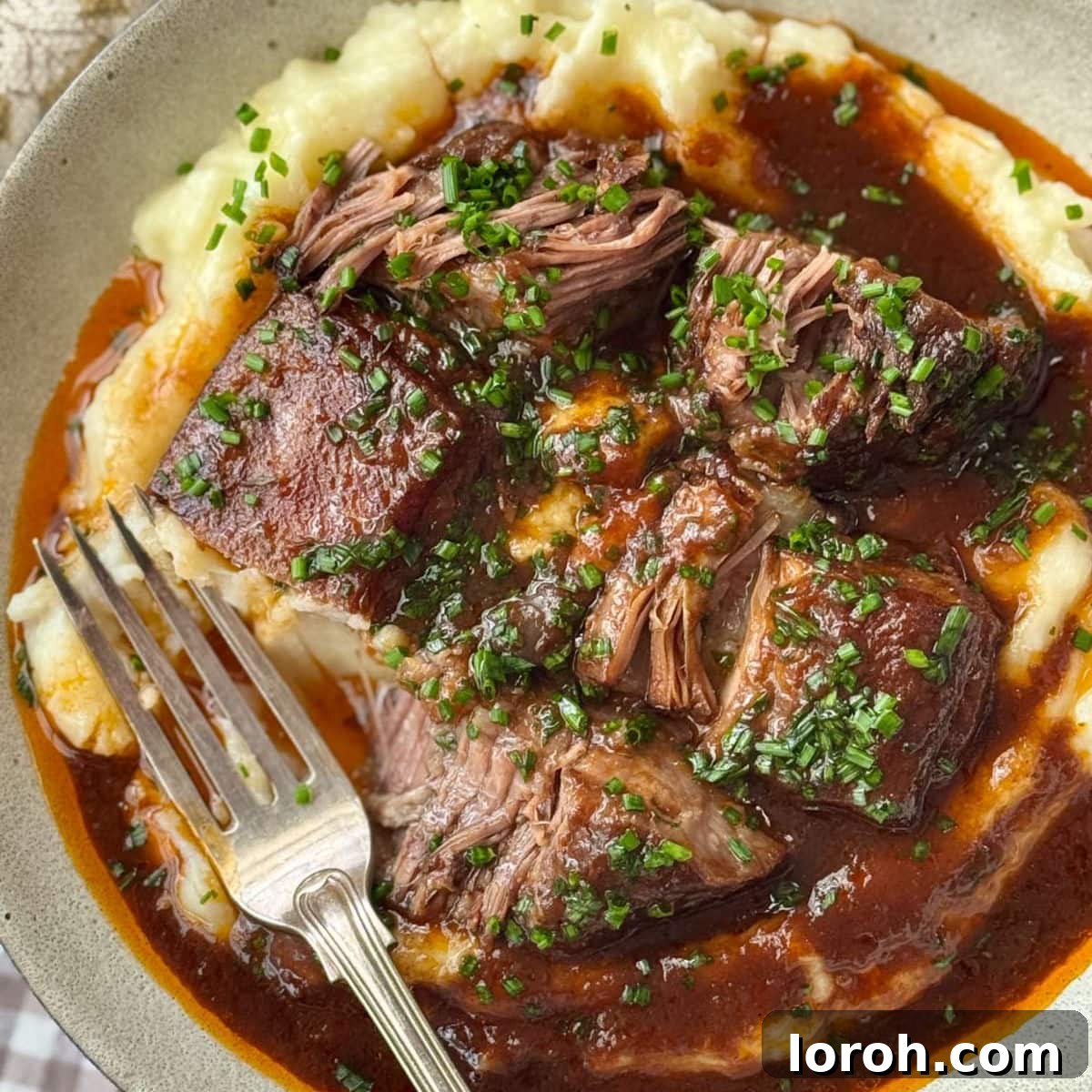
Despite what you may think, cooking beef short ribs to fall-off-the-bone perfection is surprisingly simple with the right tips and techniques. This prized cut of beef offers a truly luxurious dining experience. Richly marbled, deeply meaty, and profoundly satisfying, short ribs have an unparalleled ability to fill your kitchen with the most enticing aromas as they slowly transform into an incredibly tender and flavorful dish.
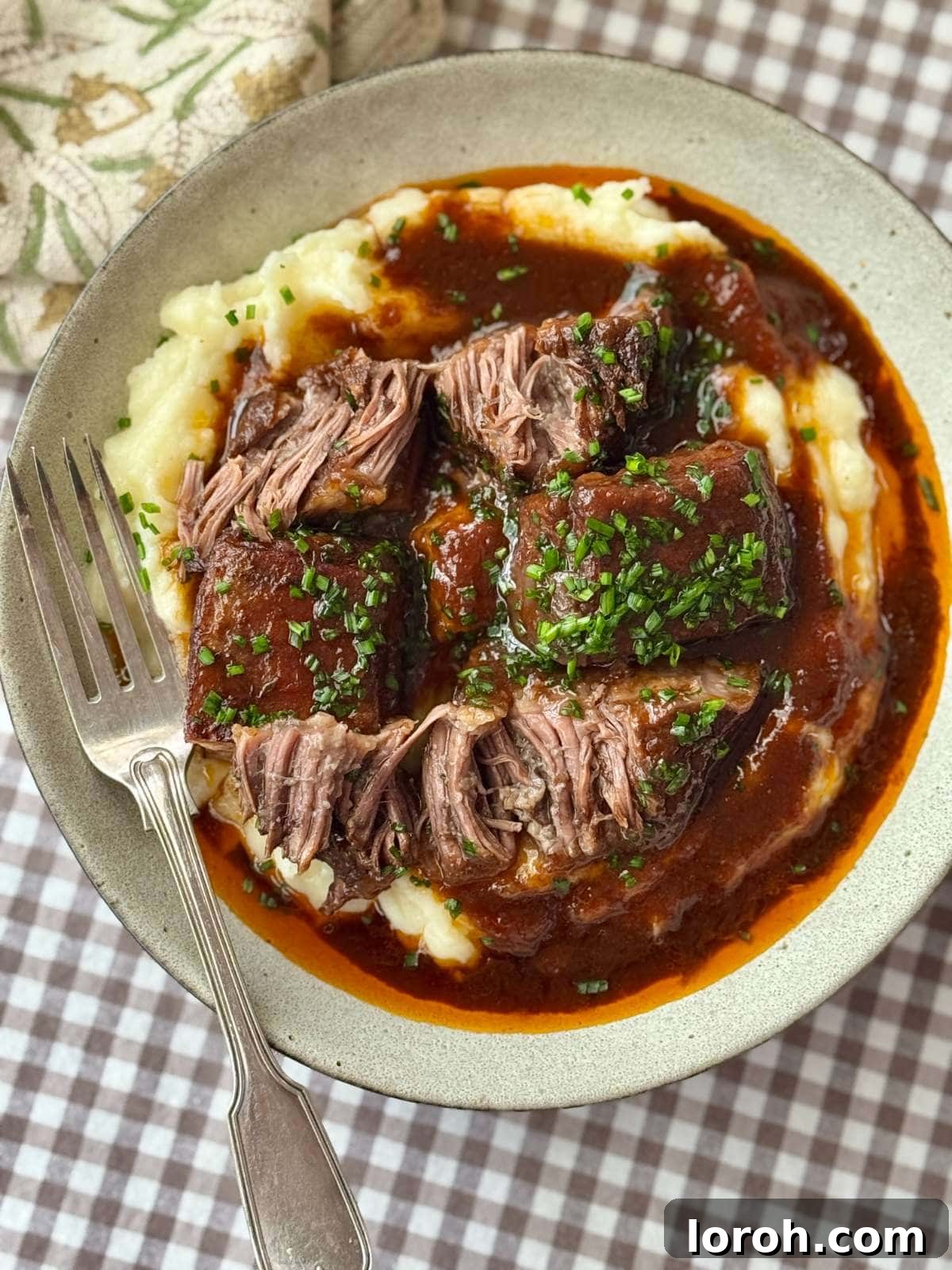
For many home cooks, however, beef short ribs can appear intimidating, especially if you’ve never prepared them before. Rushing the cooking process can lead to tough, chewy, and ultimately disappointing results. But with a little patience and the knowledge shared in this guide, you’ll master the art of cooking these magnificent ribs, yielding results so delicious you’ll wonder why you waited so long.
In this ultimate guide, we will demystify the process, covering everything you need to know: what beef short ribs are, the various cooking methods you can employ, how long they truly take to achieve that melt-in-your-mouth texture, and all the essential flavor-building tricks that will ensure your short ribs turn out perfectly, every single time.
Table of Contents
- What Are Beef Short Ribs?
- Cooking Beef Short Ribs: Methods Compared
- Flavour Building: Ingredients & Liquids
- Timing & Temperature Guide
- Troubleshooting Common Issues
- Serving Suggestions for Short Ribs
- Frequently Asked Questions
- Other Recipes You May Like
What Are Beef Short Ribs?
Beef short ribs are a highly prized cut of meat, derived from the lower portion of the cow’s rib cage, specifically from the chuck, plate, and brisket sections. They are characterized by their rich marbling – those fine streaks of fat interspersed within the muscle – and a significant amount of connective tissue. This combination of fat and collagen is precisely what gives short ribs their exceptional flavor and makes them incredibly tender when cooked properly. However, it’s also why they demand slow, gentle cooking methods to allow that tough connective tissue to slowly break down into gelatin, resulting in that desirable fall-apart texture.
Cuts and Types of Beef Short Ribs
Understanding the different ways short ribs are cut is key to selecting the right type for your chosen recipe:
- English Cut: This is the most common cut for braising and slow cooking. The ribs are cut parallel to the bone, leaving one long bone with a substantial, thick slab of meat attached. This cut offers maximum meat-to-bone ratio, making it ideal for dishes where you want large, succulent pieces of meat that can be easily pulled from the bone once tender.
- Flanken Cut: Popular in various Asian cuisines, particularly Korean BBQ (known as Galbi), this cut involves slicing the ribs across the bones. This yields thinner strips of meat, with several small cross-sections of bone in each piece. Flanken cuts are perfect for grilling, pan-frying, or quick marinades due to their thinner profile, allowing them to cook much faster.
- Bone-in vs. Boneless: While most traditional short ribs come bone-in, boneless options are available. Bone-in ribs are generally preferred by chefs and home cooks for their superior flavor and juiciness. The bone contributes marrow and other compounds that enhance the overall taste and richness of the dish. It also helps the meat stay moist during long cooking times. Boneless ribs, on the other hand, are easier to serve and eat but can dry out more quickly if overcooked.
What to Look for When Buying Short Ribs
Choosing quality short ribs is the first step towards a delicious meal. Here’s what to keep in mind when you’re at the butcher or supermarket:
- Look for excellent marbling – those fine, white streaks of fat running throughout the muscle. Marbling is a direct indicator of flavor and tenderness. The more marbling, the richer and juicier your cooked ribs will be.
- Avoid ribs with excessively thick layers of external fat. While some fat is good for flavor, large exterior layers will simply render off and create more grease, which you’ll likely trim anyway. A good butcher can trim this for you.
- Opt for ribs with a relatively even thickness if possible. This promotes consistent cooking, ensuring all pieces become tender at the same rate.
- Consider sourcing from a reputable butcher. They can offer insights into the cuts, origin, and freshness, often providing higher quality meat than what might be found in a standard grocery store.
Cooking Beef Short Ribs: Methods Compared
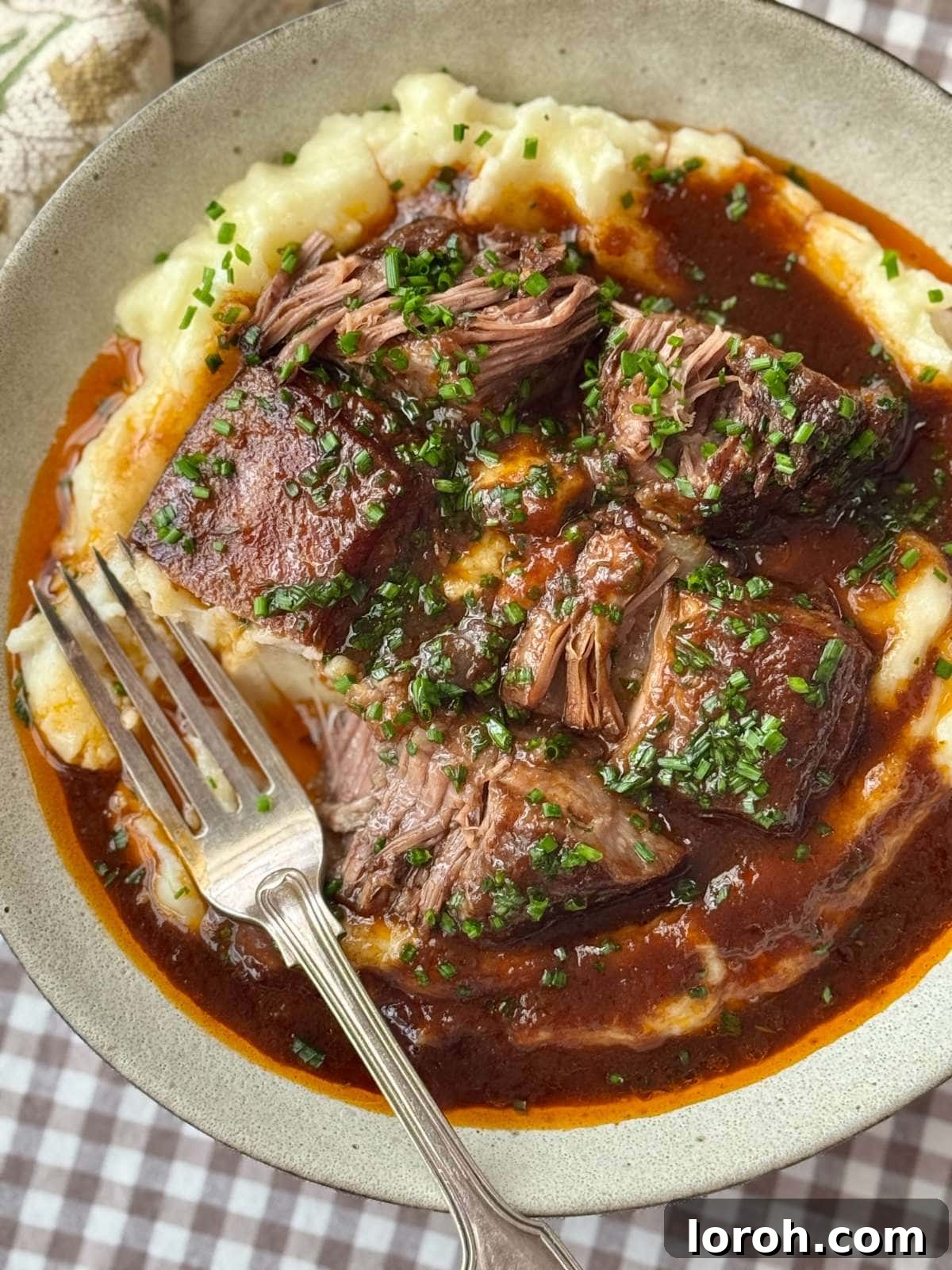
Achieving perfectly tender beef short ribs hinges on choosing the right cooking method. Your decision will depend on factors like the time you have available, the equipment at your disposal, and your ultimate flavor goals. All methods share a common goal: to break down the tough connective tissues through low and slow heat, resulting in succulent meat that easily pulls away from the bone.
Braising (Oven or Stovetop)
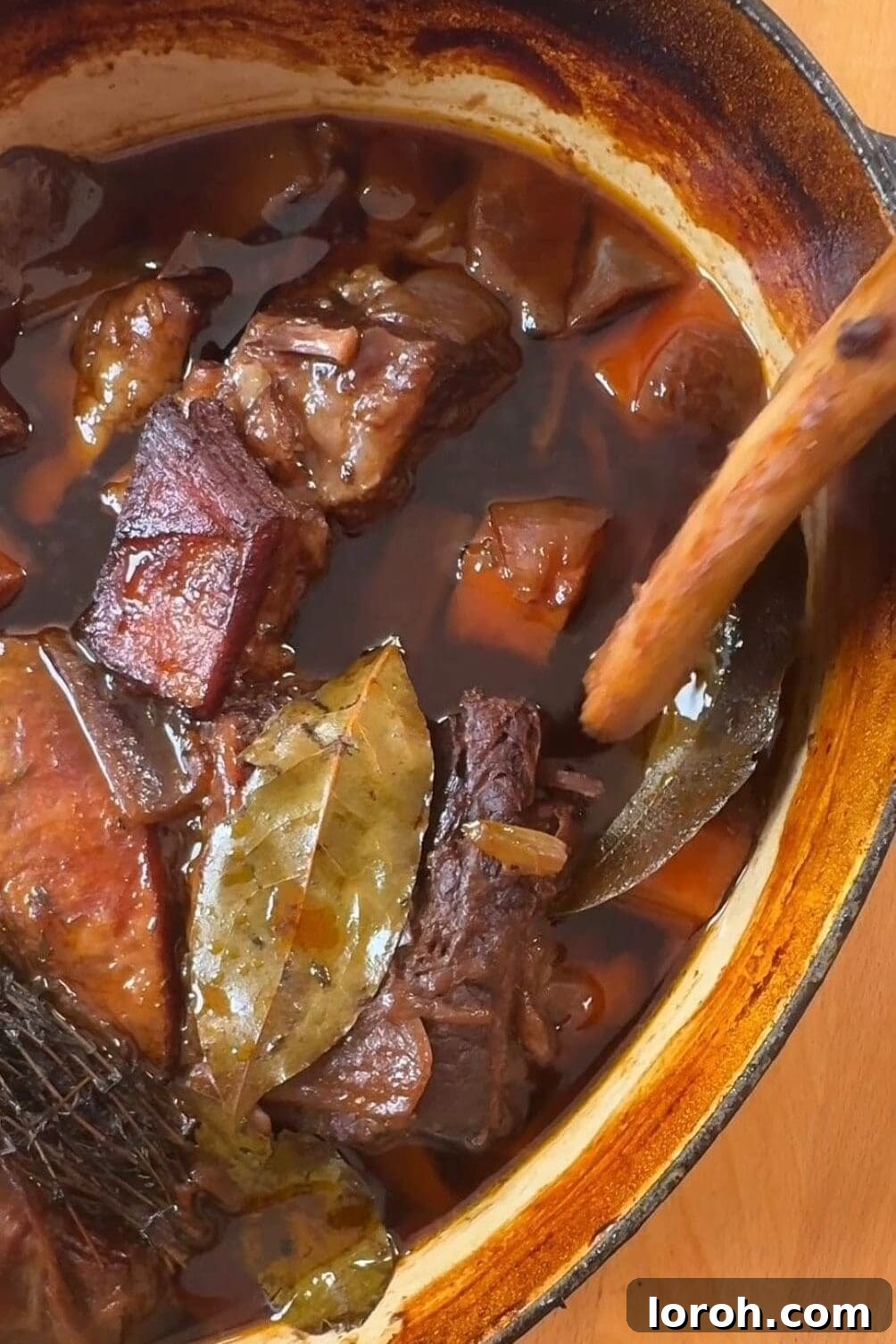
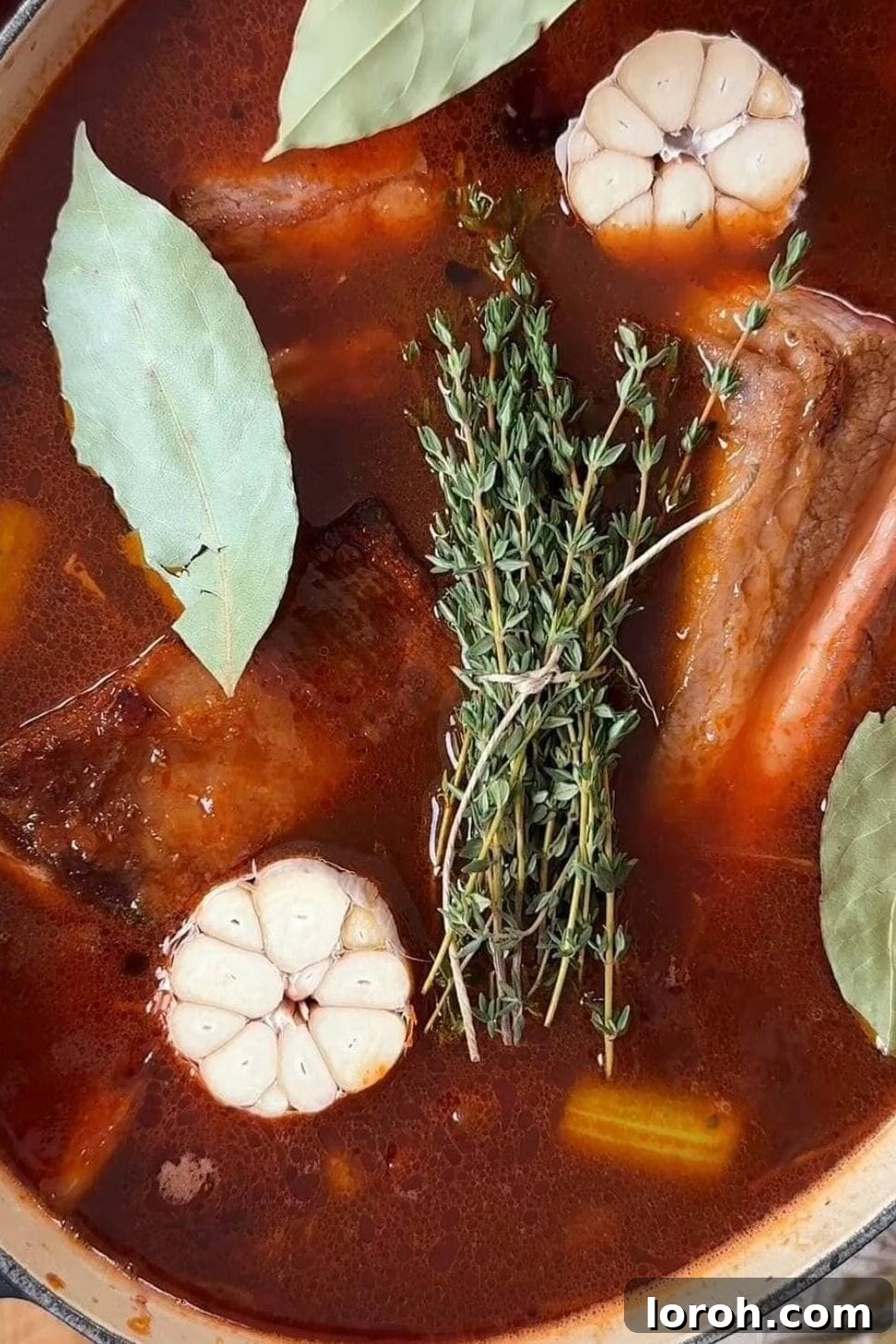
Braising is the quintessential method for short ribs, yielding deeply flavored, fall-apart tender results and a rich, concentrated sauce. It involves searing the meat, adding aromatics and liquid, then cooking it slowly in a covered pot. The long, moist heat gently coaxes the collagen to gelatinize, creating that signature tender texture.
- Oven Braising: This method provides consistent, even heat, making it largely hands-off once the pot is in the oven. The oven’s dry heat from above also helps create a slightly caramelized top on the ribs, even while submerged. Typically, cook at around 160°C fan (355°F) or 180°C conventional (350°F) for 3.5 to 4 hours, or until fork-tender. Ensure the lid is tight to prevent liquid evaporation.
- Stovetop Braising: If you don’t want to use your oven, stovetop braising is an excellent alternative. It requires a heavy-bottomed pot (like a Dutch oven) and more vigilant monitoring to ensure the liquid maintains a very gentle simmer. Cook on low heat for 3 to 3.5 hours, keeping a close eye to prevent scorching and adjusting the heat so it’s barely bubbling.
The process typically starts with searing the ribs to develop a deep, caramelized crust – a crucial step for flavor. Then, aromatics like onion, garlic, carrots, and celery are sautéed. Deglazing the pan with a rich liquid like red wine, beef stock, or beer captures all those flavorful browned bits (fond) from the bottom of the pot, creating the foundation for your sauce. The result is consistently tender beef enveloped in an incredibly rich, savory sauce.
Slow Cooker (Crockpot)
For ultimate convenience, the slow cooker is your best friend. It’s ideal for “set it and forget it” cooking, allowing you to prepare a delicious meal with minimal hands-on time, perfect for busy weekdays.
- Cook on low for 6-8 hours or high for 3-4 hours, until the ribs are fork-tender.
- While convenient, slow cookers don’t allow for initial searing within the pot, so it’s highly recommended to sear your short ribs in a separate pan on the stovetop before transferring them to the slow cooker. This step significantly enhances the depth of flavor and color of the final dish.
- A key difference with slow cookers is that the sauce won’t reduce as much during cooking due to less evaporation. You may need to transfer the braising liquid to a pan afterwards and simmer it on the stovetop to thicken and concentrate the flavors.
Pressure Cooker
If you’re short on time but crave the tenderness of slow-cooked ribs, the pressure cooker is an indispensable tool. It drastically cuts down cooking time by increasing the internal pressure and temperature.
- Always sear the ribs first in the pressure cooker (if it has a sauté function) or a separate pan to build flavor.
- After searing and adding liquids and aromatics, cook on high pressure for 40-45 minutes, followed by a natural pressure release for at least 10-15 minutes, or until the pressure completely drops. This allows the meat to rest and continue tenderizing.
- Carefully depressurize according to your cooker’s instructions to avoid spluttering of hot sauce.
- Similar to the slow cooker, the sauce in a pressure cooker won’t reduce during cooking. You will almost certainly need to remove the ribs and reduce the braising liquid on a stovetop to achieve a richer, thicker sauce.
Flavour Building: Ingredients & Liquids
While the cooking method is crucial, it’s the meticulous layering of liquid and aromatic ingredients that truly elevates short ribs from good to unforgettable. Building a robust flavor foundation is key to a restaurant-quality dish.
Choice of Liquid
The braising liquid forms the soul of your sauce and infuses the meat with its characteristic taste:
- Red Wine: A classic pairing for beef, red wine imparts a bold, deep, and complex flavor. Opt for dry, full-bodied reds like Cabernet Sauvignon, Merlot, or Pinot Noir. My red wine short ribs recipe is a testament to this incredible combination.
- Beer or Stout: For a slightly different profile, dark beers or stouts offer an earthy richness, often with notes of chocolate or coffee, which beautifully complements beef. The bitterness typically mellows out during the long cooking process, leaving a subtle sweetness and depth. Guinness or a similar robust stout works wonderfully.
- Beef Stock or Broth: This is a fundamental component in most short rib recipes. Always use a high-quality, rich beef stock or broth – ideally homemade, but a good quality store-bought option is fine. It provides a savory base and ensures the ribs remain moist. You might combine it with wine or beer for added complexity.
- Other Additions: Consider a spoonful of tomato paste for umami depth, a splash of balsamic vinegar for brightness, or even a touch of coffee for a unique, dark intensity.
Aromatics & Seasonings
These ingredients are essential for creating a fragrant and flavorful braising liquid:
- The Mirepoix: Onion, garlic, carrot, and celery form the traditional aromatic base (mirepoix) for most braised dishes. Sautéing them until softened releases their sweet and savory compounds.
- Fresh Herbs: Hearty herbs like thyme, rosemary, and bay leaf are perfect for long cooking, infusing the dish with their fragrant essence. Tie them together with kitchen twine for easy removal.
- Seasonings and Spices: Don’t forget ample salt and freshly ground black pepper. Beyond that, consider adding smoked paprika for warmth, a pinch of red pepper flakes for subtle heat, or even a touch of star anise for an unexpected twist in more Asian-inspired recipes. For BBQ or global styles, specific spice rubs or marinades can be applied before searing.
Sauce & Reduction
The braising liquid transforms into a magnificent sauce that is just as important as the ribs themselves:
- After the ribs are cooked and tender, carefully remove them from the pot and set aside.
- Strain the remaining braising liquid through a fine-mesh sieve, pressing on the solids to extract all flavor. Discard the solids.
- Return the strained liquid to the pot and simmer it uncovered over medium-high heat. This allows the liquid to reduce and thicken, concentrating its flavors into a rich, glossy sauce.
- Throughout the reduction, skim any excess fat that rises to the surface with a spoon.
- For a luxurious, restaurant-quality finish, whisk in a knob of cold butter (known as “monté au beurre”) just before serving. This adds sheen and emulsifies the sauce, making it incredibly smooth. Taste and adjust seasonings – it might need a final pinch of salt or a splash of vinegar.
Timing & Temperature Guide for Beef Short Ribs
Patience is paramount when cooking beef short ribs. The goal is to allow sufficient time for the collagen to break down into gelatin, which makes the meat incredibly tender. Here’s a quick reference guide for timings and temperatures across different methods:
| Method | Temperature | Timings (Approx.) | Key Notes |
| Oven Braise | 160°C fan / 180°C conventional (350-355°F) | 3.5 – 4 hours | Ensure a tight-fitting lid to minimize liquid evaporation. The low, consistent heat ensures even cooking and tenderness. |
| Stovetop Braise | Low heat (gentle simmer) | 3 – 3.5 hours | Maintain the gentlest simmer possible – barely a bubble. Monitor closely to prevent scorching and ensure constant liquid level. |
| Slow Cooker | Low or High setting | Low: 6-8 hours High: 3-4 hours |
Always sear ribs on the stovetop first for superior flavor and color. Sauce will need to be reduced separately on the stovetop afterward. |
| Pressure Cooker | High pressure | 40-45 minutes (after coming to pressure) | Sear ribs first. Allow natural pressure release for 10-15 mins. Be very careful when manually releasing pressure to avoid hot splatters. Sauce reduction is essential afterward. |
Always remember that these timings are guides. The true indicator of doneness for short ribs is when the meat is incredibly fork-tender and pulls easily from the bone. If it’s still tough, it simply needs more time.
Troubleshooting Common Issues When Cooking Beef Short Ribs
Even seasoned cooks can encounter a hiccup or two. Here’s how to tackle the most common problems:
- My short ribs are still tough! This is the most frequent issue and the easiest to fix: keep cooking them! Short ribs contain a lot of connective tissue (collagen). They don’t just get tender and then stop; they go through a phase where they are tough, and only after sufficient time and low heat will that collagen break down into gelatin, making them fall-apart tender. If they’re tough, they simply haven’t cooked long enough. Continue braising, checking every 30-60 minutes, until they yield to a fork with no resistance.
- The sauce is too thin. A thin sauce lacks body and concentrated flavor. There are a few ways to thicken it:
- Reduce it: After removing the ribs, simmer the braising liquid uncovered over medium-high heat until it reduces by about a third or half. This concentrates the flavors and thickens it naturally.
- Cornstarch Slurry: For a quicker fix, whisk 1-2 teaspoons of cornstarch with an equal amount of cold water to create a slurry. Gradually whisk this into the simmering sauce, letting it cook for a minute or two until it thickens. Repeat if needed, but add slowly to avoid over-thickening.
- Flour Roux: For a richer thickening, you can make a small roux (equal parts butter and flour cooked together) in a separate pan, then whisk it into the simmering sauce.
- My sauce is greasy. Short ribs are a fatty cut, and while fat equals flavor, excessive grease can be unappetizing.
- Skimming: The simplest method is to use a wide, shallow spoon to skim the excess fat off the surface of the hot sauce. Angle the spoon flat against the surface, and the top layer of fat will gently run into the spoon.
- Cooling and Solidifying: If you have time, let the cooked short ribs cool completely in their pot. As the dish chills, the fat will solidify on the surface, making it incredibly easy to scrape off with a spoon before reheating. This is often the best method for the cleanest sauce.
- Fat Separator: A fat separator is a kitchen tool specifically designed to easily remove fat from liquids.
Serving Suggestions for Beef Short Ribs
Once your beef short ribs are perfectly cooked and resting in their rich, reduced sauce, it’s time to think about complementary sides that will elevate the entire meal. Here are some classic and creative serving suggestions:
- Creamy Mashed Potatoes: The ultimate classic pairing. The fluffy potatoes soak up the rich sauce beautifully, creating a comforting and satisfying combination.
- Creamy Polenta or Grits: A wonderfully rustic alternative to mashed potatoes, polenta offers a smooth, buttery base that pairs exquisitely with the deep flavors of the short ribs.
- Risotto: A luxurious choice, particularly a mushroom or Parmesan risotto, provides a creamy, hearty accompaniment.
- Pasta: Short ribs transform beautifully into a ragu, served over wide pasta like pappardelle or tagliatelle, allowing the sauce to cling perfectly.
- Root Vegetable Purées: Try a parsnip, celeriac, or sweet potato purée for a slightly sweeter and earthy counterpoint to the savory ribs.
- Crusty Bread: Don’t underestimate the power of a good baguette or sourdough to sop up every last drop of that glorious sauce.
- Green Vegetables: To balance the richness, offer a fresh, bright side. Sautéed green beans, roasted asparagus, steamed broccoli, or a simple green salad with a vinaigrette all work well.
- Garnish: A sprinkle of fresh parsley, chives, or thyme adds a pop of color and fresh aroma just before serving.
Frequently Asked Questions About Beef Short Ribs
Absolutely! Pressure cooking is an excellent method for achieving tender short ribs quickly. The key to preserving and concentrating flavor lies in two main steps: first, always sear your ribs thoroughly before pressure cooking to build a deep, caramelized crust. Second, since pressure cooking traps steam and prevents evaporation, you will need to remove the cooked ribs and then reduce the braising liquid on the stovetop afterward. This concentrates the flavors into a rich, savory sauce, ensuring no flavor is lost.
The choice of cut significantly impacts the ideal cooking method. English-cut ribs, with their thick slab of meat on a single bone, are unequivocally best suited for braising and slow cooking. Their substantial size and connective tissue require long, moist heat to become tender and juicy. Flanken-cut ribs, on the other hand, are sliced thinly across multiple bones. Their thinner profile makes them excellent for quick cooking methods like grilling, broiling, or pan-frying, especially when marinated to add flavor and further tenderize them.
Making a rich yet non-greasy sauce for short ribs is entirely achievable, despite their fatty nature. Remember, fat contributes significantly to flavor, but balance is key. After your ribs are cooked and removed, strain the braising liquid. The most effective way to remove excess grease is to let the sauce cool slightly, or even refrigerate it overnight. As it cools, the fat will rise to the top and solidify, forming a solid cap that can be easily lifted off with a spoon. If serving immediately, use a wide, flat spoon or a fat separator to skim the hot fat from the surface. Gently press the spoon flat into the sauce, allowing the top layer (the fat) to flow into it. Once skimmed, you can then reduce the sauce to concentrate its flavors. A final whisk of a small knob of cold butter (monté au beurre) at the very end will add a beautiful gloss and richness without making it greasy.
Absolutely, and many chefs argue that short ribs taste even better the next day! Making them in advance allows the flavors to meld and deepen. Cook the ribs as directed, then let them cool completely in their braising liquid. Refrigerate overnight. The next day, you can easily remove the solidified fat from the surface. Reheat gently on the stovetop or in the oven until warmed through. This makes entertaining much easier.
Other Recipes You May Like
If you enjoyed mastering beef short ribs, explore these other delicious recipes:
- Try a classic red wine version with our comprehensive Red Wine Braised Beef Short Ribs recipe.
- Experience the rich flavor of short ribs in pasta with my hearty Beef Short Ribs Ragu. Or, for a similar comforting dish, try my beef shin ragu.
- For expert advice on selecting quality cuts and cooking steak perfectly, see my guide on How to Cook the Perfect Sirloin Steak.
Explore More Delicious Recipes
Helpful Tips
Rump Steak Explained: Perfect Cooking & Tips
Easy Pasta Recipes
Creamy Sausage Pasta (Pasta alla Norcina)
Easy Pork Recipes
Braised Sticky Pork Belly Noodles
Recipes
Steak with Romesco Sauce and Crispy Potato Wedges