
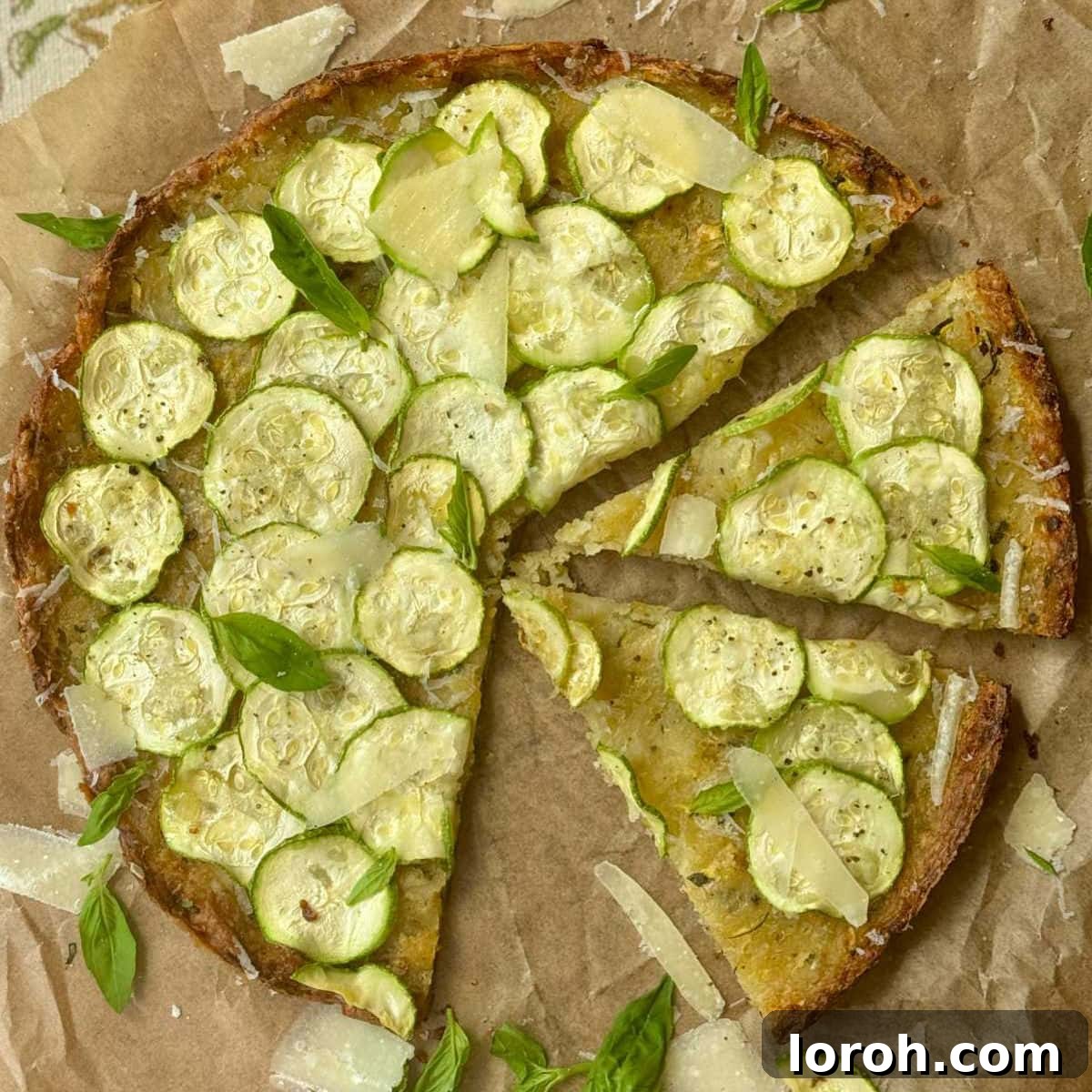
Scarpaccia: The Crispy Italian Zucchini and Potato Tart
Welcome to my favorite rendition of a classic Italian **Scarpaccia**, a remarkably light and exquisitely crispy dish that truly shines when courgettes (zucchini) are abundant and in season. While many traditional recipes focus solely on courgettes, I’ve found that incorporating finely grated potatoes into the batter elevates this humble tart to new heights, adding a delightful depth of flavor and a more satisfying, substantial texture. This unique twist ensures a perfectly golden, crispy exterior with a tender, flavorful interior.
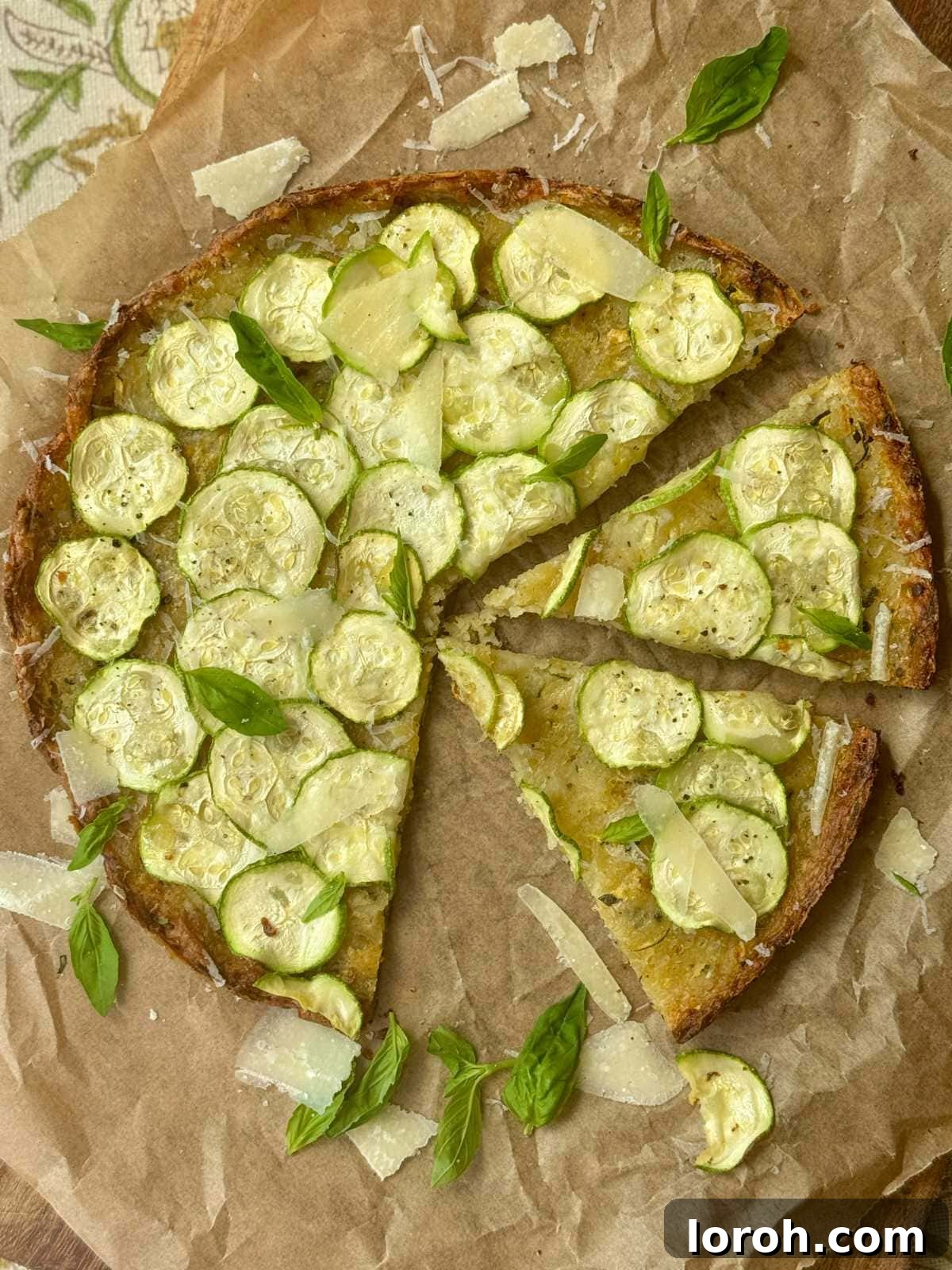
This versatile Scarpaccia recipe is ideal for various occasions. It serves as a delicious light lunch, especially when paired with a vibrant green salad or two, creating a fresh and wholesome meal. Beyond lunch, it transforms into an excellent snack or an elegant appetizer to accompany drinks, making it perfect for entertaining or a casual evening at home. What truly makes this recipe stand out is its adaptability: it’s incredibly easy to adjust for both vegetarians and vegans, ensuring that everyone at your table can enjoy this delightful dish without compromise. It’s a true testament to the beauty of simple, seasonal ingredients transformed into something extraordinary.
Table of Contents
- Why You’ll Love This Crispy Scarpaccia Recipe
- The Story Behind Scarpaccia: A Tuscan Classic
- Essential Ingredients for Your Scarpaccia
- Customizing Your Scarpaccia: Substitutions and Variations
- Step-by-Step: Crafting Your Easy Scarpaccia
- Expert Cooking Tips for Perfect Scarpaccia
- Frequently Asked Questions About Scarpaccia
- More Delightful Courgette Recipes You Might Like
- Scarpaccia (Italian Zucchini Tart) Full Recipe
Why You’ll Love This Crispy Scarpaccia Recipe
This Scarpaccia recipe isn’t just another dish; it’s a celebration of simplicity, flavor, and versatility. Here’s why it’s destined to become a staple in your kitchen:
- Embraces the Philosophy of Cucina Povera: At its heart, this dish champions the concept of cucina povera, or “poor cooking,” where humble, readily available ingredients are transformed into something truly extraordinary. You’ll likely find most items already in your pantry or fridge, making it an accessible and budget-friendly option for a gourmet experience.
- Incredibly Versatile for All Dietary Needs: This recipe is a dream for accommodating diverse dietary preferences. It **adapts beautifully for vegetarians and vegans**, requiring only a simple swap for the Parmesan garnish. This inclusivity makes it an ideal choice when cooking for a mixed group, ensuring everyone can indulge.
- A Light Meal or Perfect Appetizer: Whether you’re seeking a **light yet satisfying main course** or an elegant pre-dinner nibble, Scarpaccia fits the bill perfectly. It pairs wonderfully with a variety of fresh salads for a wholesome lunch or dinner, and equally shines as a sophisticated canapé or aperitif snack, offering a delightful texture and flavor profile.
- Seasonal Freshness at Its Best: There’s no better way to celebrate the bounty of summer than with this recipe. When courgettes are at their peak, bursting with freshness and flavor, this Scarpaccia allows their natural taste to shine through, creating a dish that truly embodies the essence of seasonal eating.
- Effortless to Prepare: Despite its impressive presentation and delectable taste, Scarpaccia is surprisingly straightforward to make. The steps are simple, and with a little preparation, you can have a gourmet-quality dish on your table with minimal fuss, leaving you more time to enjoy your meal and company.
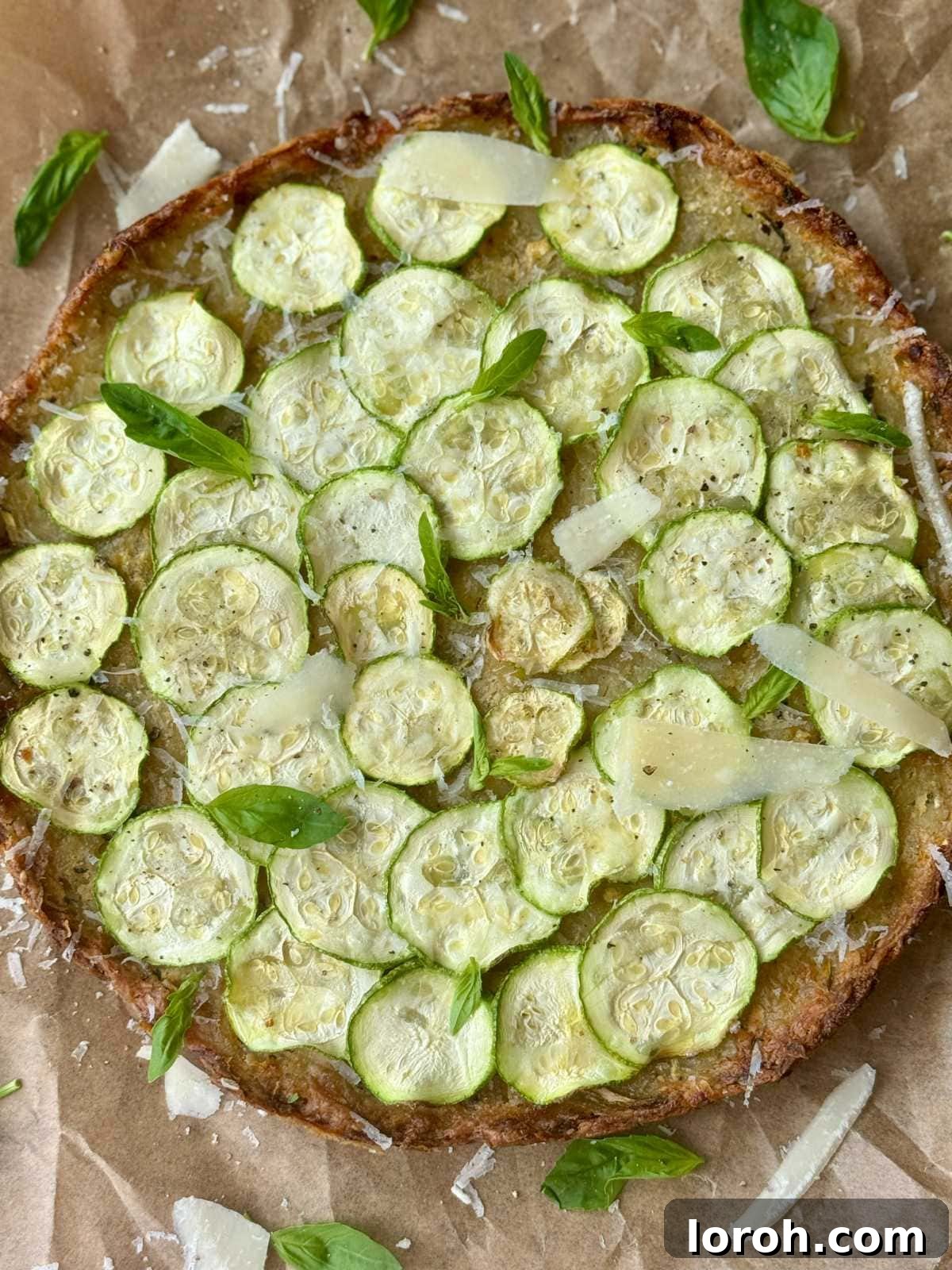
The Story Behind Scarpaccia: A Tuscan Classic
Scarpaccia, a name that charmingly translates to “old shoe” due to its traditionally thin, flat, and somewhat rustic appearance, is a beloved savory tart originating from the coastal region of Tuscany, particularly in and around the town of Camaiore. This dish epitomizes the Italian philosophy of “cucina povera,” or peasant cooking, where resourceful home cooks transformed humble, seasonal ingredients into deeply satisfying and flavorful meals.
Historically, Scarpaccia was a way to utilize abundant summer courgettes, often combined with a simple batter of flour and water. It was baked until crisp, offering a light yet nourishing meal for families. Over time, regional variations emerged, with some adding onions, herbs, or even a touch of cheese. My version pays homage to this tradition while enhancing the texture and satiety with the addition of grated potatoes, a practice less common in traditional Scarpaccia but one that I believe truly elevates the dish, making it even more appealing and substantial. It’s a testament to how simple ingredients, when handled with care and a touch of innovation, can create culinary magic.
Essential Ingredients for Your Scarpaccia
While the complete and precise recipe with detailed measurements is available in the recipe card at the end of this article, here’s a closer look at the key ingredients that bring this Scarpaccia to life:
- Plain Flour (All-Purpose Flour): This forms the foundational structure of our crispy tart batter. Plain flour provides the necessary binding and lightness, ensuring the Scarpaccia achieves its characteristic thin and delicate consistency.
- Cornmeal: A crucial ingredient for texture! Made from dried corn, cornmeal (whether fine or coarse ground) is incorporated into the batter and lightly sprinkled on top. It’s the secret to achieving that wonderfully rustic, golden, and incredibly crispy crust that defines a perfect Scarpaccia.
- Courgette (Zucchini): The star of the show! We use courgette in two ways: grated into the batter for moisture and subtle flavor, and thinly sliced for the topping, which crisps beautifully and adds a fresh, vibrant taste to every bite. Opt for firm, fresh courgettes for the best results.
- Potato: While not a traditional inclusion in every Scarpaccia recipe, I firmly believe grated potatoes elevate this dish. They add a wonderful richness and earthiness to the batter, contributing to a more substantial and satisfying texture. A good all-rounder variety like Maris Piper or Yukon Gold works perfectly, offering a creamy texture that blends seamlessly.
- Onion: Finely chopped onion adds a savory aromatic base to the batter, deepening the overall flavor profile without overpowering the fresh courgettes.
- Dried Herbs (Oregano or Thyme): These classic Italian herbs infuse the Scarpaccia with a fragrant, authentic Mediterranean essence, complementing the vegetables beautifully.
- Garlic Granules: A touch of garlic granules provides a subtle savory depth, enhancing the overall flavor without the intensity of fresh garlic.
- Olive Oil: Essential for cooking and flavor. Used to prepare the baking pan, drizzled over the top before baking, and sometimes for serving, olive oil contributes to the rich, authentic Italian taste and helps achieve that golden crispiness.
- Water: Gradually added to create the perfect batter consistency – thick enough to hold its shape but spreadable enough to form a thin crust.
- Salt and Freshly Ground Black Pepper: Seasoning is vital to bring out the best in the fresh ingredients. Flaky sea salt for the topping adds an extra burst of flavor and texture.
Customizing Your Scarpaccia: Substitutions and Variations
This Scarpaccia recipe is wonderfully forgiving and open to creative modifications. Feel free to experiment with these suggestions to make it your own:
- Herbs: For a fresh flavor twist, consider swapping dried oregano or thyme with **freshly picked thyme leaves** or finely chopped rosemary. If using fresh herbs, you might need a slightly larger quantity than dried to achieve the same intensity of flavor. Fresh basil, while often used as a garnish, can also be lightly incorporated into the batter for a brighter taste.
- Cheese (For Garnishing): If you’re looking for a vegetarian alternative to Parmesan, a good quality **vegetarian-friendly hard cheese** works beautifully. Options like Gran Moravia or even Old Winchester, with its delightfully nutty profile reminiscent of Gouda, are excellent. Pecorino Romano offers a sharper, saltier kick if you prefer a bolder flavor. For a less traditional but still delicious choice, Gruyere adds a wonderfully melty texture and mild nuttiness. For a **vegan option**, simply omit the cheese or use a high-quality vegan Parmesan-style grated topping.
- Onion: While a small white or yellow onion is standard, you can easily substitute it with **red onion** for a slightly sweeter, milder flavor, or **shallots** for a more delicate aromatic touch. Ensure whatever you choose is very finely chopped to blend seamlessly into the batter. For an even milder flavor, especially if you’re sensitive to onion, you could use **spring onions** (scallions) for a fresh, lighter note.
- Vegetable Additions: Don’t limit yourself to just courgettes and potatoes! You could experiment with a small amount of finely grated carrots for added sweetness and color, or thinly sliced cherry tomatoes arranged on top alongside the courgettes for a burst of juicy acidity. Just be mindful of moisture content if adding other watery vegetables.
- Spices: A pinch of red pepper flakes can introduce a subtle warmth and kick to your Scarpaccia, perfect if you enjoy a touch of heat. Smoked paprika can also add a smoky depth.
- Flour Alternatives: For a gluten-free version, you might experiment with a gluten-free all-purpose flour blend, although the texture might vary slightly. Ensure the blend includes xanthan gum for proper binding.
Step-by-Step: Crafting Your Easy Scarpaccia
This visual guide walks you through the key stages of making Scarpaccia. For full, detailed instructions and ingredient quantities, please refer to the complete recipe card at the bottom of the page.
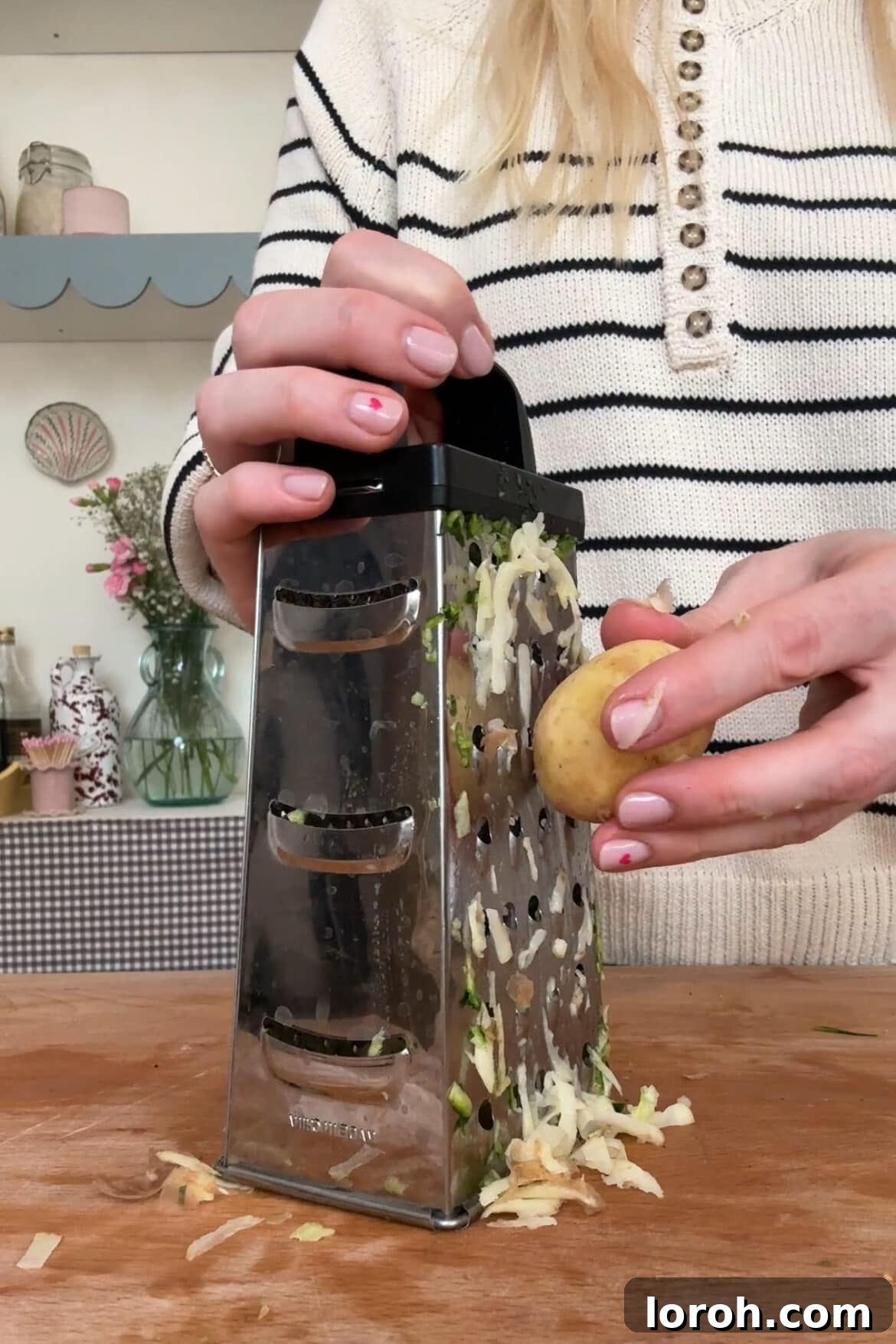
STEP 1: Prepare the Vegetables. Begin by thoroughly grating both the courgettes and potatoes. You can achieve this quickly and efficiently using either a standard box grater or the grating attachment on your food processor. Aim for a consistent, medium grate. Once grated, immediately proceed to the next critical step.
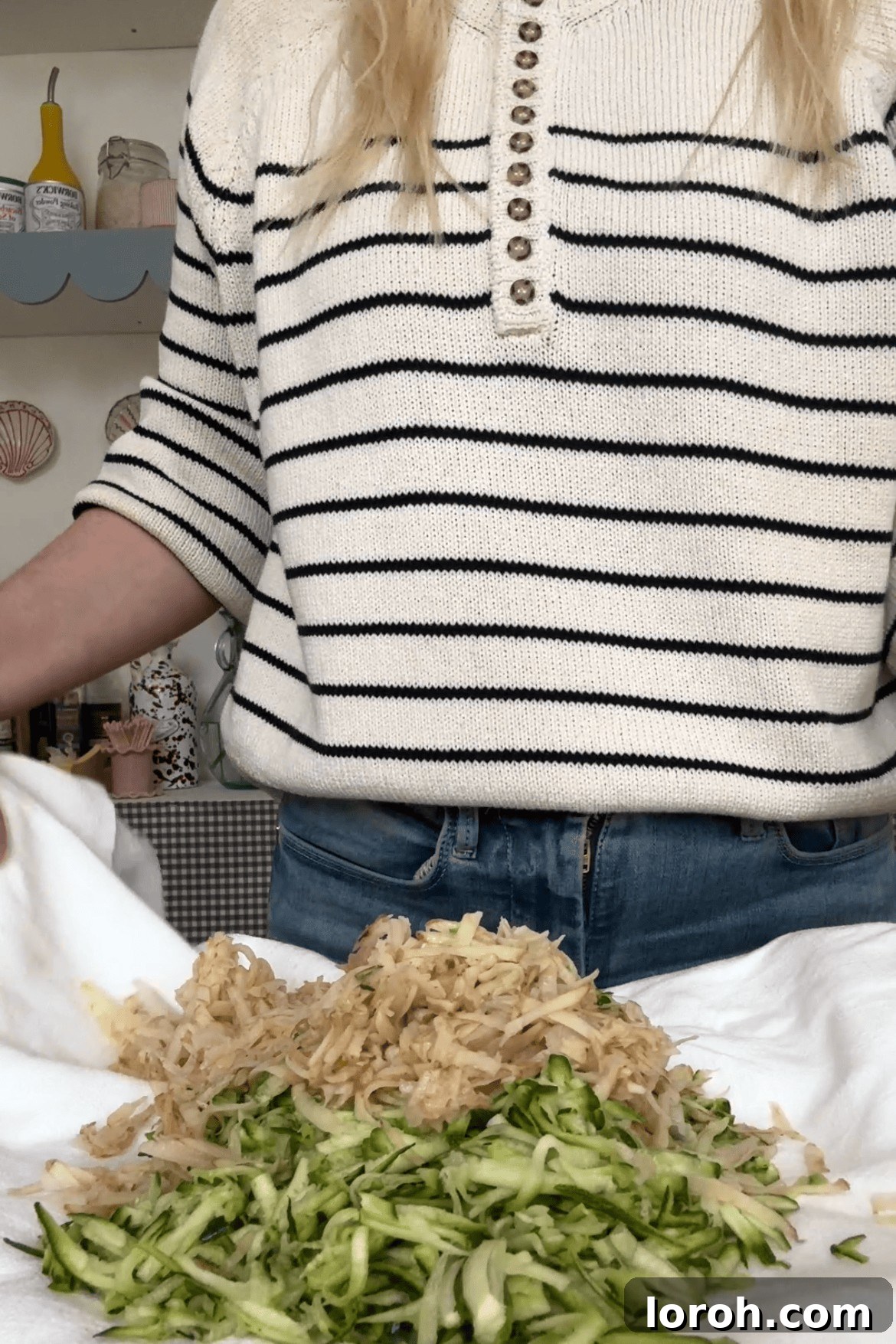
STEP 2: Remove Excess Moisture. This is perhaps the most crucial step for achieving a perfectly crispy Scarpaccia. Gather the grated courgette and potato in the center of a clean kitchen towel or tea towel. Twist and squeeze the towel firmly to extract as much liquid as possible. Be exceptionally thorough here; the drier your vegetables, the crispier your tart will be.
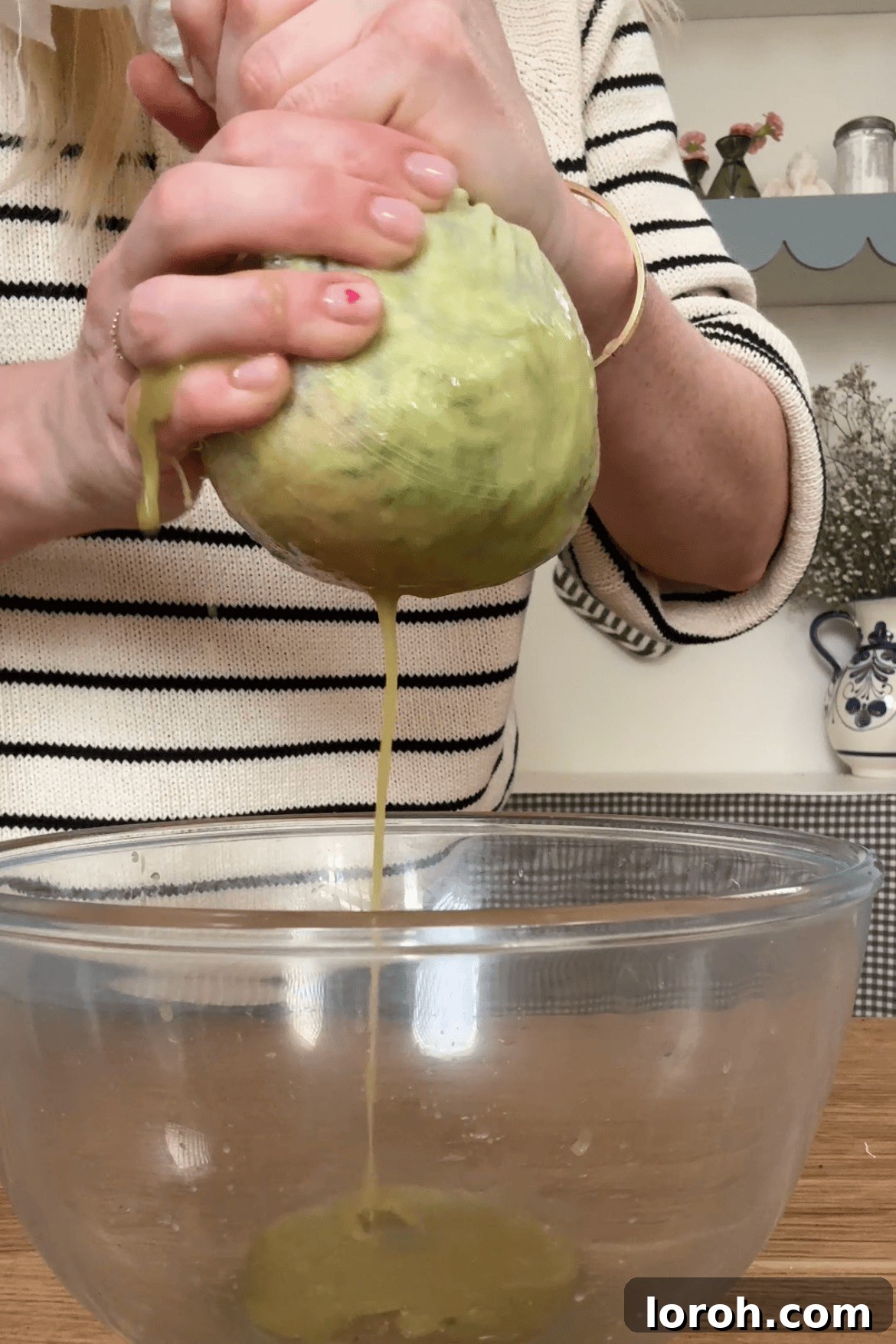
STEP 3: Wring Until Dry. Continue wringing and twisting the tea towel with significant force. You’ll be surprised by how much liquid can be extracted. The goal is for the grated vegetables to feel relatively dry and crumbly, not damp. This intensive drying process is paramount to prevent a soggy Scarpaccia and ensure that coveted crispiness.
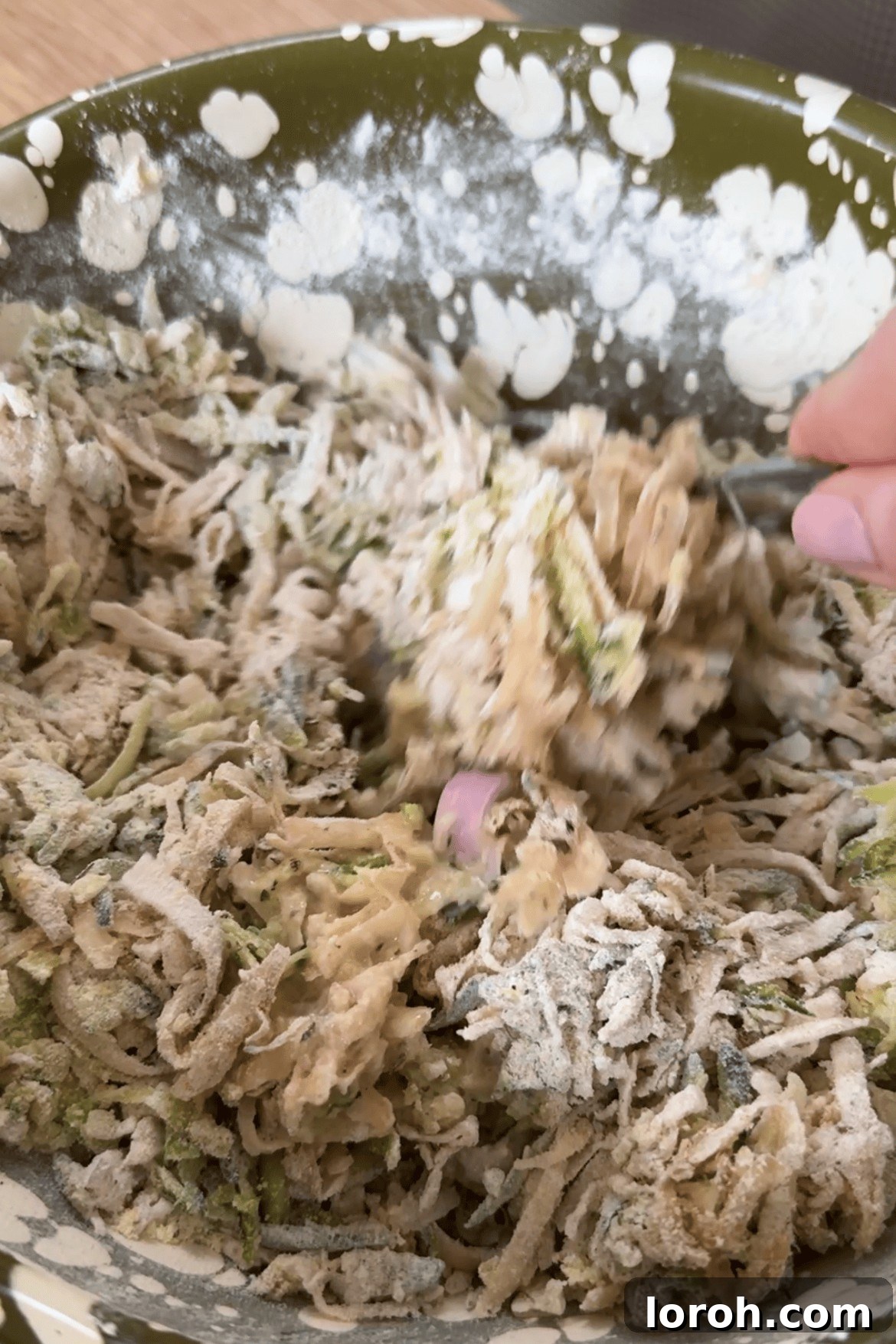
STEP 4: Prepare the Batter. Transfer the thoroughly dried grated courgette and potato into a large mixing bowl. Add the plain flour, cornmeal, finely chopped onion, garlic granules, and dried herbs. Season generously with salt and freshly ground black pepper. Gradually incorporate the water, adding a small amount at a time and mixing until you achieve a very thick batter. It should be noticeably thicker than a typical pancake batter but still thin enough to spread, not a firm dough. Adjust with a little more flour or water if needed to reach this ideal consistency.
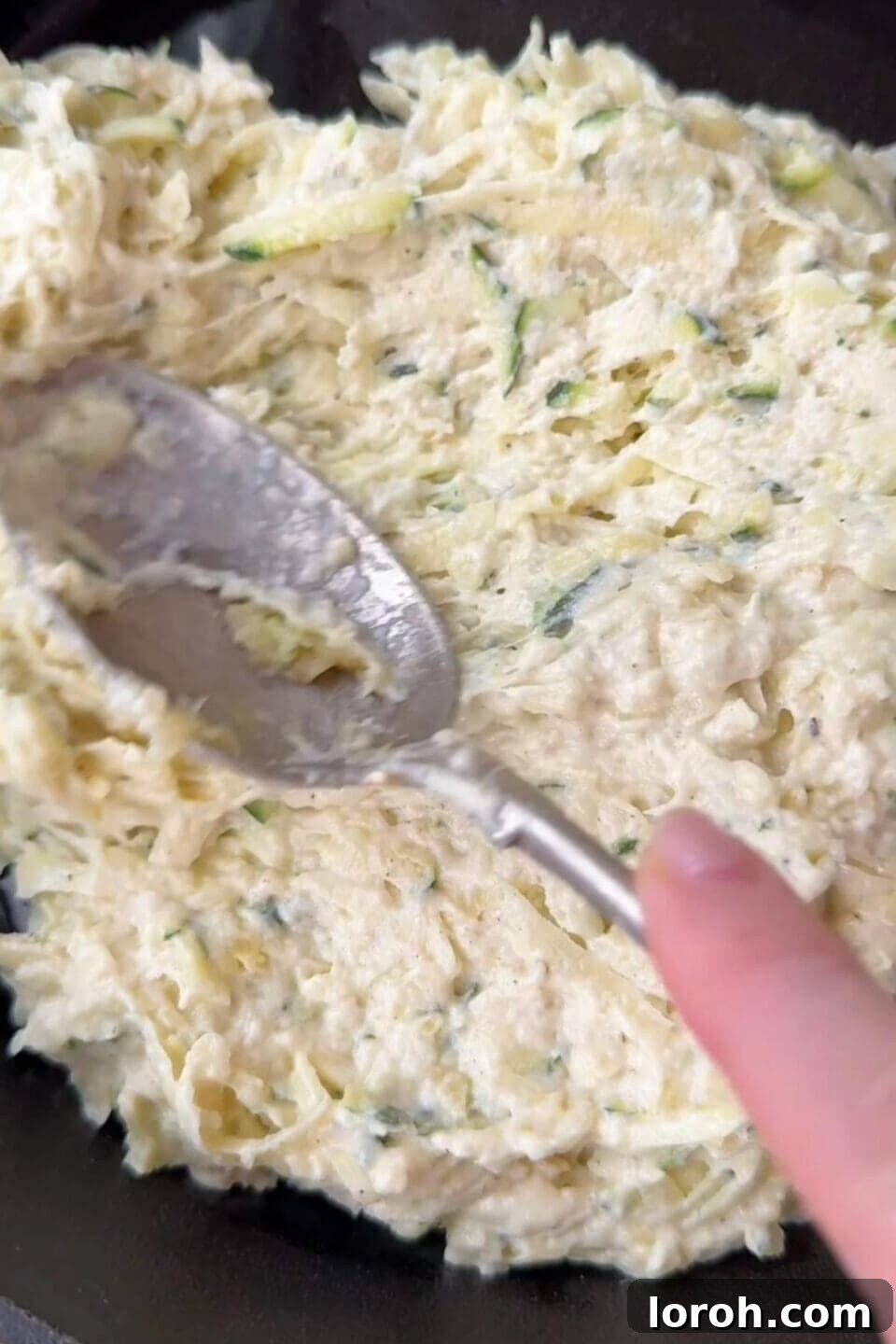
STEP 5: Spread and Top. Pour the prepared batter onto your oiled baking pan or baking sheet. Using a spatula or the back of a spoon, spread the batter out as thinly and evenly as possible across the entire surface. The thinner the layer, the crispier your Scarpaccia will be. Next, artfully arrange the very thinly sliced courgette pieces over the batter. Lightly sprinkle the topping with a bit more cornmeal for extra crunch, drizzle generously with olive oil, and finish with a sprinkle of flaky sea salt.
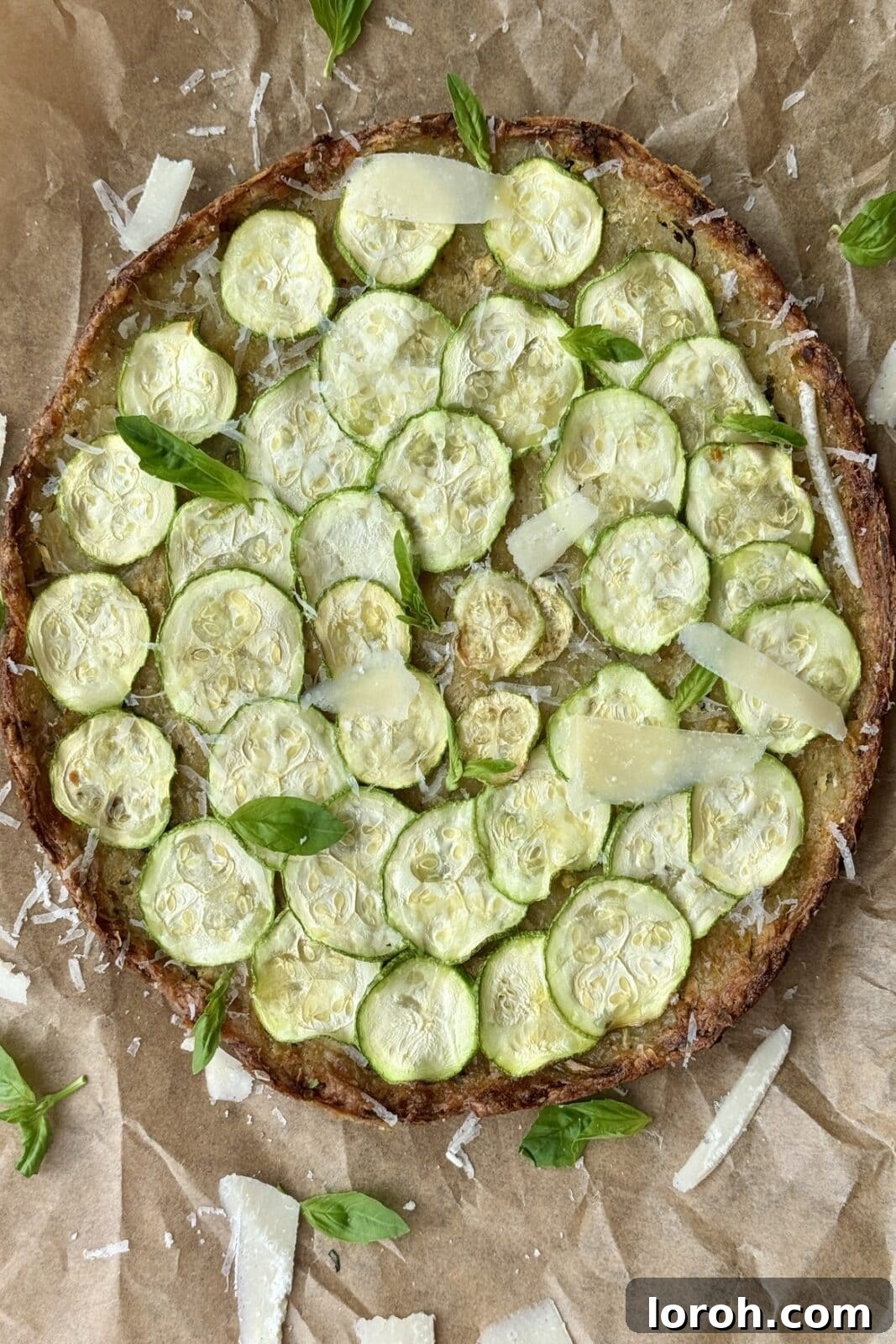
STEP 6: Bake to Perfection. Transfer the prepared pan to a preheated oven and bake for approximately 45 minutes, or until the Scarpaccia is beautifully golden brown, wonderfully crispy around the edges, and cooked through. Keep an eye on it, and if the courgette slices on top start to crisp too much, you can lightly cover the tart with foil for the final 10 minutes of baking. Once baked, remove from the oven, transfer to a cutting board, garnish as desired, and serve warm.
Expert Cooking Tips for Perfect Scarpaccia
Achieving the perfect, crispy Scarpaccia is simple with a few insider tips:
- Mastering the Mandolin: My mandolin is an invaluable tool for this recipe, making impossibly thin vegetable slices quick and effortless. However, these tools are incredibly sharp and require caution. Always ensure the vegetable has a flat, stable surface for cutting and **always use a hand guard** to protect your fingers. If you prefer not to use a mandolin, a very sharp knife and a steady hand will also yield excellent results, though it will take a bit more time. Alternatively, many food processors come with a slicing attachment that can produce consistent, thin slices.
- The Art of Water Removal: This step cannot be stressed enough. **Thoroughly removing excess water from the grated courgettes and potatoes is paramount** for a truly crispy Scarpaccia that holds its shape. After grating, wrap the vegetables tightly in a clean tea towel and squeeze with all your might. You want to extract every last drop of moisture.
- Pro Tip for Extra Dryness: If time allows, place the grated vegetables in a colander, sprinkle generously with salt, and let them sit for about 30 minutes. The salt will draw out more moisture. After this resting period, proceed with the tea towel squeeze. This extra step guarantees an even crispier outcome. However, if you’re short on time, a vigorous squeeze in the tea towel alone (as I often do!) will still give great results.
- Achieving the Ideal Batter Consistency: The batter for Scarpaccia should be thick – much thicker than pancake batter, but still pourable and spreadable. It should resemble a very thick paste. This density ensures a sturdy base that crisps beautifully without becoming crumbly. If your batter seems too runny after adding the water, add a tablespoon of flour at a time until the desired consistency is reached. If it’s too stiff, a tiny splash of water can loosen it.
- Spreading Thinly and Evenly: The key to a crispy tart is a thin, uniform layer. Once the batter is on the pan, use an offset spatula or the back of a spoon to spread it out as thinly as possible. Any thicker spots will cook slower and may remain softer.
- Don’t Skimp on the Olive Oil: A generous drizzle of good quality olive oil before baking contributes significantly to the Scarpaccia’s golden color and exceptional crispness, as well as its rich, savory flavor.
- Serving Temperature: Scarpaccia is at its absolute best served warm, straight from the oven, when the crust is at its crispiest. While leftovers can be reheated, the fresh-baked texture is truly unmatched.
Frequently Asked Questions About Scarpaccia
Scarpaccia, a name whimsically translating to ‘old shoe’ due to its characteristic thin, flat, and crispy profile reminiscent of a worn sole, is a cherished Tuscan savory tart. It typically features a delicate, crisp base generously topped with thinly sliced courgettes (zucchini), a generous drizzle of olive oil, and aromatic fresh herbs. Think of it as a rustic, elegant, and lighter alternative to a traditional courgette tart or quiche, deeply rooted in the Italian philosophy of using fresh, seasonal ingredients.
I adore serving Scarpaccia warm, allowing its flavors and crispy texture to truly shine. It pairs beautifully with a vibrant selection of seasonal summer salads, making it an ideal light lunch or dinner. It’s particularly perfect to prepare from June through October, during the peak summer and early autumn months when courgettes are bountiful, offering a delicious way to utilize a garden glut. A simple green salad with a lemon vinaigrette, a fresh tomato and basil salad, or a quinoa salad would complement it wonderfully. It also makes an excellent stand-alone appetizer or snack with drinks.
Yes, this Scarpaccia is **almost entirely suitable for vegetarians**. The only ingredient that often requires a swap is the Parmesan cheese, which is typically made with animal rennet. To make it truly vegetarian-friendly, simply substitute the Parmesan with a vegetarian-style hard cheese. Excellent options include Gran Moravia, which offers a similar flavor profile, or even Old Winchester, known for its beautifully nutty and slightly sweet flavor, akin to a mature Gouda. In a pinch, a strong, flavorful Cheddar would also work well.
Absolutely! This Scarpaccia recipe is **perfectly adaptable for vegans**. The primary adjustment needed is to simply **omit the Parmesan cheese** garnish entirely, or replace it with a high-quality vegan Parmesan-style grated topping. All other ingredients in the base recipe – courgettes, potatoes, flour, cornmeal, onion, herbs, olive oil, salt, and pepper – are naturally plant-based. This makes it an incredibly versatile and inclusive dish for vegan diets.
To maintain its freshness, store any leftover Scarpaccia in an airtight container in the refrigerator for up to 4 days. For reheating, Scarpaccia is significantly better warm than cold. The best methods to restore its crispy texture are in the oven or an air fryer. Reheat in a preheated oven at 180°C (350°F) for 5-7 minutes, or in an air fryer at 180°C (350°F) for about 5 minutes, until heated through and crispy again. While not ideal for crispness, if you’re in a real hurry, even a minute in the microwave can help warm it up, though it won’t be as crispy.
You can certainly do some prep work in advance. Grate the courgettes and potatoes and squeeze out the water the day before, storing them in an airtight container in the fridge. You can also chop the onion and measure out the dry ingredients. However, I recommend mixing the batter and baking the Scarpaccia fresh on the day you plan to serve it. This ensures the best possible crispy texture and vibrant flavor, as the batter can become a little soft if left to sit too long before baking.
For the crispiest results, I recommend using a large, heavy-bottomed round baking tin (around 10-inch/25cm) or a cast iron pan, brushed generously with olive oil. The even heat distribution of these pans helps create a beautifully golden and crunchy crust. Alternatively, a large baking sheet (17×12 inch/45x30cm) lined with baking parchment and then brushed with olive oil also works well, allowing you to spread the batter thinly over a larger surface area.
More Delightful Courgette Recipes You Might Like
Courgettes are incredibly versatile, and I love incorporating them into a myriad of dishes. If you’ve enjoyed this Scarpaccia, you’ll surely appreciate these other creative and delicious ways to use this fantastic vegetable:
- For a comforting and zesty meal, try my Creamy Lemon Courgette Pasta or the equally satisfying Quick Creamy Courgette Pasta, both perfect for a weeknight dinner.
- For something truly impressive, my Spiral Courgette Galette is a showstopper, featuring beautifully arranged courgette spirals.
- Indulge in ultimate comfort with a layered Lasagne layered with Courgettes, Basil, and Crème Fraîche – a vegetarian dream.
- For a quick and hearty lunch or brunch, my Courgette Frittata/Omelette is a fantastic choice, packed with fresh flavors.
- And if you’re looking for another superb vegetarian lunch or brunch option, my Baked Eggs and Feta offers a delightful Mediterranean twist.
- Don’t forget the sweeter side! My Chocolate Courgette Cake with Chocolate Frosting is a surprisingly moist and decadent treat, perfect for using up larger courgettes.
- For a crispy appetizer or side, these Courgette Corn Fritters are always a hit.
- And for a rich, cheesy side dish that complements almost any meal, try my Creamy Courgette Gratin (Gratin de Courgettes).
- Beyond courgettes, if you enjoy quick and flavorful pasta dishes, my Prawn and Tomato Linguine is a delightful option ready in under 30 minutes.
Easy Baking Recipes
Chocolate Courgette Cake with Chocolate Frosting
Lunch Recipes
Courgette Corn Fritters
Vegetarian Dishes
Creamy Courgette Gratin (Gratin de Courgettes)
Under 30 Minutes
Prawn and Tomato Linguine
If you tried this **Scarpaccia** or any other recipe on the site, please do leave a comment and let us know how it went! Your feedback is invaluable.
Scarpaccia (Italian Zucchini Tart)
Margie
20 minutes
45 minutes
1 hour
5 minutes
6
servings
Rate Recipe
Print Recipe
Ingredients
For the Scarpaccia:
- Olive oil, for drizzling
- 350 g courgettes, grated
- 350 g potatoes, grated (e.g., Maris Piper or Yukon Gold)
- 150 g plain flour, approx. (all-purpose flour)
- 40 g cornmeal
- 1 small onion, very finely chopped
- ½ tsp garlic granules
- ½ tsp dried oregano or thyme
- 125 ml water
- Salt and freshly ground black pepper, to taste
For the topping:
- 120 g courgette, very thinly sliced (mandoline recommended)
- 20 g cornmeal, for sprinkling
- Sprinkle of flaky sea salt
To garnish:
- Freshly grated Parmesan, or vegetarian/vegan alternative, see FAQs
- Finely chopped chives
- Sprigs of fresh basil
Instructions
-
Preheat your oven to 200°C Fan (220°C conventional / 425°F). Brush a large 10-inch (25cm) round baking tin or cast iron pan generously with olive oil and set it aside. Alternatively, you can use a large baking sheet (17×12 inch / 45x30cm), lining it with baking parchment and then brushing it with oil.
-
Grate the courgettes and potatoes using a box grater or the grater attachment of a food processor. This is a critical step: wrap the grated vegetables in a clean tea towel and squeeze them very thoroughly to remove as much excess water as possible. The drier they are, the crispier your Scarpaccia will be. If you have extra time, place the grated vegetables in a colander with a sprinkling of salt for 30 minutes before wringing them out. If not, just ensure a very firm squeeze in the tea towel.
-
Transfer the well-drained grated courgette and potato into a large mixing bowl. Add the plain flour, cornmeal, finely chopped onion, garlic granules, and dried oregano or thyme. Season generously with salt and freshly ground black pepper.
-
Gradually add the water, a little at a time, mixing until you achieve a very thick batter. The consistency should be thinner than a firm dough but significantly thicker than a typical pancake batter – it should be spreadable but quite dense. Add a little more flour if it appears too thin, or a tiny splash more water if too stiff.
-
Pour the batter onto your prepared pan or baking sheet and spread it out as thinly and evenly as you can. Arrange the very thinly sliced courgette pieces decoratively over the top of the batter. Sprinkle lightly with a little extra cornmeal, drizzle generously with olive oil, and finish with a sprinkle of flaky sea salt.
-
Bake in the preheated oven for approximately 45 minutes, or until the Scarpaccia is beautifully golden brown, crispy around the edges, and fully cooked through. If the courgette slices on top begin to crisp too much towards the end of baking, loosely cover the pan with foil for the final 10 minutes.
-
Carefully remove the Scarpaccia from the oven and transfer it onto a cutting board. Garnish immediately with shavings of freshly grated Parmesan (or your chosen alternative), finely chopped chives, and fresh basil sprigs. Cut into slices and serve warm.
-
A video guide is available to assist you further with this recipe.
Video
Notes
To store: Store any leftovers in an airtight container in the fridge for up to 4 days.
To reheat: For the best texture, reheat in a preheated oven at 180°C (350°F) for 5-7 minutes, or in an air fryer at 180°C (350°F) for approximately 5 minutes until warm and crispy again.
To freeze: I do not recommend freezing this recipe, as the delicate texture of the Scarpaccia, especially its crispiness, is not well maintained after thawing.
Removing water from the vegetables: This step is absolutely key to ensure your Scarpaccia achieves its desired crispy texture and doesn’t fall apart. Be extremely thorough with it. If you have time, place the grated vegetables in a colander, sprinkle with salt, and let them sit for 30 minutes before wringing them out well. If time is short (which is often my case!), simply wring them out in a clean tea towel as best as you possibly can.
Nutrition
Carbohydrates: 41g,
Protein: 6g,
Fat: 1g,
Saturated Fat: 0.2g,
Polyunsaturated Fat: 0.4g,
Monounsaturated Fat: 0.2g,
Sodium: 13mg,
Potassium: 539mg,
Fiber: 4g,
Sugar: 3g,
Vitamin A: 158IU,
Vitamin C: 27mg,
Calcium: 29mg,
Iron: 2mg
Nutrition information is automatically calculated, so should only be used as an approximation.
Like this? Leave a comment below!