
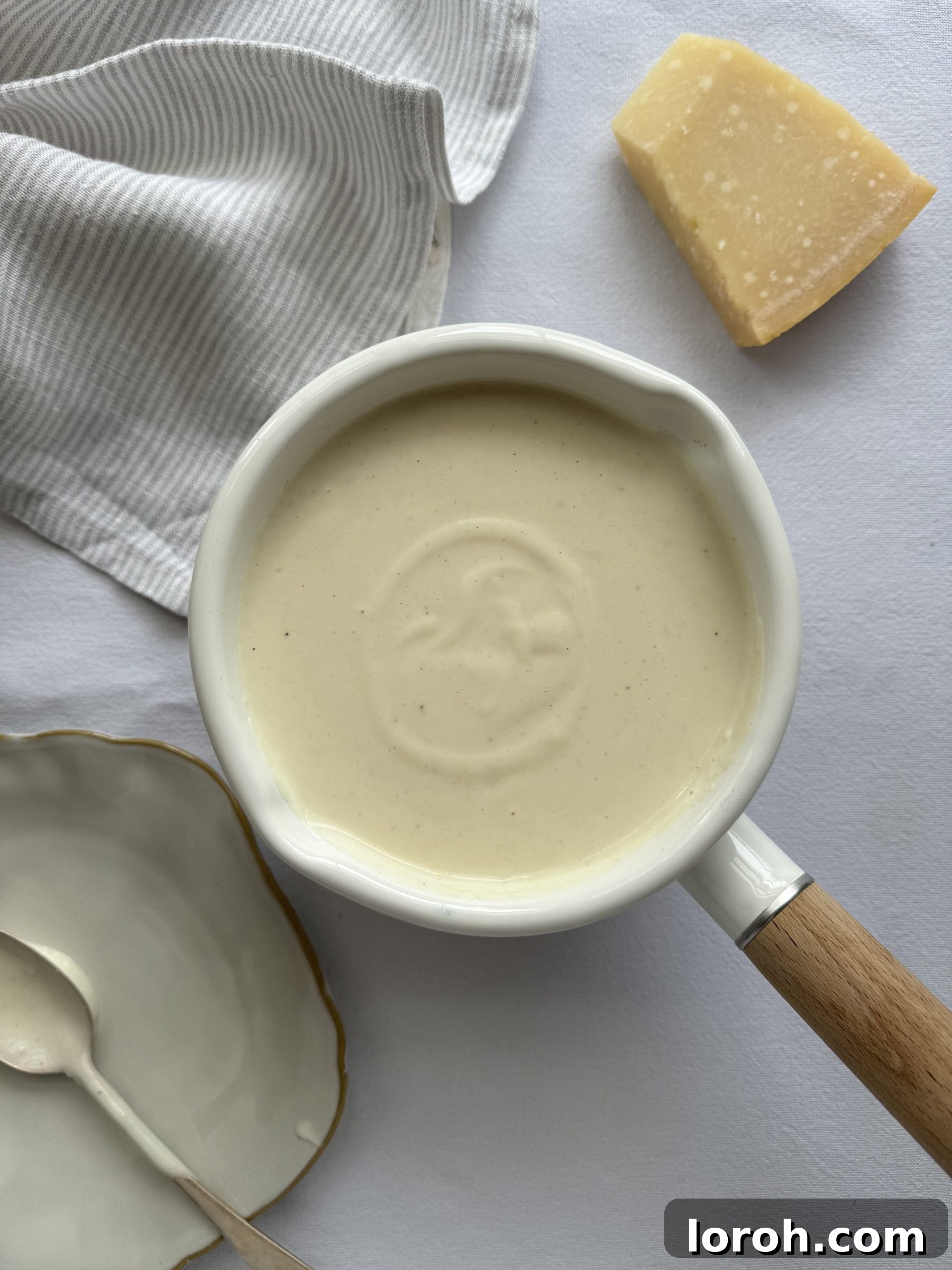
Mastering the Classic White Sauce (Béchamel): A Comprehensive Guide
The classic white sauce, also universally known as Béchamel sauce, stands as a cornerstone in countless culinary traditions, especially French cuisine. It’s an incredibly versatile and fundamental preparation, perfect for enriching dishes like a hearty Easy Lasagne with Cheat’s White Sauce, a comforting croque monsieur, or creamy gratins. Despite its elegant reputation, making a white sauce is remarkably straightforward and often gets an undeserved reputation for being tricky.
Many home cooks become fixated on the dreaded possibility of lumps. While it’s true that improper technique can lead to a less-than-silky texture, a white sauce is surprisingly forgiving. With just a few simple steps and a little patience, you’ll discover that achieving a smooth, luxurious sauce is not only easy but also incredibly satisfying. Once you master this basic technique, you’ll unlock a world of delicious possibilities for transforming everyday meals into something truly special.
The Key to a Perfectly Smooth and Flavorful White Sauce
The true secret to a great-tasting white sauce lies in the proper preparation of the roux, which is the butter and flour base. Many beginners rush this step, leading to a raw, floury taste in the final sauce. To avoid this, once your butter is completely melted in the bottom of your saucepan over medium heat, add the flour and whisk it vigorously. Initially, it will form a thick paste, but it should remain workable enough to whisk continuously. The goal here is to cook out the raw flour taste without browning the roux. Continue whisking and cooking this butter-flour mixture for at least 2 to 3 minutes, or until it develops a slightly nutty aroma and a pale, sandy color. This ensures that your sauce will have a clean, rich flavor without any unpleasant flouriness.
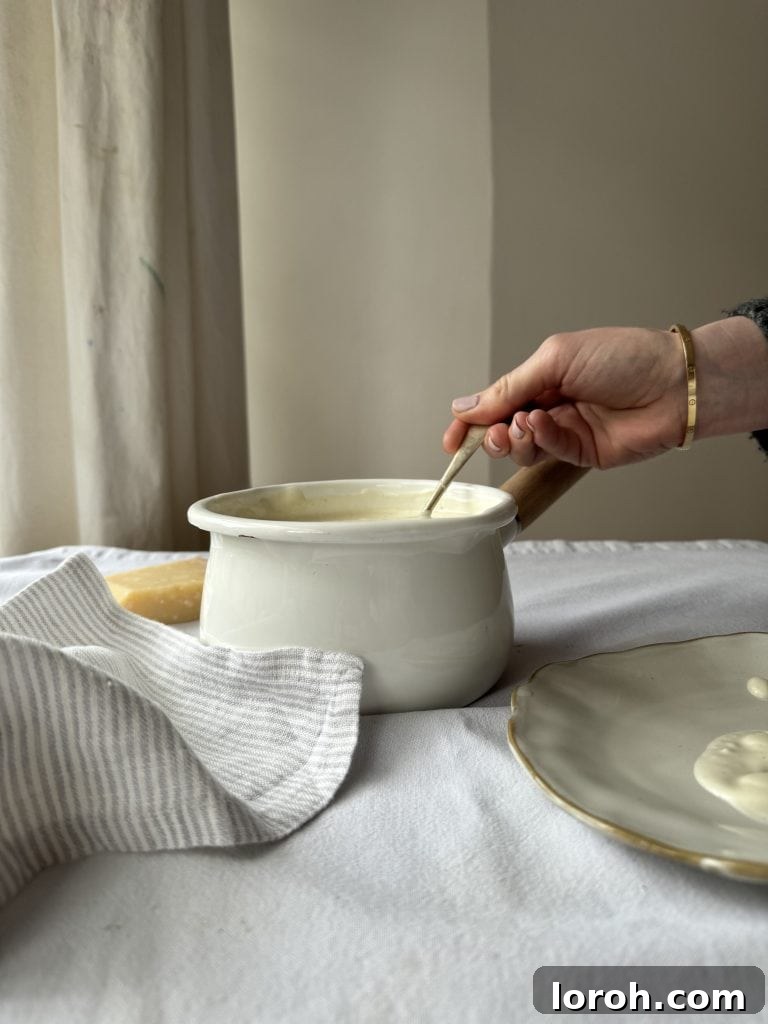
Once your roux is perfectly cooked, it’s time to gradually incorporate the milk. The key word here is “gradually.” While some recipes suggest adding all the milk at once, a more foolproof method involves adding it bit by bit, whisking thoroughly after each addition. The first splash of milk will be quickly absorbed, making the mixture incredibly thick. Don’t be alarmed! This is normal. Continue adding small amounts of milk, whisking constantly to create a smooth, homogenous mixture before adding more. This gradual process allows the flour granules to swell and thicken evenly, preventing lumps from forming. If the sauce becomes too thick to whisk easily, simply add a little more milk. The process is quicker than you might think, and any small lumps that initially appear will almost always smooth out with persistent whisking, leaving you with the most luxurious, velvety sauce.
For an extra layer of flavor, consider infusing your milk before adding it to the roux. Gently heat the milk with aromatics like a bay leaf, a slice of onion, or a few whole cloves. Simmer for about 10 minutes, then strain out the solids before using the infused milk. This simple step can add a subtle depth that elevates your Béchamel to a gourmet level.
Exploring Variations and Dietary Alternatives for White Sauce
While the classic Béchamel is a staple, there are numerous ways to adapt white sauce to different flavors and dietary needs. If you’re looking for quicker solutions or specific textures, you might explore “cheat’s white sauces” which can be found in more detail here. These variations often involve using ingredients like ricotta for a lighter, creamier texture, crème fraîche for a tangy richness, or cornflour (cornstarch) as a thickening agent instead of a traditional roux, which is excellent for gluten-free options.
For those seeking dairy-free or lactose-free alternatives, making a traditional white sauce with oat milk, almond milk, or soy milk is absolutely achievable. Simply replace cow’s milk with your preferred plant-based milk in the same ratio. Be mindful that different milk alternatives can affect the final flavor and consistency slightly; for example, oat milk often yields a creamier result than almond milk. While butter contains very low levels of lactose, using a plant-based butter substitute alongside a milk alternative will make your white sauce entirely vegan and lactose-free.
Beyond milk and flour alternatives, you can also experiment with different fats. While butter is traditional, some recipes might call for olive oil for a lighter, Mediterranean-inspired twist. Eggs can also be incorporated into a white sauce, particularly in certain French preparations, to add richness and a thicker, custard-like consistency, though this moves slightly away from a pure Béchamel towards other mother sauces or derived sauces.
Frequently Asked Questions About White Sauce (Béchamel)
Making a classic white sauce is surprisingly simple, requiring just three core ingredients: butter, flour, and milk. However, the magic often comes from careful seasoning. The foundational ratio I recommend is 1 part butter to 1 part flour to 10 parts milk. For instance, you would use 100g butter, 100g flour, and 1 liter (1000ml) milk. Begin by melting the butter, then whisk in the flour to create a roux, cooking it for a few minutes to eliminate any raw flour taste. Slowly, bit by bit, add the milk while continuously whisking until the sauce thickens to your desired consistency. Finish by seasoning generously with salt, freshly ground black pepper, and for a traditional touch, a pinch of freshly grated nutmeg. Some chefs also add a dash of white pepper for a cleaner look or a tiny bit of Dijon mustard to a cheese sauce derived from Béchamel for added depth.
No, they are essentially the same thing. Béchamel is simply the traditional French name for what is commonly known as white sauce in English-speaking kitchens. It is one of the five “mother sauces” of French cuisine, from which many other classic sauces are derived.
While a traditional Béchamel sauce does not inherently contain cheese, it serves as the perfect base for creating a delectable cheese sauce, known as Mornay sauce in French cuisine. Adding cheese transforms the Béchamel into something truly special. Excellent choices include finely grated Parmesan for a salty, umami kick, sharp cheddar for a robust flavor, or creamy grated mozzarella for incredible stretch and melt. This cheese-enriched sauce is the fundamental ingredient for beloved comfort foods like cauliflower cheese, macaroni and cheese, or as a topping for various gratins.
Absolutely! White sauce can be prepared in advance, making meal prep much easier. Once cooked, let it cool completely. To prevent a skin from forming on top, you can place a piece of plastic wrap directly onto the surface of the sauce before refrigerating. Store it in an airtight container in the refrigerator for up to 3-4 days. When reheating, gently warm the sauce over low heat, whisking constantly. You might need to add a splash of milk or cream to bring it back to its original smooth consistency, as it tends to thicken considerably when cold.
Don’t despair if your sauce ends up lumpy! You have a few options: you can vigorously whisk it over low heat, push it through a fine-mesh sieve, or even use an immersion blender directly in the pot for a super smooth result. If your sauce is too thin, create a small slurry by mixing a teaspoon of flour (or cornflour for gluten-free) with a tablespoon of cold milk, then slowly whisk this into the simmering sauce until it thickens. If it’s too thick, simply whisk in additional warm milk, a tablespoon at a time, until it reaches your desired consistency.
The most common mistake is not cooking the flour sufficiently in the roux, which results in a raw, unpleasant flavor. Always cook the flour and butter for at least 2-3 minutes. Another common error is adding milk too quickly; always incorporate it gradually while whisking vigorously to prevent lumps. Lastly, neglecting to season adequately can leave your sauce bland. Salt, pepper, and nutmeg are essential for balancing the flavors.
Recipes You Might Enjoy with Your Homemade White Sauce
Now that you’ve mastered the art of making a perfect white sauce, here are some delicious recipes where it truly shines:
- Easy Lasagne With Cheat’s White Sauce: A comforting classic made even easier with your silky Béchamel.
- Cheesy Butternut Squash Gratin: Transform a simple vegetable into a rich, cheesy side dish or main.
- Croque Monsieur Sandwich with White Sauce: Elevate a grilled cheese to a gourmet experience with this French favorite.
- Whipped Roasted Garlic Butter: While not directly using white sauce, this recipe shares a foundational butter technique.
- Easy Tomato Sauce for Pasta: Another essential sauce recipe to complete your culinary repertoire.
Classic White Sauce (Béchamel) for Lasagne and More
Margie
5 minutes
10 minutes
15 minutes
500 ml
Rate Recipe
Print Recipe
Ingredients
- 50 g unsalted butter
- 50 g all-purpose flour
- 500 ml whole milk (or milk alternative)
- Salt, to taste
- Freshly ground black pepper, to taste
- Pinch of nutmeg, optional, but highly recommended
Instructions
-
Melt the butter in a medium saucepan over medium heat. Once completely melted and shimmering, add the flour. Whisk continuously for 2-3 minutes, ensuring the flour cooks out and develops a pale, nutty aroma without browning. This creates your roux.
-
Begin adding the milk gradually, a splash at a time, whisking vigorously after each addition to fully incorporate the liquid and smooth out any potential lumps. Continue this process until all the milk has been added and the sauce is smooth.
-
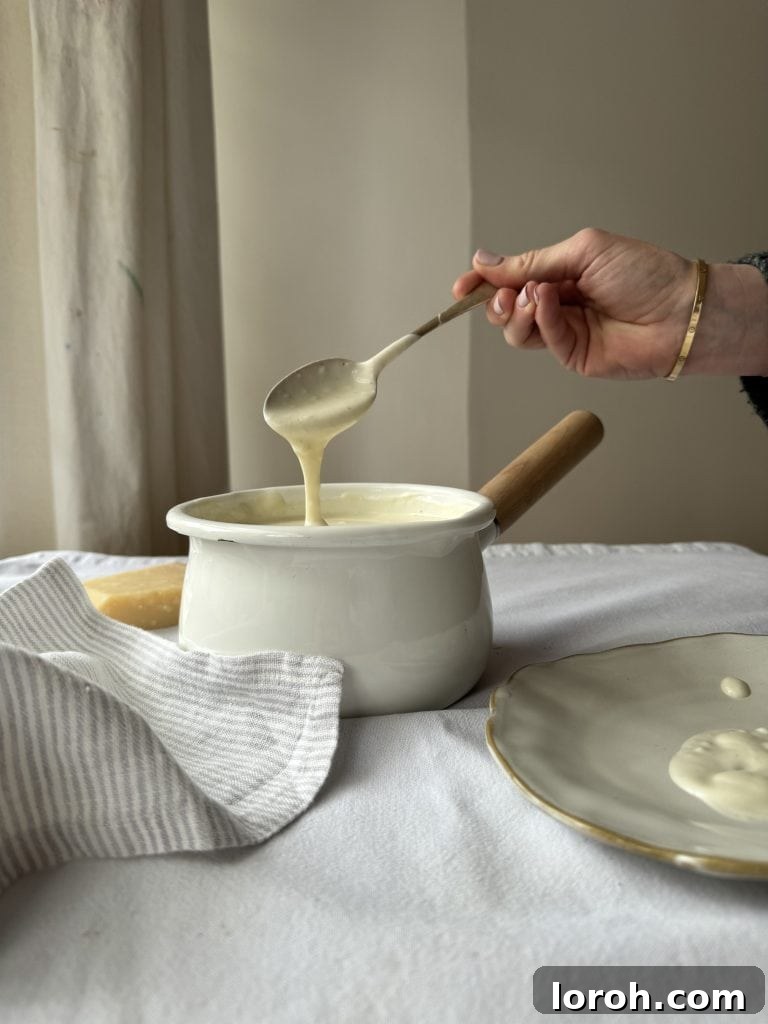
Once all the milk is incorporated, continue stirring the sauce over medium heat until it thickens to your desired consistency. You want it rich, thick, and glossy, but still pourable – not stiff or clumpy. Season generously with salt, freshly ground black pepper, and the optional pinch of nutmeg. Taste and adjust seasoning as needed.
Notes
Like this? Leave a comment below!