
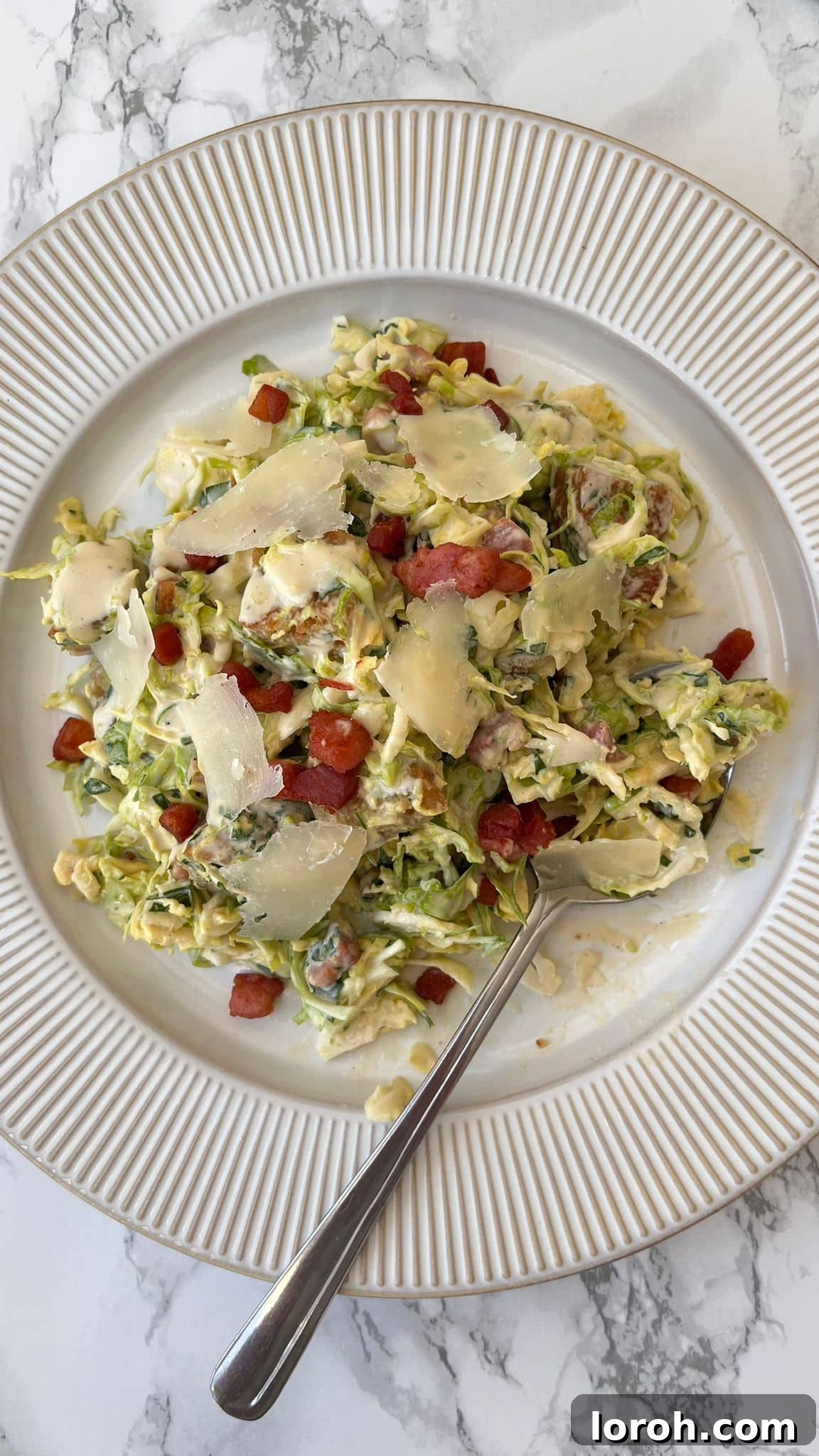
Master the Art of Creamy Caesar Salad Dressing: The Authentic No-Mayo Blender Recipe
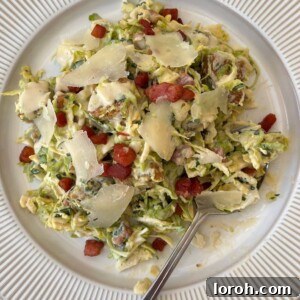
Forget store-bought dressings and embrace the unparalleled taste of a truly homemade Caesar. This recipe guides you through creating a luxuriously creamy Caesar Salad Dressing that uses no mayonnaise, instead opting for the traditional method of emulsifying egg yolks with oil. Crafted effortlessly in a blender, this dressing comes together in mere minutes, promising a thick, rich, and utterly irresistible texture. It’s not just perfect for a classic Caesar Salad; its robust flavor also elevates dishes like this delightful shaved Brussels sprouts salad. Prepare to transform your salads and impress your palate – all it takes is about 5 minutes of your time.
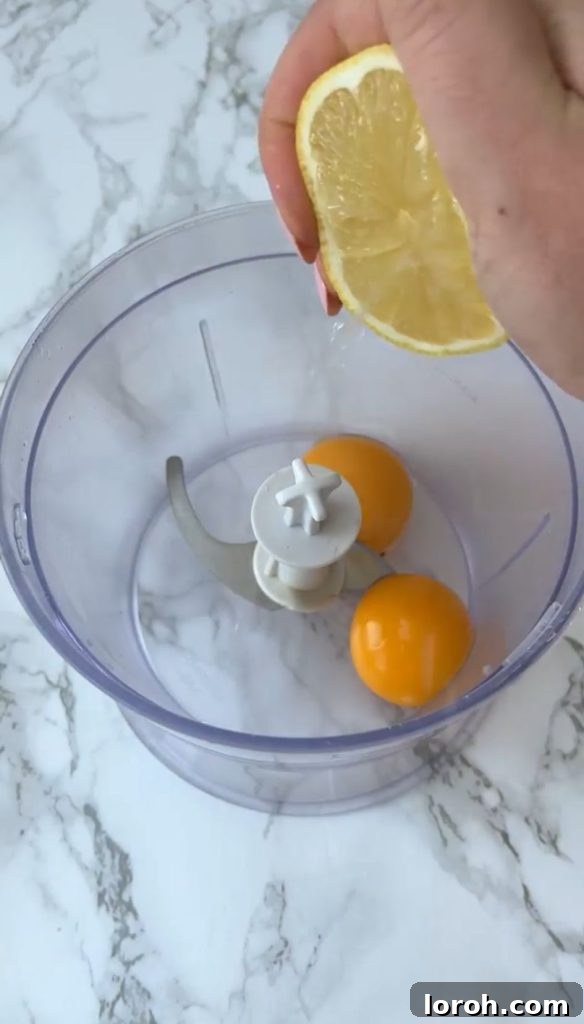
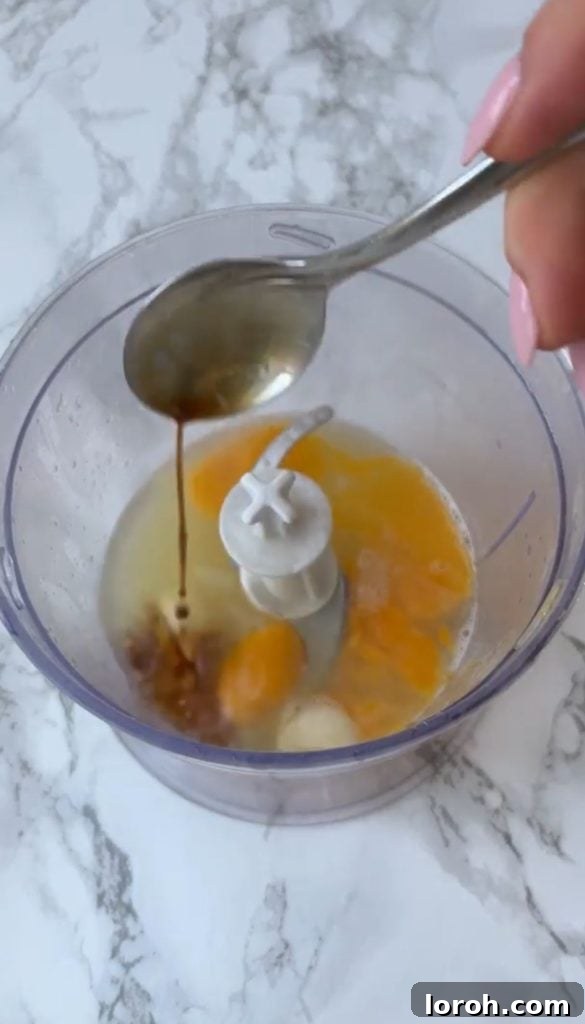
The Traditional Way: Crafting Caesar Dressing Without Mayo
Many commercially available Caesar dressings, and even some homemade versions, rely on mayonnaise as their creamy base. However, for an authentic and truly exquisite Caesar dressing, mayonnaise is entirely unnecessary. This recipe harks back to the classic method, which uses fresh egg yolks to create its signature rich and velvety texture. Essentially, when you make this dressing, you’re crafting your own perfectly seasoned, fresh “mayonnaise” right in the blender. The egg yolks perform the crucial role of an emulsifier, binding the ingredients together to form a stable, thick, and wonderfully flavorful dressing that defines the true essence of a Caesar.
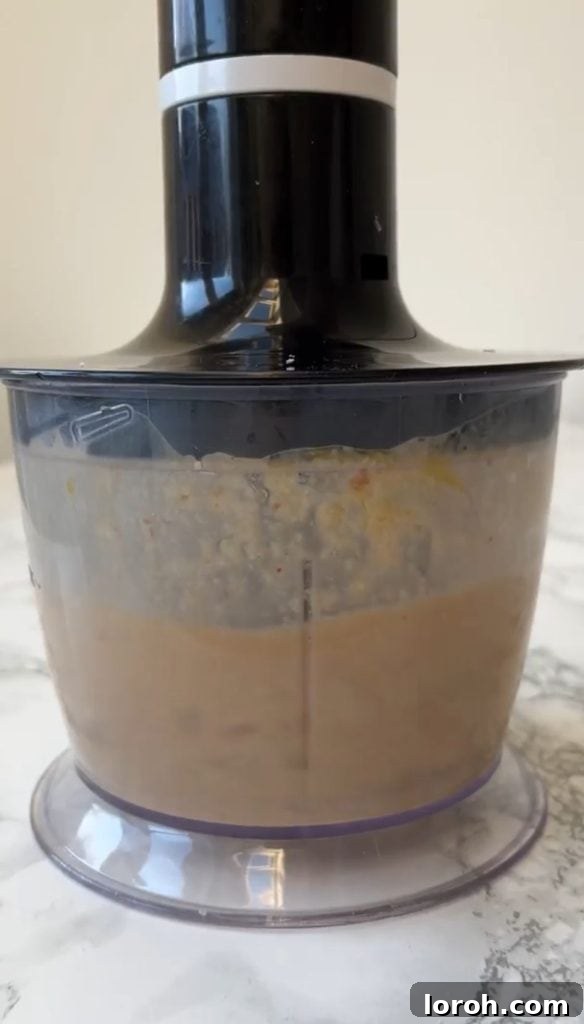
The concept of “emulsification” might sound complex, but it’s simply the magic of combining liquids that would ordinarily separate – like oil and water (or in this case, oil and an acidic, protein-rich base). Imagine placing egg yolks, lemon juice, garlic, anchovies, and vinegar into your blender. If you were to simply pour oil on top, it would float, refusing to integrate. A high-speed blender, however, transforms these disparate elements into a cohesive, homogenous mixture. As the blades rapidly churn, they break down the oil into tiny droplets, which are then dispersed throughout the other ingredients. The phospholipids in the egg yolks act as a bridge, surrounding these oil droplets and preventing them from rejoining, resulting in a beautifully smooth, thick, and perfectly emulsified dressing. This process not only ensures a perfect texture but also infuses every drop with the balanced flavors of all the components.
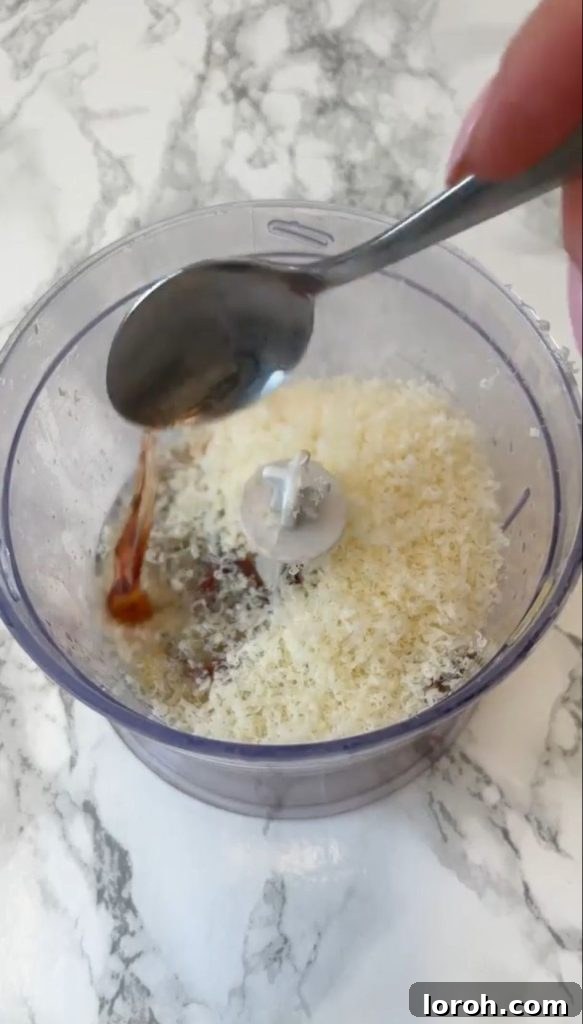
Key Ingredients for an Authentic Taste
Every ingredient in an authentic Caesar dressing plays a vital role in creating its iconic flavor profile. Understanding these components not only enhances your cooking experience but also empowers you to tweak the recipe to your personal preference.
Egg Yolks: The Creamy Foundation
As mentioned, egg yolks are the star here, providing the richness and acting as the natural emulsifier. For optimal safety, especially if you have concerns about raw eggs, consider using pasteurized eggs. These have been gently heated to kill bacteria without cooking the egg, making them safe for raw preparations.
Lemon & Garlic: Zest and Pungency
Fresh lemon juice is indispensable, offering a bright, acidic counterpoint that cuts through the richness and awakens the palate. Always use freshly squeezed lemon juice for the best flavor. Garlic provides a pungent, aromatic kick. While two cloves are suggested, feel free to adjust to your garlic preference – a little more can add an extra layer of bold flavor.
Anchovies & Worcestershire: The Umami Secret
Do not skip the anchovies! They are the secret weapon for that deep, savory umami flavor that defines Caesar dressing, not a fishy taste as many might fear. When blended, they completely dissolve, leaving behind only a complex, salty depth. Worcestershire sauce further enhances this umami, adding a subtle tang and a touch of fermented complexity. For a vegetarian alternative, or if anchovies are truly not an option, a teaspoon of white miso paste can provide a similar savory depth.
Parmigiano-Reggiano: Salty, Nutty Perfection
Freshly grated Parmigiano-Reggiano is crucial for its salty, nutty, and slightly sharp notes. Pre-grated cheeses often contain anti-caking agents that can affect the dressing’s texture and flavor. Grate your own for the finest results. If making a vegetarian version, ensure your Parmigiano-Reggiano is rennet-free.
The Oils and Vinegar: Balance and Smoothness
A combination of olive oil and grapeseed oil is used to achieve the perfect balance. Olive oil lends its characteristic fruity notes, while grapeseed oil is neutral, allowing the other flavors to shine without overpowering them. Red wine vinegar adds another layer of acidity and complexity, contributing to the dressing’s overall brightness and tangy profile. The slow addition of these oils during blending is key to proper emulsification.
Whip It Up: Blender vs. By Hand
The beauty of this recipe lies in its simplicity, largely thanks to the blender. A high-speed blender makes the emulsification process nearly foolproof, yielding a perfectly smooth and creamy dressing in seconds. There’s no need for continuous whisking or fear of the dressing splitting. Simply combine all ingredients (except the oils, which are drizzled in while blending) and let the machine do the hard work.
However, if you don’t have a blender or prefer a more hands-on approach, you can certainly make this no-mayo Caesar dressing by hand. It requires a bit more effort and patience, but the results are equally rewarding. First, finely chop the garlic and anchovies, working them into a smooth paste using the side of your knife or a mortar and pestle. Transfer this paste to a large bowl, then add the egg yolks, lemon juice, Worcestershire sauce, and red wine vinegar. Whisk these ingredients vigorously until well combined. The critical step is slowly drizzling in the olive oil and grapeseed oil. Add the oils in a very thin, steady stream while continuously whisking. This constant motion is essential to ensure the dressing emulsifies properly and doesn’t separate. Continue whisking until the dressing thickens and achieves a creamy consistency. Once emulsified, stir in the grated Parmesan and season generously with salt and freshly ground black pepper to taste.
Versatility Beyond the Classic Salad
While this dressing is a match made in heaven for a traditional Caesar salad with crisp romaine and crunchy croutons, its vibrant flavor profile makes it incredibly versatile. Don’t limit its potential; explore these delicious ways to incorporate it into your meals:
- Gourmet Sandwich Spread: Ditch the regular mayo and spread this Caesar dressing on your favorite sandwiches or wraps for an instant flavor upgrade. It’s particularly fantastic with chicken or turkey.
- Marinade for Proteins: Use it as a marinade for chicken, fish, or even pork. The lemon and vinegar tenderize, while the other ingredients infuse a rich, savory flavor that caramelizes beautifully when grilled or baked.
- Dip for Fresh Veggies or Fries: Transform a simple crudité platter or a basket of crispy fries into something special. Its thick consistency makes it an ideal dipping sauce.
- Pasta Salad Dressing: Toss with cooked pasta, cherry tomatoes, cucumber, and grilled chicken for a refreshing and satisfying pasta salad.
- Roasted Vegetable Enhancer: Drizzle over roasted asparagus, broccoli, or bell peppers after they come out of the oven for a burst of fresh flavor.
- Breakfast Boost: A dollop can add a delightful tang to scrambled eggs or a breakfast burrito.
- Beyond Romaine: Experiment with other greens. It pairs wonderfully with spinach, kale, or even a mixed green salad, as demonstrated with the shaved Brussels sprouts salad.
Customizing Your Caesar Dressing: A World of Flavors
While the classic recipe is sublime on its own, Caesar dressing is also incredibly adaptable. Feel free to personalize it to suit your taste or dietary needs. Here are a few ideas:
Lighter Yogurt Version (The “Cheat’s” Caesar)
If you’re looking for a slightly lighter or healthier alternative that skips the raw egg yolks and oil, a yogurt-based “cheat’s” Caesar dressing is a fantastic option. This version maintains the tangy flavor with a creamy base without the emulsification process. To make it: take 4 anchovy fillets and place them in a small bowl with a few tablespoons of boiling water. This will help them melt into a salty liquid, ensuring no chunky bits. Then, stir in 3/4 cup of plain Greek yogurt (for extra creaminess and protein), the juice of 1 lemon, 1 teaspoon of Worcestershire sauce, 1 crushed clove of garlic, and a generous amount of finely grated Parmesan cheese. Season with salt and pepper. This provides a tangy, lighter, yet still flavorful dressing perfect for a quick meal.
Flavor Twists
- Herb Infusion: Add fresh herbs like finely chopped dill, chives, or parsley to the blender for an herbaceous lift.
- Spicy Kick: A pinch of red pepper flakes or a dash of hot sauce can introduce a delightful heat.
- Smoked Paprika: A touch of smoked paprika adds a warm, smoky depth to the dressing.
- Mustard: A small amount of Dijon mustard (about 1/2 teaspoon) can help stabilize the emulsification and add a subtle sharpness.
Frequently Asked Questions About Caesar Dressing
It’s a common misconception that anchovies make the dressing taste overtly fishy. In fact, they dissolve completely into the dressing, contributing an essential savory, umami depth without any “fishiness.” We strongly recommend giving them a try! However, if you genuinely dislike them or wish to make this Caesar salad dressing vegetarian (remember to check your Parmesan cheese for animal rennet too!), a teaspoon of white or red miso paste makes an excellent substitute. Miso provides a similar fermented, salty, and savory profile that beautifully mimics the umami kick of anchovies. Alternatively, a dash of caper brine can offer a salty tang, though it won’t replicate the full depth of flavor.
Absolutely, you can still achieve a fantastic no-mayo Caesar dressing without a blender, but it will require a bit more manual effort and a good whisk. The key is consistent whisking and a very slow addition of oil. Begin by finely chopping your garlic and anchovies; aim to almost smash them into a paste – a mortar and pestle can be very helpful here. Add this paste to a large bowl along with the egg yolks, lemon juice, Worcestershire sauce, and red wine vinegar. Whisk these ingredients together thoroughly until well combined. Next, very slowly drizzle in the olive oil and grapeseed oil in a thin, steady stream while continuously whisking. This steady, vigorous whisking is crucial for emulsifying the dressing and preventing it from splitting. Keep whisking until the dressing visibly thickens and becomes creamy. Finally, incorporate the grated Parmesan cheese and season with salt and plenty of freshly ground black pepper to taste. Patience is your best friend when making it by hand!
Due to the fresh ingredients, particularly the raw egg yolks, this homemade Caesar salad dressing is best enjoyed fresh. It will last safely in the fridge for up to 4 days when stored in a tightly sealed container. Beyond that, the quality and safety can diminish. Always give it a good stir before each use, as some separation can naturally occur over time. For best flavor, consume within 2-3 days.
While you technically can use bottled lemon juice, we highly recommend using freshly squeezed lemon juice for this recipe. Fresh lemon provides a brighter, more vibrant flavor that is crucial to the overall taste profile of an authentic Caesar dressing. Bottled lemon juice often has a duller, sometimes slightly metallic taste that won’t give you the same crisp, tangy result.
This recipe calls for a combination of olive oil and grapeseed oil, which provides a balanced flavor and excellent emulsification. Extra virgin olive oil contributes a rich, fruity depth, while grapeseed oil is neutral and light, allowing the other ingredients to shine. You can use other neutral oils like avocado oil or light vegetable oil if grapeseed oil isn’t available. Avoid strong-flavored oils that might overpower the delicate balance of the dressing.
Explore More Delicious Recipes
If you loved this homemade dressing, you’re sure to enjoy these other fantastic recipes from our collection:
- Tahini and Parmesan Salad Dressing
- Thai Chopped Chicken Salad
- Greek Chicken Summer Salad
- Hot Honey Halloumi Salad with Vibrant Basil Dressing
- Very Green Pasta Made in the Blender
Caesar Salad Dressing Without Mayo (Blender Method)
By: Margie
Prep Time: 5 mins | Cook Time: 0 mins | Total Time: 5 mins
Yields: 4 servings (approx. 3/4 cup of dressing)
Ingredients
- 2 large egg yolks
- 2 lemons, freshly juiced (approximately 1/4 cup)
- 2 cloves garlic, peeled
- 1 tsp Worcestershire sauce
- 4 anchovy fillets (oil-packed, drained)
- 1 cup finely grated Parmigiano-Reggiano cheese
- 1 tsp red wine vinegar
- 1/4 cup extra virgin olive oil
- 1/4 cup grapeseed oil (or other neutral oil like avocado oil)
- 1 pinch freshly ground black pepper, to taste
- 1 pinch salt, to taste
Instructions
- Combine the ingredients: In the carafe of a high-speed blender, add the egg yolks, lemon juice, peeled garlic cloves, Worcestershire sauce, anchovy fillets, finely grated Parmigiano-Reggiano, red wine vinegar, a generous pinch of black pepper, and a pinch of salt.
- Emulsify the dressing: Secure the lid on the blender. Start blending on low speed, then gradually increase to medium-high. While the blender is running, slowly drizzle in the olive oil and grapeseed oil through the lid’s opening. Pour in a thin, steady stream to ensure proper emulsification. Continue blending until the dressing is completely smooth, thick, and creamy, usually about 30-60 seconds after all the oil has been added.
- Adjust seasoning: Stop the blender and taste the dressing. Adjust seasoning as needed, adding more salt, pepper, or lemon juice to balance the flavors to your preference.
- Serve or store: Your creamy, no-mayo Caesar dressing is now ready! Serve immediately, or transfer to an airtight container and refrigerate for up to 4 days.
Notes
To make the dressing by hand: Finely chop the garlic and anchovies, almost smashing them into a paste. Add to a large bowl with the egg yolks, lemon juice, Worcestershire sauce, and red wine vinegar. Whisk together vigorously. Then, slowly drizzle in the olive oil and grapeseed oil, adding a very thin, steady stream into the bowl while whisking continuously. This constant whisking is essential to ensure the dressing comes together and doesn’t split. Once thick and creamy, stir in the Parmesan and season with salt and plenty of black pepper.
Food Safety Note: This recipe uses raw egg yolks. For those concerned about raw egg consumption, consider using pasteurized eggs, which are treated to eliminate bacteria while remaining safe for recipes like this. Always store homemade dressing properly refrigerated and consume within 4 days.
Loved this recipe? Share your thoughts!
We’d love to hear how your homemade Caesar dressing turned out. Leave a comment below and let us know your favorite way to enjoy it!