
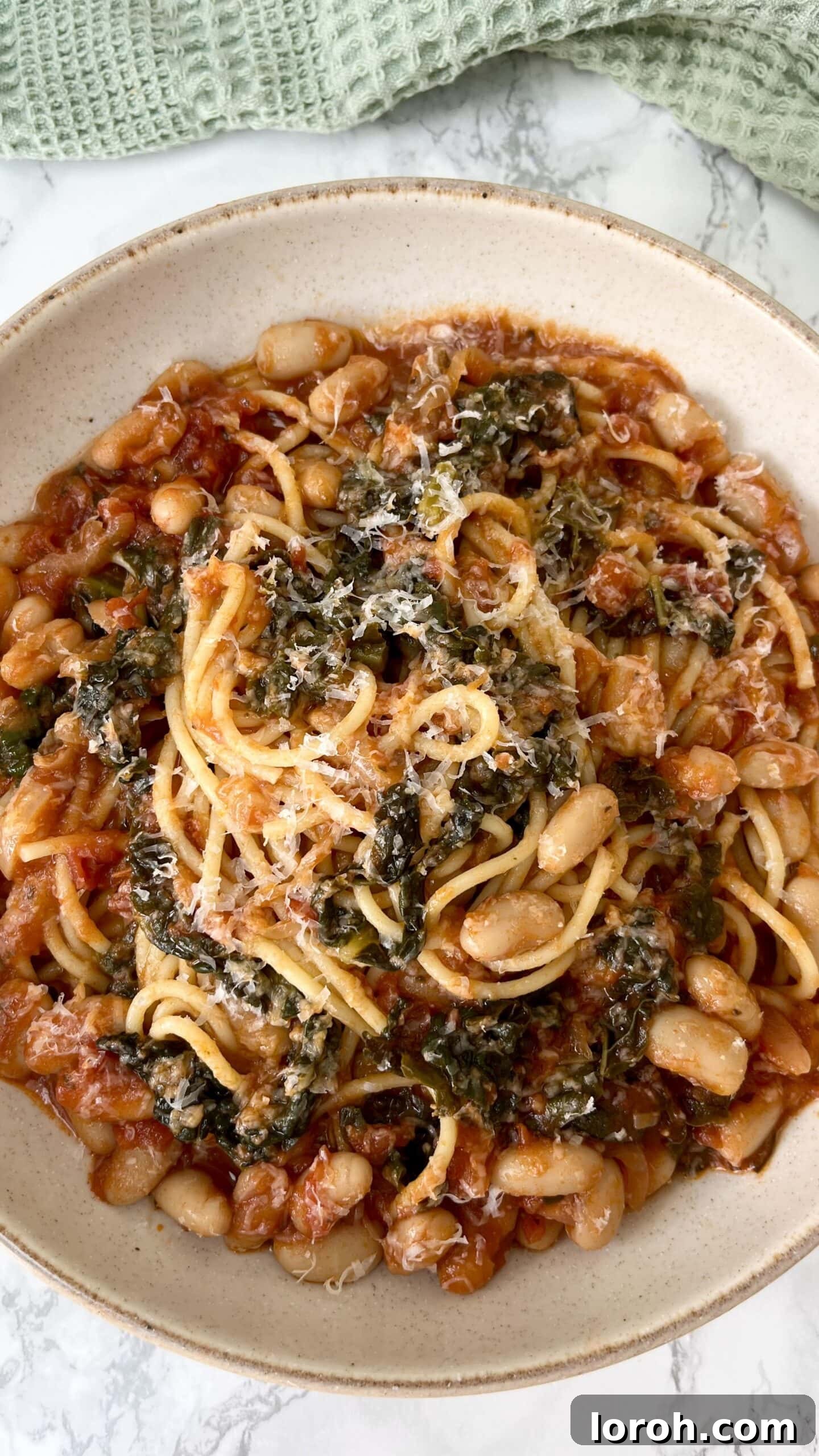
Stanley Tucci’s Pasta Fagioli: Your New Favorite Weeknight Italian Comfort Food
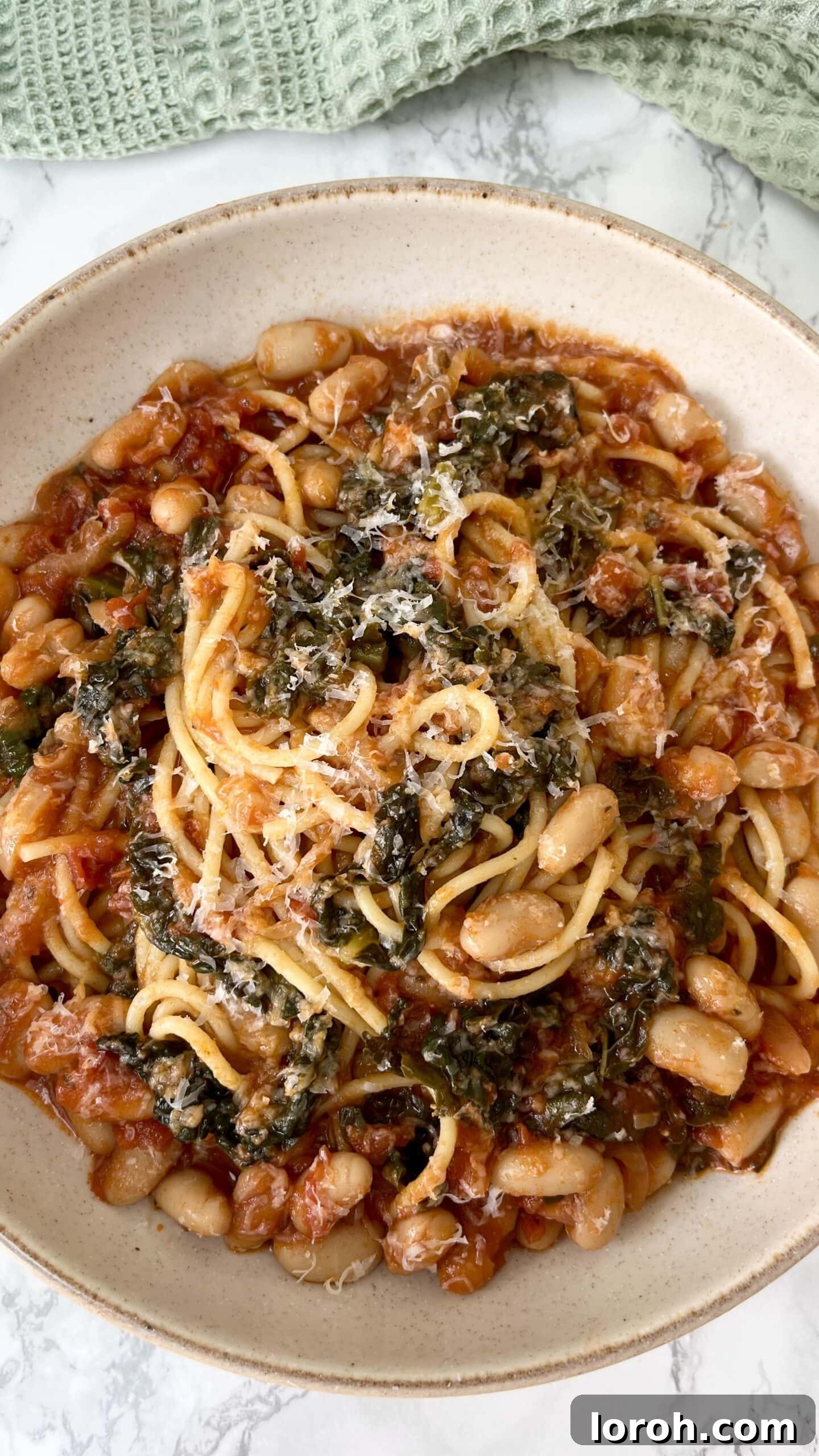
When the charismatic Stanley Tucci appeared on the Desert Island Dishes podcast a few years ago, he unveiled a culinary gem: a remarkably simple yet profoundly flavorful tomato and bean pasta dish that he prepares regularly in his own kitchen. This, dear reader, is the essence of Stanley Tucci’s Pasta Fagioli. While it may diverge from strictly traditional recipes, Tucci’s personal touch and practical adjustments have transformed this humble meal into something truly extraordinary and deeply satisfying. It has quickly become a beloved staple in my household, and I am delighted to share with you why it’s destined to become a favorite in yours too.
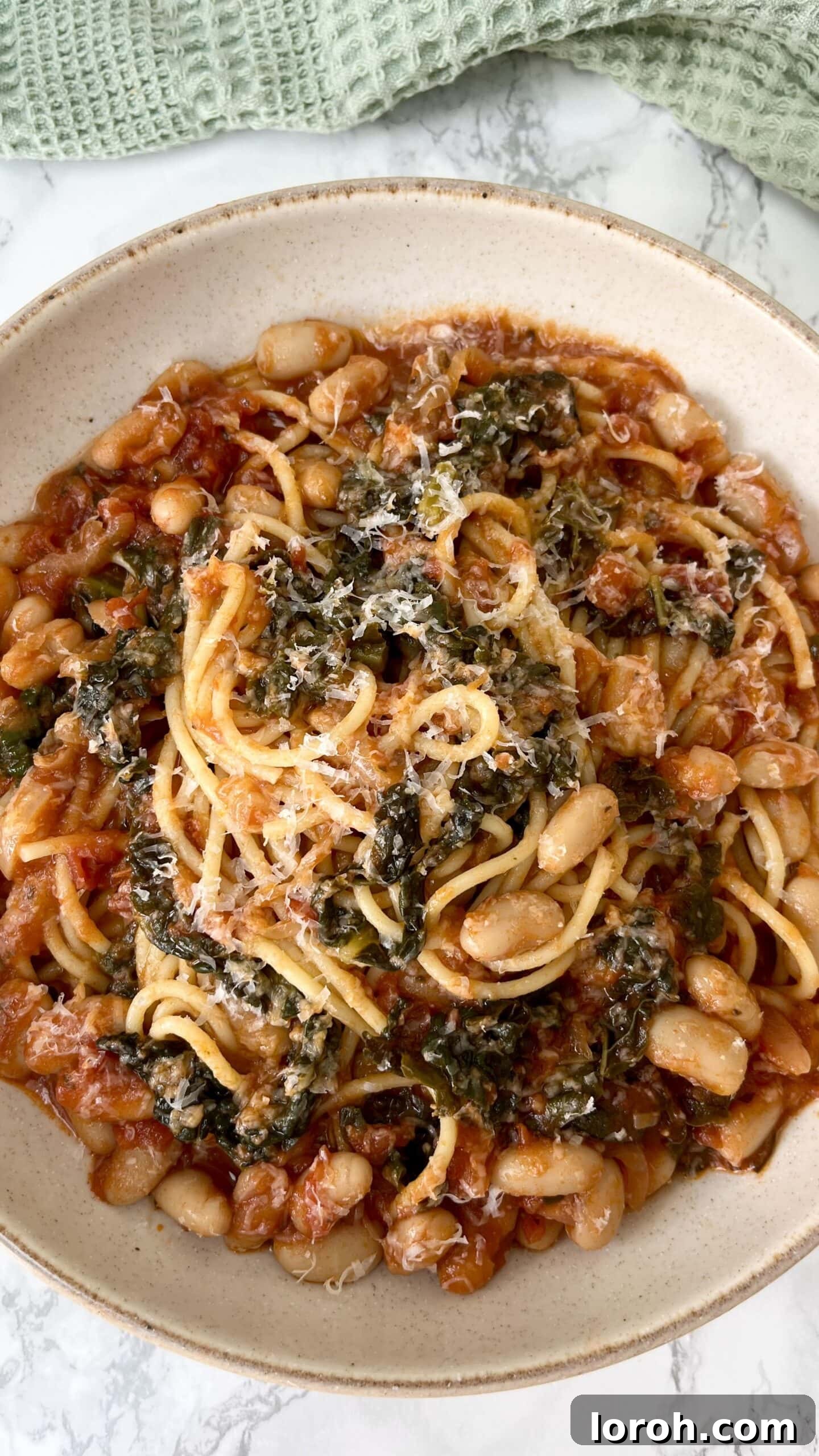
Perhaps you’re more acquainted with Stanley Tucci’s celebrated Spaghetti alla Nerano, a dish that captivated audiences during his acclaimed travel series, Searching For Italy. However, this delightful Pasta Fagioli, though perhaps less famous, is equally—if not more—delicious and offers the added benefit of being incredibly weeknight-friendly. Drawing its inspiration from the revered Italian tradition of cucina povera (literally “poor kitchen”), which champions turning simple, affordable ingredients into gourmet experiences, this pasta dish is exceptionally budget-conscious, wonderfully filling, and bursting with rich, authentic flavor. It’s a testament to the fact that some of the best meals are born from simplicity and resourcefulness.
The brilliance of Tucci’s rendition lies in its inherent adaptability. He encourages home cooks to utilize what they already possess, making this recipe a shining example of practical and enjoyable home cooking. This isn’t merely a set of instructions; it’s an invitation to savor the warmth of Italian comfort food, thoughtfully re-imagined for today’s busy kitchens. Join us as we explore what makes this tomato and bean pasta so uniquely special and how effortlessly you can bring this exquisite dish to your dining table.
Table of Contents
- Why You’ll Absolutely Adore This Stanley Tucci Pasta Fagioli Recipe
- Key Ingredients for Crafting the Perfect Tomato and Bean Pasta
- Substitutions and Variations: Personalize Your Pasta Fagioli
- Step-by-Step Guide: How to Make Stanley Tucci’s Famous Pasta Fagioli
- Expert Cooking Tips for a Flawless Pasta Fagioli Experience
- Frequently Asked Questions About This Comforting Tomato and Bean Pasta
- More Delightful Pasta Recipes You Might Enjoy
- Stanley Tucci’s Pasta Fagioli Full Recipe Card
Why You’ll Absolutely Adore This Stanley Tucci Pasta Fagioli Recipe
This isn’t just another pasta dish; it’s a culinary experience that marries simplicity with profound flavor, making it an indispensable addition to your weekly meal repertoire. Here’s an in-depth look at why this particular adaptation of Pasta Fagioli is truly exceptional:
- A Wholesome and Complete Meal in Every Bowl: This dish masterfully provides a balanced nutritional profile, packing a punch with every serving. It thoughtfully combines protein-rich beans for sustained energy, vibrant cavolo nero (or other dark leafy greens) for a powerful boost of essential vitamins and minerals, and satisfying pasta for complex carbohydrates. This harmonious blend creates a complete and nourishing meal that satisfies both hunger and soul, eliminating the need to prepare multiple side dishes. It’s a convenient and hearty solution for any busy day.
- Effortlessly Simple, Yet Incredibly Flavorful: Do not let the promise of authentic Italian flavors suggest a complicated cooking process. This recipe is intentionally designed for maximum ease and minimal fuss. It requires just a modest amount of active cooking time, primarily involving a gentle simmering on the stovetop and a quick blend of a portion of the sauce to achieve a luxurious, creamy texture without the need for any dairy products. It’s the quintessential recipe for those hectic weeknights when you yearn for something homemade, comforting, and deeply flavorful but find yourself short on precious time.
- Highly Customizable to Suit Your Palate and Pantry: One of the most significant advantages of Stanley Tucci’s inspired Pasta Fagioli is its incredible versatility. It actively encourages creativity and allows you to tailor the dish according to your specific taste preferences, dietary requirements, or whatever ingredients are readily available in your pantry or refrigerator. Whether you’re looking to incorporate seasonal vegetables, experiment with different types of beans or greens, adjust the spice level, or even add a hint of smoky flavor, this recipe provides a magnificent canvas for your culinary imagination. It perfectly encapsulates the ethos of cucina povera – transforming humble, accessible ingredients into a spectacular meal.
- Economical and Satisfying Comfort Food: Remaining true to its peasant cooking roots, this dish relies on widely available and affordable pantry staples such as canned beans, dried pasta, and canned tomatoes. It presents an excellent strategy for creating a substantial, incredibly flavorful, and comforting meal without placing a strain on your budget. It’s a powerful reminder that truly delicious and satisfying food does not have to be expensive or overly complicated.
- Deep, Rich, and Consistently Satisfying Flavors: Despite its straightforward ingredient list and simple preparation, the judicious combination of slowly sautéed aromatics, the rich depth of tomato, and the earthy robustness of the beans, further enhanced by the fresh addition of leafy greens, culminates in a flavor profile that is profoundly comforting and utterly satisfying. The innovative technique of blending a portion of the beans into the sauce is a game-changer, imparting an irresistible creaminess and a luxurious texture that will have you craving another spoonful.
Key Ingredients for Crafting the Perfect Tomato and Bean Pasta
For precise measurements and detailed instructions, please consult the comprehensive recipe card located at the very end of this article.
The magic of Stanley Tucci’s Pasta Fagioli lies in its selection of humble yet incredibly impactful ingredients. Each component plays a vital role in building the dish’s distinctive flavor, aroma, and textural complexity:
- Extra-virgin olive oil: As the cornerstone of Mediterranean cuisine, a high-quality extra-virgin olive oil is indispensable. It provides the perfect medium for gently sautéing the aromatics and imparts a rich, fruity foundation that is characteristic of authentic Italian cooking.
- Onion: A medium onion, thinly sliced, forms the sweet and savory aromatic base of the sauce. When patiently sautéed, it releases its natural sugars and deepens the overall flavor profile. Any variety of onion – red, white, or yellow – will perform admirably here.
- Garlic cloves: Two halved garlic cloves are gently infused into the hot olive oil, releasing their potent, unmistakable aroma and contributing a critical layer of depth to the dish. Their slow cooking prevents bitterness and promotes sweetness.
- Cavolo Nero: Also widely recognized as dinosaur kale or Lacinato kale in North America, this dark, ruffled Italian cabbage is remarkably robust. It gracefully maintains its appealing texture and vibrant color even after extended cooking. Its subtly bitter, earthy undertones provide a beautiful counterpoint to the natural sweetness of the tomatoes and the hearty richness of the beans. Crucially, unlike more delicate greens such as spinach, cavolo nero withstands heat exceptionally well, making it ideal for simmering in a stew-like pasta dish.
- Cannellini beans: These creamy white beans are an absolute staple in any traditional Pasta Fagioli. Their wonderfully tender texture and mild, slightly nutty flavor make them highly absorbent, soaking up all the delicious nuances of the sauce. While standard canned beans are perfectly acceptable and convenient, opting for premium quality beans can genuinely elevate the dish, offering an unparalleled creaminess and superior taste experience.
- Chicken stock: This liquid forms the savory foundation for the sauce, significantly enhancing the overall depth and complexity of flavor. For those seeking a vegetarian or vegan rendition, a good quality vegetable stock can be substituted with excellent results.
- Marinara sauce: This prepared tomato sauce constitutes the vibrant heart of the dish’s rich tomato base. A high-quality marinara typically comprises ripe tomatoes, aromatic basil, fresh garlic, and balanced seasonings. We highly recommend Mutti’s tomato and basil pasta sauce for its exceptional flavor, but a premium passata (strained tomatoes) enriched with freshly chopped basil and garlic can achieve equally fantastic outcomes.
- Spaghetti: Although Stanley Tucci specifically mentions spaghetti for this dish, its versatile nature allows for many other pasta shapes. The long, elegant strands of spaghetti provide a delightful textural contrast to the thick, chunky sauce.
- Salt and Freshly ground black pepper: These fundamental seasonings are critical for enhancing and balancing all the flavors at every stage of the cooking process. Proper seasoning is key to a truly memorable dish.
- Parmigiano Reggiano or Pecorino: For serving, a generous grating of a hard, aged Italian cheese adds a vital salty, umami-rich finish that beautifully complements the dish. A crucial note for strict vegetarians: authentic Parmigiano Reggiano is traditionally produced using animal rennet. Always verify the label for vegetarian-friendly alternatives that utilize microbial rennet if adhering to a vegetarian diet.
Substitutions and Variations: Personalize Your Pasta Fagioli
One of the true beauties of cucina povera is its inherent flexibility, allowing home cooks to effortlessly adapt recipes to suit their available ingredients and personal taste preferences. Stanley Tucci’s Pasta Fagioli beautifully embodies this principle, offering a fantastic framework for culinary creativity. Feel completely free to experiment with these thoughtful suggestions to make the dish uniquely your own:
- Onion Alternatives for a Flavorful Base: Don’t have a specific type of onion on hand? Not a problem at all! Any color onion—red, white, or yellow—will work wonderfully in this recipe, contributing a sweet and pungent aromatic foundation. For those who prefer a slightly milder or sweeter nuance, a few finely chopped shallots can serve as an excellent substitute. This recipe is genuinely ideal for utilizing whatever ingredients you already have in your pantry, encouraging a flexible approach to cooking.
- Cavolo Nero Swaps for Leafy Greens: If cavolo nero (Lacinato kale) proves elusive in your local market, don’t despair! Regular curly kale is a widely available and superb alternative, offering a comparable robust texture and earthy flavor profile that stands up well to cooking. Finely shredded green cabbage could also be employed in a pinch, though it will impart a subtly different character to the dish. For a more tender green, spinach can be stirred in, but it’s crucial to add it only in the final minute or two of cooking, as it wilts almost instantly and does not retain its structure as effectively as heartier greens. Swiss chard, with its slightly bitter notes and sturdy leaves, is another fantastic leafy green that performs admirably in a long-simmered sauce.
- Exploring Pasta Perfection: While spaghetti is Stanley Tucci’s choice, this recipe is remarkably forgiving when it comes to pasta shapes. Shorter, more robust pasta varieties such as penne, rigatoni, fusilli, or orecchiette are fantastic options, as their unique shapes are excellent at capturing and holding the rich, chunky sauce within their crevices. For a truly traditional and rustic “pasta e fagioli” experience, consider using very small pasta shapes like ditalini or tubetti. If you opt for these smaller varieties, you can even cook them directly in the simmering bean mixture during the last few minutes of cooking, allowing them to absorb even more of the delicious flavors (just be prepared to add a little extra stock or water as they will soak up more liquid).
- Diversifying Your Bean Varieties: Beyond the specified cannellini beans, a whole world of possibilities awaits! Other creamy white beans like great northern beans or navy beans are excellent alternatives. Borlotti beans (also known as cranberry beans) are a classic choice for fagioli, adding a beautiful speckled appearance and a slightly different, appealing texture. Even chickpeas, with their firmer bite and earthy flavor, can be a delicious and satisfying substitution.
- Injecting a Spicy Kick: For those who appreciate a touch of heat, a modest pinch of red pepper flakes, added alongside the garlic and onion during the initial sautéing, will infuse the entire dish with a wonderful, gentle warmth that awakens the palate.
- Boosting with Fresh Herbs: Fresh herbs consistently elevate Italian dishes, imparting brightness and aromatic complexity. A generous handful of freshly chopped flat-leaf parsley or fragrant oregano, stirred in just before serving, can dramatically enhance the fresh flavors of the pasta fagioli.
- Subtle Smoky Undertones: To introduce a deeper, more complex flavor profile, a tiny dash of smoked paprika can be added during the simmering phase. Alternatively, for a non-vegetarian option, rendering a small piece of pancetta or guanciale at the very beginning (before adding the onion) will create a delightful smoky depth and a rich base for the sauce.
- Deepening the Tomato Flavor: A tablespoon of concentrated tomato paste, cooked down with the onion and garlic until it darkens slightly, can significantly intensify and deepen the rich tomato flavor of the sauce, adding another layer of umami.
Step-by-Step Guide: Crafting Stanley Tucci’s Famous Pasta Fagioli
Follow this detailed, visual, step-by-step guide to expertly prepare this incredible tomato and bean pasta. For precise measurements and a full printable recipe card, please scroll down to the bottom of the page.
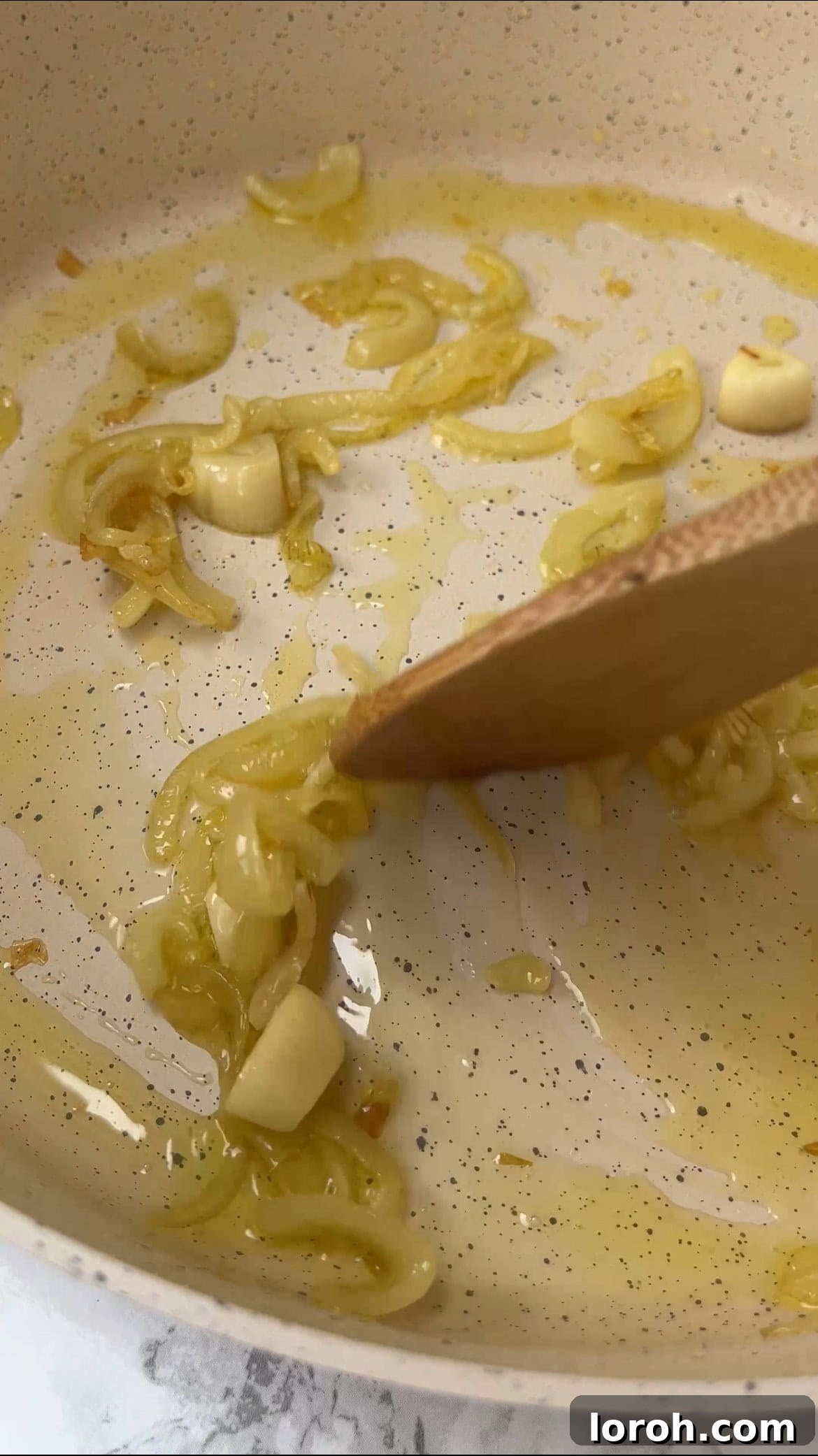
ONE: Prepare the Aromatic Foundation. Begin by pouring a generous glug of high-quality extra-virgin olive oil into a large, sturdy pan or a Dutch oven. Place the pan over medium-low heat. Add the thinly sliced onion and the halved garlic cloves, stirring them occasionally to ensure even cooking. Allow these aromatics to gently sauté until they become wonderfully soft and translucent, typically taking around 7 minutes. This slow and gentle cooking is absolutely crucial for coaxing out their natural sweetness and building a savory depth that forms the backbone of your sauce. Season lightly with a pinch of salt to help draw out moisture and enhance flavor.
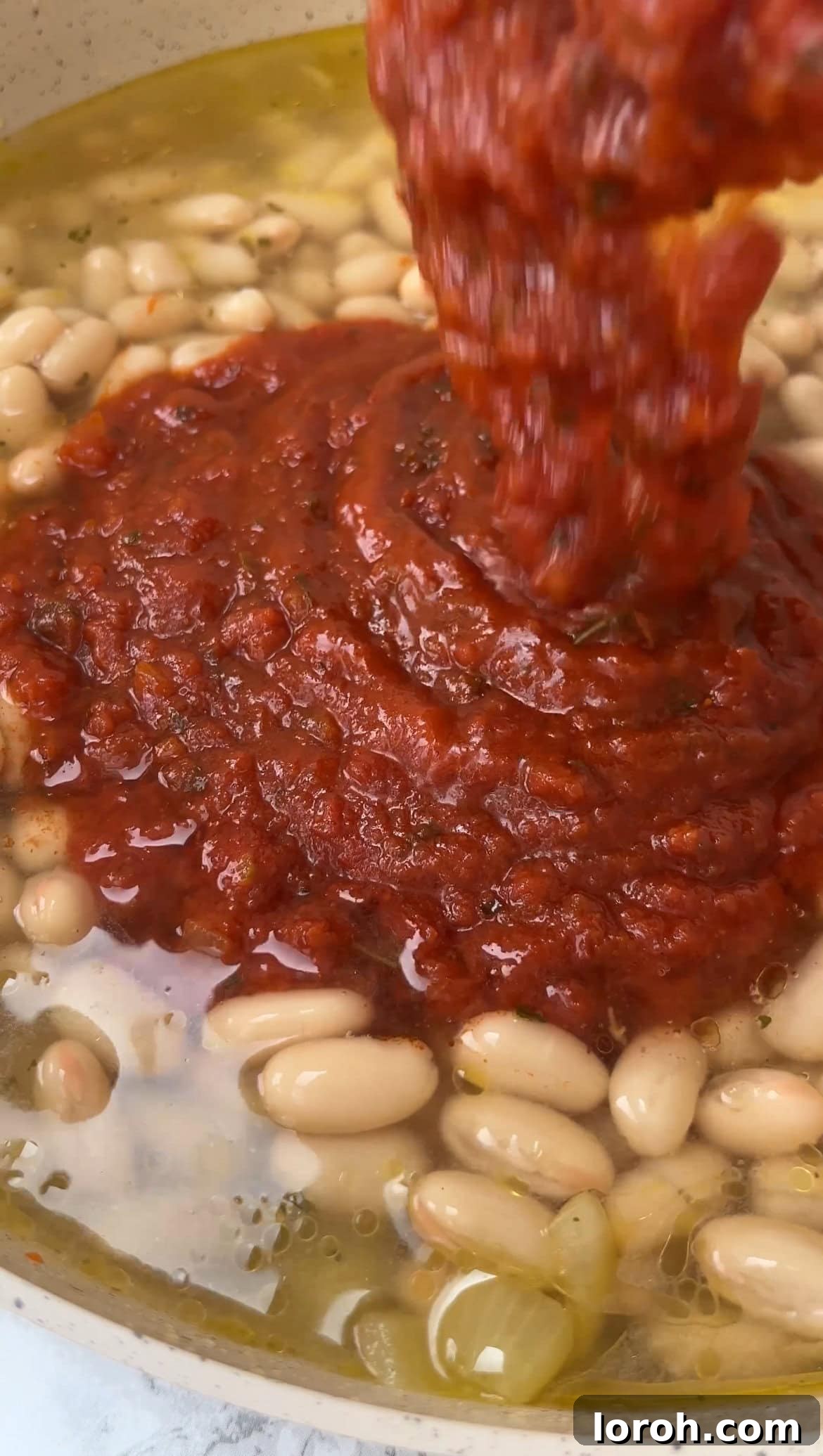
TWO: Construct the Hearty Bean and Tomato Base. Once your onions and garlic have achieved that perfect softened state, it’s time to introduce the main players. Carefully add the drained cannellini beans, the chicken stock (or vegetable stock for a vegetarian version), and the marinara sauce to the pan. Stir all the ingredients together thoroughly with a wooden spoon, ensuring everything is well combined. Bring the mixture to a gentle simmer, then immediately reduce the heat to a low setting. Allow the sauce to cook gently, giving ample time for all the vibrant flavors to meld and deepen harmoniously.
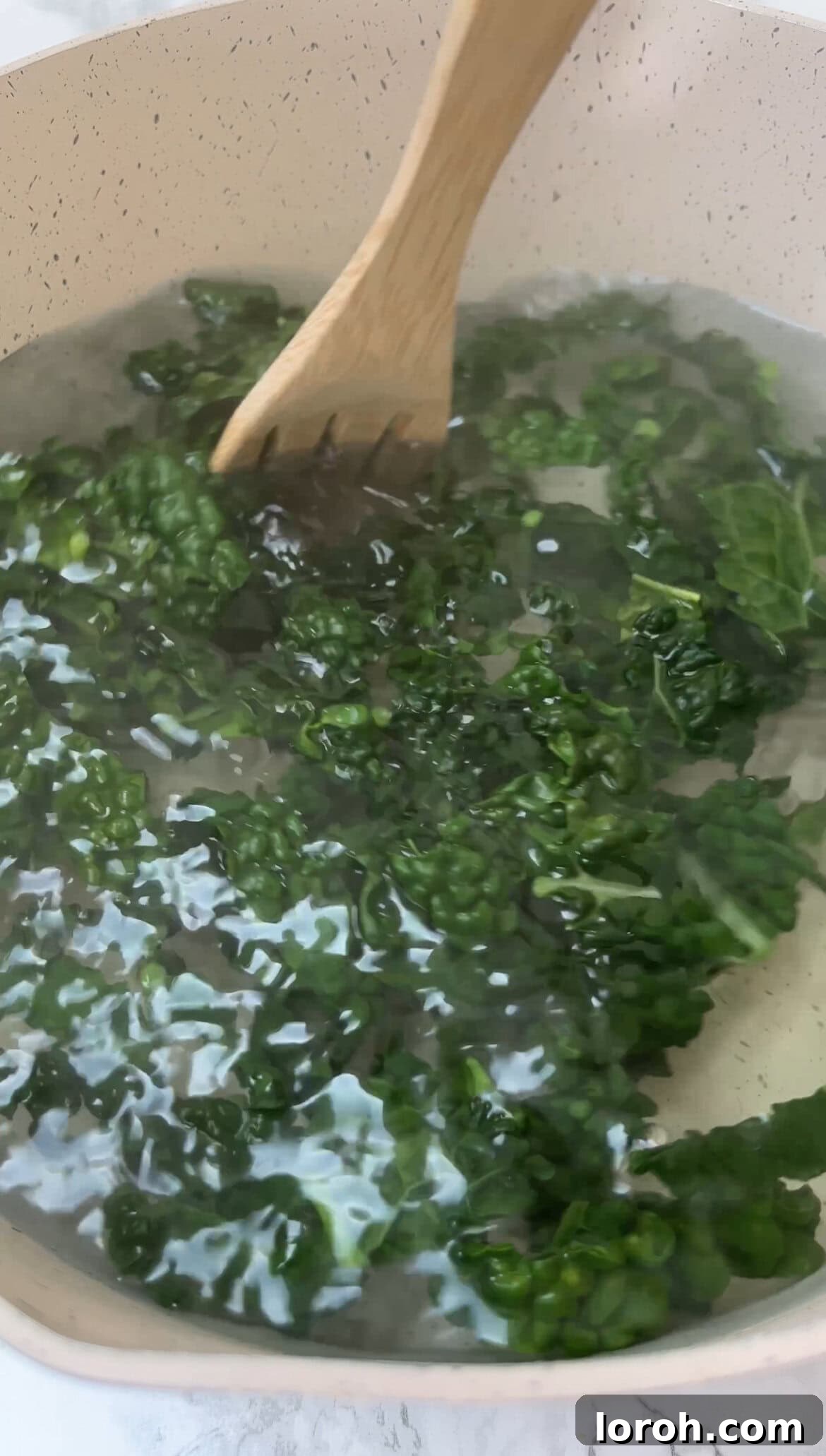
THREE: Prepare the Cavolo Nero. While your bean and tomato mixture is gently simmering on the stove, bring a separate, small pot of generously salted water to a rolling boil. Add the roughly chopped cavolo nero leaves (ensure the tough stems have been removed) to the boiling water. Boil them until the leaves are tender-crisp. This usually takes just a few minutes, depending on the thickness of the leaves. The generous salting of the water is important here, as it will season the greens from within.
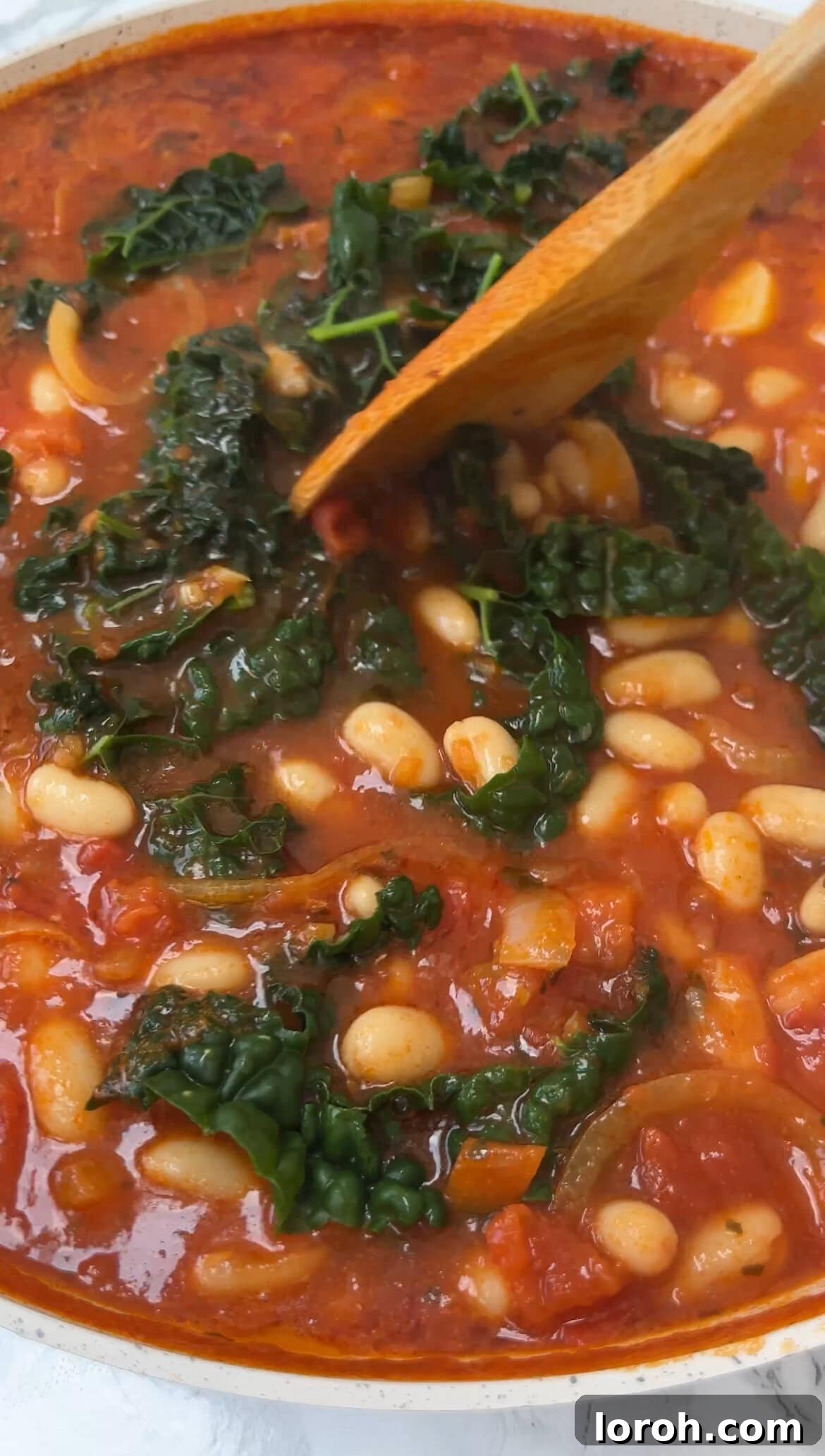
FOUR: Combine Greens and Continue Simmering. Once the cavolo nero has reached its tender stage, carefully strain it, pressing out any excess water to prevent diluting your sauce. Add the strained cavolo nero directly to the simmering bean mixture in your large pan and stir thoroughly to ensure it is fully incorporated. Continue to cook the entire mixture on a very low simmer, leaving the lid slightly askew to allow for gentle evaporation. Allow it to simmer for approximately 15 minutes. This crucial period allows all the diverse flavors to deepen, meld, and marry beautifully, creating a more cohesive and complex sauce.
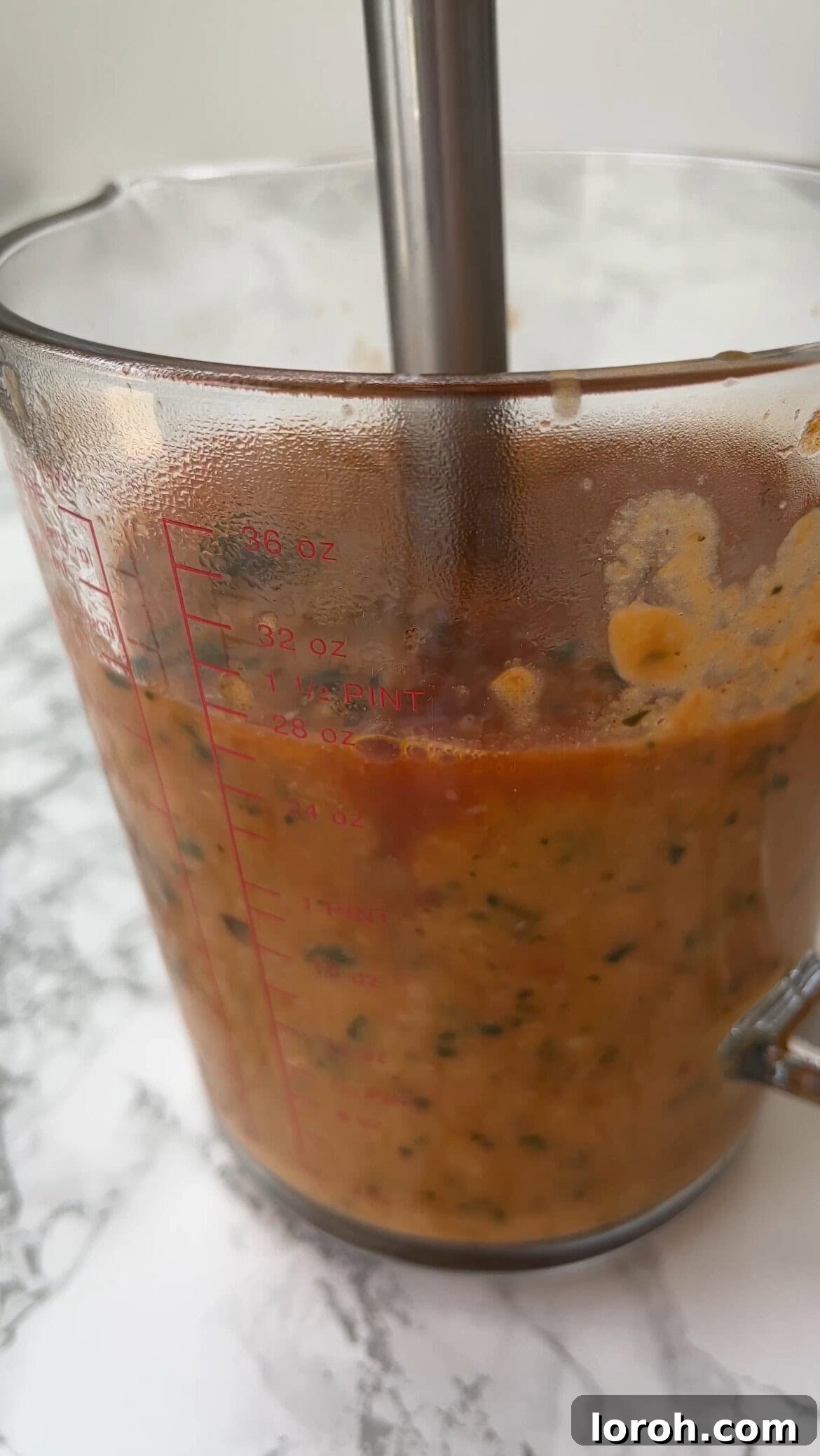
FIVE: Create the Signature Creamy Puree. To achieve that distinctive, luxurious creamy texture without the addition of any actual cream, this step is paramount. Carefully remove approximately half of the bean and tomato mixture from the pan and transfer it to a blender. Puree until it is completely smooth and velvety. This technique naturally thickens the sauce and adds a rich mouthfeel while still leaving plenty of whole beans for delightful texture in the finished dish. Once pureed, set this creamy mixture aside. Ensure the remaining chunky mixture in the pan is kept warm over very low heat if needed.
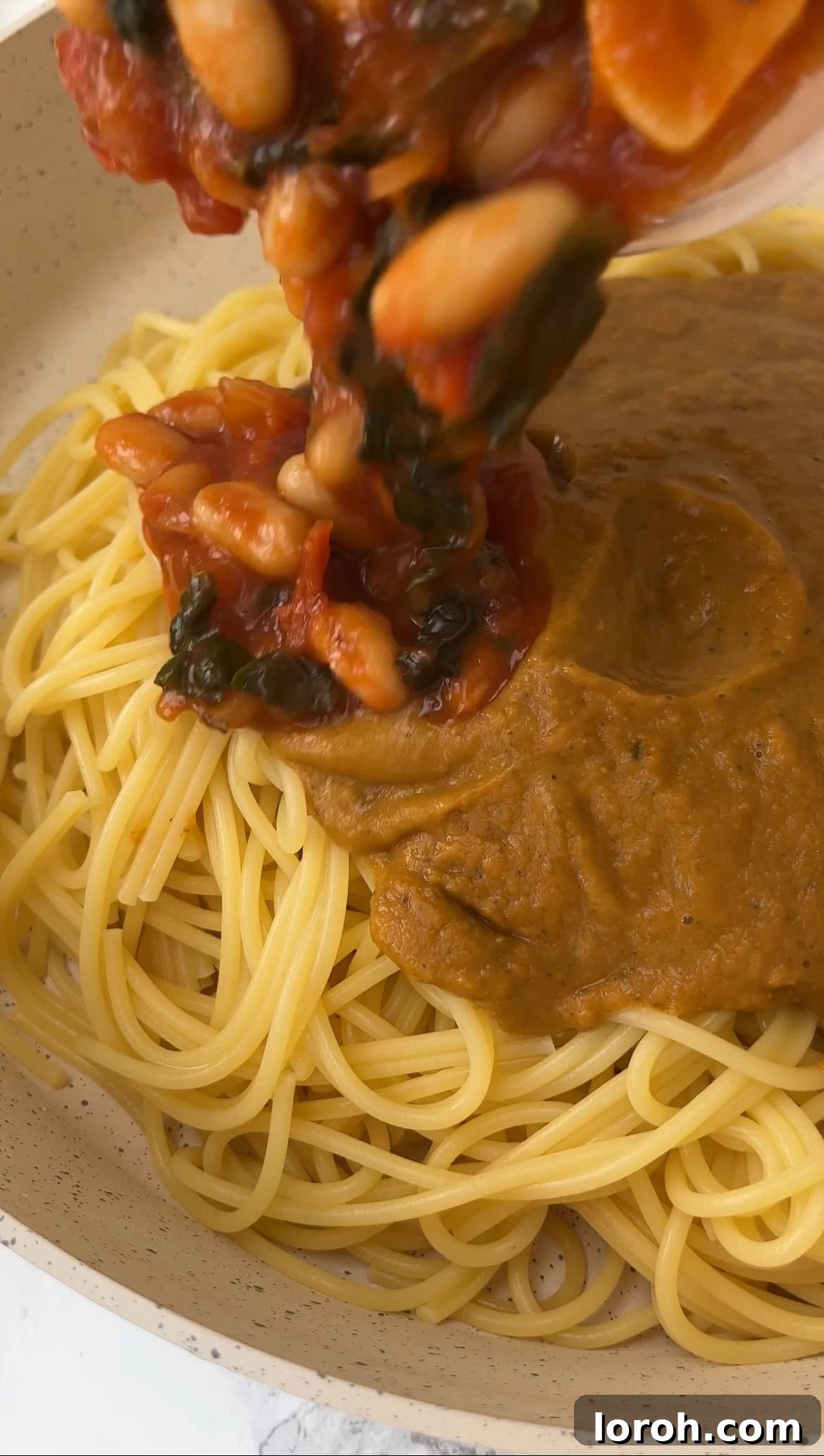
SIX: Cook Pasta and Expertly Assemble. In a separate large pot, bring plenty of generously salted water to a rolling boil. Add the spaghetti and cook according to the package instructions until it reaches a perfect al dente consistency. Before draining, make sure to reserve about a cup of the starchy pasta water – this liquid is a secret weapon for achieving the ideal sauce consistency. In a large serving bowl, combine the cooked spaghetti with approximately 1 cup of the chunky bean mixture and 1 cup of the freshly made pureed mixture. Stir gently to coat the pasta evenly. If the sauce appears too thick for your preference, gradually add some of the reserved pasta water, stirring until it reaches your desired consistency. Season generously with salt and freshly ground black pepper to taste. Serve immediately, adding more of the delicious bean mixture to each individual bowl as desired, a final flourish of extra-virgin olive oil, and a sprinkle of freshly grated Parmigiano Reggiano or Pecorino cheese.
Expert Cooking Tips for a Flawless Pasta Fagioli Experience
Crafting Stanley Tucci’s Pasta Fagioli to perfection involves more than just following the recipe steps. These expert tips will help you elevate your dish from simply good to truly outstanding, ensuring every mouthful is a delight:
- Cook Pasta Separately for Optimal Texture: While the idea of cooking pasta directly in the sauce can be appealing for some dishes, especially with very small shapes, I strongly advise cooking your pasta separately for this recipe. This method is absolutely crucial for preventing your pasta from becoming mushy and ensures that each strand retains its desirable al dente bite and firm texture. When pasta cooks directly in the sauce, it rapidly absorbs a significant amount of liquid and releases its starches, which can lead to an overly thick sauce or, more commonly, overcooked and soggy pasta. If you’re using very small pasta like ditalini or tubetti and are truly pressed for time, you *could* cook it in the stock for the last few minutes, but be mindful that you’ll need to adjust the liquid levels significantly, and the dish should be served immediately to prevent the pasta from becoming waterlogged. For future meal prep, always cook pasta for individual portions just before serving to maintain peak freshness and ideal texture.
- Layer Your Seasoning Generously for Depth: This deceptively simple yet profoundly flavorful dish relies heavily on judicious and consistent seasoning. Do not wait until the very end to add salt; instead, season in layers throughout the cooking process. This means:
- Add a pinch of salt when you begin to sauté the onions and garlic. This helps to draw out their moisture and intensifies their inherent flavors.
- Generously salt the water when boiling the cavolo nero. This ensures the greens themselves are flavorful, not just the sauce they’re mixed into.
- Crucially, ensure your pasta water is as salty as the sea – this is the primary, and often only, opportunity to season the pasta itself from within. Flavorless pasta can dull an otherwise fantastic sauce.
- Taste the bean and tomato sauce as it simmers and adjust the salt and pepper as needed.
- Finally, taste the fully assembled dish just before serving and make any last-minute adjustments. This layering technique builds a complex depth of flavor and guarantees that every single component of your meal is deliciously seasoned.
- Embrace the Transformative Power of the Blender: The undeniable secret to achieving the silky-smooth, velvety texture of this Pasta Fagioli, all without the addition of any heavy cream, lies in the ingenious step of blending half of the bean mixture. This technique naturally thickens the sauce, creating a luxurious mouthfeel that perfectly coats the pasta, while still preserving plenty of whole beans for a satisfying textural contrast. If you have access to a blender, do not skip this step; it truly makes an enormous and discernible difference in the final dish’s character.
- Never Discard That Precious Pasta Water: Always, always reserve at least one to two cups of the starchy pasta water before draining your cooked spaghetti. This cloudy, starchy liquid is truly culinary gold for pasta sauces. It acts as a natural emulsifier, helping the sauce to cling beautifully to the pasta, and provides a wonderful way to adjust the consistency of your sauce to your desired thickness without diluting its rich flavor.
- Quality Ingredients Make a Noticeable Difference: While this recipe is rooted in the philosophy of cucina povera, utilizing good quality ingredients for fundamental staples such as extra-virgin olive oil, canned beans, and marinara sauce can significantly elevate the final taste and overall enjoyment of the dish. The subtle difference in quality is genuinely palpable on the palate.
- Garnish Thoughtfully for Freshness and Aroma: A final flourish of high-quality extra-virgin olive oil and a sprinkle of freshly chopped Italian parsley or basil, along with a generous grating of Parmigiano Reggiano, adds a burst of fresh aroma and a vibrant finish that brightens the entire dish, making it even more inviting.
Frequently Asked Questions About Stanley Tucci’s Tomato and Bean Pasta
Ideally, yes, a blender is highly recommended for this recipe to achieve its signature texture. The secret to creating the incredibly thick and creamy consistency of the sauce, without requiring any actual cream, lies in pureeing about half of the bean, tomato, onion, and stock mixture. This step is pivotal for producing a naturally thick sauce and a luxurious mouthfeel that is central to this dish’s unique appeal. If you do not possess a blender, you can still prepare the dish, but be aware that it will result in a chunkier, more rustic texture. In such a scenario, you might consider starting with a slightly reduced amount of stock (for example, 2 cups instead of the full 3 cups) to prevent the sauce from becoming too thin, as you won’t have the blended beans to provide that natural thickening effect.
The original version of this recipe, as it’s often prepared, may call for chicken stock. However, this Stanley Tucci Pasta Fagioli is remarkably easy to adapt to be entirely vegetarian or even vegan-friendly. Simply substitute the chicken stock with an equal amount of a good quality vegetable stock. If you are serving the dish to strict vegetarians, it is also essential to remember to check the label on your Parmesan cheese, as traditional Parmigiano Reggiano is produced using animal rennet. Thankfully, many excellent vegetarian Parmesan alternatives are readily available that utilize microbial rennet. With these straightforward adjustments, you will have a wonderfully delicious, hearty, and fully vegetarian tomato and bean pasta that everyone at your table can thoroughly enjoy.
Absolutely! The bean and tomato sauce component of this Pasta Fagioli is an excellent candidate for making ahead. It can be prepared in advance and stored in an airtight container in the refrigerator for up to 3-4 days. In fact, many find that the flavors tend to deepen and become even more harmonious overnight, making it even more delicious on the second day. However, for the best textural experience, it is highly recommended to cook the pasta fresh just before you plan to serve the meal. If you combine the pasta with the sauce and then store it, the pasta will continue to absorb liquid, leading to a potentially mushy texture. When reheating the prepared sauce, you might need to add a small splash of water or vegetable stock to loosen it up and restore its ideal consistency.
Yes, the bean and tomato sauce (without the pasta) freezes exceptionally well, making it a fantastic option for meal planning and batch cooking. Allow the sauce to cool completely to room temperature before transferring it to freezer-safe containers or heavy-duty freezer bags. It can be safely frozen for up to 3 months. To enjoy, thaw the sauce overnight in the refrigerator, then gently reheat it on the stovetop. You may need to add a little water or stock during reheating to achieve the desired consistency. Always cook fresh pasta to serve alongside the reheated sauce for the best results.
While Stanley Tucci himself specifies spaghetti for this dish, the true beauty and versatility of Pasta Fagioli allow for a wide array of pasta shapes. Short, sturdy pasta varieties such as ditalini, tubetti, elbow macaroni, penne, rigatoni, or orecchiette are all excellent choices. These shapes are particularly adept at capturing and holding the rich, chunky sauce, ensuring a delightful bite with every forkful. Feel free to experiment with what you personally prefer or simply use whatever pasta shape you happen to have available in your pantry – the dish will still be incredibly delicious!
More Delightful Pasta Recipes You Might Enjoy
If Stanley Tucci’s philosophy of simple, incredibly flavorful pasta has captivated your culinary interest, you’ll undoubtedly find immense joy in exploring these other fantastic pasta dishes:
- Stanley Tucci’s Spaghetti Alla Nerano: Dive into another iconic dish made famous by Tucci, featuring tender zucchini and a symphony of cheeses for a truly unique and irresistible taste experience.
- Weeknight Creamy Courgette Pasta: Discover a quick, lusciously creamy, and entirely vegetarian pasta option that is perfectly suited for those busy weeknights when time is of the essence.
- Buttery Creamy Lemon Spaghetti: Indulge in a dish that is bright, wonderfully zesty, and incredibly simple to prepare – pure sunshine served in a bowl.
- Chicken and Sundried Tomato Pasta: A guaranteed crowd-pleaser that expertly combines tender chicken with the intense, rich flavor of sun-dried tomatoes in a creamy sauce.
- Creamy Chicken Pasta: Embrace classic comfort with this rich and satisfying creamy pasta dish, always a consistent hit for family dinners and special occasions alike.
You might also like these related recipes:
Sandwiches
Stanley Tucci’s Favourite Sandwich
Under 30 Minutes
Prawn and Tomato Linguine
Easy Pasta Recipes
Creamy Orzo with Tomato and Mascarpone
Side Dishes
Herb Roasted Potatoes With Cavolo Nero Chimichurri
If you’ve had the pleasure of trying this delightful Stanley Tucci’s Pasta Fagioli recipe or any other delectable recipe from our site, please don’t hesitate to leave a comment and a star rating below. Your invaluable feedback truly brightens our day and helps other home cooks discover new favorites!
Stanley Tucci’s Pasta Fagioli
This is Stanley Tucci’s beloved take on Pasta Fagioli, a classic weeknight pasta dish that is incredibly delicious and satisfying. Featuring a harmonious blend of creamy beans, rich tomatoes, and nutritious greens, it’s a complete and comforting meal that the whole family will enjoy, embodying the spirit of simple Italian home cooking at its finest.
Rate Recipe
Print Recipe
Ingredients
- Extra-virgin olive oil, for sautéing and finishing
- 1 medium onion, thinly sliced
- 2 garlic cloves, halved or thinly sliced
- 1/2 bunch cavolo nero (Lacinato kale), tough stems removed and leaves roughly chopped
- 3 x 400g tins (approx. 720g drained weight total) cannellini beans, rinsed and drained
- 720 ml (3 cups) chicken stock (or high-quality vegetable stock for a vegetarian option)
- 480 ml (2 cups) marinara sauce (a good quality brand or homemade)
- 450 g spaghetti (or your preferred short pasta shape)
- Salt, to taste, for seasoning layers
- Freshly ground black pepper, to taste
- Parmigiano Reggiano or Pecorino cheese, freshly grated, for serving (ensure vegetarian if needed)
Instructions
- Sauté Aromatics: Pour a generous glug of olive oil into a large pan or Dutch oven and heat over medium-low heat. Add the sliced onion and halved garlic. Sauté gently, stirring occasionally, until the onion is soft and translucent (about 7 minutes). Season lightly with salt.
- Simmer Sauce Base: Add the drained cannellini beans, chicken (or vegetable) stock, and marinara sauce to the pan. Stir all ingredients together thoroughly. Bring the mixture to a gentle simmer, then reduce the heat to low and let it cook gently.
- Cook Cavolo Nero: Meanwhile, in a separate small pot, bring generously salted water to a rolling boil. Add the chopped cavolo nero leaves and boil until tender-crisp, typically 2-3 minutes. Drain thoroughly, pressing out any excess water.
- Combine Greens and Continue Simmering: Stir the cooked cavolo nero into the bean and tomato mixture in the large pan. Continue to simmer on low heat with the lid slightly askew for about 15 minutes, allowing all the flavors to deepen and meld.
- Create Creamy Puree: Carefully remove approximately half of the bean mixture from the pan and transfer it to a blender. Puree until completely smooth and creamy. Set the puree aside, keeping the remaining chunky mixture warm over very low heat.
- Cook and Combine Pasta: In a separate large pot, boil the spaghetti in plenty of generously salted water according to package instructions until al dente. Before draining, reserve about 1 cup of the starchy pasta water.
- Assemble and Serve: Place the cooked spaghetti in a large serving bowl. Add about 1 cup of the chunky bean mixture and 1 cup of the pureed bean mixture to the pasta. Stir gently to coat the pasta. If the sauce seems too thick, gradually add some of the reserved pasta water until it reaches your desired consistency. Season well with salt and freshly ground black pepper to taste.
- Final Touches: Serve each bowl immediately, adding more of the delicious bean mixture on top, a fresh drizzle of high-quality extra-virgin olive oil, and a generous sprinkle of freshly grated Parmigiano Reggiano or Pecorino cheese. Enjoy!
Video
Watch the video above to assist you with the preparation of this recipe, offering a visual guide to each step.
Notes
For the beans, while cannellini are a classic choice, feel free to experiment with other creamy beans like borlotti beans, butter beans, great northern beans, or even chickpeas for a slightly different textural experience and flavor profile.
Nutrition
Carbohydrates: 121g,
Protein: 27g,
Fat: 2g,
Saturated Fat: 0.4g,
Polyunsaturated Fat: 1g,
Monounsaturated Fat: 0.3g,
Cholesterol: 0.2mg,
Sodium: 1343mg,
Potassium: 676mg,
Fiber: 15g,
Sugar: 9g,
Vitamin A: 676IU,
Vitamin C: 13mg,
Calcium: 164mg,
Iron: 7mg
Nutrition information is automatically calculated and should be used as an approximation only. Individual results may vary.
Enjoyed this recipe? Please leave a comment and a star rating below!