
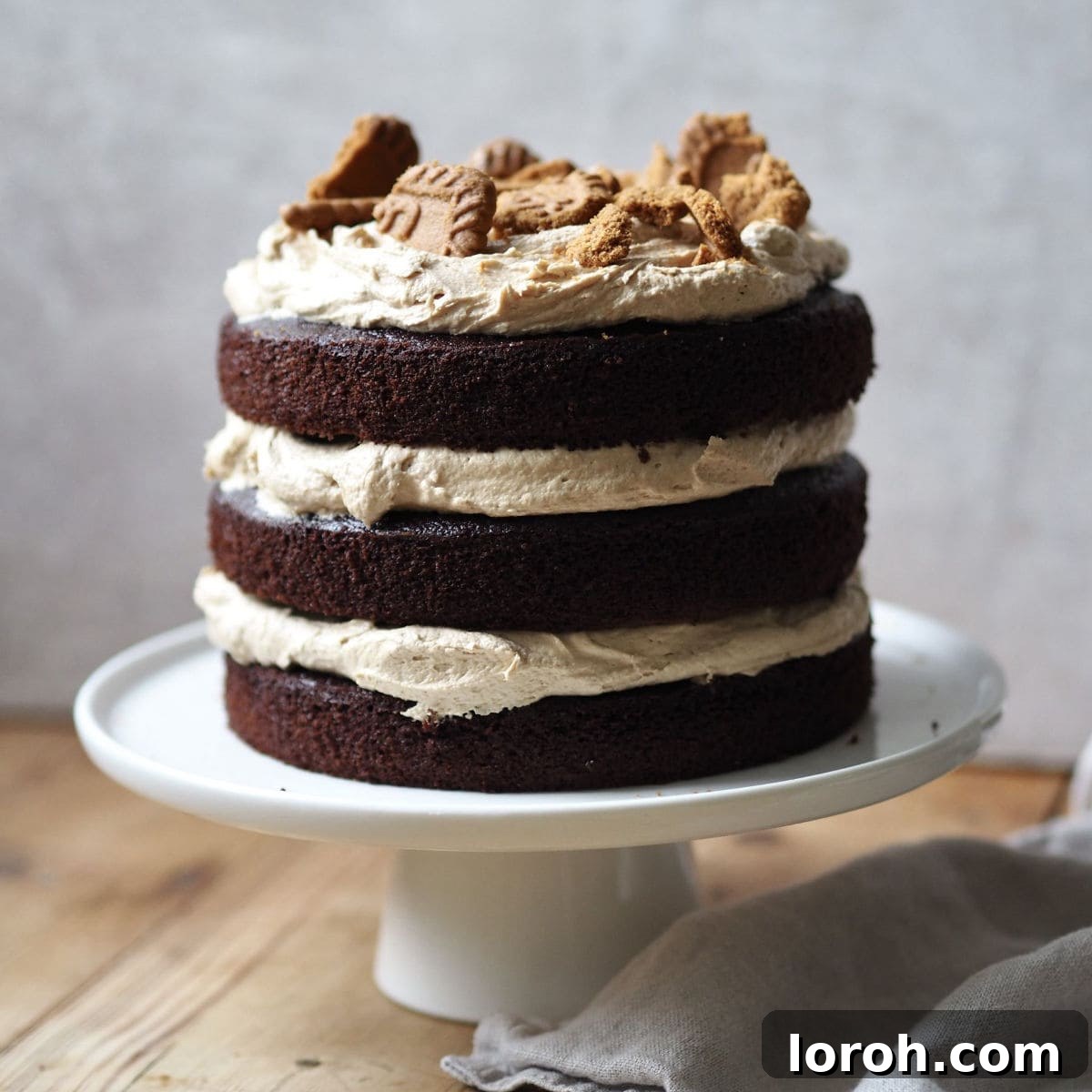
Easy Biscoff Cake: Your New Favorite Chocolate & Biscoff Dessert
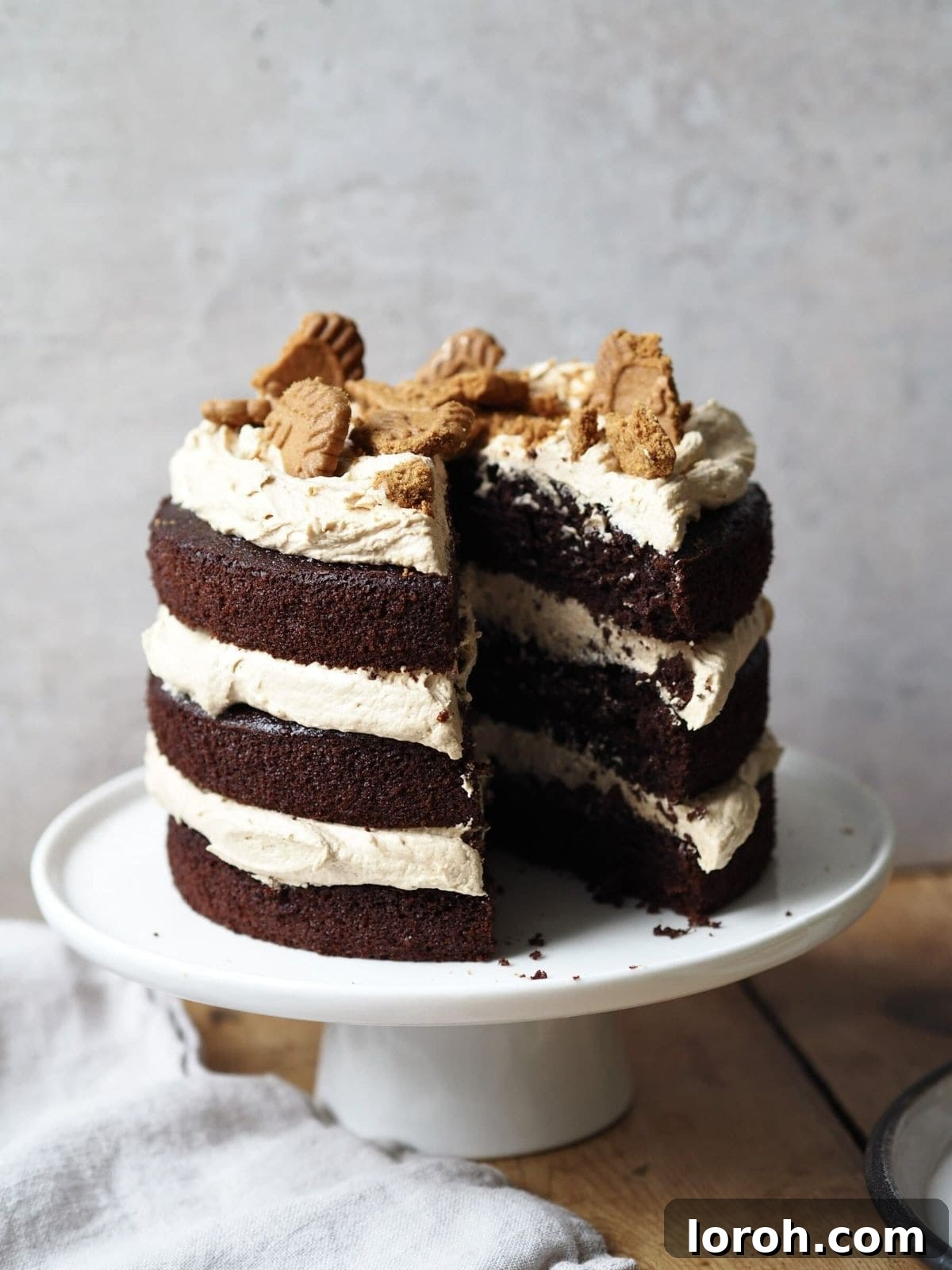
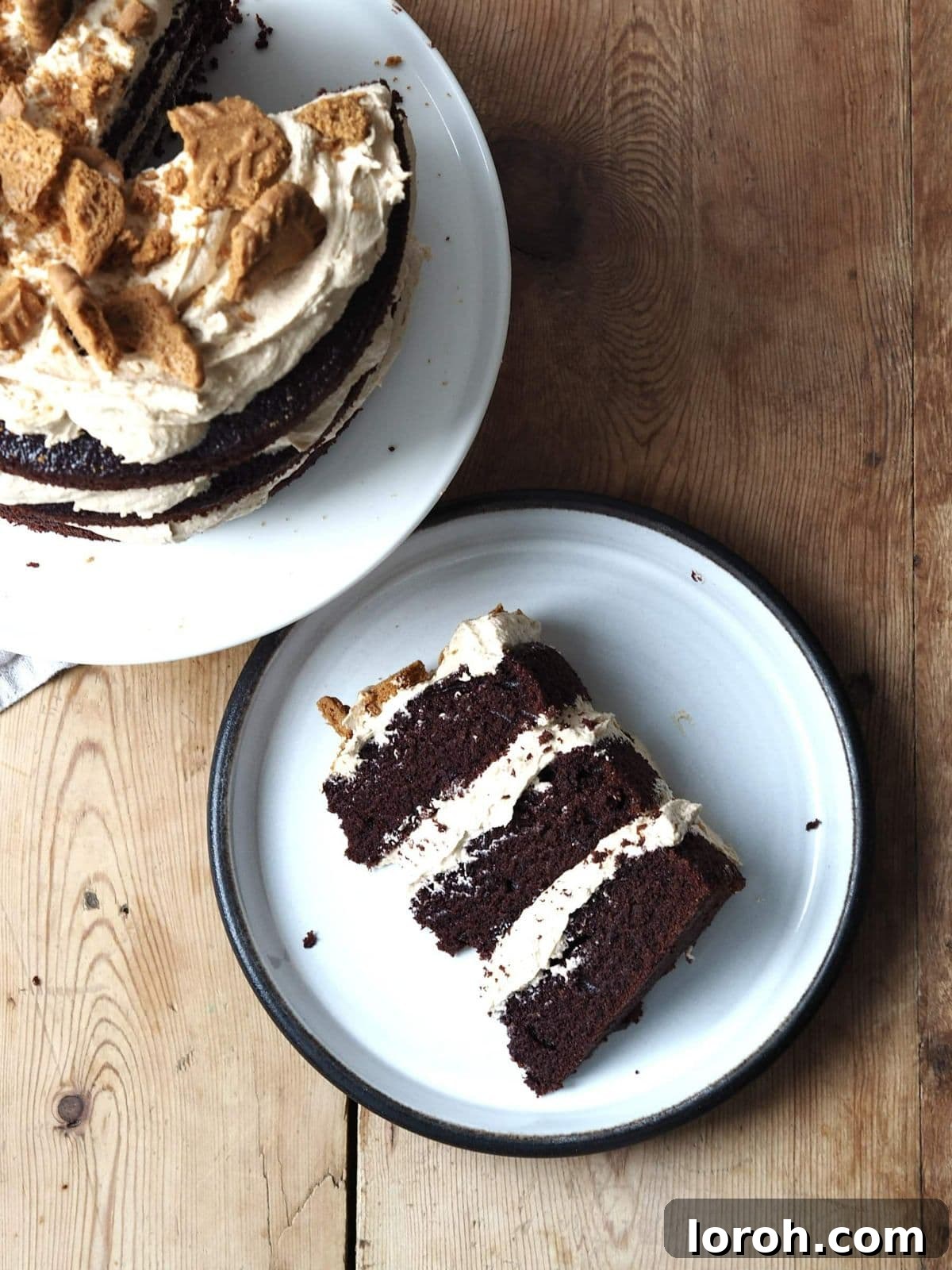
Prepare to fall in love with this **Easy Biscoff Cake**, a recipe that proves simplicity can lead to extraordinary deliciousness. Imagine sinking your teeth into three beautifully soft and moist tiers of rich chocolate sponge, each layer generously spread with a sweet, subtly spiced Lotus Biscoff buttercream. The grand finale? A delightful scattering of crunchy Biscoff biscuits on top, adding that perfect textural contrast. This cake isn’t just good; it’s an absolute showstopper that’s surprisingly straightforward to bake, making it ideal for both seasoned bakers and eager beginners.
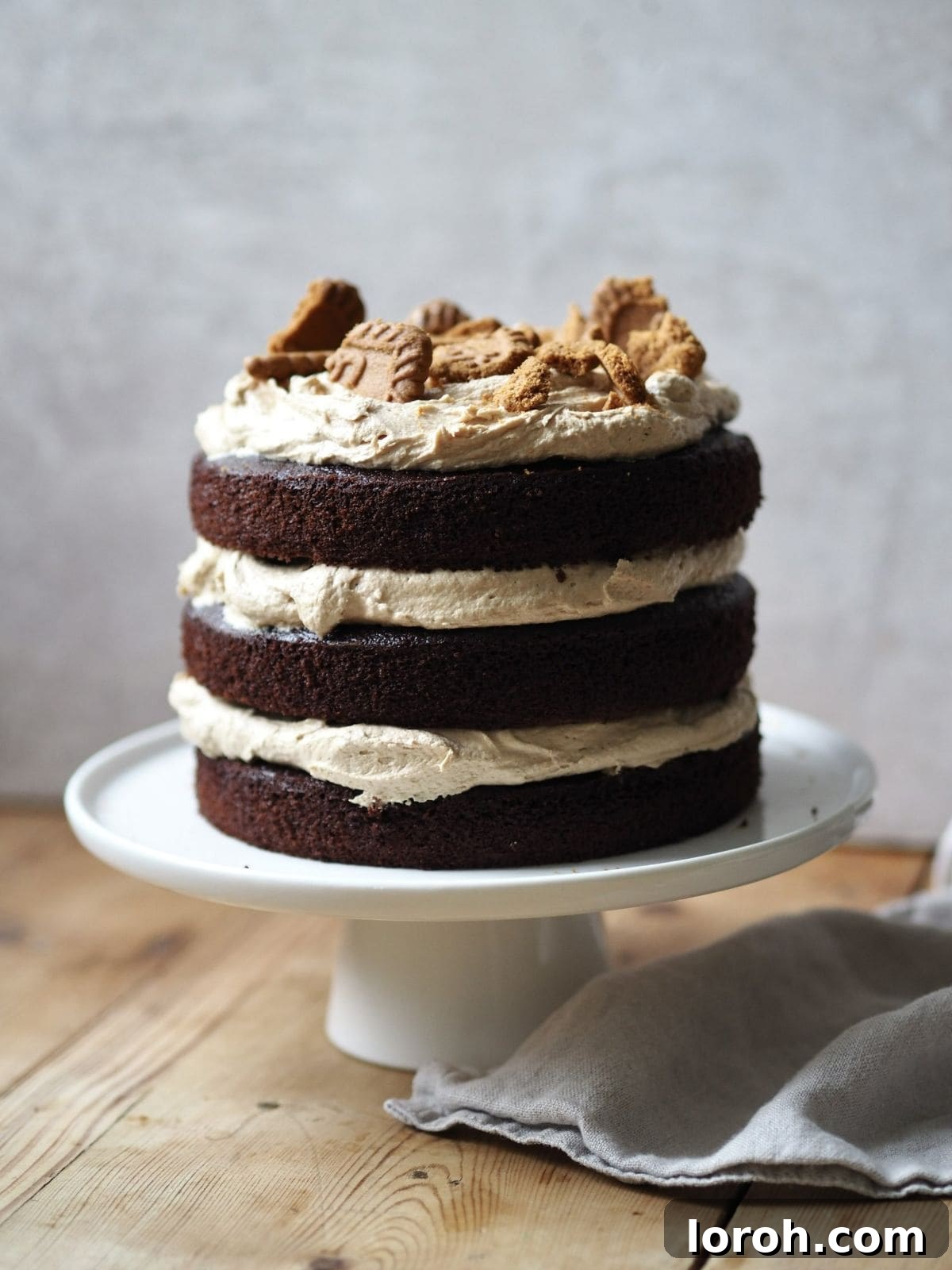
While many Biscoff cake recipes might call for incorporating the spread directly into the batter, we’ve opted for a different, incredibly effective approach. By pairing a wonderfully soft and rich chocolate sponge with the distinctive flavor of Lotus Biscoff, we’ve created a match made in dessert heaven. If you’ve ever tried our Biscoff Blondies, you already know that chocolate and Biscoff form an irresistible duo. For the frosting, we’ve crafted a simple yet decadent American buttercream, swirled generously with creamy Lotus Biscoff spread to ensure every bite is bursting with that beloved caramelized biscuit flavor.
Table of Contents
- Why You Will Love This Easy Biscoff Cake Recipe
- Key Ingredients Explained
- Substitutions and Variations for Your Biscoff Cake
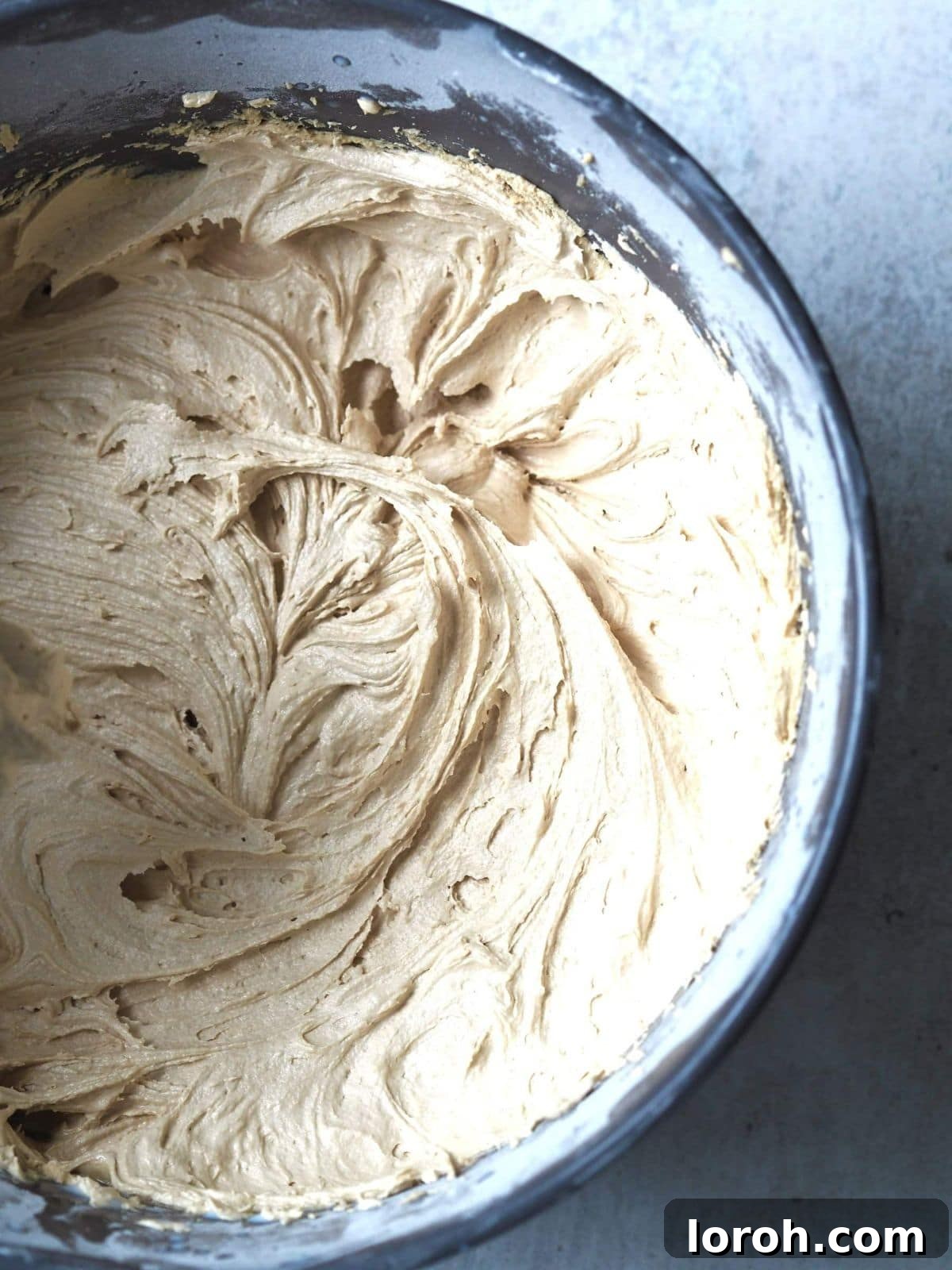
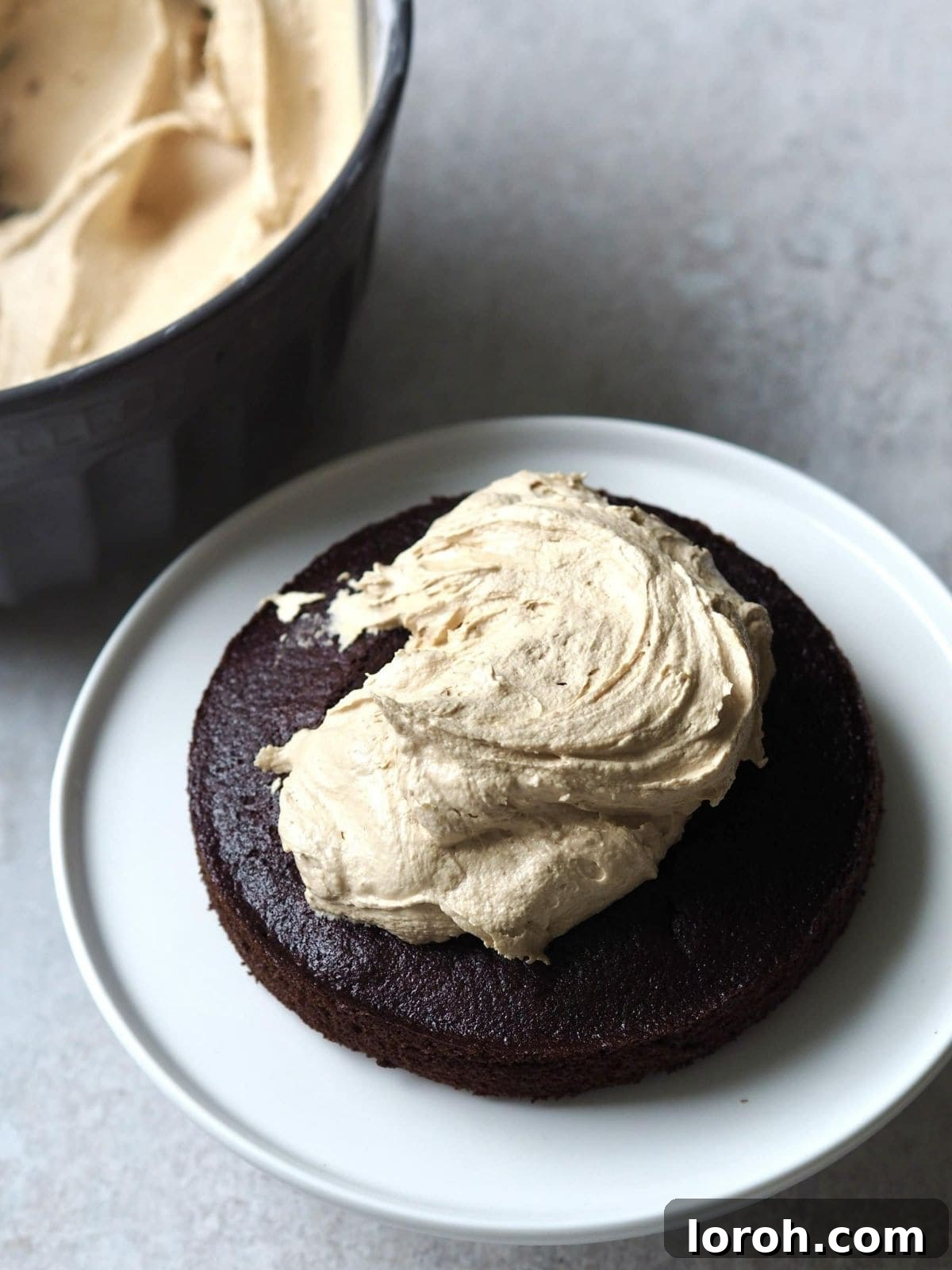
- How to Make This Simple Biscoff Cake: A Visual Guide
- Baker’s Essential Cooking Tips
- Frequently Asked Questions About Biscoff Cake
- Other Recipes You Might Enjoy
- Full Easy Biscoff Cake Recipe
Why You Will Love This Easy Biscoff Cake Recipe
This Biscoff cake isn’t just another dessert; it’s a delightful baking experience and a guaranteed crowd-pleaser. Here’s why you’ll adore making and devouring it:
- It’s a **simple and easy cake recipe** that effortlessly delivers an **impressive result**. You don’t need to be a pastry chef to create this beautiful layered cake. The steps are straightforward, making it perfect for bakers of all skill levels who want to create something truly special.
- This cake is bursting with **delicious flavors and captivating textures**. Each forkful offers a symphony: a soft, incredibly moist, and rich chocolate sponge provides the perfect foundation. This is complemented by layers of creamy, beautifully spiced, and biscuity Biscoff buttercream. Finally, a generous sprinkling of crunchy Biscoff biscuits adds an exciting textural contrast that elevates the whole experience.
- You’ll likely find that it uses **store cupboard ingredients** you already have at home. Beyond the star ingredient – Biscoff spread – most other components are baking staples, making this recipe convenient and accessible without requiring a special trip to the store.
- The **combination of chocolate and Biscoff is pure magic**. The deep, slightly bitter notes of cocoa perfectly balance the sweet, caramelized, and spiced profile of Biscoff, creating a harmonious flavor profile that will have everyone asking for seconds.
- It’s a **versatile dessert** that’s perfect for any occasion. Whether you’re celebrating a birthday, hosting a dinner party, or simply treating yourself and your loved ones, this Biscoff cake is always a welcome addition. Its elegant presentation makes it ideal for special events, while its comforting flavors make it perfect for an everyday indulgence.
Key Ingredients Explained for Your Perfect Biscoff Cake
Crafting this delightful Biscoff cake relies on a few core ingredients. Understanding their role can help you achieve the best results:
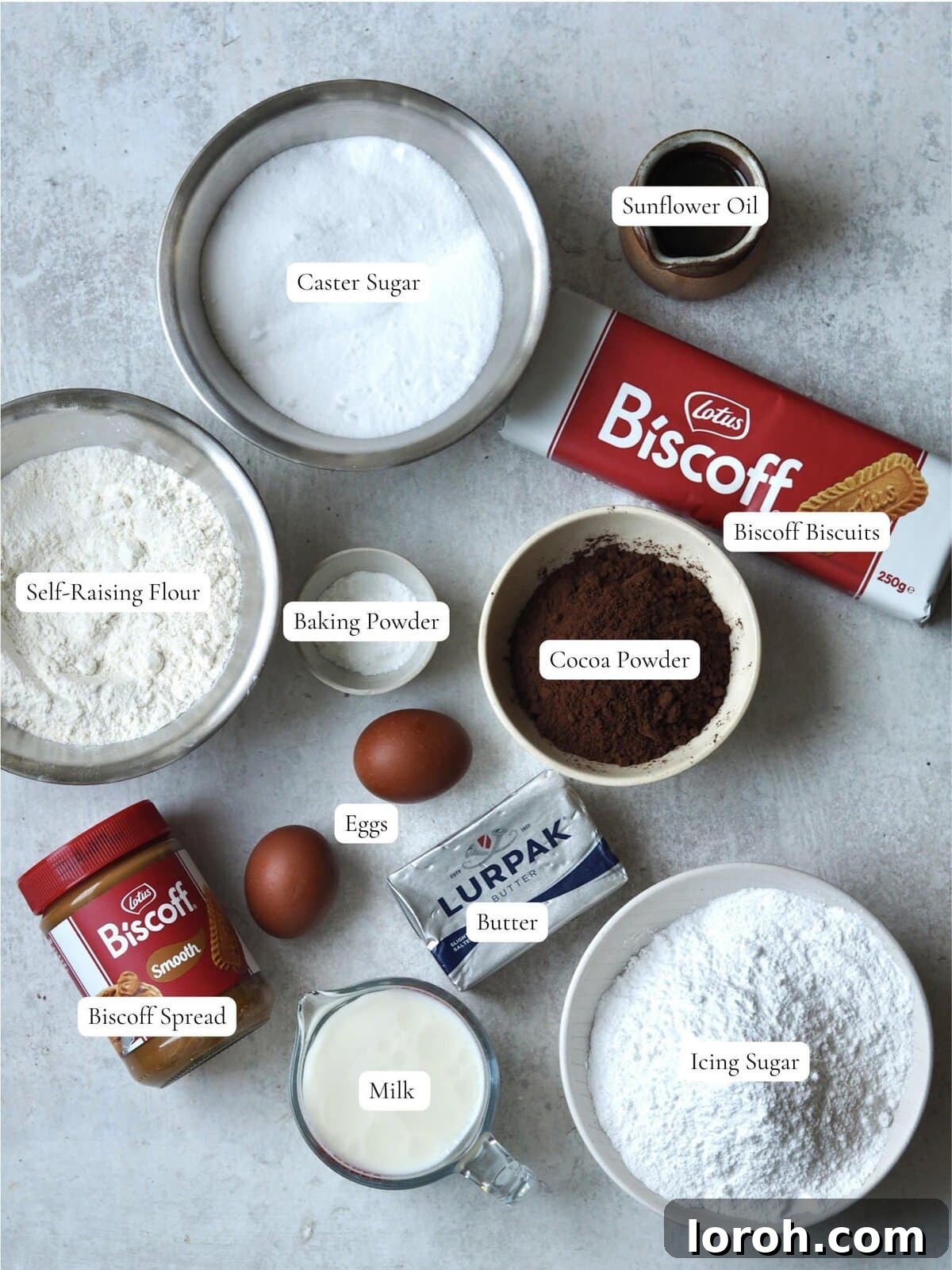
Self-raising flour: Also known as ‘self-rising flour’ in some regions, this flour already contains a leavening agent (baking powder) and a pinch of salt. It’s crucial for giving your cake its light, airy, and fluffy texture, ensuring a beautiful rise without extra effort.
Cocoa powder: For that deep, rich chocolate flavor, always opt for unsweetened cocoa powder. This is the secret to a genuinely decadent chocolate sponge. **Important:** do not substitute with hot chocolate powder, which is typically sweetened and contains other additives that will alter the cake’s texture and taste significantly.
Caster sugar: Known as super-fine sugar, caster sugar dissolves quickly into the batter, contributing to a smooth texture and a tender crumb. Its fine granules ensure an even sweetness throughout the cake without any grittiness.
Sunflower oil: Many cake recipes use butter, but employing a flavorless oil like sunflower oil has a wonderful advantage: it helps create an incredibly moist cake. Oil keeps the sponge soft and tender for longer, preventing it from drying out, which is perfect for a multi-layered masterpiece like this Biscoff cake.
Icing sugar: Also called powdered sugar or confectioners’ sugar, icing sugar is a fundamental component of the buttercream. Its ultra-fine texture ensures a silky-smooth, lump-free frosting that melts in your mouth.
Biscoff spread: The star of the show! This irresistible spiced caramel biscuit spread is what gives our buttercream its unique, addictive flavor. You can readily find Biscoff spread (often labeled Lotus Biscoff Spread) at most major supermarkets. For convenience, it’s also widely available online, including on platforms like Amazon.
Substitutions and Variations for Your Biscoff Cake
While this Biscoff cake recipe is perfect as is, you can always get creative with a few clever substitutions and variations to tailor it to your taste or what you have on hand. Don’t be afraid to experiment!
Sunflower oil alternatives: If sunflower oil isn’t available, any other neutral-flavored oil with a high smoke point will work well. Vegetable oil or rapeseed oil (canola oil) are both excellent choices that won’t impart any unwanted flavors into your moist chocolate sponge.
Biscoff spread alternatives for different flavors: While this is undeniably a *Biscoff* Cake, the principle of a rich sponge paired with a decadent spread buttercream is versatile. You can easily adapt the recipe to create other delicious flavored cakes:
- **Nutella Cake:** For a hazelnut chocolate dream, substitute Biscoff spread with Nutella in the buttercream. The rich, chocolate-hazelnut flavor would be incredible with the chocolate sponge.
- **Peanut Butter Chocolate Cake:** Smooth peanut butter makes a fantastic alternative for a classic and comforting flavor combination. The salty-sweet notes of peanut butter would perfectly complement the chocolate.
- **Speculoos Cookie Butter:** If you can’t find Lotus Biscoff brand, any other speculoos cookie butter spread will work just as wonderfully, as they share a very similar flavor profile.
Biscoff chocolate for decoration: Elevate your Biscoff cake’s appearance and taste by incorporating Lotus Biscoff Chocolate Bars. Simply break off squares and arrange them decoratively around the crumbled Biscoff biscuits on top of the cake. This adds an extra layer of Biscoff goodness and an elegant touch.
Adding more crunch with nuts: This Biscoff cake is already a delightful textural experience, but if you’re a fan of extra crunch, consider sprinkling toasted chopped nuts over the top. Hazelnuts and almonds are particularly delicious choices that pair beautifully with both chocolate and the spiced notes of Biscoff. Lightly toast them beforehand to bring out their full flavor.
Seasonal spice variations: For a cozy, autumnal twist, consider adding a pinch of ground cinnamon or nutmeg to your chocolate sponge batter. These spices complement the Biscoff flavor profile wonderfully, making the cake even more inviting.
How to Make This Simple Biscoff Cake: A Visual Guide
This section provides a quick visual overview of the key steps. For detailed instructions, ingredient quantities, and baker’s notes, please scroll down to the full recipe card below.
Baker’s Essential Cooking Tips for Biscoff Cake Success
Achieving a bakery-quality Biscoff cake at home is easier than you think with these expert tips:
- Weigh the batter for even layers: For perfectly identical cake layers, a kitchen scale is your best friend. After preparing your batter, weigh the total amount and then divide it equally among your prepared cake tins. This ensures each layer bakes uniformly and creates a visually stunning, level cake. While optional, it’s a pro tip for perfectionists.
- Ensure softened butter for creamy buttercream: This is a non-negotiable step for flawless Biscoff buttercream. Your unsalted butter absolutely *must* be at room temperature and properly softened. If the butter is too cold, it won’t emulsify correctly with the icing sugar and Biscoff spread, resulting in a lumpy, stiff, and unpleasant buttercream. Take it out of the fridge at least an hour or two before you plan to start, or gently warm it in short bursts in the microwave until just pliable.
- Sieve your icing sugar for smooth frosting: To guarantee a gloriously smooth buttercream free from any pesky lumps, always sieve your icing sugar before adding it to the softened butter. Icing sugar has a tendency to clump, and sifting ensures a uniform, airy powder that blends beautifully.
- Don’t overmix the cake batter: Once you’ve combined the wet and dry ingredients, mix only until just combined and smooth. Overmixing develops the gluten in the flour, which can lead to a tough and dense cake rather than the desired soft and moist texture. A few small lumps are better than an overmixed batter.
- Cool cakes completely: Patience is key! Before assembling and frosting, ensure your cake layers are completely cooled. Attempting to frost warm cakes will cause your beautiful buttercream to melt and slide off, creating a messy and frustrating experience. If you’re short on time, you can pop the cooled layers into the fridge for a quick chill.
- Adjust buttercream consistency: If your Biscoff buttercream feels too stiff after mixing, add a tiny splash of milk (about half a teaspoon at a time) and beat again until it reaches your desired spreadable consistency. If it’s too thin, you can add a little more sifted icing sugar.
Frequently Asked Questions About Biscoff Cake
What exactly is Biscoff?
Biscoff refers to a type of spiced shortcrust biscuit (cookie) and the spread made from it. Originating from Belgium, it’s famous for its distinctive caramelized, slightly gingery, and deeply satisfying flavor. The full name is Lotus Biscoff, and the spread is often called Lotus Biscoff Spread or simply cookie butter. You can use it in much the same way you would use Nutella or peanut butter – spread on toast, in desserts, or eaten straight from the spoon!
Should I use smooth or crunchy Lotus Biscoff Spread for this cake?
The choice between smooth or crunchy Lotus Biscoff Spread is entirely up to your personal preference! Since the Biscoff is incorporated into the buttercream and not the cake batter itself, it won’t impact the soft texture of the chocolate sponge. If you love extra bits of crunchy biscuit throughout your frosting, go for the crunchy version. If you prefer a uniformly smooth and silky buttercream, the smooth spread is perfect. Both will deliver that incredible Biscoff flavor.
Why do you add boiling water to this Biscoff Cake batter?
Adding boiling water to a cake batter might seem unusual, but it’s a fantastic technique, especially for chocolate cakes! This hot liquid has a few key benefits. Firstly, it helps to ‘bloom’ the cocoa powder, intensifying its flavor and resulting in a richer, deeper chocolate taste in your sponge. Secondly, it contributes to a lighter, fluffier cake with an incredibly moist and beautifully soft texture. The hot water essentially helps to melt the cocoa and distribute it evenly, creating a very tender crumb.
Can I make Biscoff cake ahead of time?
Absolutely! This Biscoff cake is excellent for making ahead, which is perfect for entertaining or when you want to enjoy a fresh slice without last-minute baking stress.
- The full assembled cake: You can make the complete cake, including frosting and decoration, one day in advance. Store it covered in the fridge. For the best taste and texture, remove it from the fridge about 30 minutes before serving to allow it to come to room temperature.
- The sponge layers: The chocolate sponge layers can be baked up to 3 days in advance. Once completely cool, wrap each sponge tightly in clingfilm (plastic wrap) to prevent them from drying out. Store them in the fridge.
- The buttercream: The Biscoff buttercream can also be prepared ahead of time, up to 5 days in advance. Store it in an airtight container in the fridge. Before using, remember to let it come to room temperature and give it a good re-whip with an electric mixer to restore its fluffy texture.
- Freezing sponges: For longer storage, you can freeze the unfrosted cake sponges for up to 3 months. Once completely cool, wrap each sponge tightly in multiple layers of clingfilm, then in foil. When you’re ready to use them, thaw them overnight in the fridge, then bring them to room temperature before frosting.
Other Decadent Dessert Recipes You Might Enjoy
If you loved the sound of this Easy Biscoff Cake and are looking for more incredible desserts to try, explore some of our other popular recipes:
- No Bake Biscoff Cheesecakes: Another fantastic way to enjoy the beloved Biscoff flavor without even turning on your oven.
- Jaffa Jaffa Cake: A playful and delicious twist on a classic, combining orange and chocolate in a delightful cake.
- Apple Crumble Cheesecake: The perfect autumnal dessert, blending the comfort of apple crumble with the creamy richness of cheesecake.
- Pistachio Raspberry Cake: A beautifully vibrant and flavorful cake with the delicate notes of pistachio and the tart sweetness of raspberries.
More Indulgent Baking Ideas
Easy Baking Recipes
Raspberry and Chocolate Cake
Easy Dessert Recipes
Tiramisu Tres Leches Cake
Easy Baking Recipes
Pistachio Raspberry Cake
Easy Baking Recipes
Chocolate and Pear Cake
We hope you thoroughly enjoy baking and sharing this **Easy Biscoff Cake**! If you tried this recipe or any other on our site, please don’t hesitate to leave a comment below and let us know how it turned out. Your feedback is always appreciated!
Easy Biscoff Cake Recipe
By: Margie
If you are a fan of Lotus Biscoff Spread, you will absolutely LOVE this Easy Biscoff Cake. Imagine layers of soft, rich chocolate cake and sweet, spiced Lotus Biscoff buttercream, all finished with crunchy Lotus Biscoff biscuits. It’s a dessert dream come true!
- Prep Time: 20 mins
- Cook Time: 25 mins
- Total Time: 45 mins
- Servings: 10 servings
Rate Recipe
Print Recipe
Ingredients for Your Biscoff Dream Cake
For the Biscoff chocolate cake:
- 225 g self-raising flour
- 1 tsp baking powder
- 85 g unsweetened cocoa powder
- 1 tsp salt
- 350 g caster sugar (super-fine sugar)
- 125 ml sunflower oil (or other neutral oil)
- 250 ml full-fat milk
- 2 large eggs
- 250 ml boiling water
For the Biscoff buttercream:
- 200 g unsalted butter, softened
- 350 g icing sugar (powdered sugar)
- 200 g Biscoff spread (smooth or crunchy)
- Splash of milk, optional (if buttercream is too thick)
- Pinch of salt (to balance sweetness)
To decorate:
- 100 g Biscoff biscuits (for crumbling)
Step-by-Step Baking Instructions
- Prepare Oven & Tins: Preheat your oven to 160°C Fan (325°F / 180°C conventional). Grease and line three 18cm (7-inch) round cake tins with non-stick baking paper.
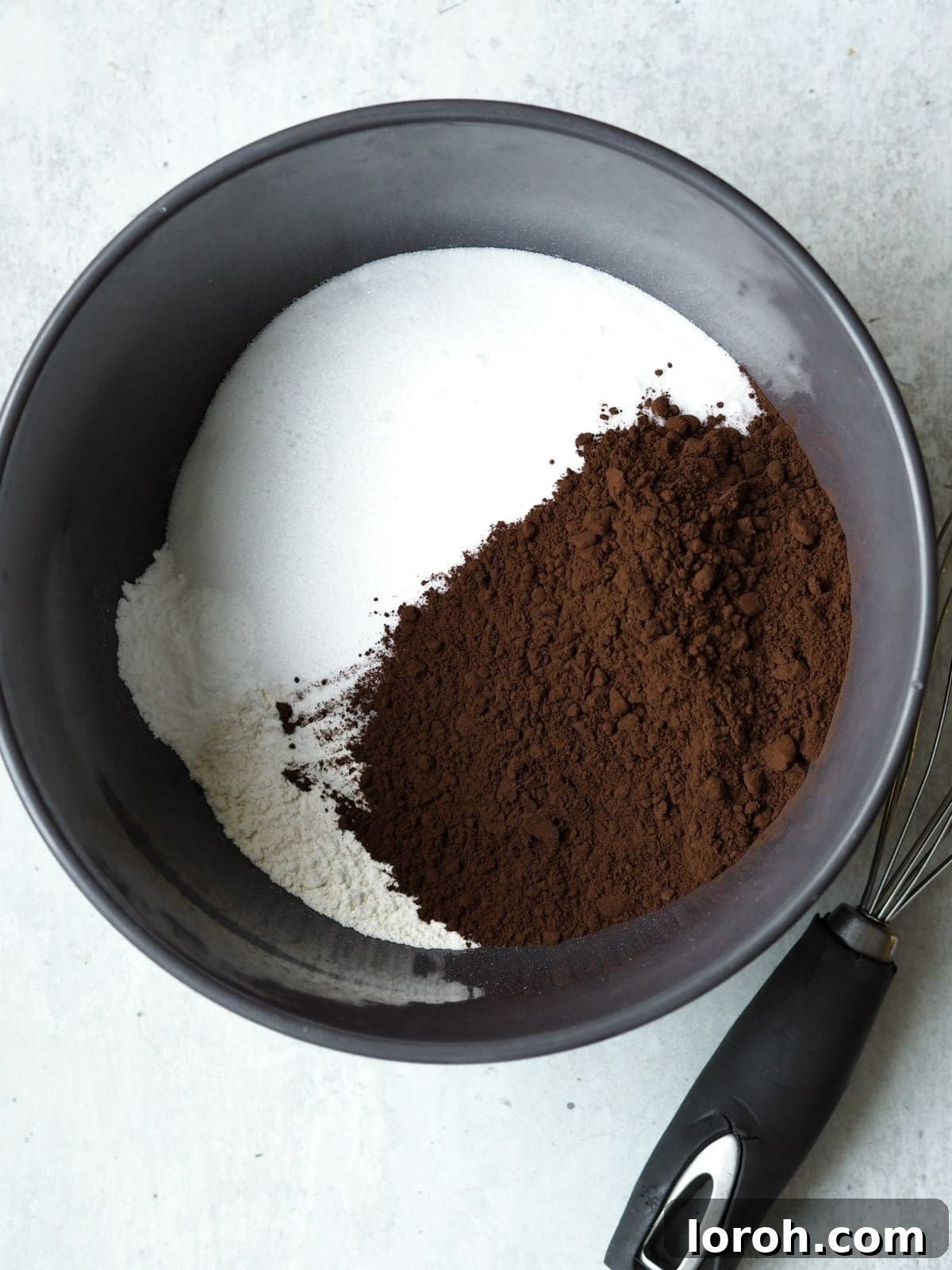
- Combine Dry Ingredients: In a large mixing bowl, sift together the self-raising flour, baking powder, and cocoa powder. Add the salt and caster sugar, then whisk everything together until well combined.
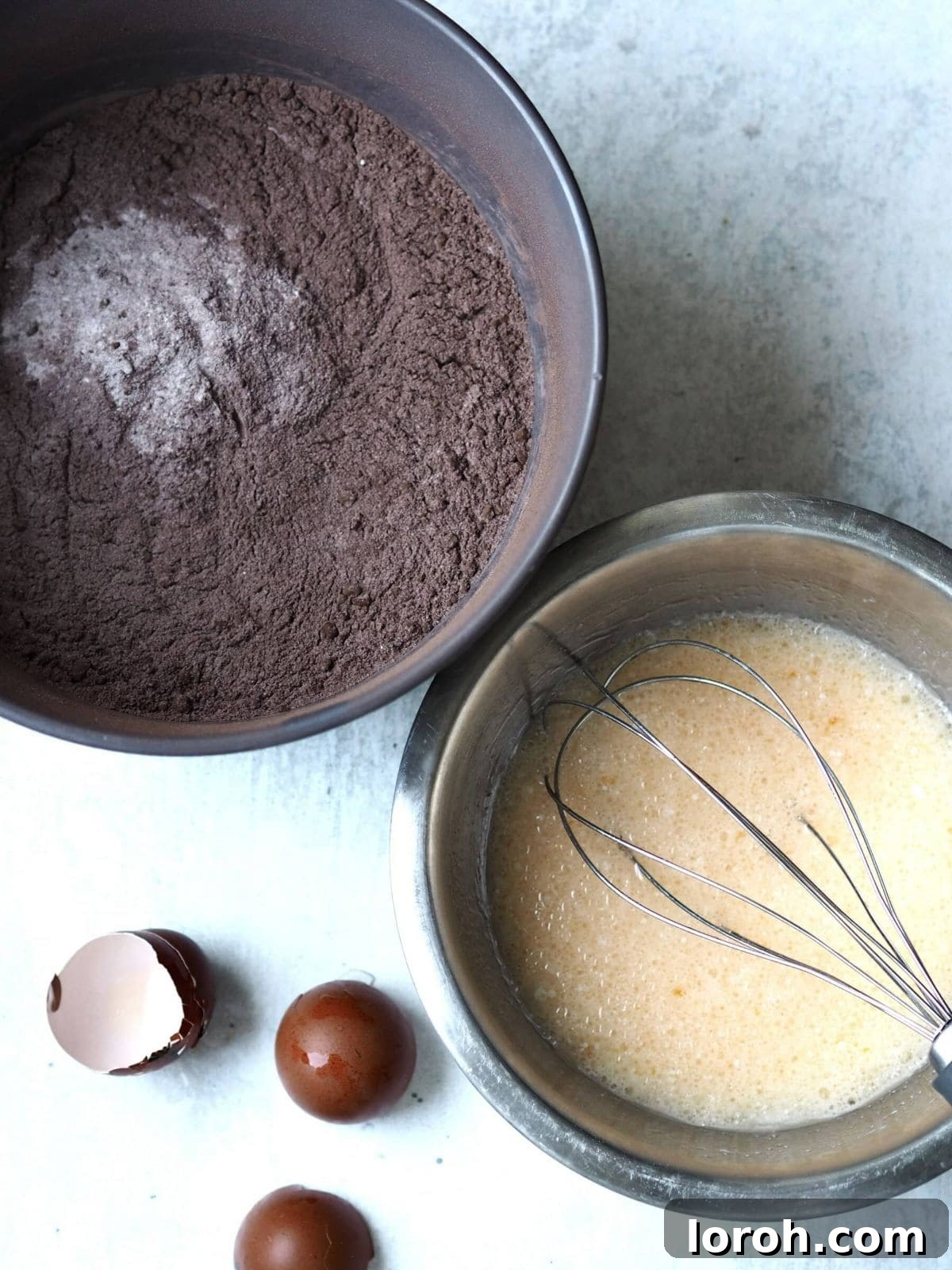
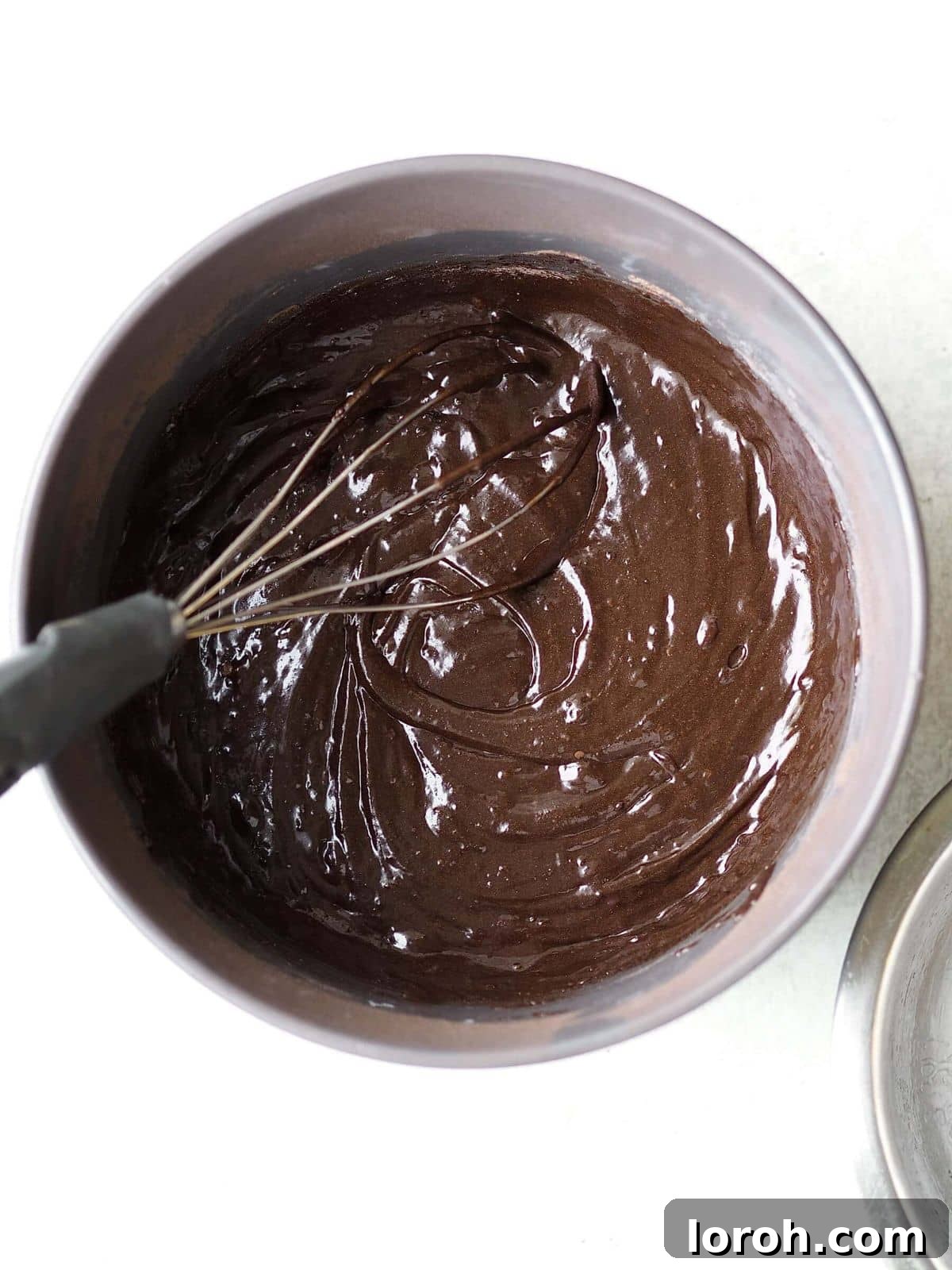
- Combine Wet Ingredients & Batter: In a separate large bowl, whisk together the sunflower oil, milk, and eggs. Pour this wet mixture into the dry ingredients and whisk until just combined and you have a smooth batter. Then, pour in the boiling water and whisk again until the batter is completely smooth. Don’t worry if it seems quite runny – this is completely normal and contributes to the cake’s moist texture!
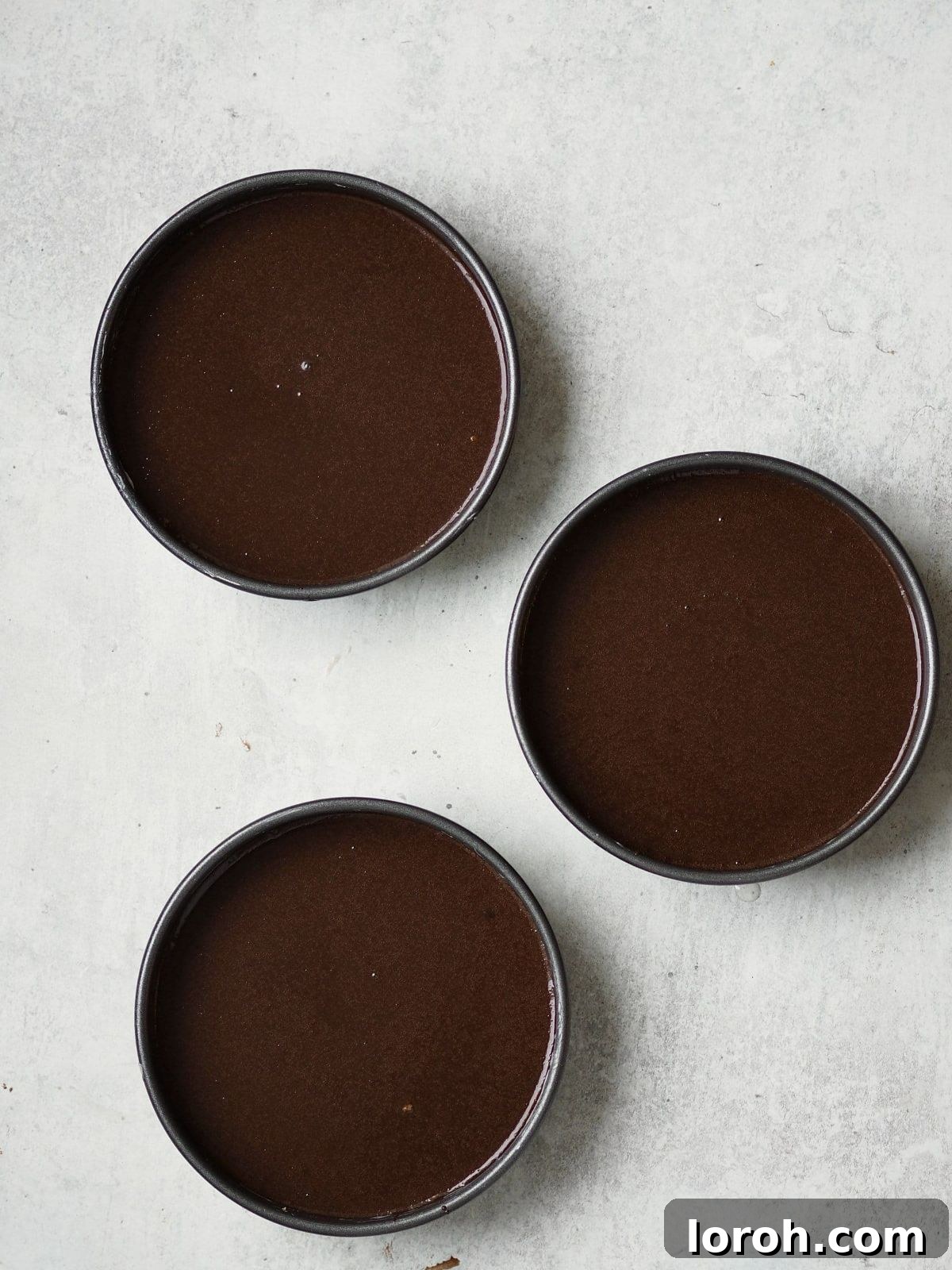
- Bake the Sponges: Carefully pour the cake batter into your prepared tins, ensuring an equal amount in each. Bake for approximately 20-25 minutes, or until the cakes are well risen and a skewer inserted into the center comes out clean. Allow the cakes to cool in their tins for 20 minutes before turning them out onto a wire rack to cool completely.
- Prepare Biscoff Buttercream: Once the cake layers are entirely cool, begin making the Biscoff buttercream. In a large bowl, using an electric whisk, beat the softened unsalted butter for about a minute to loosen it. Gradually sift in the icing sugar and continue to whisk for about 4-5 minutes until the mixture is pale, light, and wonderfully fluffy. Next, whisk in the Biscoff biscuit spread until it is thoroughly combined and smooth. If the buttercream seems too thick, add a small splash of milk and beat again until it reaches your desired consistency. Taste the buttercream and stir in a pinch of salt if you feel it needs balancing.
- Assemble & Decorate: To assemble, place a dollop of buttercream onto the base of a flat serving plate or cake board to secure the first cake layer. Place one cooled cake sponge on top. Spread a generous amount of Biscoff buttercream evenly over this layer. Top with the second cake sponge, repeat with more buttercream, and then place the final cake sponge on top. Finish by spreading the remaining buttercream over the top and sides of the cake. Finally, crumble the Biscoff biscuits over the top to decorate. Slice, serve, and savor every delicious bite!
Baker’s Notes & Tips
For a visual step-by-step guide, please refer to the “How to Make This Simple Biscoff Cake” section above.
To store: Store any leftover Biscoff cake covered in an airtight container or under a cake dome in the fridge for up to 5 days.
To freeze: You can freeze the baked chocolate cake sponges on their own. Once completely cool, wrap each sponge tightly in multiple layers of clingfilm and then in foil. Place them in the freezer for up to 3 months. When you’re ready to use them, remove them from the freezer the night before and allow them to thaw overnight at room temperature.
Make ahead: This cake is perfect for preparing in advance. The full assembled cake can be made a day ahead; cover and refrigerate, then remove 30 minutes before serving. The sponge layers can be made 3 days ahead, wrapped tightly, and stored in the fridge. The buttercream can be made up to 5 days ahead, stored in an airtight container in the fridge, and then brought to room temperature and re-whipped before use.
Buttercream consistency: Always ensure your butter is soft before starting the Biscoff buttercream. If the final buttercream is a little too stiff, gradually beat in small splashes of milk (half a teaspoon at a time) until you achieve your desired smooth, spreadable consistency.
Biscuit topping variations: While Biscoff biscuits are traditional for this cake, feel free to experiment with other crumbled biscuits for decoration. Chocolate digestives, Oreos, gingernuts, or Leibniz biscuits are all delicious options that would add a lovely crunch and complementary flavor.
Nutrition Information (Approximate)
Nutrition information is automatically calculated and should only be used as an approximation.
- Calories: 816kcal
- Carbohydrates: 109g
- Protein: 8g
- Fat: 42g
- Saturated Fat: 16g
- Polyunsaturated Fat: 2g
- Monounsaturated Fat: 15g
- Trans Fat: 1g
- Cholesterol: 79mg
- Sodium: 338mg
- Potassium: 218mg
- Fiber: 4g
- Sugar: 79g
- Vitamin A: 598IU
- Calcium: 81mg
- Iron: 2mg