
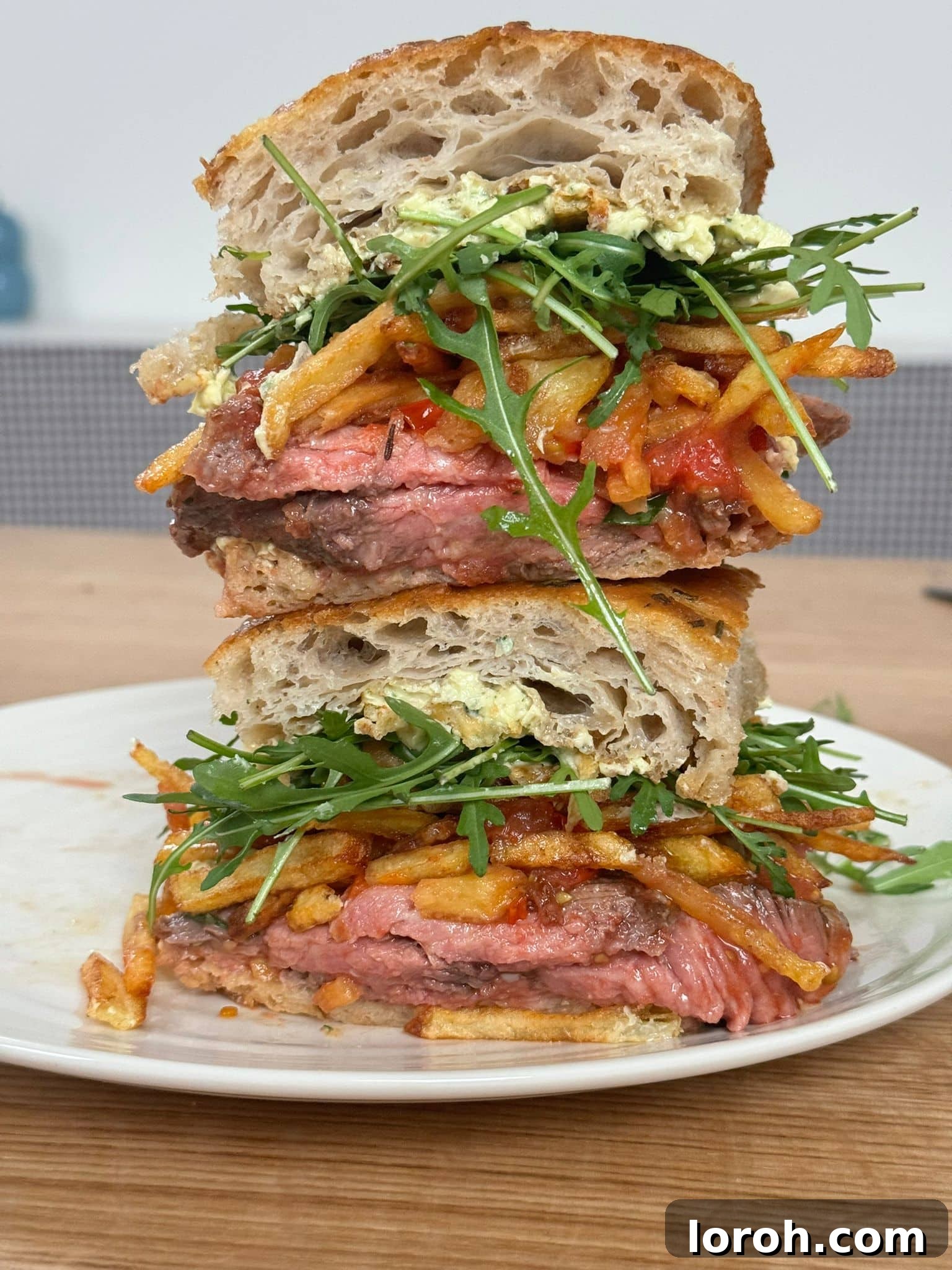
Prepare to transform your perception of a sandwich with this truly ultimate rib eye steak creation. This isn’t merely a meal; it’s a meticulously crafted culinary experience designed to delight every sense. Imagine a tender, perfectly seared rib eye steak, nestled between slices of flavorful focaccia, generously slathered with a luscious, herbaceous bearnaise butter. This masterpiece is complemented by golden, irresistibly crispy homemade chips and bursts of sweet, slow-cooked jammy tomatoes. The thoughtful combination of rich, savory steak, the fresh tang of tarragon and shallots in the bearnaise, the vibrant sweetness of the tomatoes, and the satisfying crunch of salty fries creates a symphony of flavors and textures. Each element plays a crucial role, harmonizing to elevate this sandwich from a simple meal to an unforgettable gourmet indulgence. It’s an ideal choice for anyone looking to impress with their cooking skills or simply treat themselves to something truly spectacular.
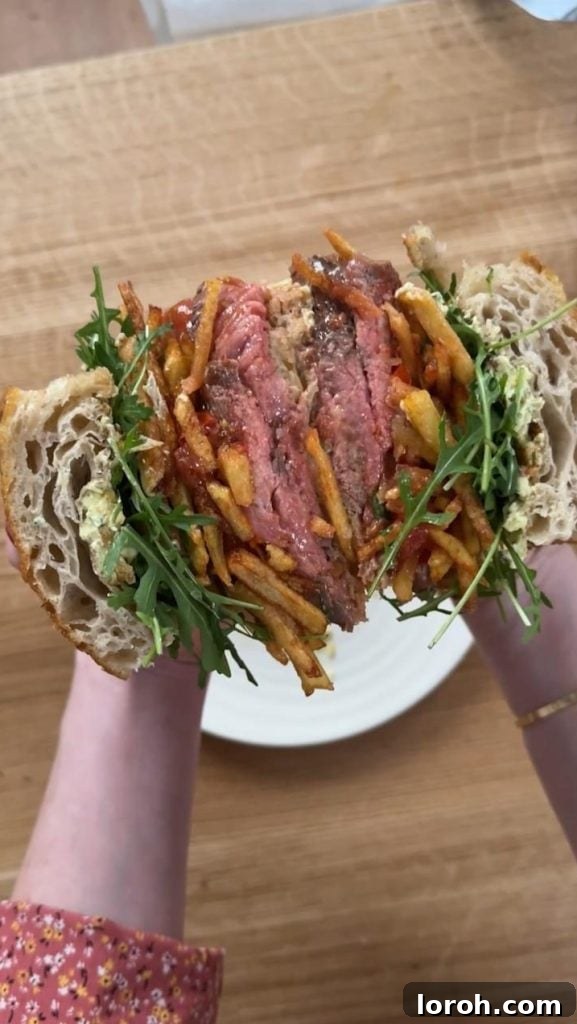
Essential Ingredients for Crafting Your Ultimate Rib Eye Steak Sandwich
Creating a truly exceptional rib eye steak sandwich begins with selecting the finest ingredients. Each component is chosen for its ability to contribute unique flavors and textures, ensuring a balanced and incredibly satisfying experience. Here’s a detailed guide to what you’ll need to assemble this gourmet masterpiece:
- Rib Eye Steak: The undisputed star of this sandwich, a high-quality rib eye is paramount. Its characteristic marbling—the delicate streaks of fat running through the meat—renders beautifully during cooking, imparting an unparalleled juiciness and rich beefy flavor. Always opt for the best quality you can reasonably afford, as the steak is the centerpiece and will define the sandwich’s overall excellence.
- Potatoes: These are for crafting your own incredibly crispy, golden homemade chips. Starchy potato varieties, such as Russet or Maris Piper, are ideal. Their high starch content ensures a fluffy interior and a perfectly crisp exterior once double-fried, providing that irresistible crunch that elevates the entire meal.
- Cherry Tomatoes: These small, vibrant tomatoes are slow-cooked in rich olive oil with aromatic garlic until they soften and burst, transforming into intensely sweet and savory “jammy” tomatoes. They offer a bright, acidic counterpoint to the richness of the steak and bearnaise, adding a burst of fresh flavor and a delightful texture.
- Butter: The base for our simplified yet luxurious bearnaise butter. Using good quality unsalted butter allows the delicate flavors of the herbs and shallots to shine through, creating a creamy, melt-in-your-mouth spread that binds the sandwich together.
- Tarragon: A classic herb, tarragon is essential for the distinctive flavor profile of bearnaise. Its subtle anise-like notes and fresh, slightly peppery undertones complement red meat beautifully, cutting through the richness and adding an elegant aromatic dimension to the sandwich.
- Rocket (Arugula): A generous handful of fresh rocket leaves provides a vital peppery kick and a refreshing verdant contrast. Its sharp, distinct flavor helps to balance the rich steak and buttery sauce, while also adding a pleasant textural element to each bite.
- Salt: A fundamental seasoning for every element of this dish. Coarse sea salt or flakey salt is particularly excellent for seasoning the steak to draw out moisture and aid crust formation, and for sprinkling over the hot, crispy chips for an immediate flavor burst and satisfying crunch.
- Focaccia: This airy, olive-oil-rich Italian bread is the ideal choice for this robust sandwich. Its open crumb structure is perfect for soaking up the delectable pan juices left after cooking the steak, infusing every bite with deep, savory flavors. If you enjoy baking, creating your own fluffy and airy focaccia is a rewarding endeavor. Should focaccia be unavailable, a high-quality crusty bread like ciabatta or sourdough will also work wonderfully, providing a sturdy foundation for all the delicious fillings.
Discovering Bearnaise Butter: A Simpler Path to Gourmet Flavor
Bearnaise sauce holds a prestigious place in classic French cuisine, renowned for its exquisite partnership with grilled meats, particularly steak. Traditionally, it’s an intricate emulsion, similar to hollandaise, but distinguished by the vibrant flavors of tarragon and shallots, along with white wine vinegar or tarragon vinegar, all emulsified into clarified butter with egg yolks. Crafting a classic bearnaise can be a delicate process, demanding careful temperature control and continuous whisking to prevent the sauce from breaking.
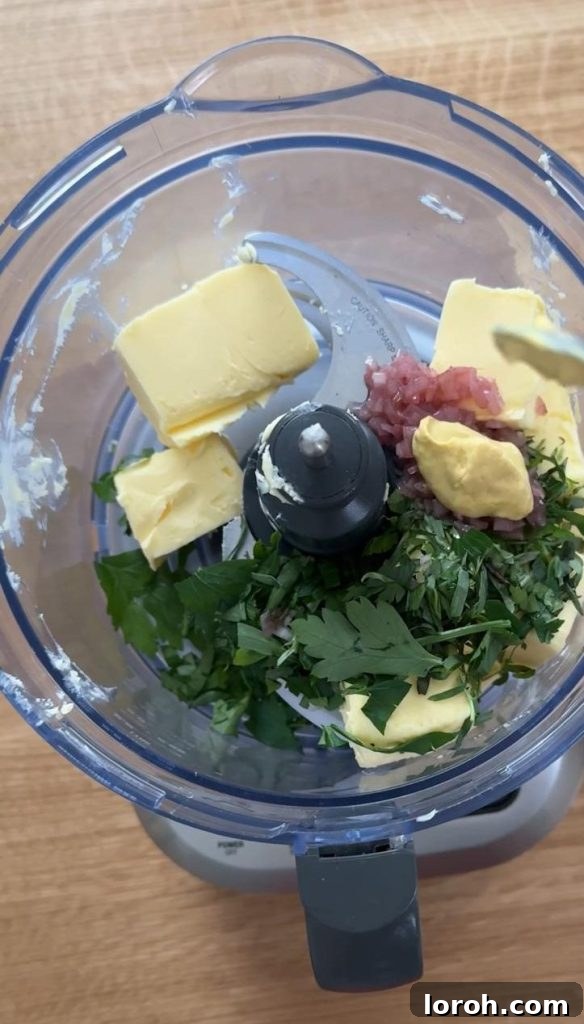
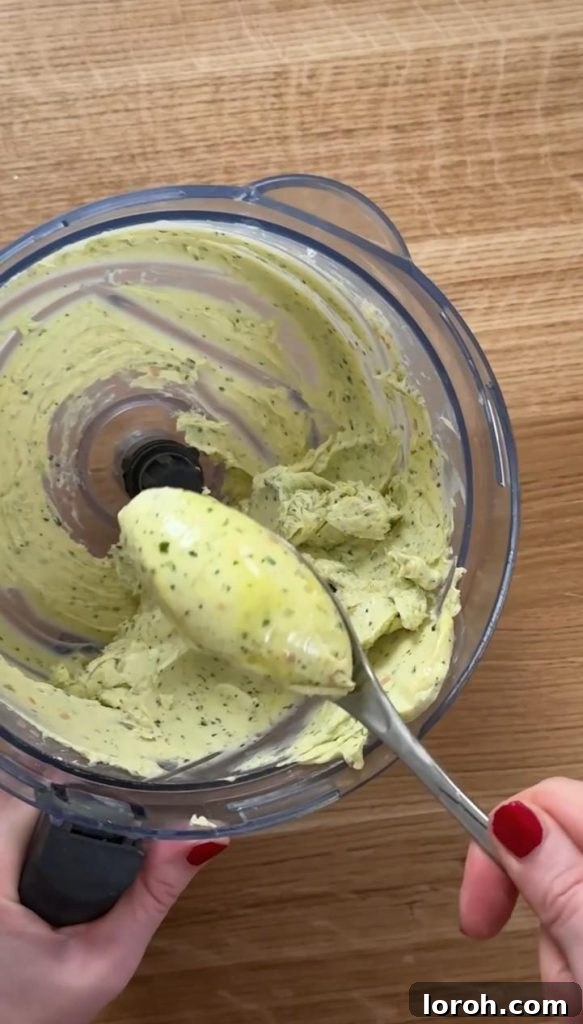
However, for this ultimate rib eye steak sandwich, we embrace a wonderfully simplified yet equally flavorful alternative: bearnaise butter. This approach streamlines the preparation by using a blender, transforming the complex sauce into an effortlessly smooth compound butter. By blending softened butter with sautéed shallots, red wine vinegar, fresh tarragon, parsley, and Dijon mustard, we capture all the signature aromatics and tangy notes of traditional bearnaise in a spreadable, user-friendly format.
The blender method not only saves time but also eliminates the potential pitfalls of making a classic emulsified sauce from scratch, allowing even novice cooks to achieve impressive results. The tarragon and shallot-laced butter introduces a sophisticated depth to the sandwich, perfectly complementing the rich rib eye steak. While this recipe yields more bearnaise butter than you’ll likely need for just two sandwiches, consider it a delightful bonus! The excess butter can be refrigerated and used to elevate other dishes, such as roasted chicken, grilled fish, steamed vegetables, or even spread on morning toast. If you’re a fan of flavorful compound butters, you might also be interested in my recipe for Herby Garlic Cowboy Butter, which offers a different, equally enticing blend of herbs and spices.
Mastering the Art: How to Cook the Perfect Rib Eye Steak
Cooking a rib eye steak to perfection is a skill that can transform any meal, especially when it’s the star of an ultimate sandwich. Achieving a beautiful crust, tender interior, and juicy result isn’t difficult if you follow these essential steps:
- Choose the Correct Pan: The type of pan you use significantly impacts the steak’s sear. Opt for a heavy-bottomed pan, such as a cast iron skillet or a high-quality stainless steel pan. These materials excel at retaining and distributing heat uniformly across their surface, which is absolutely critical for developing that coveted, deeply flavored brown crust (the Maillard reaction) without scorching or uneven cooking. Avoid thin, lightweight pans that tend to lose heat quickly when cold meat is added.
- Prepare the Steak for Cooking: For optimal results, begin by patting your rib eye steak thoroughly dry with paper towels. Then, generously rub it with a good quality olive oil and a liberal amount of coarse sea salt. The salt not only seasons the meat but also helps to draw out surface moisture, aiding in crust formation. It’s generally best to omit black pepper at this stage, as it can burn in a very hot pan and impart a bitter flavor; you can always add freshly ground pepper after cooking. Crucially, allow your rib eye to come to room temperature for at least 30-60 minutes before it hits the hot pan. A cold steak will cause the muscle fibers to seize up when it encounters high heat, leading to a tougher texture and uneven cooking.
- Ensure Adequate Pan Heat: This step is non-negotiable for a perfect sear. Place your heavy pan on high heat (just below its absolute maximum, to maintain control) and let it preheat until it’s smoking hot. A properly hot pan is essential for achieving an immediate, flavorful crust. When frying a steak, the rich brown crust that forms on the surface is pure flavor. To get this, place the steak down in the very hot pan and resist the urge to move or flip it for the initial searing period.
- Precise Cooking Time: The cooking time for your steak will primarily depend on its thickness and your desired level of doneness. For a standard 1-inch thick rib eye steak, approximately 5 minutes per side is often sufficient to reach a perfect medium-rare, characterized by a warm, pink center and maximum juiciness. If you prefer your steak rare, aim for about 3.5-4 minutes per side. For those who prefer a more cooked steak, medium may take 6-7 minutes per side, while well-done can take up to 8 minutes or more per side. Using an instant-read thermometer is the most accurate way to check internal temperature: 125-130°F (52-54°C) for rare, 130-135°F (54-57°C) for medium-rare, and 135-140°F (57-60°C) for medium.
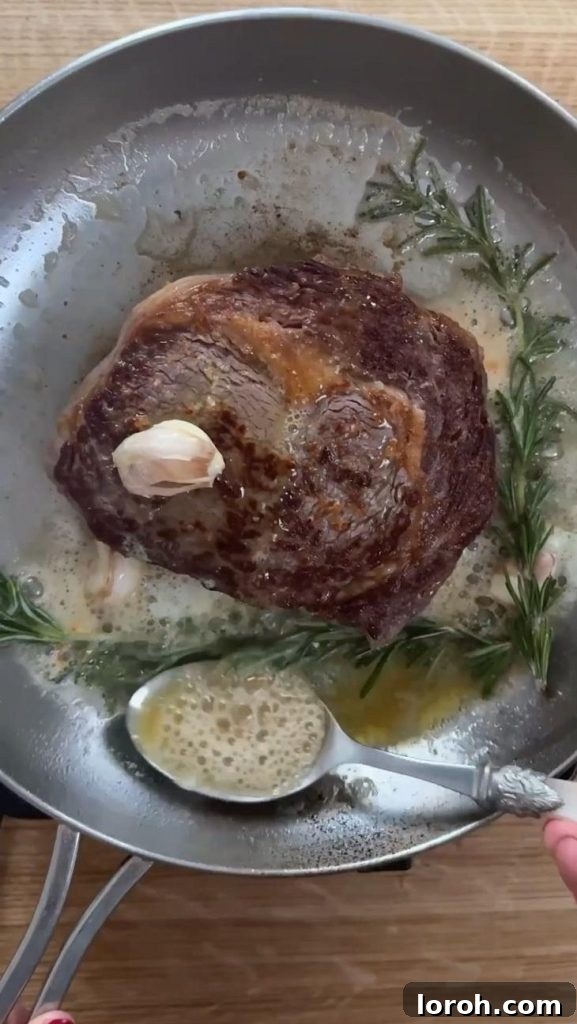
- The Art of Basting: Once you’ve flipped the steak to its second side, elevate its flavor by adding a generous knob of butter, a few lightly crushed garlic cloves, and a couple of sprigs of fresh rosemary or thyme to the pan. Tilt the pan carefully towards you, allowing the melted butter and infused aromatics to pool. Continuously spoon this fragrant, buttery liquid over the cooking steak. This basting process infuses the meat with incredible flavor and helps to keep it wonderfully moist and juicy throughout the cooking process.
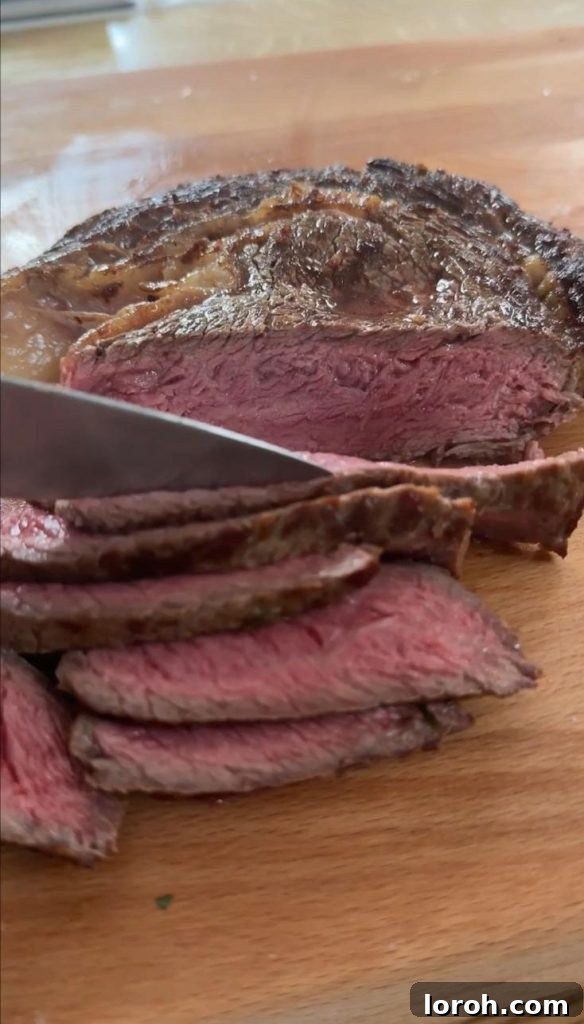
- The Essential Resting Period: This is arguably one of the most critical steps for ensuring a truly tender and juicy steak. Once your rib eye has reached your desired doneness, immediately remove it from the hot pan and transfer it to a cutting board or plate. Tent it loosely with aluminum foil and allow it to rest for at least 10 minutes (for thicker cuts, up to 15 minutes is beneficial). Resting allows the muscle fibers, which contract and tighten during cooking, to relax and reabsorb their precious internal juices. If you slice into a steak too soon, all those delicious juices will simply run out onto your board, leaving you with dry, less flavorful meat. This rest ensures an evenly cooked, succulent steak every time.
Frequently Asked Questions About Your Ultimate Rib Eye Steak Sandwich
While rib-eye steak is highly recommended for its exceptional marbling and unparalleled tenderness, which truly makes this sandwich “ultimate,” you certainly have flexibility. If rib-eye isn’t available or you prefer a different profile, other cuts can yield delicious results. Sirloin steak offers a good balance of flavor and tenderness, providing a slightly firmer bite. Bavette steak (flank steak) is another excellent option, known for its rich beefy flavor; it’s best cooked medium-rare and sliced thinly against the grain to ensure tenderness. Feel free to experiment with your favorite cut of steak to customize your sandwich experience!
Resting meat, particularly steak, after cooking is perhaps one of the most crucial steps for achieving a tender and juicy result. During the cooking process, the high heat causes the muscle fibers in the steak to contract and push the internal juices towards the center. If you were to slice into the steak immediately after removing it from the heat, those precious juices would simply rush out onto your cutting board, leaving the meat dry and less flavorful. Allowing the steak to rest for a period (typically 5-10 minutes for smaller cuts, longer for larger ones) gives the muscle fibers time to relax and reabsorb these juices, redistributing them evenly throughout the meat. This ensures that every bite is succulent, tender, and bursting with flavor. For a precise guide on internal temperatures and doneness, refer to a reliable steak temperature chart.
When selecting a rib eye steak, several factors indicate quality. Firstly, look for excellent marbling: fine, even streaks of white fat distributed throughout the red meat. This intramuscular fat melts during cooking, providing flavor, moisture, and tenderness. Secondly, consider the color; fresh beef should be a vibrant cherry-red. Thirdly, thickness matters; a steak that is at least 1 to 1.5 inches thick will be easier to cook to your desired doneness without overcooking the exterior. Don’t hesitate to consult a good butcher; they can advise on prime cuts, proper aging (which enhances flavor and tenderness), and sourcing, ensuring you get the best possible rib eye for your sandwich.
The array of components in this recipe – the crispy homemade chips, the sweet jammy tomatoes, and the creamy blender bearnaise butter – are carefully chosen to create a truly special and elevated sandwich experience. We genuinely recommend making all elements to fully appreciate the intended harmony of flavors and textures. However, we understand that time and preference vary. If you’re short on time, you could certainly use high-quality store-bought oven fries instead of making them from scratch. For the jammy tomatoes, a good quality tomato chutney, a sweet onion relish, or even a spicy chili jam could offer a similar sweet and tangy contrast. The aim is to create something delicious, so feel free to adapt where necessary, prioritizing the star of the show: the perfect rib eye steak!
You don’t *have* to double-fry your chips, but if you’re going to invest the effort in making them from scratch, this technique is the secret to achieving truly extraordinary crispiness. The first fry, performed at a lower temperature (around 325°F/160°C), cooks the potatoes through, softening their interiors and slowly drawing out moisture without browning them significantly. This process gelatinizes the starches, creating a fluffy interior. After this initial fry, the chips are removed and allowed to cool completely. The second fry, conducted at a higher temperature (around 375°F/190°C), then rapidly crisps and browns the exterior, creating a shatteringly crisp shell while the inside remains tender. The cooling period between fries allows any residual moisture on the surface to evaporate, ensuring that the second, hotter fry can focus entirely on creating that perfect golden crisp. It’s a small extra step that yields immensely satisfying, restaurant-quality results!
More Gourmet Sandwich Creations You May Enjoy
If you’ve savored the experience of crafting this ultimate rib eye steak sandwich, you’ll surely appreciate these other delectable sandwich recipes that push the boundaries of flavor and texture:
Stanley Tucci’s Favorite Sandwich: Mozzarella, Pesto, Prosciutto – A harmonious blend of Italian flavors, simple yet incredibly satisfying.
Goat’s Cheese, Ham And Apricot Jam Focaccia Sandwich – An unexpected yet delightful combination of creamy, savory, and sweet on soft focaccia.
Classic Chicken Parm Sandwich – A hearty and comforting Italian-American staple, featuring crispy chicken, rich marinara, and melted cheese.
Caprese Sandwich With Prosciutto And Pistachio Pesto – A fresh and vibrant sandwich with a nutty, aromatic pesto twist, perfectly balanced with salty prosciutto.
Roast Chicken, Bacon And Pesto Sandwich – A flavorful and robust combination, perfect for a satisfying lunch or light dinner.
Celeriac Remoulade (Celeri Remoulade) – An elegant and tangy alternative to traditional coleslaw, excellent for adding a sophisticated crunch to any sandwich!
Gourmet Rib Eye Steak Sandwich with Bearnaise Butter
Rate Recipe
Print Recipe
Ingredients
For the Ultimate Steak:
- 1 large good-quality rib eye steak (approximately 1-inch thick)
- 2 tbsp Olive oil
- 2 tbsp Unsalted butter
- Flakey sea salt (generous pinch)
- 2-3 garlic cloves, lightly crushed
- 2 sprigs of rosemary
For the Crispy Homemade Fries:
- 2 large potatoes (e.g., Russet, Maris Piper)
- 500-1000 ml neutral veg oil, for frying (amount depends on pan size)
For the Luscious Bearnaise Butter:
- 150 g unsalted butter, softened to room temperature
- Small bunch of fresh tarragon, leaves picked
- Small bunch of fresh parsley, leaves picked
- 1 tsp Dijon mustard
- 1 small shallot, finely chopped
- 1 tbsp red wine vinegar
For Assembling the Grand Sandwich:
- 4 slices of focaccia (or your preferred crusty bread)
- Large handful of fresh rocket (arugula)
- 1 punnet of cherry tomatoes (approx. 250g)
- 2 garlic cloves, finely chopped
- ½ cup extra virgin olive oil
Detailed Instructions for Assembly:
-
1. Prepare the Crispy Homemade Fries: Begin by thoroughly peeling your selected starchy potatoes. Using a sharp knife or a mandoline, carefully slice them into thin, uniform batons, approximately ¼-inch thick. Lay the cut potatoes on several layers of kitchen roll and pat them extensively dry; removing excess moisture is paramount for achieving crispiness. In a deep, heavy-bottomed saucepan or a Dutch oven, heat your neutral vegetable oil over medium heat until it reaches approximately 325°F (160°C). The oil should fill the pan roughly halfway, ensuring ample space to prevent any overflow. To test the oil, drop a single chip in; if it immediately starts to bubble gently, the oil is ready. Carefully add the remaining potato batons to the hot oil. Fry them for precisely 5 minutes, at which point they should be softened but not yet browned. Using a slotted spoon, carefully remove the chips from the oil and spread them in a single layer on a wire rack set over a baking sheet. Allow them to cool completely to room temperature. This initial fry cooks the potatoes through and starts the dehydration process. Once cooled, reheat the oil to a higher temperature, around 375°F (190°C). Return the par-fried chips to the hot oil and fry again for another 5-7 minutes, or until they turn beautifully golden brown and become exceptionally crisp. This crucial double-frying technique guarantees maximum crispiness and a fluffy interior. Remove them from the oil, drain briefly on fresh paper towels, and immediately sprinkle generously with flakey sea salt. Set aside.
-
2. Make the Jammy Cherry Tomatoes: While the chips are undergoing their cooling or second frying stage, prepare your jammy cherry tomatoes. Halve all your cherry tomatoes. In a separate medium pan, combine the halved tomatoes with ½ cup of extra virgin olive oil and the finely chopped garlic. Place the pan over medium-high heat and cook for 15-20 minutes, stirring occasionally. As they cook, the tomatoes will gradually soften, burst, and release their natural juices, which will then mingle and reduce with the garlic and olive oil to create a rich, intensely flavored, almost jam-like consistency. Season with a good pinch of salt during cooking to enhance their sweetness. Once beautifully jammy and tender, remove the pan from the heat and set the tomatoes aside.
-
3. Cook the Perfect Rib Eye Steak: Ensure your rib eye steak has come to room temperature. Pat it thoroughly dry, then generously rub it with a drizzle of olive oil. Season very liberally on all sides with flakey sea salt. Heat a heavy-bottomed pan (cast iron or a high-quality stainless steel pan is ideal) over high heat until it’s very hot – you should see a wispy smoke just beginning to rise from the pan. Carefully place the seasoned steak into the searing hot pan. For a 1-inch thick steak, fry undisturbed for approximately 5 minutes for a perfect medium-rare doneness. Once a deep brown crust has formed, flip the steak to the other side. Immediately add the unsalted butter, crushed garlic cloves, and fresh rosemary sprigs to the pan. Tilt the pan slightly towards you and, using a large spoon, continuously baste the cooking steak with the melted, fragrant butter and savory pan juices. Continue cooking the second side for another 4-5 minutes for medium-rare, or adjust the cooking time according to your preferred doneness (refer to the FAQ section for internal temperature guidance). Once cooked to your liking, transfer the steak to a clean cutting board and allow it to rest for a minimum of 10 minutes. This vital resting period ensures a supremely juicy and tender steak.
-
4. Prepare the Blender Bearnaise Butter: While the steak is resting, prepare the luscious bearnaise butter. In a small separate pan, add a drizzle of olive oil and the finely chopped shallot. Cook over medium heat for about 5 minutes, stirring occasionally, until the shallot is softened and translucent. Pour in the red wine vinegar and continue to cook for another 5 minutes, allowing the vinegar to reduce slightly and mellow the shallot’s sharpness. Remove from heat and let it cool slightly. In a blender or food processor, combine the softened unsalted butter, the cooked shallot and reduced vinegar mixture, Dijon mustard, fresh tarragon leaves, fresh parsley leaves, and a good pinch of salt. Blend until the mixture is completely smooth, creamy, and takes on a beautiful, vibrant pale green hue. Taste and adjust the seasoning if necessary.
-
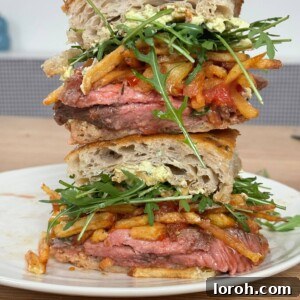
5. Assemble Your Ultimate Rib Eye Steak Sandwich: Slice the rested rib eye steak against the grain into ½-inch thick, succulent slices. For the ultimate flavor boost, toast the focaccia slices (or your chosen bread) in the same pan used for the steak. This allows the bread to soak up any remaining flavorful pan juices and delicious fond, creating an extra layer of savory depth. Now, it’s time to build your masterpiece! Generously spread the creamy, herbaceous bearnaise butter onto the bottom slice of toasted focaccia. Carefully layer the tender, sliced rib eye steak on top. Spoon a generous amount of the warm, sweet jammy cherry tomatoes over the steak. Add a handful of the incredibly crispy homemade chips directly onto the sandwich, followed by a layer of fresh rocket leaves for a peppery crunch and vibrant freshness. Finally, crown your magnificent creation with the top slice of focaccia. Serve immediately and prepare to indulge in an unforgettable gourmet sandwich experience!
Chef’s Notes & Tips: