
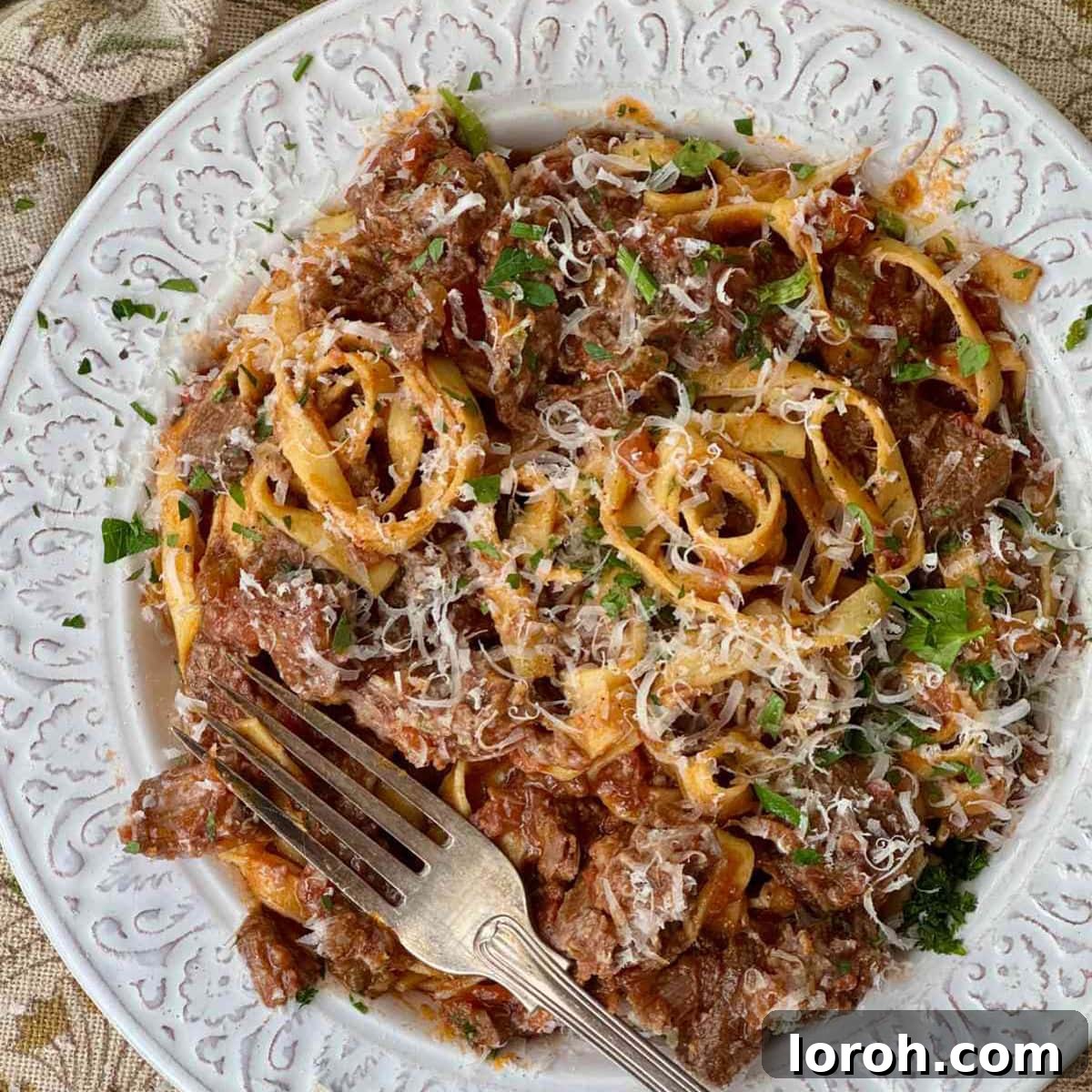
Ultimate Slow-Cooked Beef Shin Ragu: A Recipe for Unforgettable Comfort
Craving a truly comforting and deeply satisfying meal? This rich, slow-cooked beef shin ragu is the perfect answer. Bursting with robust meaty flavour, aromatic herbs, a generous splash of red wine, and sweet tomatoes, it’s a dish that promises pure culinary bliss. Beef shin, a cut naturally marbled with collagen and fat, slowly melts into the sauce over hours of gentle cooking, transforming into a glossy, full-bodied ragu with meat so tender it simply falls apart. With just a few minutes of initial searing, your oven or slow cooker takes over, doing all the hard work to create an effortlessly gourmet experience. Serve this exquisite ragu tossed through your favourite pasta, spooned over creamy Parmesan polenta, or nestled atop fluffy mashed potatoes – it’s a versatile masterpiece that will impress every time.
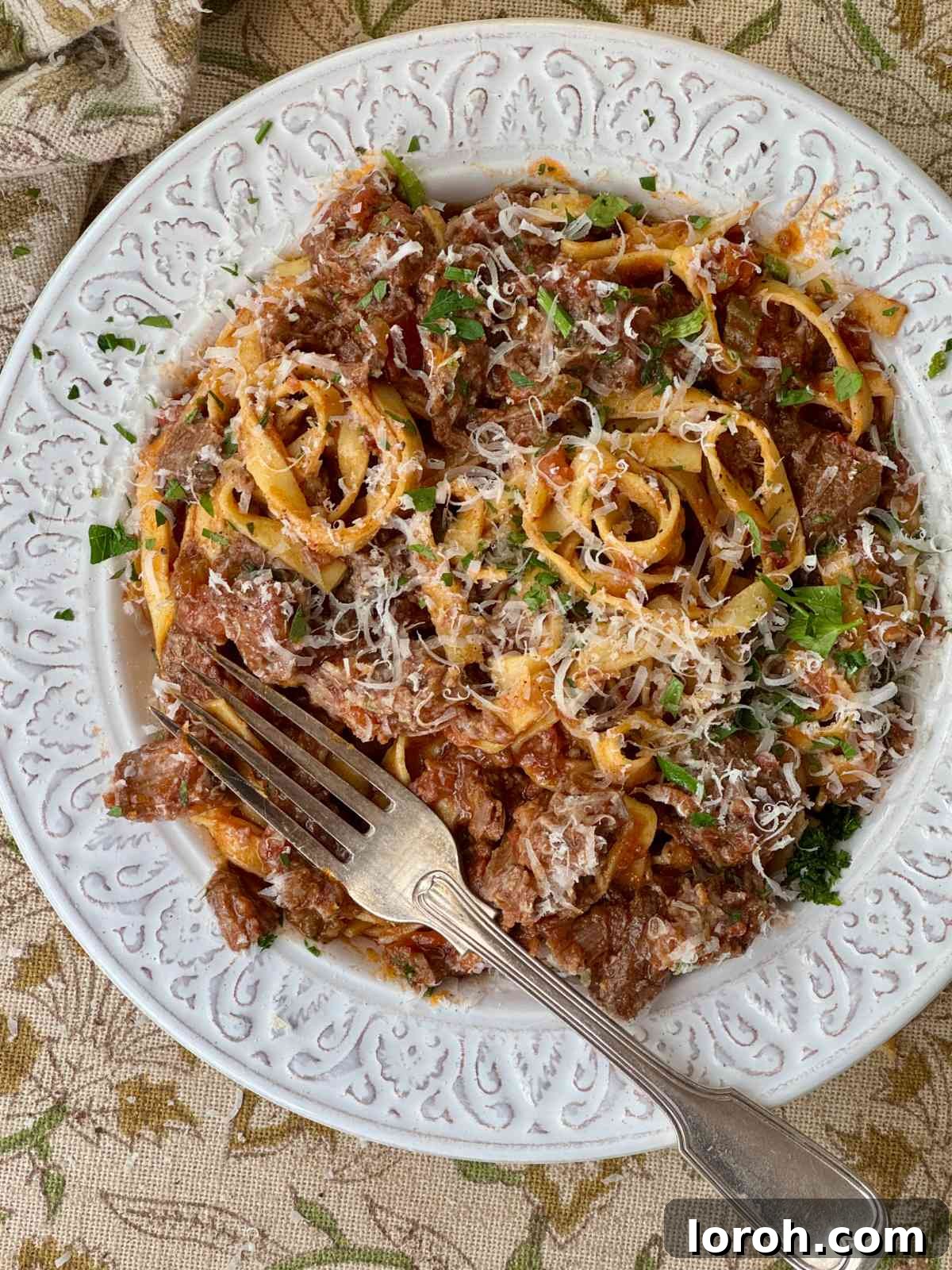
This comprehensive guide will walk you through every step of preparing this incredible beef shin ragu, from expertly searing the meat to achieving those irresistible fork-tender shreds. You’ll find precise cooking times tailored for the oven, hob, or slow cooker, ensuring success no matter your preferred method. Additionally, we’ll share invaluable make-ahead tips, common troubleshooting advice, a variety of serving suggestions, and answers to frequently asked questions to help you master this impressive dish.
Table of Contents
- Why You Will Love This Recipe
- Essential Ingredients for the Best Beef Shin Ragu
- Substitutions and Variations
- Mastering the Cooking Methods
- Step-by-Step: How to Make Beef Shin Ragu
- Expert Cooking Tips for Perfect Ragu
- Frequently Asked Questions About Beef Shin Ragu
- Other Recipes You Might Enjoy
- Slow Cooked Beef Shin Ragu Recipe
Why You Will Love This Recipe
This isn’t just another pasta dish; it’s an experience. Here’s why this slow-cooked beef shin ragu will become a staple in your recipe rotation:
- Unrivalled Richness and Tenderness: The slow braising process breaks down the beef shin into incredibly deep, meaty, fork-tender shreds that literally melt in your mouth. This cut is famed for delivering maximum flavour and a silky texture that few others can match.
- Effortless One-Pot Wonder: Despite its gourmet taste, this recipe is a simple one-pot meal. Once the initial searing and sautéing are done, the oven, slow cooker, or hob does the majority of the work with minimal active prep time, making it perfect for busy days.
- Ideal for Meal Prep: This ragu is perfectly suited for make-ahead cooking. Its flavours deepen and improve overnight, making it even more delicious the next day. It’s also incredibly freezer-friendly, allowing you to stock up on delicious, ready-to-reheat meals.
- Weeknight Comfort, Weekend Elegance: This flavourful pasta dish strikes the perfect balance. It’s easy enough to enjoy on a weeknight (especially if prepped ahead), yet sophisticated enough to impress guests when entertaining. The deep, complex flavours make it a standout for any occasion.
- Budget-Friendly: Beef shin is an often-overlooked and economical cut of meat that delivers incredible flavour and texture when cooked correctly. This recipe proves that you don’t need expensive ingredients to create a luxurious meal.
Essential Ingredients for the Best Beef Shin Ragu
Creating an exceptional beef shin ragu starts with quality ingredients. Below are the key components that give this dish its incredible depth and flavour. For precise measurements, please refer to the full printable recipe card at the bottom of this post.
- Beef Shin: The star of our show! Beef shin is sourced from the lower leg of the cow, a hardworking muscle rich in connective tissue and collagen. When slow-cooked over several hours, this collagen breaks down into gelatin, creating an incredibly silky, melt-in-your-mouth texture. This transformation makes beef shin one of the absolute best and most economical cuts for ragu, delivering unparalleled depth of flavour.
- Soffritto (Carrots, White Onion, Celery, Garlic): The aromatic foundation of any great Italian ragu. Finely diced carrots, onions, and celery (the “holy trinity” of soffritto) are gently sautéed to release their sweet, earthy flavours, providing a crucial base. Fresh garlic cloves add a pungent warmth that complements the richness of the beef.
- Beef Stock: Essential for braising the beef and forming the liquid base of the sauce. Use a good quality beef stock – whether from a stock pot, a concentrated cube, or shop-bought carton. While homemade stock is ideal, it’s certainly not a prerequisite for a delicious ragu. Aim for a rich, savoury stock to enhance the overall beefy flavour.
- Red Wine: Don’t skip this! A dry red wine, such as a Cabernet Sauvignon, Merlot, or Chianti, adds complexity, acidity, and a deep, fruity note that balances the richness of the beef and tomatoes. You don’t need an expensive bottle; just choose something you’d enjoy drinking on its own. The alcohol cooks off, leaving behind a wonderful depth of flavour. For a non-alcoholic alternative, see our substitutions section.
- Tomato Paste: This concentrated tomato flavour is crucial for intensifying the ragu’s richness and providing a sweet, umami backbone to the sauce. It adds a wonderful depth that regular tinned tomatoes alone cannot achieve.
- Tinned Chopped Tomatoes or Passata: The core of the tomato sauce. Good quality tinned chopped tomatoes or smooth passata provide a vibrant, sweet-tart tomato base. Chopped tomatoes offer a slightly chunkier texture, while passata results in a smoother sauce.
- Fresh Thyme & Bay Leaves: These classic herbs infuse the ragu with an aromatic, earthy fragrance. Thyme adds a delicate, slightly minty note, while bay leaves contribute a subtle, peppery, and slightly bitter aroma that enhances the savoury elements.
- Parmesan Rind: A secret weapon for adding incredible umami depth and a subtle creamy texture to slow-cooked sauces. If you have a Parmesan rind (often saved in the freezer for just this purpose), simply add it to the pot during cooking. It will slowly dissolve, enriching the sauce. Don’t worry, you can still grate the rest of your Parmesan for serving!
- Sugar or Balsamic Glaze: A small amount helps to balance the acidity of the tomatoes and red wine, bringing out their natural sweetness and creating a more harmonious flavour profile.
- Olive Oil, Salt & Pepper: Standard cooking essentials for searing, sautéing, and seasoning to taste.
Substitutions and Variations
While this recipe is tried and true, feel free to adapt it to your preferences or what you have on hand:
- Wine Alternatives: If you prefer not to cook with wine, you can replace the 100ml red wine with an additional 100ml of beef stock and a tablespoon of balsamic vinegar. Add a splash more balsamic at the end if you feel it needs extra acidity to brighten the flavour.
- Herb Swaps: Fresh thyme can be swapped for rosemary for a more robust, piney flavour, or fresh oregano sprigs for a classic Italian aroma. Dried herbs can also be used, but in smaller quantities (typically 1/3 of the fresh amount).
- Other Cuts of Beef: While beef shin is highly recommended for its unique texture and flavour, you could also use ox cheek or beef short ribs for a similarly rich, slow-cooked result. Ensure to adjust cooking times if necessary, as different cuts may vary slightly.
- Spice It Up: For a touch of heat, add a pinch of red pepper flakes with the tomato paste.
- Add More Veg: Finely diced mushrooms or bell peppers can be added to the soffritto for extra flavour and nutritional value.
Mastering the Cooking Methods
One of the beauties of beef shin ragu is its adaptability to various cooking methods, each yielding tender results with slight variations in convenience and cook time:
- Oven (Recommended Method): After initial searing and sautéing on the stovetop, transfer your Dutch oven (or other ovenproof pot with a lid) to a preheated oven. Cook at 160°C fan/180°C conventional/355°F for approximately 2.5 to 3 hours. This method provides even, gentle heat from all sides, creating consistent tenderness and flavour development.
- Stovetop: If you prefer to keep it on the hob, after the initial steps, bring the ragu to a very low simmer. Cover the pot tightly and let it cook for about 2.5 to 3 hours, or until the beef is falling apart. Ensure the heat is kept as low as possible to prevent scorching and stir occasionally to prevent sticking, especially towards the end of cooking.
- Slow Cooker: This is a fantastic option for hands-off cooking, especially if you want to prep before work. After searing the beef and sautéing the soffritto on the stovetop (or directly in your slow cooker if it has a sear function), combine all ingredients in the slow cooker. Cook on low for 6-8 hours or on high for 3-4 hours, until the beef is fork-tender. The slow cooker excels at breaking down connective tissue for maximum tenderness.
- Pressure Cooker / Instant Pot: For a faster approach, use a pressure cooker. Brown the beef using the sauté function, then add the remaining ingredients. Cook on High Pressure for 45-60 minutes, followed by a natural release for 10 minutes. If the sauce is too thin, use the sauté mode to reduce it uncovered until it reaches your desired consistency. This method significantly cuts down on cooking time without sacrificing flavour.
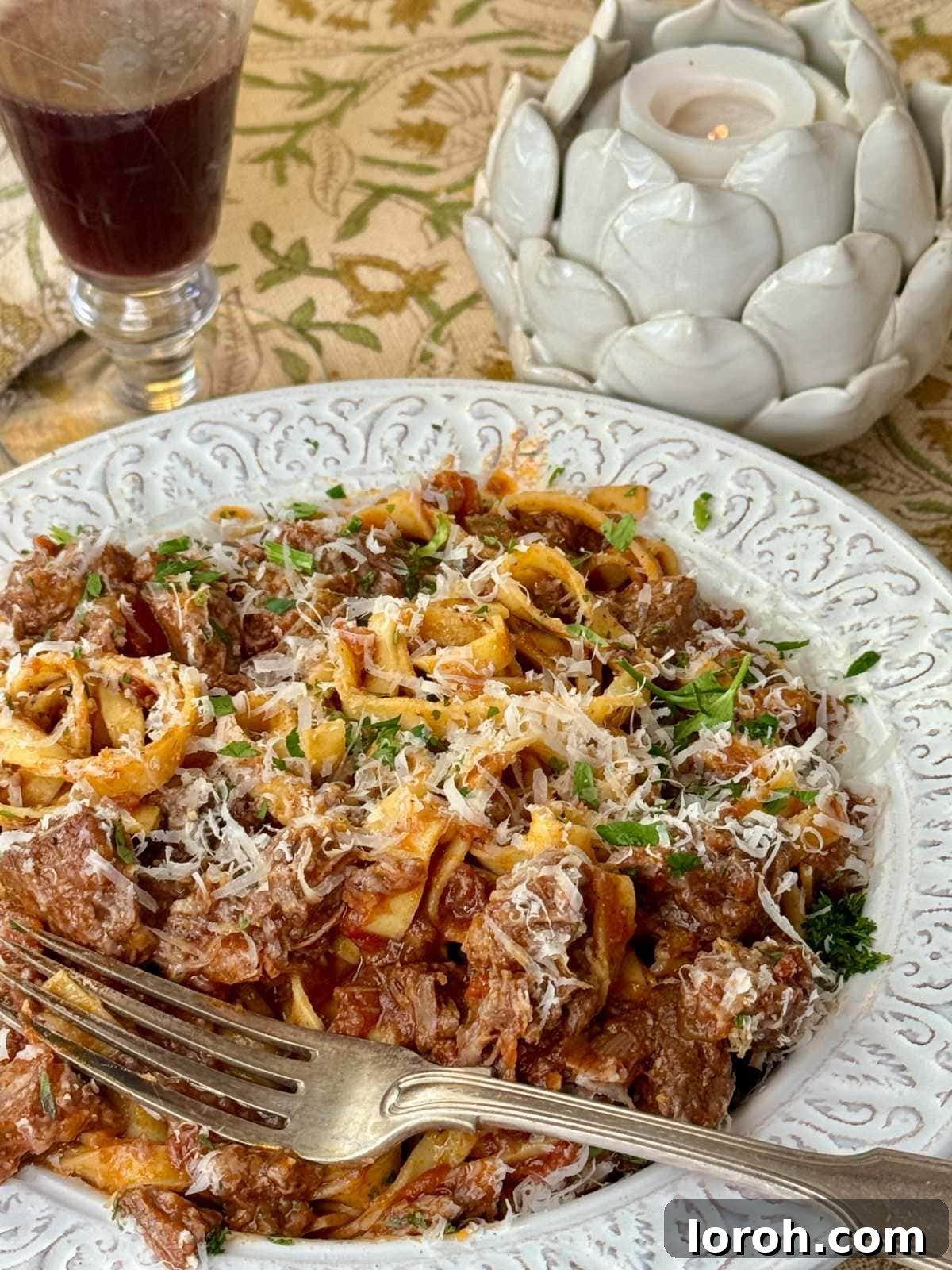
Step-by-Step: How to Make Beef Shin Ragu
Creating this rich, flavourful beef shin ragu is simpler than you might think. Follow these detailed steps to achieve a dish that tastes like it’s been simmering for days. Remember, the full recipe with precise quantities is available in the printable recipe card at the bottom of the page.
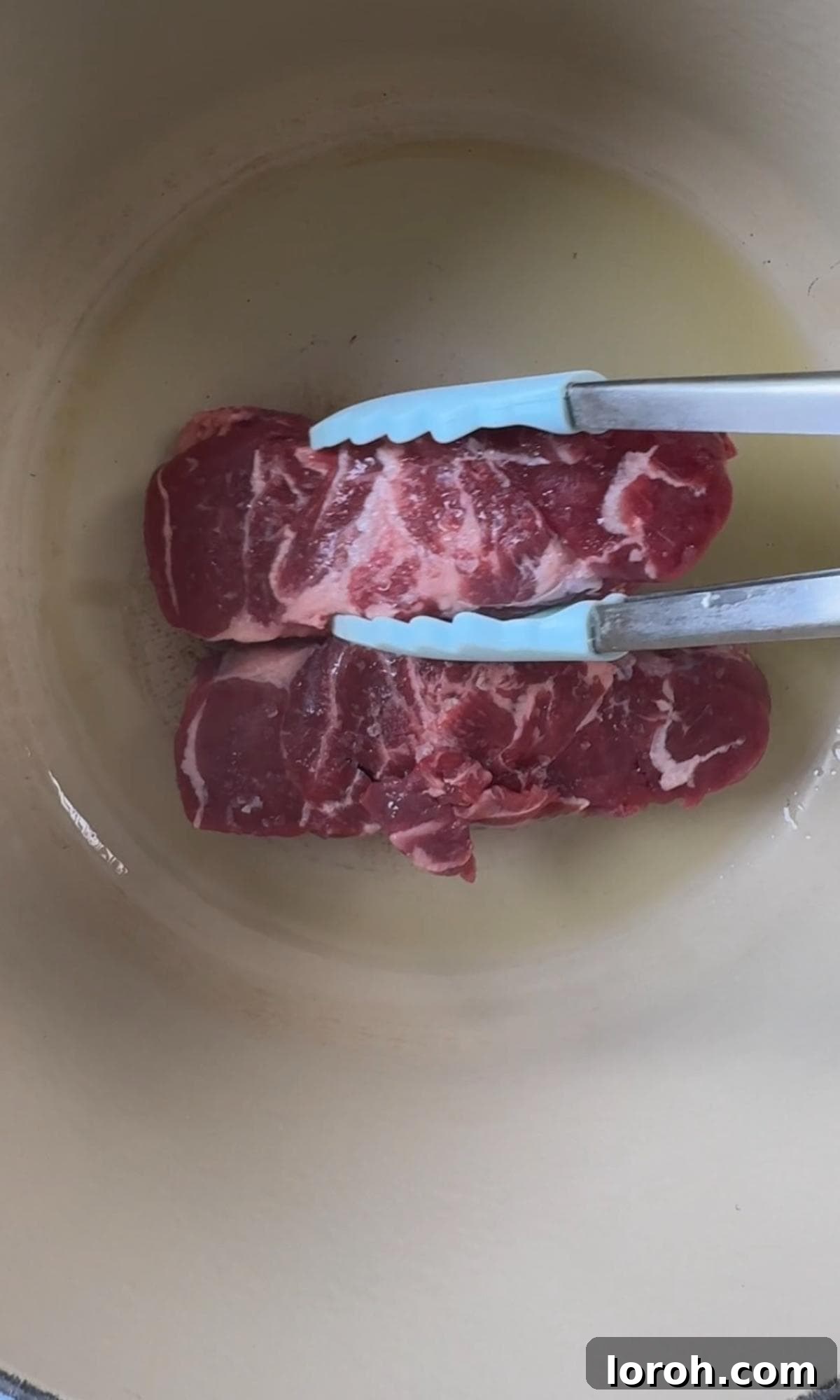
STEP ONE: Prepare and Sear the Beef. Begin by patting your beef shin pieces thoroughly dry with paper towels. This crucial step helps create a beautiful, even sear. Season the beef generously on all sides with salt and freshly ground black pepper. Heat a large, heavy-bottomed Dutch oven or ovenproof pot with a lid over high heat. Add a drizzle of olive oil, then carefully sear the beef shin in batches until each piece is deeply browned on all sides. This browning develops a rich, complex flavour (the Maillard reaction) that forms the foundation of your ragu. Remove the seared beef and set it aside.
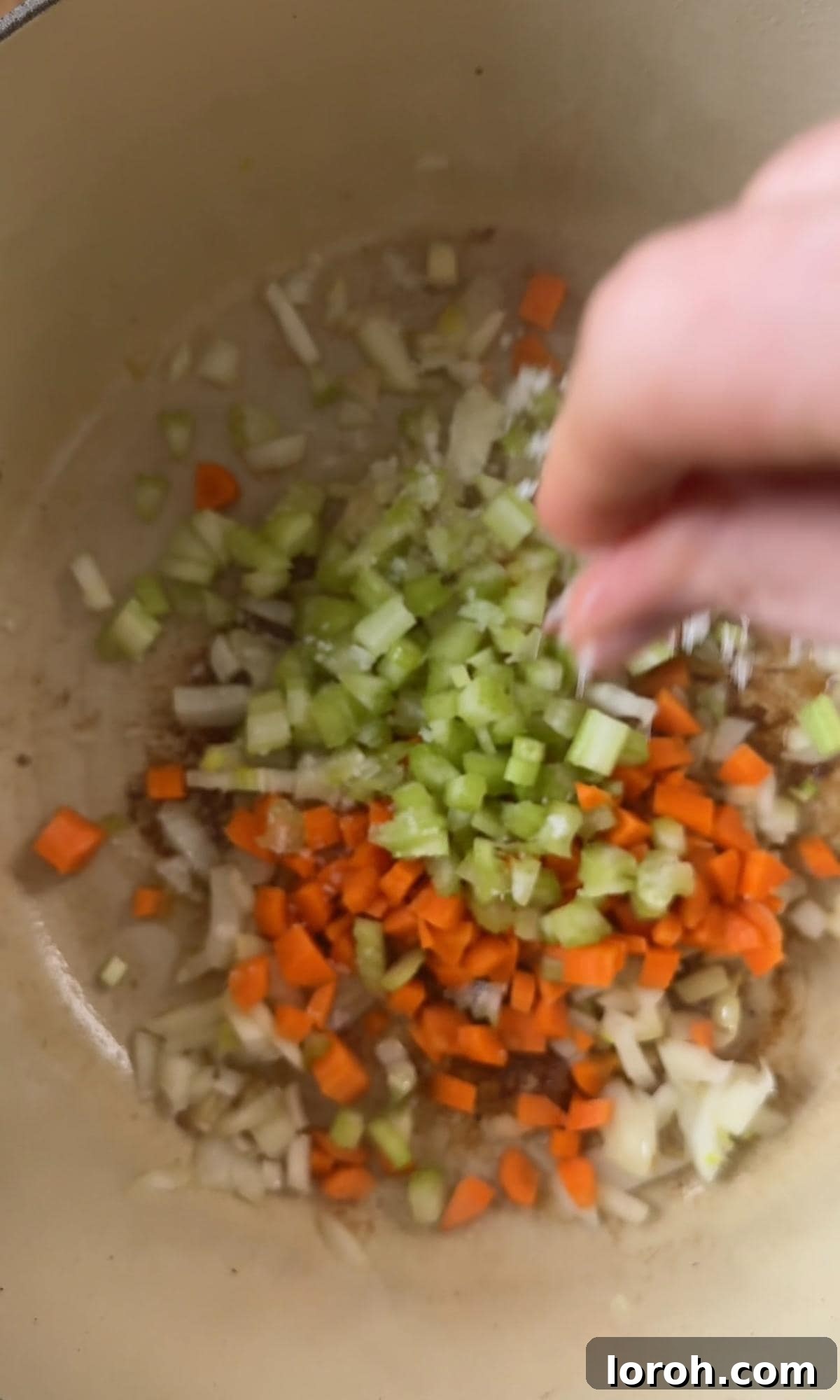
STEP TWO: Sauté the Soffritto. Reduce the heat to medium. Add the diced carrots, white onion, celery, and minced garlic to the same pot where you seared the beef. If there’s not enough oil, add a little more. Season with a pinch of salt and pepper. Cook, stirring occasionally, for about 5-7 minutes until the vegetables have softened and become translucent. Don’t rush this step, as building a good soffritto is essential for the ragu’s depth of flavour.
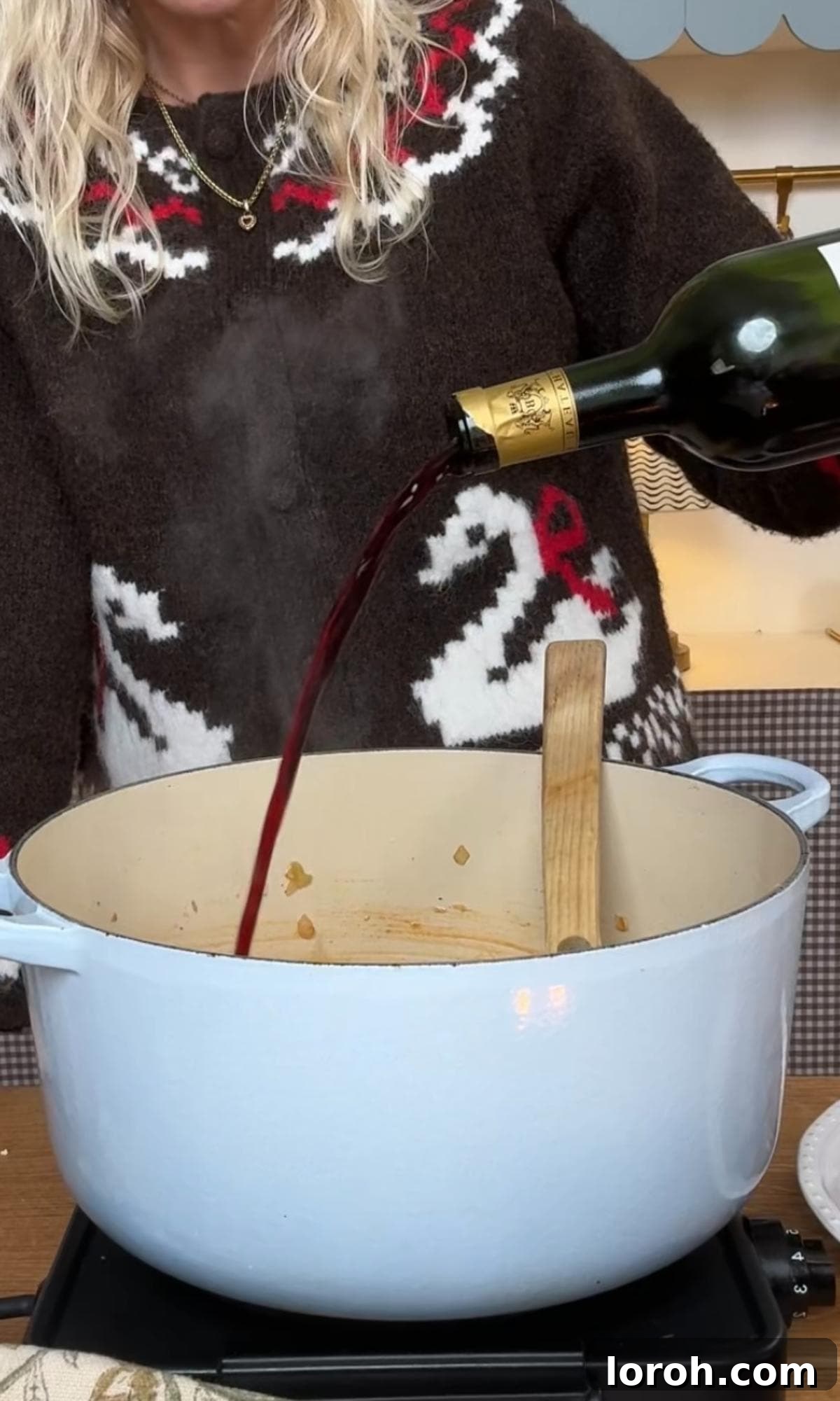
STEP THREE: Deglaze and Add Tomato Paste. Stir in the tomato paste and cook for 1-2 minutes, stirring constantly, to deepen its flavour. Then, pour in the red wine, scraping the bottom of the pot with a wooden spoon to deglaze and release any browned bits (fond) stuck to the bottom. These bits are packed with flavour! Let the wine simmer for a couple of minutes until it has slightly reduced and the alcohol aroma has cooked off. While this is happening, preheat your oven to 160°C fan/180°C conventional/355°F if you plan to cook it in the oven.
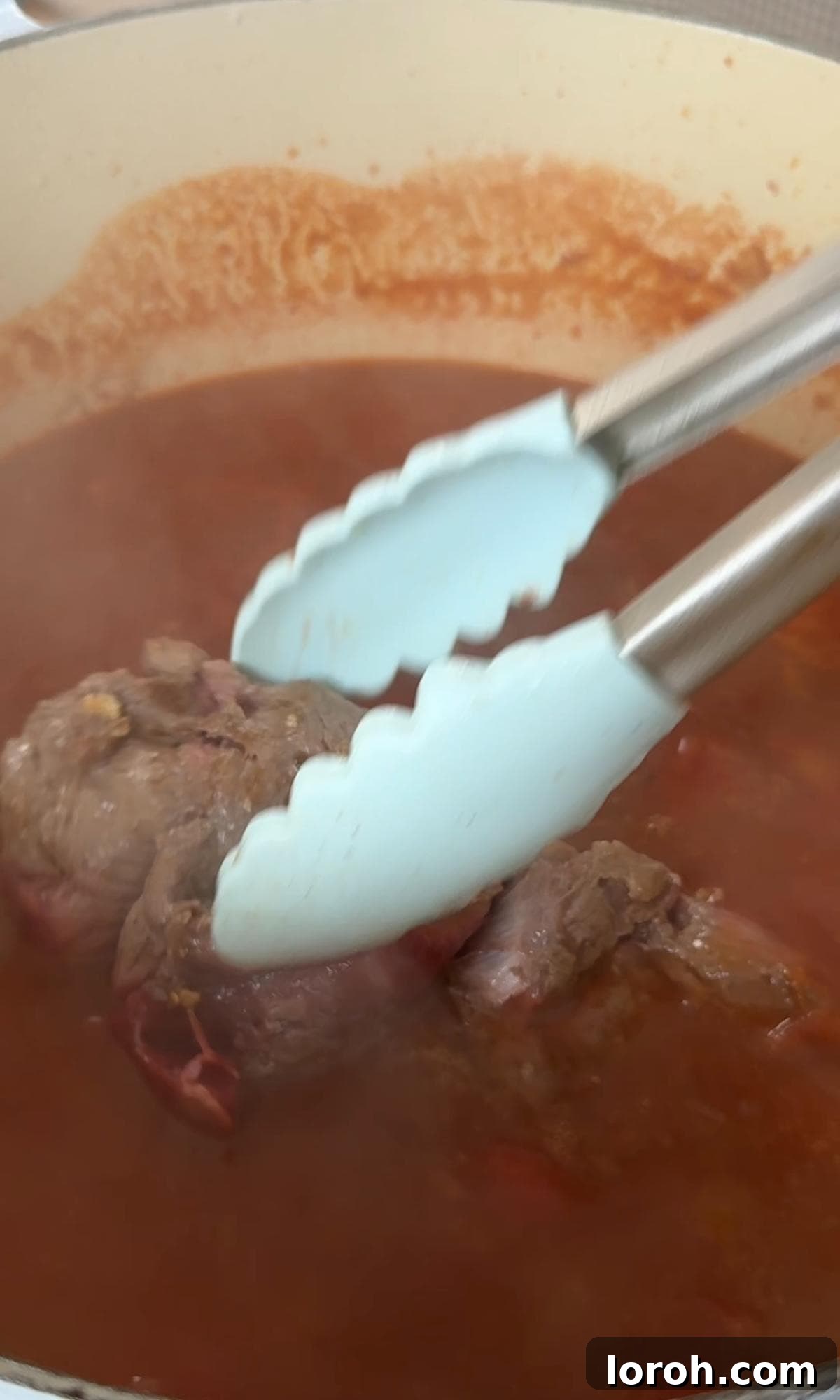
STEP FOUR: Combine and Simmer. Add the bay leaves, fresh thyme, Parmesan rind, tinned chopped tomatoes (or passata), and beef stock to the pot. Stir everything together. The stock should almost cover the beef shin; depending on your pot’s shape, you might need slightly more or less liquid than the recipe specifies. Bring the mixture to a gentle simmer on the stovetop, then carefully nestle the seared beef shin pieces back into the sauce. Ensure the beef is mostly submerged. Cover the pot tightly with its lid.
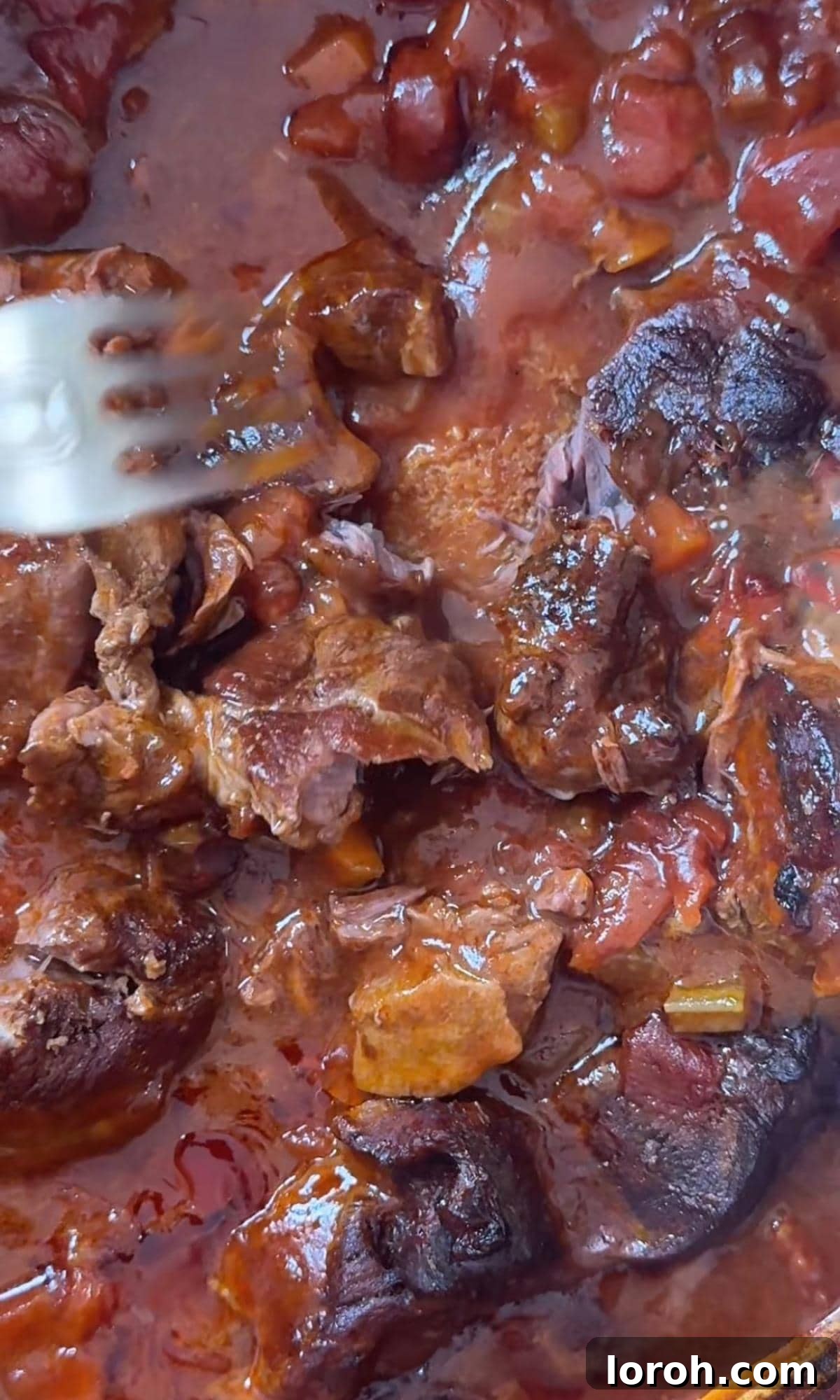
STEP FIVE: Slow Cook Until Tender. Transfer the covered Dutch oven to your preheated oven and cook low and slow for approximately 2.5 to 3 hours. Alternatively, if cooking on the stovetop, maintain a very gentle simmer for 2.5 to 3 hours, stirring occasionally. The ragu is ready when the beef is incredibly tender and easily falls apart with the touch of a fork. Remove the beef shin from the pot, discard the bay leaves and any remnants of the Parmesan rind, and then use two forks to shred the meat into succulent pieces. Return the shredded beef to the rich ragu sauce and stir to combine. Taste and adjust seasoning as needed.
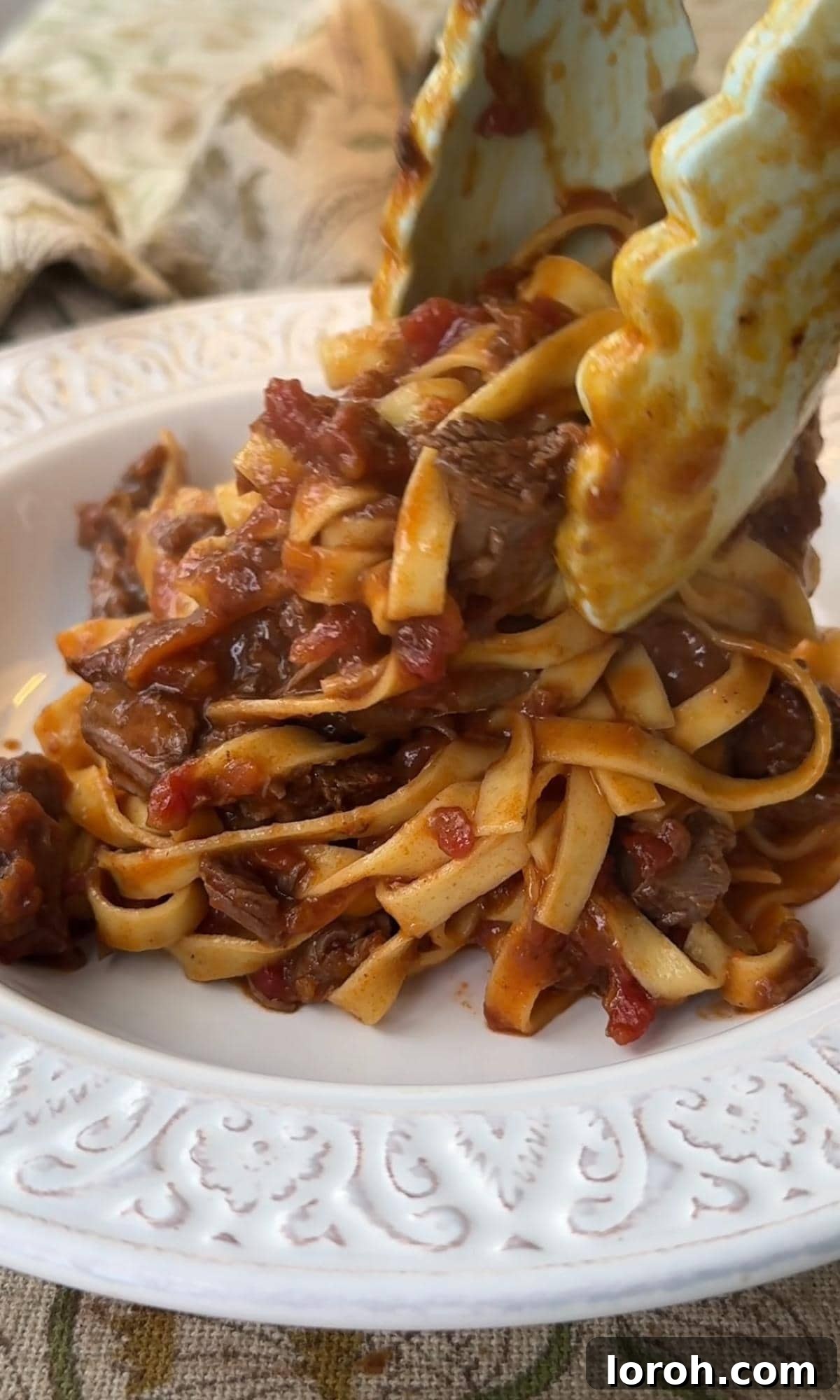
STEP SIX: Serve and Garnish. While the ragu is simmering (or once it’s done), cook your pasta of choice (tagliatelle or pappardelle are excellent here) in a large pot of generously salted boiling water according to package directions. Before draining, reserve about a cup of the starchy pasta water. Drain the cooked pasta and add it directly to the pan of ragu. Add a few spoonfuls of the reserved pasta water, tossing vigorously to emulsify the sauce and coat the pasta beautifully. This creates a glossy, cohesive dish. Serve immediately, topped generously with freshly grated Parmesan cheese and a sprinkle of fresh parsley or basil for a final flourish. Enjoy your masterpiece!
Expert Cooking Tips for Perfect Ragu
Achieving a truly outstanding beef shin ragu is easy with these insider tips:
- Don’t Skip the Sear: Searing the beef shin before braising is non-negotiable. The deep brown crust created through the Maillard reaction adds incredible depth, complexity, and umami flavour to your ragu.
- Patience is Key for Tenderness: If your beef isn’t fork-tender, it simply needs more time. Beef shin is a tough cut that requires slow, gentle cooking for its collagen to break down into silky gelatin. Don’t rush it; the meat will eventually yield and become incredibly succulent.
- Ragu Too Thin? Here’s the Fix: If your sauce seems too watery after the beef is tender, carefully remove the shredded meat. Increase the heat slightly and simmer the sauce uncovered, stirring occasionally, until it reduces to your desired thickness. Then, return the beef to the thickened sauce.
- Batch Cooking for Future Meals: This ragu is perfect for batch cooking. Double the recipe, and once cooled, portion the extra ragu into airtight containers to freeze. It’s ideal for quick, delicious midweek meals when you’re short on time.
- Make Ahead for Enhanced Flavour: The flavour of this ragu, like many slow-cooked dishes, often improves after a night or two in the fridge. Cook the ragu completely, let it cool, then refrigerate. Before reheating, skim off any solidified fat from the surface for a cleaner taste.
- Seasoning Throughout: Don’t forget to season the beef before searing, the soffritto as it cooks, and finally, taste and adjust the seasoning of the finished ragu. A little salt can truly make the flavours sing.
- Using Pasta Water: Always reserve some starchy pasta water before draining your pasta. Adding a few tablespoons to the ragu and pasta at the end helps to bind the sauce, create a luxurious, glossy texture, and ensure the pasta is perfectly coated.
- The Secret to a Glossy Finish: For that restaurant-quality sheen, finish your pasta and ragu with a small knob of butter or a drizzle of high-quality extra virgin olive oil when tossing with the pasta water. This helps to emulsify the sauce and gives it a beautiful, rich gloss.
Frequently Asked Questions About Beef Shin Ragu
Beef shin is a cut from the lower leg of the cow. It’s a hardworking muscle rich in connective tissue and collagen. When cooked low and slow, this collagen breaks down into gelatin, resulting in incredibly tender, melt-in-your-mouth meat that also thickens and enriches the sauce, giving the ragu a luxurious, glossy texture and deep flavour. It’s also an economical cut!
Absolutely! Brown the beef first using the sauté function, then add all the remaining ingredients to the pot. Cook on High Pressure for 45-60 minutes, followed by a 10-minute natural release. If your sauce needs thickening afterward, switch back to sauté mode and reduce it down until it reaches your desired consistency.
Generally, you’ll need around 350ml of beef stock, plus the red wine and tinned tomatoes, which collectively should be enough to almost cover the beef in your pot. Depending on the shape and size of your pan, you may need up to 500ml of stock (or slightly more) to just submerge the meat for proper braising.
For that perfect glossy finish, once you’ve tossed the cooked pasta with the ragu sauce and a few spoons of reserved pasta water, stir in a small knob of unsalted butter or a final drizzle of high-quality extra virgin olive oil. This helps to emulsify the sauce, adding richness and a beautiful shine.
While classic with tagliatelle or pappardelle pasta, this ragu is incredibly versatile. It’s fantastic over creamy Parmesan polenta, fluffy mashed potatoes, gnocchi, or even as a filling for lasagna. Serve with crusty bread to sop up every last drop of the delicious sauce, and a simple green salad to cut through the richness.
Leftover ragu can be stored in an airtight container in the refrigerator for up to 3-4 days. It also freezes exceptionally well for up to 3 months. Always ensure it’s completely cooled before refrigerating or freezing.
Other Recipes You Might Enjoy
If you loved making this satisfying beef shin ragu, you might also enjoy exploring these other hearty and flavourful recipes:
Easy Beef Recipes
Red Wine Braised Beef Short Ribs
Easy Pasta Recipes
Burrata with Pasta (Tomato Burrata Pasta)
Easy One Pot Dishes
One Pan Leek Pasta With Crispy Parma Ham
Easy Pasta Recipes
Nduja and Sausage Pasta Bake
If you tried this Beef Shin Ragu or any other recipe on the site, please do leave a rating or comment below and let us know how it went!
Slow Cooked Beef Shin Ragu
30 mins
2 hrs 30 mins
3 hrs
4 servings
Pin Recipe
Rate Recipe
Print Recipe
Ingredients
For the Ragu:
- 500 g beef shin
- 2 large carrots, peeled and diced
- 1 white onion, diced
- 2 celery stalks, diced
- 4 garlic cloves, minced
- 1 small bunch of fresh thyme
- 1 Parmesan rind
- 2 bay leaves
- 2 tbsp tomato paste
- 100 ml red wine, (something you would drink but nothing expensive)
- 350 ml beef stock
- 1 x 400g tin of tinned chopped tomatoes, or passata
- ½ tsp sugar, or 1 tsp balsamic glaze (to balance acidity)
- Olive oil, for searing and sautéing
- Salt and freshly ground black pepper, to taste
To Serve:
- 400 g tagliatelle or pappardelle pasta
- Freshly grated Parmesan cheese, for topping
- Fresh parsley or basil, chopped, to garnish
- Optional: Knob of butter or drizzle of olive oil, for finishing
Instructions
- Prepare the Beef: Pat the beef shin dry with paper towels to ensure a good sear. Season generously with salt and pepper. For best results, dry brine by leaving it uncovered in the fridge overnight, if time permits.
- Sear the Beef: Heat a large Dutch oven or heavy-bottomed ovenproof pot with a lid over high heat. Add a drizzle of olive oil. Sear the beef shin in batches until well browned on all sides, but not cooked through. Remove the seared beef and set aside.
- Sauté Soffritto: Reduce heat to medium. Add the diced carrots, celery, onion, and minced garlic to the same pot. Cook for about 5-7 minutes, stirring occasionally, until softened and aromatic. Season with a little salt and pepper.
- Deglaze with Wine: Stir in the tomato paste and cook for 1-2 minutes. Pour in the red wine, scraping the bottom of the pot to release any browned bits. Let it simmer for 2-3 minutes until slightly reduced. Preheat oven to 160°C fan/180°C conventional/355°F.
- Combine and Simmer: Add the bay leaves, fresh thyme, Parmesan rind, tinned chopped tomatoes, and beef stock to the pot. Stir to combine. Nestle the seared beef shin back into the sauce, ensuring it’s mostly submerged. Bring to a gentle simmer on the stovetop.
- Slow Cook: Cover the pot tightly with its lid. Transfer to the preheated oven and cook for about 2.5 to 3 hours, or until the meat is falling-apart tender. (Alternatively, simmer on the stovetop on very low heat for 2.5-3 hours, or use a slow cooker/pressure cooker as per the methods described above.)
- Shred the Meat: Carefully remove the beef shin from the pot. Discard the bay leaves and Parmesan rind. Using two forks, shred the tender meat into smaller pieces. Return the shredded beef to the rich ragu sauce and stir well. Taste and adjust seasoning as needed (add sugar or balsamic glaze if the tomatoes are too acidic).
- Prepare for Serving (Make Ahead): At this stage, you can cool the ragu completely and refrigerate it in an airtight container for up to 3-4 days, or freeze for up to 3 months. The flavours often improve overnight.
- Cook Pasta and Serve: Boil your chosen pasta (e.g., tagliatelle) in generously salted water until al dente. Reserve about 1 cup of starchy pasta water before draining. Add the drained pasta directly to the pan of ragu. Add a few spoons of reserved pasta water and toss vigorously to combine and create a glossy sauce. Top with freshly grated Parmesan and chopped fresh parsley or basil.
Notes
- Storage: Store leftover ragu in an airtight container in the fridge for up to 3-4 days.
- Reheating: Gently reheat ragu on the stovetop over low heat, covered, until warmed through. Add a splash of stock or water if the sauce has thickened too much.
- Freezing: Once completely cooled, portion ragu into airtight containers with some sauce. Freeze for up to 3 months. Defrost overnight in the fridge before reheating.
- Make Ahead: The flavour often improves after a night or two in the fridge. Cook the ragu fully, cool, then refrigerate. Skim any solidified fat from the surface before reheating.
- Parmesan Rind: If you don’t have a spare rind, simply cut one off a block of Parmesan you have open in the fridge. The rest of the cheese can still be grated for serving.
Nutrition
Nutrition information is automatically calculated, so should only be used as an approximation.
Like this? Leave a comment below!