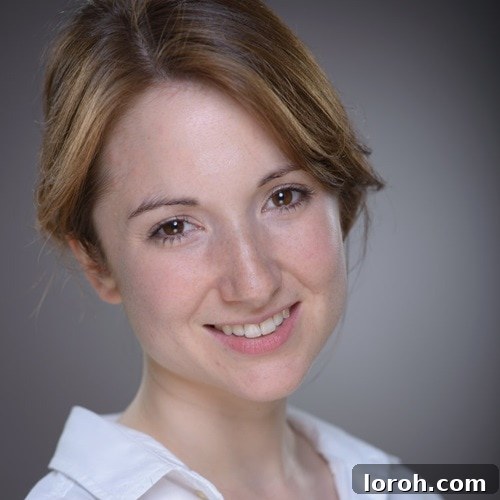
Welcome to a truly profound and insightful conversation with our special guest today, Laura Freeman. Laura is a distinguished art critic, a gifted writer, and an acclaimed author, whose work consistently offers fresh perspectives on culture, literature, and the human experience. Her impressive academic background, underscored by achieving a double first from Cambridge University, shines through in her eloquent prose and critical thought. It is with immense pleasure that we delve into her fascinating world and particularly into the impactful themes explored in her recently published memoir.
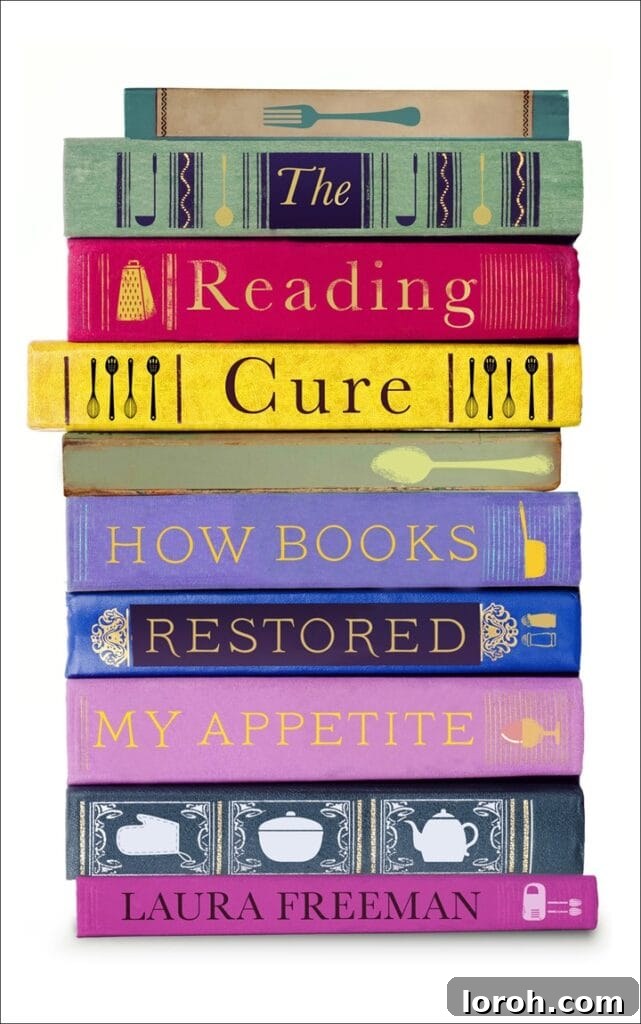
“The Reading Cure”: A Brave Memoir of Recovery and Literary Healing
Laura Freeman’s latest book, “The Reading Cure,” which debuted earlier this year, stands as a testament to her courage and deep introspection. This memoir offers an extraordinarily brave and thoughtful account of her personal journey towards recovery from anorexia. What makes “The Reading Cure” truly unique and compelling is its central premise: how immersing herself in literature, specifically books that explored the rich tapestry of food, helped her navigate the arduous path back to health. It’s a narrative that intricately intertwines her battle with an eating disorder with a profound appreciation for the written word, illustrating how stories about food – its preparation, its cultural significance, its sensory delights – became an unexpected yet remarkably powerful therapeutic tool for healing.
The book is not merely a recounting of struggles but a vibrant celebration of literature’s profound capacity to heal, to offer solace, and to provide new ways of understanding oneself and the world. Laura masterfully articulates the complex interplay between mind, body, and the stories we consume, demonstrating how an intellectual appetite for reading can sometimes pave the way for a physical one. Her journey highlights a less conventional, yet incredibly effective, route to recovery from an eating disorder, one paved not with diets or strict regimens, but with narratives that gently reconnected her to the joy and meaning embedded in food itself. This unique perspective on anorexia recovery is both refreshing and deeply inspiring, offering a beacon of hope for many.
Critical Acclaim for a Groundbreaking Work
“The Reading Cure” has deservedly garnered widespread praise and an exceptional reaction from critics and readers alike. Its originality, honesty, and eloquent exploration of such sensitive themes have resonated deeply within the literary community and beyond. A particularly eloquent review published in The Independent encapsulated the book’s essence beautifully, stating:
“The Reading Cure is the work of a true-blue bibliophile, and it’s impossible not to be seduced by Freeman’s love of prose. It’s essential reading not just for those who love food, but words.”
This commendation perfectly underscores the dual appeal of Laura’s memoir. It speaks directly to the hearts of food enthusiasts who understand the emotional and cultural weight of meals, while simultaneously captivating bibliophiles with its exquisite prose and deep dive into the transformative power of literature. Such reviews solidify its status as a significant contribution to both the memoir genre and broader discussions around mental health and well-being. The book invites readers to consider the therapeutic potential of stories and the subtle art of reading for healing, making it a must-read for anyone interested in personal transformation and the profound influence of literary engagement.
Exploring Our Complex Relationships with Food
Our conversation with Laura Freeman was distinct in many respects, offering a perspective that is both vital and incredibly engaging. It’s a discussion that transcends the usual boundaries, prompting us to reflect deeply on the multifaceted nature of our individual relationships with food. Food, as we often emphasize on this podcast, is far more than mere sustenance. It is intricately woven into the very fabric of our lives, serving as a powerful conduit for memory, emotion, culture, and connection. From cherished family recipes passed down through generations to grand celebratory feasts, from simple shared meals with friends to elaborate holiday traditions, food consistently occupies a central role in marking the most significant moments of our personal histories.
Indeed, I, for one, often recall the tapestry of my life through the meals I’ve eaten and the communal experiences that surrounded them. The joyous occasions, the comforting rituals, and even the solemn gatherings are frequently centered around the preparation and consumption of food. It acts as a powerful character in the narratives of countless lives, shaping our cultural identities and personal stories. However, it is crucial to acknowledge that not everyone experiences a straightforward or uniformly positive relationship with food. Each individual’s journey is profoundly unique, shaped by personal history, cultural background, psychological factors, and sometimes, profound struggles with eating disorders or body image.
The Spectrum of Food Experiences and the Power of Dialogue
The assumption that everyone shares a simple, unproblematic relationship with eating is a pervasive misconception. There is no single, shared experience when it comes to food. Some individuals navigate complex emotional landscapes tied to their dietary habits, finding challenges and distress where others find comfort and joy. This vast diversity of experience is precisely why conversations like the one with Laura Freeman are so critically important. They provide a much-needed platform to explore these varied relationships, to challenge preconceived notions about eating, and to foster a greater understanding and empathy for different perspectives. Learning from Laura’s candid account offers invaluable insights into the depths of human resilience and the surprising avenues through which healing can emerge.
Beyond the profound insights into recovery from anorexia, our discussion also touches upon some truly delightful culinary explorations and “goodies,” as promised. These lighter moments serve as a poignant reminder that while food can unfortunately be a source of struggle for some, it is also undeniably a universal source of immense pleasure, creativity, and cultural richness. This delicate balance underscores the overarching theme of our podcast: to explore food in all its dimensions, from its foundational role in physical well-being to its celebratory, communal, and deeply personal aspects. Through Laura’s unique lens, we gain an unparalleled appreciation for how one can reclaim a healthy relationship with food, even after significant challenges, by finding joy not just in consumption, but in understanding its broader context and compelling story. This episode offers a truly different outlook on food relationships.
Reading as a Pathway to Reconnection and Healing
Laura Freeman’s personal narrative is particularly compelling because, despite her struggles with appetite for physical food, her intellectual appetite for reading remained robust and, indeed, became her ultimate salvation. This unwavering connection to literature provided her with a lifeline, offering a safe space to engage with food indirectly and therapeutically. By reading about food—its history, its preparation, its cultural meanings, and its joyous expressions in literature—Laura was able to slowly but surely re-establish a healthy connection with something that had become a source of profound anxiety and distress. It allowed her to appreciate food conceptually, aesthetically, and historically, before she could comfortably re-engage with it physically, a powerful testament to the healing power of words.
This unique approach highlights the extraordinary power of the human mind and the transformative potential of deep engagement with narrative. For Laura, the pages of books became a sanctuary, a place where she could slowly and gently rebuild her relationship with food, one story and one recipe at a time. This process, often referred to as a form of bibliotherapy, showcases how literature can serve as a powerful catalyst for mental and emotional recovery. It provides new frameworks for understanding complex issues, offers fresh perspectives on challenging situations, and allows for a gentle, non-threatening immersion into topics that might otherwise feel overwhelming. Her journey is a profound example of how literary exploration can facilitate personal transformation and contribute significantly to mental well-being.
Her experience offers a beacon of hope and practical insight, demonstrating that even when conventional paths to recovery seem blocked, alternative routes to healing can be discovered through intellectual and creative engagement. “The Reading Cure” is an incredibly interesting and vital read precisely because it presents such a different and refreshing outlook on food, health, and recovery from eating disorders. It challenges us to look beyond the immediate and tangible aspects of eating, inviting us to explore the symbolic, cultural, and personal narratives that surround food. We sincerely hope you will enjoy this insightful podcast episode and strongly consider diving into Laura Freeman’s remarkable book, which promises to offer a unique blend of literary exploration and deeply personal triumph, illuminating the path for others seeking healing through words.