
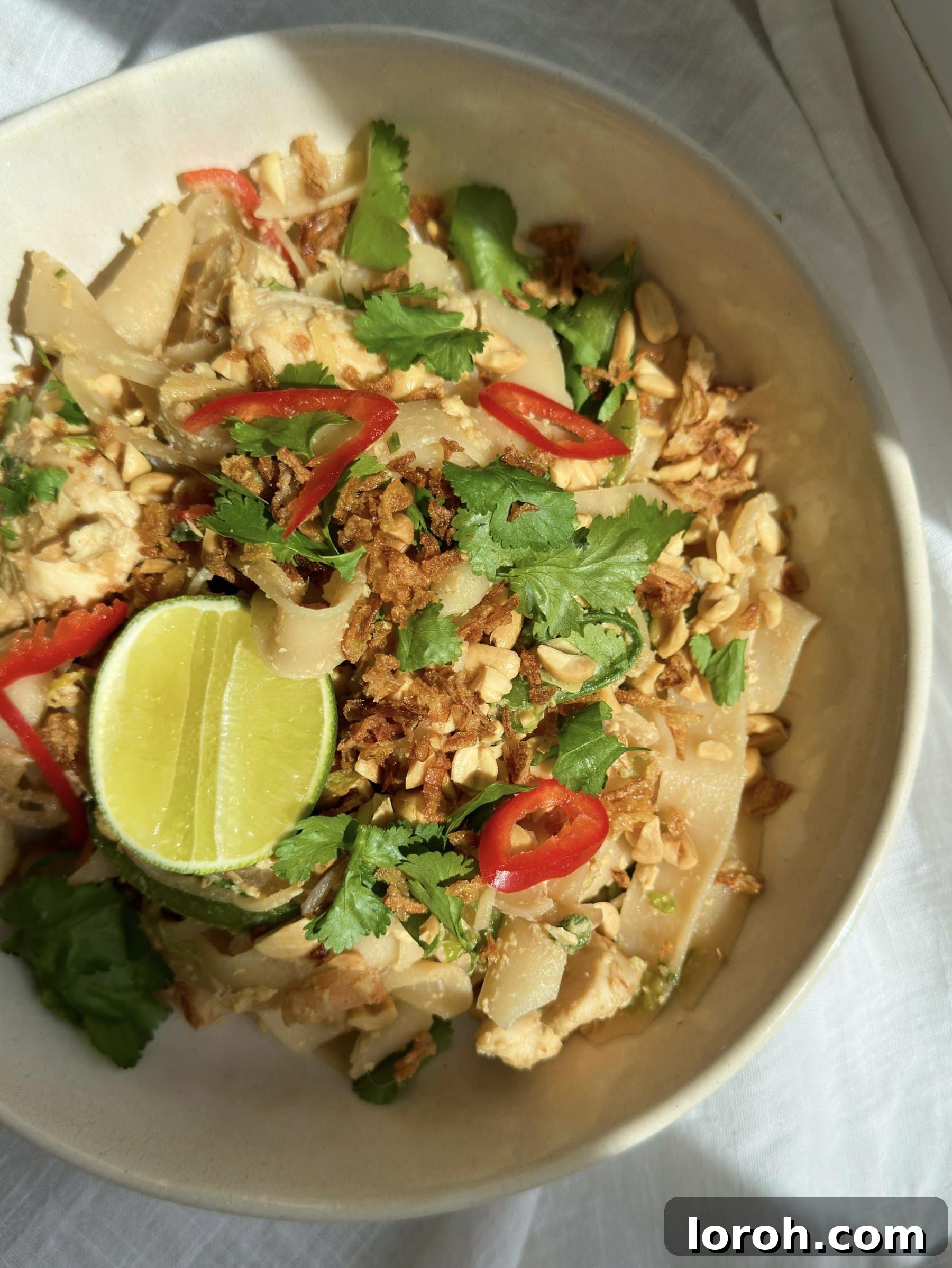
As a devoted fan of Asian cuisine, my admiration for Wagamama is something I proudly embrace. While some may reserve judgment for chain restaurants, Wagamama consistently delivers exceptionally delicious dishes, among which their legendary Pad Thai stands out. During a time when dining out wasn’t an option, Wagamama generously shared their Chicken and Prawn Pad Thai recipe, sparking my inspiration to craft my own rendition. What emerged is a wonderfully quick, straightforward, and utterly delectable midweek meal that has firmly established itself as a household favorite. Years later, it remains a regular staple, and I am absolutely thrilled to finally share my ultimate Wagamama Pad Thai recipe with you!
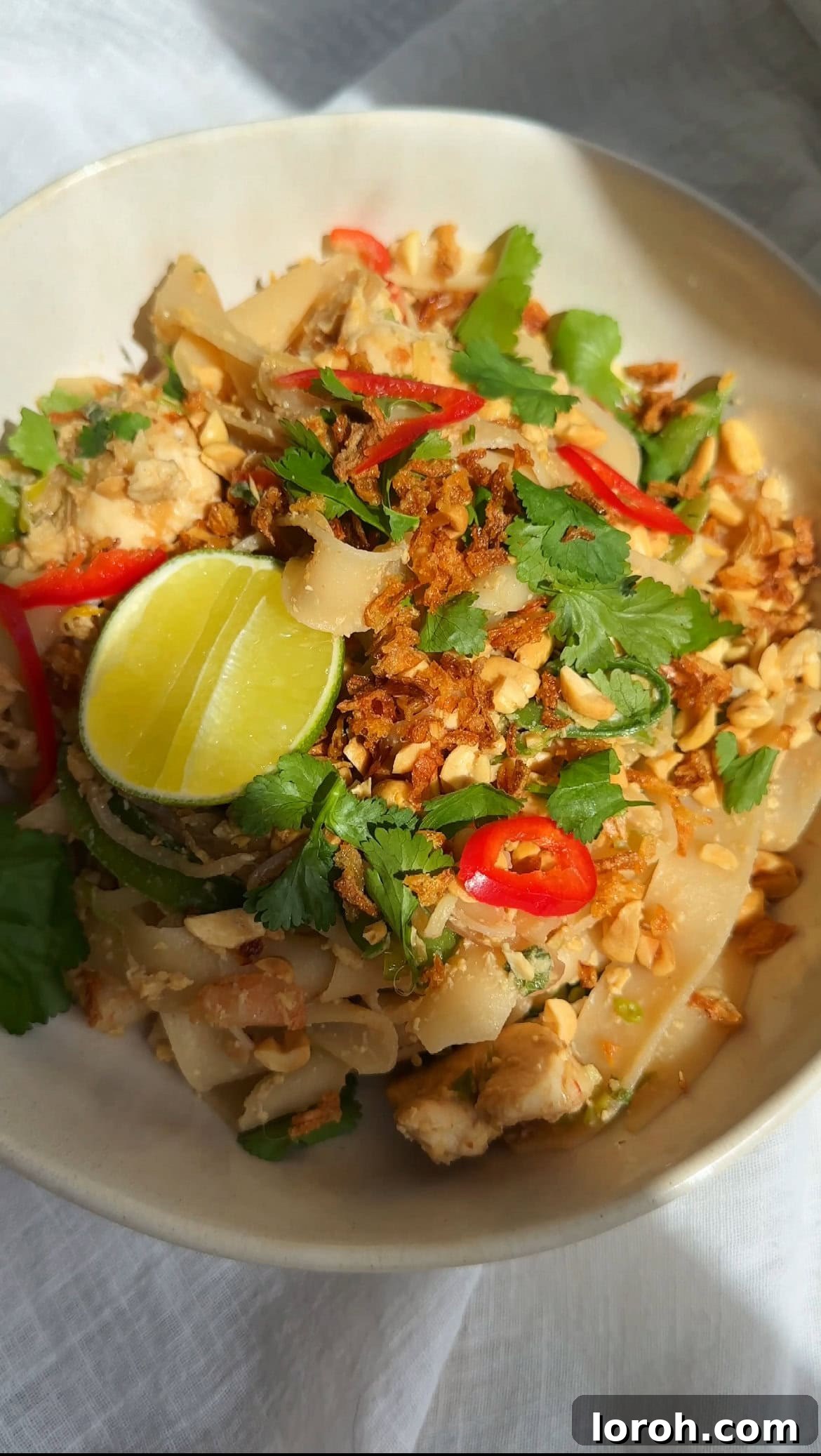
Master the Iconic Wagamama Pad Thai at Home: A Quick & Delicious Fakeaway Recipe
Forget the takeout menu! This homemade Wagamama-inspired Pad Thai brings the restaurant experience directly to your kitchen. With its perfect balance of sweet, sour, salty, and umami flavors, combined with satisfying textures, this recipe is a game-changer for anyone craving authentic Asian flavors without the fuss. Whether you’re a Pad Thai novice or a seasoned stir-fry enthusiast, you’ll find this recipe both achievable and incredibly rewarding.
Why You’ll Love This Homemade Wagamama Pad Thai
This recipe isn’t just another dish; it’s a culinary experience designed for convenience, flavor, and health. Here’s why it has become such a beloved staple in my kitchen, and why I believe it will quickly become one in yours too:
- Effortless Midweek Meal in Under 30 Minutes: Life gets busy, but delicious and healthy meals shouldn’t be a compromise. From the moment you start prepping to the first bite, this Pad Thai takes less than half an hour. It’s the ideal solution for those hectic weeknights when you need a quick yet satisfying dinner. The speed doesn’t sacrifice flavor; instead, it highlights the fresh, vibrant ingredients.
- Wholesome and Nutrient-Packed Goodness: This isn’t just a tasty meal; it’s a nutritional powerhouse. Packed with a variety of colorful vegetables, it’s an excellent way to effortlessly incorporate more of your ‘five a day.’ Furthermore, the inclusion of nuts and seeds contributes towards the recommended goal of 30 diverse plant-based foods per week, promoting excellent gut health and overall wellbeing.
- Incredibly Flexible and Adaptable: One of the greatest virtues of this recipe is its versatility. Don’t have mangetout? Sugar snap peas or green beans work perfectly. Feeling adventurous? Throw in whatever leftover vegetables you have in the fridge – bell peppers, carrots, or broccoli florets are all fantastic additions. This adaptability makes it a zero-waste hero and ensures you can enjoy it regardless of your current pantry stock.
- A Symphony of Flavors and Textures: Prepare your taste buds for an exquisite journey. This Pad Thai offers a dynamic interplay of salty soy sauce, rich umami fish sauce, sweet notes from brown sugar, and the distinctive tangy zest of tamarind or rice vinegar. Complementing these flavors are an array of textures: tender noodles, succulent chicken and prawns, crunchy peanuts, and crispy fried onions, all contributing to a truly delightful eating experience.
- Your Ultimate ‘Fakeaway’ for Significant Savings: Enjoying restaurant-quality Asian food doesn’t have to break the bank. By making this Pad Thai at home, you can save a considerable amount of money compared to eating out or ordering through delivery services. Indulge in an authentic, gourmet meal right from the comfort of your own home, without compromising on taste or quality.
- A Canvas for Culinary Creativity: Once you’ve mastered the foundational recipe, the door opens to endless experimentation. Feel free to unleash your inner chef! Explore different protein sources like tofu or beef, switch up the vegetables based on seasonal availability, or experiment with various garnishes such as toasted sesame seeds, chopped cashews, or a sprinkle of fresh mint for a unique twist.
A note on the serving size: Determining exact serving sizes can be a bit subjective, especially since I tend to favor generous portions! In my home, this Wagamama Pad Thai recipe comfortably serves 2 people with hearty appetites. However, you can easily adjust the quantity of noodles and protein to perfectly suit your hunger levels or to feed more guests.
The Essential Ingredients for Your Pad Thai Masterpiece
To create this vibrant and flavorful Wagamama-style Pad Thai, you’ll need a selection of fresh ingredients and a few pantry staples. Each component plays a crucial role in building the dish’s characteristic taste profile.
Crafting the Perfect Pad Thai Sauce:
The sauce is the heart of any great Pad Thai, delivering its signature sweet, sour, salty, and umami punch.
- Fish Sauce: A fundamental ingredient in Thai cuisine, fish sauce provides a profound savory umami depth that is irreplaceable. Just a splash can transform the entire dish, much like it enhances dishes such as egg-fried rice.
- Light Soy Sauce: This provides a vital salty, umami base to the sauce. Light soy sauce is generally saltier and thinner than its dark counterpart, making it perfect for balancing flavors without overwhelming the dish. For a gluten-free alternative, tamari works beautifully.
- Soft Light Brown Sugar: Essential for balancing the strong salty and tangy notes, brown sugar contributes a mellow sweetness and a slight caramel undertone. It harmonizes the overall flavor profile, ensuring a well-rounded and addictive sauce.
- Rice Vinegar or Tamarind Paste: This is where the distinct tang comes from. Rice vinegar offers a clean, bright acidity, while tamarind paste delivers a more complex, fruity, and deeply sour flavor. Choose tamarind for a more authentic and intense sourness.
- Smooth Peanut Butter (Optional but Recommended): While not strictly traditional in all Pad Thai variations, adding smooth peanut butter lends a delightful nutty richness, creamy texture, and extra body to the sauce. It also helps to bind the flavors together beautifully. Crunchy peanut butter can also be used for added texture.
Main Ingredients for an Authentic Stir-Fry:
These are the core components that make up the satisfying bulk of your Pad Thai.
- Chicken Breast: Lean, versatile, and quick-cooking. I prefer using outdoor-reared free-range chicken breasts for their superior flavor and ethical sourcing. Slice them thinly to ensure even cooking and tender bites.
- Salt and Black Pepper: A small pinch of salt is needed to season the chicken before frying, enhancing its natural flavor. Remember the sauce is already quite salty, so season judiciously. Freshly ground black pepper adds a subtle warmth.
- Sesame Oil: Infusing the entire dish with a wonderfully aromatic and nutty flavor, sesame oil is a must-have in Asian stir-fries. It elevates the overall taste profile significantly.
- Rice Noodles: The quintessential noodle for Pad Thai. Flat and wide rice noodles are traditional and absorb the sauce beautifully. However, don’t hesitate to use whatever noodles you have on hand, such as egg noodles or vermicelli, adjusting cooking times as needed.
- Prawns: Opt for sustainably sourced large raw prawns, peeled for convenience. While a modest amount is included in this recipe, feel free to increase the quantity if you’re a prawn enthusiast. They cook quickly and add a lovely sweetness to the dish.
- Red Onion: With a milder and sweeter flavor compared to white onions, red onion is perfectly suited for stir-fries, adding a delicate sharpness without overpowering other ingredients.
- Mangetout: These tender snow peas add a delightful crunch, vibrant green color, and a hint of sweetness. If unavailable, sugar snap peas or thinly sliced green beans make excellent substitutes.
- Bean Sprouts: For the best results, choose fresh bean sprouts rather than canned ones. They offer a wonderfully crisp texture and a delicate, slightly nutty flavor that is characteristic of authentic Pad Thai.
- Garlic: Two finely chopped garlic cloves typically provide the perfect aromatic base for this recipe, but feel free to adjust the amount to your taste. Garlic paste or granules can be used as convenient alternatives.
- Chilli: For a mild heat, I recommend deselecting one red chilli and finely slicing it. If you prefer more spice, leave some seeds in, or add a second chilli. Dried chilli flakes are a good alternative if fresh chillies are hard to find.
- Spring Onions: These contribute a subtle onion flavor and a fresh, crisp texture. They are incredibly versatile in stir-fries, equally delicious whether served raw as a garnish or briefly cooked with the vegetables.
- Ginger: Fresh ginger is one of my favorite flavor components in Asian cuisine, adding a warm, zesty, and slightly spicy kick. Peel and slice it into fine matchsticks for the best infusion of flavor. Ginger paste can also be used.
- Eggs: Essential for adding richness and texture to the Pad Thai. I recommend using two large, free-range eggs, ideally stamped with the British Lion for quality assurance. They are scrambled directly into the stir-fry.
Elevate Your Dish: Garnishes and Serving Suggestions:
Garnishes are not merely decorative; they add layers of flavor, texture, and freshness that complete the Pad Thai experience.
- Fresh Coriander: Its bright, citrusy notes perfectly complement the rich flavors of the Pad Thai. If you’re not a fan of coriander, fresh parsley can be used as a milder alternative.
- Peanuts: Lightly crushed dry-roasted peanuts provide a crucial textural contrast and a satisfying nutty crunch that is a hallmark of Pad Thai. They are incredibly moreish and enhance the dish’s authenticity.
- Crispy Fried Onions: A non-negotiable pantry staple for me! These add an incredible depth of savory flavor and a delightful crispiness that takes the Pad Thai to another level. Don’t skip them!
- Lime: Fresh lime wedges are indispensable for serving. A squeeze of fresh lime juice over the finished dish adds a burst of tart, zesty acidity that brightens all the other flavors and creates a harmonious balance. Lemon can be used in a pinch.
For precise measurements and a detailed recipe breakdown, please refer to the comprehensive recipe card below.
Customizing Your Pad Thai: Substitutions & Variations
One of the beauties of this Wagamama-style Pad Thai is how easily it can be adapted to suit your preferences, dietary needs, or whatever ingredients you have on hand. Don’t be afraid to get creative!
- Smooth Peanut Butter: While optional, I highly recommend including it as it contributes a fantastic body and richness to the sauce, making it wonderfully creamy and coating. If you prefer a bit of crunch, feel free to use crunchy peanut butter instead. For those with peanut allergies, simply omit the peanut butter from the sauce and the roasted peanut garnish; the crispy fried onions will still provide ample crunch and flavor.
- Rice Noodles: Flat and wide rice noodles are the traditional choice for Pad Thai, offering an ideal texture and absorption. However, this recipe is highly forgiving. You can substitute with other noodle types such as egg noodles, thin vermicelli, or even thicker udon noodles for a different mouthfeel. Always cook according to package instructions.
- Mangetout: This vibrant green vegetable adds a lovely sweetness and crisp texture. If mangetout isn’t available, sugar snap peas or fresh green beans are excellent direct swaps. Beyond these, consider using other quick-cooking vegetables you might have in your fridge, like thinly sliced bell peppers, shredded carrots, or even broccoli florets. Adjust cooking times as necessary, ensuring they remain slightly crisp. While it might deviate slightly from a strict Wagamama replication, the dish will still be incredibly delicious and personalized to your taste.
- Protein Power-Ups: Instead of chicken and prawns, you can easily adapt this recipe. Sliced beef, pork, or even firm tofu (pressed and pan-fried until golden) make fantastic alternatives. For a fully plant-based version, tofu or tempeh are superb.
- Spice Level: Tailor the heat to your preference. For more kick, leave some seeds in your fresh chilli, or add an extra one. A dash of sriracha or a pinch of red pepper flakes can also amplify the heat at the end.
- Gluten-Free Option: To make this Pad Thai gluten-free, simply ensure you use tamari (gluten-free soy sauce) instead of regular soy sauce, and check that your fish sauce does not contain any gluten-containing additives. Rice noodles are naturally gluten-free.
Step-by-Step: How to Master Wagamama-Style Pad Thai at Home
Crafting this delicious Pad Thai is a straightforward process, especially when you follow these key steps. For a complete list of ingredients and precise measurements, please see the recipe card below.
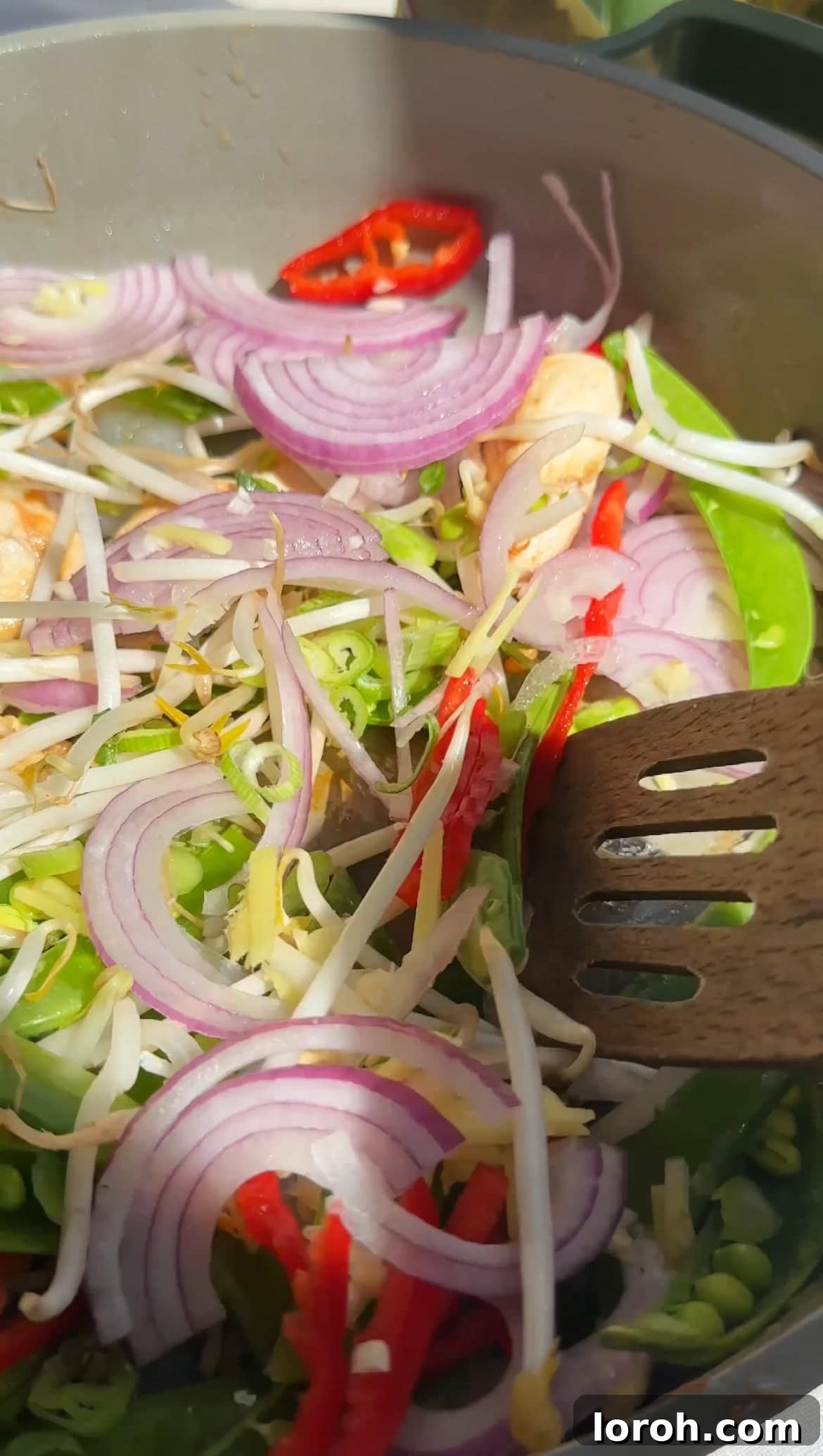
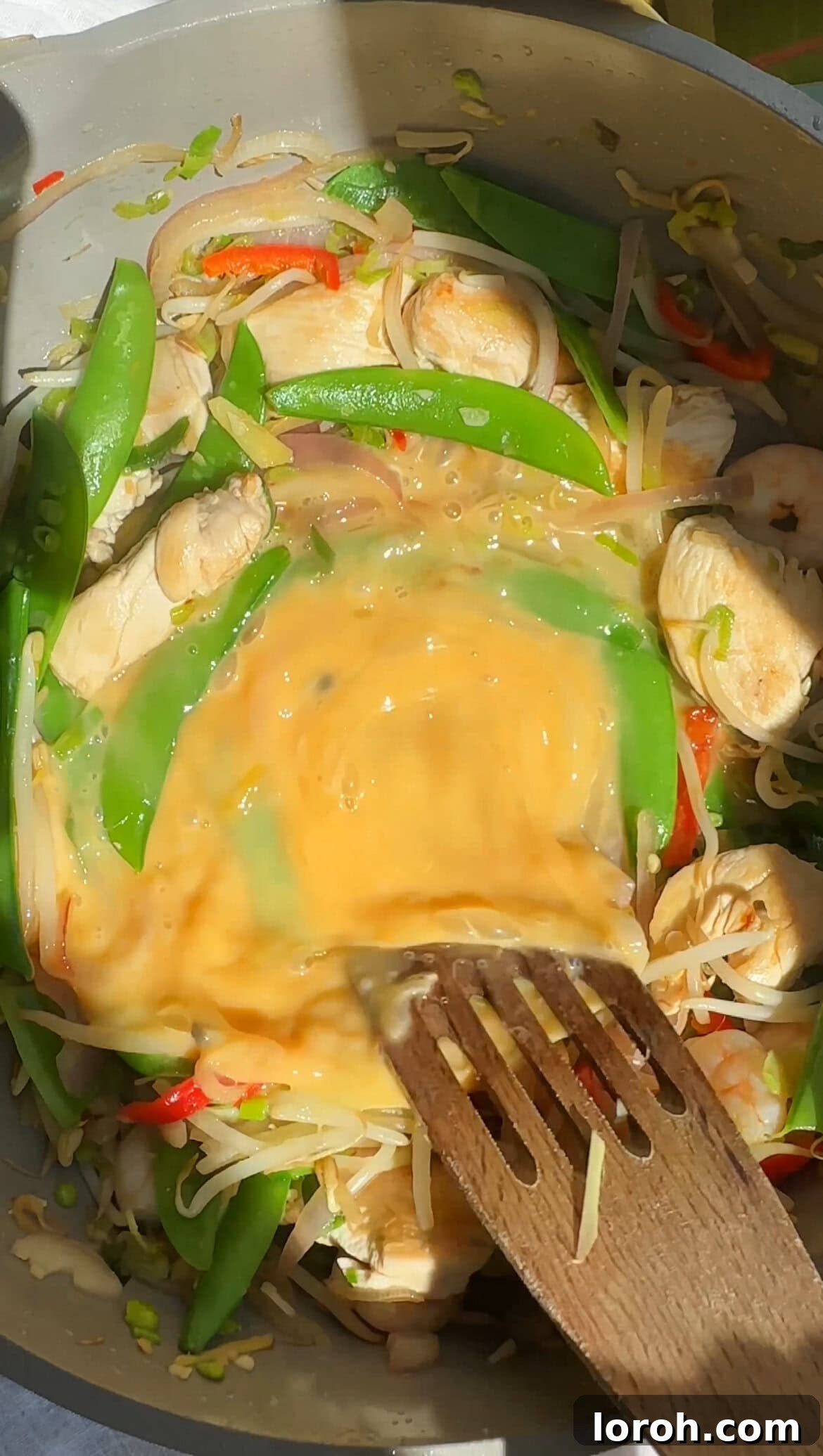
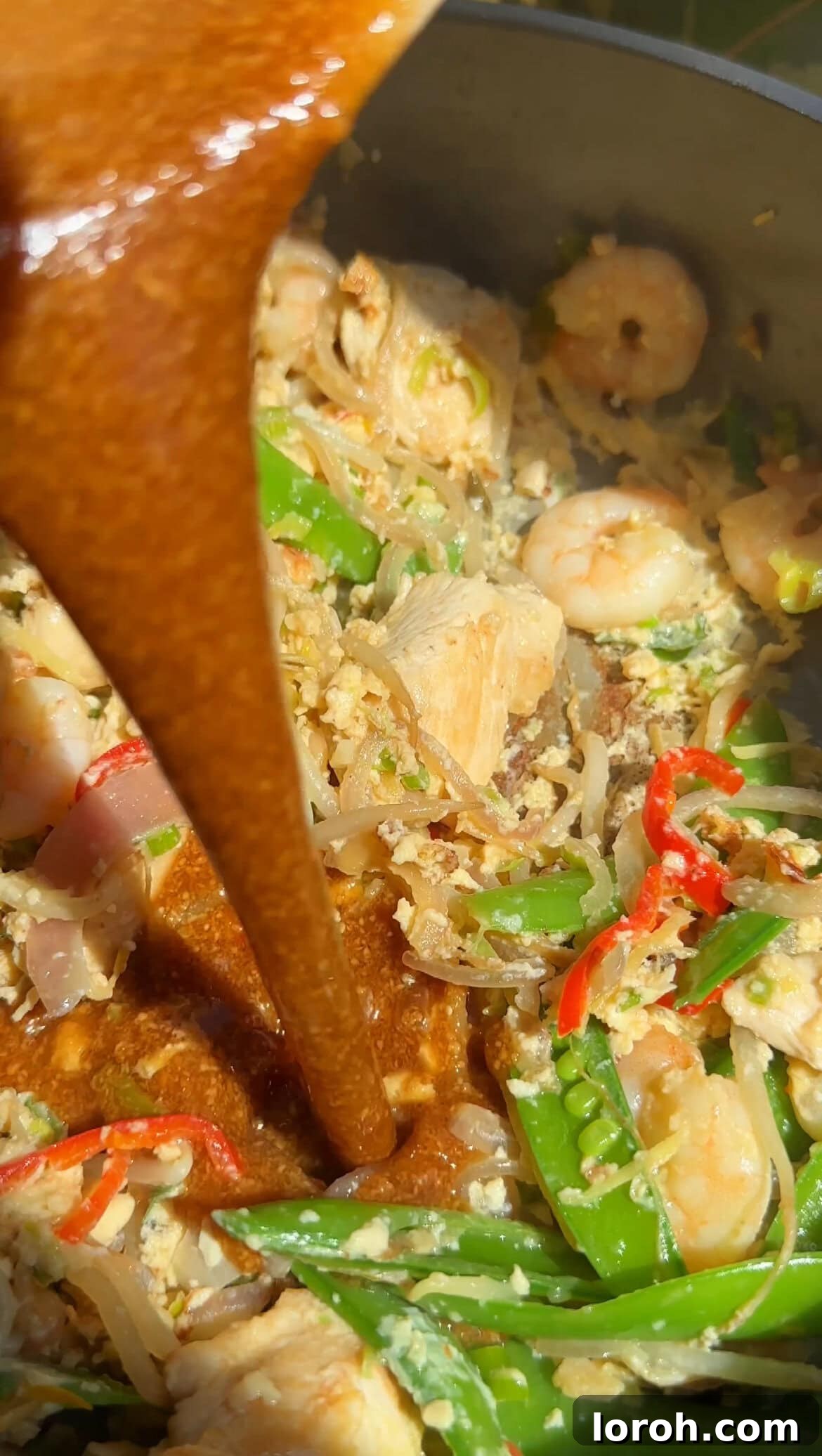
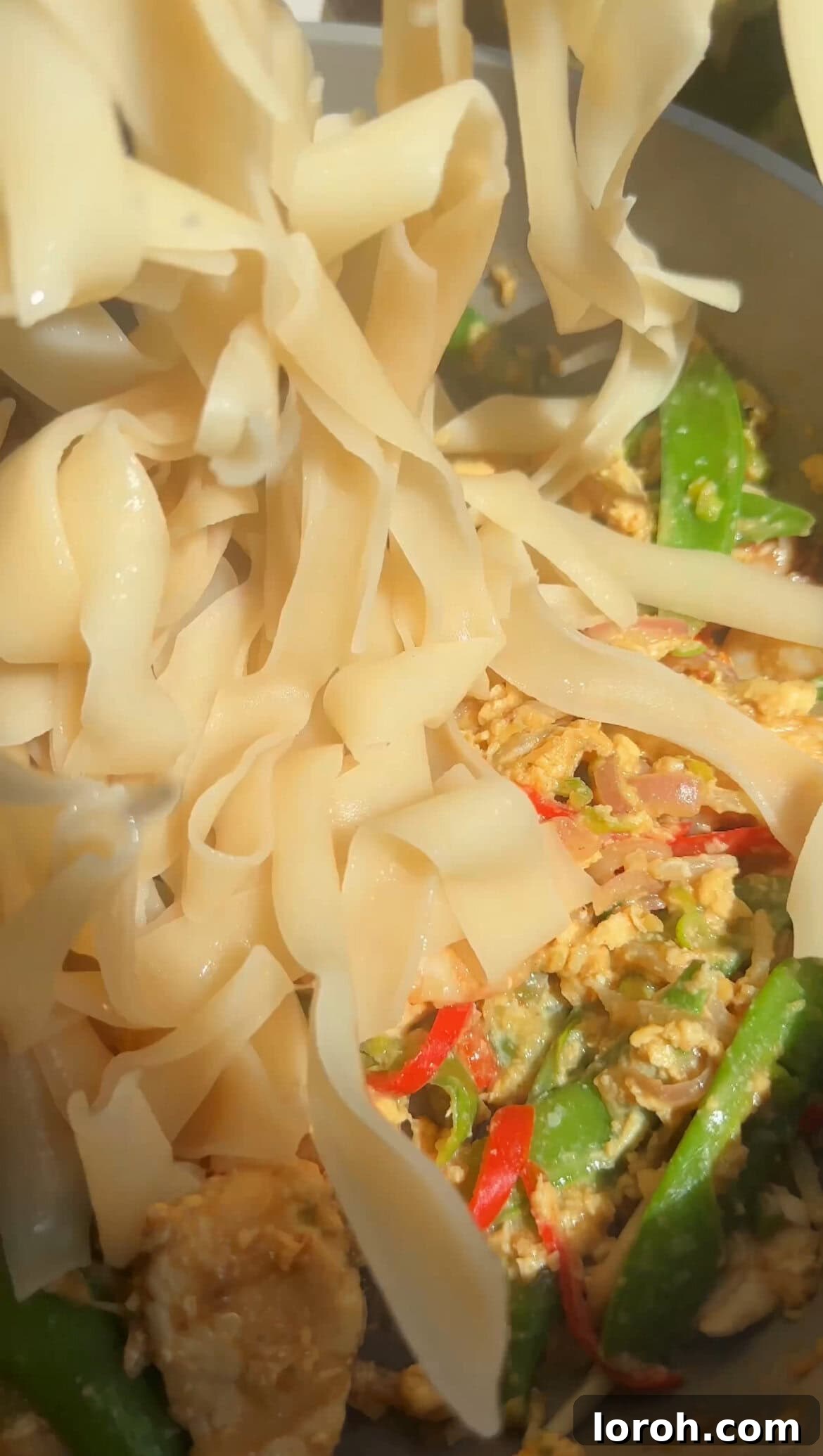
Expert Tips for a Flawless Pad Thai
Achieving restaurant-quality Pad Thai at home is simpler than you might think with a few key culinary insights. These tips will help ensure your dish is packed with flavor and cooked to perfection:
- The Art of ‘Mise en Place’: This French culinary term, meaning “everything in its place,” is paramount for stir-fries. Before you even turn on the heat, have all your ingredients prepped, chopped, and measured. The cooking process for Pad Thai is incredibly fast, so you won’t have time to chop garlic while your chicken is sizzling. This includes mixing your sauce in advance and having all your vegetables sliced and ready to be added in quick succession. This preparation ensures a stress-free cooking experience and prevents anything from overcooking.
- Achieving Golden Chicken: To get that beautiful, caramelized golden crust on your chicken (or other protein), resist the urge to stir it constantly. When added to a hot pan or wok with a little oil, allow the chicken pieces to sit undisturbed for a few minutes. This contact with the hot surface is what encourages browning and develops richer flavors. Only toss occasionally to ensure even cooking and prevent sticking, allowing each side to develop a nice sear.
- Don’t Skimp on the Garnishes: While they might seem like an extra step for a weeknight meal, garnishes are truly transformative for this Wagamama Pad Thai. Not only do they add visual appeal – remember, we eat with our eyes first! – but they also provide essential layers of flavor and texture that complete the dish. Fresh lime offers a crucial tart zing, coriander provides freshness, and crushed peanuts along with crispy fried onions deliver that irresistible crunch. These elements round out the dish beautifully, elevating it from a simple meal to a truly satisfying culinary experience. So, always make room for those final touches!
- Hot Wok, Quick Cook: For an authentic stir-fry, it’s crucial to cook over high heat. Ensure your wok or large frying pan is piping hot before adding ingredients. This ensures a quick sear, locking in juices and preventing vegetables from becoming soggy. If your pan isn’t hot enough, ingredients will steam rather than fry.
- Noodle Preparation is Key: Pay close attention to the cooking instructions on your rice noodle packet. Typically, they only require soaking in hot water, not boiling. Overcooked noodles will turn mushy and break apart in the stir-fry. They should be al dente, firm but pliable, as they will continue to cook briefly in the hot sauce.
Frequently Asked Questions About Pad Thai
Here are some common questions you might have about making and enjoying this delicious Wagamama Pad Thai:
Pad Thai is one of Thailand’s most iconic and beloved dishes. It’s a vibrant stir-fry made with flat rice noodles, typically featuring a savory, sweet, and tangy sauce, combined with ingredients like prawns, chicken, egg, crunchy peanuts, and various vegetables. Originating as a street food, it has gained immense popularity worldwide and is a staple in Thai restaurants globally, cherished for its complex yet harmonious flavors.
This Wagamama Pad Thai is a hearty and complete meal on its own, offering a perfect balance of protein, carbohydrates, and vegetables. However, if you’re looking to create a larger spread, it pairs wonderfully with sides like fresh spring rolls, a crisp Thai-inspired salad, or other small Asian appetizers. You could also offer extra lime wedges, a side of sriracha, or chili flakes for those who prefer more heat.
Absolutely! Transforming this Pad Thai into a delicious vegetarian version is straightforward. Simply swap the chicken and prawns for a plant-based protein alternative like firm tofu (pressed and cubed, then pan-fried until golden), tempeh, or even a medley of mushrooms. For the sauce, you’ll need to omit the fish sauce. To compensate for the lost umami, increase the amount of light soy sauce (or tamari for gluten-free) and add a dash of mushroom-based vegetarian oyster sauce if available. Remember to taste and adjust the seasonings as you go to achieve the perfect flavor balance.
Yes, creating a vegan Wagamama Pad Thai is entirely achievable with a few modifications. As with the vegetarian version, replace the chicken and prawns with a plant-based alternative such as pressed and pan-fried tofu or tempeh. Crucially, you will also need to omit the eggs. For the sauce, remove the fish sauce and adjust the balance by adding more light soy sauce (or tamari) and potentially a vegan fish sauce substitute or a touch of seaweed extract for an umami boost. Always taste and adjust to ensure the flavors are perfectly harmonized.
Leftover Pad Thai can be stored in an airtight container in the refrigerator for up to 2-3 days. When reheating, gently warm it in a wok or frying pan over medium heat with a splash of water or broth to prevent the noodles from drying out and sticking. Alternatively, you can use a microwave, stirring occasionally. Be cautious not to overcook the noodles during reheating to maintain their texture. For best results, add fresh garnishes after reheating.
Yes, some elements can be prepped ahead of time to make dinner even quicker. You can mix the Pad Thai sauce and store it in an airtight container in the fridge for up to 3-4 days. All your vegetables can be chopped and stored in separate containers for a day or two. Slicing the chicken in advance is also fine. Having these components ready means less chopping and mixing just before cooking, streamlining the entire process for a truly fast meal.
Discover More Delicious Asian-Inspired Recipes
If you’re a noodle aficionado like me, there’s a world of flavor waiting to be explored beyond this Pad Thai. Here are a few more recipes you might enjoy from my collection:
- This Cold Noodle Salad with Easy Peanut Dressing offers a refreshing and simple option that truly hits the spot, perfect for a lighter meal.
- For those who appreciate a comforting bowl of soup, my Easy Pork Ramen provides delicious, brothy noodles packed with savory goodness.
- If you’re a loyal Wagamama fan, you absolutely must try my Wagamama Chilli Chicken Ramen – it’s another classic Wagas recipe that complements this Pad Thai perfectly!
- And if rice is more your style but you still crave those vibrant Asian flavors, my Chicken Satay Rice Bowl is a fantastic choice, combining tender chicken with aromatic satay sauce over fluffy rice.
More Recipes from My Kitchen
Sandwiches
The Best Coronation Chicken Sandwiches
Christmas Recipes
The Best Chocolate Salami
Easy Dessert Recipes
Chocolate Budino (Creamy Italian Pudding)
Drinks and Cocktails
Homemade Hot Chocolate Bombs
Made This Recipe and Loved It? Share Your Wagamama Pad Thai Creation!
There’s nothing more rewarding than hearing about your cooking adventures! If you’ve tried this Wagamama Pad Thai recipe and enjoyed it, I would absolutely love it if you could leave a review in the comments section below. Share your thoughts, any creative changes you made, or simply the story behind why you decided to try my recipe. Your feedback means the world to me!
And if you share a photo of your culinary masterpiece on Instagram, please don’t forget to tag me @desertislanddishes. It truly brightens my day to see you bringing my creations to life in your own kitchens!
Wagamama Pad Thai Recipe
By: Margie
Deliciously simple and totally moreish, this Wagamama-inspired Pad Thai is the perfect midweek meal. It’s quick, packed with flavor, and easily customizable to your taste!
Prep time: 15 mins
Cook time: 15 mins
Total time: 30 mins
Servings: 2 servings
Pin Recipe | Rate Recipe | Print Recipe
Ingredients
For the sauce:
- 1 ½ tbsp fish sauce
- ½ tbsp light soy sauce
- 2 ½ tbsp soft light brown sugar
- 1 tbsp rice vinegar or tamarind paste
- 1 tbsp smooth peanut butter (optional)
For the pad Thai:
- 1 chicken breast, thinly sliced
- Salt and freshly ground black pepper (to taste)
- About 2 tbsp sesame oil
- 200 g dry rice noodles
- 40 g raw prawns, peeled
- 1 red onion, thinly sliced
- 100 g mangetout
- 100 g bean sprouts
- 2 garlic cloves, finely chopped
- 1 red chilli, deseeded and finely sliced
- 2 spring onions, finely sliced
- 2.5 cm piece of ginger, peeled and finely sliced into matchsticks
- 2 large eggs, beaten
To serve:
- Sprigs of fresh coriander
- 2 tbsp dry roasted peanuts, crushed
- Sliced chillies (optional, for extra heat)
- Crispy fried onions
- Lime, cut into wedges
Instructions
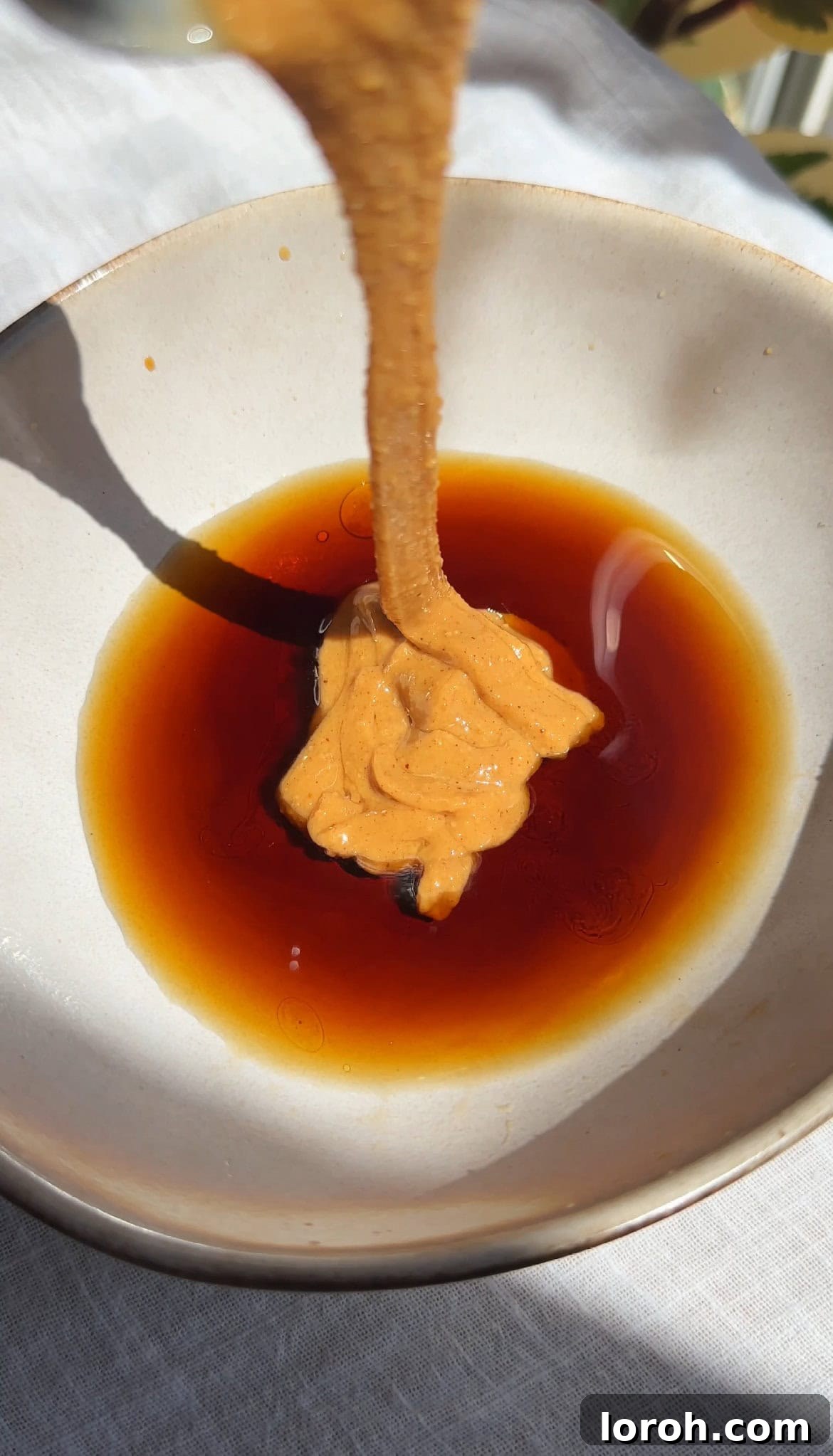
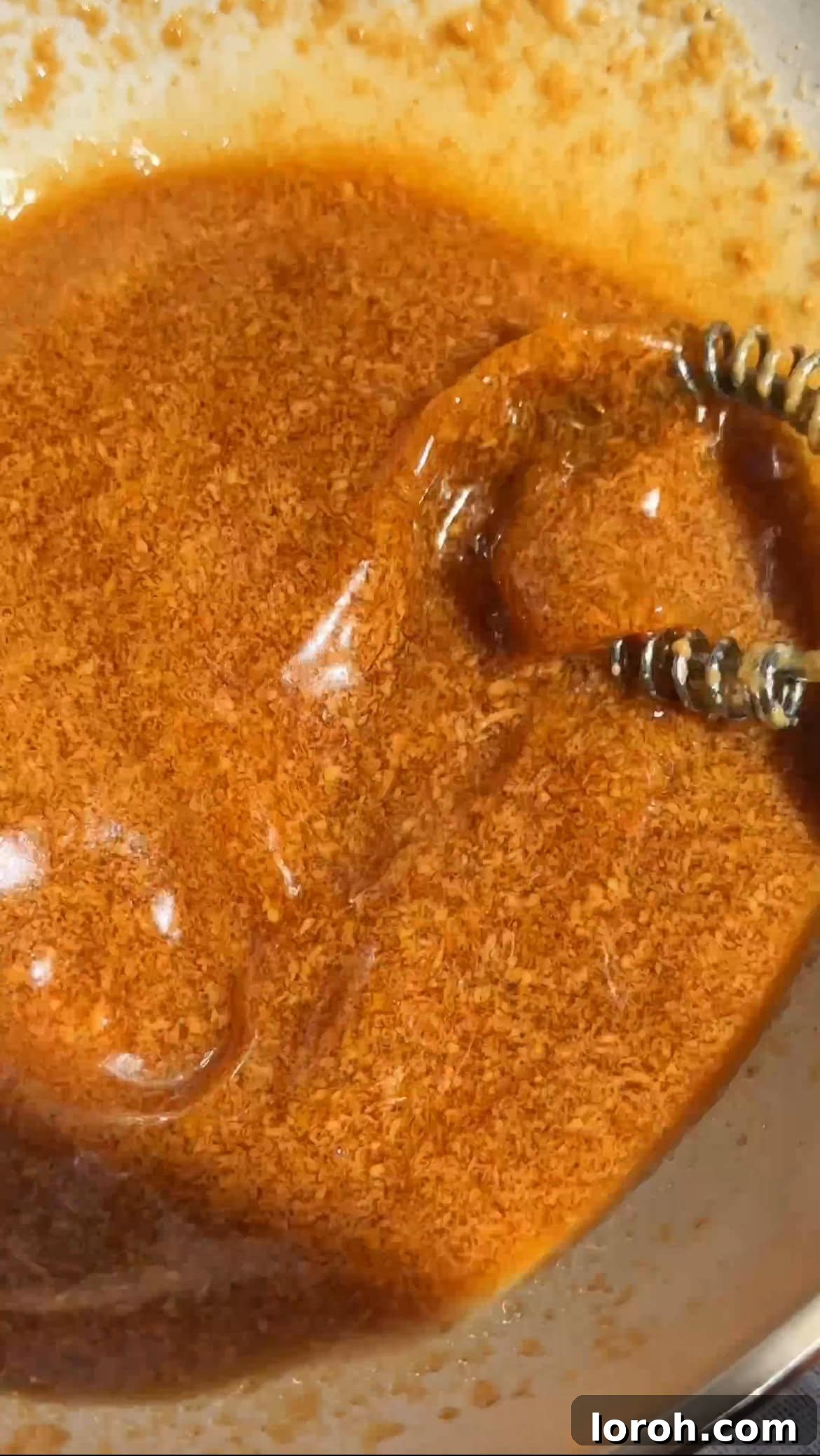
- Preparation is Key: Begin by organizing all your ingredients (mise en place). In a small bowl, whisk together all the sauce ingredients until smooth and set aside. Next, finely chop and slice all your vegetables – red onion, mangetout, bean sprouts, garlic, chilli, spring onions, and ginger – and place them into a large bowl, ready for cooking.
- Season and Sear Chicken: Season your thinly sliced chicken breast with a pinch of salt and freshly ground black pepper. Heat 1 tbsp of sesame oil in a large non-stick frying pan or wok over medium-high heat. Add the chicken and fry for a few minutes, turning occasionally, until it’s beautifully golden brown on all sides and cooked through. Remove the chicken from the pan and set aside.
- Cook Noodles: While the chicken is resting, cook your rice noodles according to the packet instructions. Most dry rice noodles require soaking in hot water rather than boiling. Once cooked al dente, drain them thoroughly and set aside.
- Stir-fry Prawns and Vegetables: Add the remaining 1 tbsp of sesame oil to the hot pan/wok. Introduce the peeled raw prawns and stir-fry for 1-2 minutes until they turn pink. Then, add all the prepared vegetables (red onion, mangetout, bean sprouts, garlic, chilli, spring onions, and ginger) to the pan. Stir-fry for 3-5 minutes, until the vegetables are tender-crisp.
- Add Eggs and Combine: Push the vegetables and prawns to one side of the pan to create a well in the center. Pour in the beaten eggs and quickly scramble them until just cooked. Once scrambled, mix the cooked eggs into the vegetables and prawns. Reintroduce the cooked chicken to the pan.
- Sauce and Noodles: Pour the prepared Pad Thai sauce over all the ingredients in the pan. Toss and stir vigorously to ensure the sauce thoroughly coats the chicken, prawns, and vegetables, being careful not to let it stick. Add the drained rice noodles to the pan and continue to stir-fry for another 1-2 minutes, tossing constantly until the noodles are fully coated and heated through.
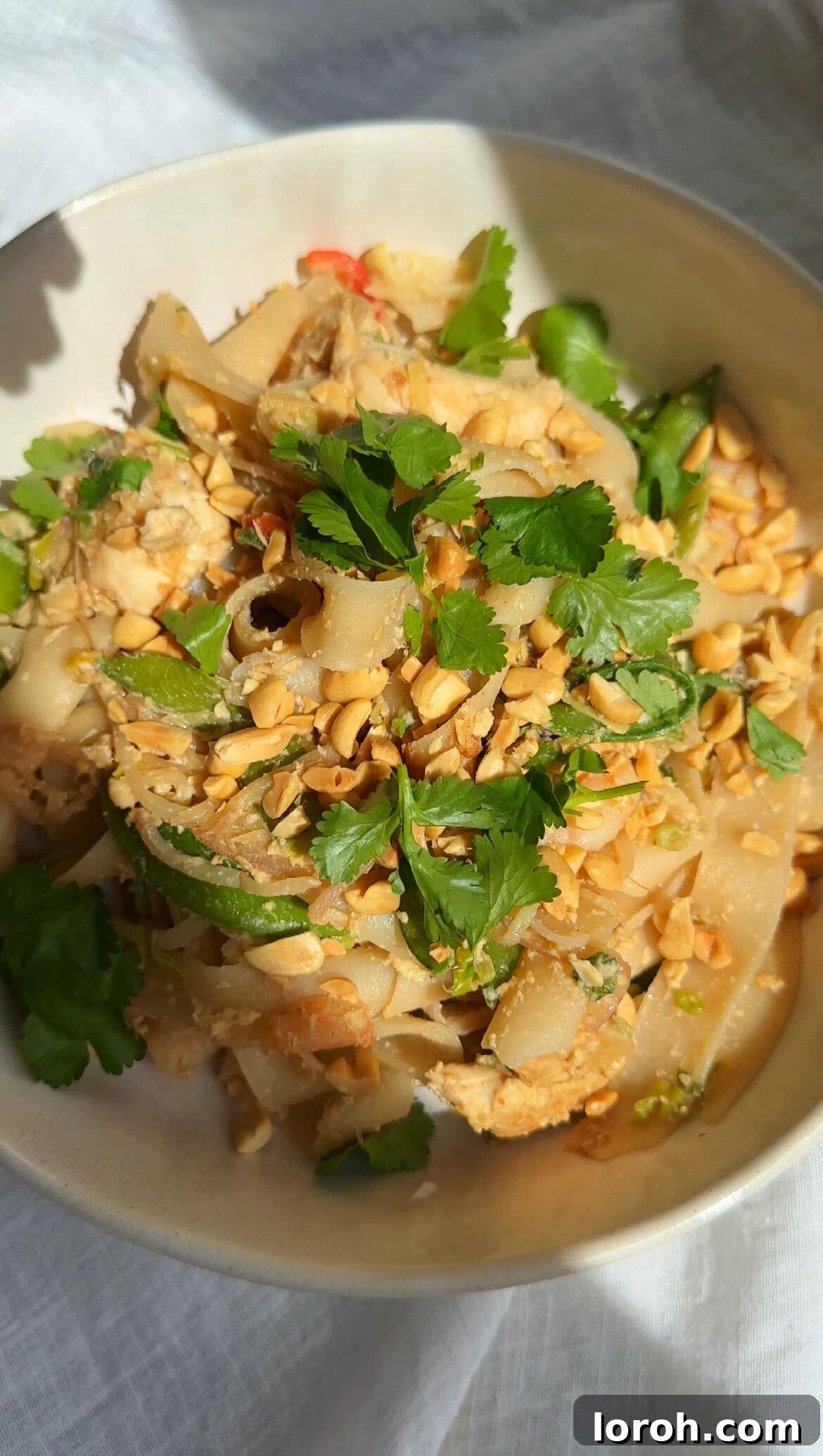
- Serve and Garnish: Divide the hot Pad Thai equally between two serving bowls. Generously scatter with fresh coriander sprigs, crushed dry-roasted peanuts, extra sliced chillies (if desired), and a good sprinkle of crispy fried onions. Serve immediately with fresh lime wedges on the side for squeezing over, and enjoy your homemade Wagamama-style Pad Thai!
Recipe Notes
- Peanut Allergy: If you or your guests have a peanut allergy, you can entirely omit the peanut butter from the sauce and the roasted peanut garnish. The dish will still be incredibly flavorful, and the crispy fried onions will provide a satisfying crunch.
- Noodle Choice: While traditional Pad Thai uses flat rice noodles, feel free to use any noodle type you prefer or have on hand, such as egg noodles, vermicelli, or udon. Always cook them according to their package instructions.
- “Straight-to-Wok” Noodles: If using pre-cooked “straight-to-wok” noodles, follow their specific heating instructions, usually just requiring a quick stir-fry for a minute or two.
- Customizing Spice: The recipe uses a deseeded chilli for mild heat. For more spice, leave some seeds in the chilli or add a second one. You can also sprinkle dried chilli flakes or a dash of sriracha at the table for individual preference.
Enjoyed this recipe? Please leave a comment below and share your thoughts!