
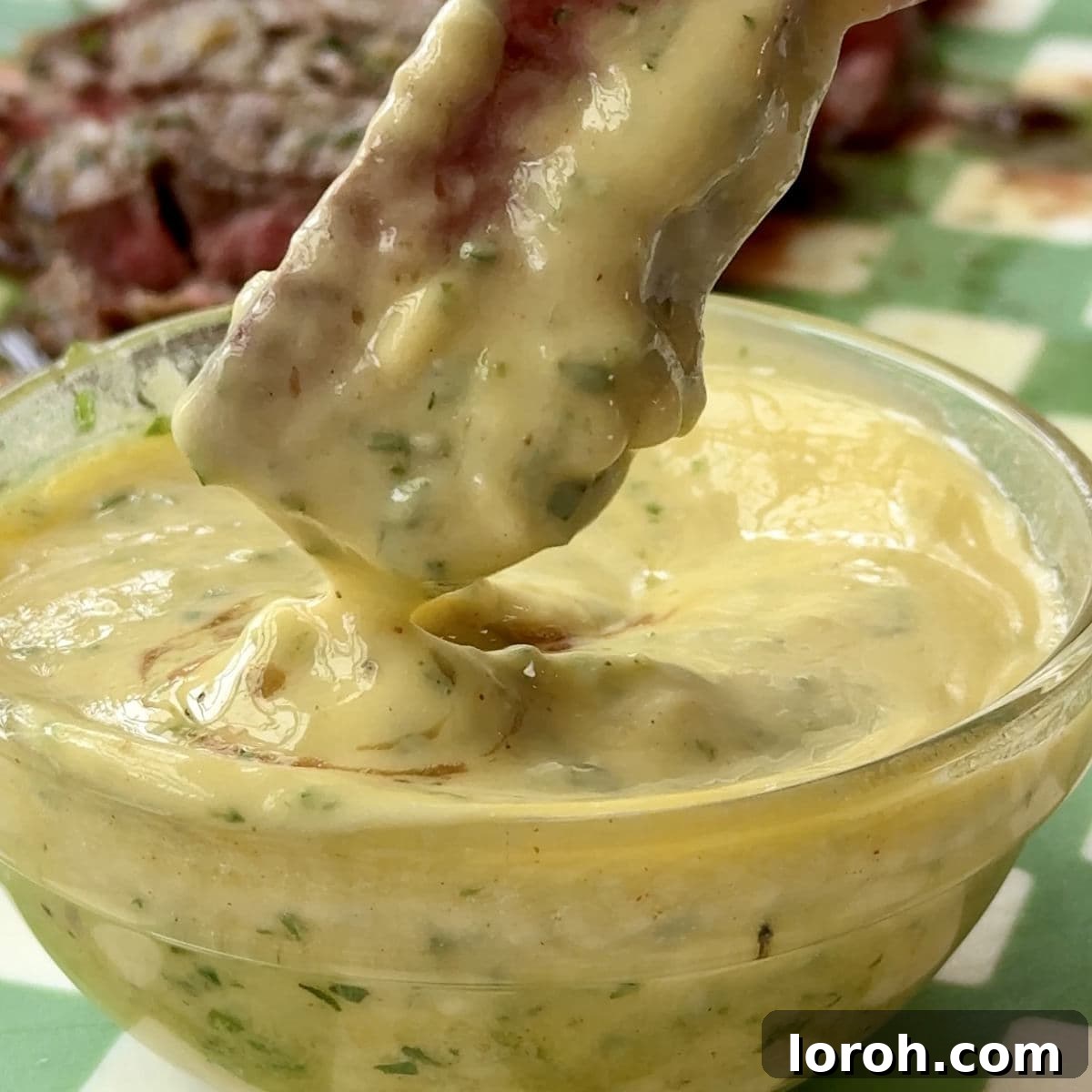
Cowboy butter is a truly remarkable culinary creation, swiftly becoming a beloved kitchen staple for its incredible versatility and vibrant flavor. This exquisitely flavored compound butter, meticulously crafted with a harmonious blend of garlic, fresh herbs, zesty lemon, pungent mustard, smoky paprika, and a hint of fiery chili, is an absolute game-changer. While it gained its fame as the ultimate topping for succulent steaks, its applications extend far beyond, elevating everything from delicate seafood and crisp vegetables to warm, crusty bread. The result is consistently phenomenal, promising to become a cherished favorite in your household, perfect for enhancing a vast array of dishes.
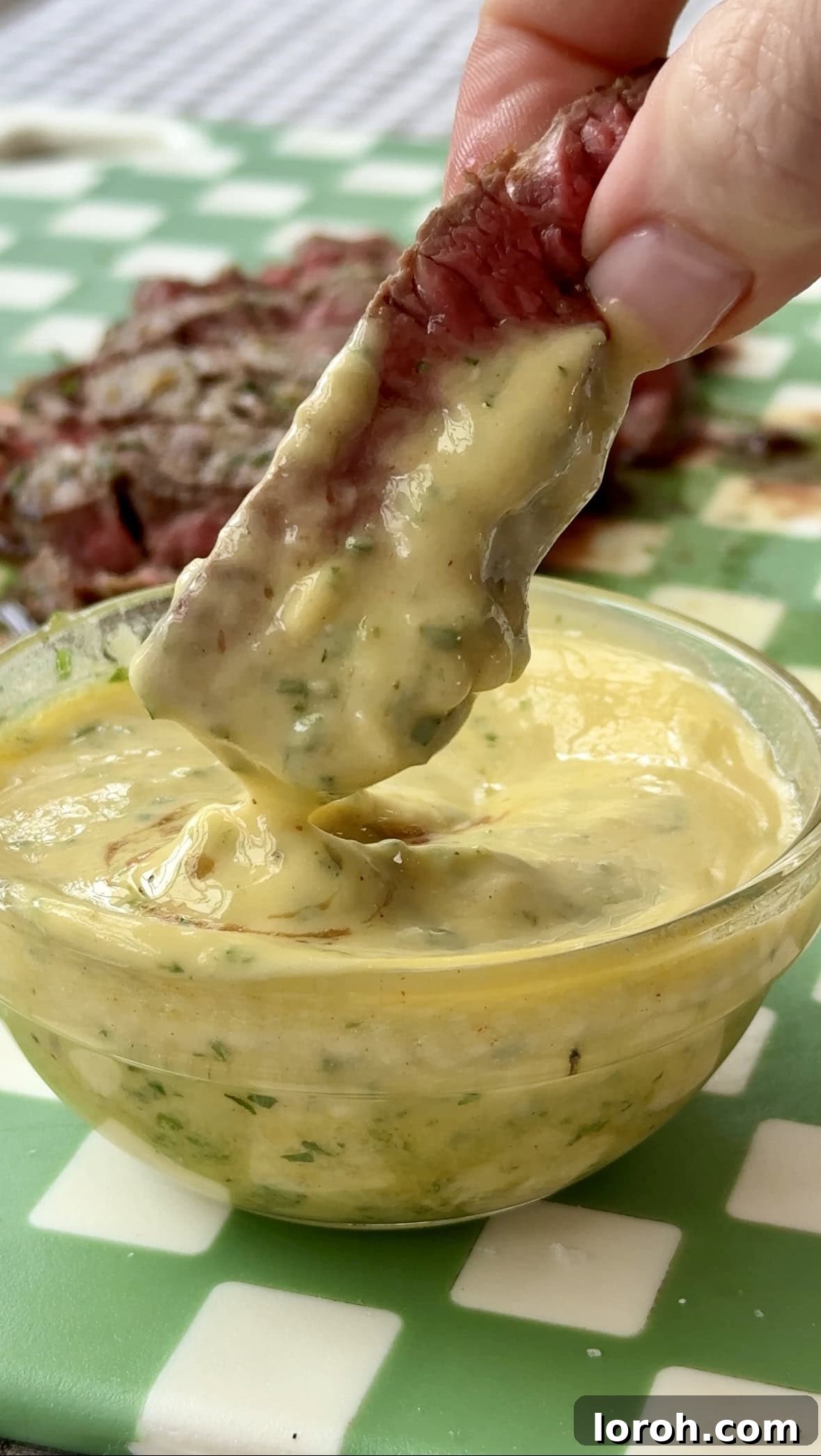
The exact origins of its intriguing name remain shrouded in a delightful mystery – some speculate it’s a modern steakhouse innovation, while others believe it sprung from the vibrant world of social media. Regardless of its genesis, one thing is certain: once you try it, you’ll be compelled to make it again and again. This comprehensive guide will walk you through two distinct methods for preparing this flavorful butter: as a solid, chilled compound butter perfect for slicing, or as a luxurious melted sauce ideal for dipping and basting. We’ll also cover essential tips for storage, countless serving suggestions, and exciting variations to inspire your culinary adventures. If you enjoy rich, herbed butters, you might also be interested in trying Café de Paris butter, another fantastic compound butter that shares some similarities in its savory depth.
Table of Contents
- The Allure of Cowboy Butter: Why You Will Love This Recipe
- Ingredients for the Perfect Cowboy Butter
- Creative Twists: Cowboy Butter Variations
- Two Ways to Enjoy Cowboy Butter: Compound or Melted
- Serving Suggestions: What Pairs Best with Cowboy Butter
- Step-by-Step: Crafting Your Easy Cowboy Butter
- Expert Tips for the Best Cowboy Butter
- Storing and Enjoying Your Cowboy Butter
- Frequently Asked Questions About Cowboy Butter
- Explore More Flavorful Butter Recipes
- Easy Cowboy Butter Recipe
The Allure of Cowboy Butter: Why You Will Love This Recipe
Cowboy butter isn’t just a condiment; it’s an experience. Here’s why this flavorful concoction is guaranteed to win a permanent spot in your recipe rotation:
- **Unparalleled Versatility:** This cowboy butter is incredibly adaptable, designed to complement a remarkably wide array of dishes. From elevating a simple grilled chicken breast to transforming a gourmet seafood platter, its rich, savory profile enhances almost any savory meal.
- **Minimal Effort, Maximum Flavor:** Requiring only a handful of readily available ingredients, many of which you likely already have stocked in your pantry and refrigerator, this recipe is surprisingly simple to assemble. Yet, despite its ease, it delivers an explosive punch of flavor that can instantly upgrade even the most basic grilled meats, pan-seared fish, or a humble slice of toast.
- **Endlessly Customizable:** Your kitchen, your rules! Cowboy butter is wonderfully flexible, allowing you to easily adapt the ingredients and ratios to perfectly match your personal flavor preferences and the specific dish you’re preparing. Feel free to experiment with different herbs, spices, or even add a touch of sweetness or extra heat.
- **Impressive Yet Effortless:** While it tastes incredibly complex and sophisticated, implying hours of culinary expertise, cowboy butter is astonishingly easy to prepare. This makes it a fantastic secret weapon for impressing guests without any stress, or for simply adding a burst of gourmet flavor to your everyday family meals.
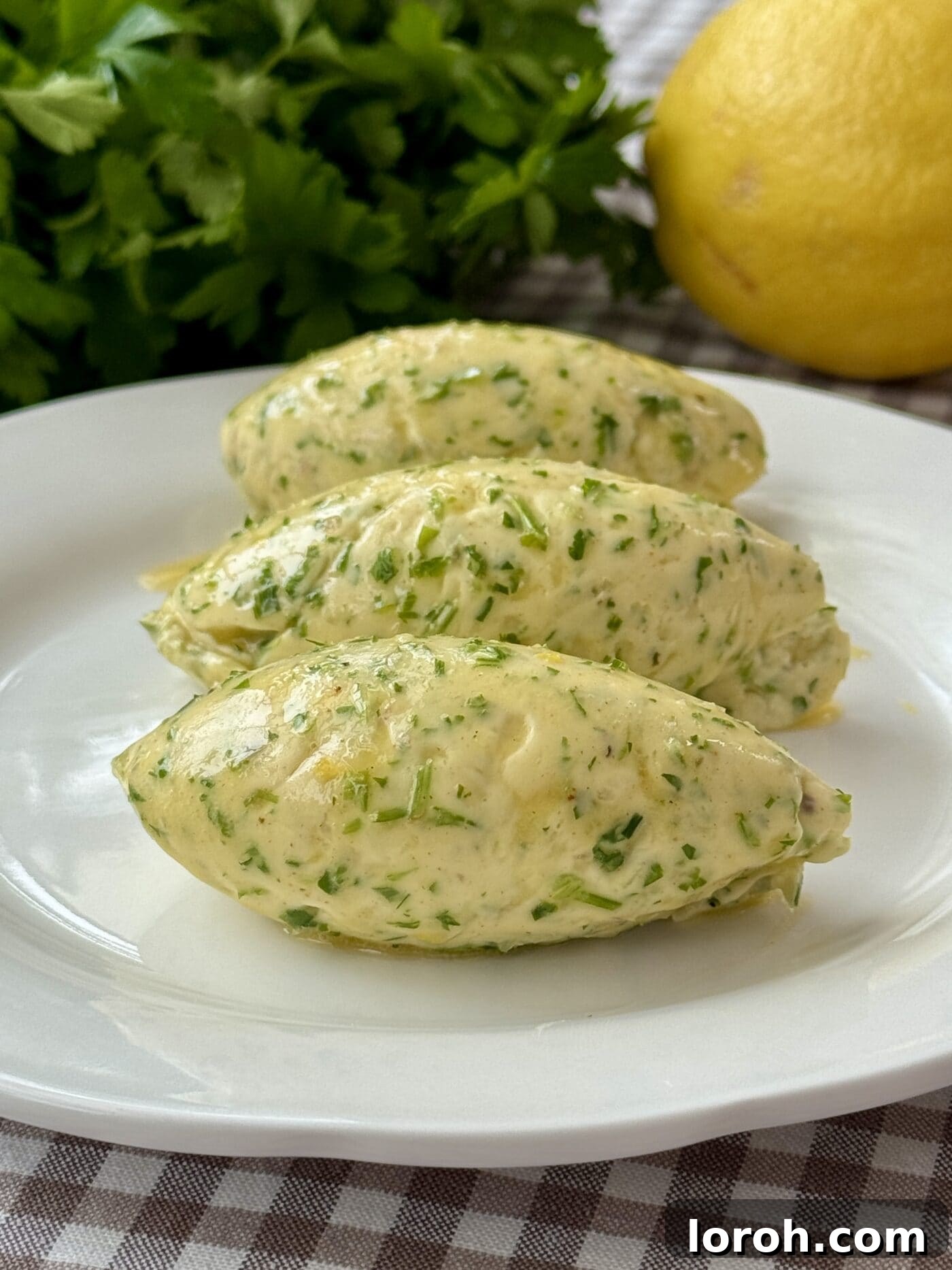
Ingredients for the Perfect Cowboy Butter
Crafting the perfect cowboy butter starts with selecting quality ingredients. Each component plays a vital role in building the layered, robust flavor that makes this butter so addictive. You can find the full, precise measurements in the printable recipe card at the bottom of this post.
Unsalted Butter: The foundation of our compound butter, unsalted butter is crucial as it gives you complete control over the final salt content. Always opt for a high-quality block of butter over a spread, as its superior fat content and flavor will make a noticeable difference in the finished product. Ensure it’s softened to room temperature for smooth blending.
Fresh Herbs (Parsley & Chives): Fresh herbs are non-negotiable for their bright, herbaceous notes. I personally love the combination of fresh parsley for its clean, verdant flavor and chives for their delicate, onion-like tang. These two together create a classic, balanced profile. However, feel free to get creative; basil adds a sweet, peppery warmth, while coriander brings a fresh, citrusy note. Experiment to find your favorite blend!
Garlic: A staple in any savory compound butter, fresh garlic provides a pungent, aromatic depth. Finely grated garlic ensures even distribution and intense flavor throughout the butter without any harsh raw notes.
Shallot: Often overlooked, a small, finely chopped shallot adds a subtle sweetness and a mild, refined onion flavor that is less assertive than a regular onion, perfectly complementing the other ingredients without overpowering them.
Lemon Juice: Freshly squeezed lemon juice is essential. It provides a bright, acidic counterpoint to the richness of the butter, cutting through the fat and awakening all the other flavors, giving the butter an irresistible zing.
Dijon Mustard: Just a teaspoon of Dijon mustard introduces a complex, tangy, and slightly spicy note. It also acts as a subtle emulsifier, helping to bind the butter and other ingredients together, contributing to a smoother texture.
Paprika: Sweet paprika adds a beautiful reddish hue and a mild, earthy sweetness. For a deeper, more robust flavor, consider using smoked paprika, which introduces a wonderful campfire-like aroma that truly lives up to the “cowboy” name.
Worcestershire Sauce: This classic condiment is a secret weapon for umami depth. I consistently reach for the iconic Lea & Perrins brand, as its unique blend of savory, sweet, and tangy notes is unparalleled and truly elevates the entire flavor profile of the butter.
Chili Flakes: For that signature cowboy kick, chili flakes are a must. Adjust the quantity to your preferred level of heat – a small amount offers a gentle warmth, while more can turn it into a fiery delight.
Flaky Sea Salt & Freshly Ground Black Pepper: These are your final seasonings. Adding flaky sea salt provides pockets of intense salty flavor, while fresh black pepper offers a pungent counterpoint. Always taste and adjust to achieve perfect balance.
Creative Twists: Cowboy Butter Variations
One of the joys of making cowboy butter is its inherent flexibility. While the classic recipe is outstanding, don’t hesitate to experiment with these delicious variations to tailor it to your specific tastes or the dish you’re serving.
Smoky Chipotle Cowboy Butter: For those who crave a deep, smoky undertone with a gentle heat, simply add a small dollop (about ½ to 1 teaspoon) of chipotle paste to your butter mixture. This transformation delivers a rich, complex flavor that pairs exceptionally well with grilled meats and hearty vegetables.
Tarragon Cowboy Butter: Introduce an elegant, anise-like flavor by incorporating 3-4 sprigs of finely chopped fresh tarragon into your butter. This variation lends an almost Café de Paris butter sophistication, offering a truly delicious twist that complements chicken and fish beautifully.
Maple or Honey Cowboy Butter: For a delightful sweet and salty combination, stir in 1 tablespoon of pure maple syrup or honey. This unexpected sweetness creates an incredible contrast, making the butter perfect for spreading on corn on the cob, sweet potatoes, or even pancakes for a savory-sweet breakfast. If you’re particularly fond of sweet butters, you might also enjoy my salted honey butter recipe.
Herbal Explosion: Beyond parsley and chives, consider adding other fresh herbs like finely chopped rosemary, thyme, or oregano. A mix of Mediterranean herbs can transform it into a fantastic accompaniment for lamb or roasted chicken.
Extra Zest: For an even brighter, more aromatic citrus note, add the finely grated zest of half a lemon along with the juice. Orange or lime zest could also introduce interesting nuances.
Spicy Kick: If you love heat, increase the chili flakes or add a dash of your favorite hot sauce or a pinch of cayenne pepper for an intensified fiery flavor.
Texture Matters: While I prefer making cowboy butter in a food processor for a super smooth and evenly combined result, you can certainly make it by hand using a fork or spatula for a more rustic texture. If opting for a handheld electric mixer, ensure all your solid ingredients (herbs, shallots, garlic) are very finely chopped beforehand to prevent stringy bits.
Two Ways to Enjoy Cowboy Butter: Compound or Melted
Cowboy butter offers incredible versatility not just in its ingredients, but also in its presentation and use. You can prepare and serve it in two primary forms, each with its unique advantages.
1. Chilled Compound Butter (Room-Temperature Mixing, Then Chill)
This is the most common and versatile form of cowboy butter. It involves mixing softened butter with all the flavorful additions, then chilling it until firm.
- **Texture:** When properly chilled, it becomes a firm, sliceable log or block. Once placed on hot food, it slowly melts, releasing its incredible flavors gradually.
- **Best For:**
- **Finishing Steaks:** Place a slice or dollop on a freshly grilled or pan-seared steak as it rests. The residual heat will gently melt the butter, basting the meat in its aromatic juices.
- **Sandwiches & Wraps:** Spread a thin layer on bread or tortillas for an instant flavor boost.
- **Roasted Vegetables:** Toss roasted vegetables with softened compound butter right after they come out of the oven.
- **Bread:** Simply serve slices of chilled butter with warm, crusty bread or rolls.
- **Pros:** Easy to portion into attractive slices, offers a prettier presentation, and melts slowly to infuse flavor. It also lasts longer in the fridge.
2. Melted Cowboy Butter (Melt, Then Combine)
For a more immediate burst of flavor and a saucy consistency, you can serve cowboy butter in its melted form. This is perfect for dishes where you want to drizzle or dip.
- **Texture:** A pourable, rich sauce or a liquid for basting.
- **Best For:**
- **Basting During Grilling:** Brush melted butter onto meats, poultry, or vegetables as they cook on the grill or in a pan to keep them moist and add flavor.
- **Dipping Sauce:** Serve warm as a decadent dipping sauce for cooked seafood (like shrimp or crab legs), crusty bread, or even potato fries.
- **Pasta Sauce:** Stir into hot pasta with a splash of pasta water and Parmesan cheese for a quick, flavorful sauce.
- **Corn on the Cob:** Drizzle generously over freshly boiled or grilled corn.
- **Pros:** Delivers instant, intense flavor; ideal for drizzling and dipping; excellent for basting.
- **Cons:** Does not last as long as compound butter; needs to be kept warm if serving as a sauce.
While I often lean towards preparing cowboy butter as a compound butter for its extended shelf life and elegant presentation, the choice between chilled and melted ultimately depends on your preferred application. Both methods yield exceptionally delicious results!
What to Serve with Cowboy Butter
Cowboy butter truly is a universal enhancer. Think of it as a flavor-packed secret weapon that makes almost anything taste more delicious. Here are some of my favorite ways to incorporate this incredible butter into your meals:
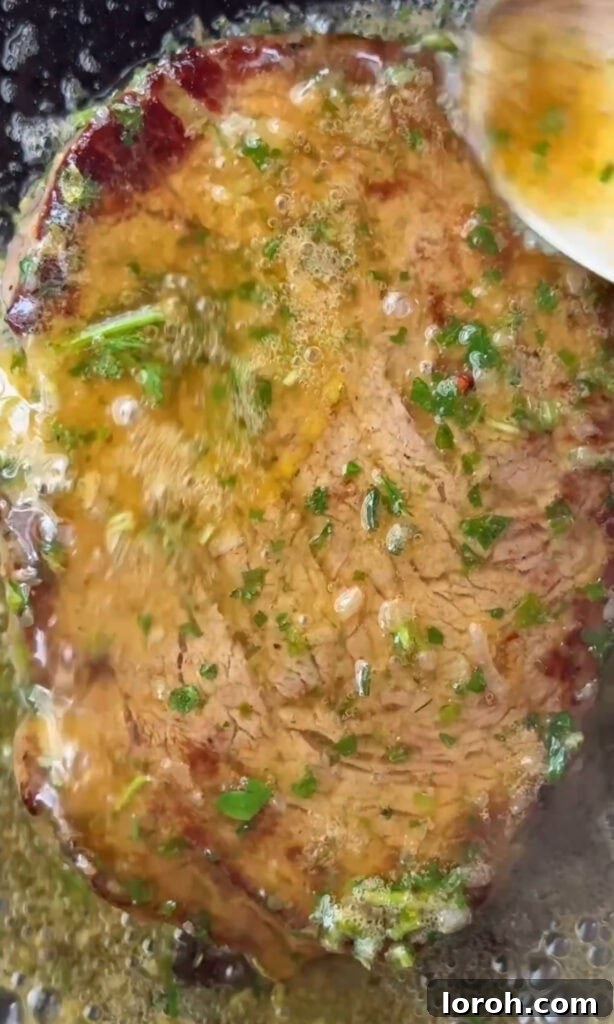

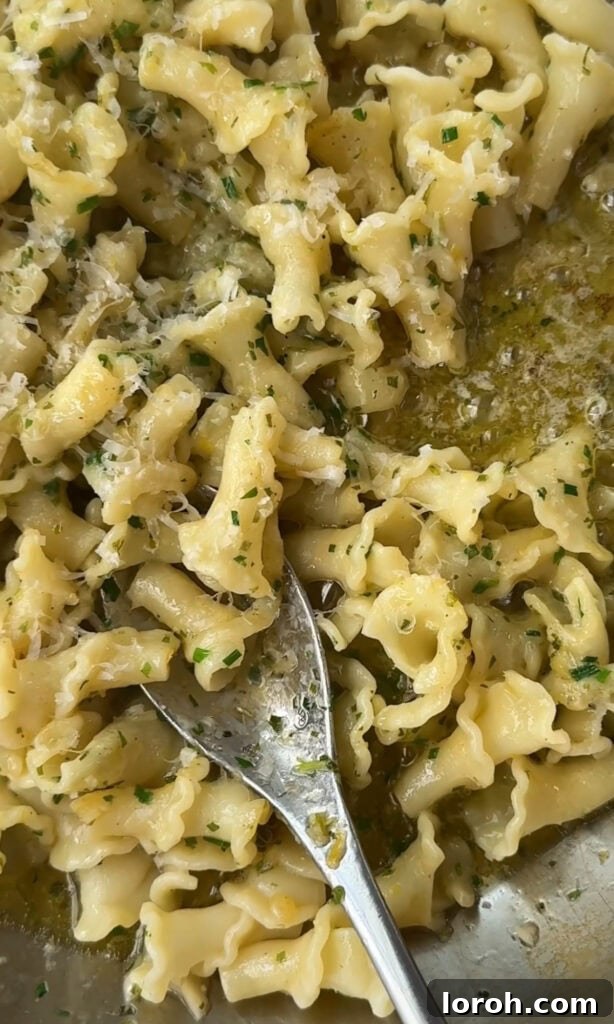
- Steak (The Classic Pairing): This is where cowboy butter truly shines. Whether you have a perfectly grilled ribeye, a pan-seared sirloin, or a roasted tenderloin, a generous pat of chilled cowboy butter placed on top of a hot, resting steak will melt into a luscious, flavorful sauce, enhancing every bite. It’s also fantastic for basting steak during cooking.
- Seafood Sensation: Transform any seafood dish into an unforgettable meal.
- Prawns/Shrimp: Sauté prawns in melted cowboy butter towards the end of their cooking, ensuring they are beautifully coated in its garlicky, herby goodness.
- Scallops: Pan-sear scallops to a golden crust, then finish with a swirl of melted cowboy butter.
- Fish: Drizzle melted cowboy butter over baked or grilled white fish (like cod, halibut, or salmon) for an instant flavor upgrade. It’s particularly delicious on cedar plank salmon.
- Crab Legs & Lobster: Serve it as a warm dipping sauce for steamed crab legs or lobster tails.
- Pasta Perfection: Stir a generous amount of melted cowboy butter into hot, cooked pasta along with a splash of pasta water and a shower of freshly grated Parmesan cheese. This creates an incredibly simple yet profoundly flavorful sauce that coats every strand. It’s especially good with spaghetti or fettuccine.
- Vegetable Enhancement: Bring dull vegetables to life with cowboy butter.
- Roasted Vegetables: Toss warm roasted potatoes, carrots, asparagus, or broccoli with softened cowboy butter after they come out of the oven.
- Corn on the Cob: Slather grilled or boiled corn on the cob with this flavorful butter.
- Baked Potatoes: A dollop on a fluffy baked potato is pure bliss.
- Bread & Appetizers:
- Garlic Bread: Spread softened cowboy butter onto sliced baguette, toast until golden, and you have the most flavorful garlic bread imaginable.
- Crostini: Top toasted crostini with cowboy butter and a sprinkle of fresh herbs.
- Sandwiches: Use it as a spread in gourmet sandwiches, particularly with roast beef or grilled chicken.
- Eggs: Whisk a small amount into scrambled eggs, or melt it over fried eggs for a luxurious breakfast.
- Chicken & Pork: Use it to baste roast chicken, brush it over grilled pork chops, or mix into ground chicken for flavorful burgers.
Truly, the possibilities are endless. Don’t be afraid to experiment and discover your own favorite pairings!
Step-by-Step: Crafting Your Easy Cowboy Butter
Making cowboy butter is a straightforward process, but following these steps carefully will ensure a perfectly blended, flavorful result. While a food processor makes quick work of it, you can also achieve excellent results by hand. For precise measurements, please refer to the detailed recipe card at the bottom of the page.
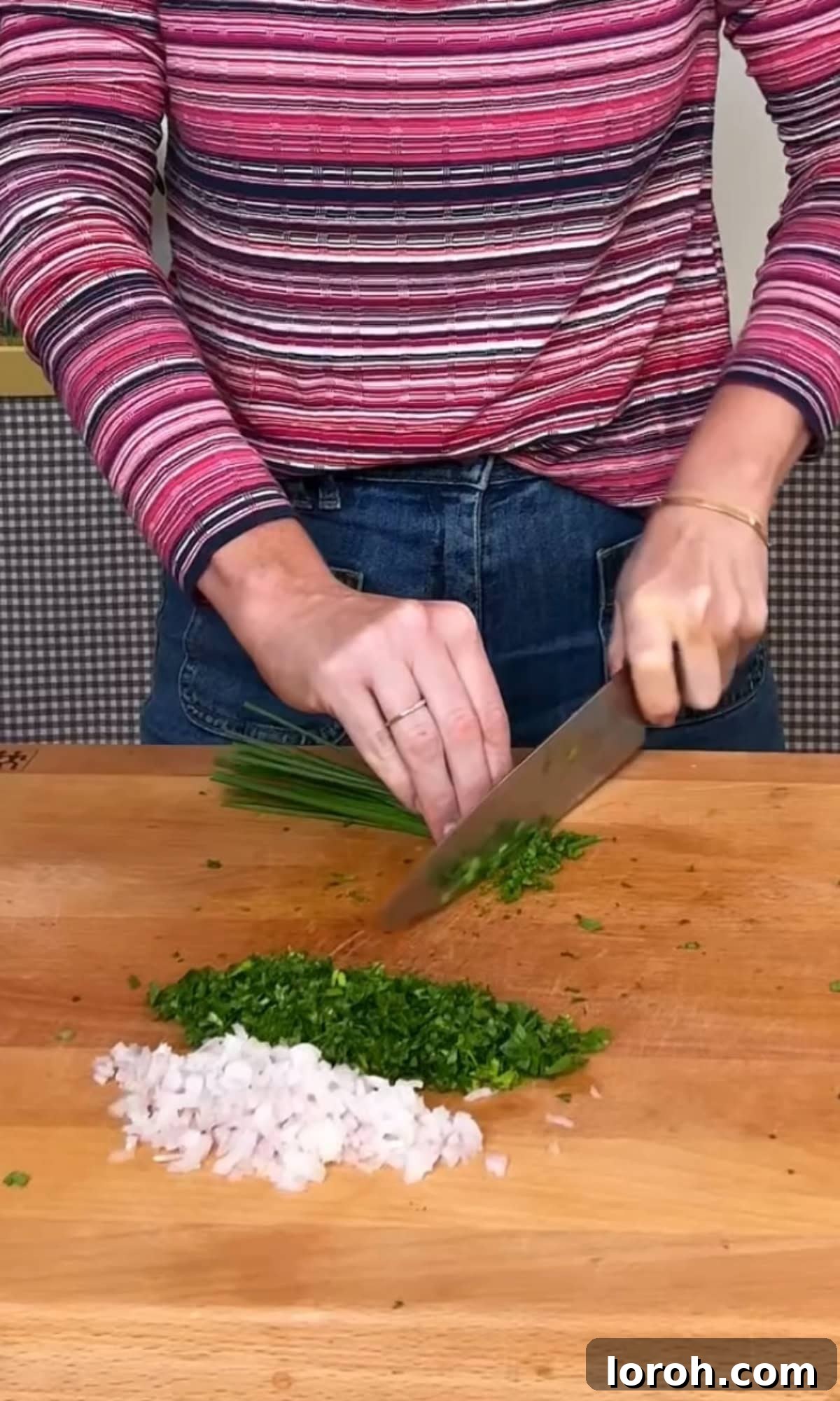
STEP ONE: Begin by preparing your aromatics and herbs. Finely chop the shallot, parsley, and chives. Grate a fresh garlic clove using a microplane or a very fine grater. Ensuring these ingredients are minced very finely is key for even distribution and optimal flavor in your butter.
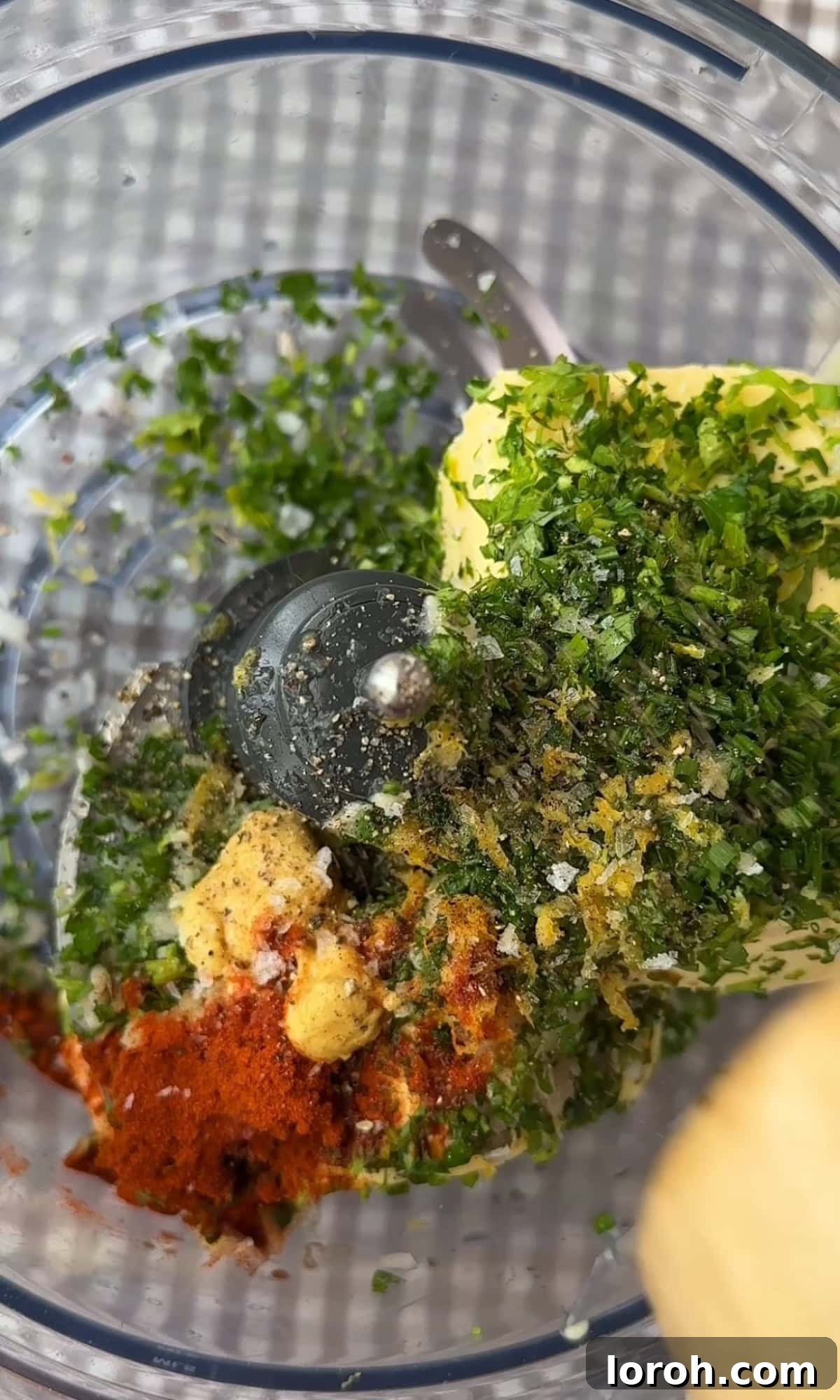
STEP TWO: Place the softened unsalted butter into the bowl of a food processor. Add all your prepared ingredients: the finely chopped shallot, parsley, chives, grated garlic, lemon juice, Dijon mustard, paprika, Worcestershire sauce, and chili flakes. Season with a pinch of flaky sea salt and freshly ground black pepper.
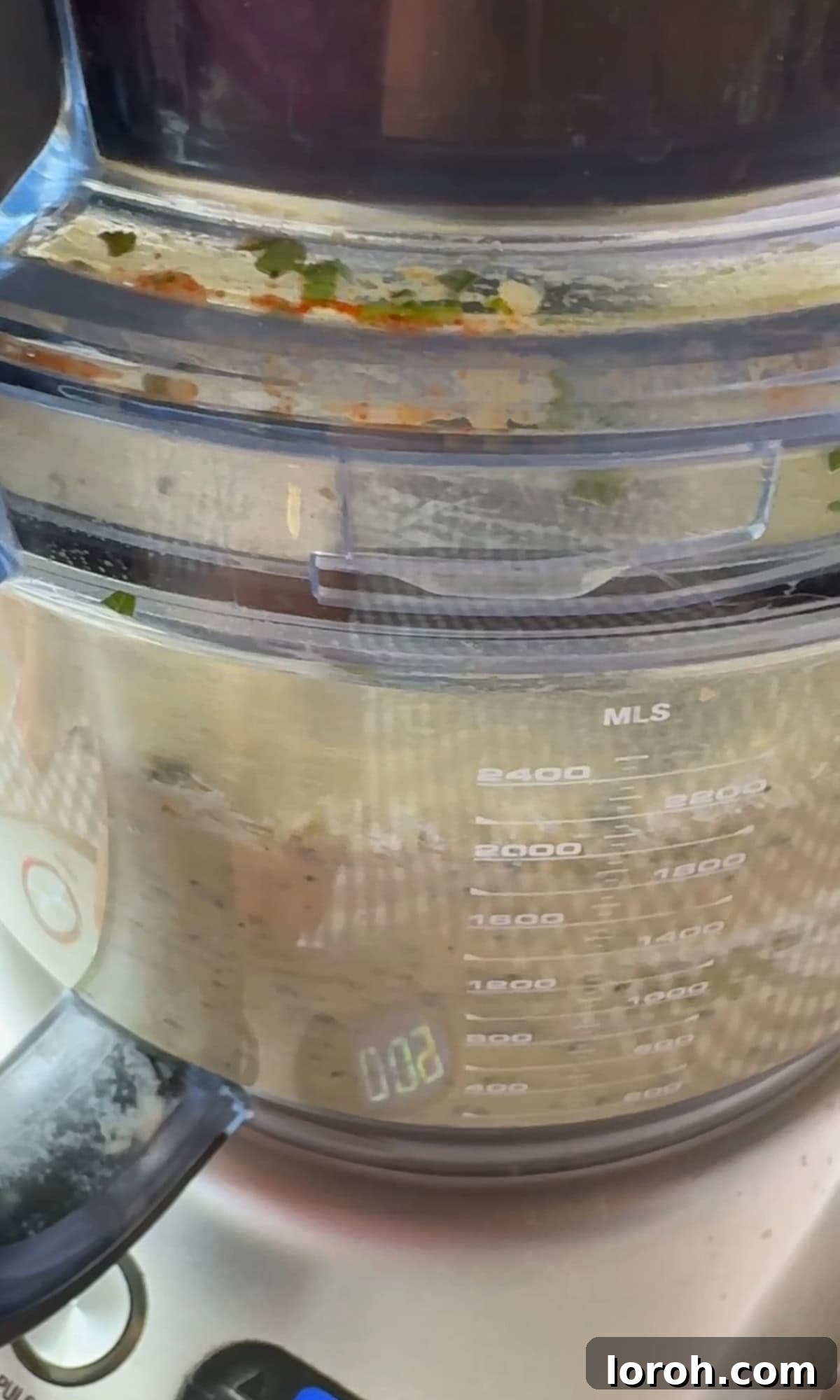
STEP THREE: Secure the lid on your food processor and blend until all the ingredients are thoroughly combined. Scrape down the sides of the bowl as needed to ensure everything is incorporated evenly. The butter should be smooth and consistently flecked with herbs and spices. If mixing by hand, use a sturdy spatula or fork to vigorously combine the ingredients until no streaks of plain butter remain.
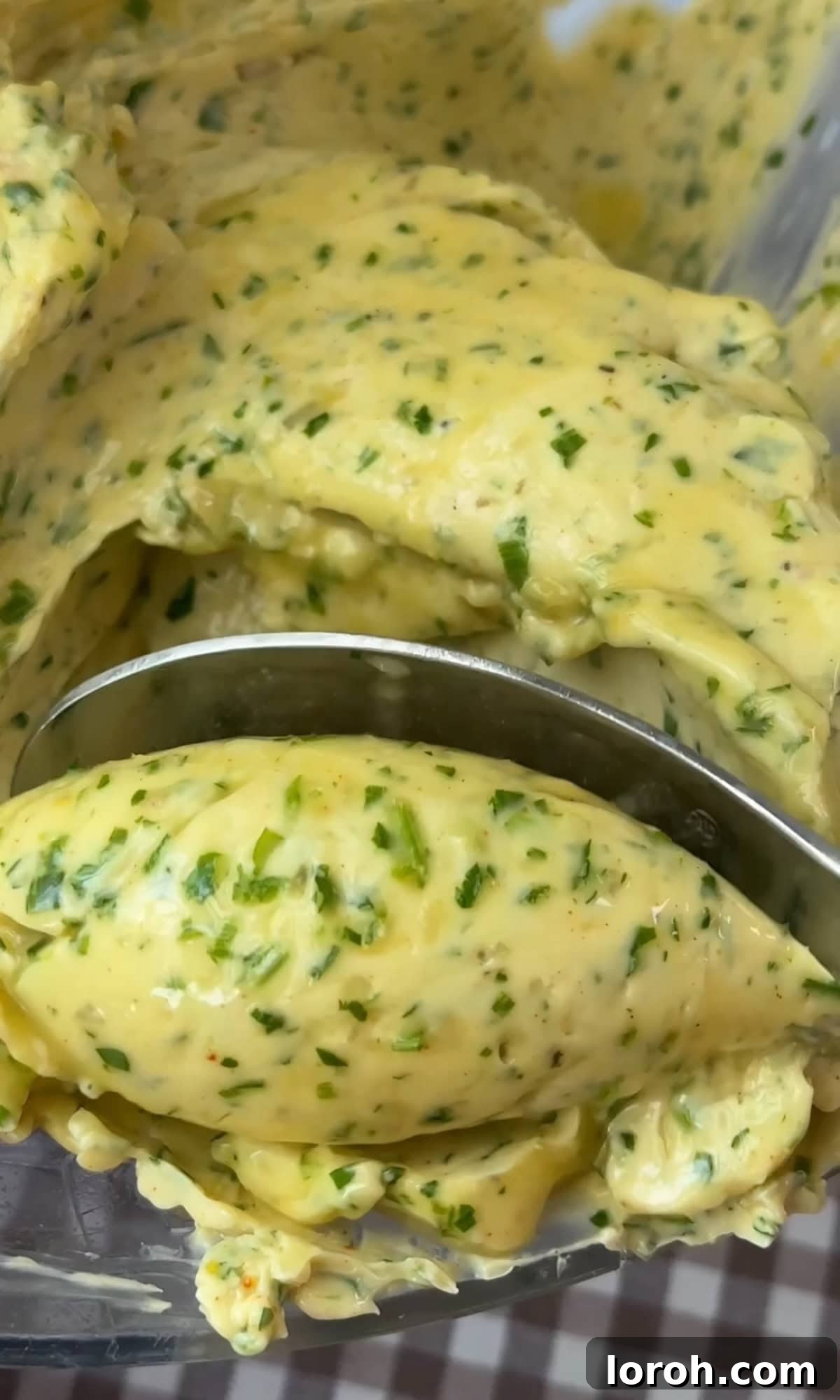
STEP FOUR: Once perfectly mixed, transfer the cowboy butter onto a piece of parchment paper. Roll the paper to form a tight log, twisting the ends to seal. Place the log in the fridge for at least 1-2 hours until it firms up, which will make it easy to slice into neat rounds. Alternatively, you can simply scoop the butter into a ramekin or small airtight container, cover it, and store it in the fridge until ready to use.
Expert Tips for the Best Cowboy Butter
Achieving truly exceptional cowboy butter is simple with a few key techniques. These tips will ensure your compound butter is perfectly textured and bursting with flavor every time.
Start with Softened Butter: This is arguably the most critical tip. It is *really* important that your butter is softened to room temperature before you begin. Cold, hard butter will not combine smoothly with the other ingredients, leading to a lumpy, uneven mixture. Take it out of the fridge at least an hour or two before you plan to make the butter, or gently soften it in the microwave using short, controlled bursts (be careful not to melt it completely).
Finely Chop Everything: While a food processor helps, it’s still crucial to ensure your herbs, shallot, and garlic are very finely chopped or grated before adding them to the butter. If you add large pieces of herbs, especially chives, to the food processor, you might end up with long, straggly bits that don’t get incorporated well into the butter, resulting in an inconsistent texture and appearance. Pre-chopping ensures a homogeneous mix and better flavor distribution.
Taste and Adjust Seasoning: Just like any good chef, always taste your cowboy butter before chilling it. Depending on the saltiness of your butter (even unsalted can vary slightly) and your personal preference, you may want to add a little more salt, a dash more lemon juice for brightness, or extra chili flakes for more heat. Don’t be afraid to adjust until it’s perfect for your palate.
Quality Ingredients Matter: Since butter is the star, using a good quality unsalted butter will significantly impact the final flavor. Similarly, fresh herbs are indispensable; dried herbs simply won’t provide the same vibrant taste and aroma. Fresh lemon juice, finely grated garlic, and a good brand of Dijon mustard and Worcestershire sauce will all contribute to a superior finished product.
Chill Thoroughly: If you plan to serve your cowboy butter as a compound butter (sliced), ensure it’s thoroughly chilled until firm. This not only makes slicing easier but also allows the flavors to meld beautifully. Rushing this step can lead to a messy, difficult-to-handle butter.
Storing and Enjoying Your Cowboy Butter
Proper storage is key to extending the life of your homemade cowboy butter and ensuring it’s always ready to elevate your next meal.
Refrigerator Storage (Compound Butter): For optimal freshness and flavor, wrap your cowboy butter log tightly in parchment paper, then further secure it with plastic wrap or aluminum foil. Stored this way, it will last beautifully in the fridge for up to 2 weeks. Alternatively, you can keep it in an airtight butter dish or ramekin, covered with plastic wrap, to prevent it from absorbing other odors from your refrigerator.
Freezer Storage (Compound Butter): Cowboy butter freezes exceptionally well. Wrap the log tightly in parchment paper, then in two layers of plastic wrap, followed by a layer of aluminum foil, or place it in a freezer-safe bag or container. It can be frozen for up to 6 months, although I find it’s best enjoyed within 3-4 months for peak freshness. To use, thaw it overnight in the fridge before use.
Reheating Melted Butter: If you’ve opted for melted cowboy butter and have leftovers, or simply want to soften chilled compound butter for dipping, gently reheat it. Give it a few short blasts (10-15 seconds) in the microwave on a low setting, stirring in between, just until it softens to a dippable consistency rather than fully melting and separating. You can also gently warm it in a small saucepan over very low heat.
Making it Melted from the Start: If you prefer a melted sauce from the outset, here’s how to prepare it:
- Gently melt the butter in a small saucepan over low heat. Add the finely chopped shallot while the butter is melting, allowing it to soften slightly.
- Remove the pan from the heat. Whisk in the lemon juice, Dijon mustard, paprika, Worcestershire sauce, grated garlic, fresh herbs (parsley and chives), and chili flakes.
- Serve warm immediately as a pourable sauce, a rich dipping butter, or for basting your favorite grilled foods. Note that this melted version doesn’t store as well as the compound butter, so it’s best made fresh.
Frequently Asked Questions About Cowboy Butter
Here are answers to some of the most common questions about making and enjoying cowboy butter, ensuring you get the most out of this incredible condiment.
Is cowboy butter supposed to be melted or solid?
Cowboy butter is wonderfully versatile and can be enjoyed in both melted and solid forms. I personally prefer it as a chilled compound butter because it offers multiple uses, such as slicing it onto a resting steak or spreading it on bread. However, melted cowboy butter is fantastic for drizzling over dishes or as a dipping sauce for seafood. Your preference ultimately depends on how you plan to use it (refer to the “Two Ways to Enjoy Cowboy Butter” section above for a full breakdown).
How long does cowboy butter keep in the fridge or freezer?
As a chilled compound butter, cowboy butter has excellent keeping qualities. When tightly wrapped in parchment paper and stored in an airtight container or butter dish, it will last for approximately 2 weeks in the fridge. For longer storage, you can freeze it for 3-6 months. While it remains safe to eat after this period, I find that its vibrant fresh herb flavors are best within the first 3-4 months. To use frozen butter, simply thaw it overnight in the refrigerator before incorporating it into your cooking.
Can I use salted butter in cowboy butter?
Yes, you can certainly use salted butter for your cowboy butter recipe. However, if you opt for salted butter, it’s crucial to be cautious when adding additional salt. I recommend omitting the extra flaky sea salt initially, blending all other ingredients, then tasting the butter. You can then gradually add small pinches of salt, tasting as you go, until you reach your desired level of seasoning.
How can I make dairy-free cowboy butter?
Making dairy-free cowboy butter is straightforward and yields similarly delicious results. The key is to use a high-quality plant-based butter alternative. Look for block-style plant butter (like Flora Unsalted Block, which is a great option), as these tend to have a better texture and flavor profile for compound butters compared to tub spreads. You could also use an olive oil-based spread in place of traditional unsalted butter, ensuring it’s softened to room temperature before mixing.
Can I make cowboy butter ahead of time?
Absolutely! Cowboy butter is an excellent make-ahead condiment, which is one of its many advantages. Preparing it in advance allows the flavors to meld and deepen, often resulting in an even more robust and harmonious taste. Simply prepare it as a compound butter, roll it into a log, and store it in the refrigerator or freezer as outlined in the storage section. This makes it perfect for meal prepping, entertaining, or having a gourmet touch readily available whenever inspiration strikes.
Explore More Flavorful Butter Recipes
If you’ve fallen in love with the vibrant flavors of cowboy butter, you’re in for a treat! There’s a whole world of enhanced butter recipes waiting to transform your cooking. Here are some complementary recipes and serving suggestions that will further expand your culinary repertoire:
Cowboy butter is an exceptional accompaniment for a perfectly cooked sirloin steak or a robust rump steak. It also adds a sublime touch to this mouthwatering rib eye steak frites sandwich, making it an instant gourmet meal. If you enjoy the concept of flavored butters, explore these other delightful creations:
Side Dishes
Whipped Brown Butter with Roasted Garlic
Side Dishes
Easy Whipped Brown Butter
Breakfast & Brunch
Granola Butter
Breakfast & Brunch
Whipped Honey Butter
If you tried this Cowboy Butter or any other recipe on the site, please do leave a rating or comment and let us know how it went! Your feedback is incredibly valuable to us.
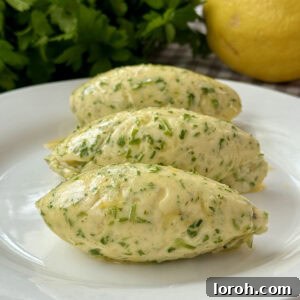
Easy Cowboy Butter
A bold, garlicky compound butter with lemon, mustard, paprika and chilli, this is cowboy butter. It’s perfect for steak, seafood and dipping.
Rate Recipe
Print Recipe
Ingredients
- 120 g unsalted butter, softened
- 2 tbsp fresh parsley, very finely chopped
- 1 small shallot, very finely chopped
- 8 chives, very finely chopped
- 1 garlic clove, finely grated
- 2 tsp lemon juice
- 1 tsp Dijon mustard
- ¾ tsp paprika
- ½ tsp Worcestershire sauce
- ½ tsp chilli flakes
- Pinch of flaky sea salt, or to taste
- Freshly ground black pepper, to taste
Instructions
- Place the softened butter in a food processor. (Alternatively, use a mixing bowl and a fork or spatula for a more rustic texture.)
- Add the shallot, parsley, chives, garlic, lemon juice, Dijon mustard, paprika, Worcestershire sauce, chilli flakes, salt, and black pepper.
- Blend in the food processor until everything is well combined and the butter is mixed evenly with herbs. If mixing by hand, work the ingredients together until fully incorporated.
- Check the seasoning, adding a little more salt, pepper, or lemon juice if needed.
- Spoon the butter onto a piece of parchment paper, pinch the edges of the paper, and roll into a log. Place in the fridge until firm to make it easy to slice. Or, keep it in a ramekin, covered, in the fridge.
- A visual guide to these steps can be found in the instructional photos above.
Notes
Scroll up for a step by step guide on how to make cowboy butter with accompanying images.
To store: Wrap tightly in parchment paper and store in the fridge for up to 2 weeks. Or keep in a ramekin, covered with plastic wrap/clingfilm.
To reheat: If you want it dippable, just give it a few short blasts in the microwave to soften it, rather than totally melt it. Stir well after heating.
To freeze: Wrap well and freeze for up to 6 months; thaw overnight in the fridge before use.
Make it melted:
- Gently melt the butter in a small saucepan. Add the shallot whilst melting to soften.
- Remove from heat and whisk in lemon juice, Dijon mustard, paprika, Worcestershire sauce, garlic, herbs and chilli flakes.
- Serve warm as a sauce, dip or basting butter.
Nutrition
Calories: 221kcal,
Carbohydrates: 1g,
Protein: 1g,
Fat: 24g,
Saturated Fat: 15g,
Polyunsaturated Fat: 1g,
Monounsaturated Fat: 6g,
Trans Fat: 1g,
Cholesterol: 65mg,
Sodium: 32mg,
Potassium: 51mg,
Fiber: 0.4g,
Sugar: 0.3g,
Vitamin A: 1266IU,
Vitamin C: 5mg,
Calcium: 17mg,
Iron: 0.4mg
Nutrition information is automatically calculated, so should only be used as an approximation and can vary based on specific ingredients and preparation.
Like this? Leave a comment below!
Your feedback helps others discover delicious recipes.