
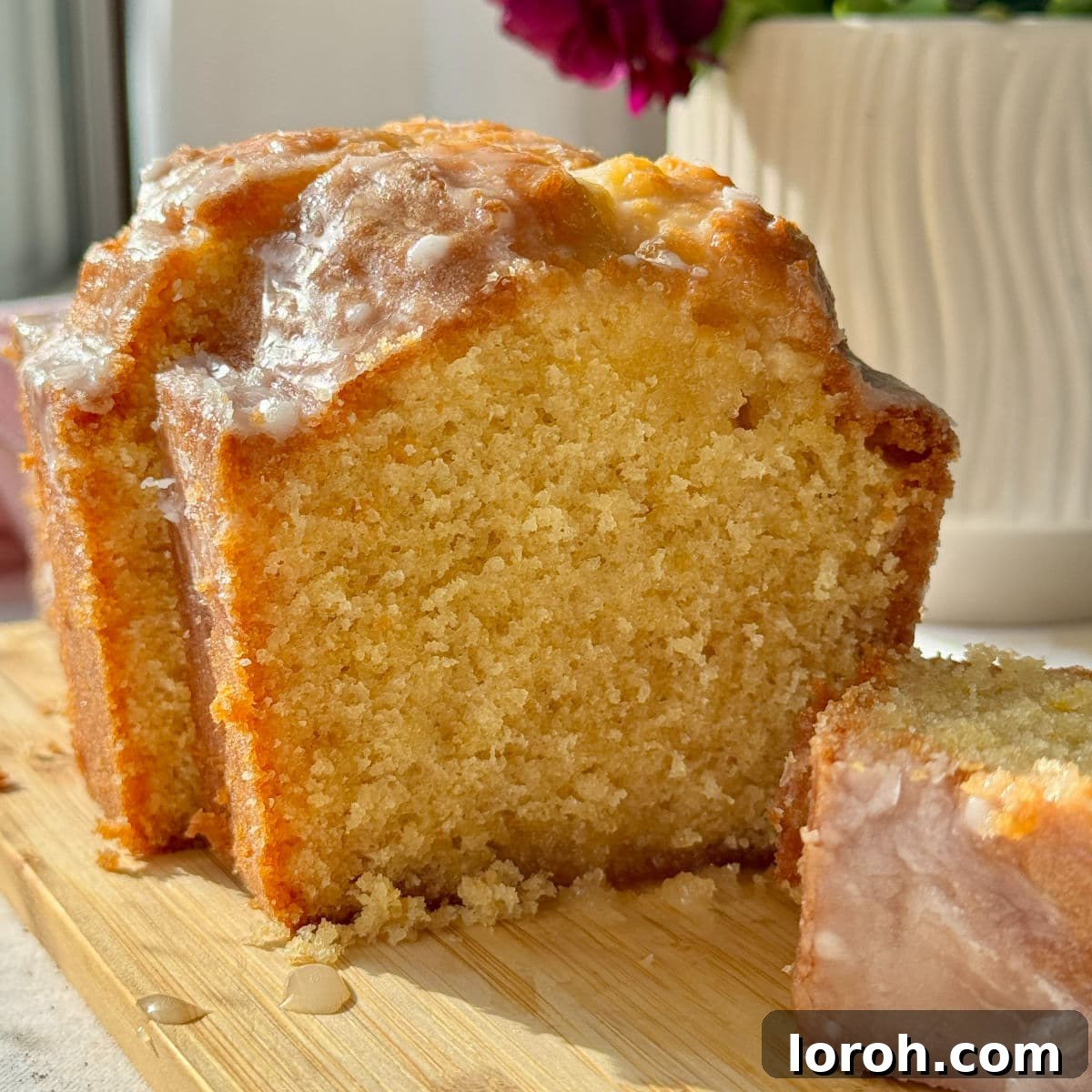
There are few things as comforting and universally loved as a perfectly baked lemon loaf cake. This truly timeless classic is a staple in British baking, celebrated for its exquisite balance of zesty freshness and rich, comforting sweetness. Imagine an unbelievably soft, incredibly moist sponge, generously infused with a vibrant, tangy lemon drizzle that soaks deep into every crumb. It’s a combination that’s not just delicious, but utterly irresistible, promising a delightful treat with every single slice. Best of all? This beloved classic is surprisingly simple to prepare, requiring minimal effort with most of the hard work handled by your oven. In fact, many consider this to be one of the easiest, yet most rewarding, cake recipes you’ll ever encounter.
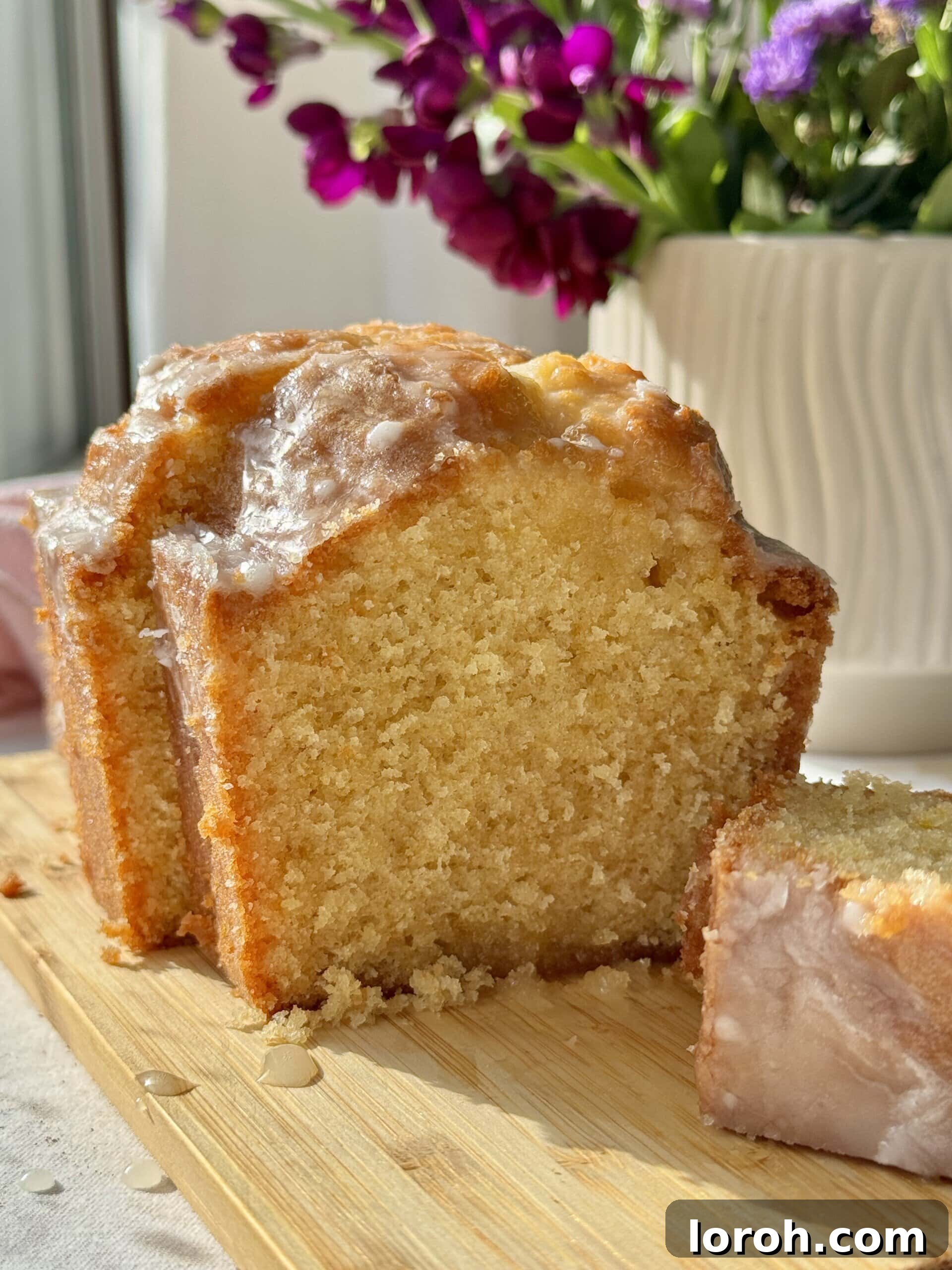
This lemon loaf cake consistently exceeds expectations, often tasting far more sophisticated than its humble origins suggest. The true magic lies in the simplicity of its ingredients and method. You’ll only need 7 incredibly affordable and accessible ingredients, many of which are likely already in your pantry. The preparation couldn’t be easier: simply combine all the cake ingredients in a food processor, give them a quick blitz until smooth, pour the batter into your prepared tin, and let the oven work its magic. As your kitchen fills with the intoxicating aroma of tangy lemons baking, you’ll whip up the quick and vibrant lemon drizzle. Once the cake is baked and still warm, a few gentle pokes with a skewer allow that luscious drizzle to seep deep into the sponge, saturating it with bright, zesty flavor. It truly is that straightforward to create a dessert that tastes like it came from a professional bakery.
While this delightful lemon loaf can be enjoyed year-round, its bright, refreshing citrus notes make it an absolute showstopper for spring celebrations like Mother’s Day and Easter. There’s something inherently uplifting about citrus flavors that perfectly complements the season of renewal. This recipe stands alongside other easy bakes like a raspberry, almond, and ricotta cake or a classic gateau au yaourt as an ideal choice for effortless entertaining. Using a food processor might seem unconventional for a cake, but it’s a brilliant shortcut that eliminates the need for extensive mixing and saves on “elbow grease” – a welcome advantage in any busy kitchen! If you prefer a more traditional approach, a bowl and wooden spoon will certainly do the trick, though it may take a little longer. Alternatively, a hand-held electric mixer or a stand mixer will also make light work of the batter.
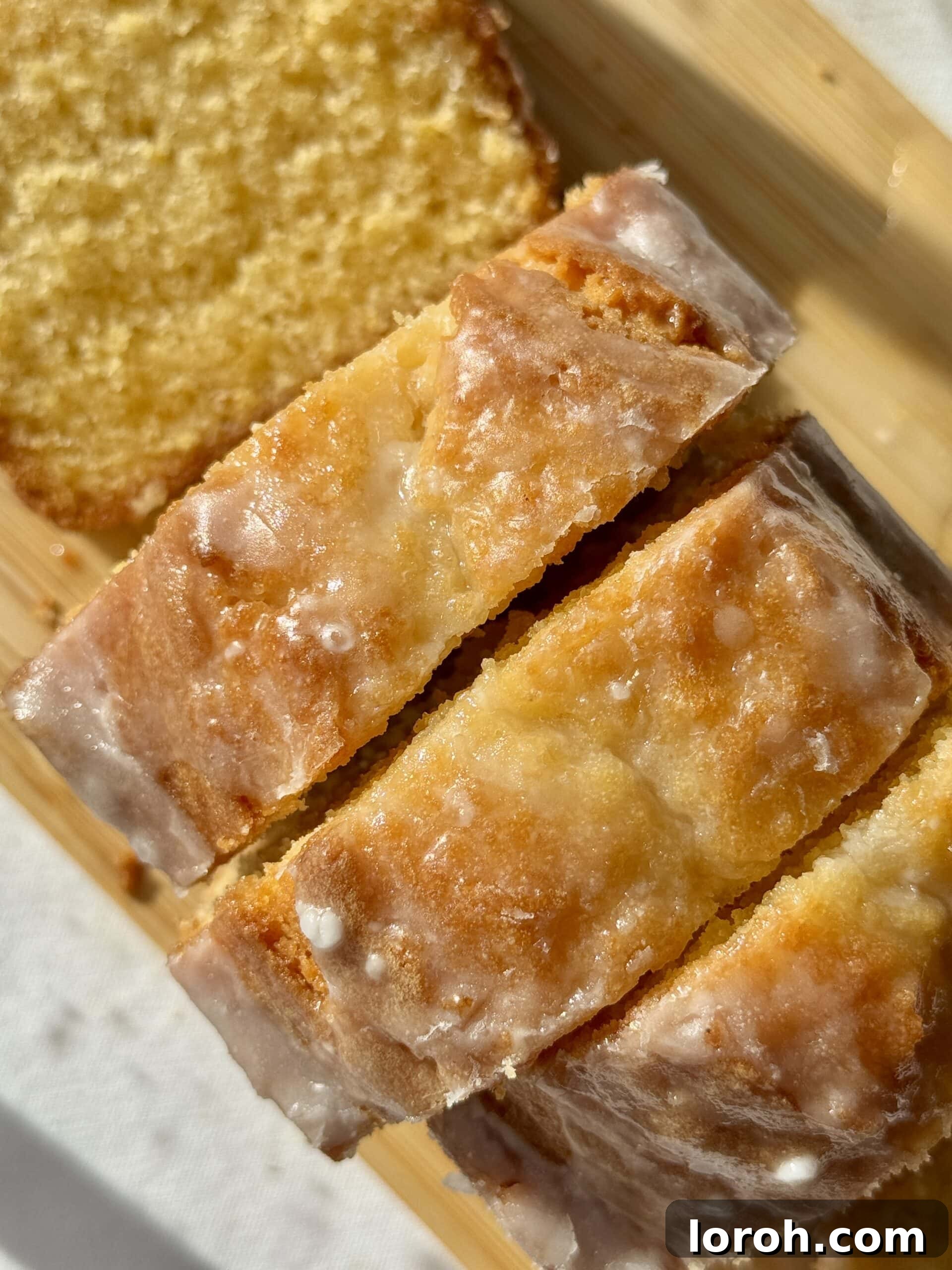
One of the most remarkable qualities of this lemon loaf is that it often tastes even better on the second day. This isn’t just a myth; it’s a delicious reality! The extra time allows the tangy lemon drizzle to fully permeate and infuse into the sponge, enhancing its moisture and deepening its exquisite flavor profile. Once cooled, the cake can be stored in a sealed airtight container at room temperature for up to 3 days, maintaining its freshness and deliciousness. For longer storage, slices or the whole loaf can be well-wrapped and frozen for up to 3 months, ready to be defrosted and enjoyed whenever a craving strikes. While delicious on its own, I particularly love to serve this cake adorned with a scattering of plump, juicy raspberries and a delicate dusting of icing sugar. The vibrant contrast between the sweet-tart berries and the zesty lemon creates a truly spectacular flavor experience. Any seasonal berries, however, would be a wonderful complement.
Table of Contents
- Why You Will Love This Lemon Loaf Cake Recipe
- Essential Ingredients for Your Lemon Loaf
- Creative Substitutions and Delicious Variations
- Step-by-Step Guide: How To Make The Perfect Lemon Loaf Cake
- Expert Baking Tips for Success
- Frequently Asked Questions About Lemon Loaf Cake
- Other Zesty Recipes You Might Like
- Made This Recipe and Loved It?
- Printable Lemon Loaf Cake Recipe Card
Why You Will Love This Lemon Loaf Cake Recipe:
- Effortlessly Quick & Easy: This is a remarkably quick and easy cake recipe, designed for maximum flavor with minimum fuss. The entire batter comes together in a single bowl (or, more precisely, a food processor!), significantly cutting down on cleanup time.
- Perfectly Moist & Zingy: Prepare for a truly sensational texture. The cake boasts an incredibly moist and tender crumb, perfectly balanced with a wonderfully zingy lemon flavor that brightens every bite.
- A Crowd-Pleasing Classic: There’s a reason this cake is a beloved classic; everyone adores it! It’s the ideal treat for “elevenses,” a sophisticated afternoon tea, or simply a comforting snack any time of day.
- Budget-Friendly & Simple Ingredients: Made with just 7 common ingredients, this recipe is incredibly budget-friendly. You likely already have everything you need in your kitchen, making it a spontaneous bake anytime the craving strikes.
- Keeps Beautifully: This cake actually improves with age! The lemon drizzle has more time to permeate the sponge, making it even more delicious the day after baking. It stores well, and it freezes beautifully too.

Essential Ingredients for Your Lemon Loaf
For the exact recipe, including precise measurements and a full list of ingredients, please refer to the detailed recipe card at the bottom of this page.
Eggs: Always opt for large, free-range eggs for the best flavor and texture. In the UK, look for eggs stamped with the British Lion mark for quality assurance. Eggs provide structure, richness, and help bind the cake ingredients together, contributing to its moist texture.
Self-Raising Flour: Also known as ‘self-rising flour’ in some regions, this is a blend of plain flour with a leavening agent already added. It’s crucial for achieving that wonderfully light and airy texture in your lemon loaf cake. If you only have plain flour, you can create your own by adding 1.5 teaspoons of baking powder per 150g of plain flour.
Baking Powder: Not to be confused with bicarbonate of soda (which serves a different chemical purpose in baking!), baking powder works alongside the self-raising flour to give the lemon loaf cake an additional lift, ensuring it rises beautifully and has a tender, delicate crumb.
Caster Sugar: This fine-grain sugar dissolves easily, contributing both sweetness and a delicate texture to the cake. It plays a vital role in creating that beautifully moist and tender crumb that defines a perfect loaf cake. Its fine crystals blend seamlessly into the batter.
Unsalted Butter: Choosing unsalted butter allows you complete control over the salt levels in your lemon loaf cake. Critically, ensure your butter is at a true room temperature, slightly softened but not melted, before you begin. Cold butter will not cream properly with the sugar, leading to a lumpy batter and a denser cake.
Lemons: These are the star of the show, delivering that signature bright and tangy flavor! You’ll use the finely grated zest in the cake batter to infuse it with intense lemon oil, and the fresh juice for the irresistible lemon drizzle, ensuring nothing goes to waste and maximizing that vibrant citrus punch.
Icing Sugar: Also referred to as ‘powdered sugar’ or ‘confectioners’ sugar,’ icing sugar is essential for creating the smooth, glistening, and perfectly zesty lemon drizzle that tops this cake. Beyond its flavor contribution, a light dusting or thick glaze of icing sugar also adds a lovely decorative touch and a hint of balanced sweetness to complement the citrus notes.
Creative Substitutions and Delicious Variations
While this classic lemon loaf is perfect as is, it’s also incredibly versatile and open to delicious adaptations. Feel free to experiment with these ideas to tailor the cake to your taste or the occasion:
Vanilla Icing Sugar: For a subtle yet enchanting twist, seek out vanilla-infused icing sugar for your drizzle and decoration. The delicate hint of vanilla adds a beautiful layer of sweetness and aroma that perfectly complements the bright lemon, creating a more complex and indulgent flavor profile.
Alternative Sugars: Don’t have caster sugar on hand? No problem! You can easily swap it for granulated sugar or golden caster sugar. The texture might vary ever so slightly, but the delicious outcome will remain. Golden caster sugar, in particular, will add a touch of caramel-like warmth to the cake.
A Touch of Indulgence with Whipped Cream: Elevate your slices of lemon loaf into a truly luxurious dessert by serving them alongside a generous dollop of freshly whipped cream. For an extra citrusy kick and a truly decadent experience, swirl a spoonful of homemade or store-bought lemon curd through the whipped cream.
Burst of Berries: A sprinkle of fresh, vibrant berries is the ultimate complement to the zesty lemon loaf. While raspberries are my personal favorite for their sweet-tart pop, feel free to use whatever seasonal berries you love most. Juicy strawberries, sweet blueberries, earthy blackberries, or even pitted cherries would be fantastic. If fresh berries aren’t available, a fruity berry coulis or a high-quality compote (like Bonne Maman’s delightful cherry compote) makes an excellent accompaniment.
Fresh Mint Garnish: For a beautiful pop of color and an invigorating, refreshing aroma, consider decorating your finished cake with a few sprigs of fresh mint. The cool, crisp notes of mint surprisingly enhance the bright lemon flavor, making for an elegant presentation.
Elegant Candied Lemon: If you’re baking this lemon loaf cake for a special occasion or simply wish to impress, adorn it with homemade or store-bought candied lemon slices or delicate shreds. Their shimmering appearance and intense lemon flavor add a touch of gourmet sophistication. For a more playful touch, consider using lemon jelly sweets or even these charming lemon jelly slices as a fun garnish.
Step-by-Step Guide: How To Make The Perfect Lemon Loaf Cake
This simple step-by-step guide is designed to help you create this easy and delicious cake with confidence. As always, the full, detailed recipe card with precise measurements and timings is available below at the bottom of the page.
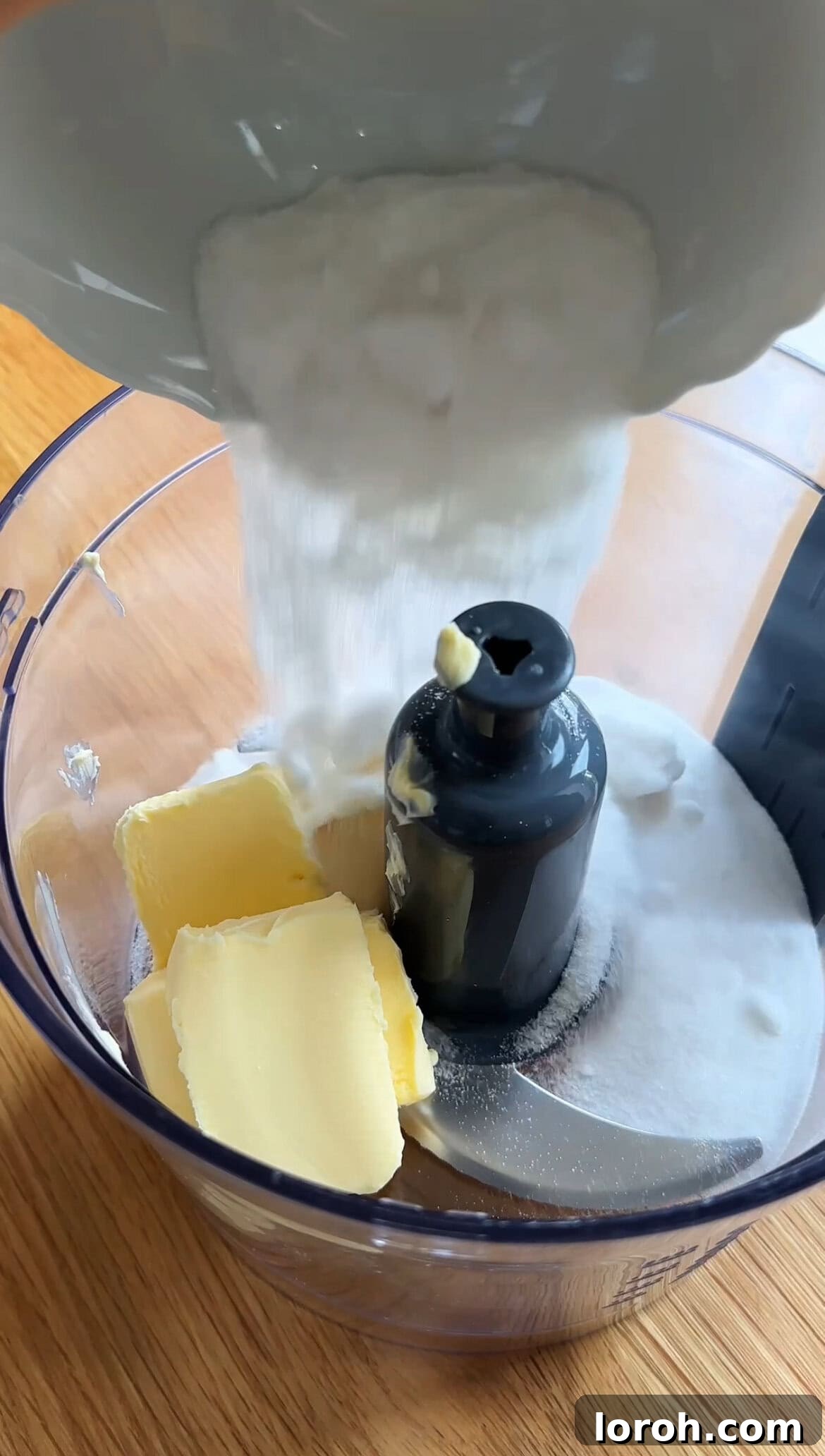
ONE: Prepare Your Oven and Tin. Begin by preheating your oven to 180°C (160°C Fan/350°F). While the oven heats, prepare your 900g (2lb) loaf tin. Generously grease the tin, then line it with non-stick baking paper, leaving an overhang on the long sides to easily lift the cake out later. (Typical dimensions for a 2lb loaf tin are around 24cm x 10cm, but they can vary).
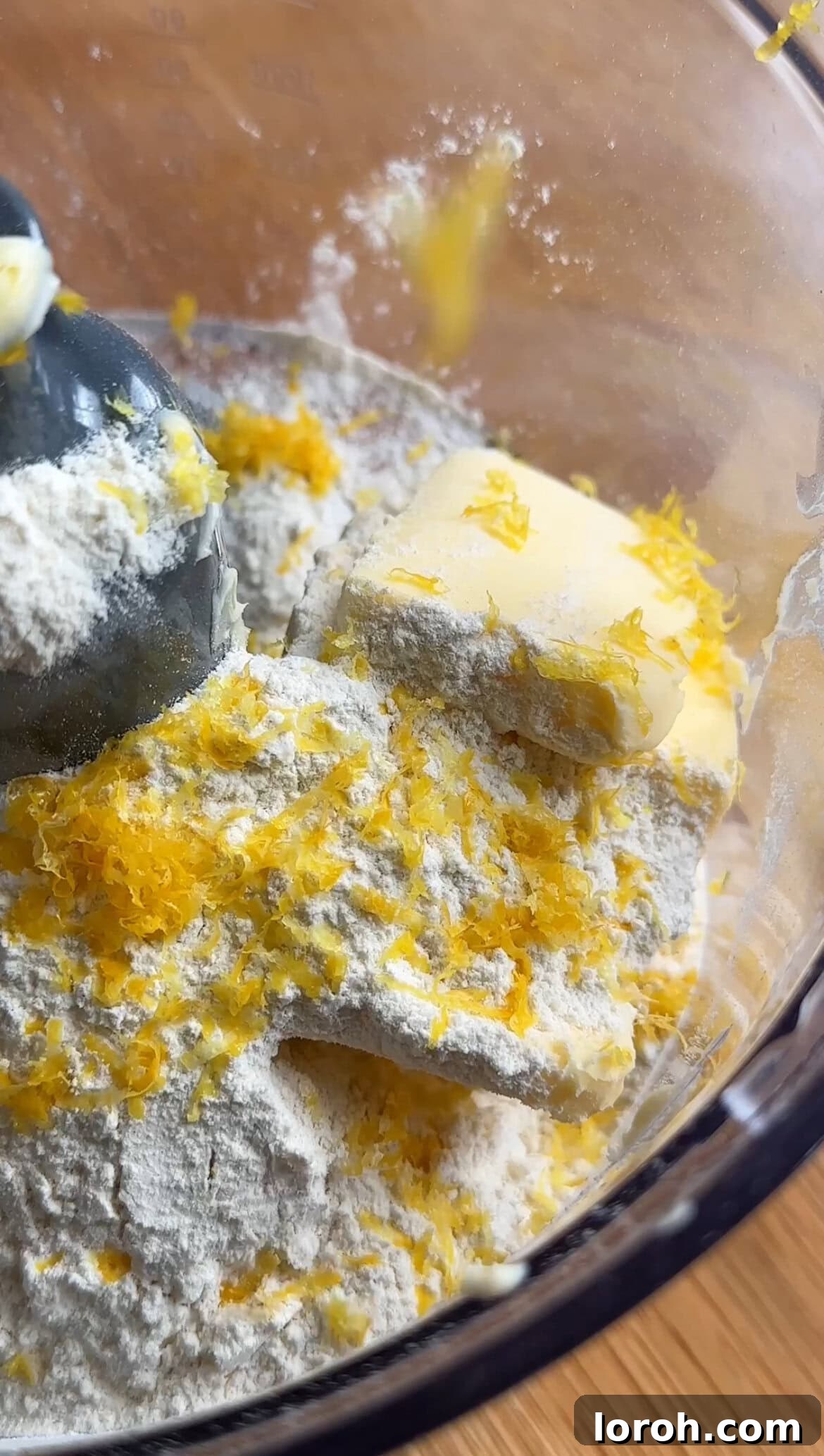
TWO: Combine Dry & Wet Ingredients (Except Eggs). Into the bowl of your food processor, add the self-raising flour, baking powder, caster sugar, softened unsalted butter (diced), and the vibrant lemon zest. Ensure your butter is truly at room temperature for the best results, as this will help it blend smoothly.
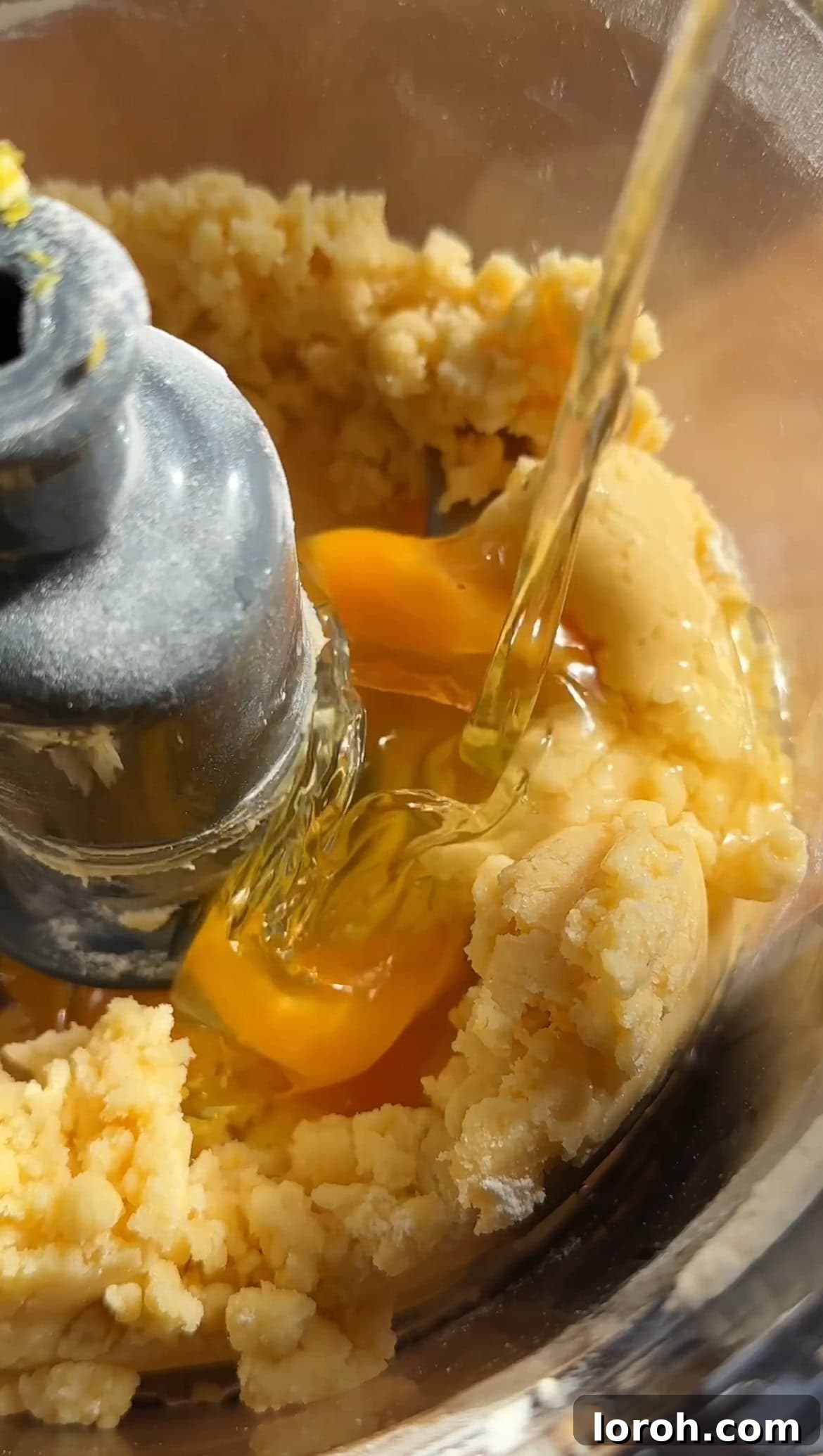
THREE: Add the Eggs. Crack the eggs directly into the food processor bowl with the other ingredients. Make sure you’ve added the correct number of eggs as specified in the recipe card, as they are essential for moisture and binding.
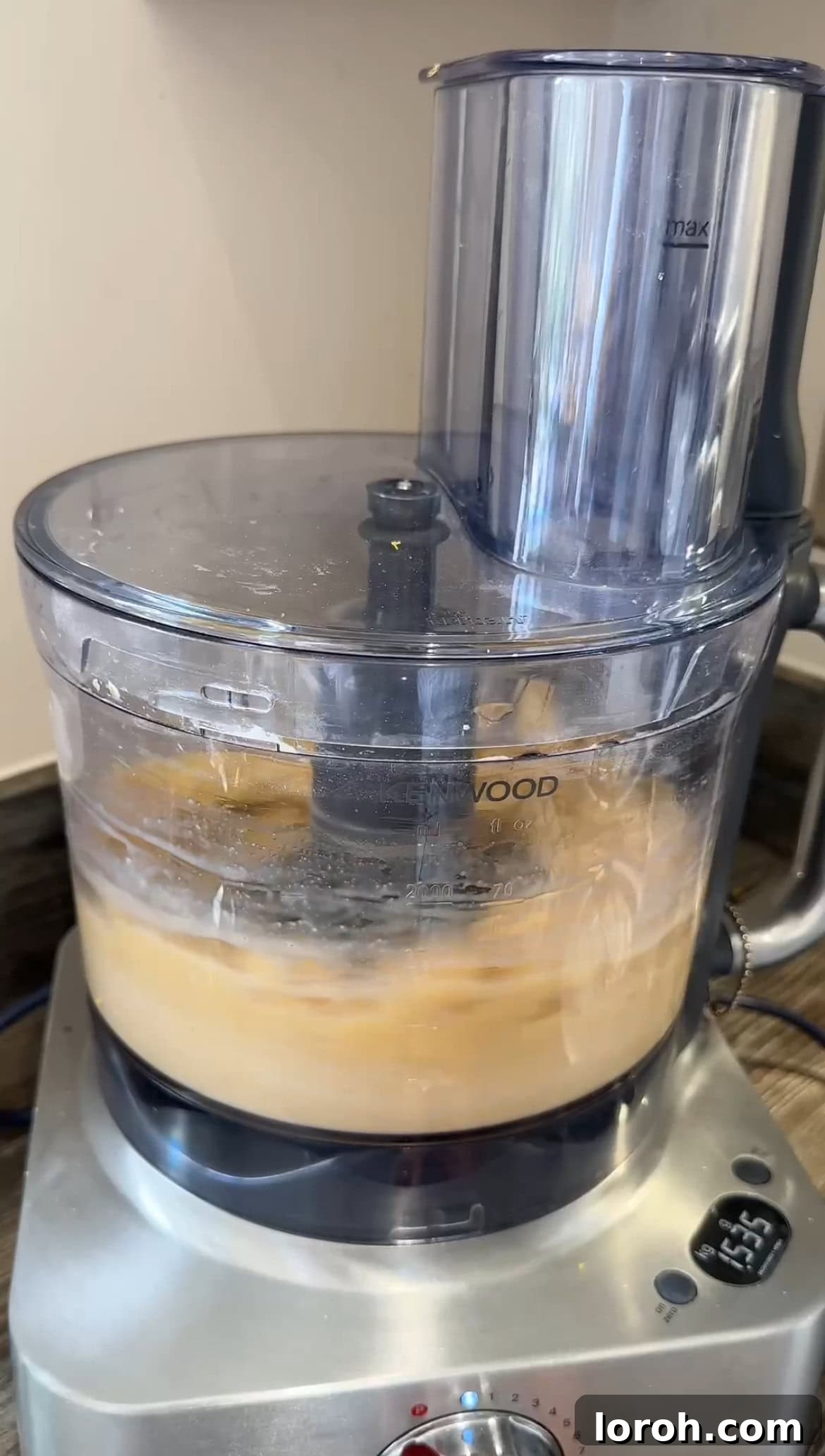
FOUR: Blitz to a Smooth Batter. Secure the lid on your food processor and blitz the ingredients together until they are fully combined and form a smooth, uniform cake batter. This process should only take a minute or two. Avoid over-mixing, as this can lead to a tough cake.
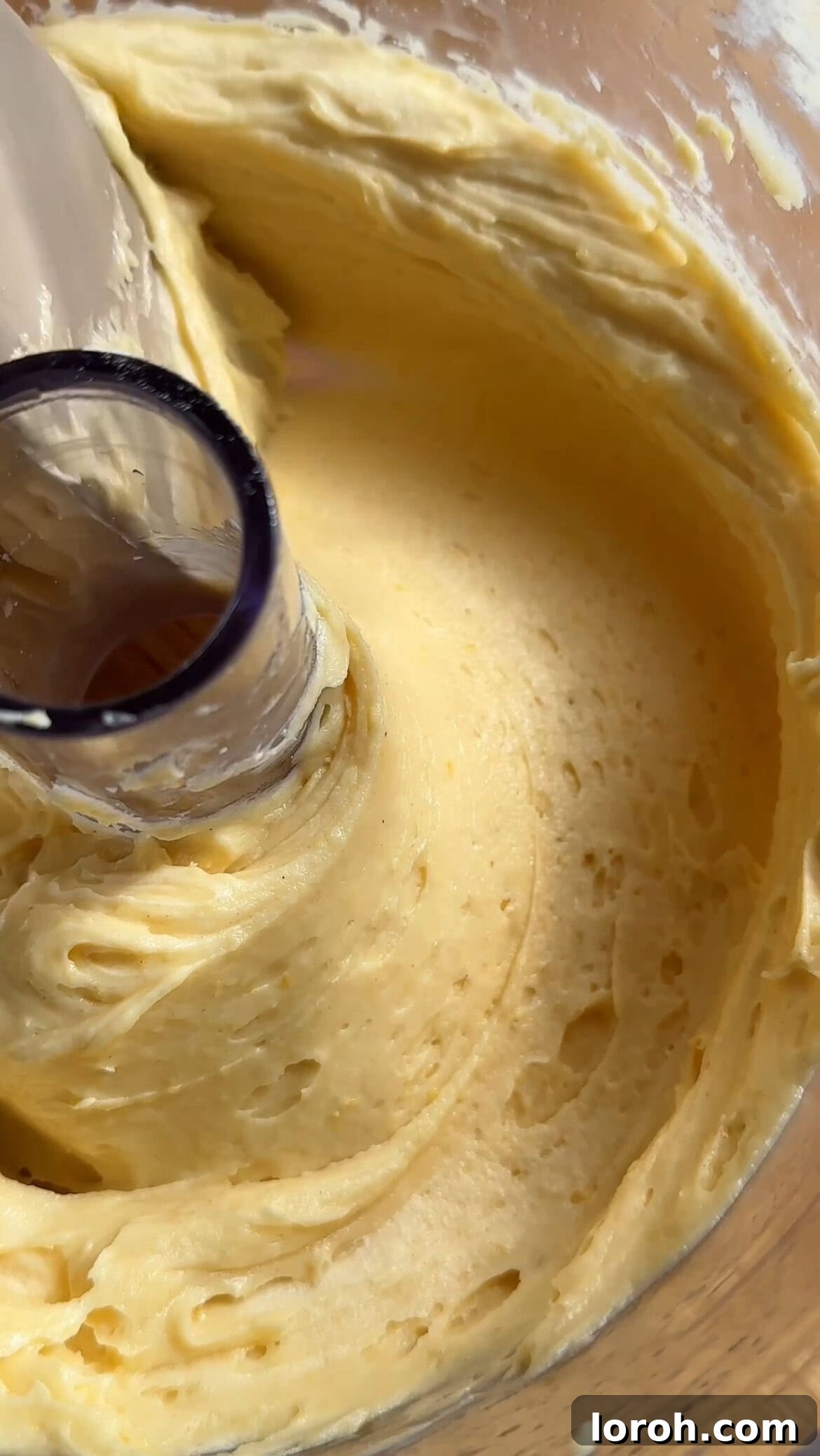
FIVE: Check for Smoothness. The resulting mixture should be a beautifully smooth, lump-free cake batter. Take a moment to scrape down the sides of the food processor bowl with a spatula to ensure all ingredients are thoroughly incorporated. Repeat blitzing briefly if needed.
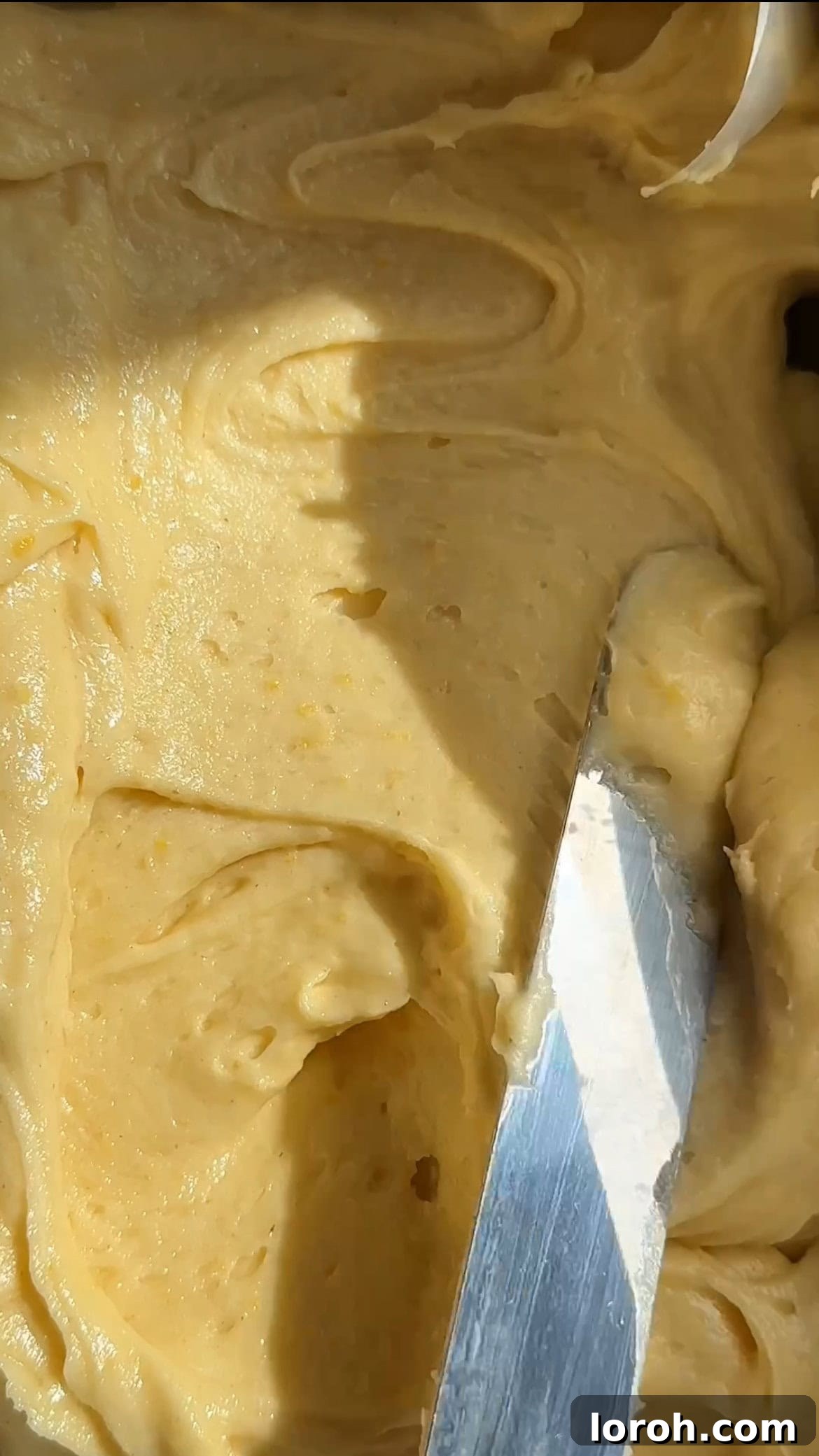
SIX: Bake the Loaf. Carefully scrape the smooth cake batter into your prepared loaf tin, leveling the top with your spatula. Bake in the preheated oven for approximately 30-35 minutes. The cake is ready when it’s well-risen, golden brown, springs back gently to the touch, and a skewer inserted into the center comes out completely clean.

SEVEN: Prepare the Lemon Drizzle. While your lemon loaf is baking, prepare the essential drizzle. Sieve the icing sugar into a medium-sized bowl to remove any lumps. Gradually mix in the freshly squeezed lemon juice until you achieve a smooth, pourable icing with a delightful tangy aroma.
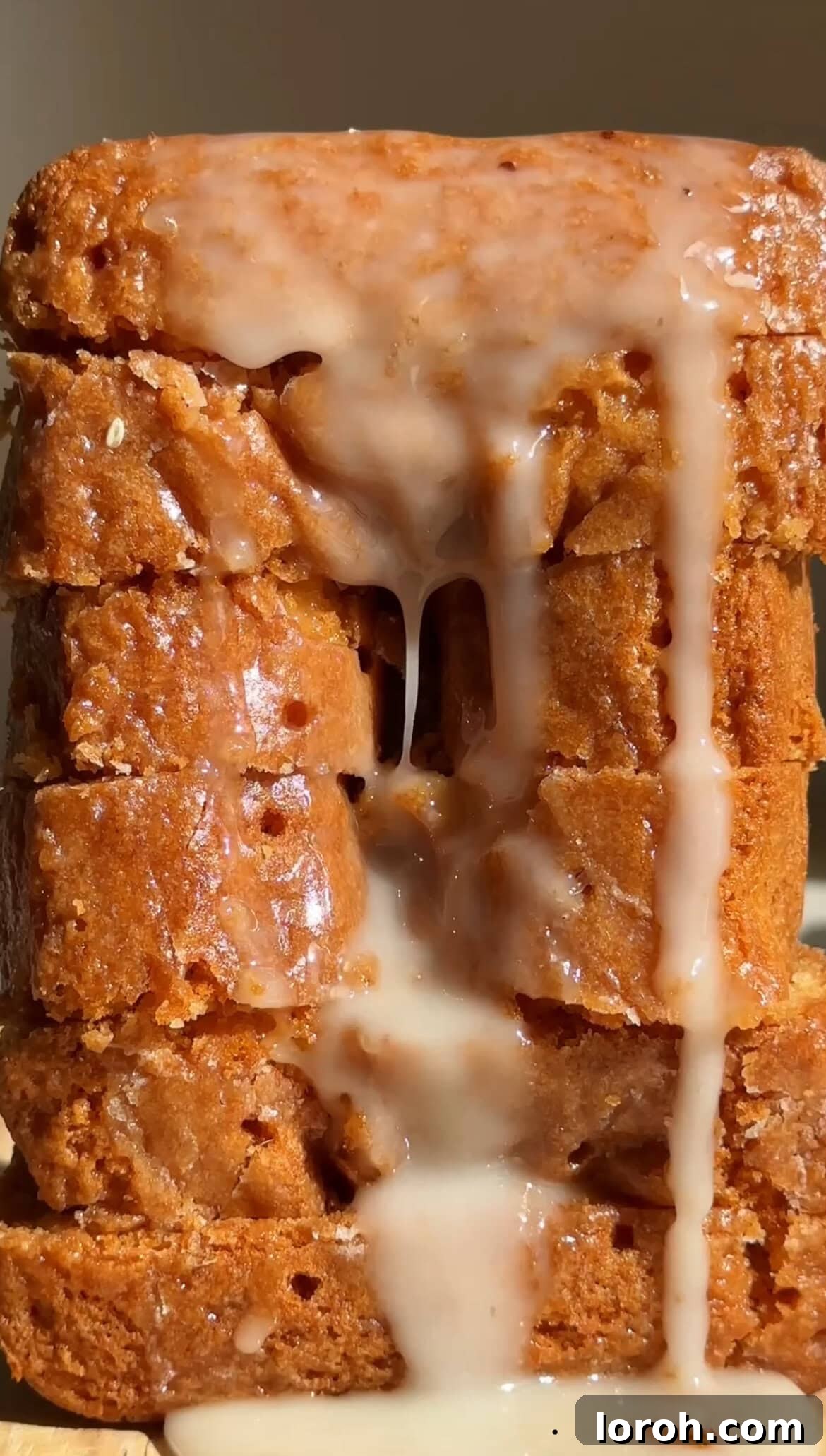
EIGHT: Drizzle and Infuse. As soon as the cake comes out of the oven, while it’s still warm in the tin, use a sharp knife or a skewer to poke numerous holes all over the top surface, ensuring they reach almost to the bottom. Gradually pour the prepared lemon icing over the cake, a little at a time, ensuring it’s evenly distributed. Allow each pour to soak in completely before adding more, ensuring maximum absorption of that glorious zesty flavor. Let it cool fully in the tin.
Expert Baking Tips for Success
Achieving a perfect lemon loaf cake every time is easier than you think with these expert tips:
The Importance of Room Temperature Butter: This cannot be stressed enough! For a truly smooth batter and a perfectly tender cake, ensure your unsalted butter is at a soft room temperature before adding it to the food processor. If your butter is too cold, it won’t emulsify properly with the sugar, resulting in a lumpy batter and a denser, less uniform cake texture. Planning ahead is key!
Don’t Skip Sifting the Icing Sugar: It might seem like an extra step, but sifting the icing sugar for your drizzle is absolutely crucial. Icing sugar tends to clump easily, and skipping this step will result in a lumpy, uneven lemon glaze. A smooth drizzle is not only more appealing visually but also soaks into the cake more effectively.
Invest in a Microplane Grater for Zesting: For the finest zest and maximum lemon flavor extraction without bitterness, a microplane grater is an invaluable tool. It’s far superior to the zesting side of a traditional box grater, producing delicate wisps of zest that effortlessly incorporate into your batter. A good quality microplane is a relatively inexpensive investment that will last for years and prove indispensable for both sweet and savory dishes, like grating Parmesan cheese.
Understanding Your Loaf Tin and Oven: Loaf tins, even those with the same stated volume (e.g., 900g/2lb), can vary slightly in their exact dimensions. These subtle differences can impact the baking time. Keep a close eye on your lemon loaf during the final 10-15 minutes of baking. If the top is browning too quickly but the center isn’t quite cooked through, loosely tent the tin with aluminum foil to prevent further browning and allow the inside to finish baking evenly.
The Quick Check Method: When testing for doneness, try to avoid completely removing the loaf from the oven until you’re confident it’s baked. Repeated exposure to cooler air can sometimes cause cakes to sink. Instead, quickly and confidently pull the oven shelf out just enough to perform your skewer test. If more time is needed, gently slide it back in, covering with foil if the top is already sufficiently golden.
Cooling Completely is Key: While it’s tempting to dive into a warm lemon loaf, allowing it to cool completely in the tin (after the drizzle has soaked in) helps it firm up and prevents it from crumbling when sliced. This patience ensures perfect slices and allows the flavors to fully meld.
Frequently Asked Questions About Lemon Loaf Cake
Yes, absolutely! This lemon loaf recipe is quite forgiving, so you can certainly bake it in a round cake tin. While I haven’t specifically tested it with a round tin, I would recommend using either a 20cm (8-inch) or 23cm (9-inch) round tin. Keep in mind that a round cake will likely have a slightly shorter cooking time compared to a loaf, so start checking for doneness a bit earlier. You can also easily adapt this recipe to make delicious lemon cupcakes! This recipe should yield approximately 12 standard-sized cupcakes, which typically bake in about 18-22 minutes.
Of course! If you don’t have a food processor, you can absolutely make this lemon loaf cake using traditional methods. You can go old-school with a large mixing bowl and a sturdy wooden spoon, though it will require a bit more “elbow grease” to get a smooth, well-combined batter. Alternatively, a large bowl paired with an electric hand mixer will make the job much quicker and easier. A stand mixer is also an excellent option. The key to a successful batter, regardless of the method, is ensuring your butter is sufficiently soft at room temperature to cream properly with the other ingredients.
This lemon loaf cake stays wonderfully delicious for up to 3 days when stored in an airtight container at room temperature. In fact, it’s one of those magical cakes that actually tastes even better on the second day! This is because the vibrant, zesty lemon drizzle has more time to fully infuse into the soft sponge, deepening the flavor and enhancing the moistness.
Yes, absolutely! Freezing is a fantastic way to enjoy this lemon loaf cake at a later date. Once the cake has cooled completely (this is very important to prevent ice crystals), wrap it tightly in at least two layers of cling film (plastic wrap), and then a layer of aluminum foil for extra protection against freezer burn. You can freeze it whole or in individual slices for up to 3 months. To enjoy, simply defrost at room temperature overnight or for several hours before slicing and serving. It will taste as fresh as the day it was baked!
No, this lemon loaf cake should not be stored in the fridge! Unlike cakes with creamy frostings or fillings that require refrigeration, this loaf cake features a simple sugar drizzle. Storing it in the refrigerator will actually cause it to become stale and dry more quickly. The cold temperature tends to draw out moisture from baked goods, making them hard and unpleasant. Instead, keep your lemon loaf cake in a sealed airtight container (such as a Tupperware, a cake tin, or a plate well-wrapped in cling film) at room temperature for optimal freshness and texture.
Other Zesty Recipes You Might Like
If you’ve fallen in love with the vibrant flavors of this lemon loaf cake, you’ll surely enjoy exploring some of my other delightful recipes. Try my aromatic orange and almond cake for a different citrus twist, or my incredibly easy berry cake for another simple bake. And for those who can’t get enough of lemon, don’t miss out on my velvety lemon posset, the elegant lemon meringue tart, delicate lemon meringues, or a batch of rich, homemade lemon curd.
More Delicious Bakes to Explore
Breakfast & Brunch
Whipped Honey Butter
Pancake Recipes
Lemon Ricotta Blueberry Pancakes with Whipped Honey Butter
Easy Dessert Recipes
Easy Homemade Marshmallows
Easy Baking Recipes
Raspberry, Almond and Ricotta Cake
Made This Recipe and Loved It?
I would absolutely love to hear from you if you’ve tried this recipe! Please consider leaving a review in the comments section below. Your feedback means the world to me – I cherish hearing what you thought, any changes you made, and the stories behind why you decided to try my recipes. Plus, if you share a photo of your beautiful creation on Instagram, don’t forget to tag me @desertislanddishes. It truly makes my day to see you bringing my culinary creations to life in your own kitchen!

Classic Lemon Loaf Cake
Margie
15 minutes
35 minutes
45 minutes
8
servings
Rate Recipe
Print Recipe
Ingredients
For the cake:
-
3 large eggs -
170 g self-raising flour -
1 tsp baking powder -
170 g caster sugar -
170 g unsalted butter, diced and at room temperature -
2 lemons, zested
For the drizzle:
-
110 g icing sugar -
2 lemons, juiced
To serve (optional):
-
Fresh raspberries -
Icing sugar, for dusting
Instructions
-
Preheat your oven to 180°C (160°C Fan/350°F). Prepare a 900g (2lb) loaf tin (typically 24cm x 10cm, but sizes vary) by greasing it thoroughly and lining it with non-stick baking paper, leaving an overhang to easily lift the cake once baked.
-
In the bowl of a food processor, combine the eggs, self-raising flour, baking powder, caster sugar, diced room temperature unsalted butter, and the fresh lemon zest. Blitz until all ingredients are well combined and form a smooth, lump-free cake batter. Scrape down the sides of the bowl as needed to ensure even mixing.
-
Scrape the batter into the prepared loaf tin and smooth the top. Bake in the preheated oven for approximately 30-35 minutes, or until the cake is golden, well-risen, springs back gently when lightly touched, and a skewer inserted into the center comes out completely clean.
-
While the lemon loaf is baking, prepare the tangy drizzle. Sieve the icing sugar into a medium-sized bowl to remove any lumps. Gradually stir in the freshly squeezed lemon juice until you achieve a smooth, pourable icing consistency.
-
Immediately after the cake is removed from the oven (while still warm), use a sharp knife or a skewer to poke numerous holes across the entire top surface, ensuring the holes go deep into the cake. Gradually pour the prepared lemon icing over the warm cake, a little at a time, allowing each addition to soak in before adding more. This ensures the cake becomes wonderfully moist and flavorful.
-
Allow the cake to cool completely in the tin before attempting to remove it. This helps the cake firm up and prevents it from breaking.
-
Once fully cooled, carefully remove the cake from the tin and place it onto a flat serving plate. For an extra touch of elegance, scatter a few fresh raspberries around the cake and lightly dust with icing sugar. Slice and serve with freshly brewed tea for a perfect treat.
Notes
To store: Keep the cooled lemon loaf cake in an airtight container at room temperature for up to 3 days to maintain its freshness and moisture.
To freeze: For longer storage, allow the lemon loaf cake to cool completely. Then, wrap it tightly in a double layer of cling film and store in the freezer for up to 3 months. Thaw completely at room temperature before slicing and serving.
Make ahead: This cake is famously good the day after baking! The lemon drizzle has more time to fully infuse into the sponge, making it even more moist and flavorful. It stores beautifully in an airtight container at room temperature for up to 3 days.
Softened butter: A crucial tip for success! Ensure your unsalted butter is at a soft room temperature before you begin making the batter. Cold butter will not cream properly with the sugar, leading to lumps and a denser cake texture.
Decorate: To make your lemon loaf cake look even more special for guests or a celebration, consider garnishing it with delicate sprigs of fresh mint, elegant candied lemon slices, or even a little extra fresh lemon zest for a vibrant touch.
Enjoyed this recipe? Leave a comment below!