
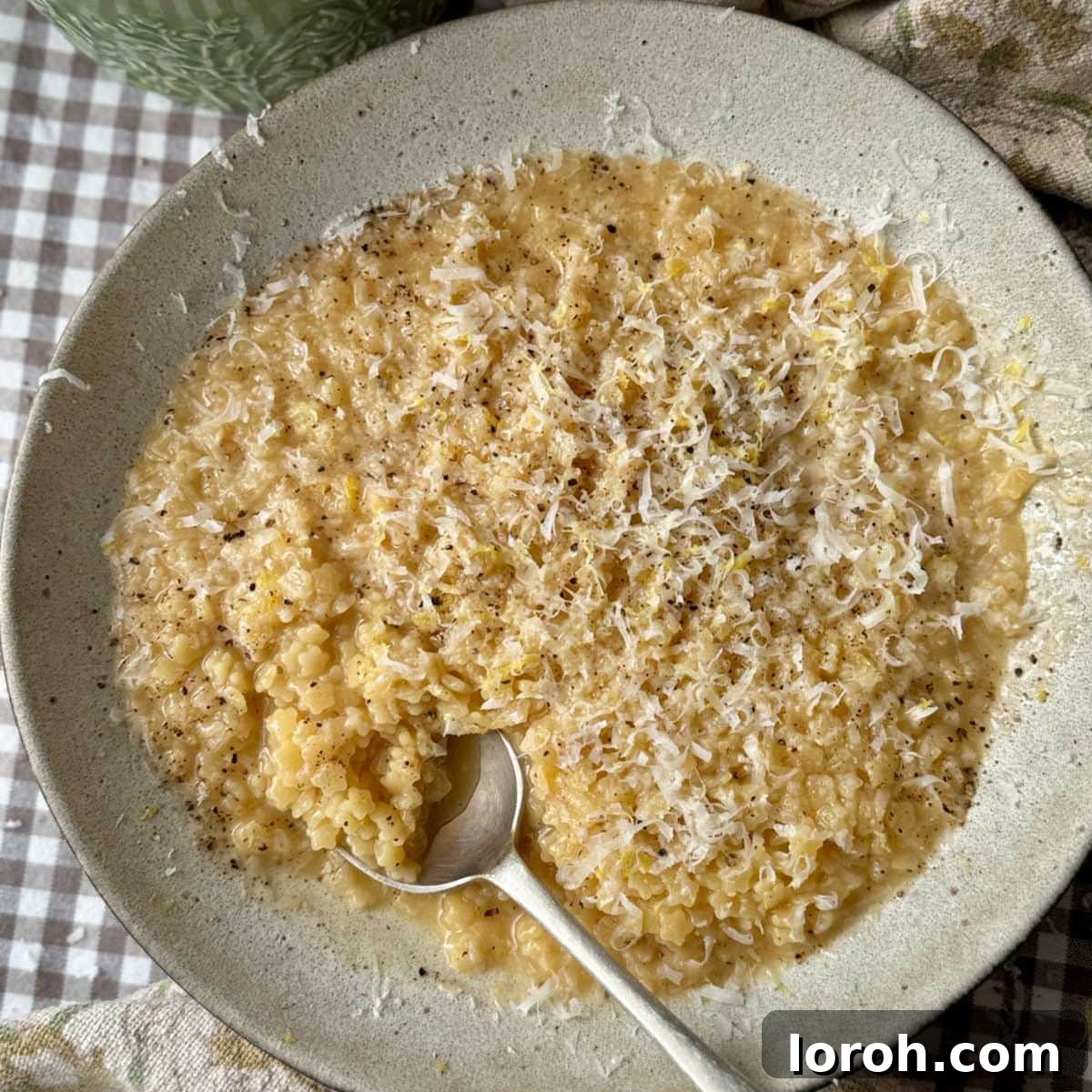
Easy Pastina Recipe: The Ultimate Creamy Comfort Food in 10 Minutes
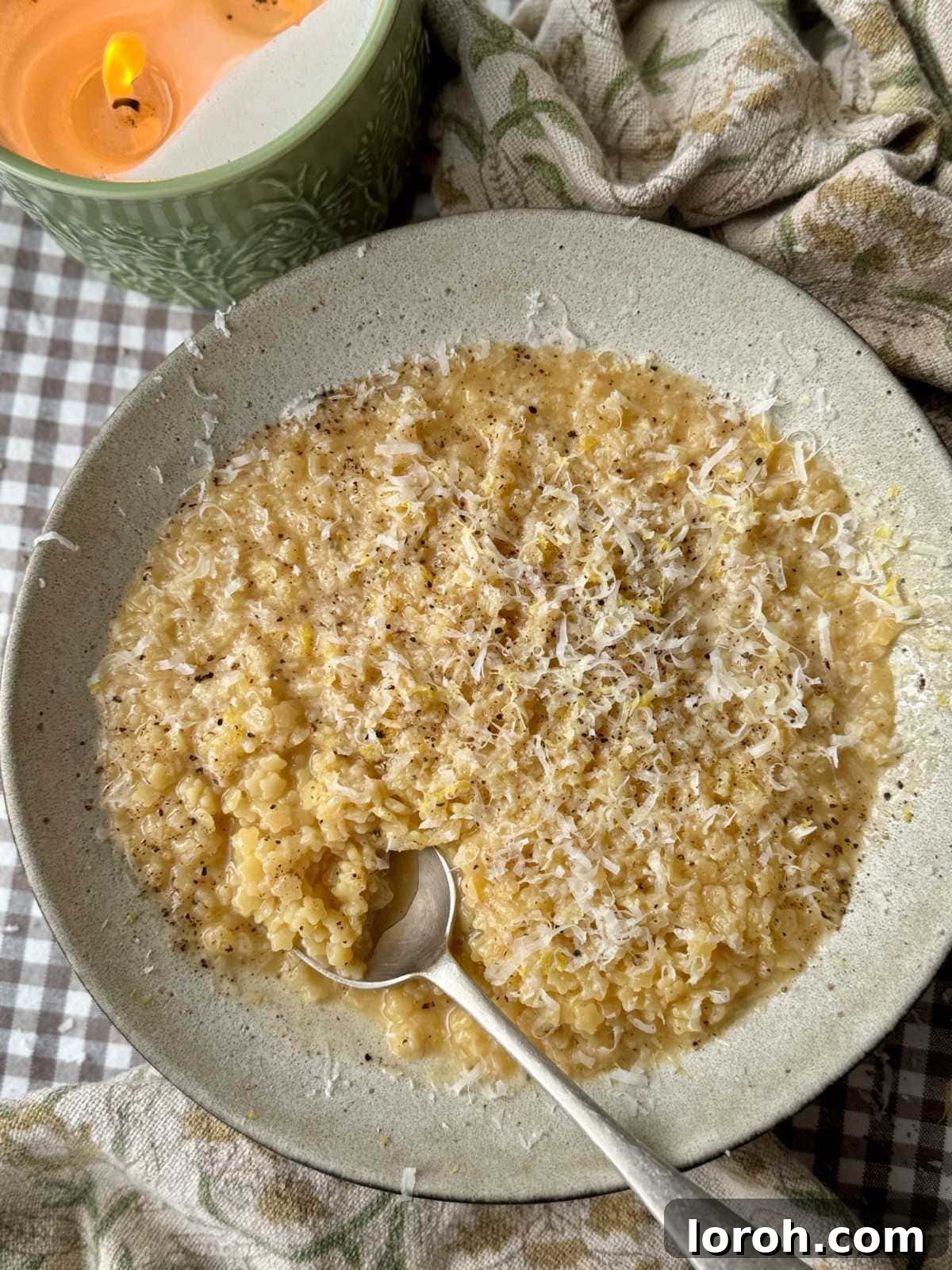
This easy pastina recipe is truly a hug in a bowl, embodying warmth and simplicity. Often affectionately known as “Italian penicillin,” this delightful dish is celebrated for its ability to soothe the soul and uplift spirits, especially on chilly days or when you’re feeling a bit under the weather. It features pastina, meaning “little pasta” in Italian, cooked lovingly in rich chicken stock until tender, then transformed into a creamy, luscious meal with the simple additions of butter, grated Parmesan cheese, and a hint of fresh lemon.
The beauty of pastina lies in its effortless preparation and profound comforting qualities. It’s a quick, nourishing meal that comes together in mere minutes, making it an ideal choice for busy weeknights or a gentle dish for anyone needing a little comfort. Its creamy texture and mild yet flavorful profile make it a universal favorite, cherished by both adults and children alike.
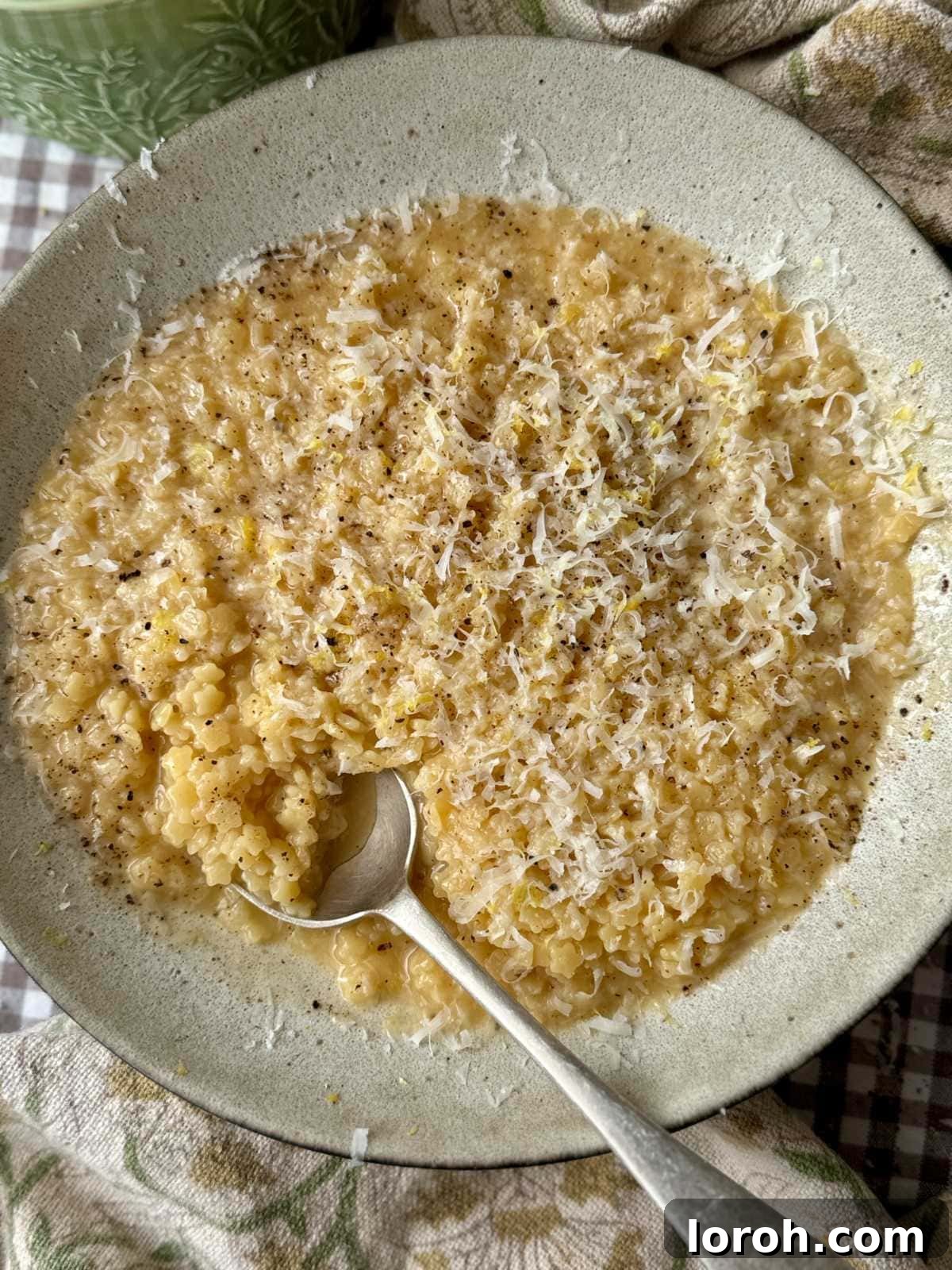
For this traditional recipe, sourcing the smallest pastina shapes is key. While star-shaped pasta, known as stelline, is a classic choice, other tiny varieties like small rounds (anellini) or tubes work wonderfully. This versatile pasta is not only fantastic in this stand-alone dish but also excels in a variety of soups and stews, lending a delightful texture and heartiness. Imagine it enriching a vibrant easy minestrone or adding body to a hearty tomato bean stew. Its delicate size allows it to cook quickly and absorb the rich flavors of any broth or sauce.
Table of Contents
- What Is Pastina? Unraveling Italy’s “Little Pasta”
- Pastina vs Acini di Pepe: Understanding the Nuances
- Why You’ll Adore This Easy Pastina Recipe
- Essential Ingredients for Your Perfect Pastina
- Creative Substitutions and Delicious Variations
- Step-by-Step Guide: How to Make Easy Pastina
- Expert Cooking Tips for Flawless Pastina Every Time
- Frequently Asked Questions About Pastina
- More Comforting Recipes You Might Enjoy
- Easy Pastina Recipe Card
What Is Pastina? Unraveling Italy’s “Little Pasta”
In Italian, “pastina” literally translates to “little pasta,” and it’s a wonderfully broad term encompassing the smallest pasta shapes found in Italian cuisine. Rather than referring to a single, specific shape, pastina is a category that includes a charming array of tiny stars (stelline), delicate grains (like orzo or acini di pepe), miniature rounds (anellini), or even tiny tubes (ditalini). What all these shapes have in common is their remarkably quick cooking time and their ability to create incredibly comforting, easily digestible dishes. Traditionally, pastina is often served in broths, particularly for children, the elderly, or anyone needing a gentle, nourishing meal. Its diminutive size makes it ideal for absorbing liquids and flavors, resulting in a dish that is both satisfying and incredibly tender.
Pastina vs Acini di Pepe: Understanding the Nuances
While often used interchangeably or confused, pastina and acini di pepe are not exactly the same, though they are closely related:
- Pastina: This is an overarching term for many very small pasta shapes. Think of it as a family name. The tiny stars (stelline) used in this recipe are a prime example of pastina. Other pastina shapes include anellini (tiny rings), alfabeto (alphabet pasta), and sometimes even orzo (rice-shaped pasta).
- Acini di Pepe: This translates to “peppercorns” in Italian and refers to a specific type of pastina that resembles small beads or grains of pepper. It typically has a slightly firmer texture than stelline and is often used in Italian wedding soup or other brothy dishes where its distinct shape holds up well.
If your local grocery store doesn’t stock “pastina” explicitly, acini di pepe is an excellent and widely available substitute. It performs almost identically in most recipes, offering that same comforting, small-pasta experience. Other suitable alternatives include orzo or even broken vermicelli, though these might require minor adjustments to cooking time or liquid ratios.
Why You’ll Adore This Easy Pastina Recipe
There are countless reasons why this simple pastina recipe deserves a permanent spot in your culinary repertoire:
- It’s Super Quick & Easy: With a preparation and cook time of just 10 minutes, this dish is a lifesaver for those hectic evenings when you need a delicious meal on the table in a flash. Minimal effort, maximum reward!
- The Ultimate Comfort Food: There’s a reason it’s called “Italian penicillin.” This creamy, warming bowl is incredibly soothing, making it perfect if you’re feeling unwell, recovering from a long day, or simply craving something genuinely comforting on a cold day. It’s like a warm hug from the inside out.
- Effortlessly Adaptable: This recipe serves as a fantastic blank canvas for customization. It’s incredibly easy to adapt with different cheeses, a variety of vegetables, or even added proteins, allowing you to tailor it to your dietary needs or whatever ingredients you have on hand.
- Perfect for the Whole Family: Its mild flavor and tender texture make it a huge hit with children, even picky eaters. It’s a gentle, nutritious meal that caters to all ages, providing a wholesome option that everyone will enjoy.
Essential Ingredients for Your Perfect Pastina
For a full, detailed recipe and precise measurements, please scroll down to the printable recipe card at the bottom of this post!
Achieving the perfect pastina requires just a handful of quality ingredients. Each component plays a vital role in creating that signature creamy, comforting flavor:
- Pastina: As discussed, any tiny pasta shape will work beautifully. My personal favorite for this dish is stelline, those adorable little stars, but feel free to use what you find. The key is its small size, which ensures quick cooking and a tender bite.
- Chicken Stock: This is the backbone of our pastina’s flavor. Homemade chicken stock will undoubtedly yield the most delicious and deeply flavorful result, adding layers of savory richness that a simple stock cube cannot replicate. However, if homemade isn’t an option, invest in a good-quality store-bought stock or broth. Avoid overly salty or artificial-tasting options, as with so few ingredients, each one truly needs to shine and carry its weight in flavor.
- Parmesan Cheese: Freshly grated Parmesan cheese is non-negotiable for that authentic Italian taste and incredible creaminess. Its salty, nutty notes complement the richness of the stock and butter perfectly. If Parmesan isn’t available, other hard Italian cheeses like Pecorino Romano (for a sharper, saltier kick) or Grana Padano (a milder, slightly sweeter alternative) make excellent substitutes.
- Unsalted Butter: Butter adds a luxurious richness and contributes significantly to the pastina’s velvety texture. Using unsalted butter allows you to control the overall saltiness of the dish, seasoning to your exact preference.
- Fresh Lemon Juice: A squeeze of fresh lemon juice is the secret ingredient that brightens the entire dish, cutting through the richness of the butter and cheese. It adds a wonderful zest that elevates the flavor profile, making the pastina feel fresh and balanced.
- Salt and Freshly Ground Black Pepper: Essential for seasoning to taste. Remember to taste as you go, especially since chicken stock can vary in its sodium content.
Creative Substitutions and Delicious Variations
One of the best things about this easy pastina recipe is its adaptability. Feel free to get creative and tailor it to your taste or dietary needs:
- Make it Vegetarian or Vegan: To transform this into a vegetarian delight, simply swap the chicken stock for a high-quality vegetable stock. Ensure your Parmesan is vegetarian-friendly (some contain animal rennet) or opt for a good plant-based Parmesan alternative. For a fully vegan version, also replace the butter with a plant-based butter or a drizzle of extra virgin olive oil. Nutritional yeast can be added for an extra cheesy flavor without dairy.
- Different Pastina Shapes: While stelline are classic, don’t hesitate to experiment with other small pasta shapes. Orzo, ditalini (tiny tubes), anellini (small rings), or even small elbow macaroni can be excellent substitutes, though cooking times might vary slightly.
- Add an Egg Yolk for Extra Creaminess: For an even richer, silkier texture, whisk an egg yolk with a tablespoon of warm stock in a separate bowl before stirring it into the finished pastina off the heat. The residual heat will gently cook the yolk, creating an incredibly decadent sauce. This is a common Italian technique for added richness.
- Boost with Added Protein: Increase the heartiness of your pastina by stirring in some cooked, shredded chicken (perfect for using up leftovers from a roasted chicken), flaked turkey, or even cooked shrimp. For plant-based protein, consider adding cooked lentils, white beans, or small chickpeas.
- Incorporate More Veggies: Enhance the nutritional value by folding in finely chopped or puréed vegetables. Frozen peas are a classic and easy addition, as is a handful of fresh baby spinach that will wilt quickly into the warm pasta. You could also stir in finely grated zucchini, carrots, or even a spoonful of pumpkin purée for added flavor and vitamins.
- Flavor Twists:
- Herbs: Fresh parsley or chives add a burst of freshness when stirred in at the end.
- Garlic: Sauté a finely minced clove of garlic in a little olive oil before adding the stock for an aromatic base.
- Tomato: A spoonful of tomato paste or a few cherry tomatoes, halved and simmered with the stock, can add a subtle sweetness and depth.
- Spicy Kick: A pinch of red pepper flakes can introduce a gentle heat.
Step-by-Step Guide: How to Make Easy Pastina
Follow this simple step-by-step guide to create your perfect bowl of pastina. For detailed instructions and measurements, refer to the full recipe card at the very bottom of this page.
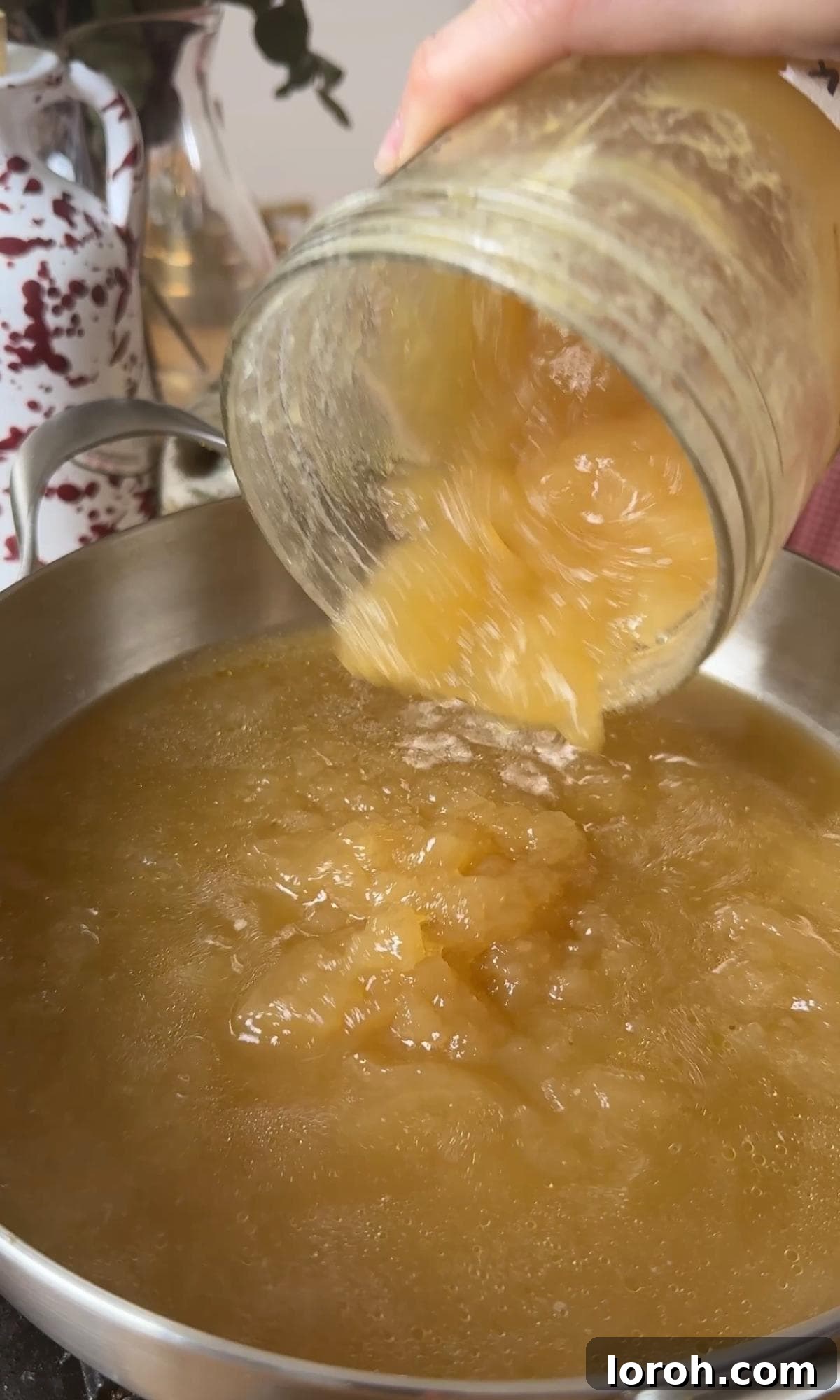
Step One: Begin by pouring the chicken stock into a medium-sized saucepan. Place it over medium-high heat and bring the stock to a gentle, rolling boil. Ensure the stock is hot before adding the pasta to facilitate even cooking.
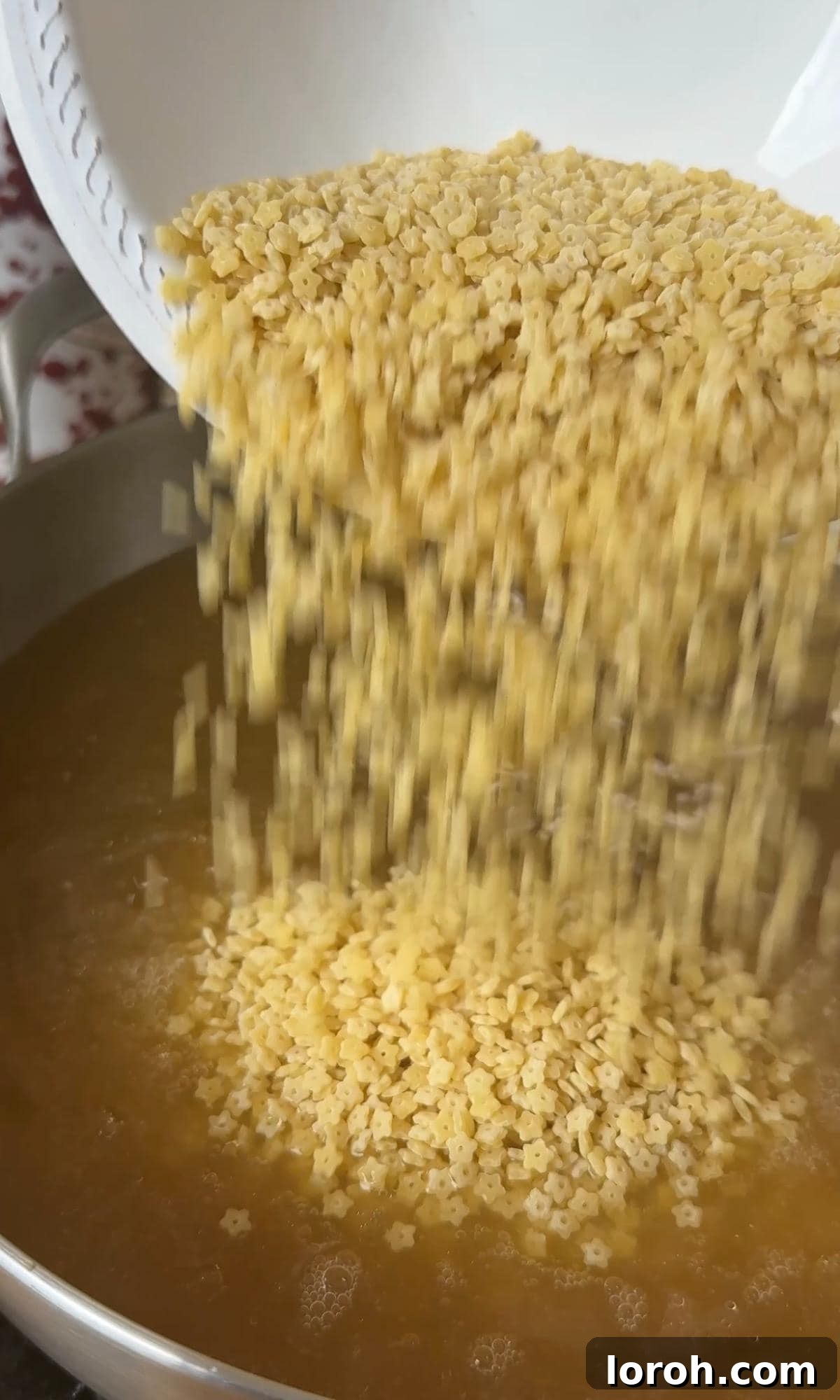
Step Two: Once the stock is boiling, add the pastina directly to the pan. Reduce the heat slightly to maintain a steady simmer. Stir regularly to prevent the pastina from sticking to the bottom of the pan and to encourage the release of its starches, which will contribute to the creamy texture. Cook for 5 to 8 minutes, or until the pastina is tender and most of the liquid has been absorbed, leaving a porridge-like consistency.
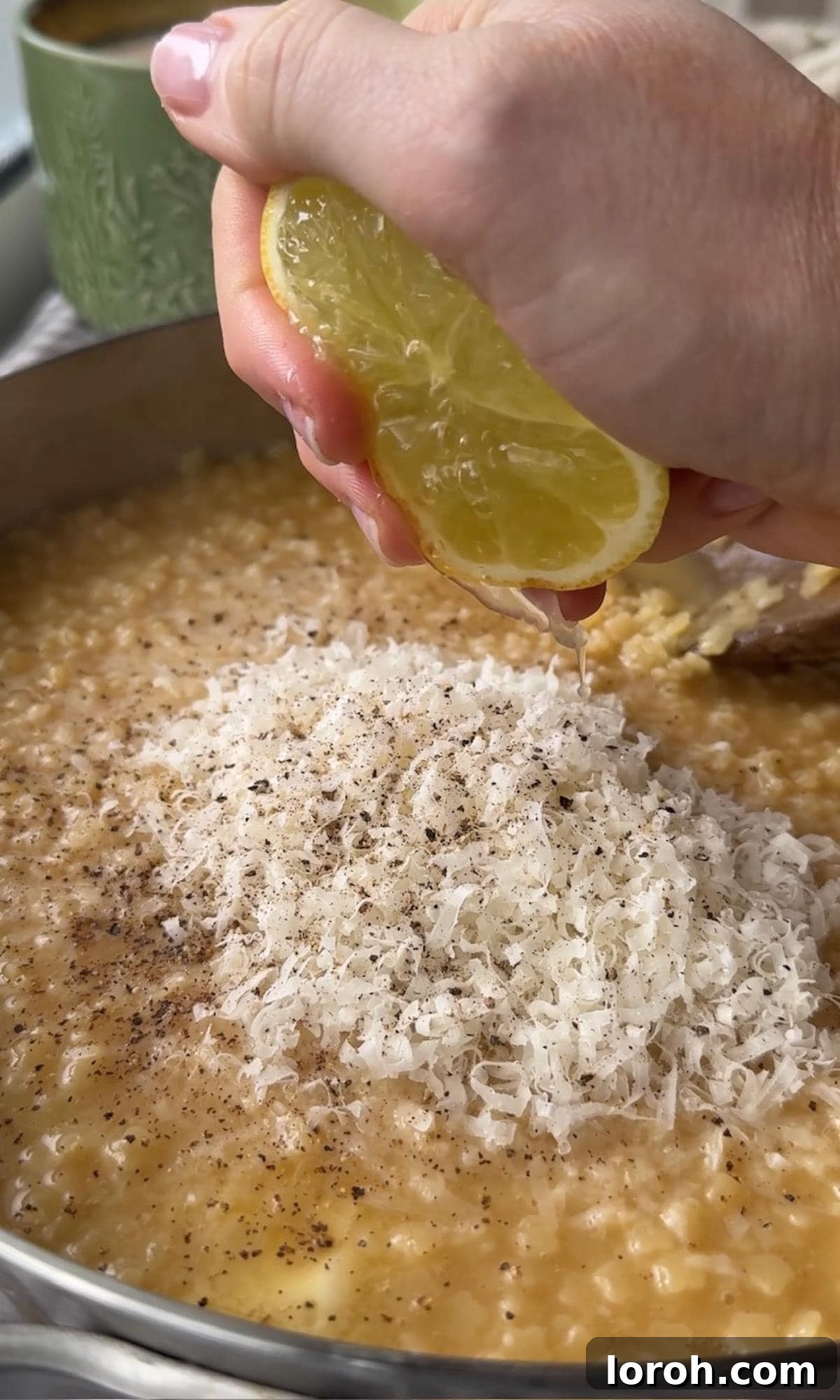
Step Three: Remove the pan from the heat immediately after the pastina is cooked to your liking. Add the butter, a generous squeeze of fresh lemon juice, and the grated Parmesan cheese. Stir everything together vigorously until the butter has melted completely and the cheese has integrated, creating a rich, creamy sauce that coats every grain of pastina.
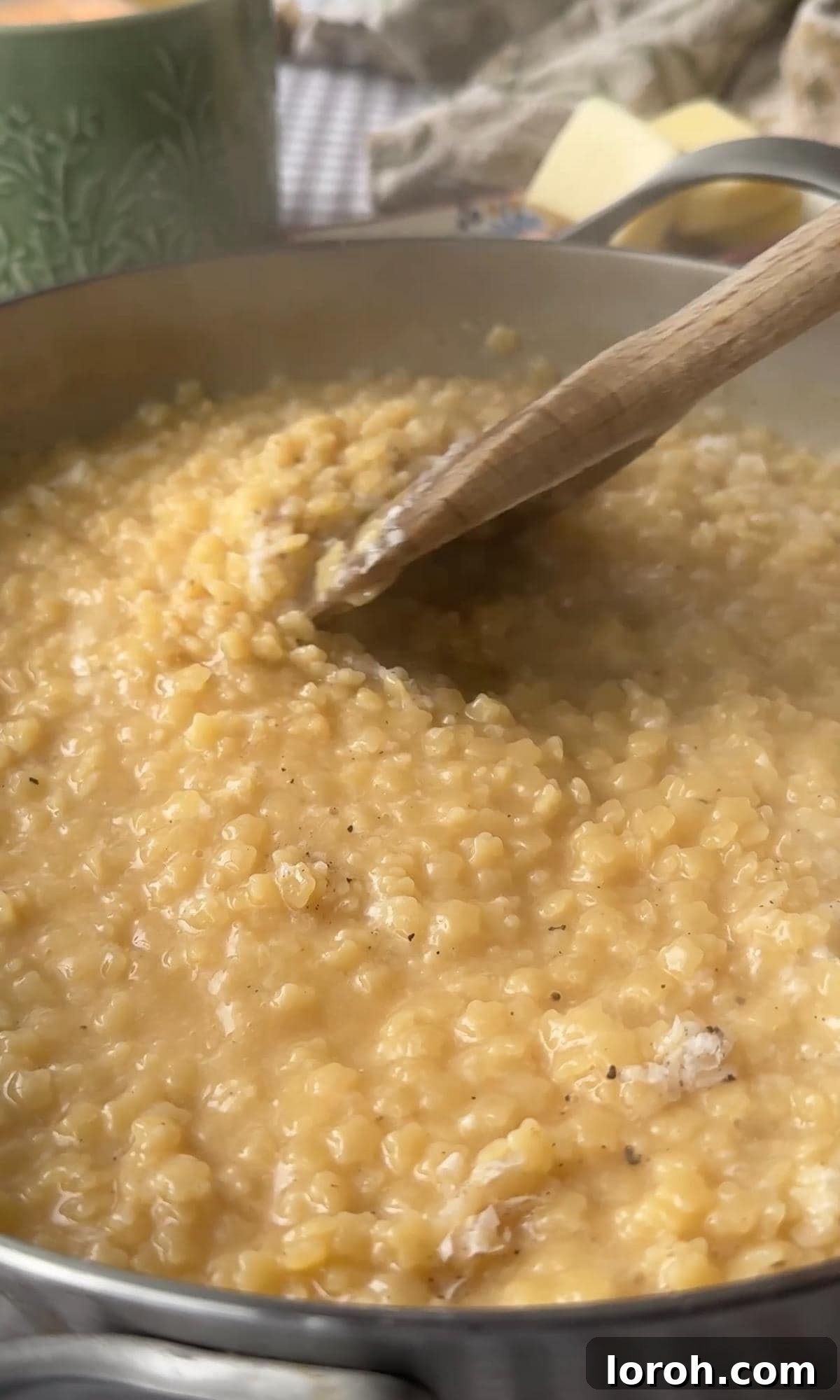
Step Four: Taste your pastina and season generously with salt and freshly ground black pepper as needed. Remember, the saltiness of your stock and Parmesan will influence this. Serve this comforting dish straight away in warm bowls. If the pastina thickens too much while waiting to serve, simply loosen it with a splash of extra warm chicken stock or a little hot water until it reaches your desired consistency.
Expert Cooking Tips for Flawless Pastina Every Time
Follow these tried-and-true tips to ensure your easy pastina recipe turns out perfectly creamy and delicious every time:
- Stir Often While Cooking: This is crucial for two main reasons. First, frequent stirring prevents the tiny pastina from sticking to the bottom of the pan, which can quickly lead to burning. Second, it helps to release the starches from the pasta, which emulsify with the cooking liquid to create that desirable creamy, velvety texture without needing heavy cream.
- Serve Immediately for Best Texture: Pastina, like risotto, is best enjoyed right off the heat. As it cools, it will continue to absorb liquid and thicken considerably. For the ultimate creamy and comforting experience, have your serving bowls ready and serve it as soon as it’s finished cooking.
- Choose Your Consistency: The ideal consistency of pastina is a matter of personal preference. Some enjoy it thicker, almost like a very loose risotto or porridge, while others prefer it a bit more soupy. Don’t hesitate to add extra hot stock or even a splash of hot water at the very end to achieve your desired consistency. Keep it warm on the stove and stir in liquid until it’s just right before serving.
- Don’t Overcook: Tiny pasta shapes cook very quickly, so it’s easy to overcook them, resulting in a mushy texture. Keep a close eye on the pastina during the last few minutes of cooking. Taste the pasta near the end of the suggested cooking time to gauge its doneness. You want it tender but still with a slight bite (al dente, even for pastina), not disintegrated. Remove it from the heat as soon as it’s ready.
- Season to Perfection: Always taste your pastina before serving and adjust the seasoning. The saltiness of your chicken stock and Parmesan can vary, so you might need more or less salt and pepper. A final sprinkle of sea salt flakes can enhance the flavors beautifully.
- Warm Your Bowls: For an extra touch of comfort, serve your hot pastina in pre-warmed bowls. This helps keep the dish warm for longer, allowing you to savor every creamy spoonful.
- Garnish for Freshness: While simple is best, a light garnish can elevate the dish. A sprinkle of fresh chopped parsley or chives, an extra grating of Parmesan, or another tiny squeeze of fresh lemon juice can add a pop of color and flavor.
Frequently Asked Questions About Pastina
Absolutely! “Pastina” is a general term for ‘small pasta,’ so any tiny pasta shape will work wonderfully in this recipe. Orzo and acini di pepe are fantastic and readily available substitutes for stelline (the star-shaped pastina) when making this easy pastina recipe. Other good options include ditalini (tiny tubes) or even broken vermicelli. Just be mindful that cooking times might vary slightly depending on the specific shape and brand.
Yes, pastina is widely considered a very gentle and easily digestible dish, making it an excellent choice for individuals with sensitive stomachs, those feeling unwell, or as a nutritious meal for children and babies. It’s often one of the first solid foods introduced to infants in Italy. When preparing for babies, simply be cautious with the salt content; you might want to use low-sodium stock and omit added salt, seasoning only for adult portions.
Pastina translates to “little pasta” in Italian and refers to a delightful category of the smallest pasta shapes used in Italian cooking. Instead of being one specific shape, pastina encompasses various tiny forms such as stars (stelline), grains (like orzo or acini di pepe), or small rounds (anellini). These miniature pastas are beloved for their quick cooking time and tender texture, making them ideal for soups, broths, and comforting, creamy dishes like this one.
While pastina is best enjoyed fresh off the stove for its optimal creamy texture, you can certainly store leftovers. Allow the pastina to cool completely, then transfer it to an airtight container and refrigerate for up to 2 days. For best results, it’s advisable to freeze plain pastina (without cheese or egg yolk) for up to 1 month. Defrost it in the refrigerator overnight.
Leftover pastina will thicken significantly in the fridge. To reheat, gently warm it in a saucepan over low heat, adding splashes of warm chicken stock or water as needed, stirring continuously until it reaches your desired consistency and is heated through. Avoid microwaving if possible, as it can sometimes lead to an unevenly heated or rubbery texture. Always taste and re-season after reheating.
More Comforting Recipes You Might Enjoy
If you’ve fallen in love with this easy pastina recipe and crave more comforting, hearty meals, here are some other delicious dishes you might enjoy:
- My creamy butternut squash risotto is a perfect autumnal treat.
- For a protein-packed alternative, try my wholesome chickpea pasta.
- And for a French twist on comfort, my traditional poule au pot is simply divine. You can even use the chicken carcass from that recipe to make your very own homemade chicken stock for future pastina batches!
- Looking for another creative way to use pastina? You might love my refreshing Mexican-inspired pastina salad.
Explore More Easy & Delicious Meals
Easy One Pot Dishes
One Pan Pasta and Peas
Easy Pasta Recipes
Stanley Tucci’s Pasta Fagioli
Easy One Pot Dishes
Easy One-Pan French Onion Soup Pasta
Chicken Recipes
One-Pan Greek Chicken with Lemon Potatoes
If you tried this easy pastina recipe or any other recipe on the site, please do leave a rating or comment below and let us know how it went!
Easy Pastina Recipe
0 minutes
10 minutes
10 minutes
2
servings
Rate Recipe
Print Recipe
Ingredients
- 100g pastina of choice e.g. Stelline
- 750 ml good-quality chicken stock, more if needed to loosen
- 20 g Parmesan, grated
- 30 g unsalted butter
- 1-2 tsp lemon juice, or to taste
- Black pepper, freshly ground
- Salt, to taste
Instructions
-
In a medium pan over medium-high heat, pour in the stock and bring to a gentle boil.
-
Add the pastina to the pan and simmer, stirring regularly, for 5 to 8 minutes until soft and most of the liquid has been absorbed.
-
Remove the pan from the heat and add the butter, lemon juice and grated Parmesan. Stir well until melted and creamy.
-
Taste, season with salt and pepper, and serve straight away. Loosen with a splash of warm stock if it thickens too much whilst you wait to serve up!
-
A video demonstration is available further up the page to help with this recipe.
Video
Notes
Scroll up for a step-by-step guide with images on how to make this easy pastina recipe.
To store: Allow to cool completely, then transfer to an airtight container. Keep in the fridge for up to 2 days.
To reheat: Reheat gently on the hob with a little water or chicken stock, stirring until hot and smooth.
To freeze: Freeze plain pastina (without cheese or egg yolk) for up to 1 month. Defrost in the fridge and reheat on the hob with extra stock.
Stop sticking: Stir regularly while cooking to prevent the pastina from sticking and to enhance creaminess.
If it thickens: Loosen with a splash of hot stock or water if needed to achieve your desired consistency.
Nutrition
Carbohydrates: 41g,
Protein: 16g,
Fat: 17g,
Saturated Fat: 10g,
Polyunsaturated Fat: 1g,
Monounsaturated Fat: 5g,
Trans Fat: 0.5g,
Cholesterol: 39mg,
Sodium: 346mg,
Potassium: 273mg,
Fiber: 2g,
Sugar: 2g,
Vitamin A: 453IU,
Vitamin C: 1mg,
Calcium: 134mg,
Iron: 2mg
Nutrition information is automatically calculated, so should only be used as an approximation.
Like this? Leave a comment below!