
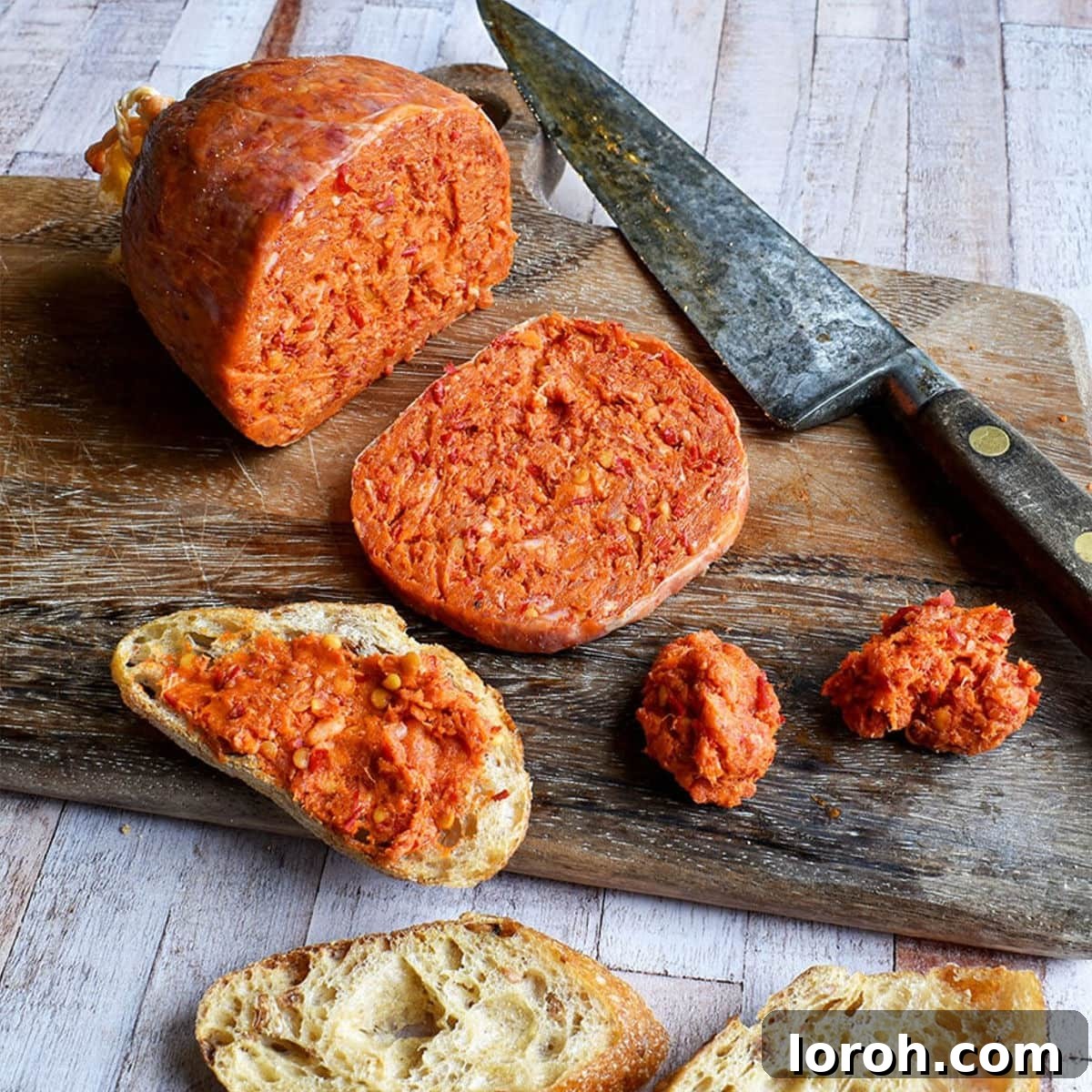
Embark on a culinary journey to Southern Italy and discover Nduja, the electrifying spicy, spreadable sausage from Calabria that promises to ignite your palate and redefine your cooking style.
What is Nduja?
Nduja is a unique, fermented, and dried salami originating from the picturesque town of Spilinga, nestled in the heart of Calabria, Italy. Unlike its firmer salami counterparts, Nduja boasts a distinctively soft, spreadable texture that sets it apart. Its vibrant red hue is a testament to the generous quantity of Calabrian chilli peppers infused within.
Like many treasures of Italian gastronomy, Nduja has humble beginnings rooted in the principle of cucina povera – “poor cooking” or peasant cuisine. Historically, less affluent farming families in Calabria could not afford the prime cuts of pork. Resourceful and ingenious, they made use of leftover pork trimmings, typically including back fat, belly, and other less desirable parts. Through a remarkable process of blending these cuts with a substantial amount of local chillies, seasoning, and careful curing, they transformed these humble ingredients into a rich, flavorful, and remarkably preserved delicacy. This necessity-driven innovation not only prevented waste but also created a culinary marvel that has now captivated chefs and food enthusiasts worldwide.
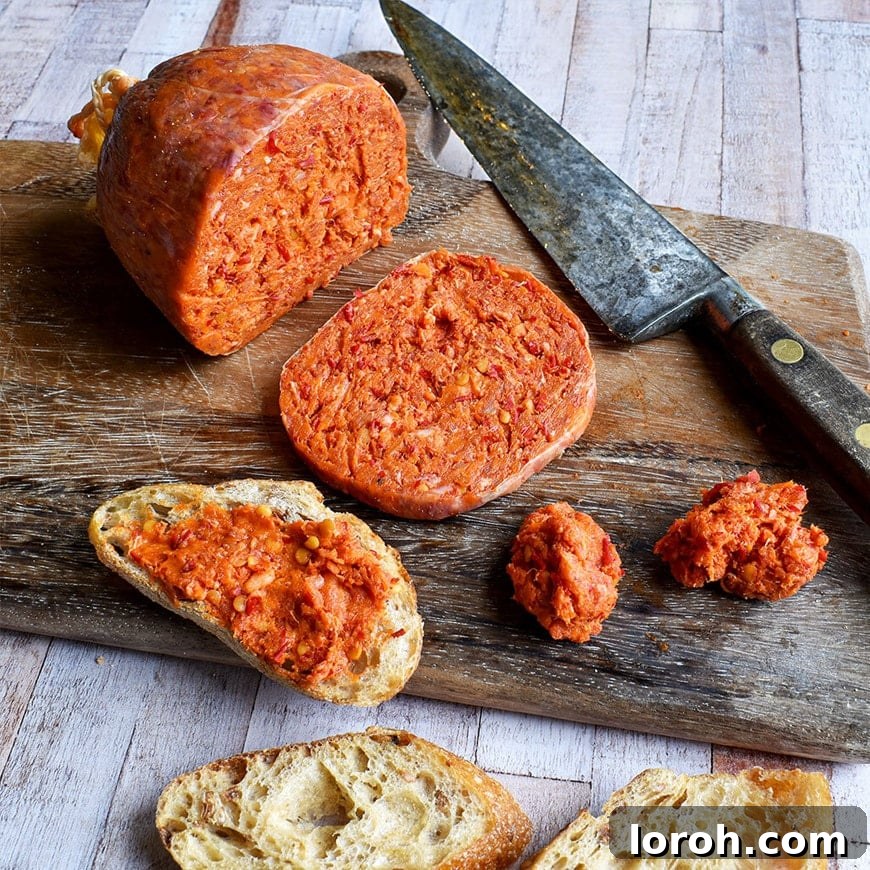
Table of Contents
- What is Nduja?
- How to Pronounce Nduja?
- The Craft of Nduja: How It’s Made
- A Symphony of Flavors: What Does Nduja Taste Like?
- Finding Nduja: Where to Buy This Italian Delicacy
- Unleashing the Heat: How to Cook with Nduja
- Preserving Your Nduja: Storage Best Practices
- Frequently Asked Questions About Nduja
- My Favorite Nduja Recipes & Culinary Inspiration
How to Pronounce Nduja?
The pronunciation of Nduja can be a tongue-twister for newcomers, but it’s simpler than it looks: it’s pronounced ‘en-doo-ya’. The ‘N’ at the beginning is distinctly sounded, followed by a soft ‘d’ and a clear ‘oo’ sound, finishing with a ‘ya’.
The word Nduja has intriguing linguistic roots, believed to have evolved from the French word ‘andouille’. Andouille is a type of pork sausage, typically pronounced ‘ohn-douy’. Historical records suggest that during the 13th century, French influence was significant in Calabria. It’s thought that the local dialect adapted ‘andouille’ over time to describe their own distinct, spicy pork sausage, which eventually became Nduja. Understanding its pronunciation is the first step to embracing this incredible ingredient and confidently discussing it at your next dinner party.
The Craft of Nduja: How It’s Made
The creation of Nduja is an art form, deeply rooted in tradition, yet each producer holds unique methods passed down through generations. However, the fundamental steps remain consistent, resulting in the spreadable magic we know and love.
- Ingredient Selection & Mixing: The process begins with carefully selected fatty minced pork, which forms the base. This is then combined with a generous quantity of ground Calabrian chillies and salt. The proportion of chillies is crucial, typically making up around 30% of the total weight of the sausage, giving Nduja its signature heat and vibrant color. These particular chillies are not just for spice; they also act as a natural preservative, contributing to the curing process.
- Casing: Traditionally, Nduja was stuffed into a specific part of a pig’s intestine called an ‘orba’. This method can result in a massive Nduja, sometimes weighing up to 3kg, which is impractical for most home kitchens. Today, while some artisanal producers still adhere to this tradition, it is more commonly stuffed into smaller, more manageable sausage casings, making it accessible for wider consumption without compromising authenticity.
- Fermentation: Once cased, the Nduja is moved to a warm, climate-controlled fermentation room. This stage typically lasts between 12 to 48 hours, depending on the size of the sausage. During fermentation, beneficial bacteria, primarily lactic acid bacteria, convert sugars into lactic acid. This acid buildup not only develops the complex flavors and characteristic tang of Nduja but also lowers the pH, inhibiting the growth of harmful bacteria and making the sausage shelf-stable.
- Drying & Curing: Following fermentation, the Nduja is transferred to a cooler, climate-controlled drying room. Here, it hangs for an extended period, ranging from 45 to 180 days. The duration of drying is critical; the longer it cures, the more concentrated and deeper its flavor becomes, often intensifying the spicy kick.
A key characteristic that distinguishes Nduja from most other cured meats and salamis is its texture. Despite the prolonged drying process, Nduja never fully firms up. This is primarily due to its exceptionally high fat content. The fat remains soft and luscious, allowing Nduja to retain its deliciously smooth, spreadable, and almost buttery consistency. Far from being a drawback, this richness is precisely where Nduja’s incredible flavor resides. Remember, you only need a small amount to make a big impact in your dishes, so don’t be deterred by its fat content – it’s the secret to its unparalleled taste and texture.
A Symphony of Flavors: What Does Nduja Taste Like?
Nduja offers a truly captivating flavor experience that is both bold and nuanced. At its core, it presents a deep, savory, and intensely umami-rich taste, immediately followed by a powerful, yet balanced, spicy kick derived from the iconic Calabrian chilli peppers. This isn’t just a simple heat; it’s a complex warmth that lingers pleasantly on the palate.
Imagine a product somewhat akin to a meaty, spreadable chorizo, but with an amplified intensity. Nduja boasts a more prominent and robust pork flavor, coupled with a significantly higher level of heat that is distinct to the Calabrian peperoncino. Its texture is equally remarkable: rich, sumptuously soft, and undeniably buttery. Thanks to its high fat content, Nduja melts beautifully, enveloping your mouth with its savory goodness without feeling overly greasy. Instead, it delivers a profound depth of flavor that is smooth and luxurious.
Due to its concentrated richness and fiery spice, Nduja is best enjoyed in small quantities. Each variety can vary in its heat level, so it’s always a good practice to taste a tiny bit before incorporating it into your cooking. This also serves as the perfect excuse for a quick, delicious snack! Whether spread thinly on warm bread or melted into a sauce, Nduja promises a vibrant burst of flavor that will elevate any dish.
Finding Nduja: Where to Buy This Italian Delicacy
The good news for Nduja enthusiasts is that this once elusive delicacy is now much easier to find. While it was traditionally confined to specialist Italian delis and exclusive online retailers, Nduja has made its way into the mainstream. You can often find authentic versions in the chilled aisle of most large supermarkets, making it highly accessible for home cooks.
Additionally, many shops now offer smaller jars of Nduja paste, often located near dried herbs and spices. While convenient and offering a similar flavor profile to the ‘proper stuff’, it’s important to understand that Nduja paste is not quite the same as the traditional cured product. The paste versions, while delicious and a good substitute for certain applications, often lack the intense, complex flavor and that distinctively melty, fatty texture that only comes from traditionally cured Nduja. When seeking an authentic experience, look for a product that appears like a spreadable sausage rather than a smooth paste in a jar. Check for a deep red color, a slightly coarse, meaty texture, and if possible, a strong, fermented aroma characteristic of quality salami.
Unleashing the Heat: How to Cook with Nduja
Nduja is an incredibly versatile ingredient, capable of transforming a simple dish into a culinary masterpiece with its rich, meaty flavor and fiery kick. Its spreadable nature means it melts beautifully, infusing sauces, oils, and other ingredients with its intense essence. Don’t limit Nduja to just spreading on bread – its true potential shines when incorporated into various recipes.
Here are some of the most popular and delicious ways to cook with Nduja:
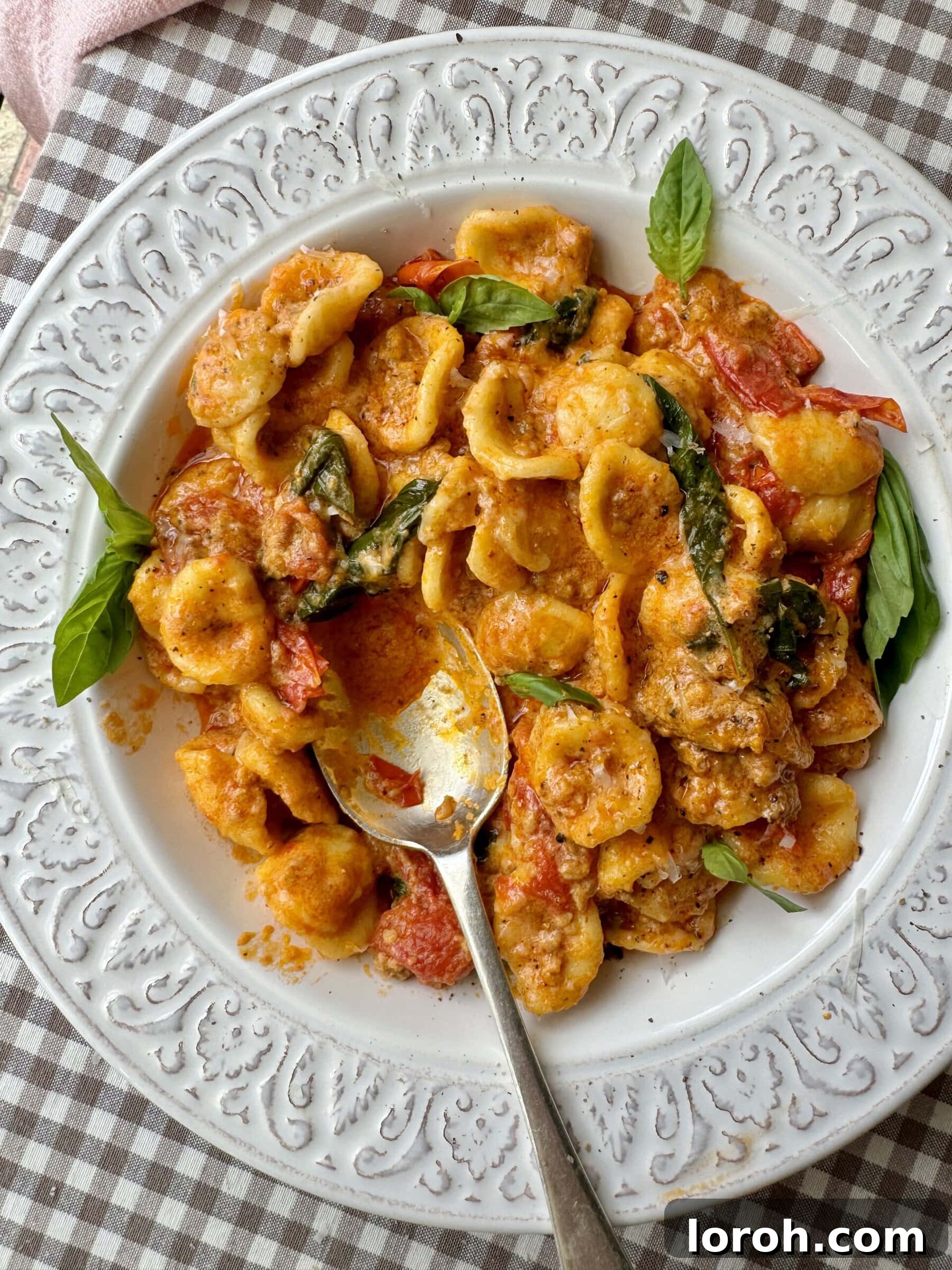
- Pasta & Risotto: Nduja is a natural fit for pasta dishes and risottos. Melt a spoonful into your pasta sauce base or stir it into a creamy risotto at the end for an instant burst of spicy, savory flavor. It pairs exceptionally well with tomato-based sauces, seafood, or rich, creamy preparations.
- Eggs: Elevate your breakfast or brunch by adding Nduja to egg dishes. It’s fantastic stirred into scrambled eggs, dolloped onto baked eggs, or swirled into a vibrant shakshuka. The heat of Nduja complements the richness of eggs perfectly.
- Pizza & Flatbreads: For a gourmet twist on pizza, dot small pieces of Nduja over your pizza or flatbread before baking. As it cooks, the Nduja melts, releasing its oils and flavor, infusing the entire dish with a spicy, umami punch. Try drizzling melted Nduja butter over homemade flatbread pizza.
- Grilled & Roasted Dishes: Use Nduja as a rub for roasted chicken or pork, or mix it into marinades. Its bold flavor holds up well against grilling and roasting, adding depth to meats and even roasted vegetables like potatoes or broccoli.
- Sandwiches & Crostini: Beyond just spreading it raw, melt Nduja with a little olive oil and brush it onto grilled sandwiches or crostini for a warm, spicy appetizer. Pair it with soft cheeses like burrata or ricotta for a delightful contrast.
- Dipping Oil & Dressings: Gently warm Nduja with olive oil to create a spicy, flavorful dipping oil for bread, or emulsify it into vinaigrettes for salads that need an extra punch. For example, try it with Turkish eggs.
- Soups & Stews: A small amount of Nduja can add incredible richness and a spicy kick to hearty soups and stews, particularly those with beans, lentils, or root vegetables.
When cooking with Nduja, remember its potency. Start with a small amount and adjust to your taste. Its fat content allows it to render beautifully, releasing its flavors and oils into your dish, providing a luxurious mouthfeel and unforgettable spice. It truly is an ingredient that can revolutionize how you approach flavor.
Preserving Your Nduja: Storage Best Practices
Proper storage is essential to maintain the quality, flavor, and shelf life of your Nduja, ensuring you can savor its deliciousness for as long as possible. The storage method depends on the form of Nduja you purchase.
If you buy a jar of Nduja paste:
- Unopened jars can typically be kept in a cool, dark pantry or larder.
- Once opened, it must be stored in the refrigerator to preserve its freshness and prevent spoilage. Always seal the jar tightly after each use.
If you buy a traditional, cured Nduja from the chilled aisle or a deli:
- This type of Nduja always requires refrigeration, even before opening, unless it is specifically labelled as shelf-stable when vacuum-sealed.
- Always defer to the specific storage directions provided on the product label or consult with the staff at your specialty deli for their expert advice.
General guidelines for storing opened Nduja (especially cured versions):
- Airtight Protection: Once opened, the key is to protect Nduja from air exposure and absorption of other fridge odors. Tightly wrap the cut end in cling film (plastic wrap) or place it in a sealed, airtight container. This helps maintain its soft texture and intense flavor.
- Refrigeration: Always store opened Nduja in the refrigerator.
- Shelf Life: A well-wrapped, opened Nduja typically lasts for 3-4 weeks in the refrigerator. Unopened and vacuum-sealed Nduja, if kept refrigerated, can last significantly longer, often up to 6 months.
- Freezing: Yes, you can freeze Nduja to extend its shelf life even further. For optimal results, wrap it tightly in cling film and then place it in a freezer-safe bag or container to prevent freezer burn. While freezing might slightly alter its consistency upon thawing, it remains a viable option if you don’t plan to use it immediately. However, given its long shelf life in the fridge, freezing is often unnecessary for typical home use.
- Signs of Spoilage: If you notice any unusual discoloration (beyond its natural vibrant red), an off-putting smell, or the presence of mold (other than the harmless white mold sometimes found on traditionally cured products, which should still be carefully trimmed), it’s best to discard the Nduja.
By following these storage tips, you can ensure your Nduja remains fresh, flavorful, and ready to enhance your next culinary creation.
Frequently Asked Questions About Nduja
Both Sobrassada and Nduja are distinctively soft, spreadable pork sausages with similar textures, but they hail from different regions and possess unique flavor profiles.
Nduja: Originating from Calabria, Italy, Nduja is renowned for its intense spice and savory depth, thanks to the generous inclusion of fiery Calabrian chilli peppers.
Sobrassada: Hailing from the Balearic Islands in Spain, Sobrassada offers a sweeter, smokier taste. Its signature flavor comes from smoked paprika, giving it a vibrant orange-red hue and a more mellow, aromatic heat.
While Nduja shares some similarities with chorizo and other spicy sausages, particularly in its cured nature and reddish color, there are significant differences.
Nduja: Characterized by its soft, spreadable consistency and powerful, fiery flavor derived from Calabrian chillies. It melts beautifully, infusing dishes with its unique spice and umami.
Chorizo: Typically firmer and often sliced. Chorizo can be found in various forms, from cooking chorizo (requiring cooking) to fully cured varieties (eaten raw). Its dominant spice is paprika, which can range from mild to spicy, and it often has a smoky flavor. Its texture is usually more robust and less fatty than Nduja.
Absolutely! Authentic Nduja is widely available in the UK and US, particularly in Italian delis, specialty food stores, and through reputable online retailers. When searching, look for a product with a deep, vibrant red color and a slightly coarse, meaty texture (not entirely smooth like a paste). If possible, smell it; it should have a strong, slightly fermented aroma akin to high-quality salami. Be wary of products simply labelled ‘paste’ unless you specifically desire that form, as these are often different from the traditionally cured, spreadable sausage, though they can still be delicious.
Yes, Nduja can be frozen to significantly extend its shelf life. To ensure the best quality, wrap it tightly in cling film or place it in a freezer-safe bag, expelling as much air as possible. This helps protect it from freezer burn and minimizes any potential changes to its texture. While freezing may cause a slight alteration in its very soft consistency once thawed, it remains an excellent option for long-term storage if you’re not planning to use it immediately. However, remember that Nduja is a cured product and already boasts a commendable shelf life in the refrigerator, lasting up to 6 months when unopened and vacuum-sealed.
Yes, Nduja is a cured sausage and is perfectly safe and delicious to eat raw! Many people enjoy it simply spread onto warm crusty bread, crackers, or crostini for a quick and satisfying snack or appetizer. Its intense flavor pairs wonderfully with a slice of good Italian cheese or a drizzle of honey, offering a delightful contrast of sweet, spicy, and savory notes.
Traditionally, authentic Nduja is naturally gluten-free, as its core ingredients are pork, Calabrian chillies, and salt, along with natural casings. However, it’s always advisable to check the ingredient list on the specific product packaging, especially for mass-produced versions or Nduja pastes, to ensure no additional ingredients or fillers containing gluten have been added during processing.
Calabrian chilli peppers, known locally as “Peperoncino di Calabria,” are the heart and soul of Nduja’s distinctive flavor and heat. These chillies are not just spicy; they possess a unique fruity, smoky, and slightly sweet undertone that complements the richness of the pork perfectly. They also contribute significantly to Nduja’s vibrant red color and act as a natural preservative during the curing process. The specific climate and soil of Calabria impart a terroir to these peppers that cannot be replicated elsewhere, making them indispensable to authentic Nduja.
My Favorite Nduja Recipes & Culinary Inspiration
Nduja is a true game-changer in the kitchen, offering an exciting way to add depth, richness, and a fiery kick to countless dishes. Its incredible versatility means there’s a Nduja recipe for every occasion, from quick weeknight meals to impressive comfort food. I highly encourage you to explore and experiment with this exceptional ingredient.
Here are some of my go-to Nduja recipes that are sure to become new favorites in your repertoire:
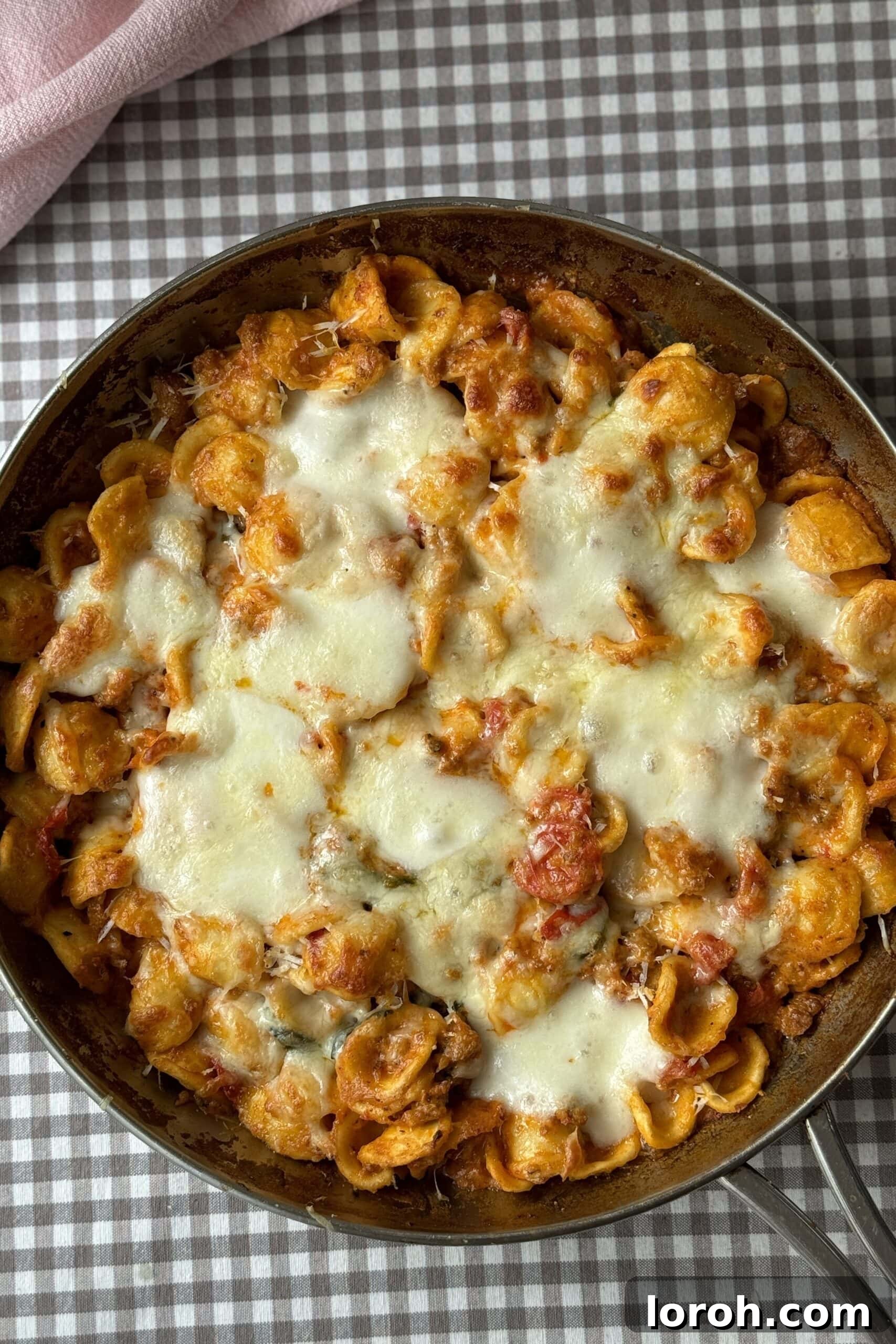
- My Nduja and Sausage Pasta Bake is the ultimate prep-ahead comfort food, hearty and bursting with flavor.
- For a speedy midweek solution, try my irresistible Sausage Nduja Pasta (Pasta con Nduja), ready in under 30 minutes.
- Don’t miss my viral-worthy Spicy Nduja Pasta – a fiery and addictive twist that elevates classic pasta to new heights.
Embrace the heat and unique flavor of Nduja, and prepare to be amazed at how it can transform your culinary creations!
Easy Pasta Recipes
Spicy Nduja Pasta
Easy Pasta Recipes
Sausage Nduja Pasta (Pasta con Nduja)
Easy Pasta Recipes
Nduja and Sausage Pasta Bake
Easy Pasta Recipes
Prawn and Chorizo Pasta