
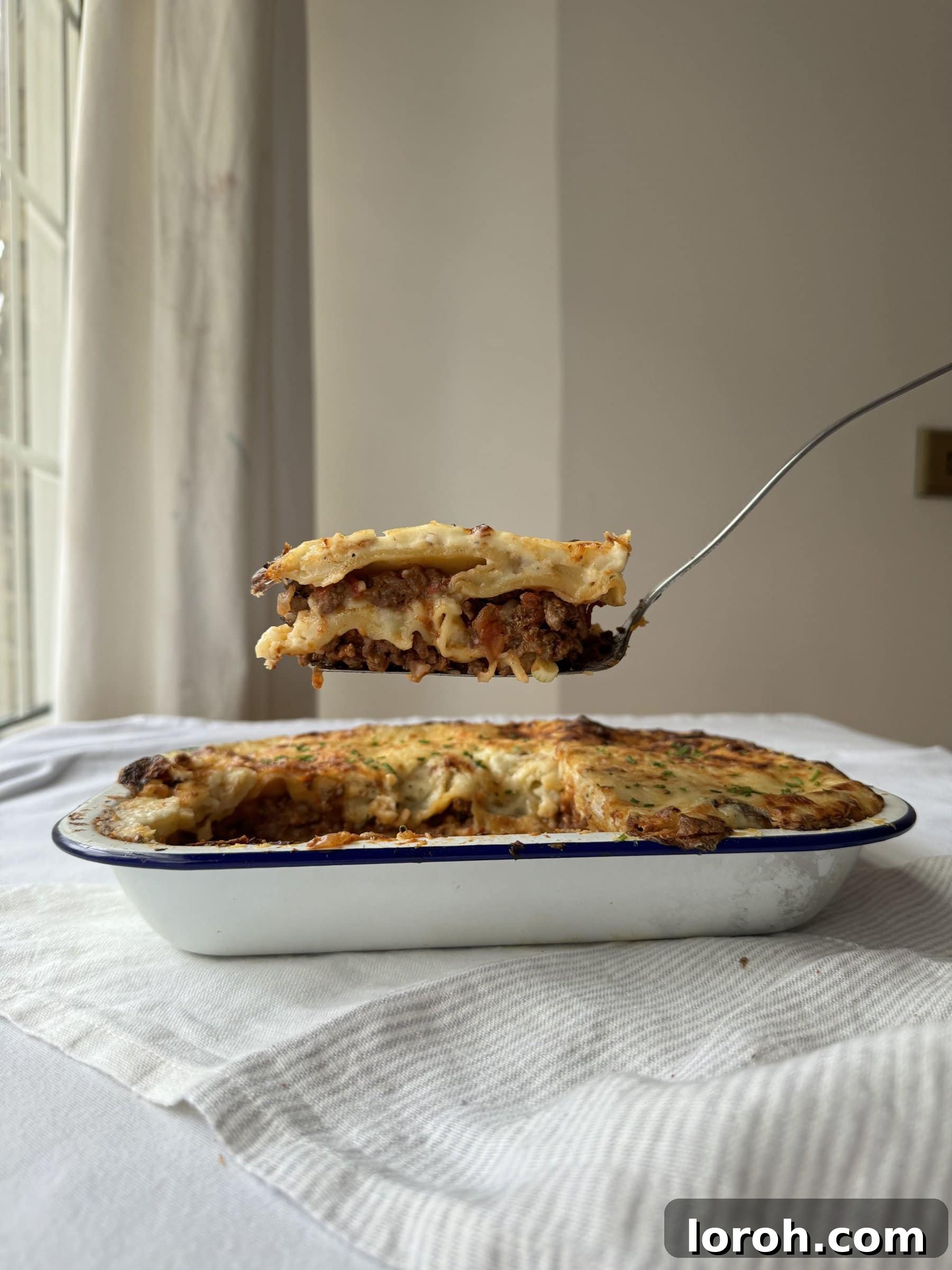
Easy Lasagne with Cheat’s White Sauce: A Weeknight Winner
Lasagne, the iconic layered pasta dish, holds a special place in the hearts and on the dinner tables of families worldwide. But let’s be honest, while incredibly rewarding, preparing a classic lasagne can sometimes feel like a culinary marathon, especially on a busy weeknight. The traditional béchamel white sauce, while undeniably delicious, adds an extra step that many busy cooks might shy away from. What if we told you there’s a secret shortcut to achieve that same creamy, rich lasagne experience with a fraction of the effort? Enter our Easy Lasagne with Cheat’s White Sauce – a simple, yet utterly delicious recipe that revolutionises your approach to this beloved Italian classic.
This recipe is a game-changer, especially for those seeking to simplify their cooking without compromising on taste. Our ingenious “cheat’s” white sauce is crafted from a clever blend of cottage cheese and Greek yogurt, eliminating the need to fuss over a traditional béchamel. It’s the perfect solution for a speedy weeknight supper, cutting out that one extra step that often puts people off. The result? A wonderfully creamy, tangy, and satisfying lasagne that will have everyone asking for seconds, proving that sometimes, the best recipes are the simplest ones.
The Inspiration Behind the Innovation
Years ago, the concept of a non-traditional white sauce for lasagne sparked my culinary curiosity during an episode of the Desert Island Dishes podcast, featuring the brilliant chef and restaurateur, Simon Rimmer. Simon recounted how his mum made her lasagne with a clever twist, using cottage cheese instead of a classic béchamel. This immediately resonated with me. I had previously experimented with Greek yogurt in a vegetable lasagne with great success, but the idea of introducing the subtle tanginess and unique texture of cottage cheese was particularly appealing.
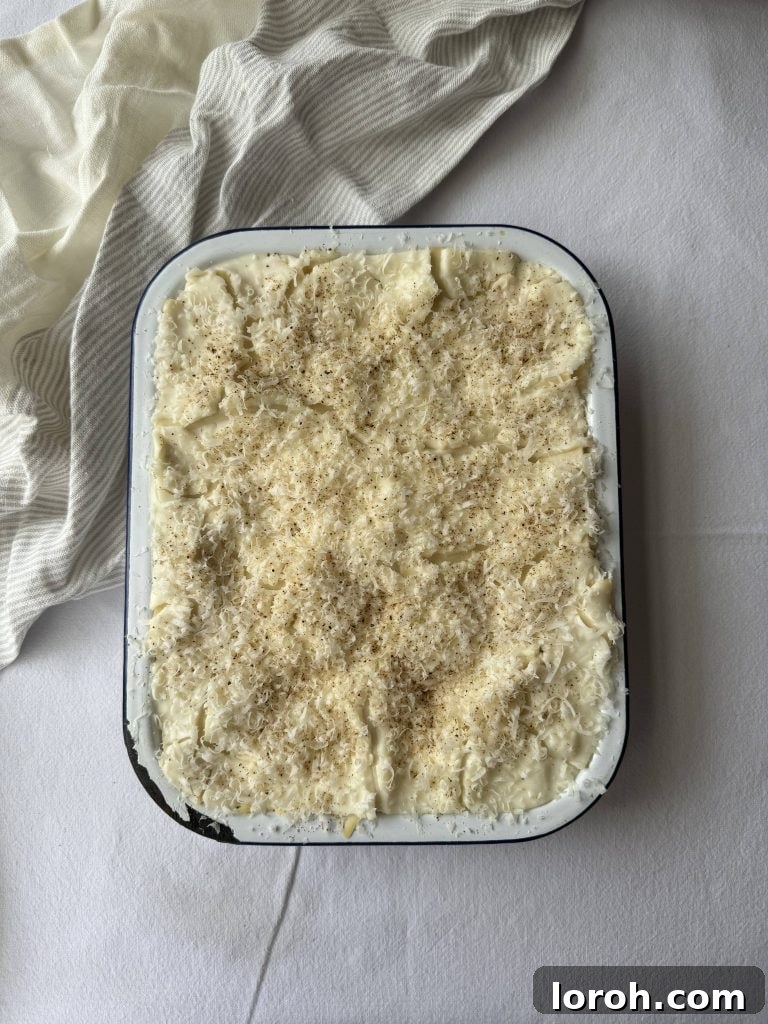
After some delightful experimenting in my own kitchen, I discovered a perfect synergy. A harmonious combination of cottage cheese, rich Greek yogurt, a generous grating of Parmesan cheese, and a couple of eggs came together to create an unbelievably creamy, flavourful, and stable “white sauce” layer. And it’s fantastic! While making a béchamel (traditional white sauce) isn’t inherently difficult, this cheat’s version is undeniably easier and quicker. This recipe means your lasagne can be made without butter, without flour, and without milk – offering a lighter, often healthier, and surprisingly flavourful alternative. Plus, if you select the right pasta sheets, it can easily be made gluten-free. The cheese, however, remains a key and indispensable component, infusing the lasagne with its signature creaminess and balancing all the robust flavours beautifully.
Exploring Other Easy White Sauce Alternatives
While our cottage cheese and Greek yogurt blend offers a unique and delicious flavour profile, we understand that tastes vary. If you’re keen on exploring other simple routes to a creamy lasagne without the traditional béchamel, there are several fantastic options. You can make a very easy white sauce using cornflour as a thickening agent, which yields a smooth, neutral-tasting sauce. Alternatively, ricotta cheese can be used instead of cottage cheese, offering a slightly milder, sweeter creaminess that’s equally delightful in a lasagne. Each alternative brings its own subtle nuances to the dish, allowing you to customise your lasagne to your exact preferences.
For those who prefer the classic approach, our recipe for the meat ragu remains largely the same. You can easily adapt this dish to a more traditional lasagne by simply swapping out our cheat’s white sauce for a homemade béchamel white sauce. Whichever white sauce you choose, the foundational flavours of the rich meat sauce and tender pasta sheets will ensure a truly satisfying meal.
Frequently Asked Questions About Lasagne
Transforming this lasagne into a delicious vegetarian meal is incredibly simple. Using a vegetarian mince, such as Quorn, is a fantastic option. When using Quorn mince, the best approach is to prepare your tomato sauce up to the point of adding garlic. Then, incorporate the tinned tomatoes, water, and finally, the frozen Quorn mince. To enhance the ‘meatiness’ and depth of flavour, I highly recommend adding some umami-rich ingredients. A touch of gravy granules, a squeeze of ketchup, a dash of Worcestershire sauce (ensure it’s vegetarian, as some contain anchovies), or even a small spoon of Marmite can work wonders, adding layers of savoury goodness that replicate a traditional meat flavour.
Another wonderful way to add substance and flavour without meat is to include roasted or sautéed aubergine (eggplant). Follow the recipe as usual, adding chopped aubergine at the stage where you would typically add mince. Make sure to season it well and cook it down until tender before mixing with the tomato sauce. Other vegetables like mushrooms, spinach, or zucchini can also be incorporated to create a hearty and flavourful vegetable lasagne.
Absolutely! Lasagne with pork mince is a truly delicious variation and works exceptionally well. Pork mince often has a slightly higher fat content than beef, which contributes to an incredibly luxurious, rich, and flavourful sauce that layers beautifully in a lasagne. Simply swap the beef mince for pork mince in the recipe and follow the instructions as usual. You might find the sauce even more succulent. Other options include lamb mince for a richer, gamier flavour, or a leaner option like turkey or chicken mince for a lighter take on the classic. Adjust cooking times slightly for leaner meats to prevent them from drying out.
No, you almost certainly don’t! The vast majority of lasagne sheets available in supermarkets today are designed as “no-boil” or “oven-ready,” meaning they cook perfectly within the dish itself, absorbing moisture from the sauces. Parboiling can often lead to a messy situation in the saucepan, with sheets sticking together, tearing, and generally adding an unnecessary and cumbersome step to an otherwise straightforward recipe. For this easy lasagne recipe, simply layer the dry sheets as directed. Ensure you have enough sauce to cover them adequately, and the oven’s heat will do the rest, transforming them into tender, perfectly cooked pasta layers.
Yes, this recipe is incredibly adaptable for a gluten-free diet, especially thanks to our cheat’s white sauce. A classic béchamel sauce contains flour, making it unsuitable for those avoiding gluten unless gluten-free flour is used. Our cottage cheese and Greek yogurt sauce naturally bypasses this issue entirely. To make the entire dish gluten-free, simply select gluten-free lasagne sheets. Many excellent brands are available in most supermarkets – I particularly like this one for its texture and performance. Always check the packaging to ensure the pasta sheets are certified gluten-free. With these two simple adjustments, you can enjoy a delicious gluten-free lasagne without any compromise on flavour or texture.
Lasagne is a fantastic dish for meal prepping! You can assemble the entire lasagne ahead of time, cover it tightly with foil or plastic wrap, and refrigerate it for up to 24-48 hours before baking. This allows the flavours to meld beautifully. When you’re ready to bake, simply place it in a preheated oven, adding an extra 10-15 minutes to the baking time if baking from cold. For a longer storage solution, you can also freeze an unbaked lasagne. Wrap it securely in multiple layers of foil and plastic wrap; it will keep well for up to 3 months. Thaw in the refrigerator overnight before baking, or bake directly from frozen (this will significantly increase baking time).
A hearty lasagne pairs wonderfully with simple, fresh accompaniments that cut through its richness. A crisp, vibrant green salad with a zesty vinaigrette or a mustardy dressing is always a perfect choice. Garlic bread or crusty artisan bread is ideal for soaking up any leftover sauce. For a more complete Italian-inspired meal, consider serving alongside some steamed green beans or roasted asparagus. A glass of medium-bodied red wine, such as Chianti or Merlot, would also complement the robust flavours beautifully.
Tips for a Perfect Lasagne Every Time
- Don’t Rush the Ragu: The meat sauce (ragu) benefits greatly from slow simmering. Allowing it to bubble gently for at least 45 minutes, or even longer, develops deep, rich flavours that are essential for a truly exceptional lasagne.
- Season Generously: Ensure each component – the meat sauce and especially the cheat’s white sauce – is well-seasoned with salt and pepper. This layering of seasoning builds overall flavour.
- Even Layers are Key: When assembling, aim for even, thin layers. This ensures that the heat distributes properly, the pasta cooks consistently, and you get a harmonious blend of flavours in every bite.
- Rest Before Serving: After baking, let your lasagne rest for at least 10-15 minutes before slicing and serving. This allows the layers to set, making it much easier to cut neat portions and preventing it from falling apart.
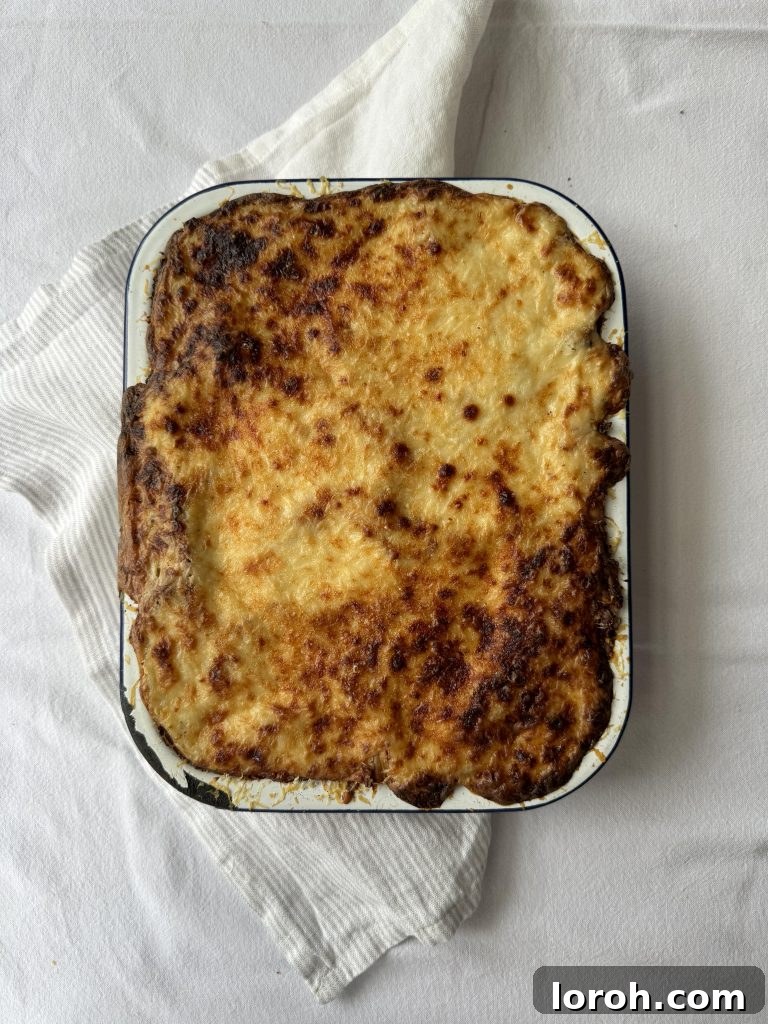
- Achieve that Golden Crust: If your lasagne isn’t as golden and bubbly as you’d like on top after 45 minutes, a quick blast under the grill (broiler) for a few minutes can create that irresistible crispy cheese crust. Keep a close eye on it to prevent burning!
More Recipes You Might Enjoy
If you loved this simple and delicious lasagne, you might also enjoy these other comforting and easy-to-make dishes:
Melty Mozzarella Parcels (aka Carrozza)
Simple Cheesy Baked Gnocchi with Tomato Sauce
Cheesy Creamy Winter Butternut Squash Gratin
Simple Tomato and Prawn Risotto
Easy Tomato Sauce for Pasta
Easy Lasagne With Cheat’s White Sauce
Rate Recipe
Print Recipe
Ingredients
- 1 red onion, chopped
- 2 garlic cloves, crushed
- 2 tbsp olive oil
- 500 g mince beef (or vegetarian alternative)
- 1 x 400g tin chopped tomatoes
- 125 g ball of mozzarella torn into bits
- 80 g grated parmesan (for layering)
- 250 g lasagne sheets (gluten-free if preferred)
- 300 g cottage cheese
- 200 g Greek yoghurt
- 2 eggs
- 25 g grated parmesan (for the cheat’s sauce)
- salt and pepper to taste
Instructions
-
Preheat your oven to 180°C (160°C fan/Gas Mark 4). Lightly oil an ovenproof dish, approximately 20 x 20cm, ensuring it’s ready for layering.
-
In a large pan, gently fry the chopped red onion in olive oil until it becomes beautifully soft and translucent. Season with a pinch of salt and pepper to start building layers of flavour.
-
Add the crushed garlic to the pan and stir for about another minute until fragrant. Next, add the mince (beef or your chosen alternative). Increase the heat slightly to encourage the mince to brown evenly. Remember to keep stirring constantly to prevent the onions and garlic from catching and burning.
-
Once the mince is thoroughly browned with no pink remaining, pour in the tinned chopped tomatoes. To ensure you get all the tomato goodness, fill the empty tin with water and add this to the pan as well. Stir everything together.
-
Reduce the heat to a gentle simmer and allow the meat sauce to bubble away for at least 45 minutes. This slow cooking process is crucial for the sauce to thicken and for the flavours to deepen and meld beautifully.
-
While the sauce simmers, prepare your cheat’s white sauce. In a separate bowl, thoroughly mix together the cottage cheese, Greek yogurt, the smaller portion of grated Parmesan (25g), and the eggs. Season this mixture generously with salt and pepper to taste.
-
Now, it’s time to assemble your lasagne! Begin by spooning a layer of the rich mince sauce into the bottom of your prepared ovenproof dish. Follow this with a layer of lasagne sheets, then a generous spread of your cheat’s white sauce. Top the white sauce with a sprinkle of grated Parmesan and torn mozzarella bits. Repeat these layers. Aim for at least three layers, but for a truly satisfying experience, I often try to create thinner layers to get four.
-
Finish the final layer with a liberal topping of grated Parmesan, a few additional blobs of mozzarella, and another grind of fresh pepper. Bake in the preheated oven for approximately 45 minutes, or until the top is golden and bubbly, and the pasta is tender when gently poked with a knife.
-
Allow the lasagne to rest for 10-15 minutes after baking before slicing. Serve hot with a fresh, crunchy green salad and a vibrant mustardy dressing for a perfectly balanced meal.
Notes
Like this recipe? Leave a comment below!
Your feedback helps others discover delicious meals.