
Baking Soda vs. Baking Powder: Decoding the Secrets to Perfect Baked Goods
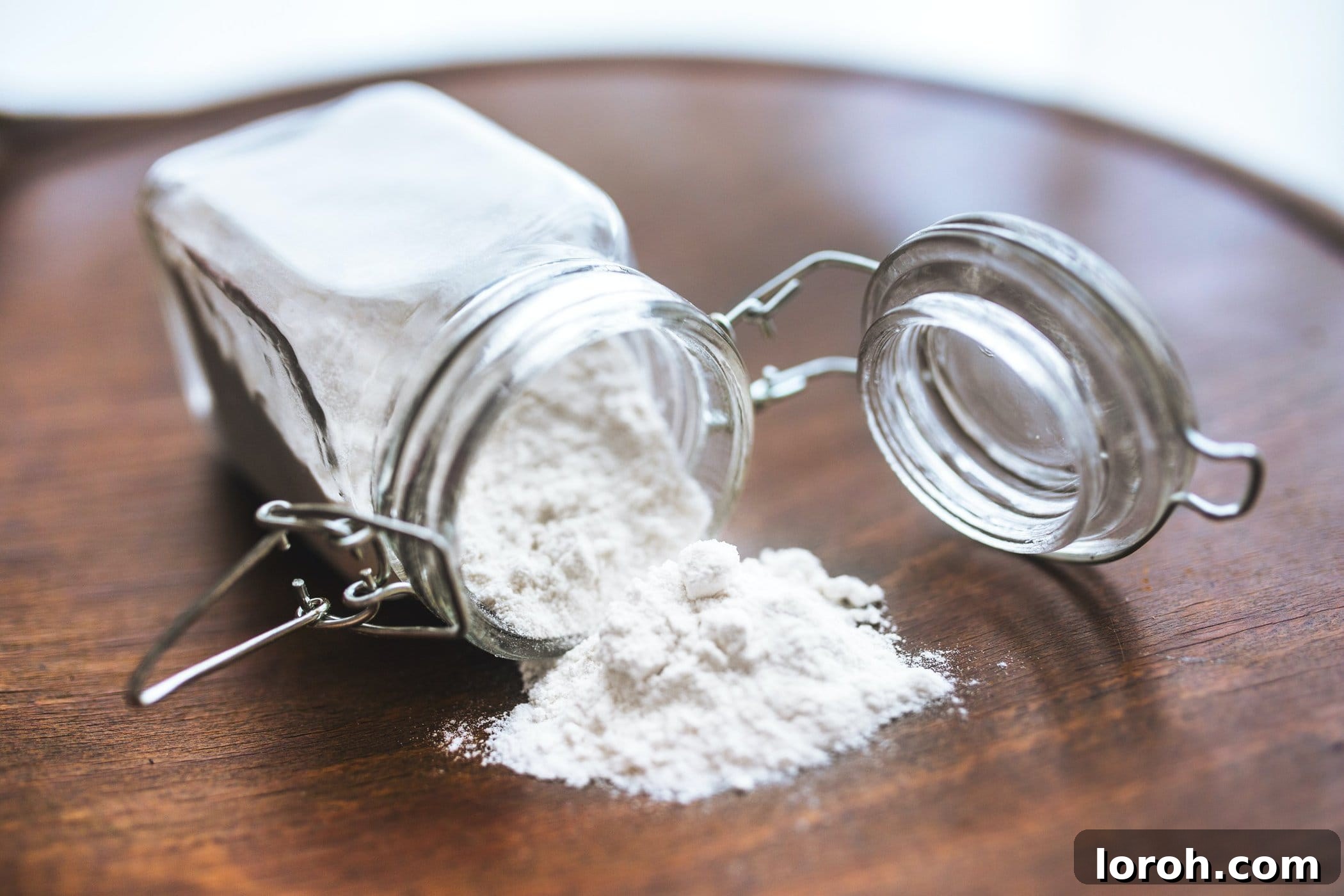
In the world of baking, precision is paramount, and few ingredients are as crucial yet often misunderstood as baking soda and baking powder. These unassuming white powders are the unsung heroes behind every fluffy cake, airy muffin, and perfectly risen cookie. While they might look similar and serve the same ultimate purpose – leavening – their chemical compositions and how they achieve that rise are fundamentally different. Understanding these distinctions isn’t just for professional bakers; it’s a foundational skill that empowers home cooks to achieve consistent, delicious results every time. This comprehensive guide will demystify these essential leavening agents, exploring their unique properties, ideal applications, and why some recipes expertly combine both for optimal lift and flavor.
Baking Soda: The Acid Lover
At its core, baking soda is a pure, singular compound: 100% sodium bicarbonate (NaHCO₃). It is a base, meaning it is alkaline. For baking soda to produce the carbon dioxide gas bubbles necessary for leavening, it requires two things: an acid and a liquid. Without an acid to react with, baking soda will simply remain inert in your batter, doing nothing to help your baked goods rise.
How Baking Soda Works Its Magic
When sodium bicarbonate comes into contact with an acidic ingredient in the presence of liquid, a chemical reaction occurs. This reaction releases carbon dioxide gas (CO₂). These gas bubbles get trapped within the dough or batter, expanding as they heat in the oven, thus causing the baked good to rise and achieve its light, airy texture. This reaction begins immediately upon mixing the wet and dry ingredients.
Common Acidic Partners for Baking Soda
Many common baking ingredients naturally contain acid, making them perfect companions for baking soda. These include:
- Buttermilk: Its lactic acid is a classic activator.
- Yogurt and Sour Cream: Similar to buttermilk, these dairy products provide the necessary acidity.
- Lemon Juice and Vinegar: Strong acids that create a vigorous reaction.
- Molasses and Brown Sugar: These contain mild acids that can activate baking soda.
- Natural Cocoa Powder: Unlike Dutch-processed cocoa, natural cocoa is acidic, making it a common partner for baking soda in chocolate recipes.
- Honey: Another ingredient with mild acidity.
Because baking soda relies on an external acid, it’s typically found in recipes that already feature one or more of these acidic components. Think of classic buttermilk pancakes, tangy lemon poppy seed muffins, or rich red velvet cake – the vibrant color of red velvet, for instance, is often enhanced by the reaction between baking soda and natural cocoa powder’s acidity.
Flavor and Texture Impact of Baking Soda
Beyond leavening, baking soda also plays a role in the flavor and texture of your final product. Its alkaline nature can help tenderize gluten, leading to a softer, more delicate crumb. It can also promote browning, giving crusts a beautiful golden hue. However, moderation is key. Using too much baking soda without enough acid to neutralize it can leave a distinctly unpleasant, soapy, or metallic aftertaste. It can also cause baked goods to spread excessively.
Baking Powder: The Self-Sufficient Leavener
Unlike its pure counterpart, baking powder is a complete leavening system in a single package. It already contains all the necessary components for leavening: baking soda, an acid (typically cream of tartar), and a starch (usually cornstarch). The starch serves multiple purposes: it keeps the acidic and basic components from reacting prematurely, absorbs moisture, and acts as a filler to standardize the product.
Types of Baking Powder
Baking powder comes in two main types:
- Single-Acting Baking Powder: This type reacts once, as soon as it comes into contact with liquid. It means you need to get your batter into the oven very quickly after mixing, or the leavening power will be lost. This type is less common in home baking today.
- Double-Acting Baking Powder: This is the most common type found in supermarkets and used in recipes. It’s designed to react twice. The first reaction occurs when it mixes with liquid at room temperature, producing some initial carbon dioxide. The second, more significant reaction is triggered by the heat of the oven, releasing additional gas. This dual action provides a more reliable and sustained rise, offering a longer window of time between mixing and baking, making it very forgiving for home bakers.
How Baking Powder Works
In baking powder, the cream of tartar acts as the acid. When liquid is introduced to the mix, the dry acid and baking soda dissolve and react, creating carbon dioxide gas. For double-acting varieties, a second acid (often sodium aluminum sulfate or calcium acid phosphate) is included, which only reacts when exposed to the higher temperatures of the oven, providing an extra boost of lift during baking. This ensures a consistent and impressive rise, even if your batter sits for a few minutes before going into the oven.
When to Use Baking Powder
Baking powder is the leavening agent of choice for recipes that do not contain a significant amount of acidic ingredients. It’s perfect for batters and doughs where a neutral pH is desired or where the flavor of an acidic ingredient is not a primary focus. You’ll find it in most standard cake recipes, quick breads, cookies that don’t rely on acidic add-ins, and many muffin recipes. It provides a reliable lift without imparting any off-flavors, resulting in a light and even crumb.
The Critical Difference: Not Interchangeable
Understanding the fundamental distinction between baking soda and baking powder is crucial, as they are generally not interchangeable, at least not in equal amounts. Swapping one for the other without careful consideration of the recipe’s other ingredients can lead to disastrous results.
Key Differences Summarized:
- Composition: Baking soda is pure sodium bicarbonate. Baking powder is a mixture of baking soda, an acid, and a starch.
- Activation: Baking soda requires an external acid and liquid to react. Baking powder contains its own acid and only needs liquid (and heat for double-acting types) to react.
- Taste Impact: Baking soda, if not fully neutralized by an acid, can impart a bitter, soapy, or metallic taste. Baking powder is formulated to be flavor-neutral.
- Strength: Baking soda is about three to four times stronger than baking powder because it’s a concentrated base.
- Use Cases: Baking soda is for recipes with acidic ingredients. Baking powder is for recipes without sufficient acidic ingredients.
Attempting to substitute baking soda for baking powder might leave you with a flat, dense product, as there might not be enough acid in the recipe to activate it. Conversely, replacing baking powder with baking soda in a recipe lacking acid will also result in little to no rise and potentially a foul taste. While some complex conversions are possible, sticking to what the recipe calls for is always the safest bet for home bakers.
Why Do Some Recipes Call for Both?
This is where the magic of advanced baking often lies – understanding when and why both baking soda and baking powder are employed in a single recipe. It’s not a mistake; it’s a deliberate and often brilliant strategy by recipe developers to achieve a specific texture, rise, and flavor profile.
1. Achieving Optimal Rise and Stability
Some recipes may contain a moderate amount of acidic ingredients, but not enough to fully activate all the baking soda required for a substantial rise. In such cases, baking soda is used to react with the available acid, while baking powder provides additional, independent leavening. This combination ensures maximum lift without oversaturating the recipe with baking soda, which could lead to off-flavors.
2. Balancing Flavor and Acidity
When a recipe features an acidic ingredient whose flavor is desired – like buttermilk in a scone or brown sugar in a cookie – baking soda is used to neutralize some of that acid. This neutralization is essential for two reasons: it allows the baking soda to do its job by producing CO₂, and it prevents the baked good from becoming overly tart or sour. However, if complete neutralization removes too much of the desirable acidic tang, baking powder steps in to provide the remaining necessary lift without further affecting the pH or flavor profile. This results in a product that is both well-risen and retains its intended delicious, slightly tangy notes.
3. Controlling Spread and Texture
Baking soda’s alkaline nature can affect gluten development and contribute to browning. Recipes sometimes use a small amount of baking soda to help baked goods spread slightly more (think chewy cookies) and achieve a nice golden-brown crust, while simultaneously incorporating baking powder to ensure good vertical lift and a tender, open crumb structure. The precise balance allows for a nuanced control over the final texture, from crisp edges to soft interiors.
4. Avoiding Metallic or Soapy Flavors
As mentioned, using too much baking soda can lead to an undesirable metallic or soapy taste. If a recipe needs a significant amount of leavening, but the available acid is limited, relying solely on baking soda might result in an unpalatable product. By combining both leaveners, the baker can achieve the desired rise using less baking soda, thereby preventing any off-flavors while still benefiting from baking soda’s tenderizing effects or interaction with specific ingredients like natural cocoa.
Essential Tips for Baking Success
Mastering baking soda and baking powder also involves understanding best practices for storage and usage.
- Check for Freshness: Leavening agents lose their potency over time. To test baking soda, mix a teaspoon with a tablespoon of vinegar; it should bubble vigorously. For baking powder, mix a teaspoon with a quarter cup of hot water; it should fizz. If there’s no strong reaction, it’s time to replace them.
- Measure Accurately: Precision is key. Always level off your measuring spoons for these powerful ingredients.
- Store Properly: Keep both baking soda and baking powder in airtight containers in a cool, dry place to protect them from moisture and humidity, which can prematurely activate them.
- Don’t Overmix: Once wet ingredients are combined with dry ingredients containing leaveners, mix only until just combined. Overmixing develops gluten, which can create a tough texture and deflate the precious carbon dioxide bubbles, leading to a dense product.
- Bake Promptly: Especially with recipes using single-acting baking powder or a high proportion of baking soda, get your batter into the oven quickly after mixing to maximize the leavening effect before the gases escape.
Conclusion: Mastering Your Leaveners
Far from being interchangeable, baking soda and baking powder are distinct chemical compounds, each with a unique role in the science of baking. By understanding their individual mechanisms, the types of recipes they’re best suited for, and the clever reasons why some culinary masterpieces call for both, you gain invaluable insight into the art and science of creating delectable baked goods. Paying attention to these seemingly small details in your recipes will elevate your baking from good to truly exceptional, ensuring every bite is perfectly risen, beautifully textured, and wonderfully flavorful. So go forth, bake with confidence, and enjoy the delightful results of your newfound knowledge!