
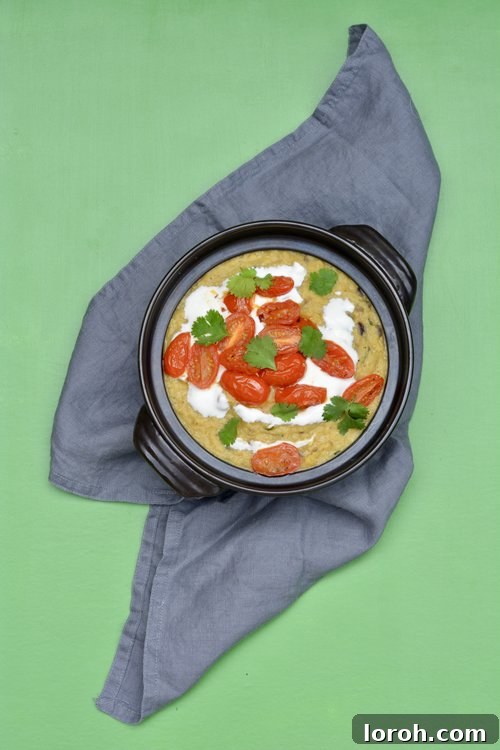
Ultimate Comfort: Creamy Red Lentil Dal with Coconut Milk
The Irresistible Allure of Comfort Food
In the relentless pace of modern life, when hunger gnaws and exhaustion settles in, the last thing anyone desires is a culinary marathon involving intricate techniques and exotic ingredients. What truly calls out in these moments is comfort – a deeply satisfying solace from the relentless storm of daily stress, and food often provides that much-needed shelter. It’s in these vulnerable times that our cravings lean not towards a lavish Michelin-starred banquet, but towards something inherently familiar and profoundly reassuring.
A complex, multi-course gourmet meal, no matter how exquisite or innovative with its ambrosial concoctions, often pales in comparison to the simple charm of a well-loved dish when we’re feeling low and world-weary. In moments of need, we don’t seek new and exciting culinary adventures; we yearn for the edible equivalent of a warm, enveloping hug. The desire is to take a bite and instantly feel safe, secure, and nourished from within. This is the essence of comfort food.
To be clear, there’s an undeniable place for special occasion dining, for those moments when you’re feeling vibrant and celebratory. But for the everyday battles, for those evenings when you simply need to reset, a big bowl of spaghetti bolognese, a perfectly grilled cheese sandwich, a steaming mound of creamy mashed potatoes, or a hearty homemade soup often proves to be the ultimate remedy. Comfort food represents dishes that people genuinely love to eat, often evoking nostalgic memories of childhood classics. Crucially, if you’re the one preparing it, the ease and speed of preparation become just as comforting as the meal itself.
Introducing Our Red Lentil Dal: A Hearty and Wholesome Staple
This universal quest for comfort leads us directly to dal, and specifically, to our incredibly simple yet profound red lentil dal with creamy coconut milk. Dal is a quintessential example of how a few humble ingredients, when combined with care, can offer such immense solace to our hunger and deep comfort to our souls. If you’ve never ventured into making dal before, you are truly in for a complete treat. It’s an exceptionally delicious dish: mushy yet textured, thick, intensely flavorsome, wonderfully filling without ever being stodgy, and remarkably easy to pull together.
This versatility makes it perfect for quick weeknight meals when time is tight, yet it boasts enough depth and appeal to elegantly serve to guests at a casual dinner party. An added layer of convenience is its excellent freezing capability. The knowledge that a defrosted pot of this nourishing dal is never more than moments away is a comfort in itself, ready to provide a wholesome meal whenever you need it most. It’s a true testament to the power of simple ingredients creating something extraordinary.
Recipe: Comforting Red Lentil Dal with Coconut Milk (Inspired by Anna Jones)
By: Margie
Prep Time: 10 mins
Cook Time: 45 mins
Total Time: 55 mins
Servings: 4 servings
A simple, aromatic, and deeply satisfying red lentil dal made exquisitely creamy with coconut milk and a blend of traditional Indian spices. This quick-to-prepare dish is perfect for a cozy weeknight dinner and serves as a fantastic source of plant-based protein. Inspired by Anna Jones’ focus on wholesome, flavorful cooking.
Ingredients
- 400 g red lentils
- 2 tbsp turmeric powder
- ¼ cup creamy full-fat coconut milk (for richness)
- 1 medium red onion, finely chopped
- 3 cloves garlic, crushed or finely minced
- 1 red chilli, deseeded and diced (adjust to desired heat level)
- 2 tsp ground coriander
- 2 tsp garam masala
- 2 tsp ground ginger
- Handful of fresh coriander stalks, finely chopped (reserve leaves for garnish)
- Salt and freshly ground black pepper, to taste
- 1 tbsp olive oil (for sautéing aromatics)
For the Roasted Tomatoes:
- 1 punnet (approx. 250g) cherry tomatoes, halved
- 1 tbsp coconut oil
- 1 tsp dried chilli flakes (optional, for a subtle heat)
- Salt and freshly ground black pepper
To serve:
- 1 large handful of fresh coriander leaves, roughly chopped
- 4 tablespoons Greek yoghurt (or a dairy-free alternative like coconut yogurt)
- Steamed basmati rice, warm naan bread, or chapatti (optional accompaniments)
Instructions
- Prepare Roasted Tomatoes: Begin by preheating your oven to 160°C (325°F). Arrange the halved cherry tomatoes on a baking tray. Drizzle them generously with coconut oil, sprinkle with the dried chilli flakes (if using), and season well with salt and black pepper. Roast in the oven for approximately 40 minutes, checking and gently basting them with their own juices halfway through. The tomatoes should emerge soft, slightly shrivelled, and beautifully caramelized, intensifying their sweet and tangy flavor.
- Sauté Aromatics: While the tomatoes are roasting, heat the olive oil in a large, heavy-bottomed saucepan or pot over medium heat. Add the finely chopped red onion and sauté gently for 5-7 minutes until it becomes soft, translucent, and slightly golden.
- Build the Spice Base: Stir in the crushed garlic, diced red chilli, and the finely chopped coriander stalks. Cook for another minute until fragrant. Then, add all the ground spices: turmeric, ground coriander, garam masala, and ground ginger. Stir constantly for 2-3 minutes, allowing the spices to toast and release their full aroma. Ensure the heat is not too high to prevent the spices from burning. Season this aromatic base generously with salt and pepper.
- Cook the Lentils: Rinse the red lentils thoroughly under cold running water until the water runs clear. Add the rinsed lentils to the saucepan with the spiced aromatic mixture. Pour in enough cold water to cover the lentils by about 2-3 inches (approximately 4-5 cups, but this can be adjusted for desired consistency later). Bring the mixture to a boil, then immediately reduce the heat to a gentle simmer.
- Simmer to Perfection: Cook the lentils according to the package instructions, which typically ranges from 30 to 45 minutes for red lentils. Keep a close watch; red lentils cook relatively quickly and can turn mushy if overcooked. Begin tasting for doneness around the 30-minute mark. You want them to be very soft and creamy, almost falling apart, but still retaining a little texture – not completely disintegrated. Once tender, if there’s excessive liquid, you can drain a little, but typically red lentils absorb most of the water to create a thick consistency. Return the cooked lentils to the pan.
- Finish and Serve: Stir the creamy coconut milk into the cooked lentils along with the sautéed onion and spice mixture. Mix everything thoroughly until well combined and heated through. Taste and adjust the seasoning with additional salt and pepper if necessary. Ladle generous portions of the warm dal into individual serving bowls. Crown each bowl with the beautifully roasted cherry tomatoes, a dollop of cooling Greek yoghurt, and a vibrant sprinkle of fresh, chopped coriander leaves. Serve immediately, perhaps alongside steamed basmati rice, warm naan bread, or chapatti for a complete and satisfying meal.
Notes for Perfect Dal Every Time
This comforting dal truly benefits from resting, allowing the flavors to deepen and meld. It reheats wonderfully and often tastes even better the next day. We highly recommend making the full amount, even if cooking for one. Store any leftovers in an airtight container in the refrigerator for up to 3-4 days, or freeze individual portions for convenient future meals. A defrosted pot of this dal is a true lifesaver on busy days.
Don’t hesitate to personalize this recipe. If you desire more heat, simply add an extra diced red chilli or a pinch of cayenne pepper with the ground spices. For an extra boost of nutrients and freshness, stir in a handful of fresh spinach or kale during the last 5 minutes of cooking until just wilted. The spices listed provide a fantastic base, but feel free to experiment with a little asafoetida (hing) for a traditional touch or a smoky paprika for added depth.
Beyond the Bowl: Understanding Dal in Cuisine
The term ‘dal’ often sparks curiosity, especially when compared to similar-sounding dishes. While dal and lentil soup share a foundational ingredient, they are not entirely interchangeable. Dal is a cornerstone of Indian subcontinent cuisine, made primarily from dried, split pulses (lentils, peas, or beans), distinguished by its unique tempering of spices known as ‘tadka’ or ‘chaunk’. This involves heating oil or ghee and frying whole or ground spices like turmeric, cumin seeds, mustard seeds, and coriander until fragrant, then pouring this aromatic oil over the cooked lentils. This technique infuses the dal with a profound depth of flavor that is characteristic of authentic Indian cooking.
The consistency of dal can vary significantly, from a thin, soupy texture that’s ideal for sipping or pairing with rice (like a classic Tarka Dal) to a much thicker, stew-like dish (such as the creamy Dal Makhani). Lentil soup, conversely, is a more generalized Western term for a soup whose primary ingredient is lentils. It often includes various vegetables, herbs, and spices but typically lacks the specific tempering method that defines traditional dal, making it a broader category of legume-based liquid dishes.
Dal vs. Curry: A Culinary Clarification
Another common question revolves around whether dal is considered a curry. The answer is nuanced, as dal shares many similarities with curries, particularly its rich use of aromatic spices. However, it’s not always exclusively categorized as a curry. The term ‘curry’ itself is incredibly expansive, encompassing a vast array of dishes across many cuisines, generally characterized by a saucy consistency and a complex blend of spices, often with bases like tomato, coconut milk, yogurt, or a combination thereof.
Curries can feature a wide range of main ingredients, including meats, vegetables, or other legumes like chickpeas. While some thicker, more richly spiced dals might be referred to as a type of vegetarian curry, especially in a broader Western culinary context, traditional Indian cuisine often considers dal as its own distinct category. It’s a fundamental and essential part of a meal, often served alongside a variety of curries, vegetable dishes, and breads, rather than always being a curry itself. Dal can truly stand on its own as a main course or be a vital component of a larger meal.
The Nutritional Powerhouse: Why Lentil Dal is Incredibly Healthy
Beyond its comforting appeal, red lentil dal is an exceptional nutritional powerhouse, making it a superb choice for a balanced and healthy diet. Lentils are globally celebrated as a fantastic and affordable source of plant-based protein. This makes them an invaluable staple for vegetarian, vegan, and flexitarian diets, providing essential amino acids crucial for muscle maintenance, tissue repair, and overall bodily function.
Moreover, lentils are extraordinarily rich in dietary fiber, which is paramount for digestive health. This high fiber content plays a significant role in stabilizing blood sugar levels, promoting satiety and helping you feel fuller for longer periods, and fostering a healthy gut microbiome. They are also naturally low in fat, contributing to a heart-healthy diet. The benefits extend further, as lentils are packed with an impressive array of essential vitamins and minerals, including iron (vital for energy and preventing anemia), folate (crucial for cell growth and function), magnesium, potassium, and various B vitamins. Incorporating this delicious red lentil dal into your weekly meal rotation is a simple, flavorful, and highly effective way to significantly boost your nutrient intake and support a vibrant, healthy lifestyle.
The Unsung Hero: Perfectly Roasted Tomatoes
A special highlight of this particular red lentil dal recipe is the inclusion of roasted cherry tomatoes. While some dal preparations may omit them, their presence here is truly exceptional and highly recommended. The process of slow-roasting cherry tomatoes transforms them into concentrated bursts of sweet, slightly acidic flavor, creating a wonderful depth that perfectly complements the earthy, creamy texture of the dal. The subtle addition of coconut oil and a touch of dried chilli flakes during roasting introduces another layer of complex aroma and a gentle warmth, elevating the entire dish from simply comforting to truly memorable. Don’t underestimate their impact – these roasted tomatoes are the crowning jewel, adding a burst of brightness and a sophisticated finish to each and every spoonful.
Customizing Your Dal Experience
One of the most appealing aspects of cooking dal is its incredible adaptability and forgiving nature. While our recipe provides a balanced and aromatic foundation, ideal for those new to preparing Indian-inspired dishes, it also serves as an excellent canvas for your personal culinary expression. Feel empowered to experiment with the spices you have on hand and those that resonate with your palate. Perhaps you’d like to introduce a touch of smoky paprika for depth, a hint of pungent asafoetida (hing) for authentic flavor and digestive benefits, or an extra pinch of warming cumin. The key is to trust your instincts and adjust the seasonings as you cook, tasting along the way.
If you’re still building your confidence with a diverse spice cabinet, begin by following our suggested measurements to familiarize yourself with the classic flavor profile. Once you grasp the fundamentals, you can confidently “go freestyle,” adding a little more fresh ginger for an invigorating zest, extra chilli for a bolder kick, or even exploring different varieties of garam masala blends for varied nuances. The thoughtful combination of fragrant garlic, fresh ginger, and the luxurious, creamy coconut milk in this specific recipe creates an incredibly comforting and approachable dal, promising a delightful and satisfying experience every single time.