
Homemade Gnocchi with Crispy Sage and Prosciutto: An Authentic Taste Inspired by Gino D’Acampo
By:
Margie
Gnocchi, those delightful little potato dumplings, often come with a reputation for being notoriously difficult to make from scratch. However, this perception couldn’t be further from the truth! With the right guidance and a little practice, crafting light, delicate, and utterly fluffy homemade gnocchi is not only achievable but also incredibly rewarding. Bid farewell to dense, rubbery gnocchi that feels more like an old shoe; our goal is to create pillowy soft dumplings that melt in your mouth, forming a perfect canvas for exquisite sauces.
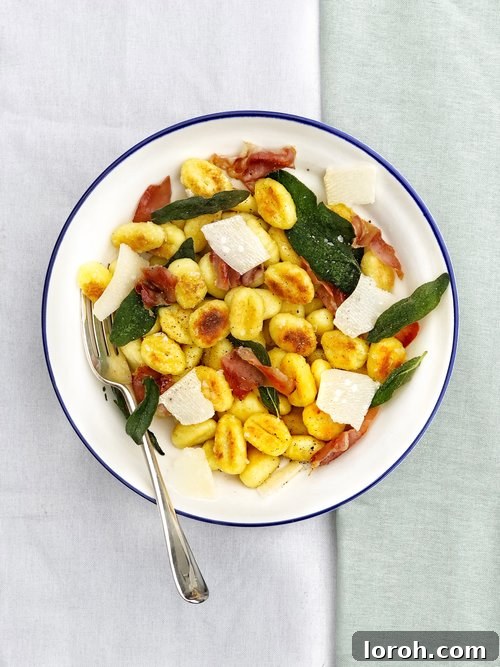
This particular recipe draws inspiration from the celebrated Italian chef, Gino D’Acampo, bringing his passion for authentic Italian flavors right into your kitchen. It highlights a truly spectacular combination: the salty, cured notes of crispy prosciutto harmonizing beautifully with the earthy, aromatic crunch of fried sage, all brought together with a generous dusting of rich, savory Parmesan cheese. While gnocchi is incredibly versatile and pairs wonderfully with simple tomato sauces, vibrant pestos, or even creamy cheese sauces, this specific trinity of flavors is a match made in culinary heaven.
A fantastic discovery in my gnocchi-making journey has been the flexibility of potato preparation. You can boil your potatoes a day ahead, mash them, and then proceed with adding the flour and egg the next day. This simple trick alleviates much of the pressure and demonstrates that fresh, homemade gnocchi is more accessible than you might think. Whether you prefer to bake or boil your potatoes for the base, this comprehensive guide will walk you through every step to ensure your gnocchi is nothing short of perfect. For consistent and excellent results, we will focus on the boiling method in our instructions.
Servings:
6
servings
Why You Should Master This Homemade Gnocchi Recipe
There’s an unparalleled satisfaction that comes with creating classic dishes from scratch, and homemade gnocchi is certainly one of them. Beyond the joy of cooking, there are several compelling reasons why this particular gnocchi recipe deserves a spot in your culinary repertoire:
- Superior Flavor and Texture: Store-bought gnocchi simply cannot compare to the delicate, fresh flavor and tender, airy texture of homemade versions. You control the ingredients, ensuring the highest quality.
- A Culinary Achievement: While surprisingly simple, presenting a plate of homemade gnocchi feels like a significant accomplishment. It’s a fantastic way to impress dinner guests or simply treat yourself to an authentic Italian experience.
- Versatile Base: Once you’ve mastered the basic gnocchi dough, the possibilities for customization are endless. It’s a blank canvas ready to be paired with any sauce you desire, making it a highly adaptable skill.
- Elevated Flavor Profile: The specific combination of salty prosciutto, fragrant crispy sage, and rich Parmesan cheese transforms simple potato gnocchi into a sophisticated and incredibly delicious meal. Each bite offers a delightful contrast of textures and tastes.
- Learn Essential Techniques: This recipe guides you through key techniques like properly mashing potatoes for gnocchi, gently working dough, and achieving the signature gnocchi shape, building confidence in your cooking skills.
Essential Ingredients for Fluffy Potato Gnocchi
The secret to exquisite gnocchi lies in the quality and balance of just a few core ingredients. This recipe is designed for approximately 6 generous servings, perfect for a family meal or entertaining.
For the Gnocchi Dough
- 6 large potatoes, approximately 2kg in total weight. Russet, Maris Piper, or King Edward potatoes are highly recommended due to their high starch content and low moisture, which are crucial for light gnocchi. Keep the skin on for boiling.
- 300 g all-purpose flour, also known as plain flour, or “00” flour for an even finer, silkier texture. Have a little extra on hand for dusting your work surface.
- 2 large eggs, lightly beaten. These act as a binder, holding the dough together without making it tough.
- Sea salt, essential for seasoning both the potato cooking water and the gnocchi dough itself.
- Freshly ground black pepper, to enhance the savory notes of the gnocchi.
For the Crispy Sage and Prosciutto Sauce
- 20-30 fresh sage leaves, whole. Freshness is key for maximum aroma and crispiness.
- 100-150 g prosciutto, thinly sliced. High-quality prosciutto will make a significant difference.
- 50 g unsalted butter, for pan-frying the gnocchi and creating a luscious sauce.
- Olive oil, a few tablespoons for frying the sage leaves.
- Parmesan cheese, freshly shaved or finely grated, for garnish and added richness.
- Maldon sea salt flakes, or other flaky sea salt, for sprinkling over the crispy sage.
Step-by-Step Guide: Crafting Your Perfect Gnocchi
Making the Gnocchi Dough
-
Boil the Potatoes: Place your halved, skin-on potatoes in a large pot. Fill the pot with cold water until the potatoes are fully submerged. Add a generous amount of salt to the water (it should taste like the sea, similar to pasta water). Bring to a rolling boil over high heat.
-
Cook Until Fork-Tender: Reduce the heat slightly and continue to boil the potatoes until they are completely cooked through and very tender when pierced with a fork. This usually takes about 40-45 minutes, depending on the size and type of potatoes. Cooking them skin-on helps prevent them from becoming waterlogged.
-
Peel the Hot Potatoes: Do not drain the potato water. Instead, use a slotted spoon or tongs to carefully remove the hot potatoes from the pot. Immediately peel the skins off while the potatoes are still hot; this makes the process much easier. Be cautious to avoid burning your hands.
-
Rice or Mash Thoroughly: For the lightest, fluffiest gnocchi, push the peeled potatoes through a potato ricer directly onto a clean, lightly floured work surface. If you don’t have a ricer, mash them very thoroughly with a fork until there are no lumps and the texture is as fine and uniform as possible. Avoid using a food processor, as this can overwork the potatoes and make them gummy.
-
Cool the Potato Base: Allow the mashed or riced potatoes to cool and release steam for about 10-15 minutes. This step is crucial: adding eggs to hot potatoes will scramble them, ruining your dough. The potatoes should be warm to the touch, not hot.
-
Season and Add Eggs: Once cooled, create a mound with the potato on your work surface and sprinkle 300g of flour around and over it. Season the potato generously with salt and a little black pepper. Make a deep well in the center of the potato mound. Pour the two lightly beaten eggs into this well.
-
Form the Dough Gently: Using your hands or a bench scraper, gradually work the flour and eggs into the potatoes, starting from the edges of the well and moving inwards. Mix just until a cohesive, soft dough forms. The key here is not to overwork the dough; excessive kneading develops gluten, which results in tough, chewy gnocchi.
-
Adjust Dough Consistency: The finished dough should be soft, pliable, and slightly moist, but crucially, it should not be overly sticky. If your dough is too sticky to handle, add a very small amount of extra flour (a tablespoon at a time) and gently knead until it reaches the right consistency.
-
Portion and Roll Ropes: Divide the gnocchi dough into 8 equal pieces. Take one piece and, on a lightly floured surface, gently roll it back and forth to form a long, even rope, approximately 2 cm (¾ inch) in thickness. Repeat with the remaining dough pieces.
-
Cut the Gnocchi: Using a sharp knife or a bench scraper, cut each rope into small, pillow-shaped pieces, roughly 2-3 cm (1 inch) in length. These are your individual gnocchi.
-
Shape for Sauce Adherence (Optional but Recommended): For the characteristic gnocchi texture and to help sauce cling better, gently roll each cut piece against the tines of a fork, pressing lightly with your thumb to create ridges and a slight curve. This takes a little practice to get the hang of it, but watching a short video tutorial online can greatly assist in visualizing the technique. Don’t worry if they’re not perfect; they will still be delicious!
-
Cook the Gnocchi: Bring a large pot of heavily salted water (you can reuse the potato cooking water if it’s still hot and clean) to a gentle boil. Carefully drop the gnocchi into the boiling water in small batches. Avoid overcrowding the pot, as this will lower the water temperature and can make the gnocchi mushy or stick together.
-
Know When They’re Done: Gnocchi cook very quickly. They are ready when they float to the surface of the water, which typically takes only 1-2 minutes. Once they float, let them cook for about 10-15 more seconds to ensure they are fully cooked through, then promptly remove them with a slotted spoon.
-
Pan-Fry for Crispy Exterior: While boiled gnocchi can be served directly with sauce, for this recipe, pan-frying is highly recommended. In a large frying pan, melt the unsalted butter over medium heat until it’s shimmering and just starting to brown (this adds a nutty flavor). Add the cooked gnocchi and fry for 1-2 minutes, tossing gently, until they are beautifully golden brown and crispy on the outside. This step adds an irresistible texture and depth of flavor.
To make the Crispy Sage Leaves:
-
Heat Oil for Frying: In a small frying pan, heat a thin layer of olive oil over medium-high heat. You’ll know it’s ready when it shimmers slightly.
-
Fry Sage Leaves: Carefully add 4-5 fresh sage leaves to the hot oil. They will crisp up incredibly fast, usually within a matter of seconds. Watch them diligently, as they can burn quickly and become bitter. The goal is a vibrant green and crisp texture.
-
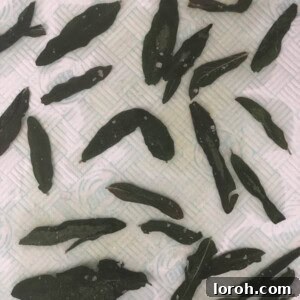
Drain and Season: Using a slotted spoon, immediately remove the crispy sage leaves from the pan and place them on a plate lined with kitchen paper to absorb any excess oil. While still warm, sprinkle them with a pinch of Maldon sea salt flakes for that perfect finishing touch. Repeat with remaining sage leaves. These delicate, savory crisps are not only fantastic on gnocchi but also wonderful on pasta, risotto, canapés, or roasted meats.
-
Assemble and Serve: Arrange the pan-fried crispy gnocchi on individual serving plates or a large platter. Artfully drape the thin slices of prosciutto over the gnocchi. Scatter your freshly made crispy sage leaves generously on top, and finish with a liberal shaving or grating of fresh Parmesan cheese. Serve immediately and savor every exquisite bite!
Expert Tips for Achieving Gnocchi Perfection
Making gnocchi is an art that becomes more intuitive with practice, but a few foundational tips can dramatically improve your results from your very first attempt, ensuring consistently light and delicious dumplings.
- Select the Right Potatoes: This is paramount. Opt for starchy varieties such as Russets (baking potatoes), Maris Piper, or King Edward. These potatoes have a lower water content and a higher starch content, which allows you to use less flour, resulting in a lighter, fluffier gnocchi. Waxy potatoes, conversely, tend to produce a denser, heavier texture.
- Avoid Waterlogging Potatoes: While boiling, ensure potatoes are cooked through but not overcooked to the point of absorbing too much water. Boiling them skin-on helps create a protective barrier against excessive moisture absorption.
- Mash While Hot, Cool Before Adding Egg: Process your potatoes (ricer is best) immediately after peeling while they’re hot to release steam and achieve the finest texture. However, let the mashed potatoes cool for 10-15 minutes before incorporating the egg. This prevents the egg from cooking prematurely and ensures a smooth dough.
- Invest in a Potato Ricer: If you’re serious about gnocchi, a potato ricer is your best friend. It produces a light, airy, and uniform potato base without activating gluten, which can make gnocchi tough. A fork can work, but a ricer is superior.
- Use Minimal Flour: The golden rule of gnocchi is “as little flour as possible.” Too much flour is the quickest way to end up with heavy, rubbery gnocchi. The dough should be soft, slightly sticky to the touch, but still manageable enough to roll.
- Do Not Overwork the Dough: Gentle handling is key. Mix the ingredients just until they are combined and a dough forms. Excessive kneading develops gluten, which will make your gnocchi chewy rather than tender. Work quickly and lightly.
- Cook in Small Batches: When boiling gnocchi, avoid overcrowding the pot. This significantly drops the water temperature, leading to uneven cooking, sticky gnocchi, or mushy results. Cook a handful at a time, removing them as soon as they float.
- Taste and Adjust Seasoning: Always perform a taste test with one or two pieces from your first cooked batch. This allows you to check for seasoning and ensure the texture is right before cooking the rest.
Delicious Serving Suggestions and Creative Variations
While the crispy sage and prosciutto pairing is truly exceptional, homemade gnocchi offers an incredible foundation for a myriad of other flavors and sauces. Don’t hesitate to experiment once you’ve mastered the basic technique!
Classic & Comforting Pairings:
- Simple Marinara or Tomato Sauce: A light, fresh tomato sauce infused with basil allows the delicate flavor of the gnocchi to shine through. Perfect for a weeknight meal.
- Pesto Genovese: Toss your freshly cooked gnocchi with a vibrant basil pesto for a quick, aromatic, and intensely flavorful dish.
- Brown Butter and Sage: A timeless Italian classic, very similar to our feature recipe but without the prosciutto. The nutty aroma of browned butter perfectly complements fresh sage leaves.
- Creamy Mushroom Sauce: A rich and earthy sauce made with sautéed wild mushrooms, garlic, and cream provides a deeply satisfying and hearty option.
- Gorgonzola Cream Sauce: For cheese enthusiasts, a robust Gorgonzola cream sauce offers a pungent and luxurious counterpoint to the mild potato gnocchi.
Exciting Variations for Your Gnocchi Dough:
- Ricotta Gnocchi: For an even lighter, more ethereal texture, try replacing some of the potato with fresh ricotta cheese. Add a hint of lemon zest for brightness.
- Spinach or Herb Gnocchi: Incorporate finely puréed blanched spinach or a blend of fresh herbs (like parsley and chives) into your potato mixture for a boost of color, flavor, and nutrients.
- Pumpkin or Sweet Potato Gnocchi: During autumn, swap out regular potatoes for roasted pumpkin or sweet potato for a naturally sweet and savory alternative. These often require slightly more flour due to higher moisture content.
- Roasted Vegetable Medley: Instead of a sauce, toss your pan-fried gnocchi with seasonal roasted vegetables like cherry tomatoes, zucchini, bell peppers, and asparagus for a wholesome meal.
Whether you choose to recreate this specific Gino D’Acampo-inspired masterpiece or embark on your own culinary adventures, making homemade gnocchi is a journey into deliciousness that promises fresh, authentic Italian flavors.
Concluding Thoughts: Embrace the Art of Gnocchi Making
The journey of making gnocchi from scratch is more than just following a recipe; it’s an immersive experience that connects you with traditional Italian cooking. This guide, inspired by the wonderful Gino D’Acampo, demystifies the process, proving that those elusive light and fluffy potato dumplings are well within your reach. The combination of homemade gnocchi, crisped to perfection in butter, with salty prosciutto, aromatic sage, and rich Parmesan, is a testament to how simple ingredients can create an extraordinary culinary delight.
Don’t let any past apprehensions hold you back. Embrace the therapeutic rhythm of working with the dough, the intoxicating aromas filling your kitchen, and the sheer joy of creating something truly delicious with your own hands. With a little patience and a dash of passion, you’ll soon be crafting irresistibly light and delicate gnocchi that will earn rave reviews. Buon appetito, and happy cooking!