
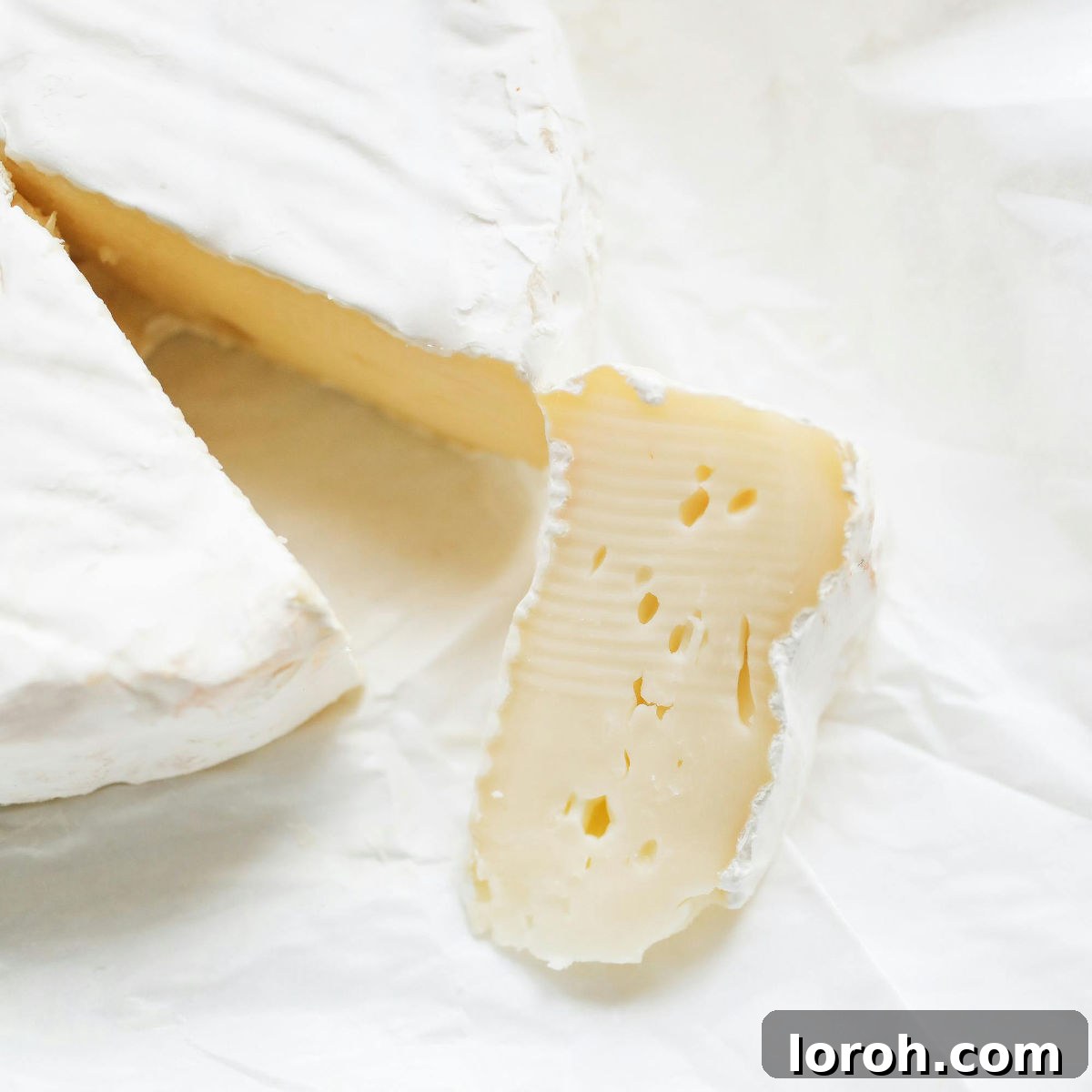
Delight in the rich, creamy allure of Camembert, one of the world’s most cherished soft-ripened cheeses. Whether enjoyed on its own, as a sophisticated addition to a cheese board, or transformed into a luscious baked delicacy, Camembert offers an unparalleled culinary experience. This comprehensive guide will take you on a journey through its fascinating history, provide expert advice on selecting and storing the perfect wheel, and offer a step-by-step guide to baking it to golden, gooey perfection. Prepare to uncover the secrets of this French culinary jewel and elevate your appreciation for fine cheese.
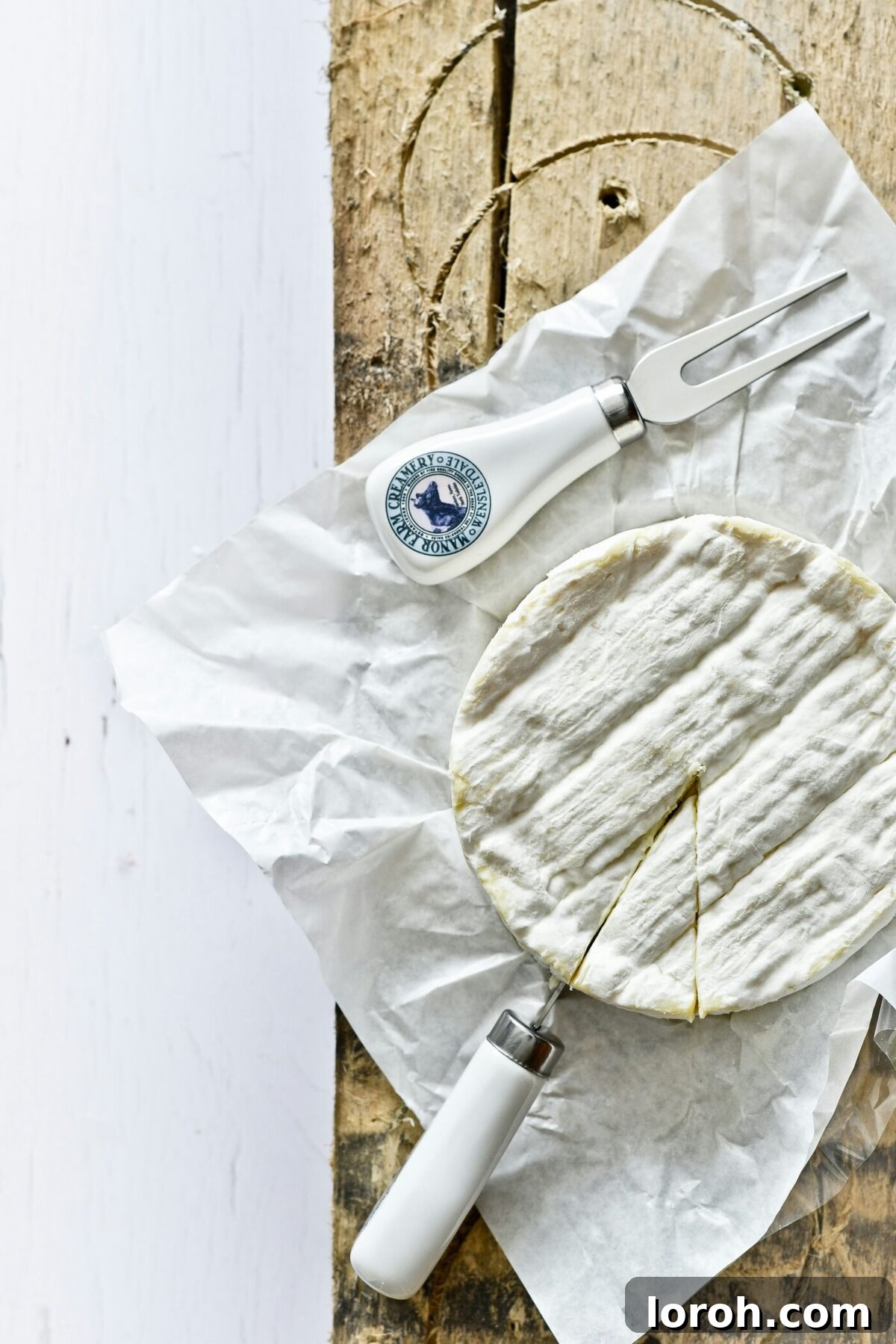
Table of Contents
- What Is Camembert? Exploring Its Origins and Characteristics
- The Camembert Making Process: From Milk to Masterpiece
- Camembert vs. Brie: Understanding the Subtle Differences
- Global Camembert: AOC, PDO, and Beyond
- Buying, Storing & Serving Camembert: Expert Tips
- How to Bake Camembert: A Simple & Indulgent Recipe
- Tips for the Best Baked Camembert: Achieving Perfection
- Frequently Asked Questions About Camembert
What Is Camembert? Exploring Its Origins and Characteristics
Camembert is a quintessential soft-ripened cheese crafted from cow’s milk, boasting a legendary heritage rooted in the verdant pastures of Normandy, France. Its creation is widely attributed to Marie Harel in 1791, a local farmer who, according to popular legend, refined the recipe with the advice of a priest fleeing the French Revolution. This historic cheese quickly gained renown, eventually becoming a staple of French cuisine and a beloved delicacy worldwide.
Authentic Camembert de Normandie is a product of exceptional tradition, safeguarded by strict PDO (Protected Designation of Origin) / AOC (Appellation d’Origine Contrôlée) laws. These regulations dictate that true Camembert de Normandie must be made with raw, unpasteurised milk from local Norman cows, ensuring a distinctive flavour profile that profoundly reflects its terroir. While most commercially available Camembert cheeses today are made with pasteurised milk for broader accessibility and longer shelf life, the essence of its unique character and creamy texture remains a global favourite.
A hallmark of Camembert is its edible, pristine white rind, a delicate velvety coating cultivated by the beneficial mould *Penicillium camemberti*. This mould is crucial to the cheese’s ripening process, breaking down proteins and fats from the outside in. Beneath this inviting rind lies a creamy, sometimes even runny, interior that evolves beautifully with age. When young, Camembert offers a fresh, milky flavour with subtle hints of mushroom and butter. As it matures, the interior softens further, developing a more pronounced, robust flavour – earthy, nutty, and distinctly umami – making it a complex and deeply satisfying cheese experience.
The Camembert Making Process: From Milk to Masterpiece
The creation of Camembert is a delicate art, a testament to traditional cheesemaking techniques refined over centuries. It begins with high-quality cow’s milk, which for authentic Camembert de Normandie, is traditionally unpasteurised and sourced from local Norman cows. The milk is gently warmed, and rennet is added to initiate curdling. Over several hours, the milk slowly coagulates into a soft curd, which is then carefully ladled by hand into small, round moulds. This slow ladling process is vital, as it minimises curd breakage, preserving moisture and contributing to the cheese’s signature creamy, unctuous texture.
Once moulded, the curds are left to drain naturally, often turned several times to ensure even moisture distribution. After draining, the cheeses are salted, a crucial step for flavour development and preservation. Following salting, the magic of the rind begins: the cheeses are inoculated with cultures of *Penicillium camemberti*. They are then moved to ripening cellars with carefully controlled temperature and humidity, where they age for a minimum of 21 days. During this critical period, the white mould blooms on the surface, forming the edible rind. Simultaneously, enzymes within the cheese transform its interior from firm to the luxuriously soft, sometimes molten consistency that Camembert is famous for. This meticulous soft-ripening process is what imbues Camembert with its characteristic aroma, texture, and deep, earthy flavour.
Camembert vs. Brie: Understanding the Subtle Differences
Camembert and Brie are often grouped due to their similar appearances and shared soft-ripened characteristics. However, true cheese aficionados understand that these two French classics possess distinct personalities. While both are made from cow’s milk and feature a bloomy white rind, their differences lie in their origins, production methods, and most notably, their flavour profiles and textures.
Historically, Brie hails from the Brie region of France, situated east of Paris, while Camembert originates from Normandy in the west. These geographical differences contribute to variations in local cow breeds and traditional practices, which subtly influence the milk and, consequently, the cheese. For example, the rich, grassy pastures of Normandy often impart a more robust character to Camembert.
One of the primary distinctions is size: Camembert is traditionally produced in smaller wheels, typically around 10-11 cm (4-4.5 inches) in diameter. Brie, on the other hand, is generally made in larger, flatter wheels, often 23-37 cm (9-14.5 inches) across. This size difference isn’t merely aesthetic; it significantly impacts the ripening process. The smaller Camembert ripens more uniformly and intensely from rind to core, often resulting in a stronger, more robust flavour. Brie’s larger surface area-to-volume ratio tends to yield a milder, creamier, and sometimes more buttery taste, with less pronounced earthy notes compared to Camembert.
In terms of texture and fat content, Camembert typically has a slightly lower fat content than Brie, contributing to its somewhat firmer texture when young. As it ages, Camembert’s interior becomes intensely buttery and runny, often more so than Brie, which tends to maintain a smoother, custard-like consistency throughout its ripening. Flavour-wise, Camembert is renowned for its more potent, pungent aroma and taste, featuring stronger notes of mushroom, garlic, and an intense savoury umami. Brie often presents a milder, sweeter, and nuttier profile, sometimes with delicate hints of fruit. The unique mould cultures and aging conditions used for each also play a role in their distinctive textures and flavours, with Camembert benefiting from cultures that encourage a more rustic, farmstead character. Its soft, pliable rind, an essential part of its charm, makes it especially ideal for melting or serving at room temperature, where its full sensory appeal can be appreciated.
Global Camembert: AOC, PDO, and Beyond
The global popularity of Camembert has led to its production in numerous countries outside France. While many skilled cheesemakers worldwide create delicious “Camembert-style” cheeses, it’s crucial to understand the distinction between these and the officially protected Camembert de Normandie. The term “Camembert cheese” can indeed be used globally for cheeses that mimic its style, but only those produced under stringent guidelines in a specific region of France can legally carry the full, legally protected name.
This protection comes from the **Protected Designation of Origin (PDO)** or its French equivalent, **Appellation d’Origine Contrôlée (AOC)**. These certifications are more than just labels; they are guarantees that a product’s unique features are intrinsically linked to a particular geographical area and traditional production methods. For Camembert de Normandie, this means:
- Geographical Area: Production must occur within defined zones in Normandy, France, where specific environmental conditions contribute to the cheese’s character.
- Milk Source: Only raw, unpasteurised milk from specific breeds of cows (predominantly Normande cows) that graze on local pastures can be used. The diet of these cows, rich in regional flora, profoundly impacts the milk’s flavour and, subsequently, the cheese.
- Traditional Methods: Strict adherence to time-honoured cheesemaking techniques, including hand-ladling of curds and a specific aging process, is mandated to preserve the cheese’s authentic structure and flavour.
- Minimum Aging: A minimum ripening period of 21 days is enforced, ensuring the proper development of its characteristic flavour, aroma, and signature creamy texture.
Cheeses labelled simply as “Camembert” outside of France, or even some within France not adhering to PDO/AOC rules, are typically made with pasteurised milk. While often delicious, these global variations often present a milder, less complex flavour profile compared to their raw-milk, traditionally made counterparts. They cater to a broader market by being more consistent and having a longer shelf life. These “Camembert-style” cheeses make the classic accessible to a wider audience, but for those seeking the true, historical expression of this iconic cheese, the PDO/AOC label is the unmistakable mark of authenticity and tradition, promising a taste that reflects centuries of heritage.
Buying, Storing & Serving Camembert: Expert Tips
To fully appreciate the nuanced flavours and exquisite textures of Camembert, it’s essential to know how to select the best wheel, store it properly to maintain its quality, and present it for maximum enjoyment. Here’s your comprehensive guide to becoming a Camembert connoisseur.
Choosing the Best Wheel
Camembert is most commonly found in small, individual wheels, making it convenient to purchase a whole cheese. When selecting your Camembert, keep these expert tips in mind to ensure you get the finest quality:
- Look for Authenticity: For the most traditional and profound experience, seek out an **AOC or PDO label**. This certification guarantees that the cheese has been produced in Normandy according to strict traditional methods, often using raw milk, delivering a more authentic and complex flavour that speaks of its origin.
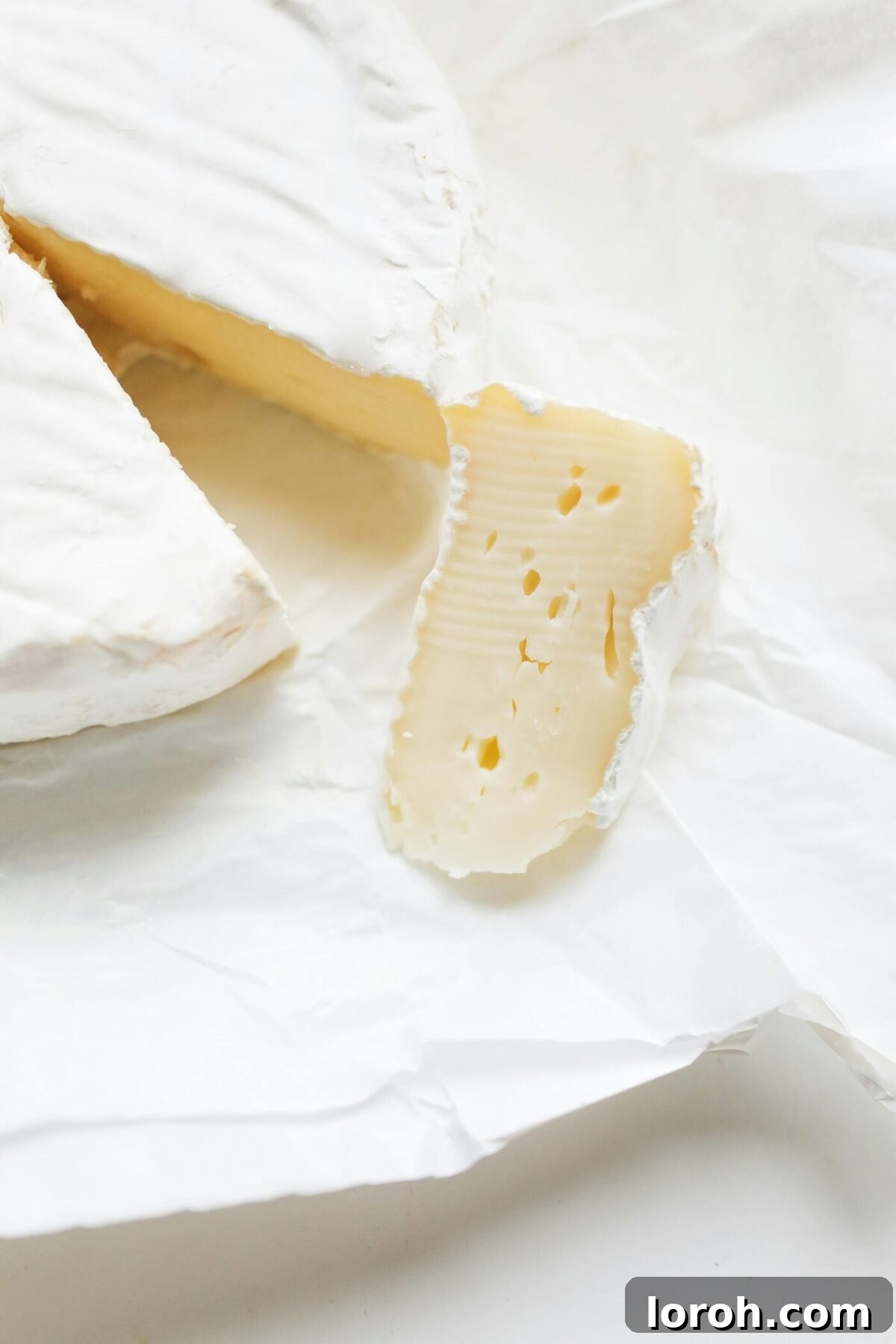
- Examine the Rind: The rind should be a uniform, velvety white, without excessive dark discolouration, cracks, or a dry, hard appearance. A slight mottling or natural blush is acceptable, but a perfectly white, almost powdery rind indicates good quality and careful ripening. Avoid cheeses with overly thick or gummy rinds, which can be a sign of improper aging.
- Feel the Cheese: If you’re able to gently press the cheese (often possible at a cheesemonger’s counter), it should yield slightly to the touch, indicating a soft, creamy interior. This “give” should be even across the surface. Avoid wheels that are rock-hard, suggesting under-ripeness, or excessively mushy, which could mean it’s overripe. A firm but slightly springy feel suggests perfect ripeness.
- Check the Aroma: A good Camembert should have a pleasant, earthy, mushroomy aroma, perhaps with a subtle hint of brassica or ammonia, especially when perfectly ripe. Avoid cheeses with overly strong or off-smells, which could indicate overripeness or spoilage. The aroma should be inviting, not offensive.
- Consider the Packaging: While many commercial Camemberts come in plastic wrap, traditional Camembert is often packaged in a thin wooden box. This box not only protects the delicate cheese but also allows it to breathe and continue ripening gently. Ensure the box isn’t damaged or waterlogged.
How to Store Camembert
Proper storage is paramount to preserving Camembert’s delicate flavour and luxurious texture. Unlike many cheeses, Camembert needs to breathe to stay at its best:
- Wrap it Right: Always remove Camembert from its plastic wrapping immediately after purchase. Plastic suffocates the cheese, trapping moisture and ammonia, which can lead to unpleasant, metallic flavours and a gummy texture. Instead, wrap it loosely in wax paper, parchment paper, or return it to its original wooden box with its paper lining. These breathable materials allow the cheese to respire while protecting it from drying out.
- Refrigerate Properly: Store your wrapped Camembert in the coolest part of your refrigerator, ideally in a dedicated cheese drawer or in a crisper drawer, away from strong-smelling foods. The ideal temperature is around 4-7°C (40-45°F).
- Bring to Room Temperature Before Serving: This is perhaps the most crucial tip for serving Camembert. Take the cheese out of the fridge at least **30 minutes, and ideally an hour, before serving**. Allowing it to come to room temperature softens its buttery interior to the perfect, luscious consistency and allows its full spectrum of complex, aromatic flavours to develop and intensify. Cold temperatures mute the volatile compounds that give Camembert its distinctive taste, significantly diminishing the tasting experience.
Serving Ideas: The Versatility of Camembert
Camembert is incredibly versatile, lending itself beautifully to both simple and sophisticated preparations. Here are some exquisite ways to enjoy this French delicacy:
- Classic Cheese Board: The ultimate crowd-pleaser. Serve a perfectly ripened Camembert on a charcuterie & cheese board alongside slices of crusty baguette or artisanal crackers. Pair it with sweet accompaniments like fig jam, quince paste, honey, or fresh fruit (sliced apples, pears, grapes, berries). For a textural contrast, add toasted walnuts, pecans, or almonds. Cornichons or olives can provide a delightful tangy counterpoint.
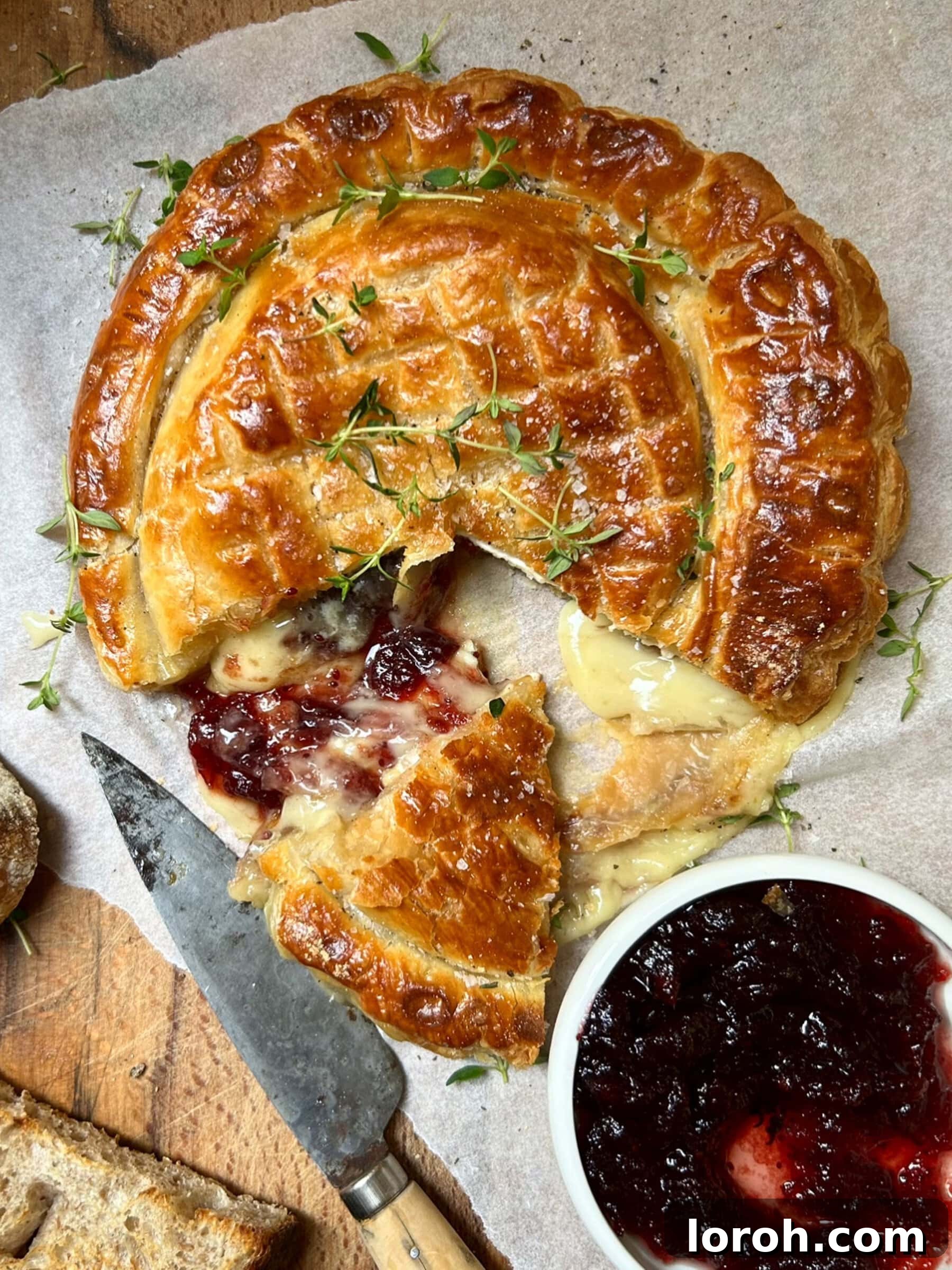
- Baked Camembert: A warm, gooey, and utterly irresistible treat. As detailed in the recipe below, baking Camembert transforms it into a molten delight perfect for dipping. For an elegant twist, consider wrapping it in puff pastry to make an impressive Camembert en Croute.
- Savory Pastries and Bakes: Incorporate Camembert into delightful pastries and comforting bakes. Imagine it nestled in little pumpkin pastries full of cranberries and Camembert, or as the star of a hearty ham and cheese croissant bake for brunch.
- Gourmet Galettes and Tarts: Melt Camembert into savoury tarts or galettes. It can be a wonderful, richer substitute for goat’s cheese in recipes like a caramelised onion, tomato & onion galette, offering a profoundly creamy texture.
- Simple Sandwich Enhancer: Add thin slices of Camembert to a gourmet sandwich, panini, or grilled cheese for an instant upgrade in flavour and luxurious texture.
- Warm Salad Topping: Crumble or melt a little Camembert over a warm salad, especially those featuring ingredients like apples, walnuts, roasted root vegetables, or crisp greens.
How to Bake Camembert: A Simple & Indulgent Recipe
Baked Camembert is the epitome of comfort food – a warm, gooey, irresistibly decadent dish that requires minimal effort but delivers maximum flavour. Perfect for entertaining or a cosy night in, this recipe transforms a simple wheel of cheese into a molten, dippable delight. The warmth intensifies its earthy notes, making it an exquisite appetiser or a luxurious snack that will impress any guest.
Ingredients:
- 1 whole Camembert cheese (typically 250g / 8.8 oz), ideally in its oven-safe wooden box
- 1-2 sprigs of fresh herbs (rosemary, thyme, oregano, or a mix work beautifully for their aromatic qualities)
- 1-2 tablespoons high-quality olive oil (extra virgin for best flavour)
- Freshly cracked black pepper, to taste
- Optional extras for flavour enhancement: thinly sliced garlic cloves, finely chopped sun-dried tomatoes, a drizzle of honey, a sprinkle of toasted nuts (walnuts, pecans, or slivered almonds), a dollop of fruit jam (cranberry, fig, or apricot), or a pinch of red chilli flakes for a subtle, warming kick.
Step 1: Preheat Oven and Prepare the Cheese
Begin by preheating your oven to a steady **190°C (375°F)**. This ensures the oven is at the correct temperature for even baking, allowing the cheese to melt uniformly without drying out or becoming rubbery.
Carefully remove the Camembert from any plastic or paper wrapping, but leave it in its original wooden box if it’s oven-safe. Most traditional Camembert wooden boxes are designed to withstand oven temperatures. If your cheese didn’t come in a wooden box, or if you’re unsure of its oven-safeness, simply transfer the cheese into a small, snug-fitting ovenproof dish or ramekin. Placing it in a dish that’s just a bit larger than the cheese itself will help contain the molten interior as it bakes, preventing any delicious cheese from escaping.
Step 2: Score and Infuse with Flavour
Using a sharp knife, gently score a circular pattern on the top rind of the cheese, creating a small border around the edge. This scoring helps the heat penetrate more effectively and allows the cheese to soften beautifully from the surface inwards. Once scored, carefully peel off the top layer of the rind to expose the soft, creamy cheese underneath. Be gentle to avoid tearing the sides of the cheese, which will act as a container for the molten centre.
Now, it’s time to infuse your Camembert with aromatic delights! Tuck your fresh herb sprigs (rosemary, thyme, or oregano are classic choices, offering fragrant, earthy notes) directly into the exposed cheese. If using, also nestle thinly sliced garlic cloves, chopped sun-dried tomatoes, or other optional extras into the cheese. These additions will meld with the melting Camembert, creating layers of complex flavour that are truly irresistible and elevate the dish beyond a simple cheese.
Step 3: Drizzle, Bake, and Watch It Melt
Generously drizzle the prepared Camembert with good quality olive oil. This adds richness, helps create a lovely golden crust on the exposed cheese, and prevents it from drying out. Finish with a generous grind of fresh black pepper. You can also add a tiny pinch of sea salt at this stage, though the cheese itself is already quite savoury.
Place the cheese (still in its wooden box or ovenproof dish) onto a small baking tray. This tray will catch any potential drips and make it easier to transfer the hot cheese safely from the oven. Bake in the preheated oven for **15-20 minutes**. The exact baking time may vary slightly depending on your oven’s calibration and the ripeness of your cheese. You’ll know it’s ready when the centre is gloriously gooey, molten, and yields easily to a gentle prod. The rind may puff slightly, and the irresistible aroma filling your kitchen will be utterly tantalising.
Step 4: Finish, Serve, and Enjoy Immediately
Once baked to perfection, carefully remove the Camembert from the oven. For an extra touch of gourmet delight and to perfectly balance the rich flavours, consider these optional finishing touches:
- Sweet-Savoury Twist: Drizzle with a touch of honey or maple syrup for a delightful contrast that highlights the cheese’s creamy notes.
- Nutty Crunch: Sprinkle with a handful of toasted nuts like walnuts, pecans, or slivered almonds for added texture and a subtle earthy flavour.
- Fruity Burst: A spoonful of your favourite fruit preserve – cranberry, fig, or apricot – can add a vibrant, sweet-tart counterpoint that cuts through the richness.
Serve your magnificent baked Camembert immediately, while it’s still warm and gloriously runny. It pairs exquisitely with an array of dippers: slices of warm, crusty bread or baguette, an assortment of artisanal crackers, and fresh fruit such as crisp apple or pear slices, which offer a refreshing bite. Encourage everyone to dip right into the molten centre and savour every creamy, flavourful bite while it’s at its absolute best!
Tips for the Best Baked Camembert: Achieving Perfection
While baking Camembert is remarkably straightforward, a few expert tips can elevate your dish from simply good to absolutely unforgettable. Follow these recommendations to ensure your baked Camembert is always a showstopper, offering a perfect balance of flavour, texture, and aroma.
- Bring to Room Temperature First: This is a golden rule for preparing any cheese, and especially crucial when baking Camembert. Allowing the cheese to sit out at room temperature for at least 30 minutes (or even up to an hour) before baking helps it melt more evenly and quickly. Cold cheese can take longer to heat through, potentially resulting in an overcooked, tougher exterior before the interior reaches its ideal molten, gooey state. Room temperature cheese will melt consistently, ensuring that perfect creamy consistency.
- Check the Box for Oven-Safeness: Not all wooden Camembert boxes are created equal. While many are specifically designed to be oven-safe, it’s always wise to double-check for labels or symbols indicating oven compatibility. If in doubt, or if your cheese came in different packaging, err on the side of caution. Either wrap the base of the wooden box in foil to protect it from scorching, or simply transfer the cheese to a small, snug-fitting ceramic ramekin or other ovenproof dish before baking. This prevents any potential burning of the wood or fire hazards and ensures a safe cooking process.
- Customise Your Toppings Creatively: The beauty of baked Camembert lies in its incredible adaptability. Don’t be afraid to experiment with a variety of toppings to suit your palate, complement your meal, or match the season.
- For a Savoury Kick: Try a handful of toasted walnuts or pecans for a delightful crunch, a sprinkle of red chilli flakes for a subtle touch of heat, finely chopped chives, a dollop of fragrant pesto, or even a few capers for briny notes.
- For a Sweet Contrast: Drizzle generously with balsamic glaze, a spoonful of rich cranberry sauce, sweet fig jam, or even a sprinkle of brown sugar before baking for a wonderfully caramelised top and a contrasting sweetness.
- Herbal Infusions: Beyond the classic rosemary and thyme, consider fresh sage, finely chopped parsley, or even a mix of Mediterranean herbs like marjoram or bay leaf for different aromatic profiles.
- Don’t Overbake: Keep a close eye on your Camembert, especially towards the end of the baking time. Overbaking can cause the cheese to seize up, become rubbery, and release too much oil, resulting in an unappetising texture rather than a perfectly gooey consistency. The goal is a molten, smoothly spreadable interior, not a bubbling, separated mass. The rind should be lightly golden, and the centre should feel soft and yielding when gently pressed.
- Serve Immediately: Baked Camembert is an ephemeral pleasure and is best enjoyed straight from the oven. As it cools, the cheese will inevitably begin to firm up again, losing its coveted molten texture. Have all your dippers and accompaniments ready and arranged so you can serve it piping hot and allow everyone to enjoy that exquisite, warm, and creamy texture at its peak.
- Pair with the Perfect Dippers: Think beyond just crusty bread. While a warm baguette is undeniably classic, consider toasted pita bread, an assortment of gourmet crackers (water biscuits, rye crackers), fresh crisp apple or pear slices, carrot sticks, celery sticks, or even roasted potato wedges for a heartier, more substantial option that stands up well to the rich cheese.
- Consider Presentation: If serving in an oven-safe dish, place it on a small, elegant serving platter surrounded by your chosen dippers and garnishes. A fresh herb sprig on top, a colourful sprinkle of pomegranate seeds, or a swirl of honey can make the dish visually appealing and even more inviting.
Frequently Asked Questions About Camembert
While both are soft-ripened cow’s milk cheeses with white rinds, Camembert is typically smaller, ripens more intensely from rind to core, resulting in a stronger, earthier, and often more pungent flavour with pronounced umami notes. It also tends to have a slightly lower fat content. Brie, usually made in larger wheels, tends to be milder, creamier, and more buttery, with a smoother, custard-like texture, and often a more delicate flavour profile.
If you don’t have an oven-safe wooden box or prefer an alternative, simply place the Camembert in a small, snug-fitting ovenproof ceramic dish or ramekin. Score the top rind, stud with desired aromatics like garlic slices or fresh herb sprigs, or drizzle with honey. To help retain moisture and promote even melting, you can wrap the dish loosely in foil. Bake at 180°C (350°F) for about 15-20 minutes, or until the centre is wonderfully oozy and molten. Remove the foil for the last 5 minutes if you desire a slightly crispier top layer on the cheese.
It is generally not recommended to freeze Camembert cheese. Freezing can significantly alter its delicate texture and flavour profile. The high moisture content can lead to ice crystal formation, which damages the cheese’s structure upon thawing, resulting in a crumbly, mealy, or grainy consistency instead of its signature creaminess. It may also lose some of its distinctive aroma and complex flavour notes. For best results, store Camembert wrapped in wax paper in a cool part of the fridge and enjoy it fresh at room temperature before its best-by date.
Traditional Camembert is made from raw cow’s milk, predominantly from specific Normande cow breeds. The milk is gently warmed and curdled with rennet, and the resulting curds are meticulously hand-ladled into small, round moulds. After draining and salting, the cheeses are sprayed with *Penicillium camemberti* mould cultures, which initiate the growth of the characteristic white, bloomy rind. The cheese then undergoes a minimum of 21 days of soft-ripening in controlled cellars, during which enzymes break down the fats and proteins, transforming the interior into its signature creamy, runny texture and developing its complex, earthy, mushroomy flavour.
Yes, absolutely! The white, bloomy rind on Camembert cheese is not only edible but is considered an integral part of its unique flavour and texture experience. It contributes a subtle mushroomy, earthy aroma and a slight chewiness that beautifully complements the creamy, molten interior. Eating the rind is essential to appreciating the full character and balance of Camembert; it’s designed to be part of every delicious bite.
Camembert pairs wonderfully with several beverages. For wine, a light-bodied red such as a Pinot Noir from Burgundy, a Beaujolais, or a dry, crisp white wine like a Sancerre, Sauvignon Blanc, or unoaked Chardonnay can complement its richness without overpowering it. Local Norman cider is also a traditional and excellent pairing, as its crispness and apple notes beautifully cut through the cheese’s creaminess. For beer lovers, a Belgian Abbey ale, a fruit lambic, or a refreshing wheat beer works surprisingly well, offering a delightful contrast to the cheese’s earthy notes.
A perfectly ripe Camembert will have a rind that is uniformly white and slightly velvety, without any prominent dark spots or a harsh ammonia smell. When gently pressed around the edges, the cheese should yield softly and evenly, feeling slightly springy but not firm. The centre should feel slightly more fluid and tender. An intense, pleasant earthy and mushroomy aroma is also a good indicator of optimal ripeness. Avoid cheeses that are rock-hard, indicating under-ripeness, or those that are excessively runny or have an overpowering, unpleasant ammonia smell, suggesting they are overripe and potentially past their prime.