
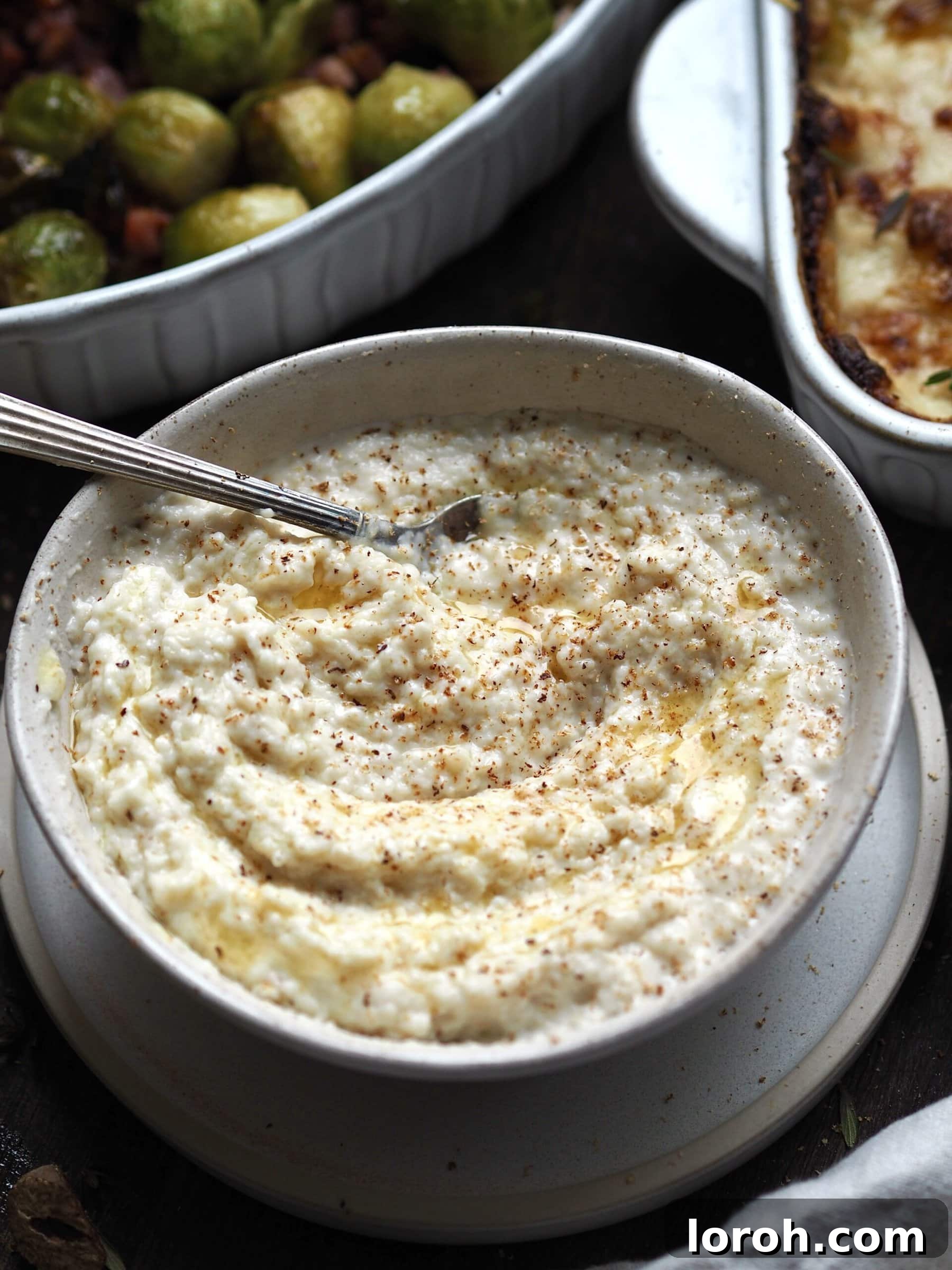
Prepare to elevate your festive dining experience with our quintessential Classic Bread Sauce recipe. This beloved British condiment, known for its rich, velvety texture and aromatic flavor, is an indispensable accompaniment to your Christmas turkey or goose. Our straightforward recipe ensures you can create this traditional masterpiece in just 30 minutes, and conveniently, it can be prepared ahead of time or even frozen, making your holiday entertaining effortlessly elegant.
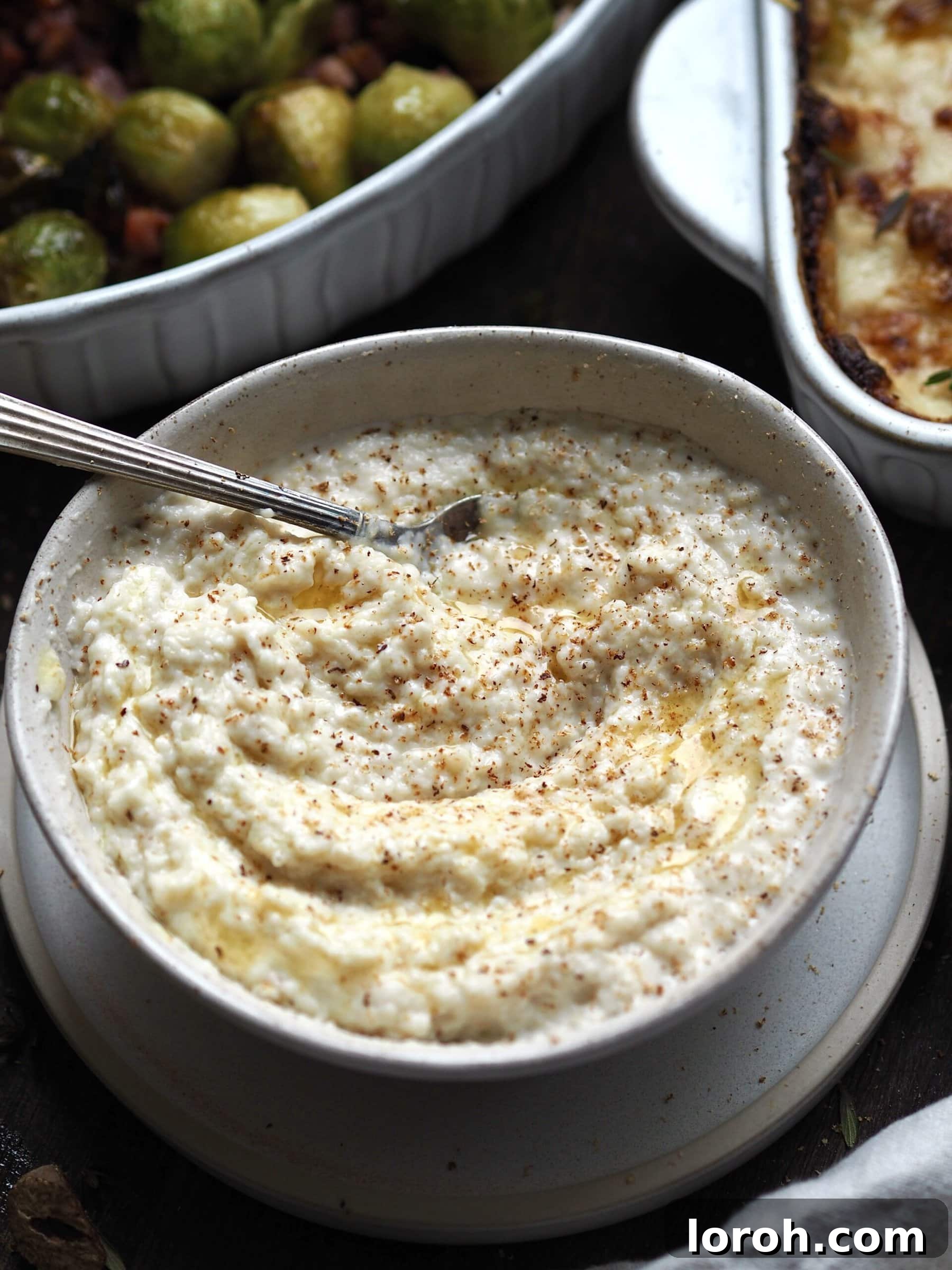
Classic British Bread Sauce: Your Ultimate Festive Companion
Often considered the crowning glory of a traditional British Christmas dinner, bread sauce is far more than just a simple condiment. It’s a creamy, subtly spiced embrace that perfectly complements rich roasted meats, particularly poultry and game. With its humble origins and enduring popularity, learning to make authentic bread sauce from scratch is a culinary skill every home cook will cherish. This guide provides you with a foolproof method to achieve a perfectly smooth and flavorful sauce that will impress your guests and become a cherished part of your holiday traditions.
What is Bread Sauce? A Timeless British Tradition
Bread Sauce is a distinctive British culinary creation, traditionally crafted from milk infused with aromatic spices and thickened with fresh breadcrumbs. Its texture is wonderfully soft and comforting, providing a luxurious counterpoint to the more robust flavors of roast meats. While it holds a special place at the modern festive table, its roots stretch back to medieval times. During this era, stale bread was a practical and readily available thickening agent for many sauces, helping to utilize every scrap of food and add body to liquid preparations. Fast forward centuries, and bread sauce has not only survived but thrived, evolving into the refined, delicious condiment we enjoy today. Its unique blend of savory milk, sweet spices, and soft breadcrumbs offers a nuanced flavor profile that distinguishes it from other gravies and sauces.
Why This Traditional Bread Sauce Recipe Will Become Your Favorite
There are countless reasons why this particular bread sauce recipe stands out and is destined to become a staple in your culinary repertoire, especially during the holiday season. It combines historical charm with modern convenience and flavor preferences.
-
A Sustainable Choice: Reducing Food Waste
One of the most practical benefits of making bread sauce is its ingenious use of leftover or slightly stale bread. Instead of discarding day-old loaves, you can transform them into soft, fluffy breadcrumbs, cutting down on kitchen waste and giving a new lease on life to an otherwise overlooked ingredient. This sustainable approach adds a rewarding dimension to your cooking.
-
The Ultimate Make-Ahead Festive Side
Holiday meal preparation can be a whirlwind, but this bread sauce recipe offers significant relief by being completely make-ahead friendly. You can prepare it up to two days in advance and store it in the refrigerator, allowing the flavors to meld even further. For even greater convenience, it can be frozen for several months. This flexibility is a game-changer for busy hosts, enabling you to tackle a crucial component of your feast well before the big day, freeing up valuable time and oven space when it matters most.
-
Lighter Yet Luxuriously Creamy (Made Without Cream)
While some bread sauce recipes call for the addition of double cream, our version maintains its rich and creamy consistency using only whole milk. This makes it a slightly lighter option without compromising on flavor or texture, ensuring it complements your meal without being overly heavy. The judicious use of whole milk and butter provides all the indulgence you desire, allowing the delicate spice infusion to shine through.
-
Versatility Beyond the Festive Table
While traditionally associated with Christmas and Thanksgiving, bread sauce is a surprisingly versatile condiment. It’s not just for turkey and goose; it pairs beautifully with roast chicken, pork, and even certain vegetarian dishes. You’ll find yourself reaching for this recipe year-round, not just for special occasions.
-
A Delicious Addition to Leftovers
Beyond the main meal, bread sauce makes a truly delicious and comforting addition to Christmas leftovers sandwiches, elevating a simple post-holiday meal into something truly special. Its ability to transform leftovers is another reason to adore this classic.
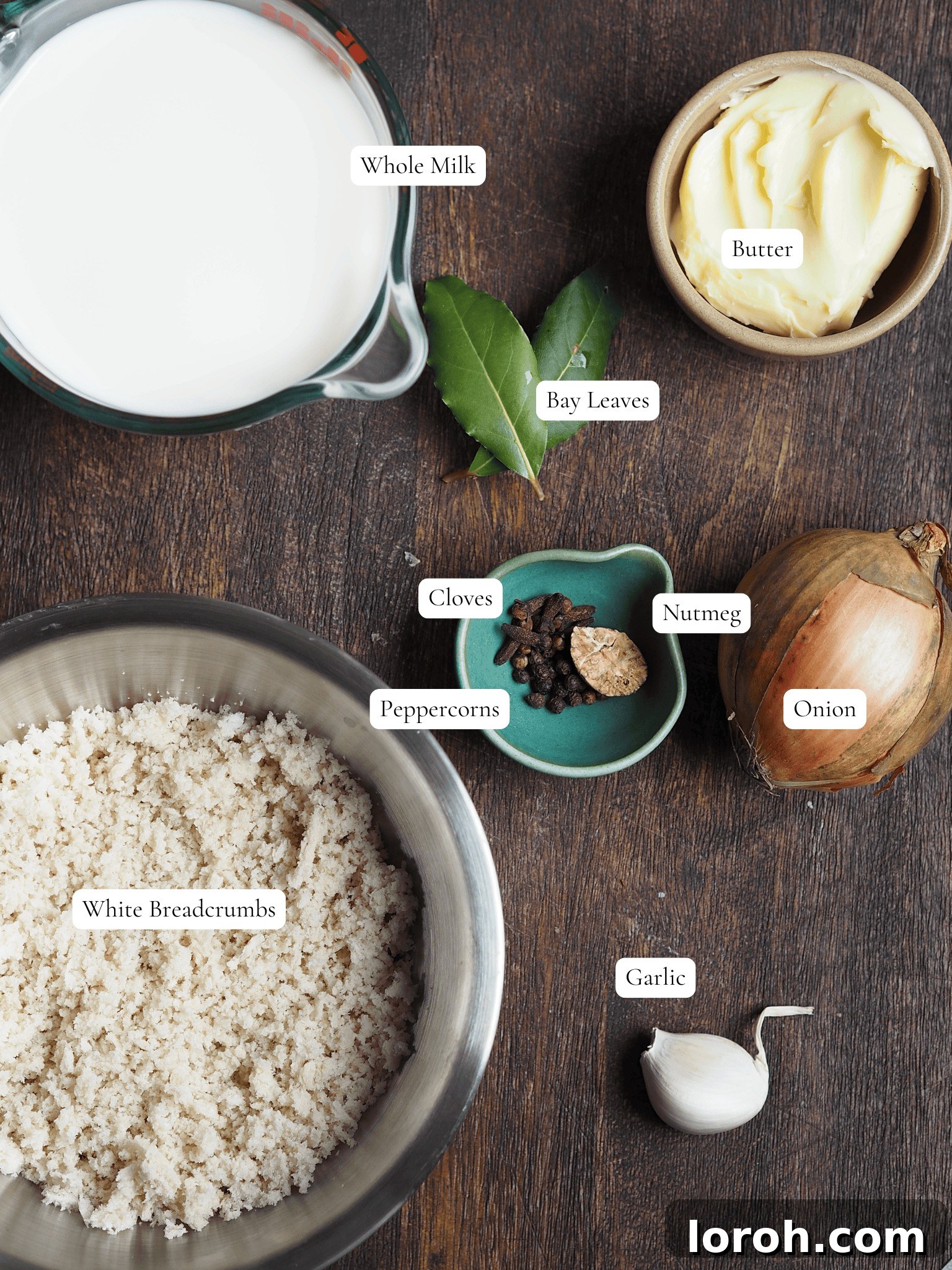
Essential Ingredients for Authentic Bread Sauce
Creating an exceptional bread sauce starts with selecting the right ingredients. Each component plays a crucial role in developing the sauce’s characteristic flavor and texture.
-
The Base: Milk and Breadcrumbs
- Whole Milk: The foundation of our creamy sauce. As this recipe deliberately omits double cream for a slightly lighter touch, using whole milk is essential to guarantee the desired richness and luxurious texture. Its higher fat content contributes significantly to the sauce’s mouthfeel and flavor.
- Soft White Breadcrumbs: This is where the magic happens! It’s paramount to use soft breadcrumbs made from sliced white bread, processed in a food processor or grated from slightly stale bread. Pre-made, dried breadcrumbs from a packet are often too dry and will not absorb the milk in the same way, resulting in a gritty texture. While brown bread or wholemeal bread can be used, be aware that they will impart a different flavor and potentially a darker color to your bread sauce. Stick to white for the classic taste and appearance.
-
Aromatic Infusers: The Heart of the Flavor
- Onion: A quartered white or brown onion is used to gently infuse the milk, adding a subtle, sweet savory note without overpowering the other spices.
- Garlic: A single garlic clove, halved, contributes another layer of aromatic depth, complementing the onion and spices beautifully.
- Whole Cloves: Essential for their warm, pungent aroma. It’s crucial to use whole cloves for infusion; ground cloves will disperse in the milk and alter the texture and clarity of the sauce.
- Black Peppercorns: Whole peppercorns are used to infuse a gentle warmth and subtle spice. Like cloves, using them whole allows for a clean infusion and easy removal later.
- Nutmeg: Freshly grated whole nutmeg offers the most vibrant and aromatic flavor. However, if unavailable, good quality ground nutmeg can be used, though you might need a touch less or more depending on its potency. Nutmeg provides a distinct, sweet, and woody spice that is characteristic of bread sauce.
- Bay Leaves: Whether fresh or dried, bay leaves contribute an herbaceous, slightly floral note that rounds out the spice profile.
-
Finishing Touch: Butter
- Butter: A generous knob of salted or unsalted butter stirred in at the end adds a final layer of richness, gloss, and a silky finish to the sauce. It also helps to bind the sauce and ensure a smooth consistency.
For precise measurements and detailed instructions, please refer to the complete recipe card found at the bottom of this page.
Substitutions and Creative Variations
While our classic bread sauce recipe is perfect as is, it’s also wonderfully adaptable. Feel free to experiment with these suggestions to tailor it to your dietary needs or taste preferences.
-
Vegan Bread Sauce: A Plant-Based Delight
Transform this traditional sauce into a delicious vegan option with ease. Simply substitute dairy whole milk with your favorite plant-based milk (oat milk, soy milk, or unsweetened almond milk work well, though each will impart a slightly different flavor profile). Replace dairy butter with a high-quality plant-based butter. Remember to ensure that your bread is also dairy-free to keep the recipe completely vegan-friendly.
-
For Extra Indulgence: Richer and Creamier Options
While we love the slightly lighter touch of our standard recipe, if you’re serving this alongside other game birds or a simpler main course where extra richness is desired, you can certainly enhance its creaminess. Stirring in a slick of double cream (heavy cream) or even a spoonful of crème fraîche or mascarpone cheese at the very end will add an even more luxurious texture and depth of flavor. Add it gradually until you reach your desired consistency and taste.
-
Spice it Up! Flavor Enhancements
Beyond the classic spices, you can subtly alter the flavor profile. A pinch of ground mace, a close cousin to nutmeg, can add a different kind of warmth. For a brighter note, consider adding a strip of orange or lemon zest to the milk infusion – just be sure to remove it before adding the breadcrumbs to avoid bitterness. A sprig of fresh thyme or a few sage leaves can also be infused with caution, as their flavors are stronger and can quickly dominate.
-
Gluten-Free Adaptation
For those with gluten sensitivities, you can easily make this recipe gluten-free by using your preferred brand of gluten-free white bread for the breadcrumbs. The texture might vary slightly depending on the specific bread used, but the overall flavor profile will remain delightful.
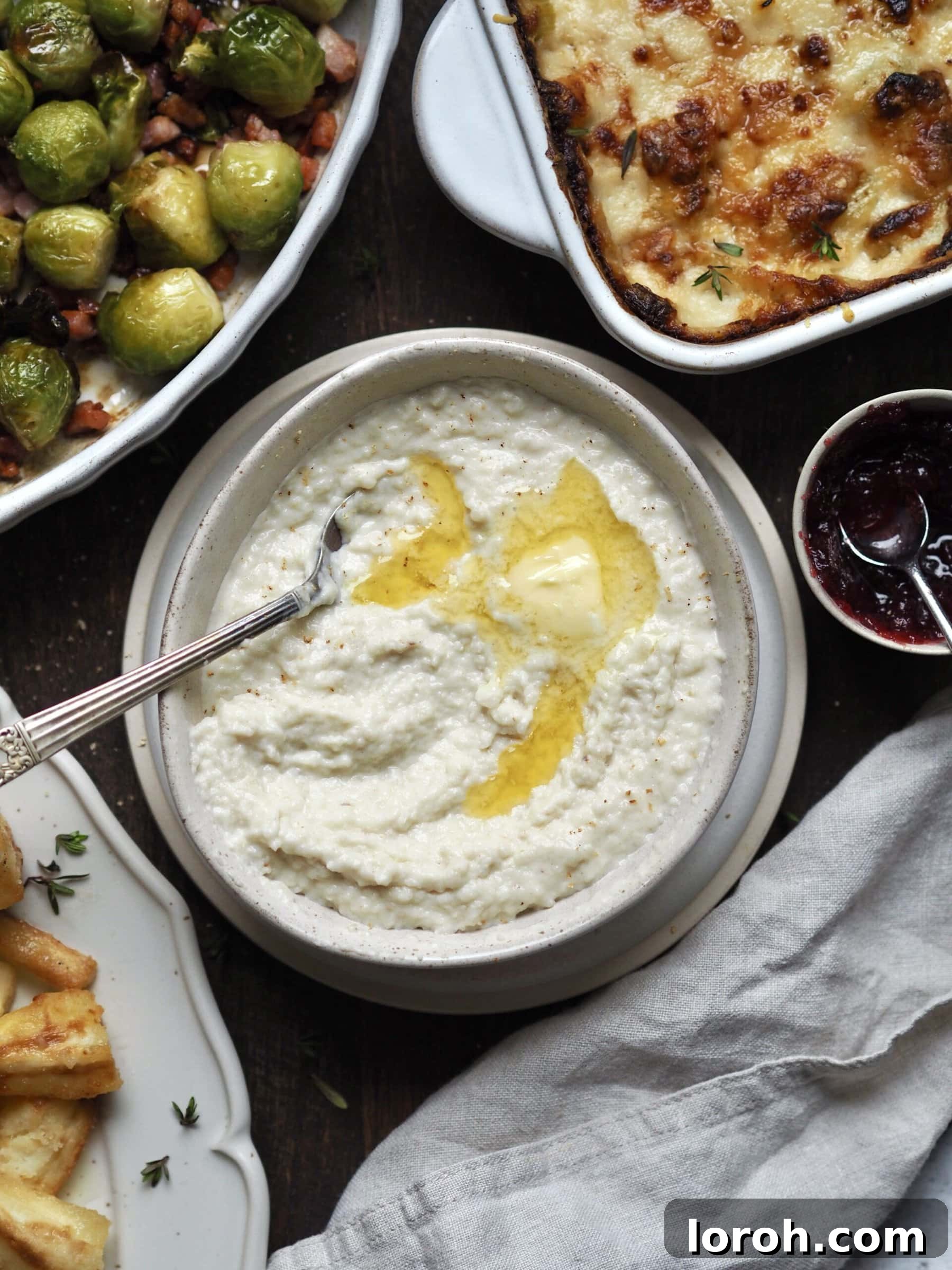
Step-by-Step Guide: Crafting Your Perfect Bread Sauce
Making bread sauce is a simple process, but paying attention to each step ensures a creamy, perfectly infused result. Follow these easy steps to create a truly memorable sauce.
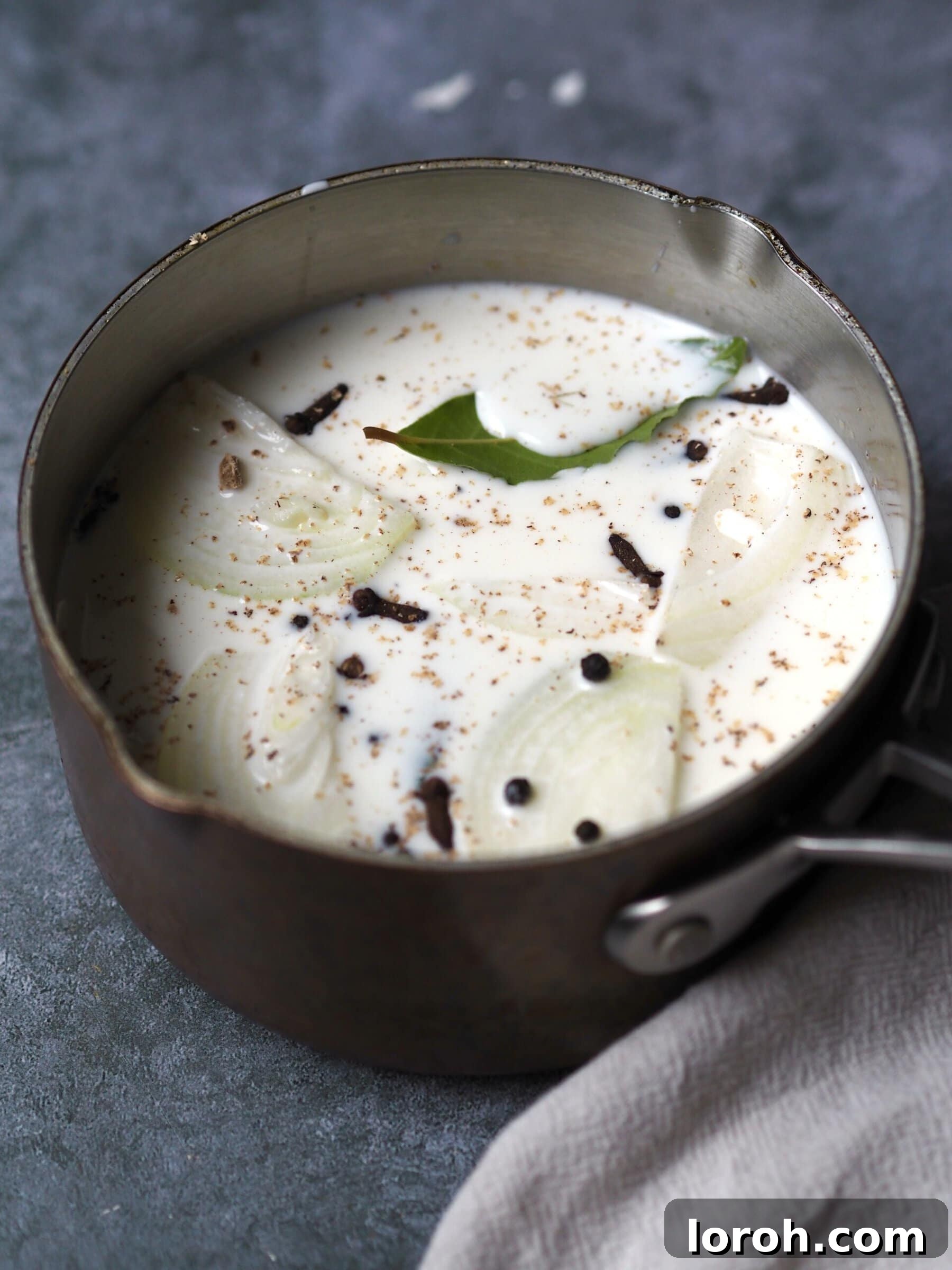
Step 1: Infusing the Milk with Aromatics
Begin by preparing your aromatics. Peel and quarter one onion, and peel and halve a garlic clove. Place these into a saucepan. Add the whole milk to the saucepan, along with the whole cloves, black peppercorns, grated nutmeg (or a whole nutmeg if grating fresh later), and bay leaves. Gently bring the mixture to a simmer over medium-low heat. The goal is to slowly infuse the milk with the flavors, not to boil it vigorously. Let it simmer gently for about 15 minutes. After simmering, remove the pan from the heat and allow the mixture to cool down. This cooling period is crucial as it gives the spices more time to fully infuse their delightful aromas into the milk, deepening the flavor.
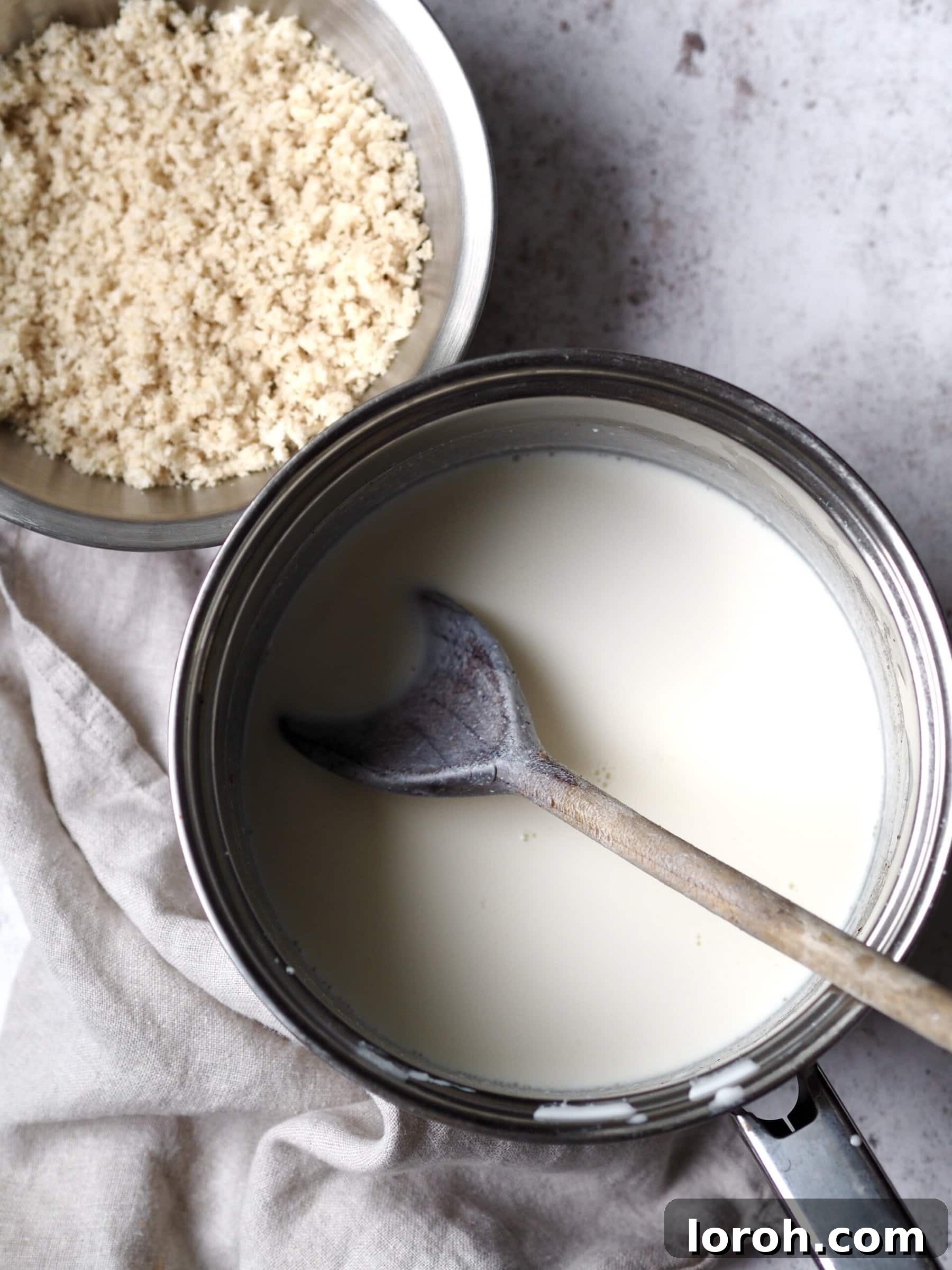
Step 2: Straining and Preparing the Base
Once the milk has had ample time to infuse and has cooled sufficiently, it’s time to remove the solids. Carefully sieve the infused milk into another clean saucepan, discarding the onion, garlic, cloves, peppercorns, and bay leaves. You should now have a fragrant, smooth milk base, ready to be thickened. This step ensures a wonderfully smooth and refined sauce.
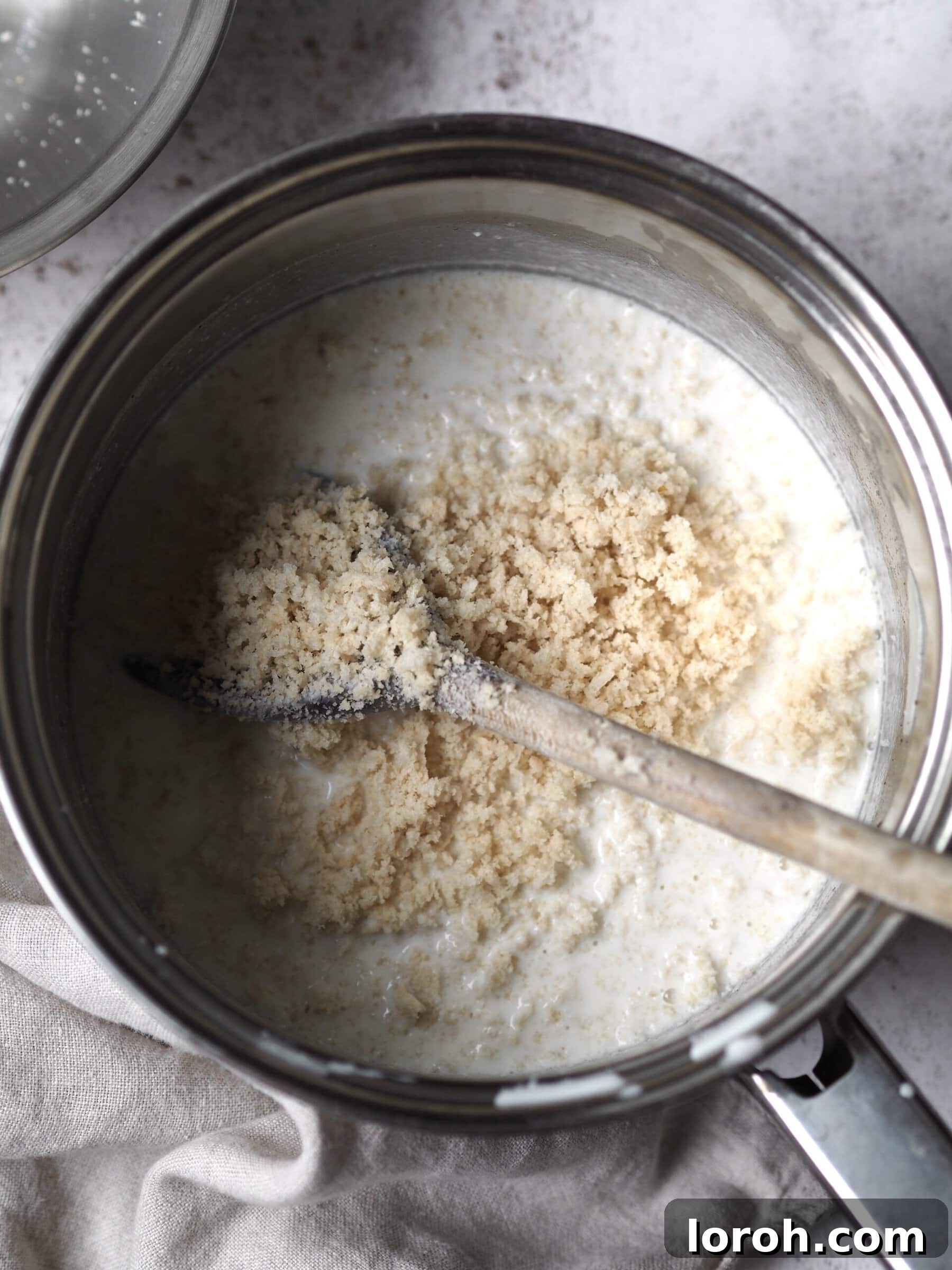
Step 3: Thickening with Breadcrumbs and Finishing
Return the saucepan with the strained milk to medium-low heat and warm it through again, ensuring it doesn’t boil. Gradually add the soft white breadcrumbs, stirring continuously with a wooden spoon or whisk to prevent lumps. Season the sauce well with salt and freshly ground black pepper to taste. Continue to simmer gently for a few minutes, stirring occasionally, until the sauce begins to thicken to your desired consistency. It should be rich and pourable, not overly thick. Once thickened, remove from the heat and stir through the butter until it has fully melted and is incorporated, adding a beautiful sheen and extra richness.
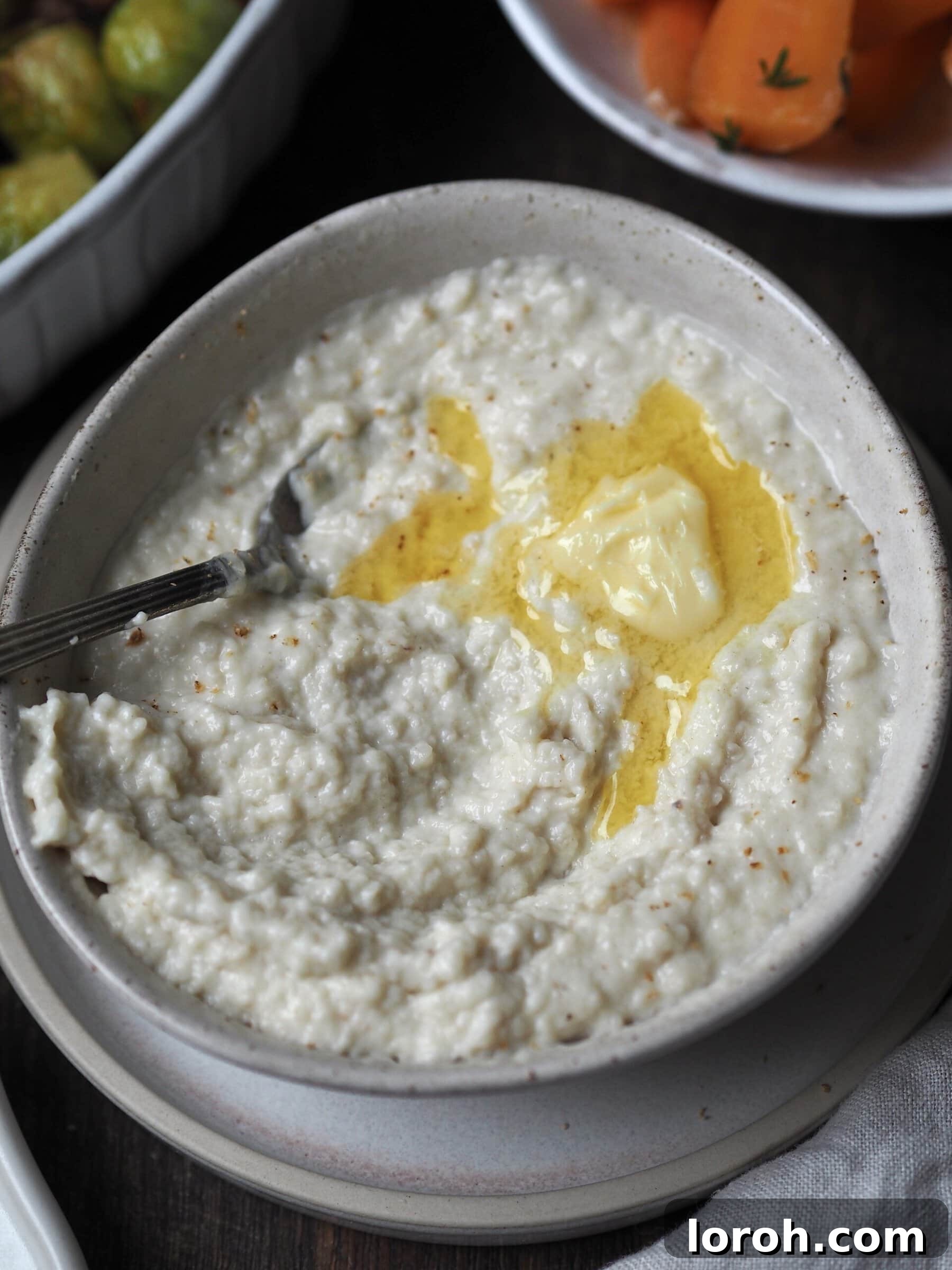
Step 4: Serving Your Delicious Creation
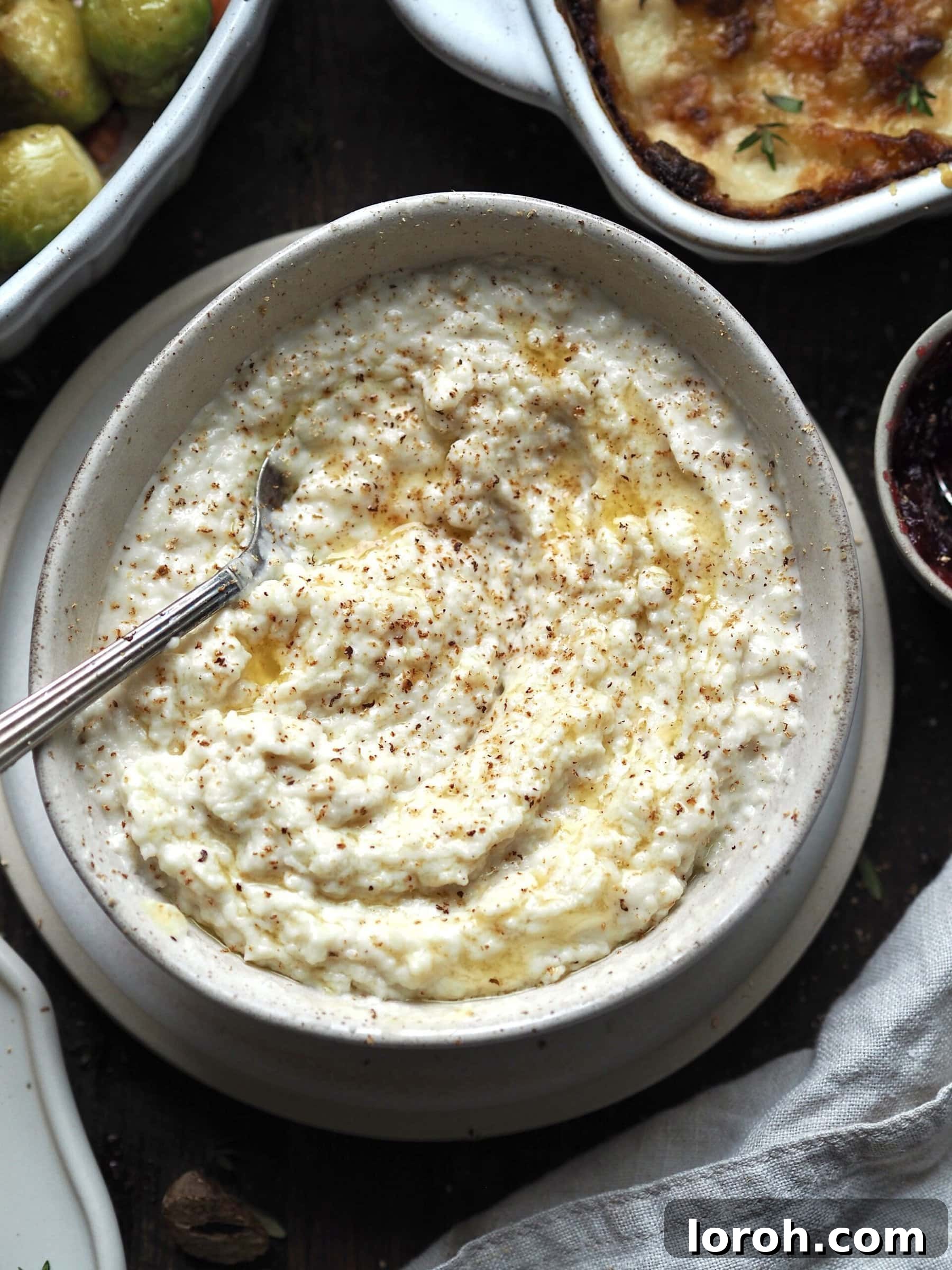
Once your bread sauce is perfectly thick and seasoned, decant it into a warm serving bowl. For an extra touch of elegance and flavor, grate a little more fresh nutmeg over the top just before serving. If you like, you can also add a small pat of butter to melt on top, or a sprinkle of finely chopped fresh parsley for a touch of color. Serve immediately alongside your roast meats and other festive trimmings.
Expert Tips for the Best Bread Sauce
Achieving bread sauce perfection is easy with a few key tips:
- Don’t Rush the Infusion: The cooling period after simmering the milk is essential for allowing the spices to fully release their flavors. Patience here will result in a much more aromatic sauce.
- Use Freshly Made Breadcrumbs: As reiterated, pre-made dried breadcrumbs simply won’t yield the same smooth, creamy texture. Invest a minute or two in your food processor for superior results.
- Adjust Consistency to Your Liking: If your sauce is too thick, gradually stir in a little more warm milk until it reaches the desired consistency. If it’s too thin, you can add a tiny bit more breadcrumbs (ensure they are very fine) and simmer for another minute, or allow it to cool slightly as it will thicken further upon cooling.
- Taste and Season Throughout: Always taste your sauce before and after adding the breadcrumbs, and again before serving. Adjust salt and pepper as needed. A perfectly seasoned sauce is key to its deliciousness.
Make-Ahead, Storage, and Reheating Instructions
One of the many benefits of bread sauce is its excellent make-ahead potential, making it a fantastic choice for holiday meal prep.
-
Preparing in Advance (Refrigeration)
You can prepare this bread sauce up to 2-3 days in advance. Once cooled, transfer it to an airtight container and store it in the refrigerator. The flavors will continue to deepen as it rests.
-
Freezing Instructions
For longer storage, bread sauce freezes beautifully. Allow the sauce to cool completely, then transfer it to a freezer-safe container or heavy-duty freezer bag. It can be frozen for up to 3 months. Thaw overnight in the refrigerator before reheating.
-
Reheating for Perfect Consistency
Bread sauce tends to thicken considerably as it cools. When reheating, gently warm it through in a saucepan over low heat, stirring frequently. You will almost certainly need to add a splash or two of milk (or even a little cream for extra richness) to thin it back to its desired consistency. Adjust seasoning and grate a little fresh nutmeg over the top before serving to “gussy it up” and refresh the flavors.
Serving Suggestions Beyond the Traditional
While bread sauce is synonymous with Christmas turkey and goose, its creamy, aromatic profile makes it a versatile accompaniment for a variety of dishes:
- Classic Holiday Roasts: Essential with roast turkey, goose, and duck.
- Other Poultry and Game: Delicious with roast chicken, guinea fowl, pheasant, and partridge.
- Roast Meats: Pairs surprisingly well with roast pork or even succulent roast beef.
- Vegetarian Mains: A fantastic addition to hearty vegetarian nut roasts, mushroom wellingtons, or lentil loaves, offering a creamy, savory element.
- Leftover Creations: As mentioned, it’s a must-have for leftover Christmas sandwiches. Get creative by using it to bind together savory breakfast patties made from leftover roast potatoes, or even in unique bread rolls.
Frequently Asked Questions
What can I serve bread sauce with?
Bread sauce is a quintessential accompaniment for roast turkey, which makes it incredibly popular around Christmas and Thanksgiving. It’s also traditionally served with goose and other game birds like pheasant, pigeon, and partridge. Beyond poultry, it can complement roast chicken, pork, and even rich vegetarian main courses such as nut roasts or savory tarts. Its creamy texture and subtle spice profile make it a versatile addition to any festive plate.
Can I make bread sauce ahead of time?
Absolutely, and it’s highly recommended! You can prepare bread sauce up to 2-3 days in advance and store it in an airtight container in the refrigerator. The flavors often deepen overnight. When ready to serve, gently warm it through in a saucepan over low heat, adding a little extra milk (or cream) to thin it to your preferred consistency. A fresh grate of nutmeg and a pat of butter will bring it back to life beautifully. It can also be frozen for up to 3 months; thaw thoroughly before reheating.
What can I do with leftover bread sauce?
Leftover bread sauce is a real treat! Besides simply reheating it for subsequent meals (it will keep in the fridge for up to 3 days), it’s an essential component of a proper Christmas leftovers sandwich. Beyond that, consider using it as a binder for savory dishes, such as combining it with leftover mashed potatoes or roasted vegetables to form delicious patties or fritters. Some creative cooks even use it as a base for unique savory bread rolls.
Can I use gluten-free bread for this recipe?
Yes, you can certainly make a gluten-free version of bread sauce. Simply use a good quality gluten-free white bread to make your fresh breadcrumbs. The texture might be slightly different depending on the brand and type of gluten-free bread, but the delicious flavor profile will remain intact.
What is the best type of bread for bread sauce?
For the classic, creamy texture, soft white sliced bread is highly recommended. It yields light, fluffy breadcrumbs that absorb the milk beautifully. While other types of bread, like brown or wholemeal, can be used, they will alter the color and impart a different, often heartier, flavor to the sauce.
My bread sauce is too thick/thin, how can I fix it?
If your bread sauce is too thick, slowly whisk in a little more warm milk (or cream, if desired) until it reaches your preferred consistency. If it’s too thin, you can add a very small amount of extra fine breadcrumbs and simmer for another minute, stirring constantly. Alternatively, allowing it to cool slightly can help it thicken further, as bread sauce naturally thickens as it cools.
Other Festive Recipes You’ll Love
To complete your holiday feast, explore some of our other delectable side dishes and desserts:
- Simple Cheesy Baked Leeks: A comforting and rich vegetable side.
- Easy Air Fryer Pigs in Blankets: A crowd-pleasing appetizer or side.
- Honey Bacon Roasted Brussels Sprouts: A flavorful take on a classic holiday vegetable.
- Stovetop Maple and Butter Glazed Carrots: Sweet and tender carrots for your table.
- Air Fryer Honey Parsnips: Crispy and sweet glazed parsnips.
- The Best Chocolate Salami: An easy and impressive no-bake dessert.
- Chocolate Budino (Creamy Italian Pudding): A decadent and smooth chocolate dessert.
- Homemade Hot Chocolate Bombs: Fun and delicious for warm drinks.
- The Best Shortbread Christmas Tree Cookies: Festive and buttery shortbread.
Share Your Culinary Creations!
We absolutely adore seeing your creations! If you’ve tried this classic bread sauce recipe and loved it, please consider leaving a review in the comments below. Your feedback, modifications, and personal stories behind making our recipes truly make our day. And if you share a photo of your delicious bread sauce on Instagram, don’t forget to tag us @desertislanddishes – we can’t wait to see your festive masterpiece!
Recipe: Classic Bread Sauce
This classic, traditional recipe for Bread Sauce is the perfect accompaniment for your Christmas or Thanksgiving turkey. Ready in just 30 minutes, it can also be made a couple of days ahead or even frozen in advance!
Prep Time: 5 mins | Cook Time: 25 mins | Total Time: 30 mins
Servings: 8 servings
Ingredients:
- 600 ml whole milk
- 100 g white breadcrumbs (soft, freshly made)
- 1 onion, peeled and quartered
- 1 garlic clove, peeled and halved
- 6 whole cloves
- 1 tsp whole black peppercorns
- 1 tsp grated nutmeg (freshly grated for best flavor)
- 2 bay leaves (fresh or dried)
- 50 g butter, salted or unsalted
- Salt and freshly ground black pepper, to taste
Instructions:
- Peel and quarter the onion and peel and halve the garlic.
- Add the milk to a saucepan with the onion, garlic, whole cloves, whole peppercorns, nutmeg, and bay leaves.
- Simmer gently over medium-low heat for 15 minutes. Remove from heat and allow to cool for at least 15-20 minutes (or longer) for the flavors to fully infuse.
- Sieve the milk into another clean pan, discarding all the infused aromatics.
- Warm the strained milk through again over medium-low heat. Gradually add the soft breadcrumbs, stirring continuously. Season well with salt and pepper.
- Simmer for a few minutes, stirring frequently, until the sauce begins to thicken to your desired consistency. Remove from heat and stir in the butter until melted and incorporated.
- Decant into a serving bowl. Grate a little more fresh nutmeg over the top before serving, and add a small pat of butter if desired.
Notes:
This bread sauce can be made up to 2 days ahead and stored in the refrigerator. Gently warm through in a saucepan just before serving, adding a little more milk to thin it if needed, and a fresh grate of nutmeg and butter to refresh. It can also be frozen for up to 3 months; thaw thoroughly before reheating and refreshing.
Nutrition (per serving – approximation):
Calories: 149kcal, Carbohydrates: 14g, Protein: 5g, Fat: 8g, Saturated Fat: 5g, Cholesterol: 23mg, Sodium: 162mg, Sugar: 5g.
Nutrition information is automatically calculated and should only be used as an approximation.