
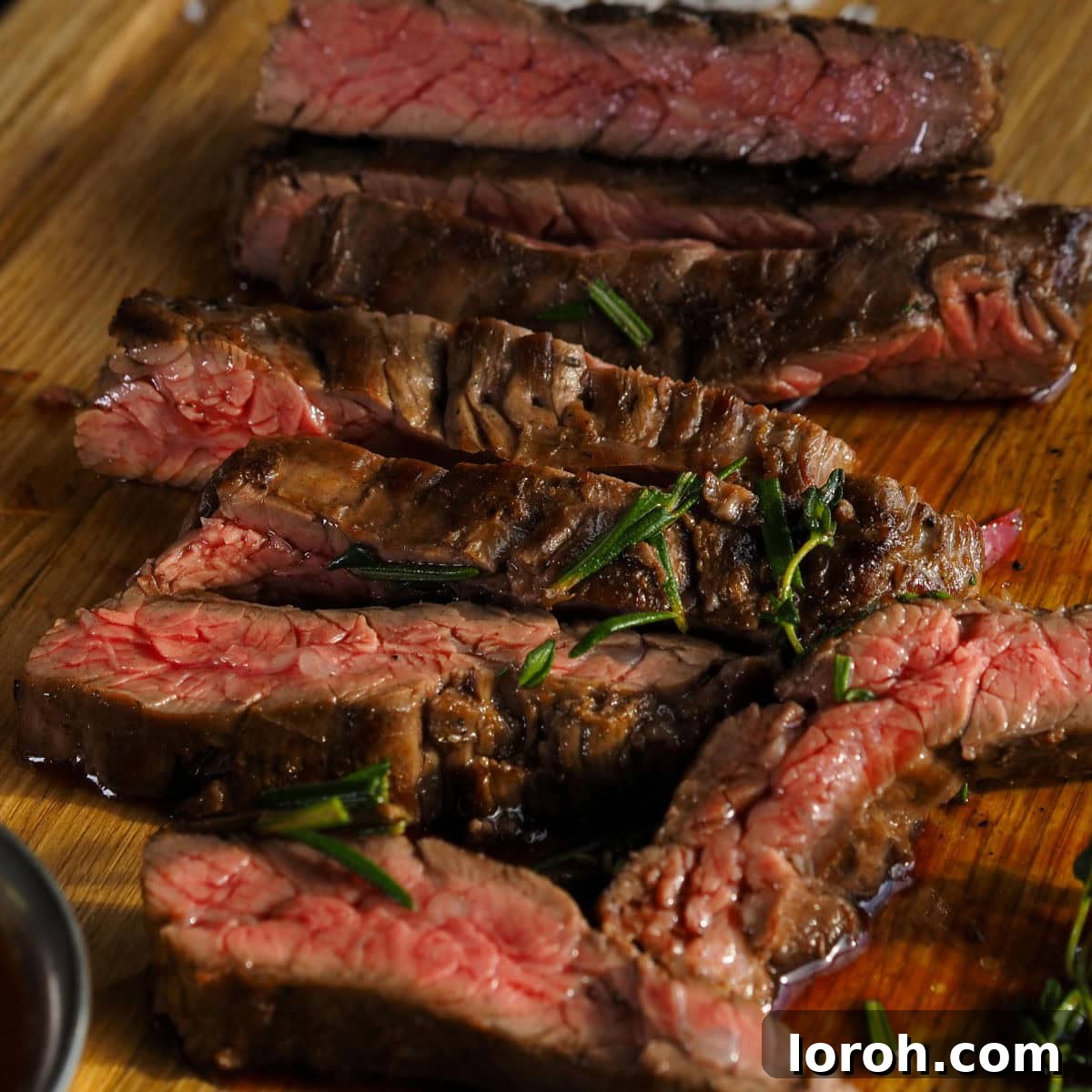
Rump steak often flies under the radar, overshadowed by its pricier counterparts like rib-eye or fillet. Yet, for those in the know, this lean, intensely flavorful, and budget-friendly cut of beef is an absolute culinary treasure. When prepared correctly, rump steak delivers a robust, beefy taste and satisfying texture that can elevate any meal. If you’re looking to explore a cut that offers both exceptional value and a rich dining experience, you’ve found your guide. In this ultimate manual, we’ll delve deep into what rump steak is, demystify its place in the world of beef cuts, show you precisely how to cook it to perfection, and provide a wealth of inspired serving suggestions.
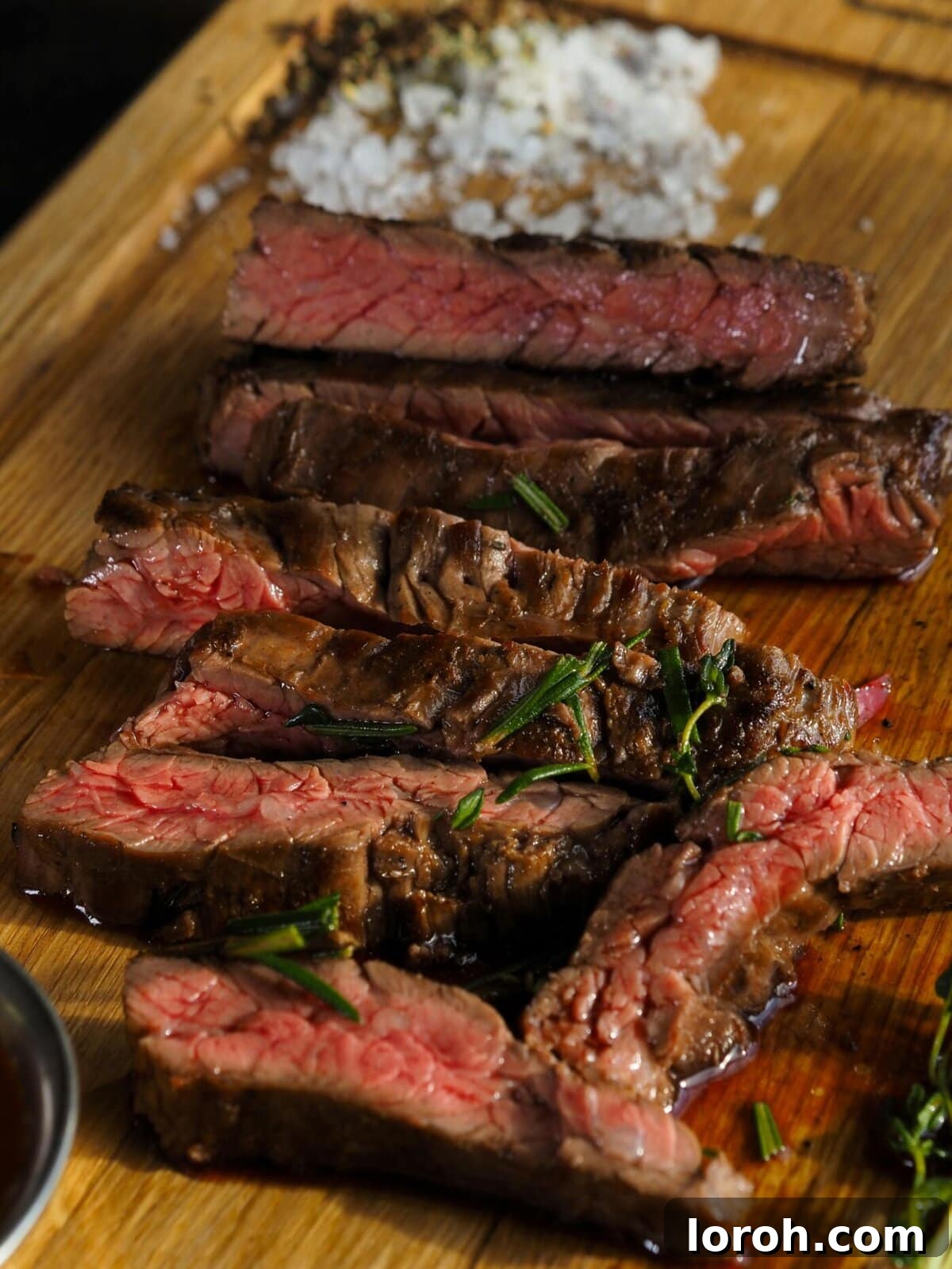
Table of Contents
- What Exactly Is Rump Steak?
- Why Choose Rump Steak? The Underrated Gem
- Mastering Rump Steak: How to Cook It Perfectly
- Creative Ways to Serve Rump Steak
- Frequently Asked Questions About Rump Steak
- My Favourite Rump Steak Recipes
What Exactly Is Rump Steak?
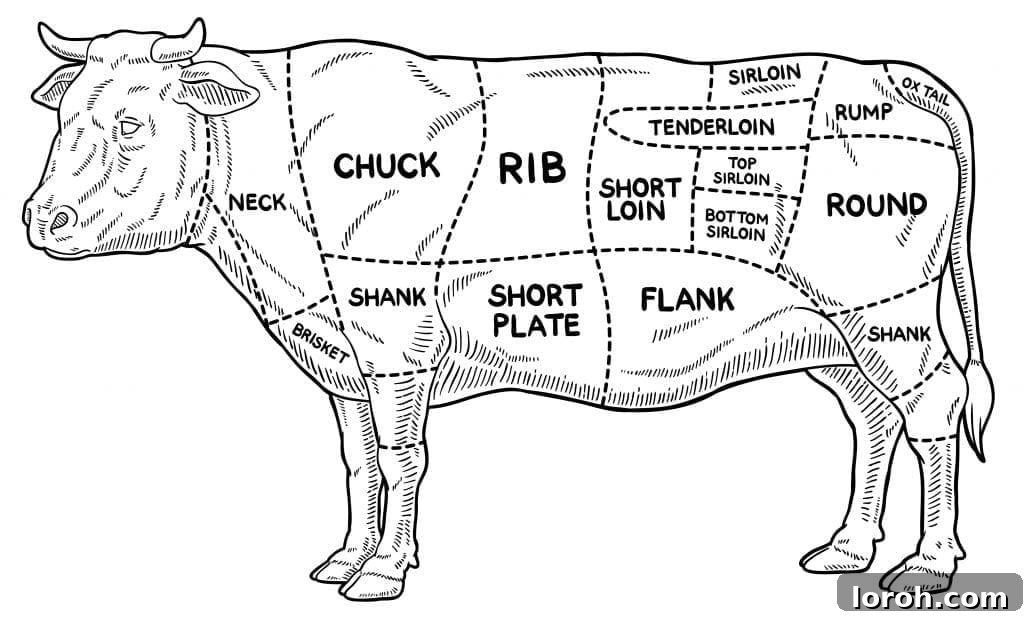
Rump steak is a primal cut of beef derived from the hindquarter of the cow, specifically from the rump muscle group. This area is heavily used by the animal, which contributes to the steak’s distinctive firm texture and robust, beefy flavor. Unlike some more tender cuts, rump steak benefits from its muscular composition, offering a richer taste that truly stands out when cooked with care.
Understanding Regional Differences: UK vs. US Terminology
Navigating beef cuts can sometimes be confusing due to regional differences in terminology. What we commonly refer to as ‘rump steak’ in the UK and Australia is known as ‘sirloin steak’ in the United States. Conversely, a ‘sirloin steak’ in the UK often corresponds to what Americans call a ‘porterhouse’ or ‘T-bone steak’ (if it includes the fillet) or a ‘New York strip’ (if just the larger loin muscle). For the purpose of this guide, when we discuss ‘rump steak’, we are referring to the British cut from the rear of the cow – a cut celebrated for its fantastic flavor and value.
Rump vs. Sirloin & Rib-eye: A Comparative Look
When choosing a steak, it’s helpful to understand how rump compares to other popular cuts. Each offers a unique profile in terms of tenderness, fat content, and flavor:
- Rump Steak: Known for its lean profile, firm texture, and incredibly bold, rich beef flavor. It’s less marbled than a rib-eye but offers more chew and a deeper taste. Ideal for those who prioritize flavor and value.
- Sirloin Steak (UK definition): Generally more tender than rump, with a slightly finer grain and moderate marbling. It offers a balanced flavor that is less intense than rump but more pronounced than fillet.
- Rib-eye Steak: Highly prized for its generous marbling (interspersed fat), which melts during cooking to deliver exceptional juiciness, tenderness, and a buttery flavor. This premium cut comes with a higher price tag.
If you’re seeking a steak that delivers fantastic value without compromising on a robust, strong beef flavor, rump steak emerges as a clear winner. Its distinct characteristics make it a versatile choice for various culinary applications.
Why Choose Rump Steak? The Underrated Gem
Rump steak’s appeal extends far beyond its delicious taste. It offers a compelling combination of benefits that make it a smart choice for both everyday meals and special occasions:
- Unbeatable Affordability: As a leaner and somewhat tougher cut compared to premium options like rib-eye or fillet, rump steak is often less in demand and consequently more affordable. This makes it an excellent option for enjoying quality beef without breaking the bank, allowing you to incorporate steak into your regular meal rotation.
- Lean & Highly Nutritious: Rump steak is naturally lean with a relatively low-fat content, making it a healthier choice. It’s also an outstanding source of high-quality protein, essential amino acids, iron, zinc, and B vitamins, all vital for energy, muscle maintenance, and overall well-being. It’s a powerhouse of nutrition in every bite.
- Exceptional Versatility: Don’t let its firm texture fool you; rump steak is incredibly adaptable. Its robust flavor stands up well to various cooking methods and marinades. It can be transformed into quick and easy stir-fries, sizzling fajitas, hearty steak sandwiches, or enjoyed simply grilled or pan-fried as a standalone steak. Its ability to absorb flavors makes it a chef’s delight.
Embracing rump steak means choosing a cut that is economical, healthful, and wonderfully adaptable, proving that you don’t need the most expensive cut to enjoy a truly delicious beef experience.
Mastering Rump Steak: How to Cook It Perfectly
Cooking rump steak to perfection is an art, but one that is easily mastered with a few key techniques. The goal is to maximize its natural flavor while ensuring tenderness. Follow these steps for an unforgettable steak experience.
Preparation & Seasoning: The Foundation of Flavor
Proper preparation is crucial for rump steak, setting the stage for optimal cooking and flavor development.
- Bring to Room Temperature: Remove your rump steak from the fridge 30–60 minutes before cooking. This ensures the steak cooks more evenly from edge to center, preventing a cold, undercooked interior while the outside overcooks.
- Pat Dry Thoroughly: Use kitchen paper to pat the steak completely dry on all sides. Moisture on the surface prevents the Maillard reaction (the browning that creates rich flavors and a beautiful crust), leading to steaming instead of searing. A dry surface is key to a perfect sear.
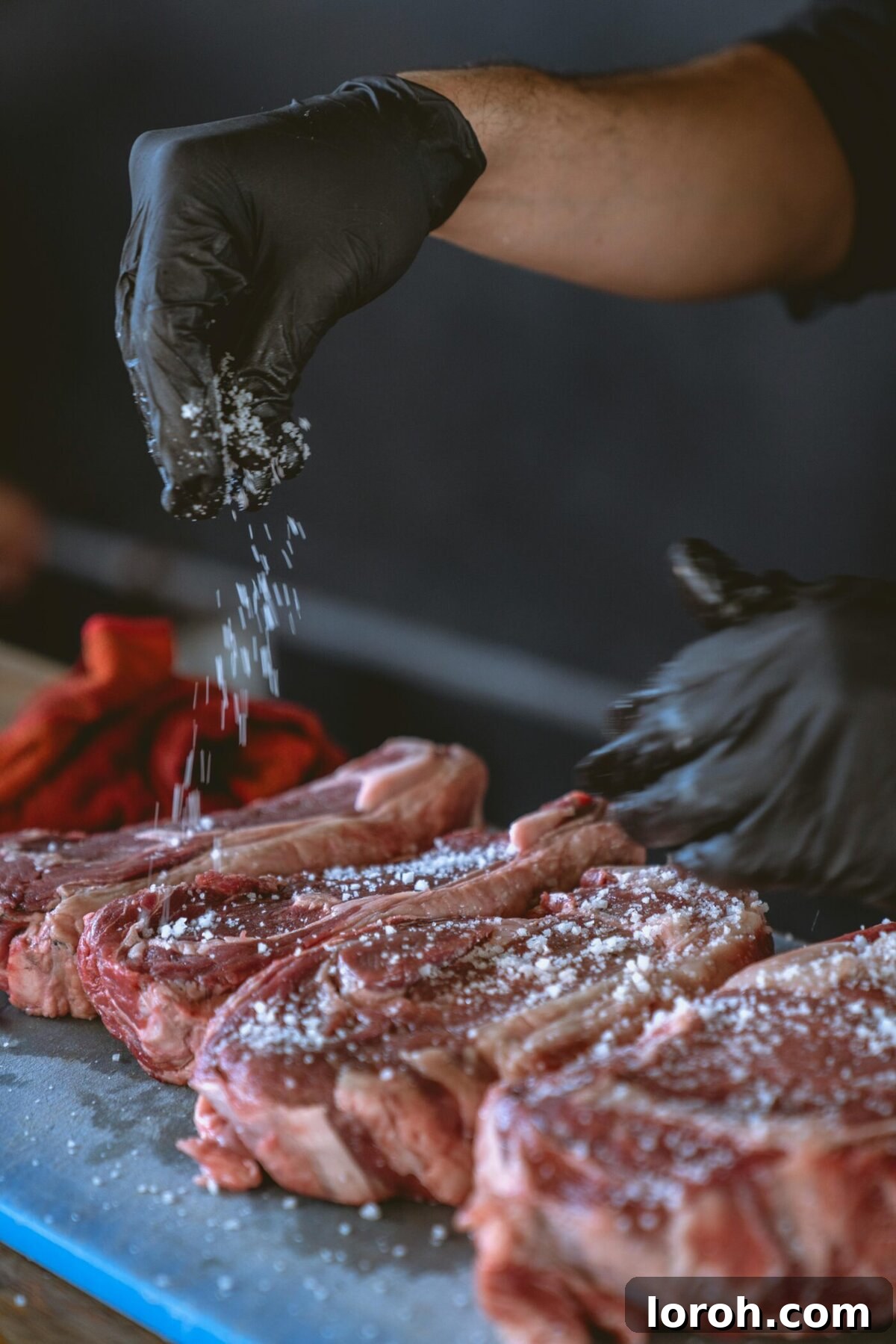
- Season Generously: Season the steak liberally with coarse sea salt and freshly ground black pepper. Don’t be shy; a good amount of seasoning enhances the beef’s natural flavor. For an even deeper flavor, consider dry-brining (salting well in advance) to allow the salt to penetrate the meat and tenderize it further.
- Lightly Oil the Steak: Rub a thin layer of olive oil or rapeseed oil directly onto the outside of the steak. This helps conduct heat, promotes even searing, and prevents sticking to the pan or grill, adding another layer of flavor.
Marinading: Enhancing Flavor and Tenderness (Optional but Recommended)
While a well-seasoned rump steak is delicious on its own, marinating can take it to the next level by imparting additional flavors and further tenderizing the meat. This is particularly beneficial for a leaner, firmer cut like rump.
- The Science of Marinading: Marination works by allowing acidic ingredients (like lemon juice or vinegar) and enzymatic ingredients (like pineapple or papaya) to gently break down muscle fibers over time. This process helps to relax the meat, resulting in a more tender bite, while oils and seasonings infuse deep flavor.
- Optimal Marination Time: Marinating rump steak for at least 2 hours, and ideally up to 24 hours, yields the best results. Over-marinating (especially with strong acids) can make the meat mushy, so stick to the recommended times.
- Flavor Combinations: Get creative with your marinades! A classic combination includes olive oil, a touch of acid (lemon/lime juice or vinegar), a sweetener (honey or brown sugar for caramelization), and your favorite herbs and spices (garlic, rosemary, thyme, paprika, chili flakes).
Cooking Methods: Achieving the Perfect Doneness
Whether you prefer pan-frying or grilling, the key is high heat to create a beautiful crust while maintaining a juicy interior.
Pan-Frying Rump Steak: For a Delicious Crust
Pan-frying is one of the most popular and effective ways to cook rump steak, delivering a fantastic sear and even cooking.
- Heat the Pan to Sizzling: Use a heavy-bottomed pan (cast iron or stainless steel works best) and heat it over high heat until it just begins to smoke. A hot pan is critical for achieving a good crust. Add a tablespoon of high smoke point oil (like rapeseed or grapeseed oil) to the pan, or directly to the steak as per preparation above.
- Sear for Flavor: Place the seasoned steak gently into the hot pan. Sear undisturbed for 1.5 to 4 minutes per side, depending on thickness and desired doneness.
- Rare (Internal Temp: 120-125°F / 49-52°C): ~3 minutes total cooking time (1.5 min per side).
- Medium-Rare (Internal Temp: 130-135°F / 54-57°C): ~4-5 minutes total cooking time (2-2.5 min per side). For rump steak, this doneness is highly recommended to ensure the best texture and tenderness.
- Medium (Internal Temp: 135-140°F / 57-60°C): ~6-7 minutes total cooking time (3-3.5 min per side).
- Well-Done (Internal Temp: 150°F+ / 66°C+): ~8+ minutes total cooking time. While possible, cooking rump steak to well-done is generally not advised as it can become quite tough.
- Baste for Extra Flavor: During the last minute or two of cooking, add a knob of butter, a crushed garlic clove, and a sprig of rosemary or thyme to the pan. Tilt the pan and use a spoon to baste the melting butter mixture over the steak repeatedly. This adds incredible flavor and helps create an even crust.
- Render Fat Cap (if applicable): If your rump steak has a thick fat cap, use tongs to hold the steak on its side and press it firmly against the hot pan for about 2 minutes. This renders out the fat, turning it golden brown and crispy, adding another layer of flavor and texture.
Grilling/BBQ Rump Steak: For Smoky Perfection
Grilling imparts a wonderful smoky flavor and attractive char marks, perfect for a summer BBQ.
- High Heat is Key: Preheat your grill to a high temperature. Ensure the grates are clean and oiled to prevent sticking.
- Direct Sear: Place the steak directly over the hottest part of the grill. Sear for 2-3 minutes per side for a medium-rare finish, achieving those coveted grill marks.
- Move to Indirect Heat (for thicker cuts): If your rump steak is particularly thick, once a good sear is achieved on both sides, move it to a cooler, indirect heat zone on the grill to finish cooking to your desired doneness without burning the exterior. Close the lid to allow it to cook through.
- Ideal for Marinated Steaks: The intense heat of grilling beautifully caramelizes the sugars in marinades, creating an incredibly flavorful crust.
Resting & Slicing: The Final Steps to Tenderness
These two steps are critical for ensuring a tender, juicy, and flavorful rump steak.
- Always Rest Your Steak: Once cooked, transfer the steak to a cutting board and loosely tent it with foil. Allow it to rest for at least 5–10 minutes (longer for thicker cuts). Resting allows the juices, which have been drawn to the center during cooking, to redistribute throughout the entire steak. Skipping this step will result in juices flowing out when you cut, leaving you with a dry steak.
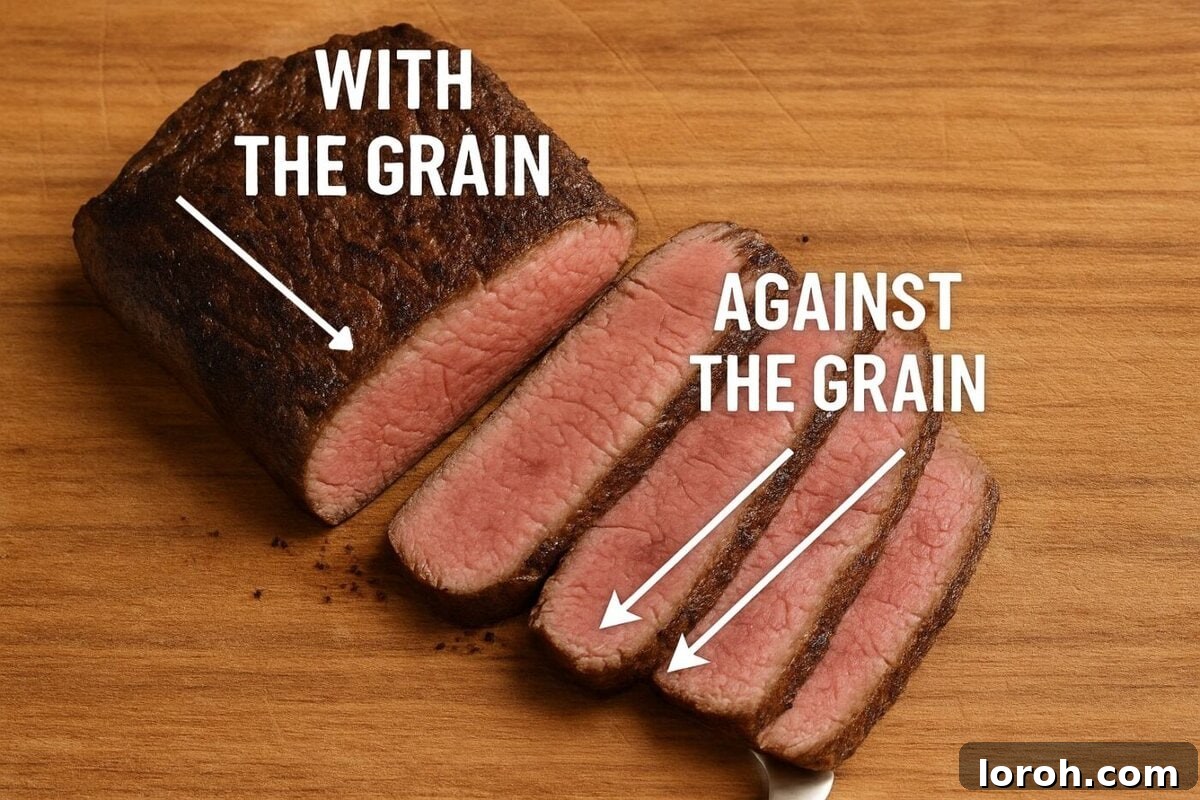
- Slice Against the Grain: This is perhaps the most important tip for rump steak. Rump steak, being a working muscle, has prominent muscle fibers (the “grain”). Slicing against the grain shortens these fibers, making the meat far more tender and easier to chew. If you slice with the grain, even a perfectly cooked steak can be tough and chewy. The image below provides a clear visual guide.
Creative Ways to Serve Rump Steak
Rump steak’s robust flavor makes it incredibly versatile. Whether you’re looking for classic pairings or innovative new dishes, here are some ideas to inspire your next meal.
Sauce Pairings: Elevate Your Steak
A well-chosen sauce can perfectly complement the rich taste of rump steak, adding moisture and an extra layer of flavor.
- Herby Cowboy Butter: A melted butter infused with garlic, herbs (like parsley, chives, thyme), and a hint of spice. It melts beautifully over hot steak, adding richness and aromatic depth.
- Chimichurri: A vibrant, herbaceous South American sauce made with fresh parsley, oregano, garlic, red wine vinegar, and olive oil. Its bright, tangy, and slightly spicy notes cut through the richness of the beef, offering a refreshing contrast.
- Classic Peppercorn Sauce: Creamy, peppery, and utterly indulgent, a peppercorn sauce is a beloved steakhouse classic. The bold flavor of black peppercorns pairs perfectly with beef.
- Rich Red Wine Jus: A sophisticated reduction of red wine, beef stock, and aromatics, a jus adds a deep, savory, and slightly sweet finish to your steak.
Side Dishes: The Perfect Companions
Complement your rump steak with these delicious and satisfying side dishes.
- Crispy Homemade Chips or Golden Fries: The ultimate comfort food pairing, offering a delightful textural contrast to the tender steak.
- Creamy Mashed Sweet Potatoes: A healthy and flavorful alternative to traditional potato mash, offering a hint of sweetness that beautifully balances the savory steak.
- Fresh Green Bean Salad: Light, crisp, and refreshing, a green bean salad adds a vital burst of freshness and a delicate crunch to your plate.
- Roasted Asparagus or Broccoli: Simple, elegant, and nutritious, these roasted vegetables bring a touch of green and earthy flavors.
Creative Uses: Beyond the Plate
Rump steak’s versatility shines in a variety of dishes, from quick weeknight meals to impressive appetisers.
- Flavorful Soft Shell Tacos: Thinly slice cooked rump steak and use it as a fantastic filling for soft shell tacos. Marinate the steak slices briefly before cooking for an extra flavor boost. While typically made with prawns, swapping for steak makes for a hearty and delicious alternative. For something different, consider braised short ribs for a rich, slow-cooked taco experience.
- Garlic Butter Steak Bites: Cut rump steak into bite-sized pieces and quickly pan-fry them with garlic butter for a phenomenal appetizer or a quick protein-packed snack. They are incredibly addictive!
- Steak Sandwiches or Wraps: Layer thinly sliced, leftover rump steak with caramelized onions, cheese, and a punchy sauce in a crusty baguette or wrap for an incredible lunch.
- Hearty Stir-fries: Slice rump steak thinly against the grain and quickly stir-fry with your favorite vegetables and an Asian-inspired sauce for a lightning-fast and nutritious dinner.
Frequently Asked Questions About Rump Steak
Always remove rump steak from the fridge 30-60 minutes before cooking to allow it to come to room temperature. Pat it thoroughly dry with kitchen paper for a good sear, then generously season with coarse salt and freshly ground black pepper. For enhanced flavor and tenderness, consider dry-brining by salting it at least an hour, or even up to 24 hours, in advance. Marinading for a few hours can also significantly improve both flavor and texture.
For pan-frying, cook rump steak approximately 1.5-4 minutes per side on high heat. Aim for about 3 minutes total for rare (120-125°F/49-52°C), 4-5 minutes for medium-rare (130-135°F/54-57°C), and 6-7 minutes for medium (135-140°F/57-60°C). For rump, medium-rare is generally advised for the best texture and tenderness. Cooking past medium can make this cut tough.
Yes, resting is essential! Allow your rump steak to rest for at least 5-10 minutes (tenting loosely with foil) after cooking. This allows the internal juices to redistribute throughout the meat, ensuring a much juicier and more tender steak when sliced.
The most common reasons for tough or chewy rump steak are overcooking and incorrect slicing. Rump steak is best cooked to medium-rare or medium; overcooking dries it out and makes it tough. Crucially, always slice your rump steak against the grain (perpendicular to the muscle fibers) to shorten the fibers and ensure maximum tenderness. Additionally, not resting the steak can lead to a less tender result.
Absolutely! For kebabs, cube the rump steak and marinate it for at least a few hours; the marinade will help tenderize the meat and infuse flavor, which is perfect for grilling. For burgers, rump steak can be ground, but because it’s lean, you might want to mix it with a higher-fat cut or add some beef fat to the mixture to ensure juicier patties.
Yes, dry-brining (salting the steak and letting it rest uncovered in the fridge) is an excellent way to tenderize rump steak and enhance its flavor. The salt draws moisture to the surface, dissolves, and is then reabsorbed into the meat, breaking down muscle fibers and improving tenderness and moisture retention. Salting at least an hour in advance is beneficial, but 24 hours can yield even better results.
While a meat thermometer offers the most accuracy, you can estimate doneness using the “finger test” by comparing the feel of the steak to different parts of your hand (relaxed, then pressing thumb to various fingers):
- Rare: The steak should feel very soft and springy, similar to the fleshy area at the base of your thumb when your hand is relaxed and open.
- Medium-Rare: Gently touch your index finger to your thumb. The fleshy part beneath your thumb will feel slightly firmer – this is the feel of a medium-rare steak.
- Medium: Touch your middle finger to your thumb. The area under your thumb now feels firmer still, akin to a medium-cooked steak.
- Medium-Well: Bring your ring finger to your thumb. The muscle under your thumb feels quite firm – this is what medium-well steak should feel like.
- Well-Done: Touch your little finger to your thumb. The base of your thumb will now feel very firm, mimicking the texture of a well-done steak.
Remember, this is an estimation, and practice makes perfect!
Once cooked, allow any leftover rump steak to cool completely, then store it in an airtight container in the refrigerator for up to 3-4 days. For best quality when reheating, gently warm slices in a pan with a little butter or beef broth, or enjoy cold in salads or sandwiches.
Look for rump steak that has a deep red color and firm texture. While it’s a leaner cut, some minimal marbling (small flecks of fat within the muscle) can contribute to flavor. Avoid steaks with excessive gristle or an overly pale appearance. Freshness is key, so check the sell-by date.
My Favourite Rump Steak Recipes
While rump steak can be enjoyed simply with salt and pepper, it also shines in a variety of creative recipes. Here are some of my top recommendations that highlight the versatility and deliciousness of this fantastic cut:
Recipes
Steak With Garlicky Green Beans, Pistachios & Horseradish
Easy Beef Recipes
Steak and Green Bean Salad with Yogurt Caesar Dressing
Sandwiches
Rib Eye Steak Sandwich with Bearnaise Butter
Recipes
Steak with Romesco Sauce and Crispy Potato Wedges
With this comprehensive guide, you’re now equipped to transform a humble rump steak into a culinary masterpiece. Don’t shy away from this flavorful and versatile cut. Embrace its unique qualities, follow our expert cooking tips, and discover a new favorite way to enjoy beef. Happy cooking!