
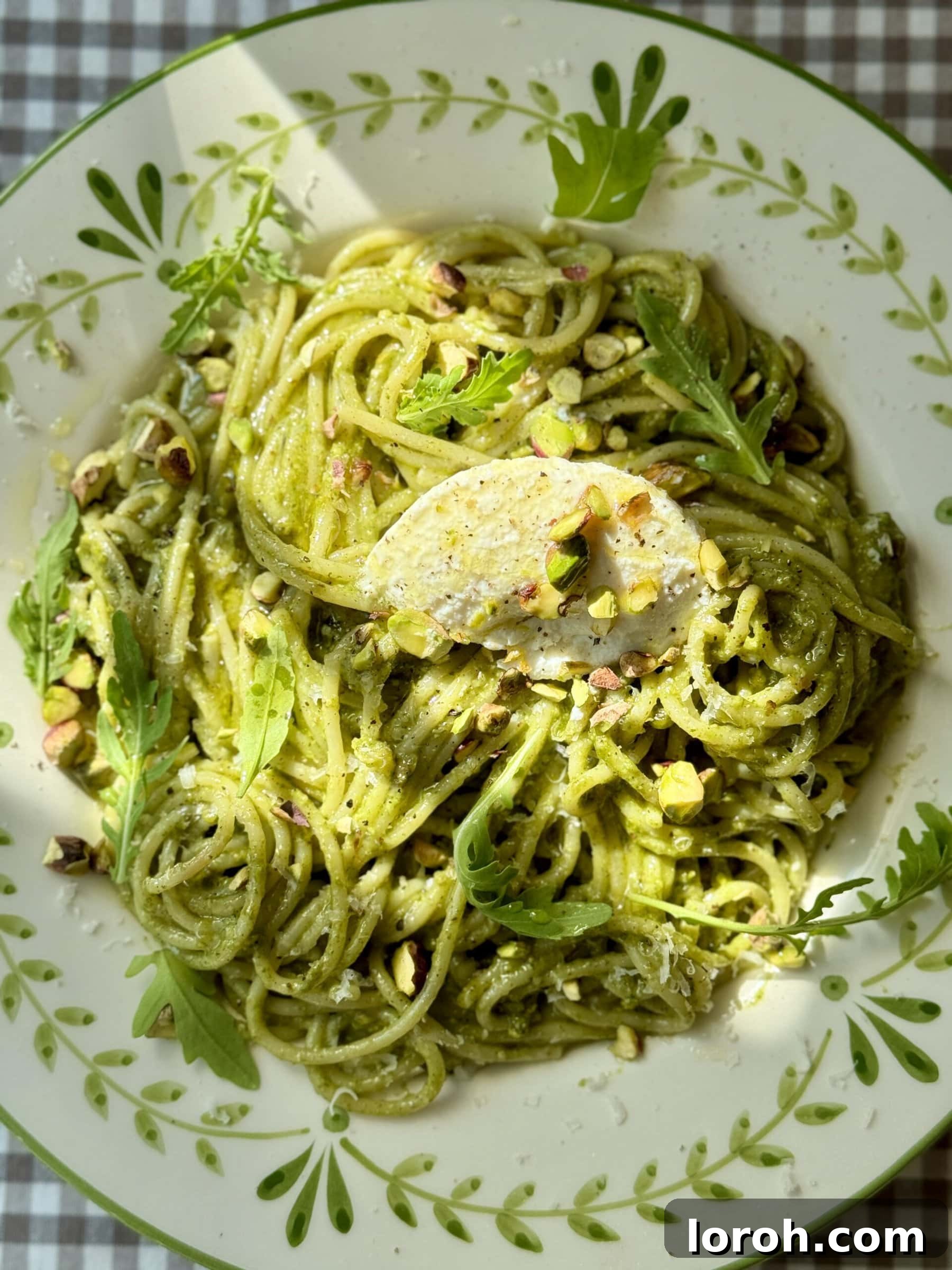
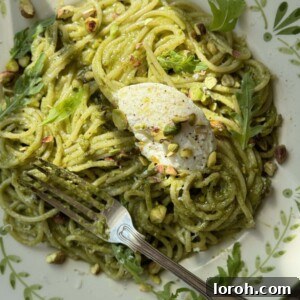
When time is short and energy wanes, there’s truly no better comfort than a wholesome bowl of pasta. This incredible Pistachio Pesto Pasta, authentically known as Pasta Al Pesto Pistacchio in its native Italy, stands out as a personal favorite. It transforms a simple weeknight meal into a gourmet experience, all while being incredibly straightforward to prepare. The unique, earthy flavor of pistachios elevates classic pesto to an entirely new level of deliciousness, making it a staple in any pasta lover’s repertoire.
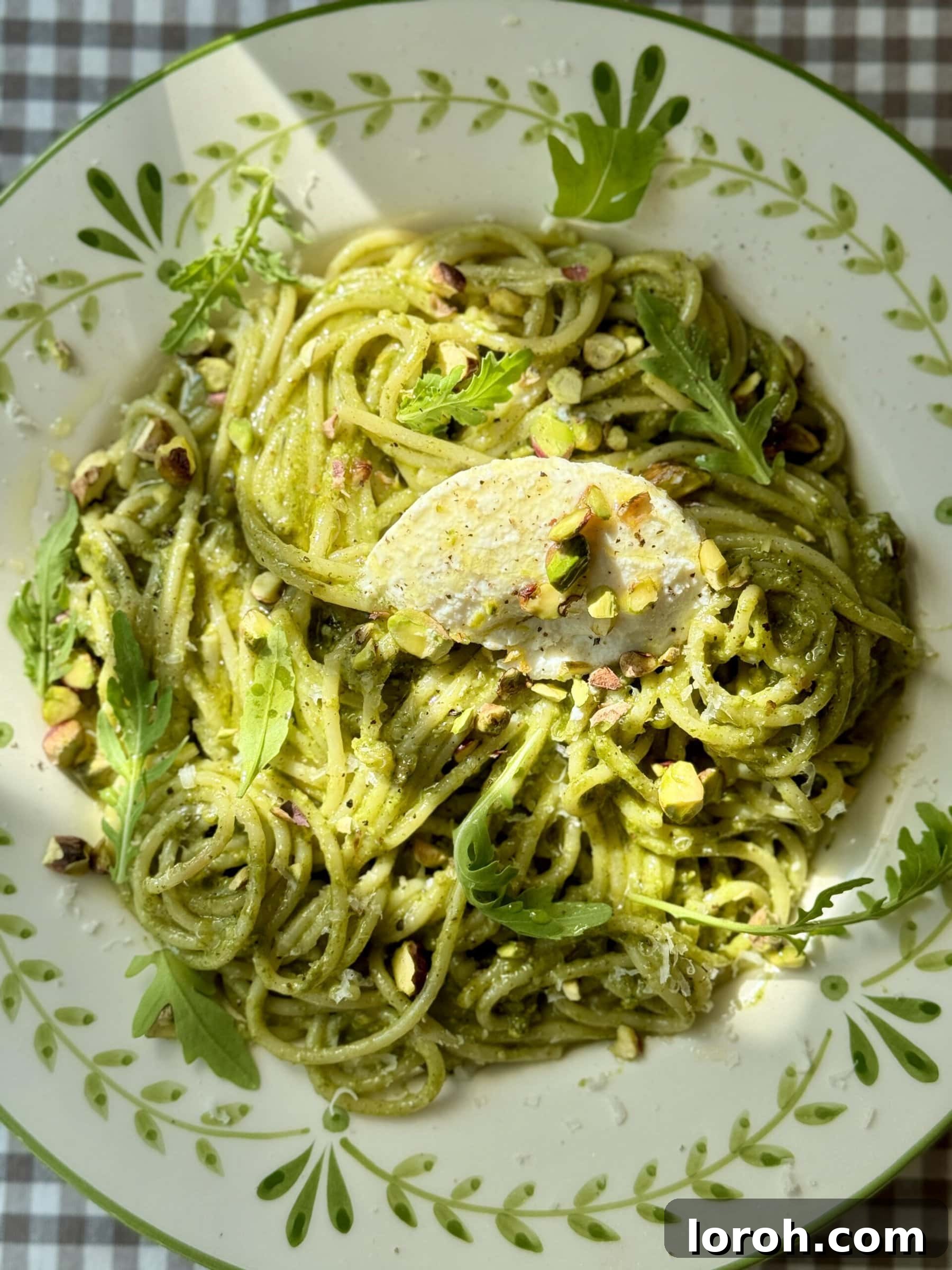
You might imagine that crafting homemade pesto from scratch is a labor-intensive task, but with the aid of any standard blender or food processor, it’s astonishingly simple. This entire dish, from blending the pesto to tossing it with perfectly cooked pasta, comes together in roughly the same amount of time it takes for your pasta to boil. What’s more, this recipe yields a generous jar of luscious pistachio pesto, far more than you’ll need for a single meal. This means you can enjoy this delightful Pistachio Pesto Pasta as your first culinary creation, then explore countless other ways to savor the remaining pesto. Imagine spreading it on warm crusty bread, stirring it into a layered Courgette Gratin for an extra burst of flavor, or drizzling it over a Chicken Flatbread with a creamy yogurt base. For those who cherish a more traditional approach, my classic Pasta Al Pesto recipe remains a timeless choice, but prepare to be won over by the nutty charm of this pistachio version.
Table of Contents
- Why You Will Love This Pistachio Pesto Pasta Recipe
- Key Ingredients for the Perfect Pistachio Pesto
- Substitutions and Variations to Customize Your Dish
- Step-by-Step Guide: How to Make Pasta Al Pesto Pistacchio
- Expert Cooking Tips for Flawless Pesto Pasta
- Frequently Asked Questions About Pistachio Pesto
- More Recipes You Might Like Using Homemade Pesto
- Made This Recipe and Loved It? Share Your Creations!
- Pistachio Pesto Pasta (Pasta Al Pesto Pistacchio) Recipe Card
Why You Will Love This Pistachio Pesto Pasta Recipe
This Pasta Al Pesto Pistacchio is more than just a meal; it’s an experience. Here’s why it’s destined to become a firm favorite in your kitchen:
-
Effortlessly Quick and Easy: Forget complicated steps and lengthy cooking times. This recipe is designed for maximum flavor with minimal effort. Simply combine all the pesto ingredients in a blender, blitz until smooth, and stir through your freshly cooked pasta. It’s perfect for busy weeknights when you crave something satisfying and delicious without spending hours in the kitchen.
-
Yields a Versatile Jar of Pesto: One of the best aspects of making this homemade pistachio pesto is that it produces a generous batch – enough to fill an entire jar. This means you’re not just making a single meal; you’re creating a flavorful base that can be used in a multitude of other recipes throughout the week. Think beyond pasta: it’s fantastic as a spread, a dip, or a vibrant addition to grilled meats and vegetables.
-
Impressively Gourmet, Deceptively Simple: The rich, creamy texture and distinctive nutty flavor of homemade pistachio pesto give this dish an air of sophistication, making it seem far more elaborate than it truly is. It’s the perfect recipe to impress dinner guests or simply treat yourself to something special, all while knowing you’ve whipped it up with remarkable ease.
-
Elevates Classic Pesto Pasta: While traditional basil pesto is undeniably delicious, the addition of pistachios introduces a unique depth of flavor. The pistachios offer a mellow, slightly sweet, and wonderfully nutty profile that beautifully complements the fresh basil and sharp Parmesan. It’s a delightful twist that provides a creamy, luxurious mouthfeel and a truly memorable taste that surpasses its classic counterpart.
Key Ingredients for the Perfect Pistachio Pesto
Creating an exceptional pistachio pesto begins with selecting quality ingredients. Each component plays a vital role in building the unique flavor profile of this Italian gem:
Pistachios: The star of the show! While classic pesto typically uses pine nuts, pistachios offer a distinct nutty and slightly sweet flavor that truly sets this pesto apart. Opt for shelled and roasted pistachios for convenience and enhanced flavor; this saves you the effort of shelling and brings out their natural richness. If you can only find raw shelled pistachios, a quick toast in a dry pan (as detailed in the cooking tips below) will significantly deepen their aroma and taste. Be mindful of heavily salted pistachios, as this can make your final pesto overly salty, especially when combined with Parmesan cheese. Unsalted or lightly salted options are ideal for controlling the seasoning.
Fresh Basil: A cornerstone of any great pesto, fresh basil provides that essential vibrant, aromatic, and slightly peppery note. Look for a large bunch with bright green, unblemished leaves for the best flavor and color. However, pesto is also a fantastic way to utilize slightly older herbs that might be lingering in your fridge, giving them a new lease on life before they wilt.
Olive Oil: The binding agent that creates the smooth, luxurious texture of pesto. Choose a good quality extra virgin olive oil with a light, fruity flavor that won’t overpower the delicate notes of the pistachios and basil. Avoid overly strong or bitter oils, as their flavor will become very prominent in the blended sauce.
Garlic: Fresh garlic cloves provide a pungent, aromatic kick that is quintessential to pesto. I prefer fresh for its robust flavor. If you find raw garlic too intense, you have a couple of options: use a roasted clove of garlic for a milder, sweeter undertone, or opt for a teaspoon of garlic granules if fresh isn’t available or preferred. Adjust the amount to your personal taste.
Lemon: Fresh lemon zest and juice are crucial for brightening the pesto and balancing its richness. The acidity cuts through the olive oil and cheese, enhancing all the other flavors and preventing the pesto from feeling too heavy. It also helps to maintain the vibrant green color of the basil.
Black Pepper: Freshly ground black pepper adds a subtle warmth and a touch of spice that complements the other ingredients beautifully. Add it to taste, or leave it out if you prefer a milder flavor profile.
Parmesan Cheese: Grated Parmesan (Parmigiano Reggiano) contributes a salty, umami-rich depth that is integral to authentic Italian pesto. Its nutty and sharp notes marry perfectly with the pistachios and basil. Good substitutes include Pecorino Romano for a sharper, saltier kick, or Grana Padano for a slightly milder option. If you’re preparing this dish for vegetarians, remember to choose a vegetarian-friendly Parmesan alternative, which is widely available in most supermarkets.
Salt: Essential for seasoning and enhancing all the flavors. While any good quality salt will work, I highly recommend using Maldon Sea Salt Flakes for their superior texture and pure taste, though nothing fancy is required here as it’s primarily for seasoning rather than a finishing touch.
Pasta: The perfect vehicle for your delicious pesto. While spaghetti is a classic choice and works wonderfully by allowing the pesto to coat each strand, virtually any pasta shape can be used. I particularly enjoy it with casarecce, a short, twisted pasta shape that boasts a groove in the middle, perfectly designed to trap and hold the creamy pesto sauce in every bite.
For precise quantities and detailed measurements, please refer to the complete recipe card provided below.
Substitutions and Variations to Customize Your Dish
One of the beauties of homemade pesto is its flexibility. Feel free to experiment with these substitutions and variations to tailor the Pistachio Pesto Pasta to your liking or to utilize ingredients you already have on hand:
Basil Alternatives: While fresh basil is a classic, you can certainly mix things up! For a slightly different flavor profile or to use up other herbs, consider a combination of basil and fresh parsley. A few sprigs of chives added to the blend will impart a subtle oniony zest, or even a handful of baby spinach or arugula can be incorporated to boost the greens and add a peppery note. Ensure the majority is still basil for that authentic pesto taste.
Nut Varieties for Pesto: This recipe celebrates the deliciousness of pistachio pesto, and I highly encourage you to try it as it is. However, if you’re looking for a more traditional pesto base or simply want to experiment, this recipe is incredibly adaptable to other nuts. Pine nuts are the classic choice for Genovese pesto, but almonds or walnuts can also create a wonderfully rich and flavorful sauce. Each nut will impart its own unique character, offering endless possibilities.
Cheese Substitutions: Parmesan provides a wonderful savory depth, but don’t hesitate to use Pecorino Romano for a sharper, saltier, and tangier kick, or Grana Padano for a slightly milder and sweeter flavor if those are what you have in your fridge. For those following a vegetarian diet, a good quality vegetarian hard cheese alternative can be found in most major supermarkets and will work beautifully without compromising on flavor.
Making it Vegan: To transform this into a delightful vegan pistachio pesto, simply omit the Parmesan cheese and replace it with 2-3 tablespoons of nutritional yeast. Nutritional yeast provides a cheesy, umami flavor that is an excellent substitute. You might also want to add a pinch more salt to balance the flavors.
Spice It Up: For those who appreciate a bit of heat, a pinch of red pepper flakes or a small fresh chili (deseeded for less heat) added to the blender with the other ingredients will give your pesto a vibrant kick.
Add Extra Greens: Boost the nutritional value and complexity by adding a handful of fresh spinach, kale, or arugula to the pesto blend. This will intensify the green color and add a subtle earthy or peppery note.
Citrus Twist: Experiment with lime juice instead of lemon for a slightly different, zippier citrus note. It offers a unique freshness that can be quite intriguing.
Step-by-Step Guide: How to Make Pasta Al Pesto Pistacchio
Despite its gourmet appeal, making this Pasta Al Pesto Pistacchio is incredibly straightforward. Here’s a simple visual guide to help you along the way. Remember, the full, detailed recipe is always available in the recipe card at the bottom of this page.
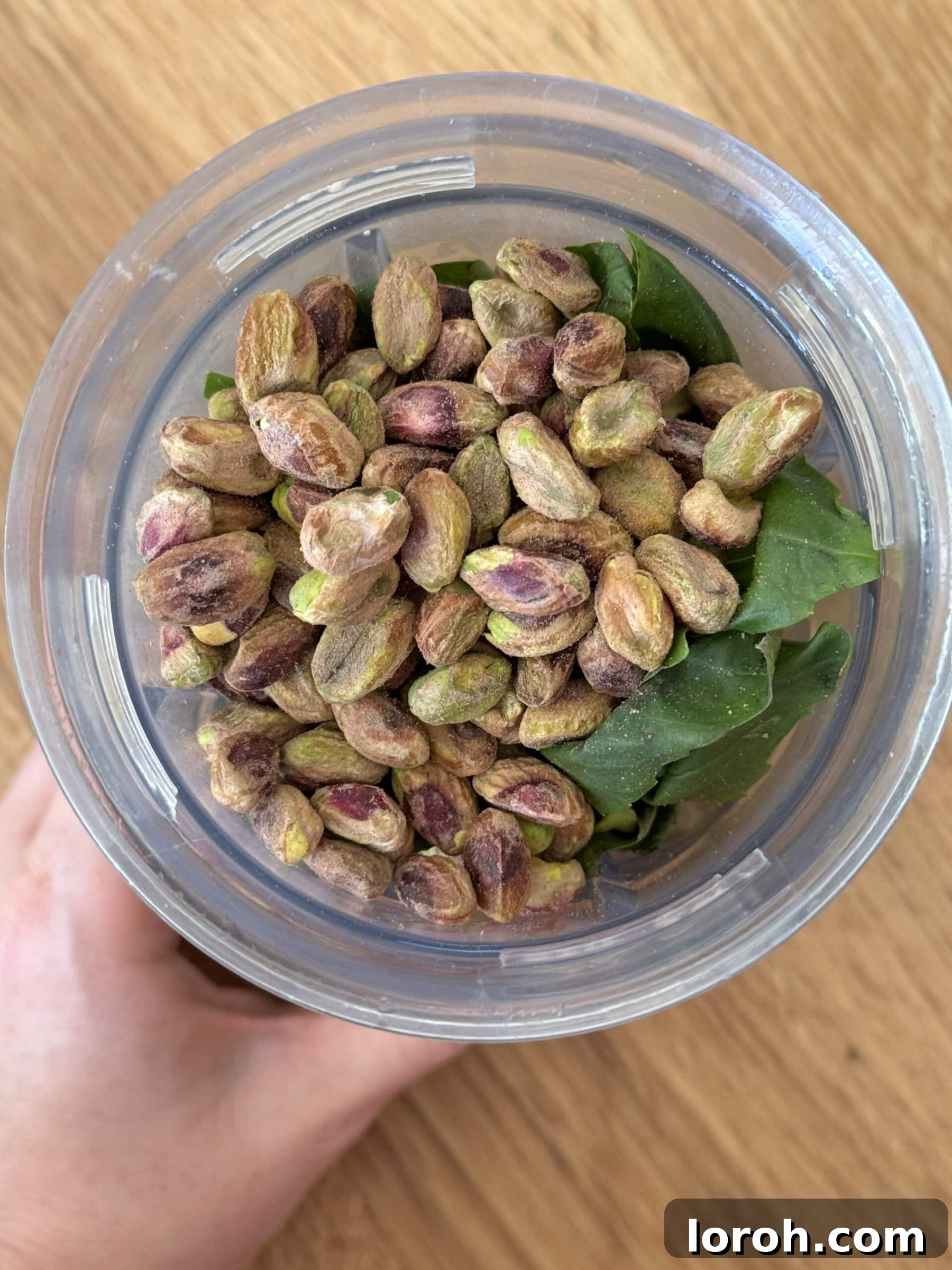
STEP ONE: Combine the Aromatics and Oil. Begin by adding your fresh basil leaves, peeled garlic clove (or roasted garlic for a milder taste), the vibrant zest and juice of one lemon, a generous grind of black pepper, and your chosen olive oil into your blender or food processor. These fresh ingredients will form the aromatic base of your pesto, infusing it with bright and zesty notes.
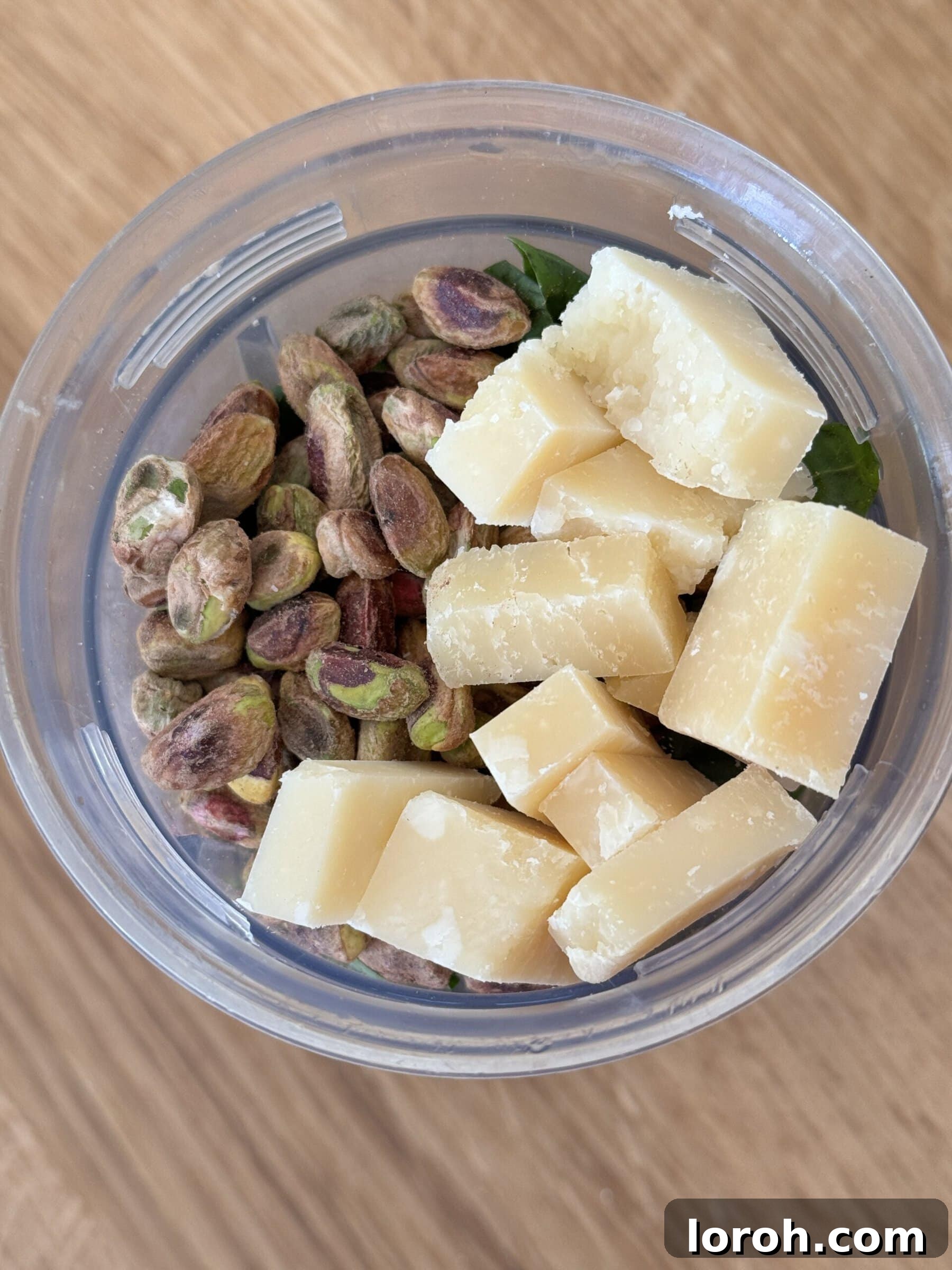
STEP TWO: Add the Cheese. Next, add the Parmesan cheese to the blender. There’s no need for pre-grating; your blender or food processor will handle the chunks perfectly, breaking them down into the sauce. The Parmesan will add a crucial salty, umami depth to the pesto, balancing the freshness of the basil and lemon.
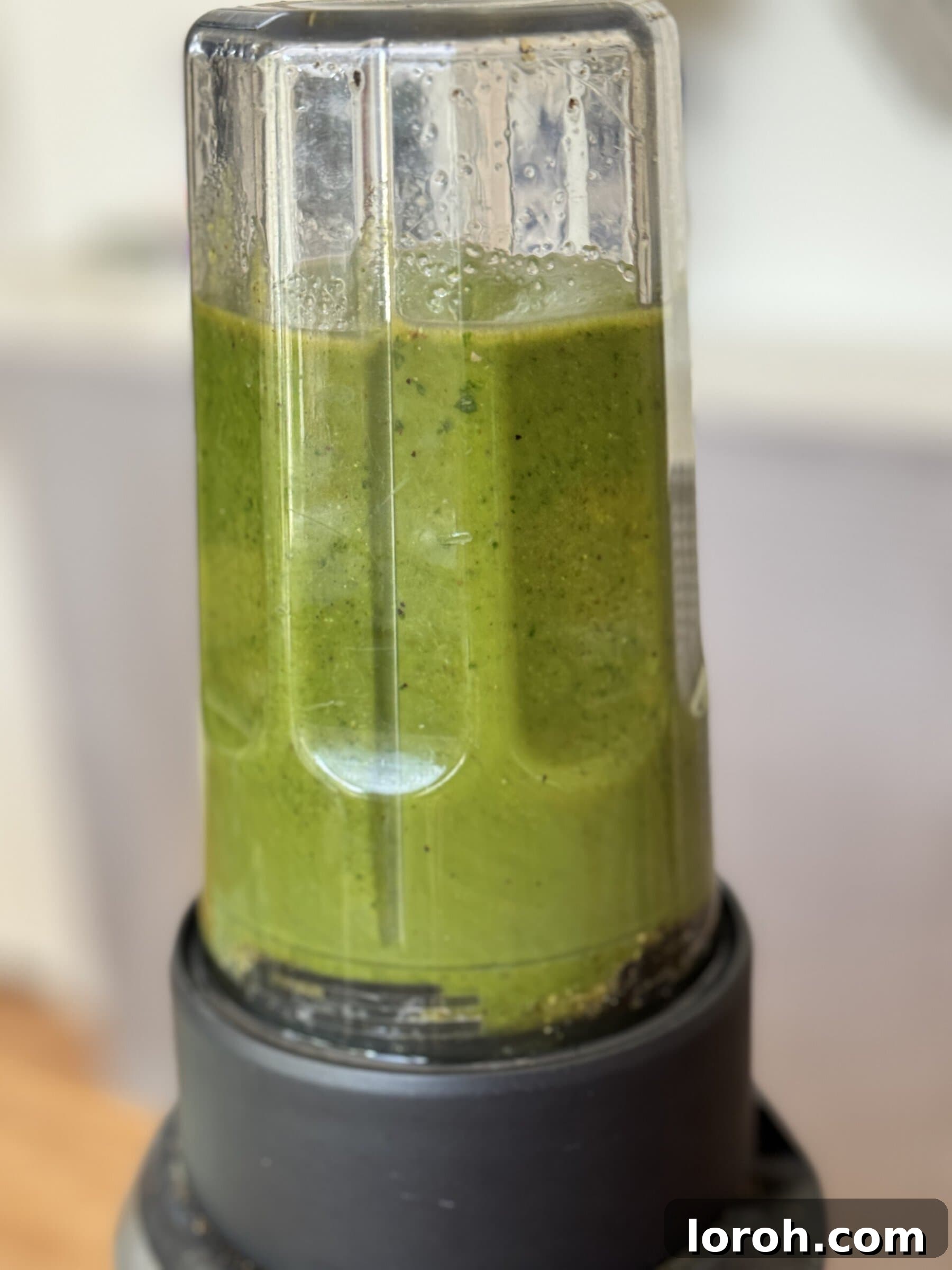
STEP THREE: Blend to Perfection. Secure the lid and blend all the ingredients until you achieve your desired consistency. For a rustic, chunkier pesto that offers more texture, blend for a shorter period. For a silky-smooth sauce that coats the pasta impeccably, blend for a bit longer. I personally find a texture somewhere in the middle, with a slight grit from the pistachios, to be ideal. Don’t forget to pause and scrape down the sides of the blender a few times to ensure everything is evenly incorporated. Taste and adjust seasoning with salt if necessary; remember, the Parmesan already contributes significant saltiness.
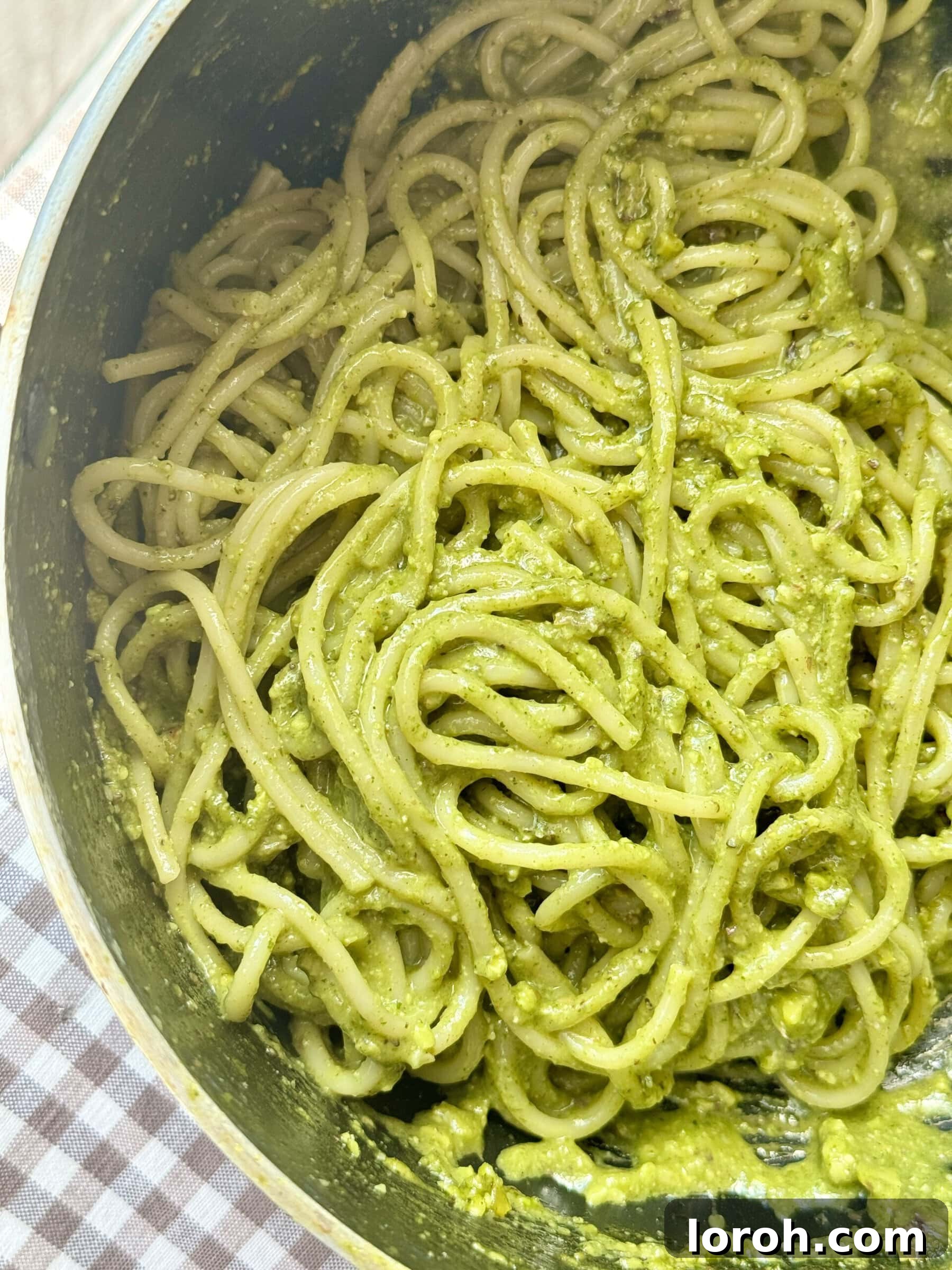
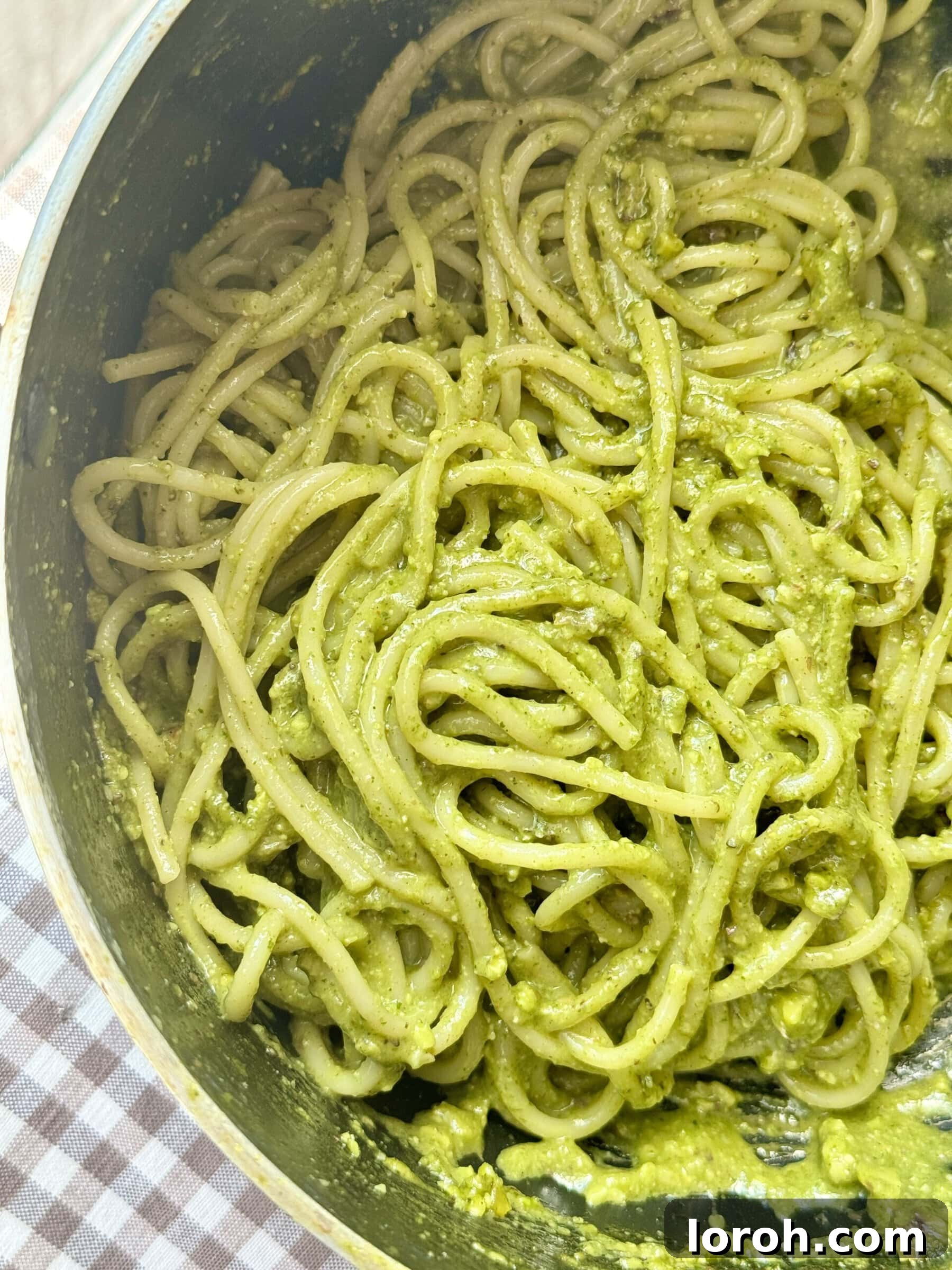
STEP FOUR: Combine with Pasta. While your pesto is blending, cook your chosen pasta shape in a large pot of generously salted boiling water according to package instructions until al dente. Before draining, reserve about half a cup of the starchy pasta water. Drain the pasta and immediately return it to the warm saucepan. Add several good tablespoons of your freshly made pistachio pesto and a splash of the reserved pasta water. Toss vigorously until every strand or piece of pasta is beautifully coated in the creamy, vibrant green sauce. Serve immediately, perhaps with an extra sprinkle of grated Parmesan for good measure.
Expert Cooking Tips for Flawless Pesto Pasta
To ensure your Pistachio Pesto Pasta turns out perfectly every time, keep these expert tips in mind:
How to Toast Pistachios for Enhanced Flavor: Toasting raw pistachios is a simple step that greatly intensifies their nutty flavor and aroma. I highly recommend toasting them in a dry pan over medium-high heat. This method allows you to closely monitor them and prevents burning. Keep the pan moving constantly by shaking it or stirring the nuts with a wooden spoon to ensure even toasting. They should turn lightly golden and become fragrant, typically within 5-7 minutes. Once toasted, immediately transfer them to a plate to cool slightly before adding them to your blender. While you can toast them in an oven, the pan method offers better control and reduces the risk of burning, which can easily happen with delicate nuts.
Storing Your Homemade Pesto for Freshness: Your leftover pistachio pesto can be stored in an airtight container or jar in the refrigerator for up to one to two weeks. To significantly extend its shelf life and maintain its vibrant color, here’s a pro tip: after transferring the pesto to a jar and leveling it out, pour a thin layer of olive oil over the top. This creates a protective seal that prevents oxidation and spoilage. The olive oil layer will solidify slightly in the fridge, but it will melt beautifully once mixed into hot pasta or spread onto toasted bread, returning to its smooth consistency.
Proper Basil Storage for Longevity: Fresh basil is key to a flavorful pesto, and proper storage will keep your leftover herbs vibrant for up to a week. To store basil, trim the ends off the stalks, much like you would with fresh flowers. Place the basil bunch into a small glass or mug containing about 1 centimeter (half an inch) of water. Then, gently cover the entire basil plant and glass with a clean sandwich bag, pulling the bag down around the glass to create a loose seal. Store this at room temperature, away from direct sunlight. This method keeps the basil hydrated and prevents it from wilting or turning black in the fridge.
Achieving the Perfect Pesto Consistency: The amount of olive oil can be adjusted slightly to achieve your preferred pesto consistency. For a thicker, more spoonable pesto, use a little less oil. For a smoother, pourable sauce, you might add a touch more. Remember that the pasta water will also help to thin and emulsify the pesto when tossing it with the cooked pasta.
The Magic of Pasta Water: Never forget to reserve a small amount of the starchy pasta water before draining your pasta! This cloudy water is liquid gold for pasta sauces. Adding a splash or two to your pesto when tossing it with the pasta helps to create a silky, emulsified sauce that clings beautifully to every strand. The starch in the water helps bind the sauce to the pasta, preventing it from being too oily or dry.
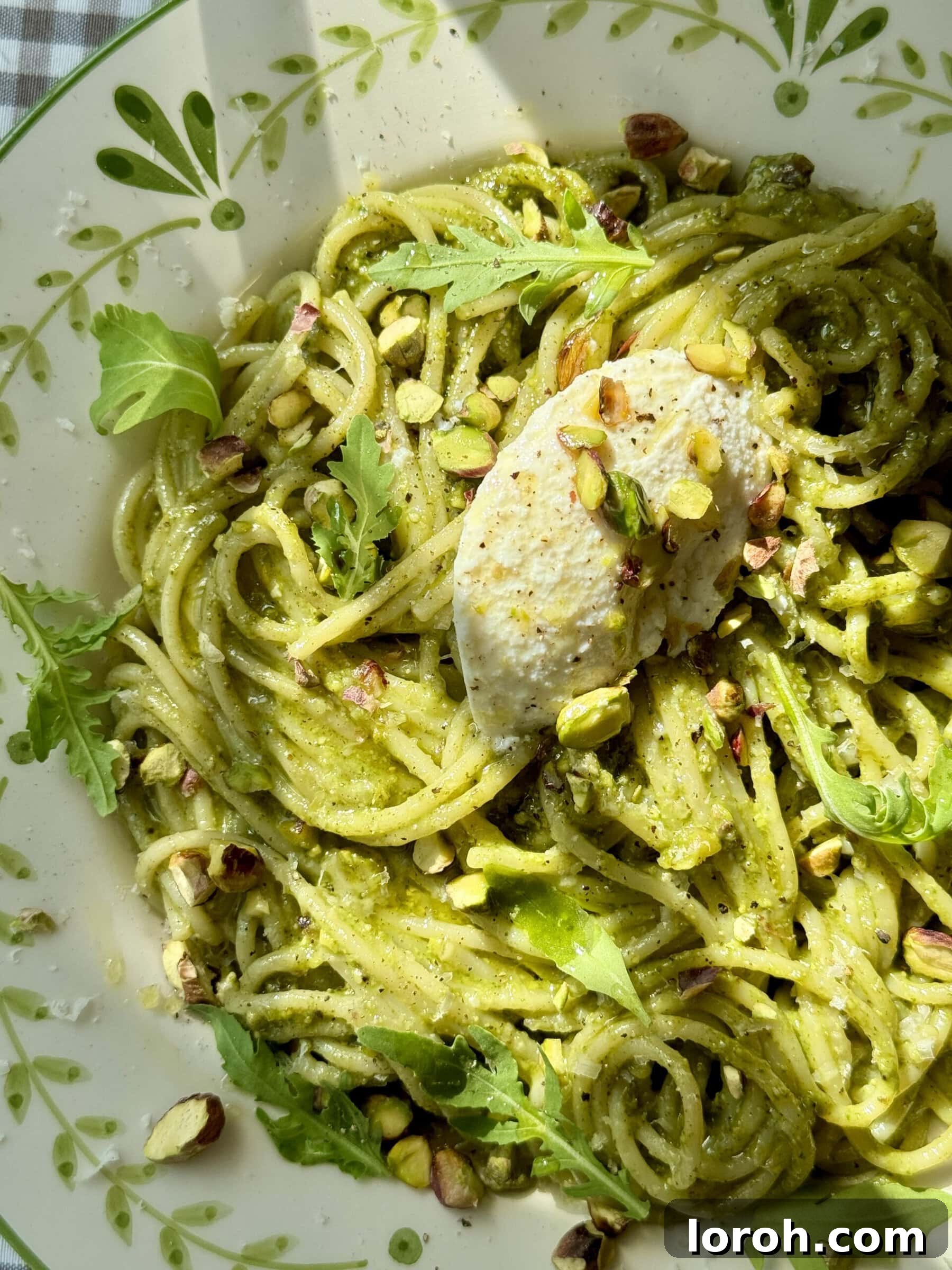
Garnish for Impact: For an extra flourish, consider garnishing your finished Pistachio Pesto Pasta. A sprinkle of freshly grated Parmesan or Pecorino is always welcome. For added texture and visual appeal, chop a few extra pistachios and sprinkle them over the top. A dollop of fresh ricotta, creamy burrata, or torn fresh mozzarella can add a delightful creamy element that perfectly complements the rich pesto.
Frequently Asked Questions About Pistachio Pesto
Absolutely, yes! While a blender makes it incredibly fast and smooth, traditional pesto is made with a pestle and mortar. The result will be a slightly chunkier, more rustic texture, but equally delicious. To make it by hand: start by pounding the garlic (if using) with a pinch of salt until it forms a paste. Gradually add the chopped basil, little by little, continuing to pound until it becomes a fine paste. Then add the pistachios and repeat the pounding process. Finally, finely grate the cheese and mix it in gradually, along with the black pepper and lemon juice/zest. Slowly drizzle in the olive oil, pounding as you go, to emulsify the sauce rather than having the ingredients simply suspended in oil.
Homemade Pistachio Pesto will last at least a week, and often up to two weeks, when stored correctly in an airtight container or jar in the refrigerator. Always trust your senses: if it looks and smells okay, it’s likely still good to eat. For best storage practices and to extend its freshness, refer to the detailed “Cooking Tips” section above, specifically the advice on adding a layer of olive oil to seal the pesto.
This recipe yields a generous amount of pesto, typically filling a jar of around 300-350ml. This is considerably more than you’ll need for two servings of pasta. Don’t worry about having too much, as homemade pesto is incredibly versatile! You’ll find plenty of inspiration for how to use the rest of the jar in the “More Recipes You Might Like” and “Pesto Uses” sections below. Plus, having a ready-made jar of pesto in your fridge makes for incredibly quick and easy future meals.
Yes, absolutely! Freezing is an excellent way to preserve any leftover pistachio pesto for longer. You can freeze it in an airtight container, in ice cube trays (for convenient single-serving portions), or in a freezer bag, ensuring as much air as possible is removed. The color of the pesto might darken slightly in the freezer, which is perfectly normal and no cause for alarm; it will still taste delicious. Frozen pesto can be stored for up to 3 months. When you’re ready to use it, simply defrost it at room temperature and stir.
While the pesto itself can be made up to a week in advance and stored in the fridge, for the absolute best results, it’s recommended not to cook the pasta until you’re ready to serve. Pasta is at its peak when enjoyed hot and fresh from the pan, perfectly coated in the warm sauce. If you must prepare it in advance, you could make it as a pasta salad: cook the pasta, toss it with the pesto, allow it to cool, and then eat it cold. However, room temperature is generally preferred for pasta salads. If serving cold, remove it from the fridge 20-30 minutes before eating to allow it to lose its chill. For pasta salads, short pasta shapes like macaroni, fusilli, or penne are ideal, as spaghetti tends to clump. You might also want to add an extra drizzle of olive oil and a splash of balsamic vinegar to loosen the sauce and add another layer of flavor.
Pesto pasta is undeniably best when eaten fresh. However, leftovers can certainly be reheated. I typically store any leftover pesto pasta in an airtight container in the fridge for up to 3 days. When you’re ready to reheat, gently warm it through in a pan over medium heat. To refresh the flavors and texture, add a little extra pesto, a splash of pasta water (if you have any left, otherwise a tiny bit of plain water), and a bit more grated cheese. A small knob of butter can also help bring it all together, making it creamy again. Stir well to ensure it’s evenly heated and thoroughly coated in the sauce.
More Recipes You Might Like Using Homemade Pesto
Having a jar of delicious homemade pistachio pesto on hand opens up a world of culinary possibilities. Here are some fantastic recipes where you can substitute or add your pistachio pesto for an extra layer of flavor, or simply enjoy alongside:
- Elevate your chicken dishes by incorporating leftover pesto into my Chicken with White Beans and Pistachio Pesto. The creamy pesto complements the crispy chicken and tender beans beautifully.
- For a Mediterranean-inspired meal, try my Greek Lamb Burgers with Pesto. A dollop of pistachio pesto adds a fresh, aromatic dimension to the savory lamb patties.
- Indulge in a quick and utterly delicious snack with this recipe for Pesto, Goats Cheese and Parma Ham on Toast. The creamy goat cheese, salty ham, and vibrant pesto create a perfect harmony of flavors.
- Pesto is also a fantastic addition to sandwiches, transforming an ordinary lunch into something extraordinary. Enjoy it in this hearty Chicken, Bacon and Pesto Sandwich.
- And of course, don’t miss the famed Desert Island Dishes recipe for Stanley Tucci’s Favourite Sandwich, where a touch of pesto truly makes it shine. Yum!
Discover More Culinary Delights
Sandwiches
The Best Coronation Chicken Sandwiches
Christmas Recipes
The Best Chocolate Salami
Easy Dessert Recipes
Chocolate Budino (Creamy Italian Pudding)
Drinks and Cocktails
Homemade Hot Chocolate Bombs
Made This Recipe and Loved It? Share Your Creations!
I genuinely adore hearing from you! If you’ve made this Pistachio Pesto Pasta and enjoyed it, please consider leaving a review in the comments section below. Your feedback, any creative changes you made, and the stories behind trying my recipes truly make my day. Also, if you share a photo of your culinary masterpiece on Instagram, don’t forget to tag me @desertislanddishes. It’s an absolute joy to see my creations brought to life in your kitchens!
Rating: 5 out of 5 stars based on 2 votes
Pistachio Pesto Pasta (Pasta Al Pesto Pistacchio)
By: Margie Nomura
This Pasta al Pesto Pistacchio is a delightful, quick, and easy recipe that beautifully utilizes homemade pistachio pesto. The nutty and mellow pistachios elevate this dish far beyond classic pesto pasta, offering a truly unique and creamy flavor experience. Serve for a comforting weeknight meal or an impressive dinner.
Prep Time: 5 mins
Cook Time: 15 mins
Total Time: 20 mins
Servings: 2 servings
Rate Recipe
Print Recipe
Ingredients
For the Pistachio Pesto (this recipe makes approx. 300-350ml – more than needed for 2 servings of pasta. See the post above for ideas on how to use the remainder):
- 100 g shelled pistachios, ideally roasted (refer to cooking tips for roasting instructions if using raw)
- 100 g fresh basil leaves
- 200 ml olive oil
- 1 garlic clove (optional, adjust to taste)
- 1 lemon, both zest and juice
- ½ tbsp freshly ground black pepper
- 70 g Parmesan cheese
- Salt, to taste (remember Parmesan is salty)
For the Pasta:
- 200 g pasta, any shape (spaghetti or casarecce recommended)
- Parmesan or Pecorino cheese, grated, for topping
- Ricotta, mozzarella, or burrata, for topping (optional)
Instructions
- Bring a large pot of generously salted water to a rolling boil. Once boiling, add your chosen pasta and cook according to package instructions, typically for about 10 minutes, until al dente.
- While the pasta cooks, add all the pesto ingredients (pistachios, basil, olive oil, garlic, lemon zest and juice, black pepper, Parmesan, and salt) to a blender or food processor. Blend until you reach your desired consistency – smooth or slightly chunky. There’s no need to grate the Parmesan beforehand; the blender will handle it. Taste the pesto and add more salt if needed, keeping in mind the saltiness of the cheese.
- Before draining the pasta, reserve approximately half a cup of the starchy pasta water. Drain the cooked pasta and immediately return it to the warm saucepan. Add a few generous tablespoons of the freshly made pistachio pesto and a splash of the reserved pasta water. Mix thoroughly until the pasta is beautifully coated in the vibrant sauce. Serve into bowls, topping with extra grated Parmesan or Pecorino, and an optional dollop of ricotta or burrata for a creamy finish.
Notes
Scroll up to the “Step-by-Step Guide” and “Expert Cooking Tips” sections for more detailed advice on making the pesto, including how to toast pistachios and achieve the perfect consistency.
Make ahead: The pistachio pesto can be prepared up to a week in advance and stored in an airtight jar in the fridge. For the best pasta dish, I recommend cooking the pasta fresh just before serving. However, if you wish to prepare it ahead as a cold dish, it can be made into a delicious pasta salad. In this case, use a short pasta shape (like macaroni or fusilli), allow the mixed pesto pasta to cool, and then serve at room temperature for optimal flavor. A drizzle of extra olive oil and a splash of balsamic vinegar can enhance cold pasta salads.
To store the pesto: Keep leftover pesto in an airtight container or jar in the fridge for 1-2 weeks. To extend its freshness, pour a thin layer of olive oil over the top to create a seal. The oil may solidify in the fridge but will melt when mixed into hot food or brought to room temperature.
To store the pesto pasta: Any leftover cooked pesto pasta can be stored in an airtight container in the fridge for up to 3 days.
To reheat the pesto pasta: While best fresh, leftovers can be reheated. Gently warm the pasta in a pan over medium heat, adding a little extra pesto, a splash of water, and more cheese to revive the sauce. A knob of butter can also help make it creamy again. Stir well to ensure even heating and coating.
To freeze the pesto: Pesto freezes beautifully for up to 3 months in airtight containers, ice cube trays, or freezer bags. Its color might darken slightly, but the flavor will remain excellent. Defrost at room temperature before using.
Making without a blender: For a traditional approach, use a pestle and mortar. Begin by pounding garlic and salt into a paste. Gradually add chopped basil, then pistachios, pounding each until a paste forms. Mix in finely grated cheese, pepper, lemon juice/zest, and slowly add olive oil, pounding to emulsify.
Nutrition
Serving: 1 serving, Calories: 623 kcal, Carbohydrates: 80g, Protein: 16g, Fat: 26g, Saturated Fat: 4g, Polyunsaturated Fat: 1g, Monounsaturated Fat: 0.2g, Cholesterol: 5mg, Sodium: 614mg, Potassium: 223mg, Fiber: 4g, Sugar: 5g, Vitamin A: 1310IU, Calcium: 126mg, Iron: 2mg
Nutrition information is automatically calculated, so should only be used as an approximation.