
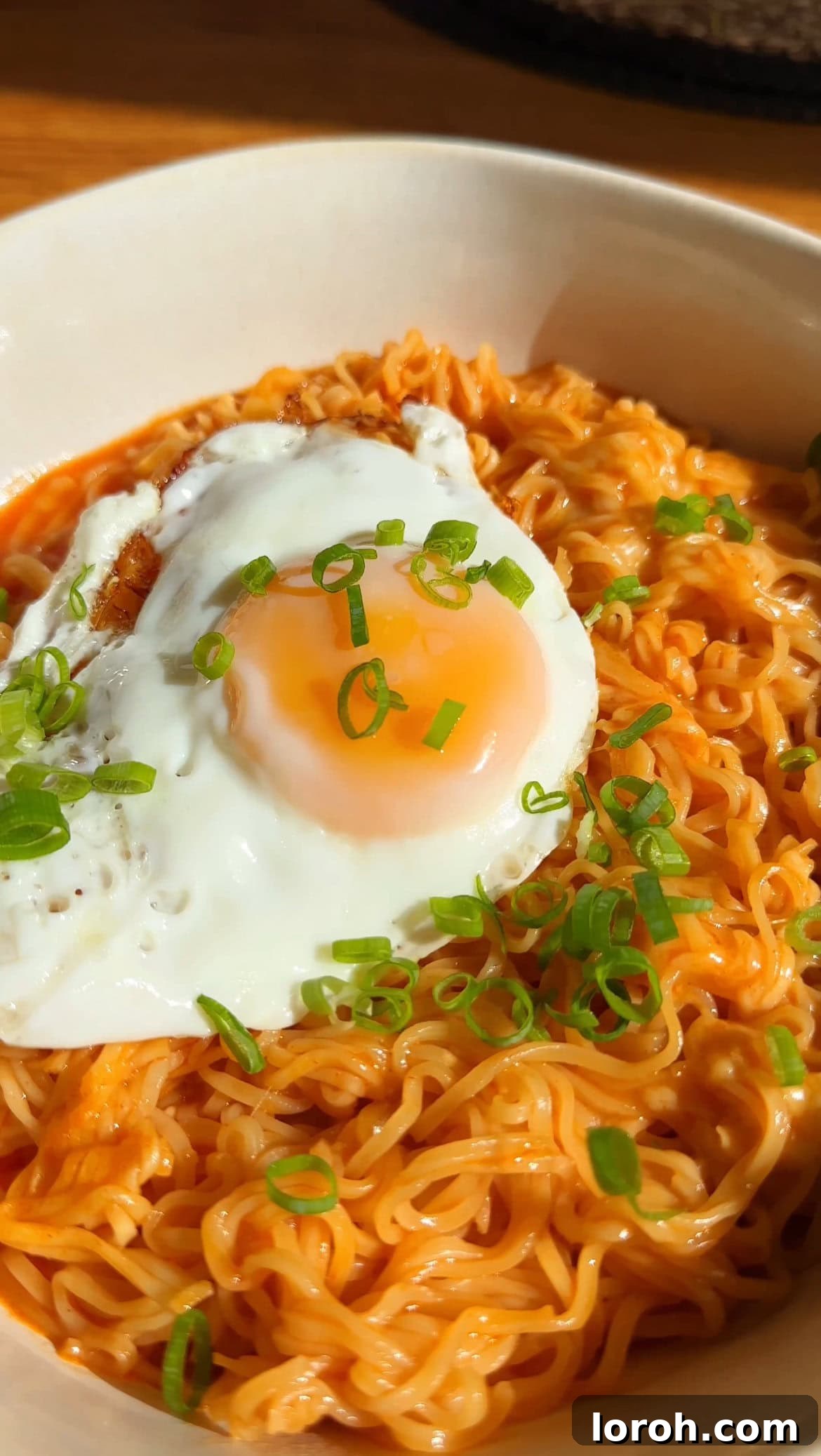
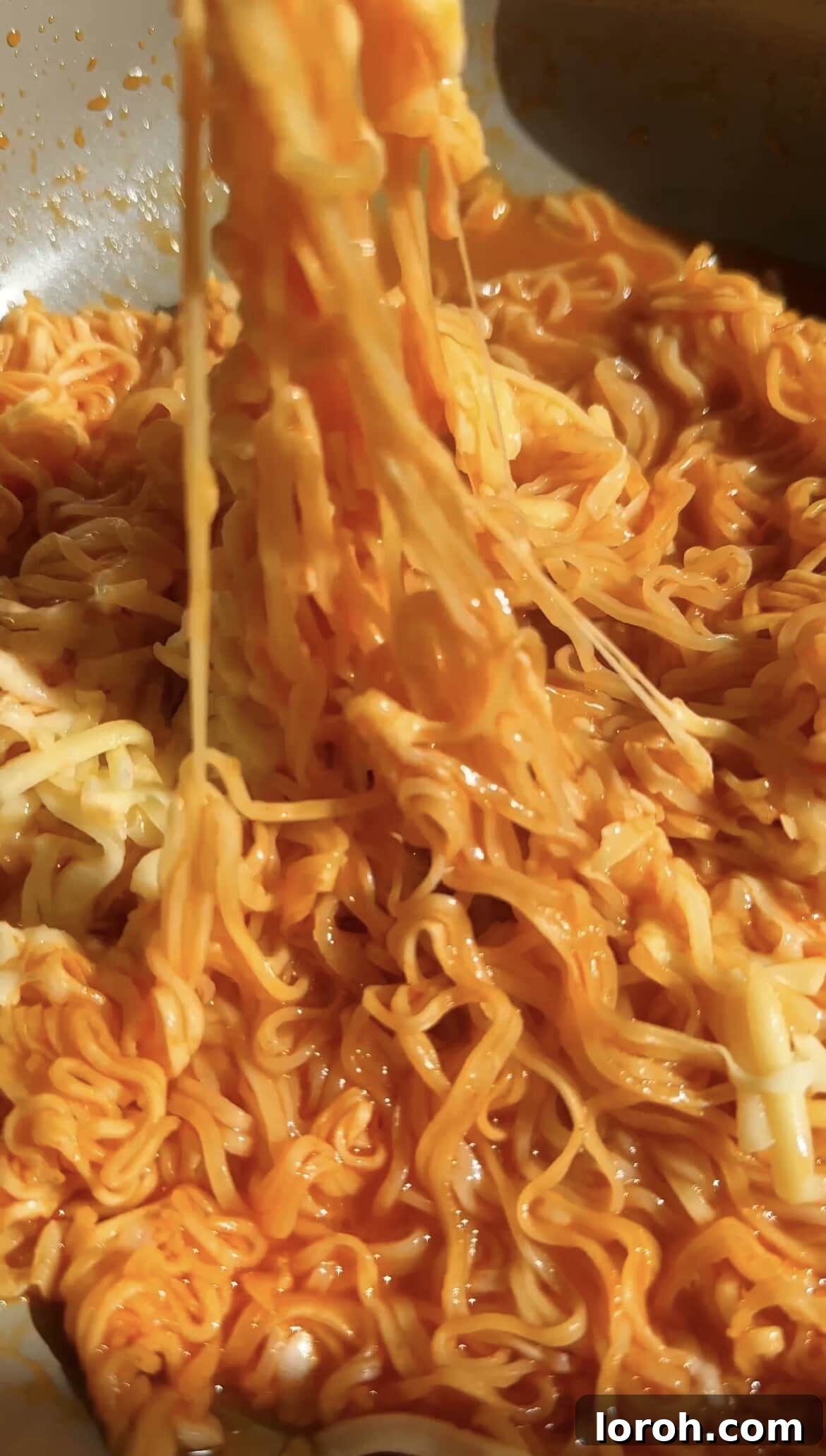
Prepare yourself for a flavor explosion with these incredibly easy Korean Spicy Ramen Noodles. This dish comes together in just 5 minutes, transforming humble instant ramen into a gourmet experience, crowned with rich, melted cheese. While cheese is an optional addition, it remarkably mellows out the vibrant spice of the Gochujang, creating a harmonious blend that you’ll undoubtedly want to recreate again and again. It’s the ultimate quick comfort food!
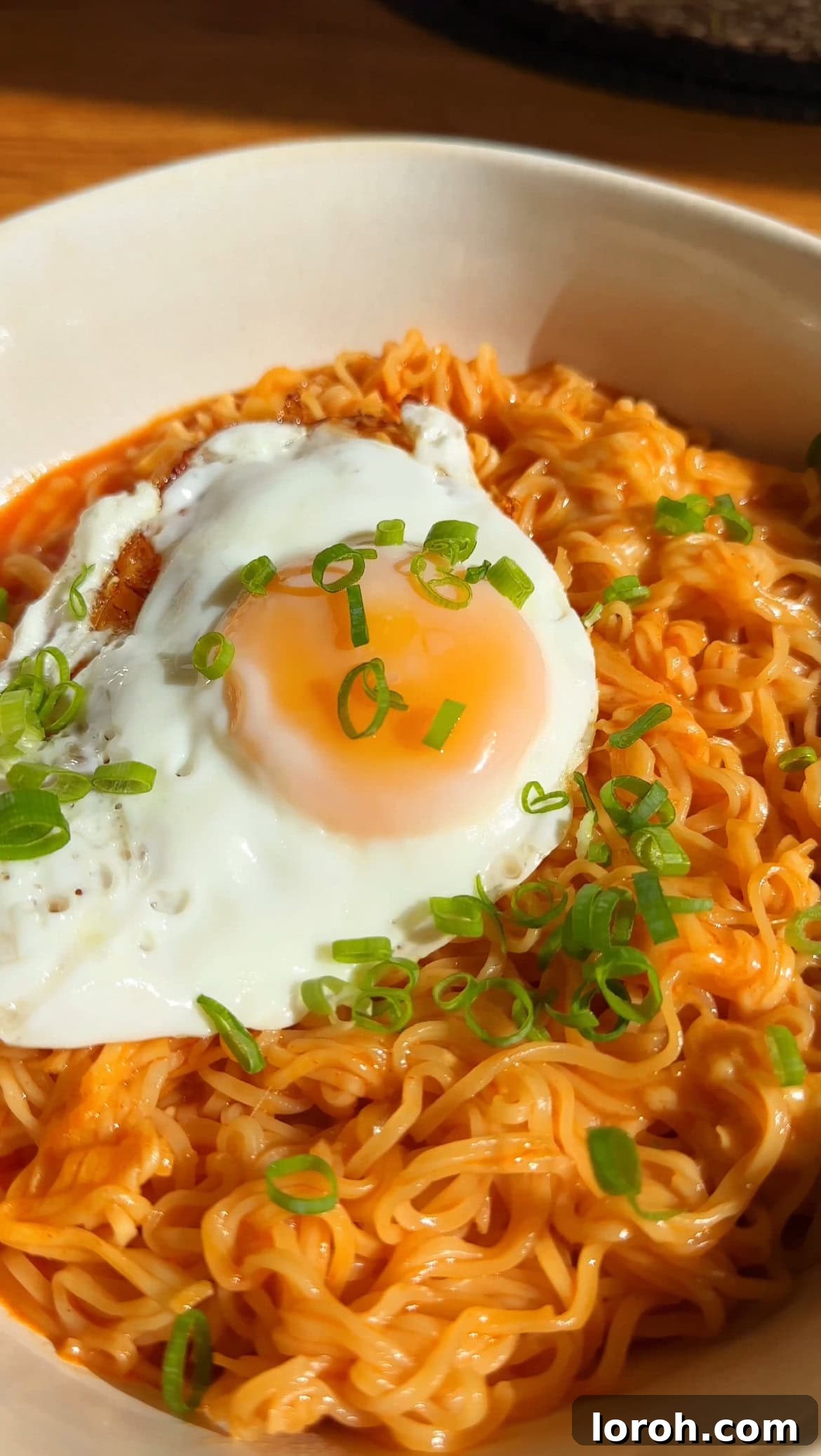
When time is of the essence, and hunger strikes, noodles are often my first choice for a quick and satisfying dinner. Their versatility is unmatched, and it’s the sauce ingredients that truly elevate a simple noodle dish into something extraordinary. This recipe is a genuine one-pan wonder, meaning the noodles cook directly in the savory sauce, drastically minimizing your clean-up. If you love quick and flavorful noodle dishes, you might also enjoy my Wagamama Pad Thai, which captures authentic flavors, or these wonderfully comforting Quick Curry Udon Noodles with Tofu.
Table of Contents
- Why You Will Love This Cheesy Spicy Ramen
- Key Ingredients for Korean Spicy Ramen
- Substitutions and Creative Variations
- Step-by-Step Guide: Crafting Your Korean Spicy Ramen Noodles
- Expert Cooking Tips for Perfect Results
- Serving Suggestions to Elevate Your Meal
- Frequently Asked Questions (FAQs)
- Other Delicious Noodle Recipes You May Enjoy
- Printable Recipe Card: Korean Spicy Ramen Noodles with Cheese
Why You Will Love This Cheesy Spicy Ramen
This Korean spicy ramen recipe isn’t just another noodle dish; it’s a culinary hack that delivers maximum flavor with minimal effort. Here’s why it’s destined to become a staple in your kitchen:
- Unbelievable Speed: Ready in Just 5 Minutes! Yes, you read that right. From start to finish, this dish genuinely takes no more than 10 minutes. The cooking process hinges on the noodle’s cooking time, which for most instant ramen is typically 3-4 minutes. This makes it faster than ordering takeout!
- An Irresistible Flavor Symphony: Spicy Gochujang Meets Creamy Cheese. The magic truly happens in the delightful contrast between the fiery, complex notes of Gochujang (Korean chili paste) and the mild, milky richness of melted mozzarella. The cheese doesn’t just add texture; it beautifully rounds out the spice, making the ramen incredibly palatable and deeply satisfying without overwhelming your taste buds. It’s a match made in culinary heaven.
- A True Pantry Powerhouse: Crafted from Kitchen Staples. Ever stared into an empty fridge, wondering what to make? This recipe is your answer. It relies almost entirely on ingredients you likely already have in your pantry or can easily keep stocked. With a few basic items, you’re always just minutes away from a profoundly delicious meal, making it an ideal “emergency” dinner.
- One-Pan Wonder: Minimal Cleanup. The entire dish, from sautéing the aromatics to cooking the noodles and melting the cheese, happens in a single pan. This genius method not only infuses the noodles with maximum flavor as they absorb the sauce directly but also drastically cuts down on washing up, leaving you more time to enjoy your meal.
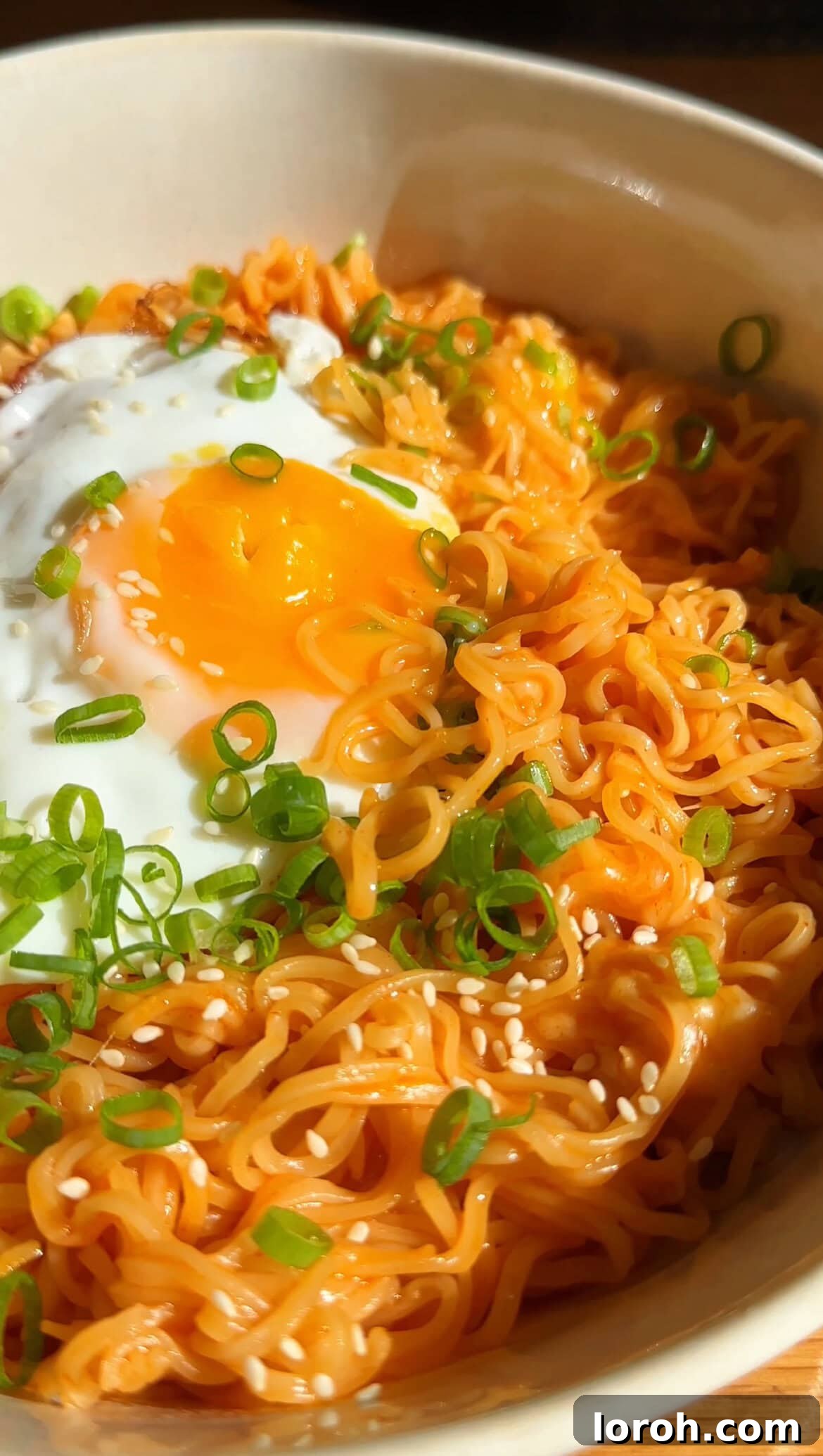
Key Ingredients for Korean Spicy Ramen
For precise measurements and full instructions, please refer to the comprehensive printable recipe card located at the bottom of this article.
Understanding the role of each ingredient is key to mastering this dish. Here’s a closer look at what you’ll need:
Ramen Noodles: For this recipe, we utilize the convenience of instant ramen noodles. However, it’s crucial to discard the seasoning packets that come with them, as we’ll be building our own fresh and vibrant sauce. The noodles themselves are perfect for their quick cooking time and springy texture, which readily absorbs the rich flavors of our homemade sauce.
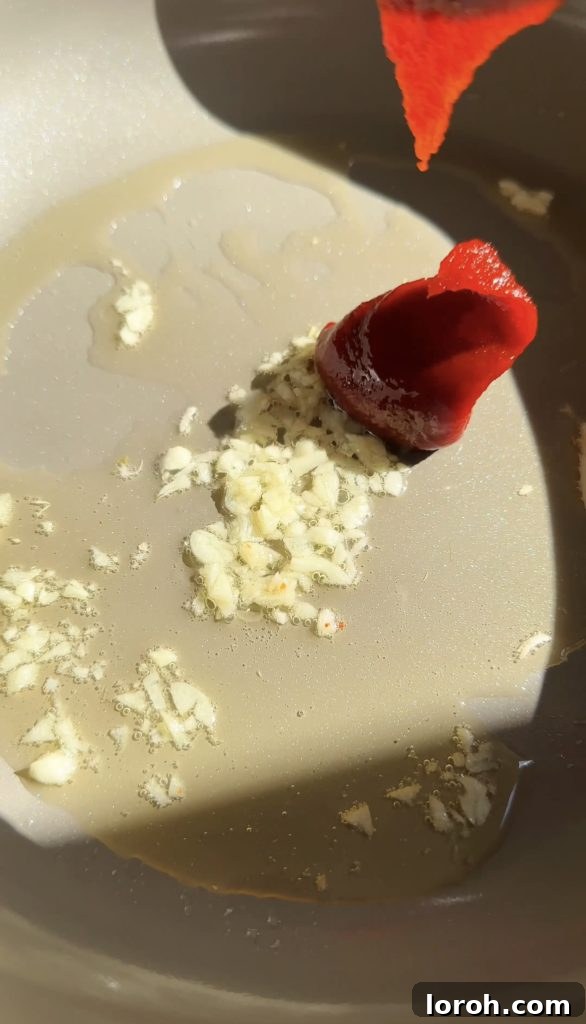
Gochujang (Korean Fermented Chili Paste): This is the star of our dish and the heart of its Korean character. Gochujang is a savory, sweet, and moderately spicy fermented chili paste made from gochutgaru (Korean chili powder), glutinous rice, fermented soybeans, and salt. Its unique umami depth and complex heat are unparalleled. If you’re new to it, don’t hesitate to buy a tub; it’s incredibly versatile and will quickly become a favorite in your kitchen for marinades, dipping sauces, and of course, these irresistible noodles!
Mozzarella Cheese: We opt for mozzarella for its incredibly mild flavor and exceptional melting capabilities. Its gentle creaminess doesn’t overpower the bold Gochujang but instead provides a beautiful, melty blanket that tames the spice and adds a luxurious texture. Shredded mozzarella melts quickly and evenly, ensuring every strand of noodle is coated in cheesy goodness.
Garlic: Freshly minced garlic provides an essential aromatic base, adding a pungent, savory depth that perfectly complements the gochujang. Always use fresh garlic for the best flavor.
Sesame Oil: A drizzle of toasted sesame oil at the beginning of cooking enhances the nutty undertones and contributes to the authentic Asian aroma of the dish. It’s also used for frying the aromatics.
Soy Sauce: A touch of soy sauce adds essential saltiness and another layer of umami, balancing the sweetness and spice of the gochujang and honey.
Honey (or Sugar): A small amount of honey introduces a subtle sweetness that is vital for balancing the intense spiciness and savoriness of the gochujang. It helps round out the flavor profile and create a more complex, well-balanced sauce.
Substitutions and Creative Variations
One of the beauties of this ramen recipe is its flexibility. Feel free to experiment with these substitutions and additions to make it your own:
Mozzarella Alternatives: If mozzarella isn’t available, other cheeses can work, but choose wisely. Cheddar is a common substitute, but its flavor is stronger and sharper than mild mozzarella. If using cheddar, or similar robust cheeses like Red Leicester or Gruyere, I recommend using a slightly smaller amount to prevent it from overpowering the other delicate flavors in the sauce. The goal is creamy texture and subtle spice moderation, not intense cheese flavor.
Honey Substitute: If you’re out of honey, a teaspoon of granulated sugar or brown sugar will serve the same purpose, providing that crucial touch of sweetness needed to balance the sauce. Agave nectar or maple syrup could also work in a pinch for a slightly different flavor profile.
Add Protein: To make this a more substantial meal, consider adding cooked protein. Sliced chicken, beef, or shrimp can be stir-fried separately and added at the end. For vegetarian options, pan-fried tofu or tempeh would be excellent additions.
Boost the Vegetables: Incorporate finely chopped vegetables like carrots, bell peppers, spinach, or mushrooms during the cooking process. Add tougher vegetables with the water to allow them to soften, and leafy greens like spinach right at the end to wilt. This boosts nutrition and adds fresh textures.
Adjusting Spice Levels: If you prefer more heat, a pinch of Korean chili flakes (gochugaru) or a dash more gochujang can be added. For less spice, start with a smaller amount of gochujang and taste as you go, adjusting to your preference.
Different Noodles: While instant ramen noodles are ideal for their quick cooking, you can experiment with other noodle types. Dried egg noodles or thin rice noodles would work well, just be mindful of their specific cooking times. Avoid “straight-to-wok” noodles as they typically don’t absorb water to create a sauce effectively in this one-pan method.
Step-by-Step Guide: Crafting Your Korean Spicy Ramen Noodles
This is a simplified step-by-step overview. For comprehensive, detailed instructions including exact measurements and preparation tips, please refer to the complete recipe card at the bottom of this page.
Expert Cooking Tips for Perfect Results
Even though this recipe is incredibly simple, a few expert tips can elevate your Korean Spicy Ramen from good to truly exceptional:
Mastering the Sauce: The Gochujang Secret. Gochujang is a powerhouse of flavor – tangy, spicy, sweet, and salty all at once. Its complex profile is what makes this dish so addictive. The beauty of adding water directly to the pan and cooking the noodles in it is twofold: it keeps this a true one-pan recipe, and the starch released from the noodles naturally thickens the sauce to a perfect consistency. Don’t be alarmed if it looks a bit watery initially; trust the process! The noodles will absorb the liquid and transform it into a glossy, rich sauce.
Always Taste and Adjust Seasoning. This is perhaps the most crucial tip for any recipe, especially for something as personal as spice. While this is a short recipe, make sure to taste the sauce before and after adding the soy sauce and honey. Your palate is your best guide. If you crave more sweetness, add a touch more honey. If you desire extra heat, a pinch of chili flakes or a tiny bit more gochujang can be stirred in. Seasoning to your preference ensures a perfectly satisfying dish every time.
Noodle Doneness: Al Dente vs. Soft. The cooking time for ramen noodles can vary slightly based on the brand and your preferred texture. Some prefer their noodles with a slight bite (al dente), while others enjoy them softer. Keep a close eye on them during Step Three and taste a strand to determine when they’re just right for you. Overcooked noodles can become mushy, so be vigilant!
The Art of the Fried Egg. A fried egg with a runny yolk is the perfect complement to these spicy noodles. The rich yolk cascades into the sauce, adding an extra layer of creaminess and flavor. Cook your egg in a separate small pan while the noodles are simmering, aiming for crispy edges and a still-liquid center. It adds a gourmet touch and balances the spice beautifully.
Don’t Skip the Garnishes. While optional, the garnishes truly complete this dish. Spring onions add a fresh, pungent crunch, while sesame seeds provide a subtle nutty aroma and visual appeal. These small additions make a big difference in both flavor and presentation.
Serving Suggestions to Elevate Your Meal
While these Cheesy Korean Spicy Ramen Noodles are a complete meal on their own, pairing them with a few simple sides can create an even more satisfying and authentic experience:
- Kimchi: The quintessential Korean side dish, fermented kimchi offers a tangy, spicy, and umami-rich crunch that perfectly complements the creamy ramen. It’s a must-try pairing.
- Pickled Radish or Cucumber: For a refreshing counterpoint to the rich and spicy noodles, serve with quick-pickled radishes or cucumbers. Their crisp texture and sour notes cleanse the palate.
- Seaweed Snacks (Gim): Crumbled roasted seaweed snacks add a delicate salty crunch and an extra layer of umami. They are a fun and easy addition.
- Steamed Vegetables: A simple side of blanched or steamed broccoli, bok choy, or edamame can add freshness and a boost of nutrients without much effort.
- Extra Protein: If you love your ramen with more protein, consider a side of crispy fried chicken pieces (like Korean fried chicken), grilled bulgogi, or even a simple side of pan-fried dumplings (mandu).
Frequently Asked Questions (FAQs)
Yes, absolutely! While instant ramen noodles are convenient, you can certainly use other types. Just be mindful of their specific cooking times and adjust accordingly. Dried egg noodles or thin rice vermicelli would work well. However, I would not recommend using “straight-to-wok” style noodles as they are often pre-cooked and don’t absorb water effectively to help create and thicken the sauce in this one-pan method. The starch from traditional ramen or dried noodles is crucial for that creamy sauce consistency.
Gochujang has become much more widely available these days! You can typically find it in the “world foods” or “international aisle” section of most major supermarkets. Many larger grocery stores now also feature a dedicated Asian food section, which is a great place to check. If you’re having trouble finding it locally, you can easily order it online through retailers like Amazon or specialized Asian grocery websites.
To make this vegetarian, simply omit the fried egg, or replace it with a plant-based alternative. For a vegan version, ensure your ramen noodles are egg-free (many instant ramen brands are), use a plant-based cheese substitute that melts well, and replace honey with agave nectar or maple syrup. Also, ensure your Gochujang is vegan-friendly (most are, but always check ingredients for any fish products). Add pan-fried tofu or mushrooms for extra protein.
The spice level can be easily customized. For less heat, start with half the recommended amount of Gochujang and add more to taste. For an extra kick, you can add a pinch of Gochugaru (Korean chili flakes) or a dash of your favorite chili oil alongside the Gochujang, or simply increase the amount of Gochujang slightly.
These noodles are best enjoyed immediately after preparation when they are fresh and the cheese is perfectly melted. If you have leftovers, store them in an airtight container in the refrigerator for up to 1-2 days. When reheating, the noodles may have absorbed more sauce and become softer. You can gently reheat them in a pan with a splash of water or broth to loosen them up, or use a microwave. The cheese might not be as gooey, but the flavor will still be delicious.
Other Delicious Noodle Recipes You May Enjoy
If you’re a fan of quick, flavorful, and comforting noodle dishes, you’ll love exploring some of our other popular recipes. From homemade noodles to hearty soups, there’s something for every noodle lover:
These Spicy Scissor Cut Noodles with Chilli Oil offer a unique culinary adventure, featuring homemade noodles cut with scissors into wonderfully chewy morsels. For those who prefer a more brothy and soupy experience, delve into my Easy Pork Ramen or savor the lightness of this flavorful Tofu Noodle Soup. And if you enjoyed the flavors of this recipe, these Sesame Udon Noodles with Chicken or the rich, umami-packed Miso Aubergine are sure to be right up your street, promising more delightful Asian-inspired meals.
Chicken Recipes
Shrimp and Chicken Fried Rice
Easy Dinner Recipes
Wagamama Chilli Chicken Ramen
Easy 30 Minute Meals
Wonton Noodle Soup
Under 30 Minutes
Chicken Noodle Bowl
We hope you thoroughly enjoy creating and devouring these incredibly satisfying Cheesy Korean Spicy Ramen Noodles. If you tried this recipe or any other on our site, please don’t hesitate to leave a comment below and share your experience!
★
★
★
★
Korean Spicy Ramen Noodles with Cheese
Margie
5 minutes
5 minutes
1
servings
Rate Recipe
Print Recipe
Ingredients
- 1 tbsp sesame oil
- 2-3 garlic cloves, minced
- 1 tbsp gochujang
- 250 ml water
- 1 packet of instant ramen noodles (seasoning discarded)
- 1 1/2 tsp soy sauce
- Squeeze of honey (or 1 tsp sugar)
- 70 g grated mozzarella
To garnish:
- Fried egg
- 1 spring onion, sliced
- Sesame seeds for garnish
Instructions
-
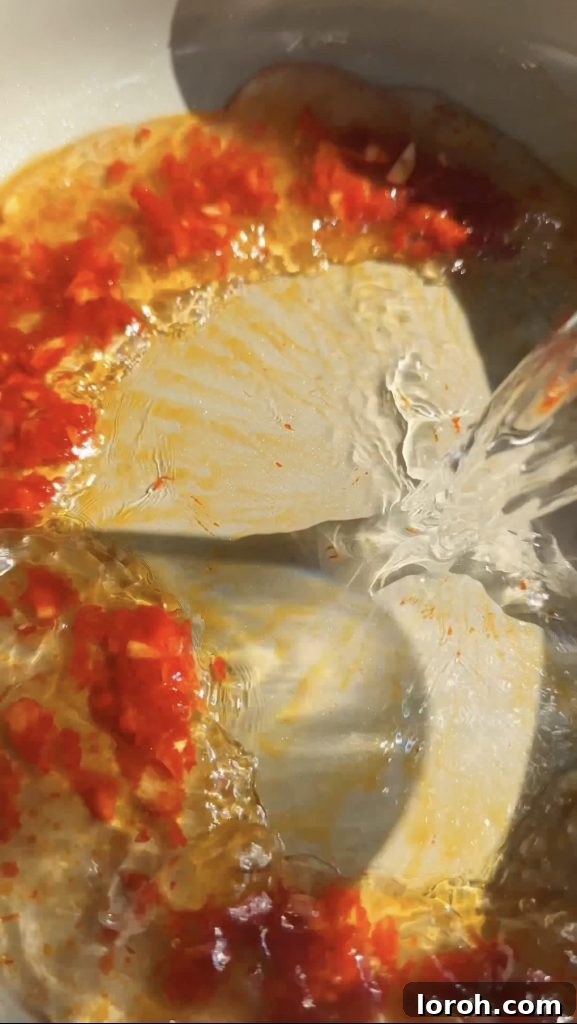
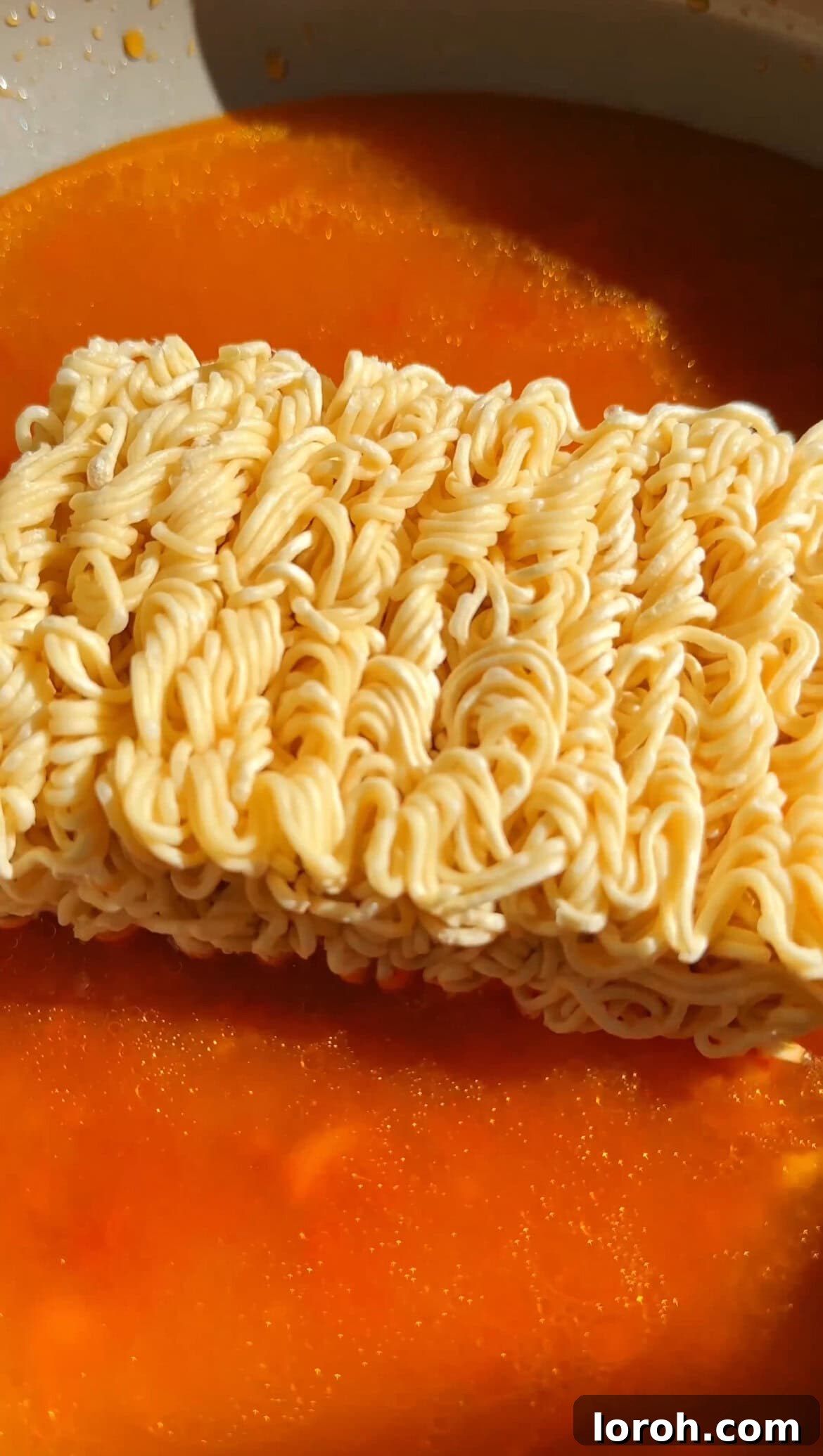
Heat a pan over a medium heat, then add the sesame oil. Finely grate or mince the garlic, then add to the pan and fry gently for 1-2 minutes until fragrant. Add the Gochujang and fry for another minute, stirring constantly to prevent burning. Pour in the water and immediately add the instant ramen noodles. Let them cook, gently flipping and pushing them into the water until they soften and the sauce thickens. This should only take a few minutes. You may need to eyeball the water slightly, adding a splash more if the sauce becomes too thick too quickly.
-
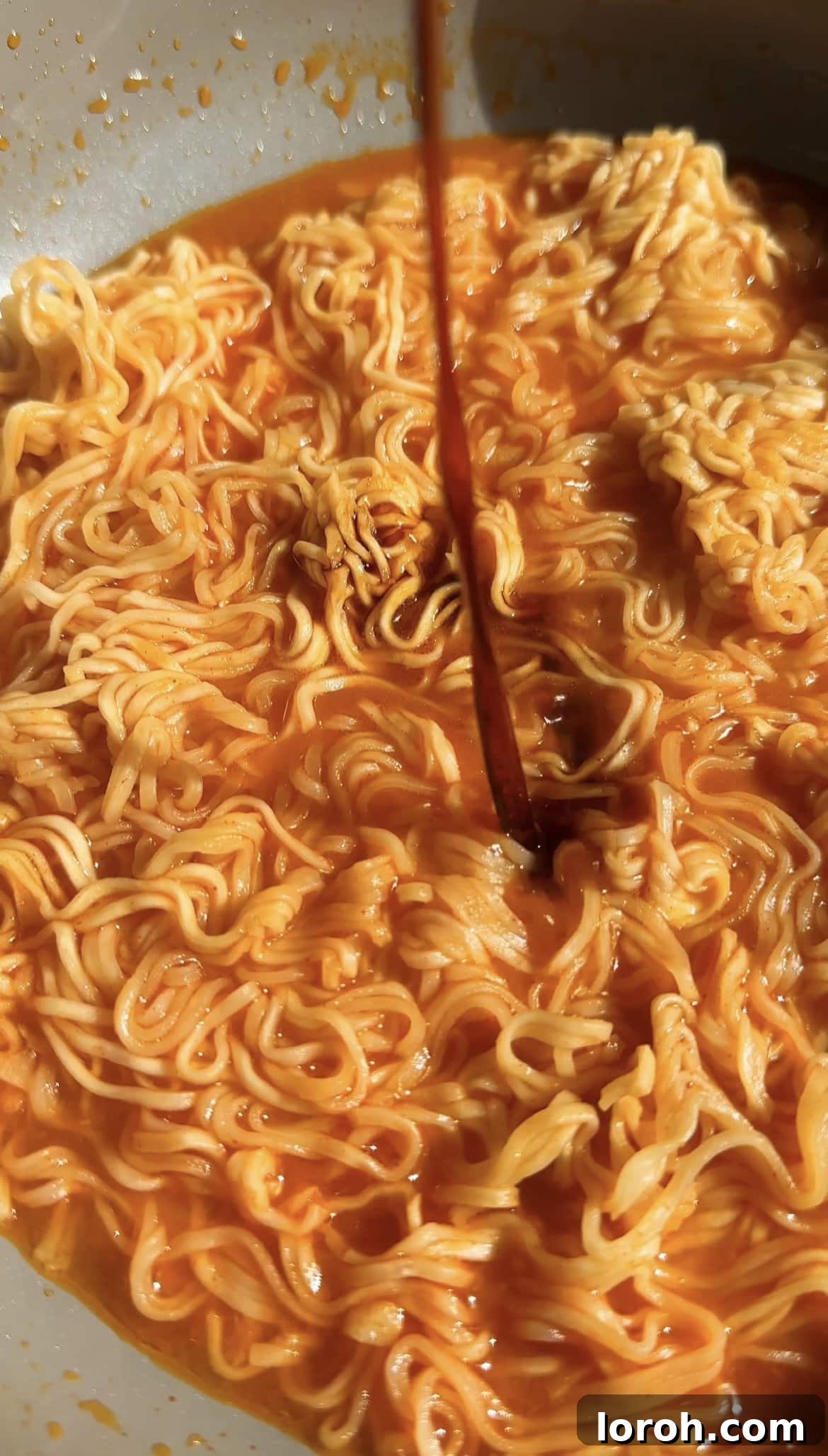
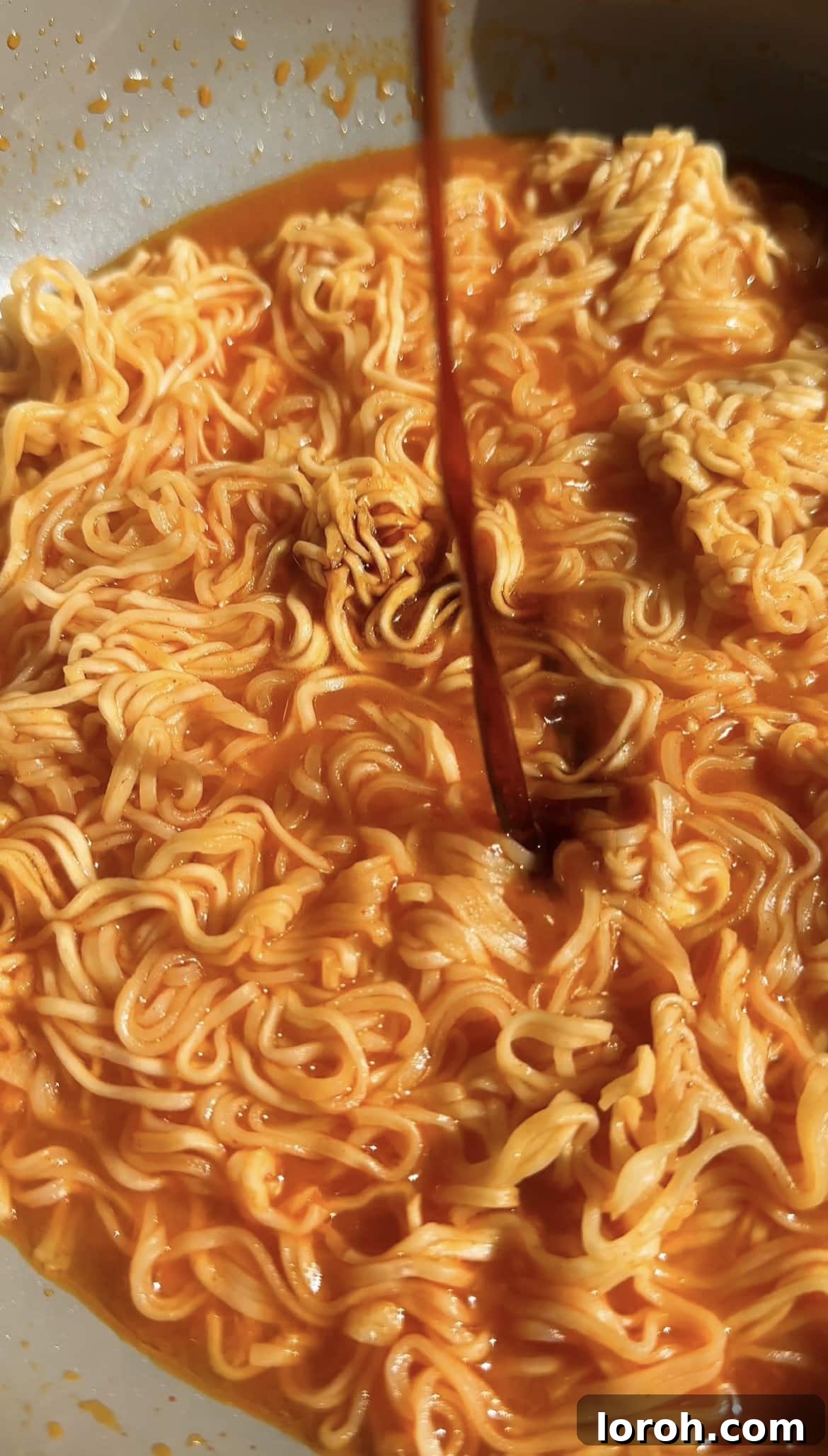
Once the noodles are tender and the sauce has reached a desirable consistency, season with the soy sauce and a squeeze of honey. Taste and adjust the seasoning to your preference. Then, add in the grated mozzarella cheese and stir continuously until it has completely melted into a creamy, gooey sauce, coating all the noodles.
-
Transfer the cheesy spicy ramen to a serving bowl. Top immediately with a freshly fried egg, the sliced spring onions, and a sprinkle of sesame seeds. Serve hot and enjoy your quick, flavorful, and incredibly satisfying meal!
Video
Watch this video for a visual guide to making these delicious Korean Spicy Ramen Noodles!
Notes
Nutrition
Carbohydrates: 73g,
Protein: 28g,
Fat: 45g,
Saturated Fat: 19g,
Polyunsaturated Fat: 8g,
Monounsaturated Fat: 17g,
Cholesterol: 55mg,
Sodium: 2996mg,
Potassium: 368mg,
Fiber: 3g,
Sugar: 4g,
Vitamin A: 637IU,
Vitamin C: 7mg,
Calcium: 415mg,
Iron: 5mg
Nutrition information is automatically calculated, so should only be used as an approximation.
Enjoyed this recipe? Leave a comment below!
Your feedback helps us and other home cooks.