
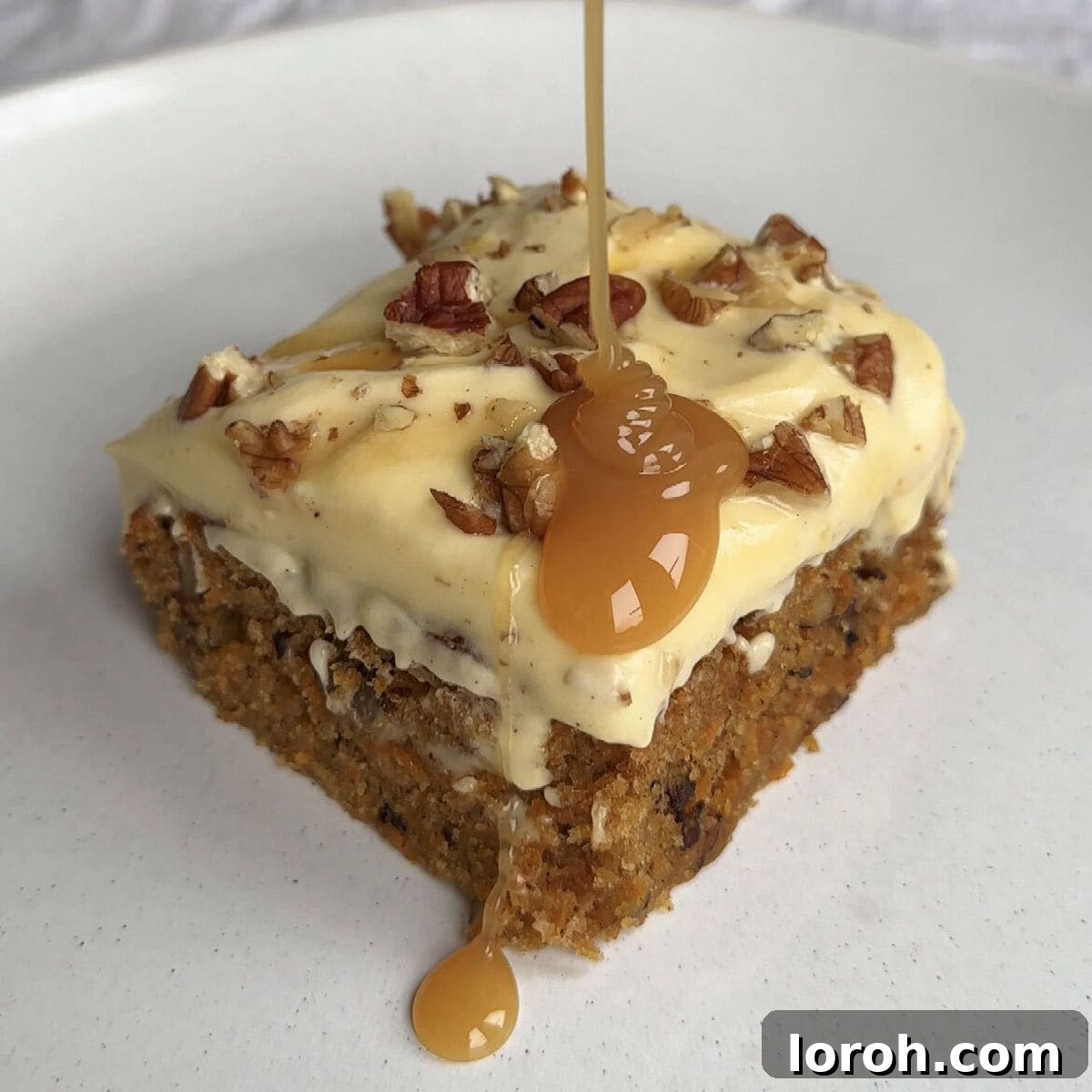
Welcome to the ultimate guide for creating the most irresistibly moist and flavorful Carrot Cake Tray Bake you’ll ever encounter. Crowned with a luxuriously thick and tangy cream cheese frosting, this recipe is designed to be the only carrot cake you’ll ever need to make. The beauty of baking this delightful confection in a single sheet pan lies in its unparalleled ease. It bakes uniformly, ensuring every bite is perfectly cooked, and eliminates the fuss of traditional layer cakes. Forget about tedious cake levelling, intricate stacking, or the daunting task of spreading frosting precisely up and down multiple sides. This sheet pan method simplifies the entire process, allowing you to achieve bakery-quality results with minimal effort, making it ideal for both seasoned bakers and complete novices.
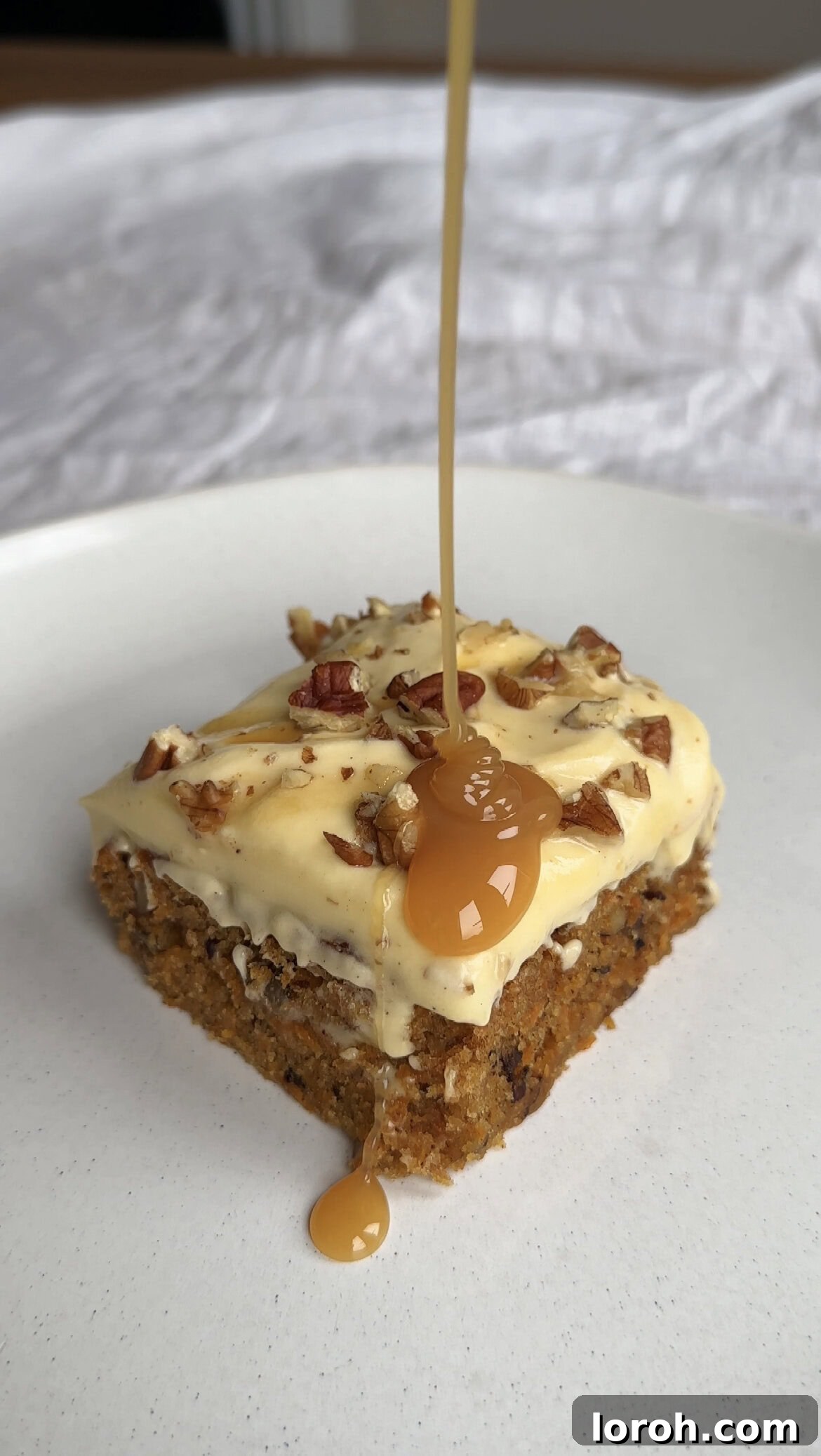
Our inspiration for this magnificent carrot sheet cake draws from the renowned Hummingbird Bakery carrot cake. While their classic version typically calls for baking in three separate 20cm tins, then meticulously layering each with frosting, our approach celebrates the convenience and equally delicious outcome of the sheet pan method. This less fiddly technique not only saves time but also ensures a consistently moist cake from edge to edge, making it an absolute winner for any occasion, from casual family gatherings to larger celebrations where ease and shareability are key.
Table of Contents
- Why You’ll Adore This Easy Carrot Sheet Cake
- Key Ingredients for the Perfect Carrot Cake
- Customizing Your Carrot Cake: Substitutions & Variations
- Expert Baking Tips for Success
- Frequently Asked Questions About Carrot Cake Tray Bakes
- More Delicious Recipes You Might Enjoy
- Carrot Cake Tray Bake with Cream Cheese Frosting Recipe
Why You’ll Adore This Easy Carrot Sheet Cake
This isn’t just another carrot cake recipe; it’s a game-changer that will quickly become a cherished favorite in your baking repertoire. Here’s why this particular Carrot Cake Tray Bake stands out:
- Effortless Preparation with Minimal Cleanup: Imagine whipping up a decadent cake where all the magic happens in a single bowl. This recipe truly comes together with incredible ease, significantly cutting down on washing up. Less mess means more time to enjoy your delicious creation!
- Perfect for Sharing and Entertaining: Baked in a sheet pan, this cake is naturally designed for effortless slicing into neat, uniform squares. It’s ideal for potlucks, parties, bake sales, or simply feeding a crowd. Its convenient format makes serving a breeze, ensuring everyone gets a perfect piece.
- Unforgettable Flavor and Texture: Prepare for a sensory delight! Each bite offers an incredibly light, moist, and tender crumb, infused with a comforting blend of warming spices like cinnamon and ginger. The sweetness of the cake is perfectly balanced by the bright, tangy notes of our signature cream cheese frosting, creating a harmonious flavor profile that is truly addictive.
- Beginner-Friendly Baking at Its Best: If the thought of baking a multi-layered cake seems intimidating, this tray bake is your answer. It’s incredibly forgiving and requires no complex layering, no crumb coating, and absolutely no fancy decorating techniques. Simply bake, cool, and spread on the frosting – it’s baking simplified, ensuring stunning results every time.
- Rich, Authentic Taste: Beyond its simplicity, this recipe delivers an authentic carrot cake experience. The grated carrots melt into the batter, adding natural sweetness and unparalleled moisture, while the spices provide that classic comforting aroma and taste.
Key Ingredients for the Perfect Carrot Cake
For the comprehensive recipe details, including precise measurements and step-by-step instructions, please scroll down to the printable recipe card at the very bottom of this post!
Crafting a truly exceptional carrot cake relies on the quality and preparation of a few key ingredients:
- Sunflower Oil: Unlike butter-based cakes, using sunflower oil is the secret to achieving an ultra-moist and tender crumb that stays fresh for days. Its neutral flavor allows the other ingredients to shine, and it prevents the cake from becoming dense, a common issue with some butter-heavy recipes.
- Plain Flour (All-Purpose Flour): This versatile flour provides the foundational structure for our cake. Ensure it’s accurately measured to avoid a tough or crumbly texture.
- Carrots: The star ingredient! Grating your carrots to a medium consistency is crucial. If they’re too fine, they can turn into a purée, altering the texture. If too coarse, they might remain chunky and not blend seamlessly. A medium grate ensures a pleasant texture that softens beautifully into the cake while still offering subtle bites of carrot.
- Powdered Sugar (Icing Sugar in the UK): Essential for a smooth, lump-free cream cheese frosting. Always sift your powdered sugar before adding it to the frosting mixture to ensure a silky-smooth consistency. This small step makes a huge difference in the final texture of your frosting.
- Full-Fat Cream Cheese: For the ultimate cream cheese frosting, full-fat cream cheese is non-negotiable. Brands like Philadelphia are highly recommended for their lower water content and superior creaminess, which yields a wonderfully thick and stable frosting that holds its shape and delivers that signature tangy flavor.
- Warming Spices: A blend of ground cinnamon and ginger provides the quintessential warmth and aromatic depth that defines a classic carrot cake. These spices complement the sweetness of the carrots beautifully.
- Orange Zest: A touch of fresh orange zest adds a bright, zesty aroma and subtle citrus note that elevates the overall flavor profile, cutting through the sweetness and adding a layer of sophistication.
- Walnuts (or Pecans): These add a delightful crunch and nutty flavor, providing textural contrast to the soft cake and creamy frosting.
Customizing Your Carrot Cake: Substitutions & Variations
One of the joys of baking is the ability to adapt recipes to your taste or what you have on hand. Here are some fantastic ways to customize your Carrot Cake Tray Bake:
- Oil Alternatives: While sunflower oil is our top choice for its neutral flavor and moistening properties, any neutral-flavored oil will work beautifully. Feel free to substitute with vegetable oil, canola oil, or even a light olive oil (though be mindful that some olive oils can impart a distinct flavor).
- Nuts for Texture and Flavor: We love folding chopped walnuts into the cake batter for an interior crunch and scattering pecans on top for an elegant finish. However, feel free to use your favorite nut! You can opt for all walnuts, all pecans, or explore other delicious options like chopped roasted almonds or hazelnuts. For those with nut allergies, the cake is equally delicious without nuts.
- Delightful Add-ins: To introduce even more flavor and moisture, consider adding dried fruits. Sultanas or raisins are classic choices that pair wonderfully with carrot cake. If using, aim for a total of 100-150g (approximately ½ to ¾ cup). Be careful not to add much more than this, as excessive amounts can make the cake heavy or overly dense. For a different twist, you could also experiment with shredded coconut or even a handful of white chocolate chips for an extra touch of sweetness.
- Spice It Up: If you enjoy a bolder spice profile, consider adding a pinch of nutmeg or allspice alongside the cinnamon and ginger. A tiny dash of cardamom can also introduce an exotic warmth.
- Gluten-Free Option: While not specifically tested for this recipe, many bakers have success substituting plain flour with a good quality 1:1 gluten-free baking flour blend (ensure it contains xanthan gum) for those with dietary restrictions.
Expert Baking Tips for Success
Achieving a truly phenomenal carrot cake tray bake isn’t just about following the recipe; it’s also about understanding a few key techniques. Here are our top tips to ensure your cake turns out perfectly every time:
To make the Best Cream Cheese Frosting:
- Room Temperature, High-Quality Cream Cheese: This is arguably the most critical tip for a smooth, stable frosting. Ensure your cream cheese is full-fat and has been softened to room temperature. Brands like Philadelphia are consistently recommended due to their lower water content, which prevents a runny, soupy frosting. Cold cream cheese will result in lumps, while watery brands will make it difficult to achieve a thick consistency.
- Soft, Room-Temperature Butter: Just like the cream cheese, your unsalted butter needs to be properly softened to room temperature. This allows it to cream smoothly with the sugar and incorporate fully, creating a light and airy base for your frosting.
- Add Cream Cheese Last and Don’t Overbeat: Beat the butter and powdered sugar first until light and fluffy. Once the cream cheese is added, beat it just until it’s incorporated and smooth. Overbeating cream cheese can cause it to break down, releasing excess liquid and resulting in a runny frosting. Mix until just combined, then stop.
Alternative Frosting Option: If you’re looking for a slightly less sweet option with a similar tangy profile, consider trying our whipped mascarpone cream frosting. It offers a sophisticated alternative that pairs wonderfully with the spiced carrot cake.
General Baking and Slicing Tips:
- Accurate Pan Sizes: This recipe is specifically designed for an 11 x 15 inch rectangular tin (often referred to as a Swiss roll tin in the UK). If you opt for a different size, such as a 10-inch square tin, be prepared to adjust the baking time. A smaller, deeper pan will require a longer baking time, while a larger, shallower pan might bake faster. Always keep a close eye on your cake and use the skewer test for doneness.
- Don’t Overmix the Batter: After adding the dry ingredients to the wet, mix only until just combined. Overmixing can develop the gluten in the flour, leading to a tough, dry cake. A few small lumps of flour are fine; they will disappear during baking.
- The Skewer Test for Doneness: To check if your cake is fully baked, insert a wooden skewer or toothpick into the center. If it comes out clean (without wet batter attached), your cake is ready. If there are wet crumbs, bake for a few more minutes and test again.
- Cool Completely: Before frosting, ensure your cake is completely cool. Frosting a warm cake is a surefire way to end up with a melted, messy glaze rather than a beautifully swirled topping.
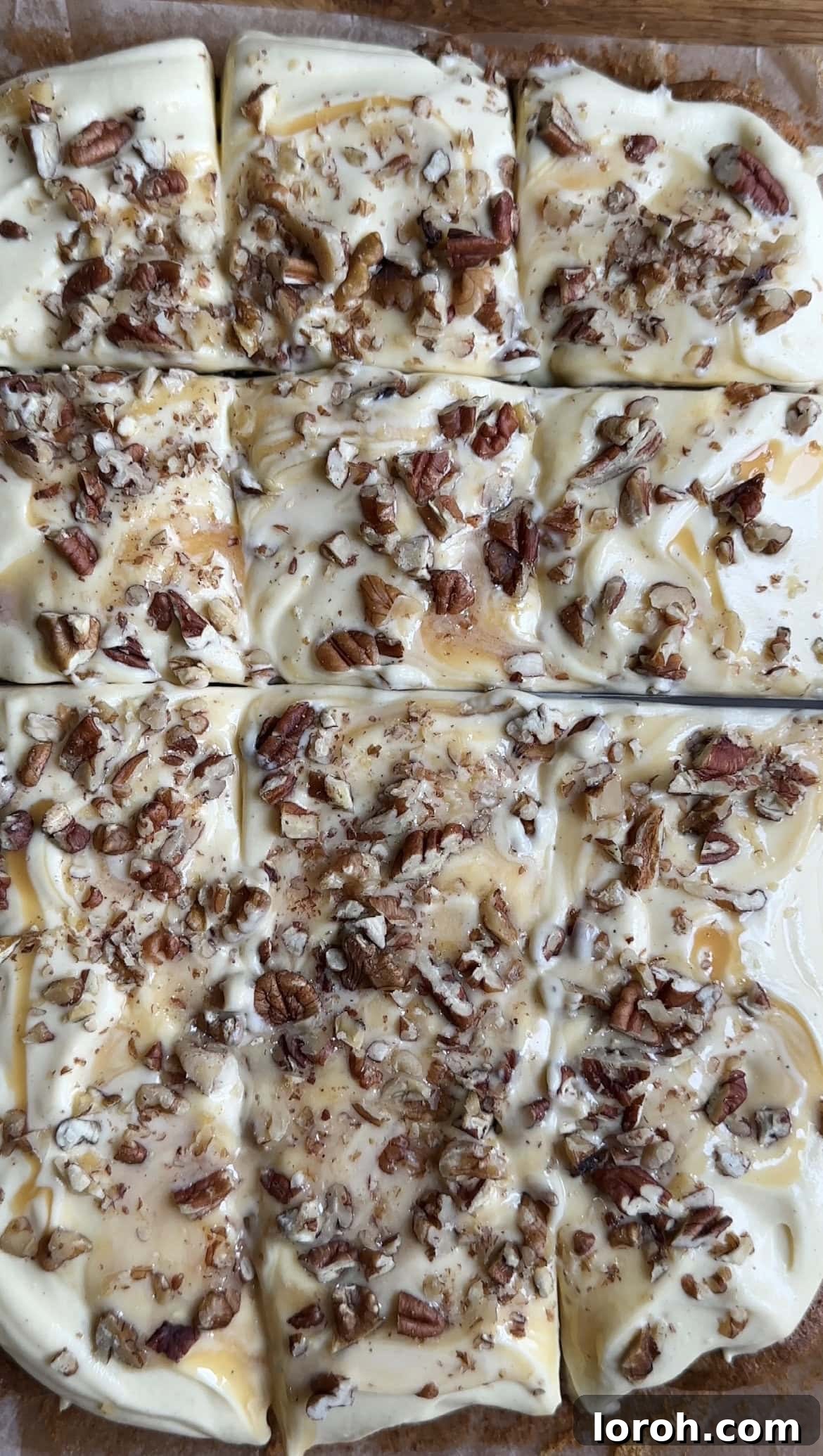
- Pro Tip for Neat Slices: To achieve impeccably clean slices of your frosted tray bake, use a hot, dry knife. Warm your knife in a mug of boiling water, wipe it thoroughly dry, then make your cut. For subsequent slices, repeat the process by re-warming and drying the knife between each cut. This prevents the frosting from sticking and tearing, ensuring a professional presentation.
Frequently Asked Questions About Carrot Cake Tray Bakes
Absolutely! This carrot cake is a fantastic make-ahead dessert. You can bake the entire cake a day in advance. Once cooled, cover it tightly and place it in the refrigerator. For the best flavor and texture, remove it from the fridge about 30 minutes before serving to allow it to come to room temperature. The unfrosted cake can actually be made up to 3 days in advance; just let it cool completely, wrap it tightly in clingfilm, and store it in the fridge. The cream cheese frosting can also be prepared 3 days in advance and stored in an airtight container in the refrigerator. Remember to bring the frosting to room temperature before using, and you might need to re-whip it briefly to restore its ideal texture before spreading it onto the cake.
The choice of oil over butter is a deliberate one for carrot cake, primarily due to its impact on moisture and texture. Oil-based cakes, like this one, tend to remain incredibly moist and tender for several days, a quality that is highly desirable in a carrot cake. Butter, while delicious, can sometimes lead to a denser crumb and a cake that dries out more quickly. The neutral flavor of sunflower oil also allows the robust flavors of the carrots and spices to truly shine without competition from a strong buttery taste, making oil the clear winner for this specific recipe.
Yes, you certainly can use self-raising flour, but you’ll need to adjust the leavening agents slightly. If you’re swapping from plain (all-purpose) flour to self-raising, use 300g of self-raising flour and then reduce the baking powder in the recipe to just ½ tsp. It’s crucial to keep the 1 tsp of bicarbonate of soda (baking soda) as this reacts with the acidic ingredients in the cake (like the brown sugar) to provide essential lift and a tender crumb, which self-raising flour alone might not fully achieve.
Preventing runny cream cheese frosting is key to a beautiful carrot cake. The most critical steps are using full-fat, good quality cream cheese (like Philadelphia) that is softened to room temperature, and ensuring your unsalted butter is also perfectly soft and at room temperature. Add the cream cheese last and avoid overbeating it, as this can break down the cream cheese emulsion and release excess liquid. If your kitchen is particularly warm and the frosting seems too soft, place the bowl in the refrigerator for about 20-30 minutes. This chilling time will help it firm up to a spreadable consistency. A touch more sifted powdered sugar can also help stabilize it, but add sparingly to avoid making it overly sweet.
For the best texture in your carrot cake, we recommend using the medium-sized holes on a box grater or a food processor with a grating attachment. This produces shreds that are neither too fine (which can disappear into the cake or make it mushy) nor too thick (which can result in crunchy bits of carrot). The medium grate ensures the carrots soften beautifully during baking, contributing moisture and flavor without being overtly chunky.
While cream cheese frosting is the classic pairing for carrot cake, you absolutely can experiment with other frostings! A simple vanilla buttercream, a brown butter glaze, or even a lemon zest glaze would complement the spices in the cake. However, for that authentic carrot cake experience, the tangy cream cheese frosting is highly recommended as it perfectly balances the cake’s sweetness.
More Delicious Recipes You Might Enjoy
If you’ve fallen in love with the simplicity and deliciousness of this Carrot Cake Tray Bake, you’ll be thrilled to explore more of our easy and satisfying baking recipes. Be sure to check out these other favorites from our kitchen:
- Our ultimate moist chocolate cake, a perfect celebration cake for any chocolate lover.
- These easy and delightful banana bread bars with burnt honey cream, a comforting twist on a classic.
- Indulge in our rich and chewy chocolate brownie cookies, a double dose of chocolatey goodness.
Easy Baking Recipes
Lemon Loaf Cake
Easy Baking Recipes
Raspberry and Chocolate Cake
Easy Baking Recipes
Caramelised Banana Upside Down Cake
Easy Baking Recipes
Chocolate Fudge Cake
If you’ve tried this delightful Carrot Cake Tray Bake or any other recipe from our site, we would absolutely love to hear from you! Please consider leaving a rating or a comment below to let us know how your baking adventure went. Your feedback helps us grow and inspires other home bakers!
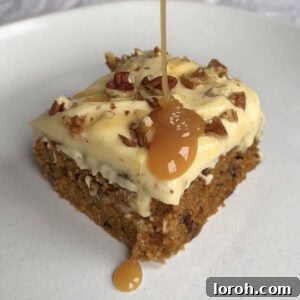
Carrot Cake Tray Bake with Cream Cheese Frosting
Print Recipe
Ingredients
For the cake:
- 300 g soft light brown sugar
- 3 eggs
- 300 ml sunflower oil
- 300 g plain flour (all-purpose)
- 1 tsp bicarbonate of soda (baking soda)
- 1 tsp baking powder
- 1 tsp ground cinnamon
- ½ tsp ground ginger
- ½ tsp salt
- ¼ tsp vanilla extract
- 300 g carrots, medium grated
- 1/2 orange, zested
- 50 g walnuts, shelled & chopped
For the cream cheese frosting:
- 220 g unsalted butter, softened to room temperature
- 170 g full fat cream cheese, softened to room temperature (use Philadelphia cream cheese for best results)
- 600 g icing sugar (powdered sugar), sifted
- 1/2 tsp vanilla extract
- 50 g pecans, chopped, for topping (optional)
Instructions
To make the cake:
-
Preheat your oven to 170°C fan / 190°C conventional / 375°F. Lightly grease a large 11 x 15 inch rectangular tin (also known as a Swiss roll tin in the UK) and line it with baking parchment.
-
In a large mixing bowl, combine the brown sugar, eggs, and sunflower oil. Beat these ingredients together until well combined. You can use a stand mixer with a paddle attachment, a hand mixer, or even whisk by hand. Don’t worry if the mixture looks slightly separated at this stage; it will come together as you add the dry ingredients.
-
Gradually add the sifted dry ingredients: plain flour, bicarbonate of soda, baking powder, ground cinnamon, ground ginger, and salt. Continue to beat on low speed until just mixed. Stir in the orange zest and vanilla extract until evenly distributed. Be careful not to overmix.
-
Using a spatula or by hand, gently fold in the grated carrots and chopped walnuts. This ensures the carrots are evenly distributed without overworking the batter.
-
Pour the batter into your prepared tin and spread it evenly. Bake for 20-25 minutes, or until the cake is golden brown and a wooden skewer inserted into the center comes out clean. Let the cake cool in the tin for a few minutes before carefully inverting it onto a wire rack to cool completely.
To make the frosting:
-
In the bowl of a stand mixer fitted with the paddle attachment (or using a hand mixer), add the softened unsalted butter and cream cheese. Beat on medium-high speed until the mixture is completely smooth and creamy, scraping down the sides of the bowl as needed.
-
Gradually add the sifted powdered sugar, one cup at a time, beating after each addition until incorporated. Add the vanilla extract and whisk until the frosting is smooth and light. Be careful not to overbeat the mixture once the cream cheese is added.
-
If the frosting appears too thin, place the bowl in the refrigerator for approximately 30 minutes to allow it to firm up. Once it reaches a good spreadable consistency, it’s ready to pipe or spread onto your cooled cake.
-
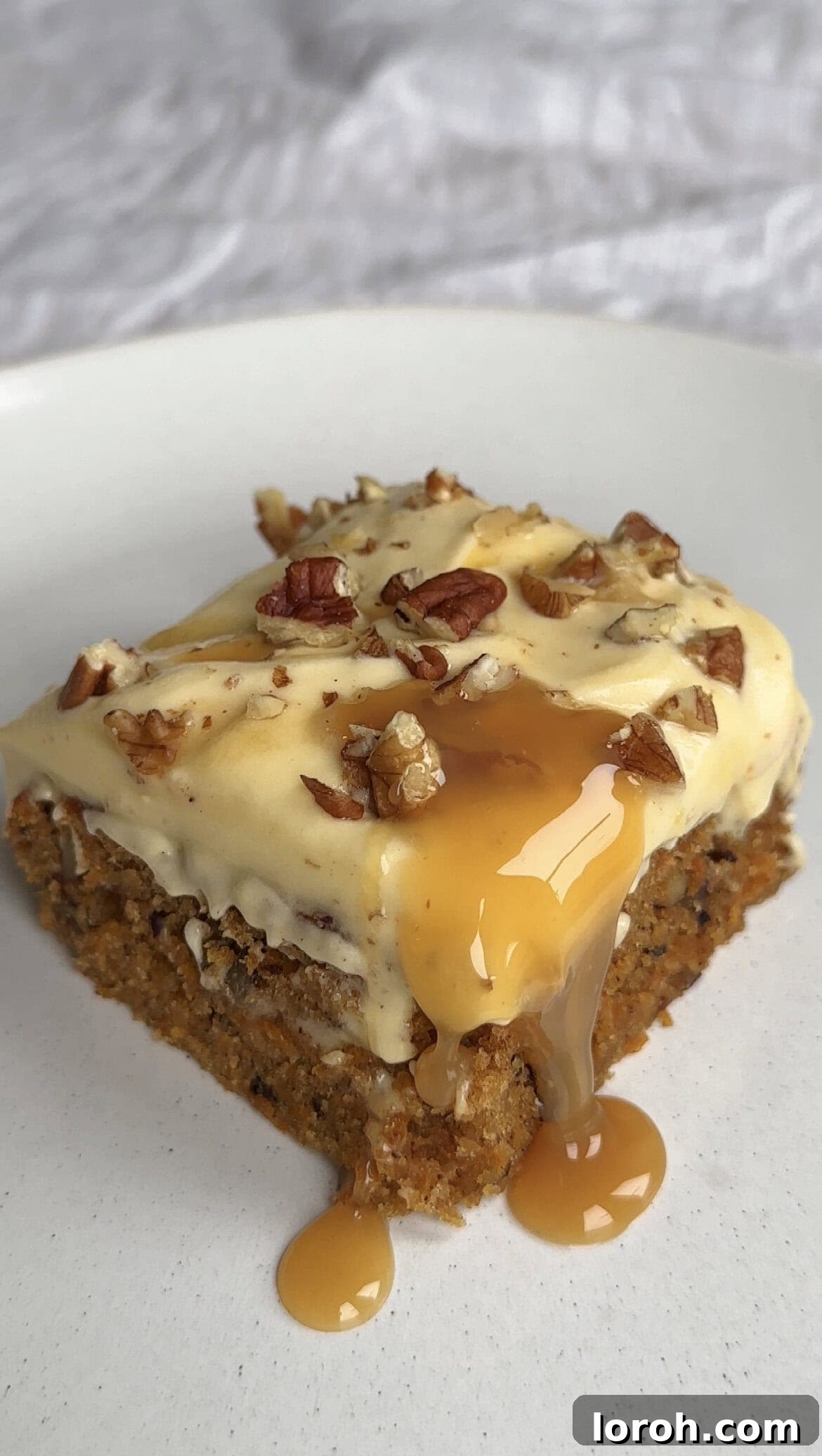
Once the cake is completely cool, evenly spread the cream cheese frosting over the top. For an extra touch of indulgence and texture, drizzle with caramel sauce and scatter with chopped pecans (optional).
Notes
To store: Keep any leftover carrot cake in an airtight cake tin or wrapped well in clingfilm (plastic wrap) in the refrigerator for up to 5 days. For the best flavor and texture, remove it from the fridge about 20 minutes before serving to allow it to come to room temperature.
To freeze: The unfrosted cake can be frozen for up to 3 months. Wrap the cooled cake tightly in clingfilm/plastic wrap, then enclose it in a layer of aluminum foil. To thaw, simply defrost it overnight at room temperature before frosting and serving.
Make ahead: This recipe is perfect for preparing in advance. You can bake the full cake a day ahead of time, cover it, and store it in the fridge. Remember to take it out 30 minutes before serving. For longer storage (up to 3 days), let the cake cool completely, wrap it tightly, and keep it in the fridge. The frosting can also be made 3 days in advance and stored in an airtight container in the fridge. Before using, bring it to room temperature and re-whip if necessary to achieve the desired smooth consistency.
Pan sizes: This recipe is optimized for an 11 x 15 inch rectangular tin. If you use a 10-inch square tin, it will also work, but keep a close watch on the baking time as it may vary. A deeper pan will generally require a longer baking time.
Nutrition
Nutrition information is automatically calculated, so should only be used as an approximation.