
The Best Ever Creamy Homemade Hummus
Prepare to have your perception of hummus transformed. Whether you spell it homous, houmous, or hummus, this recipe promises a life-changing culinary experience that will have you ditching store-bought versions forever. Get ready for an incredibly smooth, rich, and flavorful dip that’s perfect for any occasion.
15 mins
20 mins
25 mins
4 servings
Rate Recipe
Print Recipe
Why Homemade Hummus is a Game Changer
Hummus, a beloved staple of Middle Eastern cuisine, has captivated taste buds worldwide with its creamy texture and versatile flavor profile. While readily available in supermarkets, nothing quite compares to the vibrant taste and luxurious texture of freshly made homemade hummus. This recipe goes beyond the basic, revealing the secrets to achieving an incredibly smooth, airy, and deeply flavorful dip that rivals the best you’ve ever had from a gourmet restaurant.
Making hummus from scratch allows you to control the quality of your ingredients, ensuring a healthier and more delicious result. Forget gritty textures or bland flavors; our method focuses on techniques that guarantee a silky-smooth consistency and a perfect balance of tangy lemon, pungent garlic, and nutty tahini. It’s surprisingly simple to prepare and offers immense satisfaction, transforming common pantry items into an extraordinary culinary delight.
Join us on a journey to culinary perfection as we guide you through each step, from preparing the chickpeas to achieving that coveted light and fluffy texture. Get ready to impress your family and friends with this “best ever” hummus recipe!
Essential Ingredients for Perfect Hummus
The magic of exceptional hummus lies in the quality and preparation of its core ingredients. Here’s what you’ll need, along with a few notes on why each component is crucial:
- 1 x 400g tin of chickpeas: Rinsed and drained, but remember to save the liquid (aquafaba)! This starchy liquid is key to achieving that velvety smooth texture.
- 1/2 teaspoon baking soda: This might seem unusual, but it’s a game-changer. Baking soda helps to soften the chickpea skins, making them easier to blend into a perfectly smooth paste.
- 3/4 cup fresh lemon juice: Approximately 1 ½ to 2 lemons. Freshly squeezed is non-negotiable for that bright, zesty flavor that cuts through the richness of the tahini. Adjust to your taste.
- 1 clove garlic, crushed: Fresh garlic provides essential pungency. For a milder flavor, you can roast the garlic beforehand.
- 1/2 teaspoon Maldon salt: Or other high-quality flaky sea salt, to taste. Salt enhances all the other flavors, so don’t be shy about seasoning properly.
- 1/2 cup tahini: This sesame paste is the backbone of hummus, providing its signature nutty flavor and creamy consistency. Opt for a good quality, light-colored tahini for the best results. Stir it well before measuring, as the oil can separate.
- 2 tablespoons chickpea water (aquafaba) & 1 ice cube: The reserved chickpea liquid, combined with an ice cube, is crucial for emulsifying the tahini and creating an incredibly airy and fluffy hummus. You might need an extra tablespoon of water as needed to reach desired consistency.
- 1/2 teaspoon ground cumin: Cumin adds a warm, earthy depth that complements the other flavors beautifully.
- 1 tablespoon extra-virgin olive oil: Incorporated into the hummus for richness and smoothness.
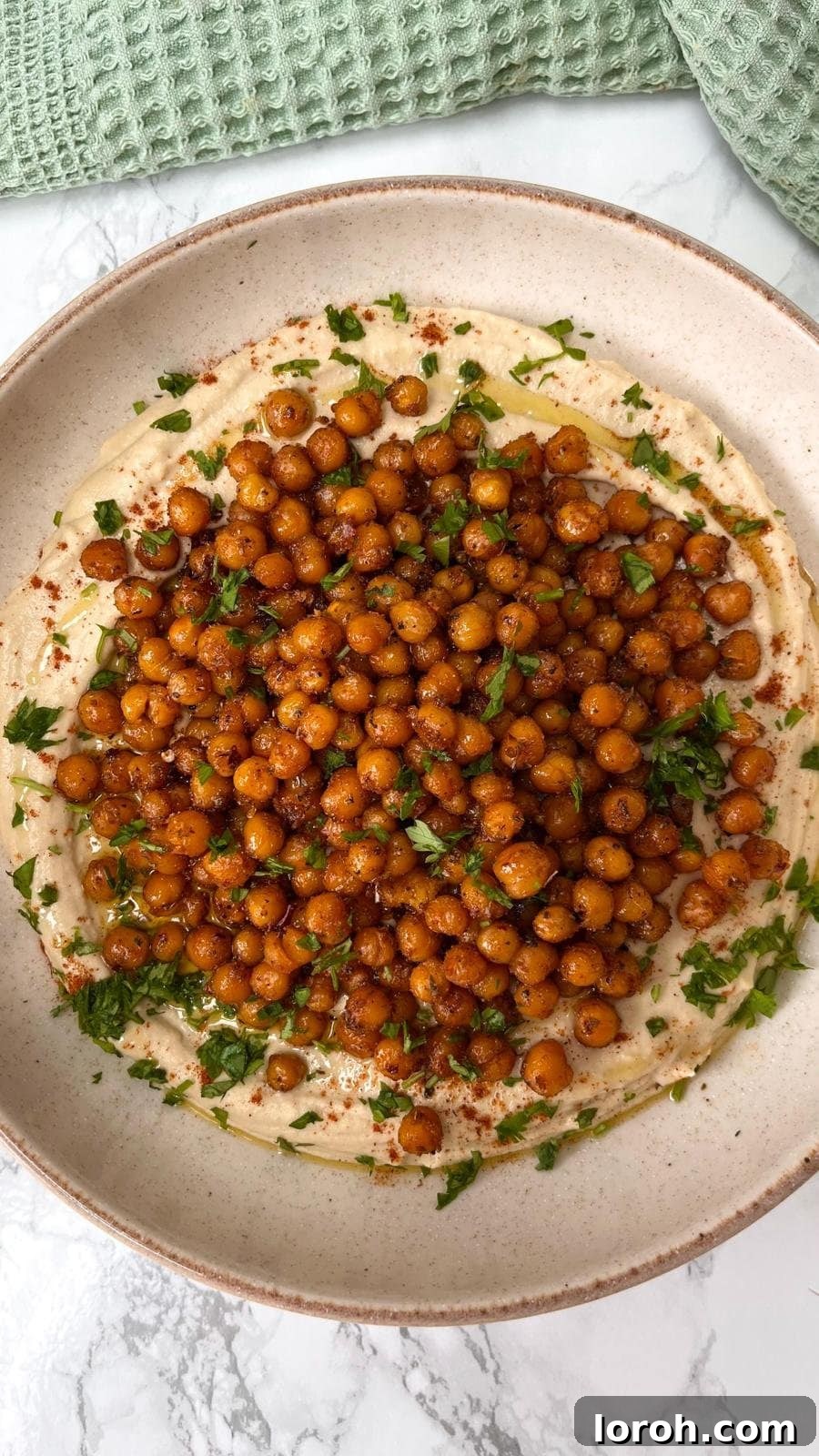
- For garnish: A drizzle of olive oil, a sprinkle of paprika, and a little chopped fresh parsley. These not only make the hummus look appealing but also add layers of flavor and freshness.
The Secret to Creaminess: Chickpea Preparation
Many homemade hummus recipes skip a crucial step: properly cooking the chickpeas. While canned chickpeas are convenient, giving them an extra boil with baking soda makes all the difference. The baking soda helps break down the outer skins, ensuring they virtually disappear when blended, leaving you with an ultra-smooth consistency. This minor extra effort yields immense rewards in texture.
Choosing Your Tahini Wisely
Tahini quality varies significantly. Look for a tahini made from hulled sesame seeds, which typically has a lighter color and a smoother, less bitter taste. A good tahini should be pourable after a good stir, not stiff or clumpy. This will greatly impact the final texture and flavor of your hummus.
Step-by-Step Instructions for the Best Hummus
Follow these detailed steps to create a hummus that will impress even the most discerning palates:
-
Prepare the Chickpeas: Place the rinsed and drained chickpeas in a medium saucepan. Cover them with fresh water and add the 1/2 teaspoon of baking soda. Bring to a boil and cook vigorously for 20 minutes. This extended boiling with baking soda is key to softening the skins for ultimate smoothness. After 20 minutes, drain the chickpeas thoroughly and immediately rinse them under cool running water for about 30 seconds to stop the cooking process and wash away excess baking soda.
-
Begin the Flavor Base: In the bowl of a food processor, combine the fresh lemon juice, crushed garlic, and Maldon salt. Process for about 1 minute until the mixture is well combined and the garlic is finely minced. This step allows the garlic and lemon to meld and infuse properly before other ingredients are added.
-
Emulsify the Tahini: Add the tahini to the lemon-garlic mixture in the food processor. Blend continuously for 2-3 minutes until the mixture thickens significantly and turns a lighter, almost whipped consistency. This process emulsifies the tahini with the lemon juice, which is vital for a light and airy hummus. Now, add the ice cube. While the food processor is running, slowly drizzle in 2 tablespoons of the reserved chickpea water (aquafaba). Continue to blend until the mixture becomes ultra-smooth and creamy. The ice cube helps keep the mixture cool and aids in creating that desired airy texture.
-
Incorporate Remaining Ingredients: Add the ground cumin and the now over-cooked (and very soft) chickpeas to the food processor. With the processor running, slowly drizzle in the 1 tablespoon of extra-virgin olive oil. Blend vigorously for at least 2 minutes, or until the mixture is super smooth and uniform. Stop occasionally to scrape down the sides of the food processor bowl to ensure everything is thoroughly incorporated. If the hummus appears too thick or not as creamy as desired, add an additional tablespoon of ice water at a time, blending after each addition, until you achieve your preferred luxurious texture.
-
Adjust Seasoning: Taste the hummus and adjust the seasoning as needed. It almost always benefits from a little more Maldon salt to really bring out the flavors. You might also want to add more lemon juice for extra tanginess, depending on your preference.
-
Serve and Garnish: Scoop the finished hummus into a shallow serving bowl or platter. Use the back of a spoon to create beautiful swooshes or a swirl pattern on the surface. Finish with a generous drizzle of high-quality extra-virgin olive oil, a sprinkle of vibrant paprika, and a scattering of fresh chopped parsley. For an extra touch, you can add some crispy roasted chickpeas on top. Serve immediately and enjoy a taste of heaven!
Expert Tips for Hummus Mastery
- Peeling Chickpeas (Optional): For an absolutely unparalleled silky texture, you can individually peel the skin off each chickpea after boiling. This is time-consuming but results in the smoothest hummus imaginable. The baking soda method often makes this less necessary.
- Don’t Rush the Blending: The key to creamy hummus is sufficient processing time. Blend for longer than you think you need, especially after adding the tahini and then the chickpeas.
- Ice Water is Your Friend: The cold temperature of the ice cube and ice water helps create a lighter, fluffier texture by slightly aerating the hummus. It also prevents the tahini from becoming too greasy.
- Quality Ingredients Matter: As mentioned, good tahini and fresh lemon juice make a noticeable difference in the final product.
- Adjust to Taste: Hummus is personal! Feel free to add more garlic, lemon, or salt according to your preference. A pinch of cayenne pepper can also add a subtle kick.
Creative Hummus Variations
Once you’ve mastered the classic recipe, feel free to experiment with these delicious variations:
- Roasted Red Pepper Hummus: Blend in 1/2 cup of roasted red peppers (from a jar, drained) with the chickpeas for a sweet and smoky flavor.
- Spicy Hummus: Add a pinch of cayenne pepper or a chopped jalapeño to the food processor with the garlic.
- Spinach and Artichoke Hummus: Fold in finely chopped sautéed spinach and artichoke hearts after blending for a heartier dip.
- Sun-Dried Tomato Hummus: Incorporate 1/4 cup of oil-packed sun-dried tomatoes (drained) for an intense, savory twist.
- Caramelized Onion Hummus: Sauté onions until deeply caramelized and blend them in for a rich, sweet, and savory depth.
Serving Suggestions: More Than Just a Dip
Hummus is incredibly versatile and can be enjoyed in countless ways:
- Classic Dip: Serve with warm pita bread, pita chips, or an assortment of fresh crudités like carrots, cucumber, celery, bell peppers, and cherry tomatoes.
- Sandwiches & Wraps: Spread a generous layer of hummus in your sandwiches, wraps, or falafel pitas for added moisture and flavor.
- Salad Topping: Dollop hummus onto salads or grain bowls for a creamy, protein-packed addition.
- Breakfast Boost: Pair with scrambled eggs, avocado toast, or even as a side for a Mediterranean-inspired breakfast.
- Sauce/Dressing Base: Thin it out with a little extra lemon juice and water to create a creamy dressing for salads or roasted vegetables.
The Healthy Powerhouse: Benefits of Hummus
Beyond its incredible taste, hummus is also a nutritional powerhouse. It’s packed with:
- Plant-Based Protein: Excellent for vegetarians and vegans, chickpeas provide essential amino acids.
- Dietary Fiber: Promotes digestive health, helps regulate blood sugar levels, and contributes to a feeling of fullness.
- Healthy Fats: The olive oil and tahini contribute monounsaturated and polyunsaturated fats, beneficial for heart health.
- Vitamins & Minerals: Rich in iron, folate, magnesium, phosphorus, and B vitamins.
- Gluten-Free & Vegan: Naturally suitable for a wide range of dietary preferences.
Storing Your Homemade Hummus
Your freshly made hummus will taste best within 3-5 days when stored properly. Transfer any leftover hummus to an airtight container. Before sealing, drizzle a thin layer of olive oil over the surface; this acts as a barrier to prevent drying out and oxidation, keeping your hummus fresh and vibrant. Store in the refrigerator. While you can freeze hummus, it may lose some of its creamy texture upon thawing, so it’s best enjoyed fresh.