
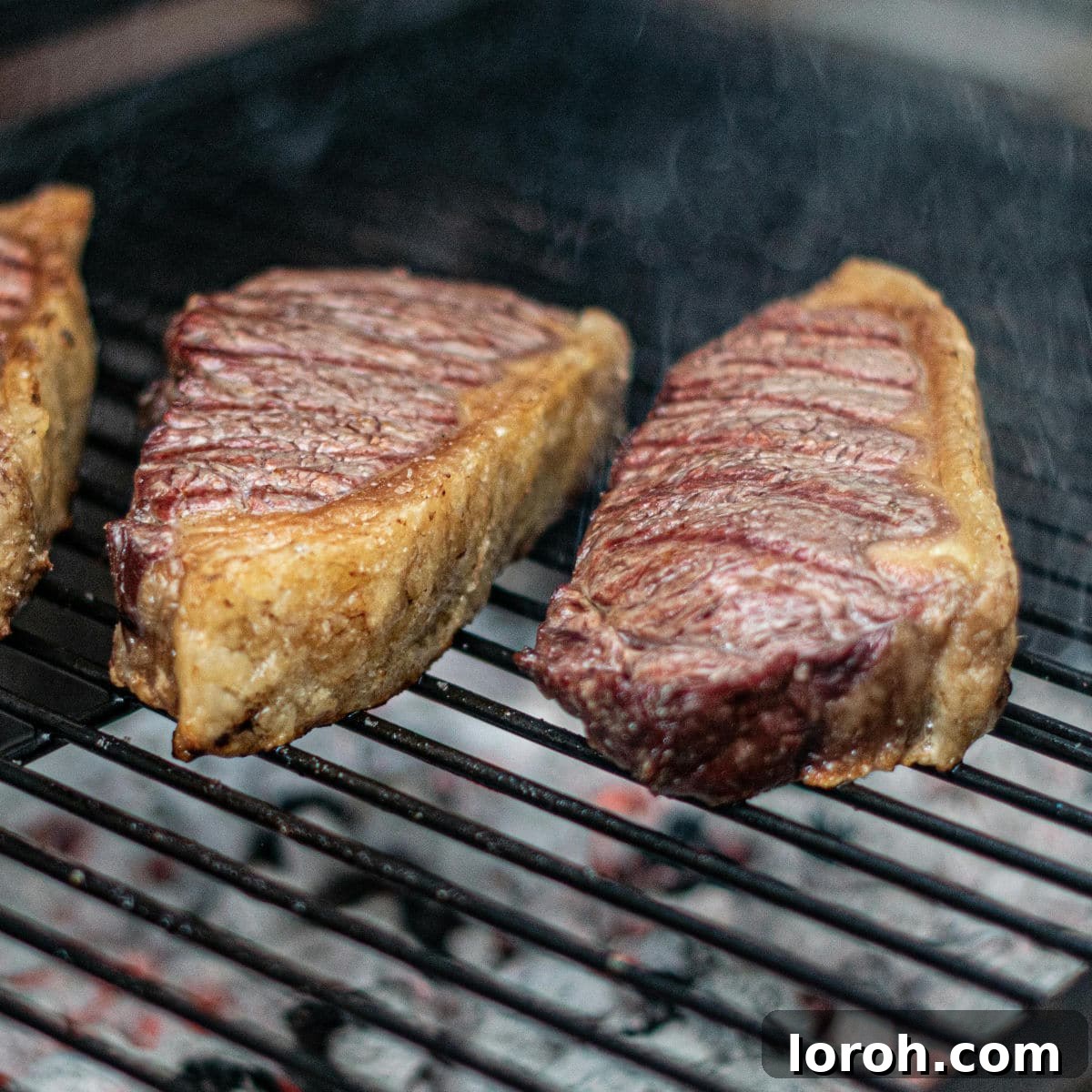
Mastering Sirloin Steak: Your Ultimate Guide to Choosing, Cooking, and Savoring
Sirloin steak is a beloved choice for steak enthusiasts, celebrated for its perfect balance of robust beefy flavor and pleasing tenderness. It stands as a versatile and often more affordable alternative to premium cuts, making it a staple for both weeknight dinners and special occasions. Whether you’re a novice home cook eager to prepare your first steak or a seasoned chef aiming to refine your technique, this comprehensive guide offers everything you need to know about sirloin steak. From selecting the finest cut and mastering various cooking methods to expertly carving and pairing it with delectable sides, we’ll ensure you achieve sirloin perfection every time.
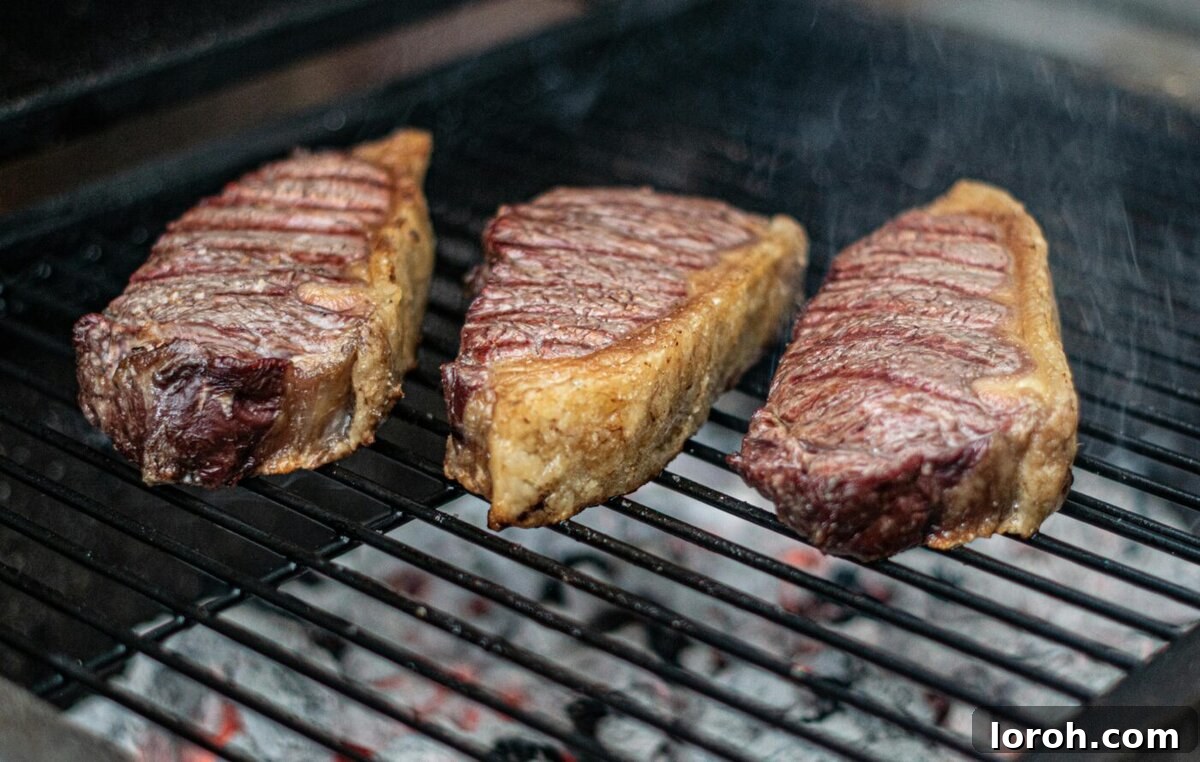
Table of Contents
- What Is Sirloin Steak? Understanding This Versatile Cut
- Why Choose Sirloin Steak? Value, Versatility, and Health
- Selecting a Quality Sirloin Cut
- How to Cook Sirloin Steak Perfectly: Step-by-Step Guide
- Sirloin Steak Marinade Magic (Optional but Recommended)
- Mastering Sirloin Cooking Methods: Pan-Frying, Grilling & More
- Sirloin Steak Doneness Guide: Achieving Your Perfect Temperature
- How to Test Sirloin Doneness Without a Meat Thermometer
- The Art of Resting & Slicing Sirloin Steak
- Serving Suggestions & Perfect Pairings for Sirloin
- Common Sirloin Cooking Problems & Expert Solutions
- Frequently Asked Questions About Sirloin Steak
- My Favorite Sirloin Recipes for Inspiration
What Is Sirloin Steak? Understanding This Versatile Cut
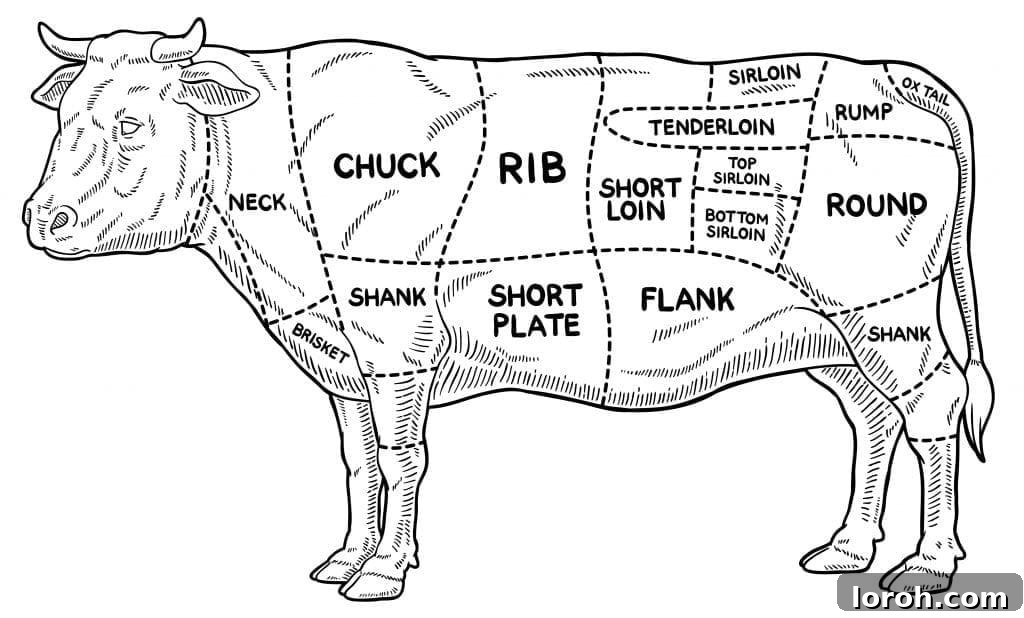
Sirloin steak is a prized cut of beef derived from the rear back portion of the cow, precisely situated between the tenderloin and the round. This muscle group is well-used, but not excessively so, which contributes to the sirloin’s characteristic balance of firmness and tenderness. Its location, just behind the ribs and anterior to the rump, gives it a distinct flavor profile that is robustly beefy without being overly fatty.
The precise naming and butchery of sirloin can vary significantly depending on regional culinary traditions and the local cuts of meat. Understanding these distinctions is key to confidently purchasing and cooking sirloin steak wherever you are in the world:
- United Kingdom: In the UK, sirloin is a specific cut found between the rump and ribeye. It’s highly regarded for its desirable tenderness and often features a good degree of marbling, contributing to its juiciness and flavor. British sirloin is typically sold as a single, well-defined steak, perfect for grilling or pan-frying.
- United States: The term “sirloin” in the US generally refers to a broader section of the cow. What Brits call sirloin is often known as a “strip steak” or “New York strip” in the States, particularly if it comes from the short loin area adjacent to the sirloin. Within the broader American “sirloin” designation, you’ll find further subdivisions:
- US “Top Sirloin”: This is the most tender and desirable portion of the sirloin in the US, ideal for grilling, broiling, or pan-searing. It’s lean, flavorful, and still offers a good chew.
- US “Bottom Sirloin”: This section is more muscular and consequently less tender than the top sirloin. It’s better suited for slower cooking methods like roasting, braising, or slicing thin for stir-fries, where its robust flavor can truly shine.
Regardless of its specific nomenclature, sirloin remains a fantastic choice for those seeking a steak with significant flavor and a satisfying texture that doesn’t break the bank.
Sirloin vs. Rump & Rib-eye: A Comparative Look
Understanding the differences between popular steak cuts can help you choose the perfect one for your palate and recipe. Here’s how sirloin compares to rump and ribeye:
- Sirloin: Often considered a middle-ground steak. It is generally more tender than rump steak but less so than fillet. It has a robust, beefy flavor that is less intense than rump but more pronounced than the delicate notes of fillet. Its marbling is moderate, offering a good balance of juiciness without being overly fatty.
- Rump Steak: Cut from the hindquarters, rump steak is known for its lean texture and incredibly bold, rich beef flavor. It’s firmer and requires careful cooking to remain tender. Ideal for those who prioritize deep flavor over melt-in-your-mouth tenderness.
- Rib-eye Steak: Cut from the rib section, rib-eye is famous for its extensive marbling—streaks of intramuscular fat that melt during cooking, imparting exceptional juiciness and a rich, buttery flavor. It’s one of the most tender and flavorful cuts, often considered a premium choice, reflected in its higher price point.
Why Choose Sirloin Steak? Value, Versatility, and Health
Sirloin steak offers a compelling combination of attributes that make it an excellent choice for a variety of culinary applications. Its popularity stems from several key benefits:
- Exceptional Value: One of the most attractive qualities of sirloin is its affordability. While it provides a fantastic eating experience with a satisfying texture and rich flavor, it typically comes at a more accessible price point than luxurious cuts like ribeye or fillet mignon. This makes sirloin an ideal option for enjoying quality steak without a premium price tag, perfect for regular enjoyment.
- Remarkable Versatility: Sirloin is incredibly adaptable to a wide array of cooking methods and dishes. It performs beautifully whether you prefer the quick sizzle of pan-searing, the smoky char of grilling, or the precise, even cooking of reverse-searing. Beyond being a standalone steak, thinly sliced sirloin is also a fantastic addition to vibrant stir-fries, hearty steak salads, savory fajitas, or gourmet sandwiches, adding significant protein and flavor to any meal.
- A Healthier Choice: For those mindful of their dietary intake, sirloin steak is a smart option. It boasts significantly less fat than heavily marbled cuts like ribeye, making it a leaner protein source. Rich in essential nutrients such as iron, zinc, and B vitamins, sirloin supports a balanced diet, offering a satisfying and wholesome meal without excess calories from fat. It’s a superb choice for health-conscious individuals seeking flavorful, nutrient-dense meals.
Selecting a Quality Sirloin Cut
The journey to a perfectly cooked sirloin steak begins with choosing the right cut at the butcher or grocery store. A high-quality steak lays the foundation for delicious results. Here’s what to look for:
- Color: Opt for sirloin steaks that display a vibrant, deep red color. This indicates freshness and proper oxygenation of the meat. Avoid steaks with dull, brownish, or grayish patches, which can suggest age or improper handling.
- Marbling: While sirloin is leaner than some other cuts, good quality sirloin will still have fine streaks of white fat running through the lean muscle. This intramuscular fat, known as marbling, is crucial. It melts during cooking, basting the meat from within, which enhances tenderness, juiciness, and flavor. Look for even distribution of these small fat flecks.
- Texture and Firmness: The steak should feel firm to the touch but not hard. Avoid steaks that feel overly soft or mushy.
- Even Thickness: Aim for steaks that are uniformly thick, ideally around 1 to 1.5 inches (2.5 to 3.8 cm). Consistent thickness is vital for even cooking. A steak with varying thickness will result in parts being overcooked while others are undercooked. If you find a thicker cut, you might consider methods like reverse-searing for better control.
How to Cook Sirloin Steak Perfectly: Step-by-Step Guide
Achieving a perfectly cooked sirloin steak at home is simpler than you might think, provided you follow a few essential steps. This section covers crucial preparation, seasoning, and an optional marinating technique to elevate your steak experience.
Preparation & Seasoning for Optimal Flavor
- Bring to Room Temperature: Remove your sirloin steaks from the refrigerator 30 to 60 minutes before you plan to cook them. Allowing the steak to come closer to room temperature ensures more even cooking throughout the cut. A cold steak will cook unevenly, often resulting in an overcooked exterior and a cold interior.
- Pat Dry: This step is non-negotiable for a perfect sear. Use kitchen paper or paper towels to thoroughly pat both sides of your steak dry. Moisture on the surface of the meat will steam rather than sear, preventing the formation of that beautiful, flavorful crust (Maillard reaction).
- Season Generously: Seasoning is paramount for flavor. Sprinkle both sides of the steak generously with coarse sea salt and freshly cracked black pepper. Don’t be shy; a good amount of salt helps to draw out moisture and create a flavorful crust. Some chefs also like to add a touch of garlic powder or onion powder for extra depth.
- Oil the Steak, Not the Pan (Usually): Rather than pouring oil directly into your cooking pan, rub a small amount of high smoke point oil—such as olive oil, rapeseed oil, or avocado oil—directly onto the surface of the seasoned steak. This ensures even coverage, helps the seasoning adhere, and prevents excessive smoking in the pan.
Sirloin Steak Marinade Magic (Optional but Recommended)
While sirloin is flavorful on its own, marinating can significantly enhance its taste and tenderize the meat, especially for slightly leaner or firmer cuts. This process allows flavors to penetrate deeper into the muscle fibers and aids in breaking them down, resulting in a more succulent steak.
- When to Marinate: Consider marinating if you have a slightly thinner sirloin, a bottom sirloin cut, or simply want to infuse your steak with complex flavors. A marination period of 2 to 24 hours is generally recommended, with longer times for stronger flavor penetration and tenderization. For optimal results, marinate in the refrigerator.
- Marinade Components: A good marinade typically includes an acidic component, an oil, and various seasonings:
- Acid: Lemon juice, lime juice, vinegar (red wine, balsamic, apple cider), or even plain yogurt can help tenderize by breaking down muscle fibers.
- Oil: Olive oil or rapeseed oil helps to carry fat-soluble flavors and prevents the meat from drying out during marination.
- Flavorings: This is where creativity comes in! Combine your favorite spices and herbs such as garlic, onion, rosemary, thyme, paprika, cumin, chili flakes. A touch of sweetness from honey or brown sugar can also balance the flavors and aid in caramelization during searing.
- The Tenderizing Effect: The acidic components in a marinade work to denature proteins, effectively “pre-tenderizing” the meat. This breakdown of muscle fibers contributes to a softer, more palatable texture once cooked. Remember to pat the steak dry after marinating to ensure a good sear.
Mastering Sirloin Cooking Methods: Pan-Frying, Grilling & More
The key to a perfectly cooked sirloin lies in using high heat to create a beautiful crust while carefully monitoring the internal temperature to achieve your desired doneness. Here are the most popular and effective cooking methods:
Pan-Frying Sirloin Steak for a Flawless Sear
Pan-frying is an excellent method for achieving a magnificent, crusty sear on your sirloin, locking in its juices and flavor.
- Preheat Your Pan Aggressively: Place a heavy-bottomed pan, ideally cast iron or stainless steel, over high heat. Let it heat for several minutes until it is just smoking. This intense initial heat is crucial for developing the Maillard reaction (the browning that creates rich flavor compounds).
- Sear the Steak: Carefully place your seasoned, oiled sirloin into the scorching hot pan. Do not overcrowd the pan if cooking multiple steaks, as this can lower the temperature and lead to steaming instead of searing.
- For a rare steak (approx. 122-125°F / 50-52°C): Sear for about 1.5 to 2 minutes per side.
- For medium-rare (approx. 130-135°F / 55-57°C): Sear for about 2 to 3 minutes per side.
- For medium (approx. 140-145°F / 60-63°C): Sear for about 3 to 4 minutes per side.
- For medium-well to well-done: Continue cooking, reducing heat slightly, for 4-5 minutes per side, or longer, monitoring with a thermometer.
- Develop the Fat Cap (If Applicable): If your sirloin steak has a noticeable thick fat cap along one edge, use tongs to hold the steak on its side. Press the fat cap down onto the hot pan for approximately 1-2 minutes. This renders the fat, making it crispy and golden brown, adding another layer of flavor and texture.
- Basting (Optional, but Recommended): For the last minute or two of cooking, add a knob of butter, a few sprigs of fresh rosemary or thyme, and a smashed garlic clove to the pan. Tilt the pan slightly and, using a spoon, continuously baste the melting butter and aromatics over the steak. This infuses the steak with incredible flavor and helps create an even crust.
Grilling/BBQ Sirloin Steak for Smoky Perfection
Grilling imparts a unique smoky flavor and beautiful char marks, making it a favorite for sirloin during warmer months.
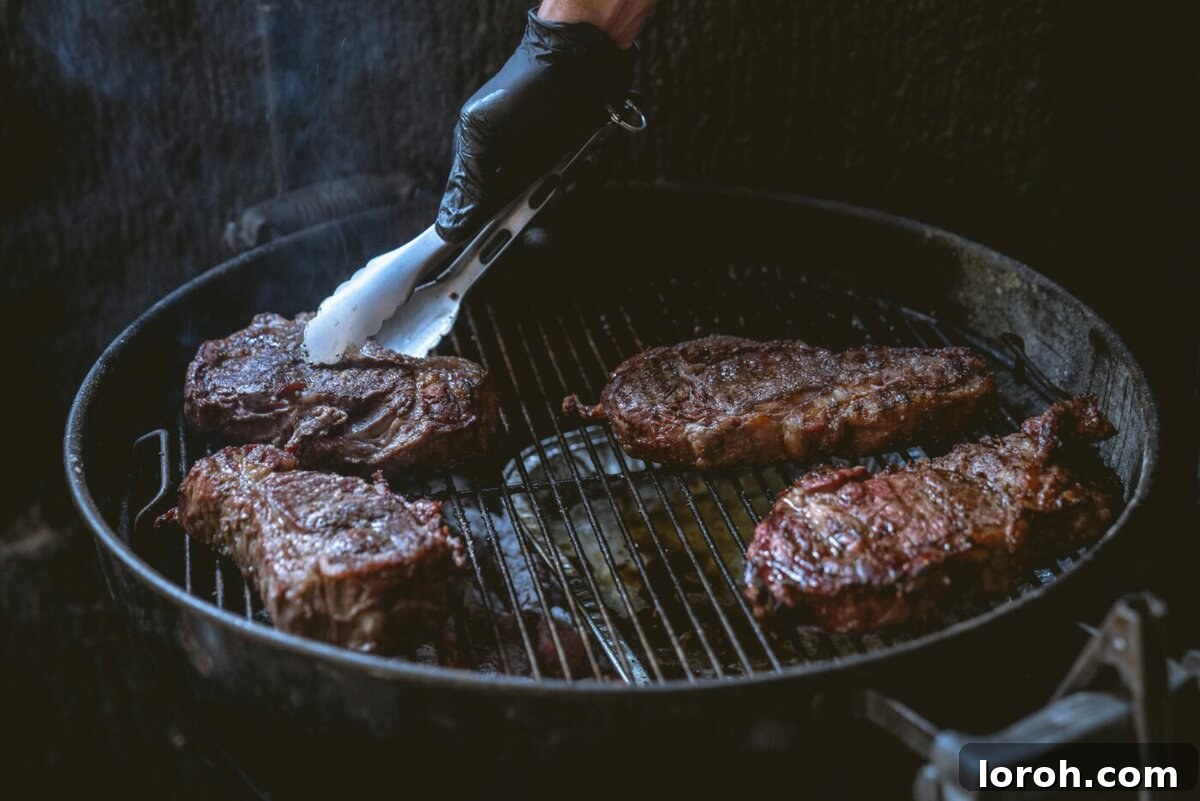
- Prepare Your Grill: Preheat your grill to a high temperature. For charcoal grills, ensure the coals are ash-gray and glowing. For gas grills, preheat with all burners on high for 10-15 minutes. Clean the grill grates thoroughly to prevent sticking.
- Direct Heat Searing: Place the seasoned and oiled sirloin directly over the hottest part of the grill. Sear for 2-3 minutes per side for medium-rare, or adjust according to your desired doneness and steak thickness. This initial sear creates those coveted grill marks and a flavorful crust.
- Indirect Heat Finishing (for Thicker Cuts): If your sirloin is particularly thick (over 1.5 inches), after achieving a good sear on both sides over direct heat, move the steak to a cooler part of the grill (indirect heat) to finish cooking. Close the lid and allow it to cook gently until it reaches your desired internal temperature. This prevents the exterior from burning before the interior is properly cooked.
- Achieving Cross-Hatch Grill Marks: For those impressive cross-hatch grill marks, place the steak on the grill at a 45-degree angle. After about 1.5-2 minutes, rotate the steak 90 degrees without flipping it, placing it on a fresh section of the grate. After another 1.5-2 minutes, flip the steak and repeat the process on the other side.
Sirloin Steak Doneness Guide: Achieving Your Perfect Temperature
The key to a truly enjoyable sirloin steak is cooking it to your preferred level of doneness. While visual cues and touch tests can be helpful, an instant-read meat thermometer is the most accurate tool to ensure consistent results every time. Insert the thermometer into the thickest part of the steak, avoiding any bones or large pockets of fat, for an accurate reading. Remember that the steak’s internal temperature will rise a few degrees during resting (carryover cooking).
| Doneness Level | Internal Temperature (before resting) | Characteristics |
|---|---|---|
| Rare | 50-52°C (122-125°F) | Cool red center, very juicy and tender with a soft texture. |
| Medium-Rare | 55-57°C (130-135°F) | Warm red center, very juicy and tender with a slightly firmer texture. Often considered the ideal doneness for many steaks. |
| Medium | 60-63°C (140-145°F) | Warm pink center, juicy and firm to the touch. A popular choice for those who prefer less red. |
| Medium-Well | 65-67°C (150-155°F) | Slightly pink center, less juicy, and much firmer. |
| Well-Done | 70°C+ (160°F+) | Little to no pink, firm, and significantly less juicy. While some prefer this, it can lead to a tougher texture in sirloin. |
How to Test Sirloin Doneness Without a Meat Thermometer
While a meat thermometer offers the most precision, you can estimate the doneness of your sirloin steak using a simple touch test, comparing the firmness of the steak to different parts of your hand. This method relies on practice and familiarity but can be surprisingly accurate once mastered.
To perform the hand test, gently press the center of your cooked steak with your index finger. Then, compare that feeling to the fleshy part at the base of your thumb, formed by touching your thumb to different fingers:
- Rare: The steak should feel very soft and yielding, much like the fleshy area at the base of your thumb when your hand is completely relaxed and open. This indicates a very red, cool center.
- Medium-Rare: Gently touch your index finger to your thumb. The fleshy part beneath your thumb will feel slightly firmer than a relaxed hand, with a bit more spring. This is the characteristic feel of a medium-rare steak – warm red center, still very juicy.
- Medium: Touch your middle finger to your thumb. The muscle under your thumb now feels firmer still, with a noticeable springiness. This firmness mimics a medium-cooked steak, which will have a warm pink center.
- Medium-Well: Bring your ring finger to your thumb. The base of your thumb will now feel quite firm and resistant, with very little give. This texture is comparable to a medium-well steak, which will show only a hint of pink.
- Well-Done: Finally, touch your little finger to your thumb. The fleshy part at the base of your thumb will feel very firm, almost hard, and unyielding. This dense texture is similar to a well-done steak, which will have no pink and be very firm throughout.
Remember that this method is an approximation and can vary based on individual hand firmness and the thickness of the steak. Practice makes perfect!
The Art of Resting & Slicing Sirloin Steak
These two final steps are just as crucial as the cooking process itself. Skipping them can lead to a tough, dry steak, even if it was cooked perfectly.
- Resting for Juiciness: Once your sirloin steak reaches its desired internal temperature, immediately remove it from the heat and transfer it to a cutting board. Tent it loosely with foil (don’t wrap it tightly, or it will continue to cook too much and lose its crust). Allow the steak to rest for at least 5-10 minutes, or even up to 15 minutes for thicker cuts.
- Why rest? During cooking, the muscle fibers contract, pushing the juices towards the center of the steak. If you cut into it immediately, all those flavorful juices will spill out onto your board, leaving you with a dry steak. Resting allows the muscle fibers to relax and reabsorb these juices, redistributing them evenly throughout the meat. This results in a significantly juicier and more tender steak.
- Carryover Cooking: During the resting period, the internal temperature of the steak will continue to rise by a few degrees (known as carryover cooking). Account for this when you take the steak off the heat.
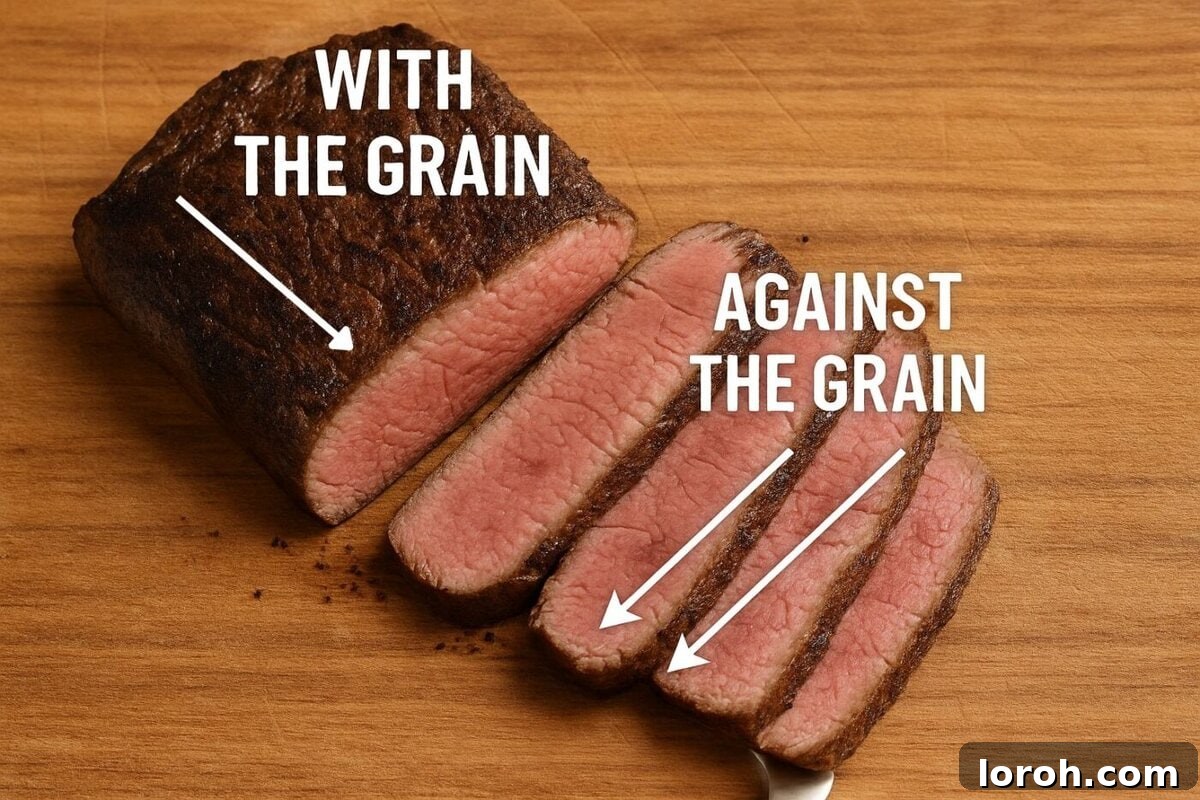
- Slicing Against the Grain for Tenderness: After resting, it’s time to slice your sirloin. This step is critical for maximizing tenderness. Always slice against the grain.
- What is “the grain”? The grain refers to the visible long muscle fibers that run parallel through the steak.
- Why against the grain? Slicing against the grain means cutting perpendicular to these fibers. This action shortens the muscle fibers, making them much easier to chew and giving the steak a more tender mouthfeel. If you slice with the grain, the long fibers remain intact, resulting in a chewier, tougher steak.
- Visual Aid: The image below clearly demonstrates how to identify and slice against the grain for the best possible texture. Look for the direction of the muscle lines and cut across them.
Serving Suggestions & Perfect Pairings for Sirloin
A beautifully cooked sirloin steak is a canvas for culinary creativity. Whether you prefer classic accompaniments or adventurous new flavors, sirloin pairs wonderfully with a wide range of sauces and side dishes.
- Classic Steak Pairings: Elevate your sirloin with these traditional and beloved sauces that perfectly complement its rich flavor:
- Cowboy Butter: A vibrant, herb-packed compound butter that melts deliciously over a hot steak.
- Chimichurri Sauce: A fresh, zesty Argentinian herb sauce, perfect for cutting through the richness of the beef.
- Béarnaise Sauce: A creamy, tarragon-infused sauce, offering a luxurious French touch.
- Peppercorn Sauce: A rich, creamy sauce with a kick of black peppercorns, a timeless favorite.
- Delightful Side Dishes: Complete your meal with these versatile and satisfying sides:
- Crispy Fries or Mashed Potatoes: The ultimate comfort food pairing, perfect for soaking up steak juices.
- Roasted Vegetables: Asparagus, broccoli, or Brussels sprouts roasted with garlic and herbs add nutrition and flavor.
- Grilled Corn on the Cob: A sweet and smoky addition, especially when grilling your steak.
- Rocket and Parmesan Salad: A simple, peppery salad with a tangy vinaigrette offers a refreshing counterpoint.
- Creative Sirloin Dishes: Don’t limit sirloin to just a steak on a plate. It’s incredibly versatile for other recipes:
- Garlic Butter Steak Bites: Quick and flavorful morsels, perfect as an appetizer or a main course with rice.
- Soft Shell Tacos with Steak Slices: Swap the prawns for thinly sliced, perfectly cooked sirloin for a vibrant and satisfying taco night.
- For a completely different beef experience, explore other rich recipes like Braised Short Ribs with Red Wine for deep, comforting flavors.
Common Sirloin Cooking Problems & Expert Solutions
Even experienced cooks encounter issues when preparing steak. Here are some common problems with sirloin and straightforward solutions to help you achieve consistent success.
- Problem: Tough Steak
- Cause: The two most frequent culprits are overcooking and slicing the meat with the grain instead of against it. Overcooked sirloin loses its moisture and becomes dry and chewy. Slicing with the grain leaves muscle fibers long, making them difficult to chew.
- Solution:
- Monitor Doneness: Use a meat thermometer to ensure you hit your desired temperature, removing the steak just before it reaches its target to allow for carryover cooking during resting.
- Always Slice Against the Grain: This is paramount. Identify the direction of the muscle fibers and cut perpendicular to them to shorten them, ensuring maximum tenderness.
- Rest Your Steak: Don’t skip the resting period! This allows juices to redistribute, preventing dryness and contributing to a more tender steak.
- Problem: Dryness
- Cause: Primarily due to overcooking, which extracts too much moisture from the meat. Starting with a very cold steak can also contribute to dryness as the exterior cooks much faster than the interior.
- Solution:
- Avoid Overcooking: Aim for medium-rare to medium, which is often considered ideal for sirloin’s balance of juiciness and flavor. A meat thermometer is your best friend here.
- Bring to Room Temperature: Allow the steak to sit out for 30-60 minutes before cooking. This promotes even cooking and helps retain moisture.
- Baste with Butter/Oil: During the final stages of cooking, basting with butter and herbs can help keep the exterior moist and flavorful.
- Problem: Lack of Flavor
- Cause: Insufficient seasoning is the most common reason. Not applying enough salt and pepper, or only seasoning immediately before cooking, won’t allow flavors to penetrate. A lack of proper searing also means missing out on crucial flavor development.
- Solution:
- Season Generously: Don’t be timid with salt and freshly ground black pepper. Apply it generously to both sides. For best results, season 15-20 minutes before cooking, or even longer (up to 40 minutes) to allow the salt to draw out moisture and then reabsorb, creating a seasoned crust.
- Achieve a Deep Sear: Cook your sirloin in a screaming hot pan or grill. The brown, crusty exterior (Maillard reaction) is where much of the steak’s deep, savory flavor originates. Patting the steak dry before searing is essential.
- Consider Marinating: For a deeper flavor infusion, especially if you have time, marinating your sirloin for a few hours can significantly boost its taste profile.
Frequently Asked Questions About Sirloin Steak
Absolutely, reverse-searing is an excellent technique for sirloin steak, particularly for thicker cuts (1.5 inches or more). It offers superior control over doneness, resulting in a perfectly even cook from edge to edge and a juicy interior. You’ll slow-cook the steak in a low oven (around 225-275°F or 105-135°C) until its internal temperature is approximately 5°C (10°F) below your desired final temperature. Then, you’ll finish it with a quick, high-heat sear on each side in a screaming hot pan or grill to develop that incredible, flavorful crust.
Proper storage is key to maintaining freshness and safety.
In the Fridge: Uncooked sirloin steak should be stored in its original packaging or an airtight container on the bottom shelf of your refrigerator to prevent juices from contaminating other foods. It’s best to cook and consume it within 3-5 days.
In the Freezer: For longer storage, freeze sirloin steak for up to 6-12 months. To prevent freezer burn, wrap the steak tightly in plastic clingfilm, then in aluminum foil or place it in a heavy-duty freezer bag, ensuring as much air as possible is removed. Thaw safely in the refrigerator before cooking.
Tenderizing sirloin steak isn’t always strictly necessary, especially if you’ve purchased a good quality top sirloin. However, it can be beneficial for leaner or slightly tougher cuts, or if you simply prefer an extra tender texture. You can tenderize sirloin by:
1. Marinating: Using an acidic base like lemon juice, vinegar, or even buttermilk in your marinade helps break down muscle fibers.
2. Mechanical Tenderizing: Using a meat mallet to gently pound the steak can also help break down tough connective tissues, but be careful not to flatten it too much.
For achieving an exceptional sear and even cooking, a heavy-bottomed pan is paramount. A cast iron skillet is widely considered the best choice due to its superior heat retention and even heat distribution, which results in a fantastic crust. A high-quality stainless steel pan is a close second. Avoid thin, non-stick pans as they typically don’t get hot enough or retain heat well enough to create a good sear.
While technically possible, cooking sirloin steak in the oven without an initial sear is not advisable for optimal flavor and texture. The high-heat sear is crucial for developing the Maillard reaction, which creates hundreds of complex, delicious flavor compounds and that desirable brown, crusty exterior. Without it, your steak will lack depth of flavor and texture, resulting in a less satisfying eating experience. Always aim for a good sear, either on the stovetop or grill, before (or after, with reverse-searing) finishing in the oven if desired.
My Favorite Sirloin Recipes for Inspiration
Once you’ve mastered the art of cooking sirloin, the possibilities are endless! Here are some of my go-to recipes that showcase the versatility and deliciousness of this fantastic cut of beef. Whether you’re looking for a gourmet dinner or a hearty salad, these dishes are sure to impress.
Recipes
Steak With Garlicky Green Beans, Pistachios & Horseradish
Easy Beef Recipes
Steak and Green Bean Salad with Yogurt Caesar Dressing
Sandwiches
Rib Eye Steak Sandwich with Bearnaise Butter
Recipes