

Sfingi: The Ultimate Guide to Easy Sicilian Ricotta Doughnuts
If you’re searching for a dessert that’s both incredibly simple to make and bursting with irresistible flavor, look no further than Sfingi. These delightful fried ricotta doughnuts, a cherished specialty from the sun-drenched island of Sicily, stand out as some of the most amazing fried pastries in Italian cuisine. What makes Sfingi truly exceptional, and significantly different from traditional American doughnuts, is their unique preparation. There’s no yeast involved, meaning no lengthy waiting times for the dough to rise. Instead, fresh ricotta cheese is the star ingredient, imbuing these treats with an unparalleled lightness and a wonderfully fluffy texture that melts in your mouth. They are, quite simply, a delicious revelation!

Sfingi hold a deep cultural significance in Italy, particularly associated with St. Joseph’s Day, known as La Festa di San Giuseppe, celebrated annually on March 19th. This festive occasion is a culinary highlight, often featuring a spread of traditional sweets like crisp cannoli and tender zeppole. However, many find Sfingi to be the most captivating of these celebratory bites—their perfect size and delicate flavor make them ideal for sharing with guests and family. Despite their traditional association with St. Joseph’s Day, their sheer simplicity and incredible taste mean they can, and should, be enjoyed throughout the year. The process is remarkably straightforward: you simply mix a quick batter, much like preparing a cake, then gently drop spoonfuls into hot oil. After a few minutes of frying to a golden hue, they are tossed in sugar, and voilà! A batch of exquisite Italian ricotta doughnuts is ready to enjoy. For more delightful fried treats that are quick to prepare, explore my version of Dutch Apple Beignets, which come together in just 30 minutes for a fruity doughnut-style experience, or try my comforting Applesauce Fritters.
Table of Contents
- Why You Will Love This Sfingi Recipe
- The Magic of Ricotta in Sfingi: Understanding the Ingredients
- Customizing Your Sfingi Doughnuts: Substitutions and Variations
- Step-by-Step Guide: How to Make Simple Sicilian Sfingi Doughnuts
- Essential Cooking Tips for Perfect Sfingi
- Frequently Asked Questions About Sfingi
- Explore More Italian-Inspired Desserts and Sweet Treats
- Share Your Sfingi Creations!
- Sfingi Doughnuts Recipe Card
Why You Will Love This Sfingi Recipe
These Sicilian ricotta doughnuts aren’t just a treat for the taste buds; they’re also a dream for any home baker, whether you’re a novice or an experienced chef. Their simplicity, speed, and versatility make them an irresistible choice. Here’s why this Sfingi recipe is destined to become a staple in your kitchen:
- Effortlessly Quick and Simple: Say goodbye to the lengthy proofing times often associated with traditional yeast-based doughnut recipes. This Sfingi recipe is a true time-saver, eliminating the need for yeast and its accompanying rising periods. From the moment you start mixing to the first delicious bite, these light and fluffy doughnuts can be ready in approximately 30 minutes. It’s the perfect solution for a last-minute craving, an unexpected guest, or simply when you desire a homemade treat without the fuss.
- Ideal for Any Gathering: Planning a party, family dinner, or a festive celebration? This recipe generously yields about 20 charming little doughnuts, making it an excellent sweet treat for cooking for a crowd. Their convenient, bite-sized form and universally appealing flavor ensure they’ll be a guaranteed hit at any event, making them perfect for sharing and creating memorable moments.
- Endless Customization Options: While incredibly delicious in their classic form, Sfingi are wonderfully versatile and open to personalization. You can easily adapt the sugar coating to suit your preferences. Consider swapping the cinnamon for a dash of aromatic pure vanilla sugar, incorporating vibrant citrus zest (lemon or orange work beautifully for a zesty kick), or experimenting with a blend of mixed spices for a warmer, more intricate flavor profile. You can also keep them simply plain for an understated elegance.
- Made with Accessible and Affordable Ingredients: One of the greatest advantages of this recipe is its reliance on readily available, common kitchen staples. You won’t need to embark on a special shopping trip for obscure items. Most of the ingredients, such as ricotta, flour, sugar, and eggs, are probably already in your cupboards and fridge. This makes the recipe not only incredibly delicious but also budget-friendly and convenient, enabling you to whip up a batch whenever the craving strikes!
The Magic of Ricotta in Sfingi: Understanding the Ingredients
The unparalleled deliciousness of Sfingi stems from a careful selection of simple, high-quality ingredients, each contributing to their signature texture and flavor. Understanding the role of each component will empower you to create the perfect batch every time.
For precise measurements and the complete, detailed recipe, please refer to the dedicated recipe card conveniently located at the end of this page.
- Ricotta Cheese: This is arguably the most crucial ingredient and the true star of Sfingi. Ricotta is a traditional Italian whey cheese, celebrated for its unique thick, creamy texture and wonderfully mild, slightly sweet flavor. Its inclusion in the batter is the secret behind Sfingi’s incredible lightness, tender crumb, and moist interior, setting them apart from denser, yeast-leavened doughnuts. Ricotta’s versatility allows it to enhance both sweet and savory dishes, making it perfectly suited for these delightful fried treats. Always opt for fresh, good quality whole milk ricotta for the best results, and remember to drain it properly (see cooking tips below) to prevent a watery batter.
- Caster Sugar: This finely granulated sugar is essential for both sweetening the sfingi batter and creating their iconic, sparkling coating. Its fine crystals dissolve beautifully into the dough, ensuring a delicate sweetness throughout. For the coating, caster sugar adheres well and provides an appealing texture. While granulated sugar can be used in a pinch, caster sugar offers a superior finish.
- Eggs: Large, fresh, free-range eggs are highly recommended. Eggs play a vital role in binding all the ingredients together, adding a rich depth of flavor, and contributing to the sfingi’s airy and puffed structure. They work in conjunction with the baking powder as a leavening agent, helping the doughnuts expand and achieve their signature lightness during frying.
- Plain Flour (All-Purpose Flour): As the primary dry ingredient, plain flour forms the structural base of the dough. Using plain or all-purpose flour ensures a tender, delicate crumb rather than a chewy texture, which is ideal for sfingi. It provides just enough gluten development to hold the doughnuts together without making them dense.
- Baking Powder: This chemical leavening agent is critical for creating the sfingi’s characteristic light and fluffy texture. Upon contact with the heat of the oil and moisture in the batter, baking powder reacts to produce carbon dioxide bubbles, causing the doughnuts to puff up rapidly. This is why sfingi require no rising time, making them incredibly quick to prepare.
- Milk: Opting for full-fat milk is highly recommended for this recipe. The higher fat content of whole milk contributes significantly to the richness and moisture content of the batter, resulting in sfingi that are exceptionally tender, flavorful, and incredibly moist. While other types of milk can be used, full-fat milk undeniably yields the best texture and mouthfeel.
- Sunflower Oil (for frying): When deep frying, selecting the right oil is paramount. Sunflower oil is an excellent choice due to its neutral flavor and high smoke point. A flavorless oil ensures that your delicate sfingi absorb no unwanted tastes, allowing their natural sweetness and ricotta flavor to shine. Vegetable oil, canola oil (rapeseed oil), or even refined peanut oil are equally suitable alternatives.
- Ground Cinnamon (optional): While the sugar coating is delicious on its own, a generous pinch of ground cinnamon adds an optional yet highly recommended layer of warmth and subtle spice. It perfectly complements the sweet, creamy ricotta and elevates the overall flavor profile, creating an enticing aroma and taste. Feel free to adjust the amount of cinnamon or omit it based on your personal preference.

Customizing Your Sfingi Doughnuts: Substitutions and Variations
One of the most enjoyable aspects of making Sfingi at home is the flexibility to easily adapt the recipe to your personal taste preferences and available ingredients. These light and fluffy ricotta doughnuts are a fantastic canvas for culinary creativity. Here are some inspiring ideas for substitutions and variations to help you make these treats uniquely yours:
- Frying Oil Alternatives: While sunflower oil is an excellent choice for its neutral flavor and high smoke point, you have several other suitable options. Any flavorless oil with a high smoke point will work perfectly to ensure your sfingi fry evenly and without imparting unwanted tastes. Great alternatives include vegetable oil, canola oil (also widely known as rapeseed oil), or even refined peanut oil. It’s best to avoid strong-flavored oils like extra virgin olive oil, as their robust taste would overpower the delicate sweetness of the ricotta doughnuts.
-
Enhanced Sugar Coatings: Beyond the classic cinnamon sugar, there are numerous ways to elevate the outer coating of your sfingi and add another dimension of flavor:
- Vanilla Sugar: For a sophisticated and fragrant twist, consider replacing regular caster sugar with vanilla sugar. Alternatively, you can create your own by adding a few drops of pure vanilla extract to regular sugar and mixing it well before coating the warm sfingi. The subtle, sweet aroma of vanilla adds a delightful depth.
- Bright Citrus Zest: Introduce a burst of freshness by mixing freshly grated lemon or orange zest into your sugar coating. The vibrant, aromatic citrus notes provide a wonderful and uplifting contrast to the sweetness of the doughnut. Lime zest can also offer an interesting tropical twist.
- Warm Mixed Spice: For a more complex, warming flavor, especially appealing during cooler months or festive seasons, try incorporating a pinch of mixed spice (a common blend typically including cinnamon, nutmeg, and allspice) into your sugar coating.
- Simple Powdered Sugar: For a classic, elegant, and mess-free finish, a light dusting of powdered sugar (confectioners’ sugar) can be lovely. You could even mix in a tiny bit of cocoa powder for a subtle chocolatey hint.
-
Flavoring the Batter Directly: Don’t limit your flavoring to just the coating! You can infuse the sfingi batter itself with delightful aromas:
- Vanilla Extract: A teaspoon of good quality pure vanilla extract added to the wet ingredients in the batter will significantly enhance the overall sweetness and provide a comforting, familiar aroma that complements the ricotta beautifully.
- Extra Lemon or Orange Zest: For an even more pronounced bright flavor, finely grate some lemon or orange zest directly into the sfingi batter along with the wet ingredients.
- Nutmeg: A small pinch of freshly grated nutmeg can add a classic, warm, and subtly earthy spice note directly to the dough, reminiscent of traditional fritters.
-
Creative Serving Enhancements: While Sfingi are traditionally enjoyed simply rolled in sugar, they can easily be transformed into a more elaborate dessert experience. Consider serving them with:
- A luscious warm chocolate sauce or a creamy hazelnut spread for dipping – a surefire hit for chocolate lovers.
- A dollop of freshly whipped cream or rich mascarpone cheese, perhaps lightly sweetened and flavored with a touch of vanilla or a liqueur.
- A side of fresh, vibrant berries (strawberries, raspberries, blueberries) or a homemade fruit compote for a refreshing, tangy contrast to the sweet fried dough.
- A drizzle of high-quality honey or maple syrup for natural sweetness.
Step-by-Step Guide: How to Make Simple Sicilian Sfingi Doughnuts
These Sfingi are remarkably straightforward to prepare, offering a satisfying and delicious baking experience without the usual fuss associated with doughnuts. Follow this comprehensive step-by-step guide, complete with visual cues, to ensure your ricotta doughnuts turn out perfectly golden, light, and fluffy every single time. The full, printable recipe with exact measurements is available at the bottom of this page.
Essential Cooking Tips for Perfect Sfingi
Achieving perfectly golden, fluffy Sfingi requires attention to a few key details, especially when it comes to deep frying. These expert tips will help you master the art of frying and ensure your ricotta doughnuts are nothing short of spectacular, every single time.
-
Deep Frying Safety First: Always prioritize safety when deep frying. It’s crucial to be cautious and prepared to prevent accidents.
- Oil Level: Never fill your pan more than one-third full with oil. This essential rule prevents oil from overflowing and splattering when you add the batter or when the oil begins to bubble vigorously, significantly reducing the risk of grease fires or burns.
- Lid Ready: Always keep a tight-fitting lid close at hand. In the unlikely event of a grease fire, covering the pan with the lid will instantly cut off oxygen and extinguish the flames. (However, with proper temperature control, this is a very rare occurrence.)
- Equipment: A heavy-bottomed pot, Dutch oven, or cast-iron skillet is ideal for deep frying as it distributes heat evenly and maintains a consistent oil temperature. If you happen to own a dedicated deep fat fryer, this is the perfect opportunity to dust it off and put it to excellent use!
- Oil Disposal: After frying, remember to consult our comprehensive guide on how to safely dispose of cooking oil to ensure responsible kitchen practices and environmental care.
-
Mastering Oil Temperature: The Golden Rule: The correct oil temperature is arguably the single most critical factor for achieving perfectly cooked sfingi. It determines their texture, color, and whether they absorb too much oil.
- Too Cold: If the oil isn’t hot enough, the sfingi will absorb an excessive amount of oil, resulting in greasy, heavy, and unappetizing doughnuts that lack their characteristic lightness.
- Too Hot: Conversely, if the oil is too hot, the exterior of the sfingi will brown and crisp up far too quickly, often burning before the inside has a chance to cook through, leaving you with raw, doughy centers.
- Ideal Temperature: The optimal temperature for frying sfingi is around 170°C (340°F). The most accurate and recommended way to verify this is by using a reliable digital kitchen thermometer.
- No Thermometer? No Problem: If you don’t have a thermometer, you can perform a simple test: drop a tiny amount of batter (about a pea-sized piece) into the hot oil. If it immediately sizzles gently and bubbles steadily around the edges, but doesn’t instantly burn or turn dark brown, your oil is ready. If it barely sizzles, it’s too cold; if it smokes or burns the batter instantly, it’s too hot and needs to cool down. Adjust your stovetop heat accordingly to maintain this ideal temperature.
-
Draining the Ricotta: The Secret to Fluffiness: Ricotta cheese, particularly certain brands, can contain a significant amount of excess moisture. If this liquid is incorporated into your batter, it can thin it out considerably and prevent the sfingi from achieving their desired light and incredibly fluffy texture.
- The Simple Step: Before you add the ricotta to your mixing bowl, place it in a fine-mesh sieve. For even better drainage, line the sieve with a layer of cheesecloth or a sturdy coffee filter. Position the sieve over a bowl to catch the liquid.
- Drain Time: Allow the ricotta to drain for at least 30 minutes, or even up to an hour in the refrigerator. This simple yet crucial step will remove any superfluous liquid, making a significant positive difference in the final texture of your sfingi. A drier ricotta means a richer, firmer batter, leading to perfectly light and airy doughnuts.
- Don’t Overcrowd the Pan: It’s tempting to try and fry all your sfingi at once, but resist the urge! Frying in small batches is key. Adding too many doughnuts to the pan simultaneously will drastically lower the oil’s temperature, leading to greasy, poorly cooked sfingi. Give each doughnut enough space to fry evenly and puff up beautifully without touching each other.
- Gentle Handling: When dropping the batter into the hot oil and particularly when turning the sfingi over, always be gentle. Use a slotted spoon or a spider (a flat, mesh spoon) to handle them with care, ensuring they maintain their delicate shape and don’t break apart.

Frequently Asked Questions About Sfingi
What exactly are Sfingi?
Sfingi are delightful Italian fried ricotta doughnuts, primarily originating from Sicily. They are distinctive for their unbelievably light, airy texture, achieved through the inclusion of ricotta cheese in the batter, which sets them apart from more common yeast-based doughnuts. Typically, sfingi are small, puffed bites of dough, fried until golden, and then rolled in sugar. The ricotta imparts a wonderfully rich and creamy flavor, making these truly delicious and addictive sweet treats that you’ll want to make all the time!
What is the difference between Sfingi and Zeppole?
While both Sfingi and Zeppole are beloved Italian fried doughnuts and share a similar delicious appeal, they come from different regions and have distinct preparations. Sfingi are a specialty of Sicily, and their batter is made with flour, sugar, eggs, and crucially, ricotta cheese, which gives them their unique light and fluffy texture. Zeppole, on the other hand, are traditionally from Naples and are typically made from a choux pastry-like dough that uses flour, yeast, and water. This dough is often piped into rings or balls before frying. Both are very popular festive treats, frequently served on St. Joseph’s Day, as well as during other celebrations like Christmas and Easter, each offering a unique take on Italian fried dough.
What do I serve with Sfingi?
Traditionally, Sfingi are enjoyed simply rolled in caster sugar or elegantly dusted with icing sugar immediately after frying. For a classic and highly recommended option, coat them in caster sugar that has been generously spiked with ground cinnamon – this combination is truly divine and enhances their warm, sweet flavor. To transform Sfingi into a more indulgent dessert, I love serving them alongside a generous dollop of rich mascarpone cheese and a small pot of slightly warmed fruit jam (raspberry, apricot, or fig preserves work exceptionally well) for dipping. For an extra touch of decadence, a drizzle of honey, a sprinkle of finely chopped pistachios, or a warm chocolate sauce can also create a wonderful pairing.
Can I make these Sfingi in advance?
Like most freshly fried pastries and sweet treats, Sfingi are undeniably at their absolute best when served warm and fresh from the pan. The immediate crispness of the exterior, contrasting with the fluffy interior, is a unique experience. While not ideal for making far in advance for peak quality, if you store them in an airtight container at room temperature, they remain delicious the next day. You might notice that the sugar coating has melted a little, so a quick re-roll in fresh sugar before serving is a good idea to refresh their appearance and texture. To gently warm them and restore some of their original texture, you can reheat them in a preheated oven or an air fryer at approximately 180°C (350°F) for 5 to 7 minutes, depending on their size, until warmed through.
Can I freeze Sfingi?
Yes, Sfingi can be successfully frozen after they have been fried, but it is important to do so *before* they are rolled in sugar. First, allow the fried doughnuts to cool completely to room temperature. Then, transfer them to a freezer-safe bag, ensuring that as much air as possible is removed to prevent freezer burn, or place them in an airtight container. They can be stored in the freezer for up to one month. When you’re ready to enjoy them, defrost the sfingi at room temperature. For the best texture, reheat them in a preheated oven at 180°C (350°F) or an air fryer for about 5 to 7 minutes, until they are thoroughly warmed through and lightly crisp. Once warm, immediately roll them in your desired sugar coating for that perfect, fresh finish.
Explore More Italian-Inspired Desserts and Sweet Treats
If you’ve fallen in love with the delightful simplicity and deliciousness of Sfingi, you’ll be thrilled to discover other recipes that capture a similar charm and flair, perfect for expanding your repertoire of sweet treats. My kitchen is filled with inspiration from Italy and beyond, offering a variety of desserts that are sure to please.
- For more delightful fried dough experiences, be sure to try my light and airy Apple Beignets or the charming Dutch Poffertjes (Dutch Mini Pancakes), which are perfect for a special breakfast or dessert.
- If you particularly appreciate the creamy texture and versatility of ricotta, my Lemon Ricotta Blueberry Pancakes are an absolute must-try. They offer a luxurious and fluffy breakfast or brunch option that truly showcases this wonderful cheese.
- For an elegant twist on an Italian classic, my Tiramisu Cookies offer all the beloved flavors of the iconic dessert conveniently packaged in a delicious cookie form, perfect for entertaining or a sophisticated snack.
- Dive even deeper into the world of Tiramisu with my vibrant and unique Pistachio Tiramisu, or indulge in the truly extraordinary Tiramisu Tres Leches Cake – a magnificent fusion dessert that combines two beloved classics into one unforgettable treat you didn’t even know you needed until now!
Other Sweet Recipes You May Enjoy
Easy Dessert Recipes
Easy Glazed Applesauce Fritters
Easy Dessert Recipes
Apple Beignets (Appelflappen)
Easy Dessert Recipes
Easy Homemade Marshmallows
Easy Baking Recipes
Raspberry, Almond and Ricotta Cake
Share Your Sfingi Creations!
I absolutely adore hearing from you and seeing your culinary successes! If you give this Sfingi recipe a try and fall in love with these delicious ricotta doughnuts, please consider leaving a review in the comments section below. Your valuable feedback, any creative changes or personal twists you made, and the wonderful stories behind why you chose my recipe truly make my day. Also, if you share a photo of your beautiful, golden Sfingi on Instagram, don’t forget to tag me @desertislanddishes – it brings me immense joy to see you making and enjoying my culinary creations!
Sfingi Doughnuts Recipe Card

5 from 1 vote
Sfingi Doughnuts
By: Margie Nomura
These incredibly delicious fried Italian Sfingi are astonishingly simple to make and much faster than traditional yeast doughnuts. The addition of ricotta creates a unique lightness, making them the ideal sweet treat for feeding a crowd or simply enjoying with family.
Prep Time: 15 mins
Cook Time: 15 mins
Total Time: 30 mins
Yields: 20 sfingi
Pin Recipe
Rate Recipe
Print Recipe
Ingredients
For the Sfingi:
- 250 g ricotta (drained)
- 50 g caster sugar
- 2 large eggs
- 250 g plain flour (all-purpose)
- 1 ½ tsp baking powder
- ¼ tsp flaky salt
- 230 ml full-fat milk
- Sunflower oil, for frying
For the sugar coating: (optional)
- 4 tbsp caster sugar
- ½ tbsp ground cinnamon
Instructions
- Line a large baking sheet with kitchen paper and set aside; this will be used to drain the fried sfingi.
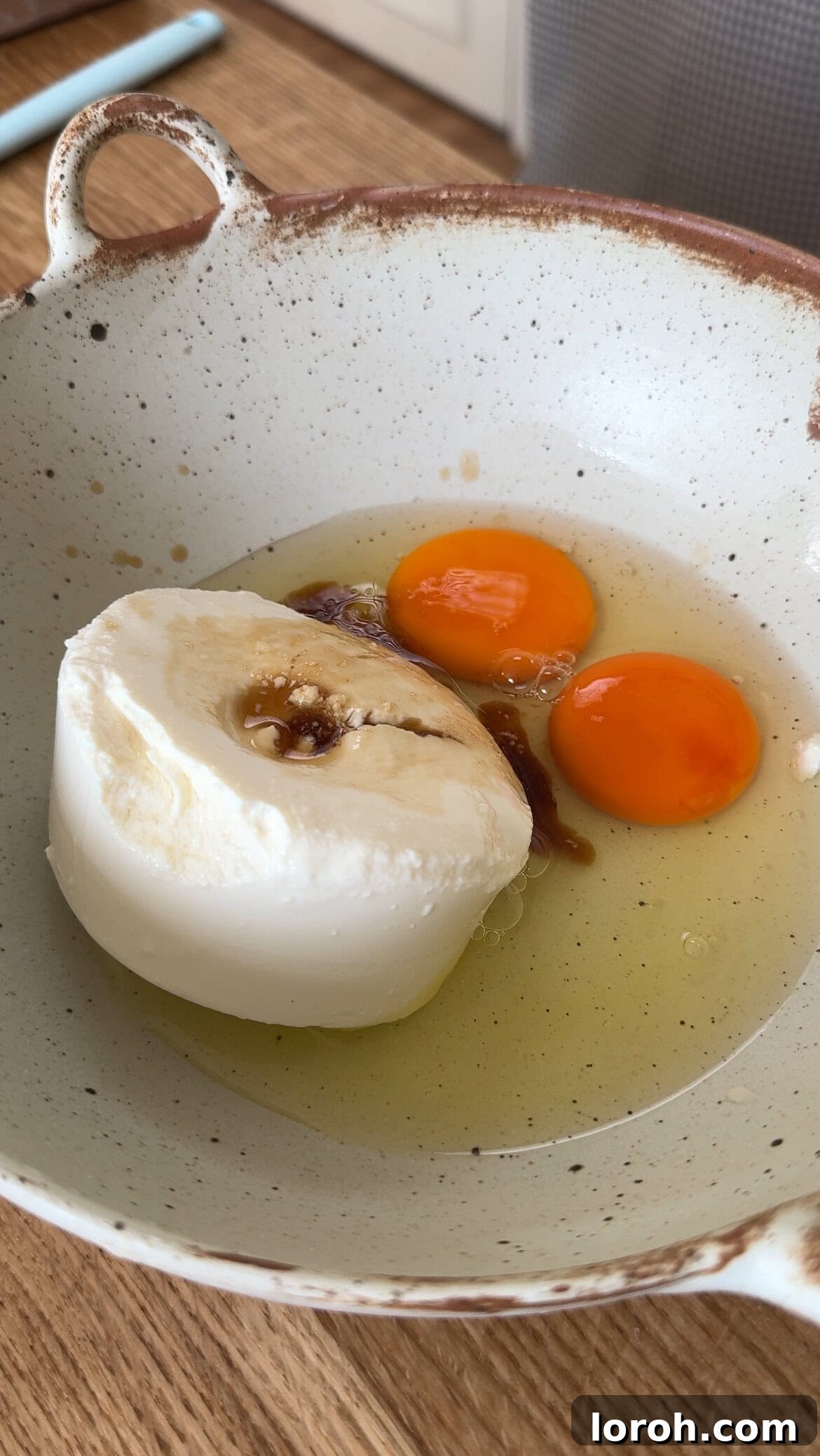
- In a spacious mixing bowl, thoroughly whisk together the drained ricotta cheese, caster sugar, and eggs until the mixture is smooth and well combined. Then, whisk in the milk until it is fully incorporated into the wet ingredients.
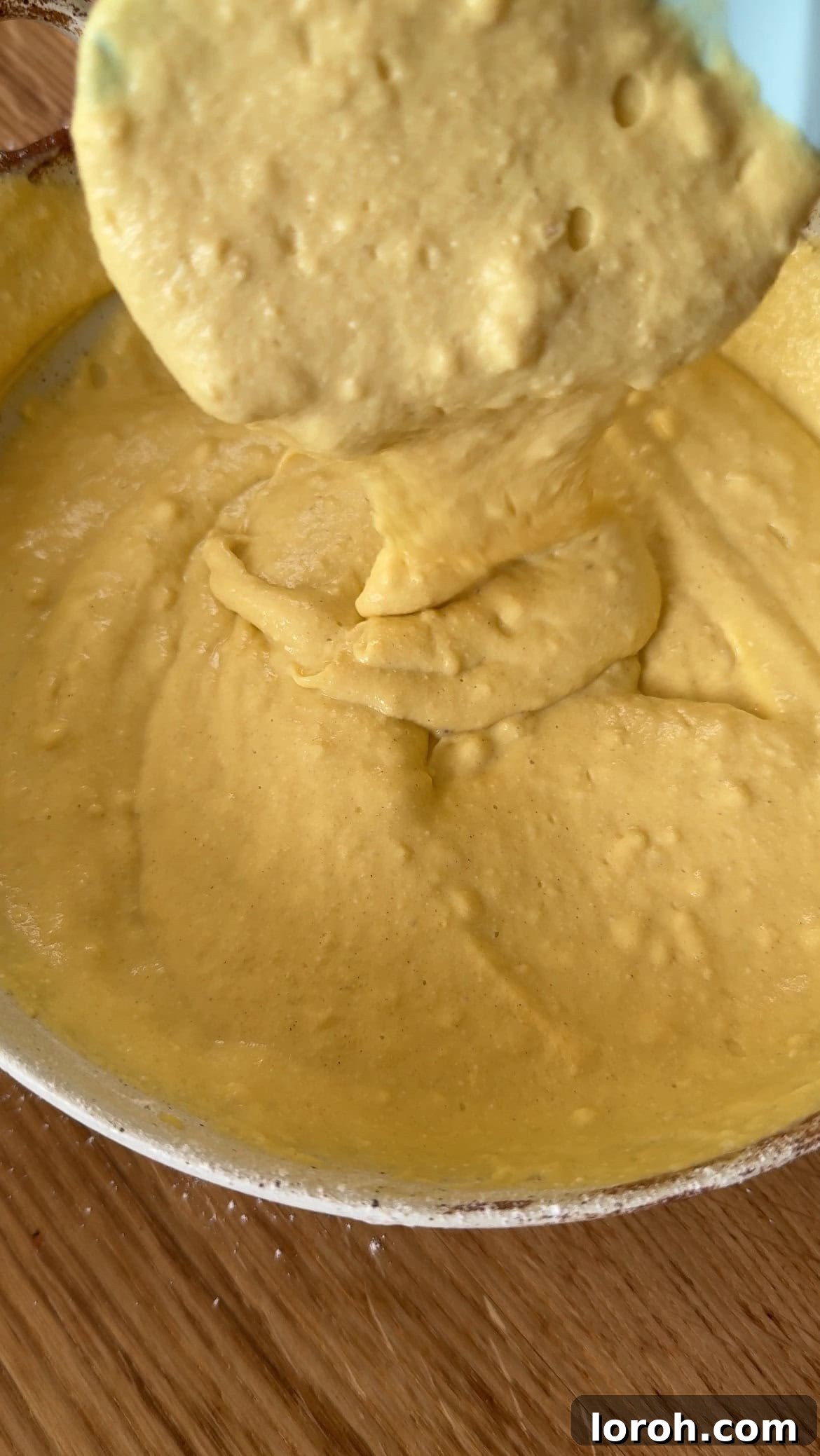
- Sift the plain flour, baking powder, and flaky salt directly into the wet ingredients in the bowl. Continue to whisk gently until the batter is completely smooth and thick, with no visible lumps, resembling the consistency of a rich cake batter.
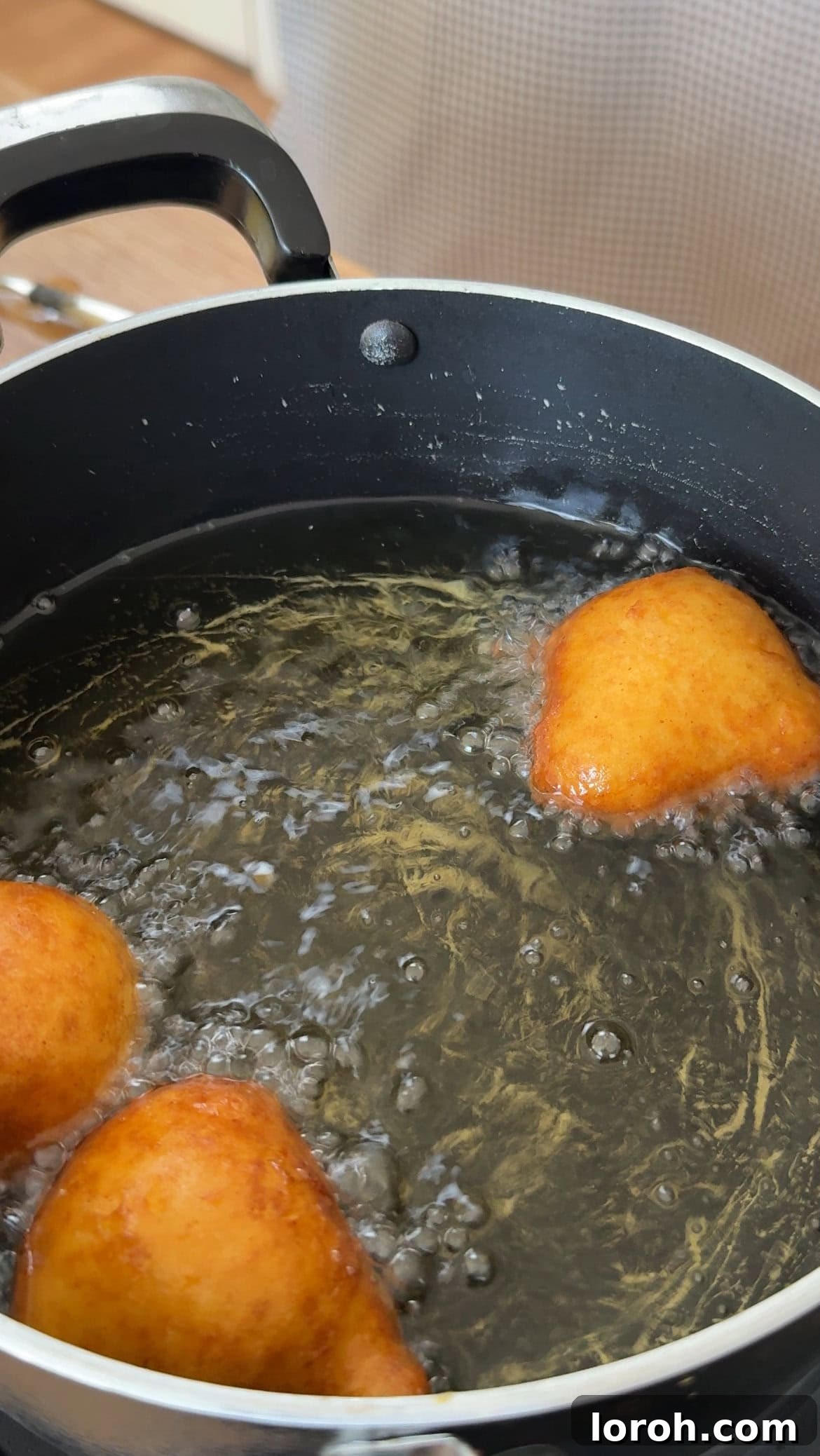
- Pour about 5cm (approximately 2 inches) of sunflower oil into a deep, wide, heavy-bottomed pan. Ensure the oil fills no more than one-third of the pan’s sides. Place the pan over a medium-high heat and warm the oil until it reaches approximately 170°C (340°F). You can test the temperature by dropping a tiny piece of batter into the oil; it should sizzle gently and immediately, without burning.
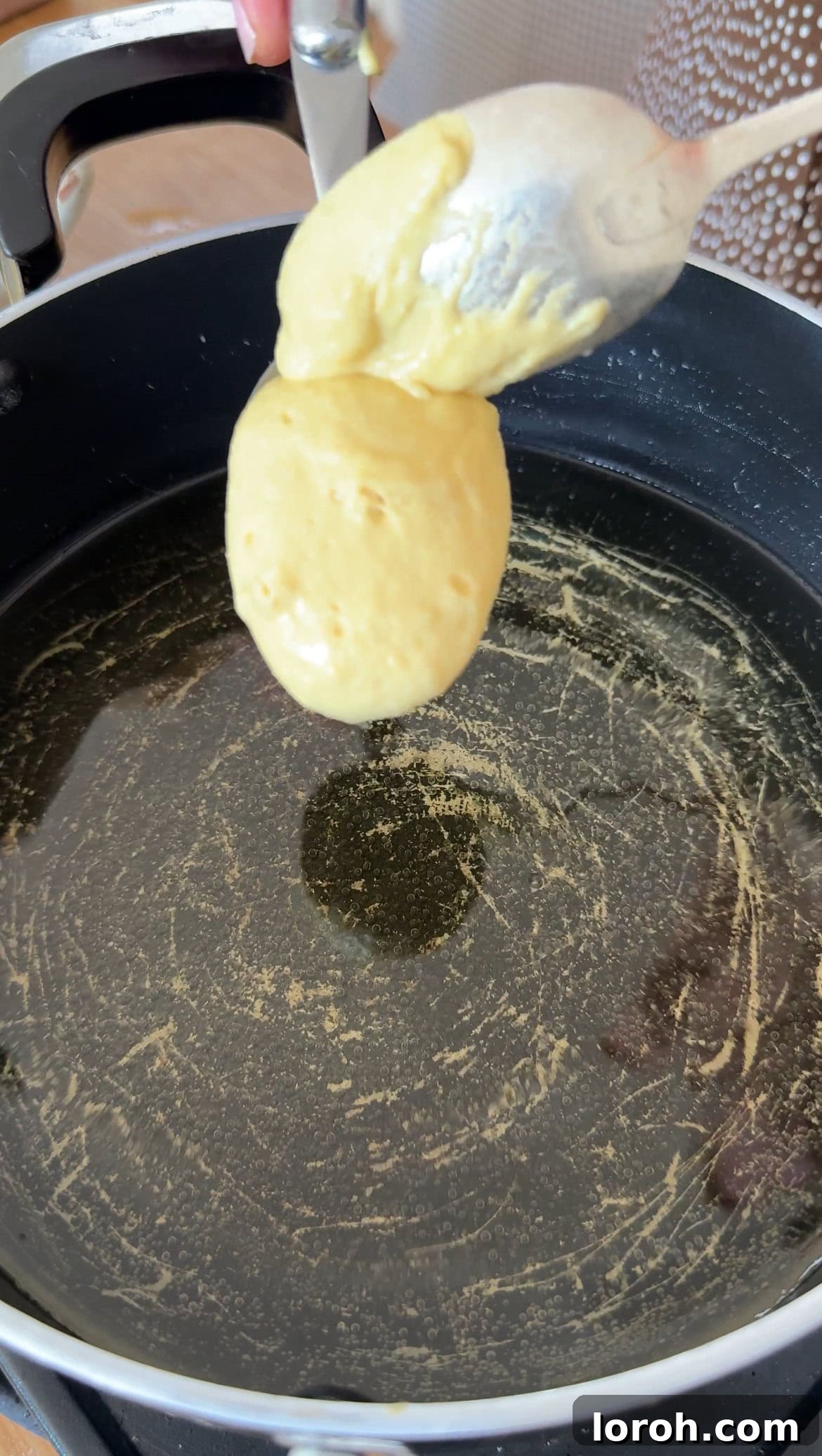
- Once the oil is at the correct temperature, use two teaspoons or a small cookie scoop to carefully drop rounded tablespoonfuls of the batter into the hot oil. Work in batches to avoid overcrowding the pan, which can cause the oil’s temperature to drop significantly. The sfingi don’t need to be perfectly shaped; their rustic appearance is part of their charm.
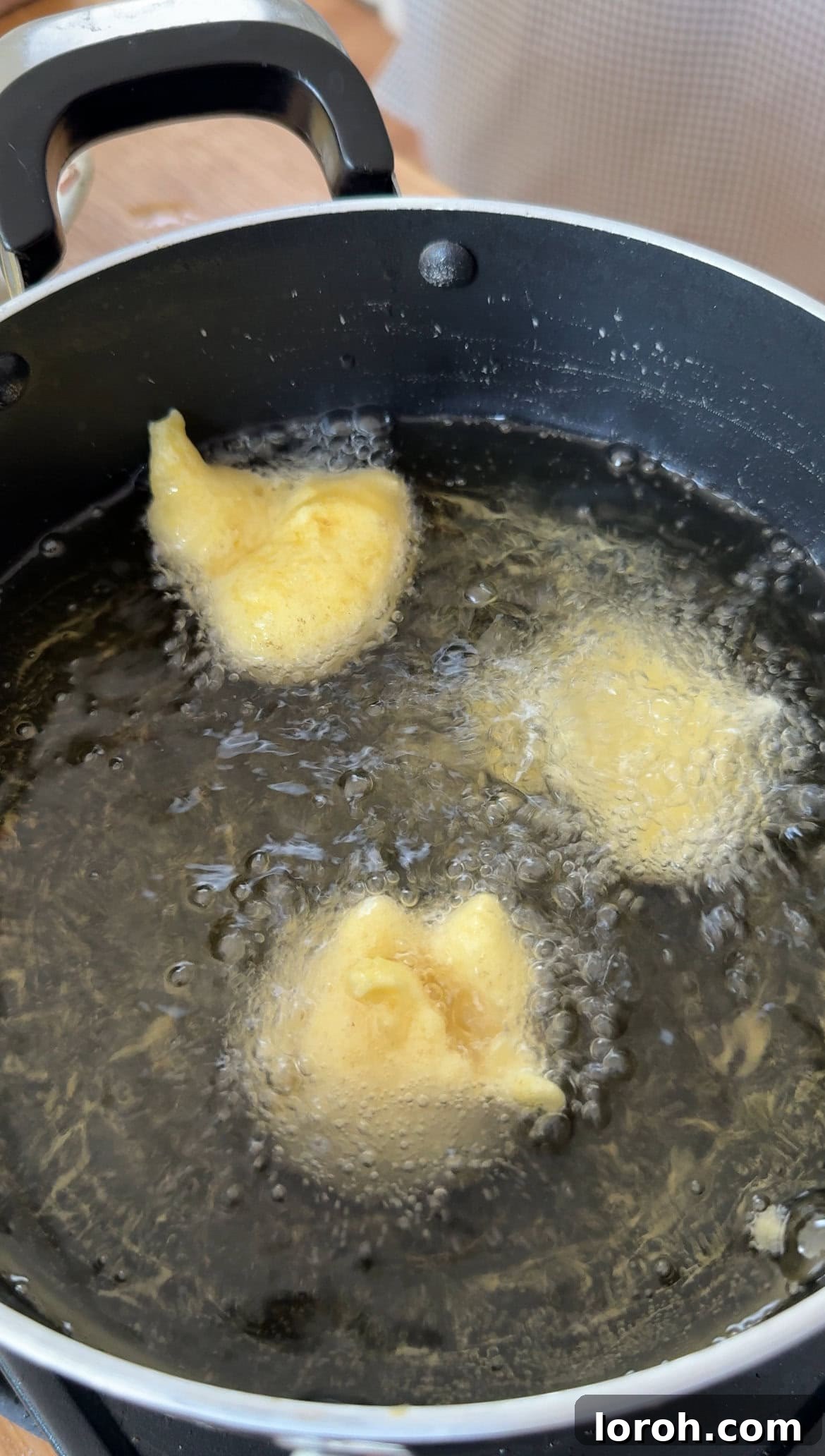
- Fry the sfingi for approximately 2 minutes on the first side until they are golden brown and puffed. Then, very carefully use a slotted spoon or spatula to roll them over. Continue frying for another 2 minutes, or until they are beautifully golden brown on all sides and thoroughly cooked through to the center.
- Using a slotted spoon, remove the fried sfingi from the hot oil and immediately transfer them to the prepared baking sheet lined with kitchen paper. This allows any excess oil to drain off, ensuring the doughnuts remain wonderfully light and non-greasy. Continue frying the remaining batter in subsequent batches.
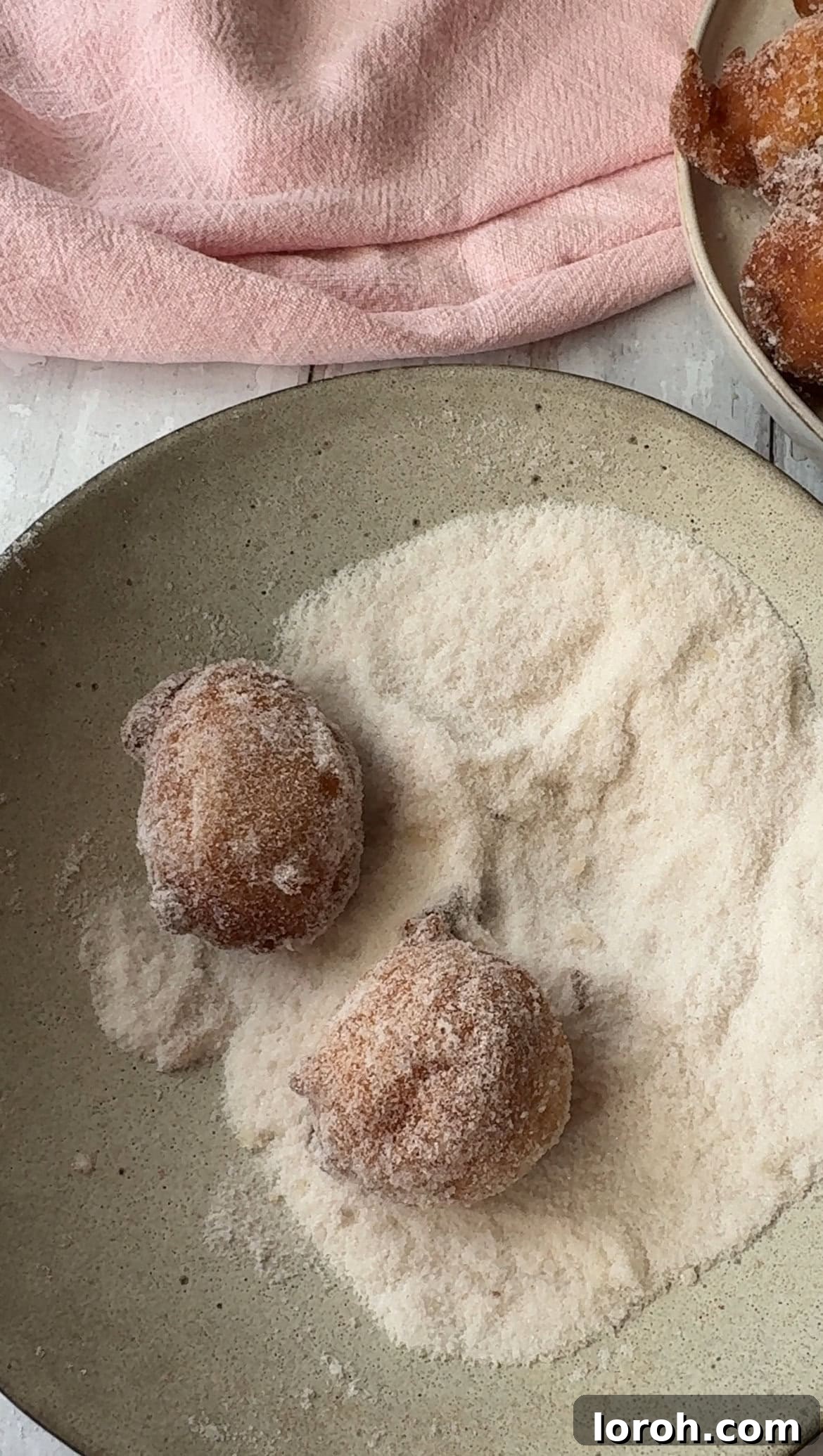
- While the sfingi are still warm (but cool enough to handle comfortably), combine the caster sugar and ground cinnamon in a shallow bowl. Add the warm sfingi to this cinnamon sugar mixture and gently toss them until each doughnut is thoroughly and evenly coated.
- Arrange the sugar-coated sfingi on a serving plate and enjoy them warm for the best possible taste and texture experience!
Notes
Refer back to the simple step-by-step guide and images provided above for a visual walkthrough on how to expertly prepare this delightful recipe.
To store: For the absolute best flavor and texture, Sfingi are ideally served fresh and warm on the day they are made. However, if you have any leftovers, they can be stored in an airtight container at room temperature for up to one day. You might find that the sugar coating has melted slightly, so a quick re-roll in fresh sugar before serving is recommended to refresh their appearance and taste.
To reheat: While Sfingi are still delicious at room temperature the next day, you can gently reheat them to restore some of their warmth and a touch of crispness. Place them in an air fryer preheated to 180°C (350°F) for about 5 minutes, or in a preheated oven until they are warmed through. Again, you may wish to re-roll them in fresh sugar after reheating.
To freeze: Fried Sfingi can be successfully frozen, but it is important to do so *before* rolling them in sugar. Allow the fried doughnuts to cool completely to room temperature. Then, transfer them to a freezer-safe bag or an airtight container, ensuring as much air as possible is removed to prevent freezer burn. They can be stored in the freezer for up to one month. To serve, defrost the sfingi at room temperature, then reheat them in the oven (180°C/350°F) or air fryer for 5-7 minutes. Roll them in sugar while warm for the best finish.
Make ahead: As with most fried sweet treats and pastries, Sfingi are truly at their peak freshness and deliciousness when enjoyed soon after preparation. Therefore, making them significantly in advance is generally not recommended unless you specifically plan to freeze them as outlined in the freezing instructions.
Serving suggestion: While not strictly traditional, serving Sfingi with a generous dollop of mascarpone cheese and a small bowl of warm fruit jam for dipping creates an incredibly delightful and indulgent dessert experience.
Coating variations: Beyond the classic cinnamon sugar, consider using vanilla sugar for a wonderfully fragrant coating, or mixing in fresh citrus zest (such as lemon or orange) for a brighter, more zesty flavor. A simple dusting of powdered sugar also offers an elegant and understated finish.
Did you love this recipe? Please consider leaving a comment and rating below!