
Cucina Povera: The Timeless Art of Italian Peasant Cooking
Literally translating to “poor kitchen,” Cucina Povera is far more than just a culinary style; it’s a profound philosophy born from the resourcefulness of rural Italian peasants. This traditional approach to cooking revolves around making more with less – a testament to ingenuity, resilience, and a deep respect for ingredients. It’s a cuisine defined by its commitment to no waste, clever resource management, utilizing every part of available produce, and a strict adherence to seasonal eating.
Historically, adopting cucina povera was not a choice but a necessity for countless Italian families. Especially in post-war Italy and during earlier periods of economic hardship, people had to make do with whatever meager provisions they could acquire. This meant a diet heavily reliant on affordable, filling carbohydrates like pasta, polenta, and bread, combined with protein-rich legumes such as lentils and beans. An abundance of seasonal vegetables formed the backbone of most meals, while meat, being an expensive luxury, was used sparingly and judiciously. When meat was included, it was typically cheaper cuts, often overlooked by wealthier patrons, which required slow cooking and clever preparation to transform into tender, flavorful dishes. This art of turning basic, inexpensive ingredients into delicious, nourishing meals is what truly defines cucina povera. As acclaimed food writer Giulia Scarpaleggia eloquently puts it, it’s l’arte dell’arrangiarsi – the “art of making do” or finding a way to manage with what’s available. It embodies a ‘fend for yourself’ mentality, challenging cooks to create sustenance and flavor from limited resources.
For many Italians, this method of cooking isn’t a deliberate choice to follow a particular trend; it is, quite simply, the only way they know how to cook. It’s deeply ingrained in their cultural fabric, a legacy passed down through generations. This inherent resourcefulness also explains the Italian dedication to seasonality, a stark contrast to many modern Western diets. With limited access to imported goods or advanced preservation techniques, peasants had no option but to utilize what was locally available in their gardens or at the market, celebrating each ingredient at its peak freshness.
The culinary traditions of cucina povera flourished predominantly in central and southern Italy. These regions, historically characterized by their rural landscapes and agrarian economies, naturally saw more widespread adoption of this frugal cooking style compared to the more industrialized northern areas. Iconic regions like Puglia, Campania, Tuscany, and Sicily are renowned as the true homes of many of these beloved, humble recipes, each contributing their unique local ingredients and techniques to the grand tapestry of Italian peasant cuisine.
Embracing the Principles: How to Master Cucina Povera
Reduce Waste: The Core of Resourceful Cooking
At the heart of cucina povera lies an unwavering commitment to zero waste. Every scrap, every leftover, every ingredient thought to be unusable finds a new purpose. Old, stale bread, rather than being discarded, is transformed into crunchy pangrattato (toasted breadcrumbs), often referred to as “poor man’s Parmesan,” used to add texture and flavor to pasta dishes or vegetables. Wilted greens or herbs, instead of being thrown away, are pounded into vibrant pestos, adding depth to soups or tossed with pasta. Even vegetable peelings, stalks, and trimmings are diligently collected to create flavorful, nutritious stocks, which form the base for risottos, soups, and stews. This approach not only prevents waste but also extracts every ounce of flavor and nutrient, ensuring that nothing goes unappreciated in the kitchen. For example, stale bread is also central to iconic dishes like Panzanella (a Tuscan bread salad) and Ribollita (a hearty Tuscan bread and vegetable soup), demonstrating how humble ingredients can be elevated to culinary masterpieces.
Eat Locally and Seasonally: A Harmony with Nature
Long before the modern farm-to-table movement, eating locally and seasonally was the only way of life for Italian peasants. The very idea of enjoying strawberries in January or ripe tomatoes in March would have been utterly foreign, and indeed, impossible. This practice stemmed from necessity, as communities relied on what they could grow themselves or trade with their neighbors. This deep connection to the land and its cycles ensured maximum freshness, superior flavor, and optimal nutritional value for their produce.
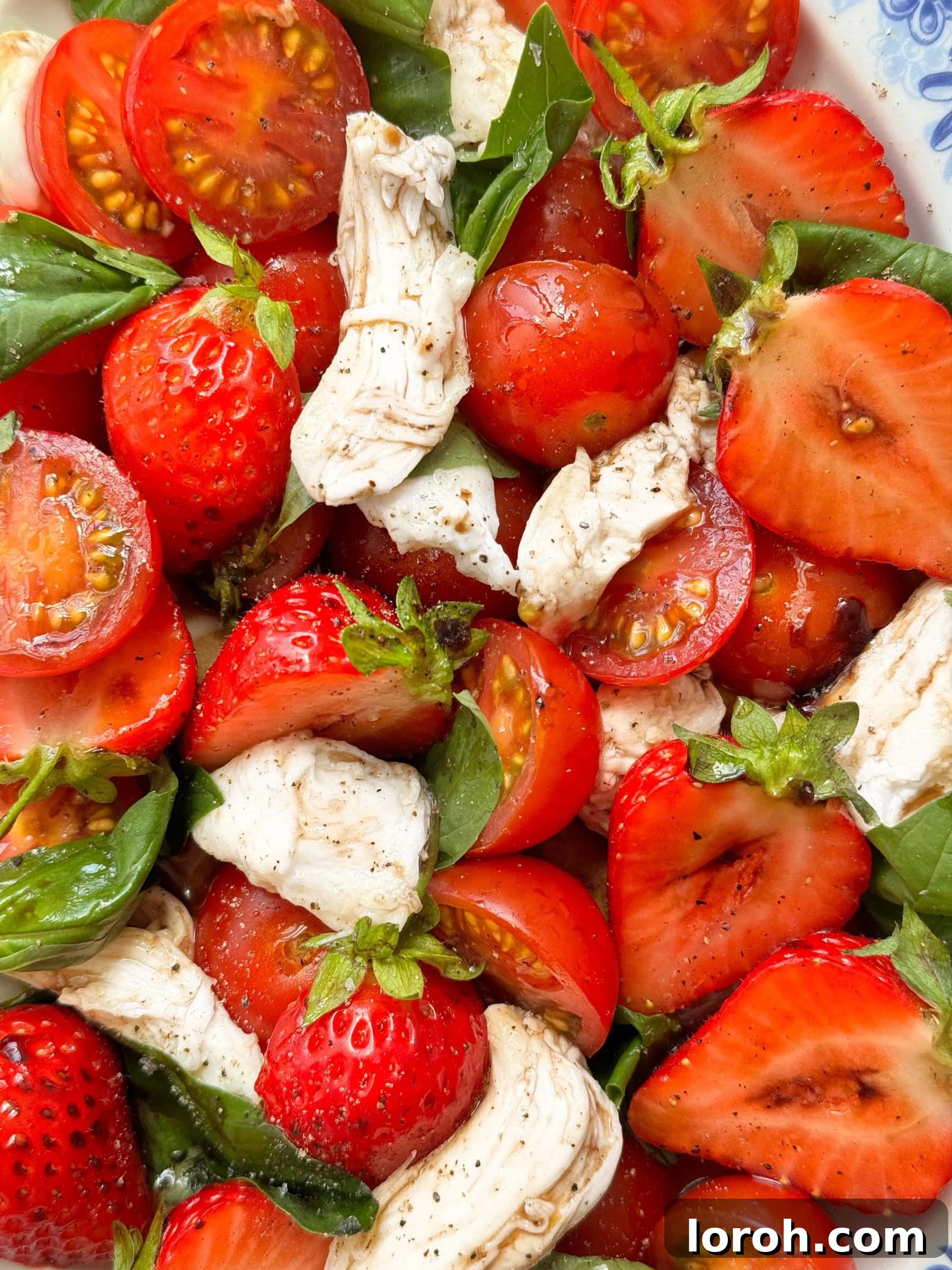
Today, while choices abound, embracing local and seasonal eating remains a cornerstone of cucina povera, offering myriad benefits. It significantly reduces “food miles,” thereby lessening environmental impact, and supports local farmers and economies. It encourages a more mindful approach to food consumption, appreciating ingredients when they are naturally at their best. To adopt this principle, visit your local farmers’ markets, understand the seasonal calendar for your region, and plan your meals around what’s fresh and abundant. This simple shift can transform your cooking and deepen your appreciation for food.
The Art of Meat and Preservation: Nose-to-Tail Eating
In the spirit of cucina povera, meat was a precious commodity, never to be wasted. Unlike today’s supermarkets offering pre-packaged, prime cuts, peasant households and local butchers practiced a “nose-to-tail” philosophy. This meant every single part of an animal was utilized, ensuring nothing went to waste. This approach not only stretched precious resources but also led to the creation of incredibly flavorful and ingenious dishes.
This is precisely why dishes like slow-cooked ragù became so popular. They relied on long, gentle cooking times to tenderize tougher, cheaper cuts of meat – think oxtail, pork shoulder, or beef cheek – transforming them into rich, melt-in-your-mouth sauces that extended their flavor throughout a meal. Similarly, the tradition of *salumi* (cured meats) flourished. By curing, salting, and fermenting various cuts and even offcuts and fat, Italians created products that not only preserved meat for extended periods without refrigeration but also concentrated their flavors. This allowed families to store meat safely throughout the year and use smaller portions to impart robust taste to otherwise simple vegetable or pasta dishes, reflecting the ingenious resourcefulness inherent in cucina povera.
Classic Cucina Povera Recipes: Humble Origins, Rich Flavors
Pasta e Fagioli: The Ultimate Comfort Stew
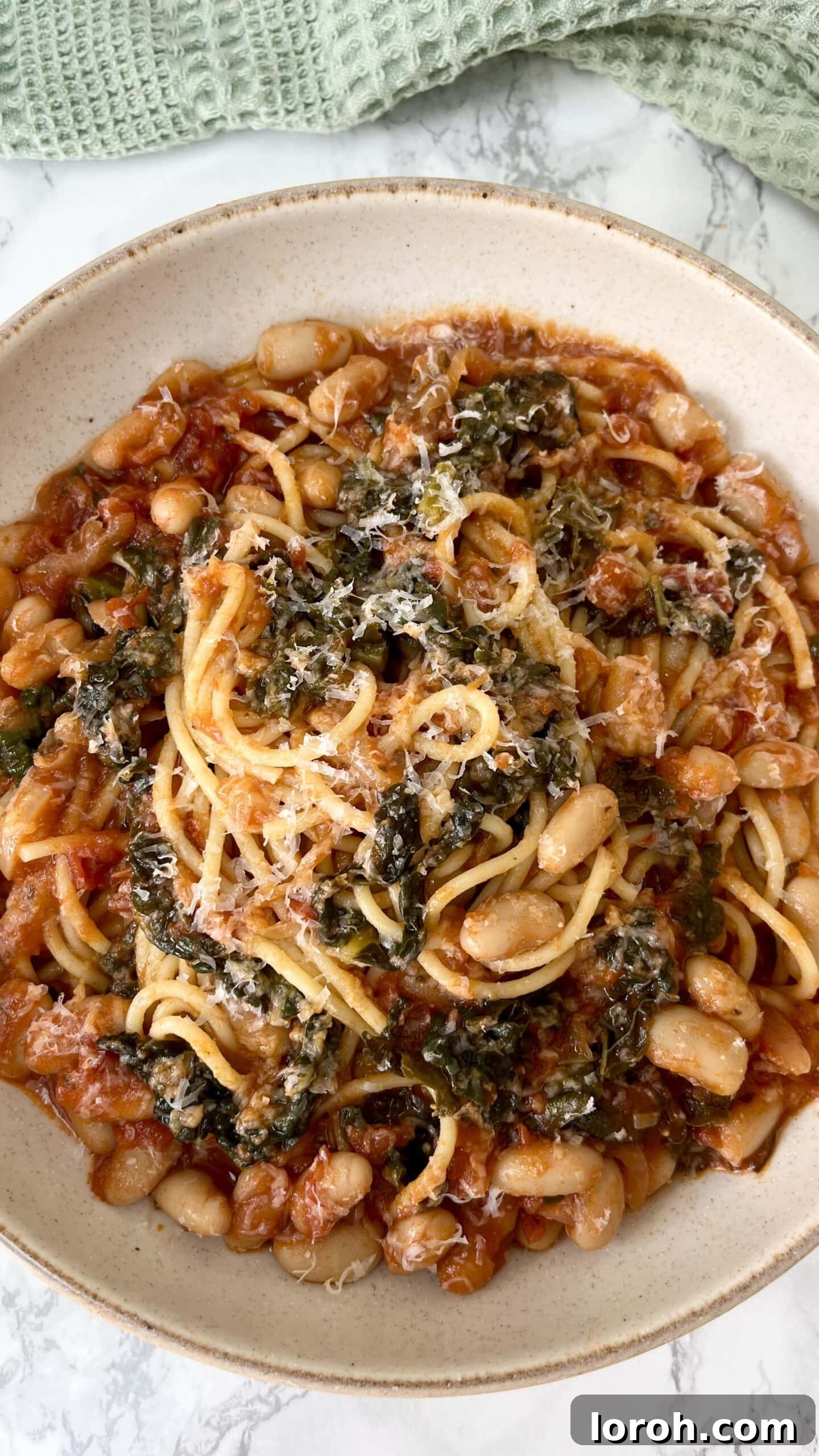
Inspired by culinary enthusiasts like Stanley Tucci, Pasta e Fagioli stands as a quintessential embodiment of cucina povera. This hearty, filling, and incredibly affordable pasta recipe is typically brimming with nourishing beans, often cavolo nero or other greens, and canned tomatoes – all staples of a frugal pantry. It’s an absolute must-try, with virtually every region, and indeed every household, boasting its own unique version, reflecting local ingredients and family traditions. From a thick, stew-like consistency in some areas to a more brothy soup in others, Pasta e Fagioli remains a beloved symbol of Italian comfort food, rich in flavor and deeply satisfying.
Pasta e Ceci: Simplicity and Sustenance
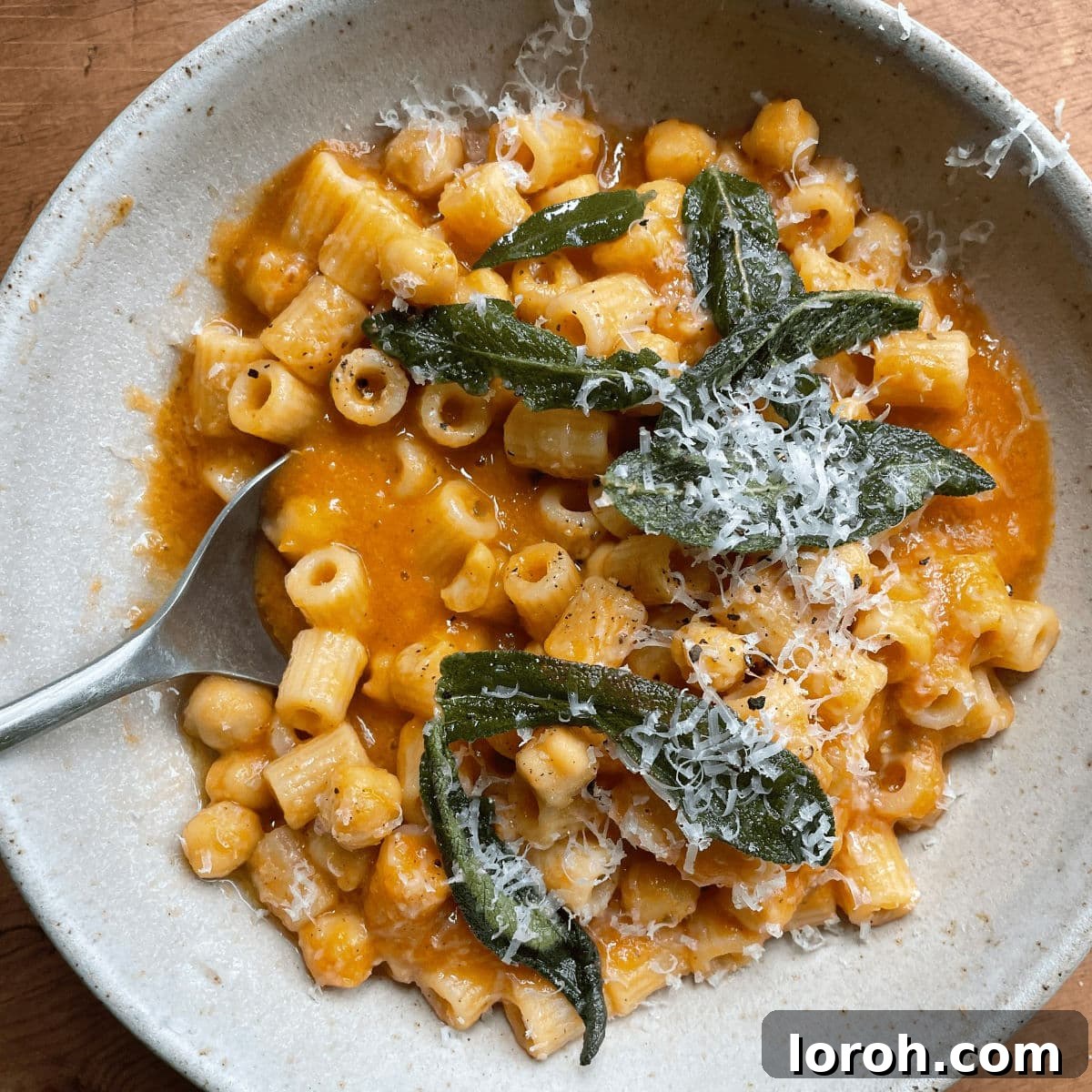
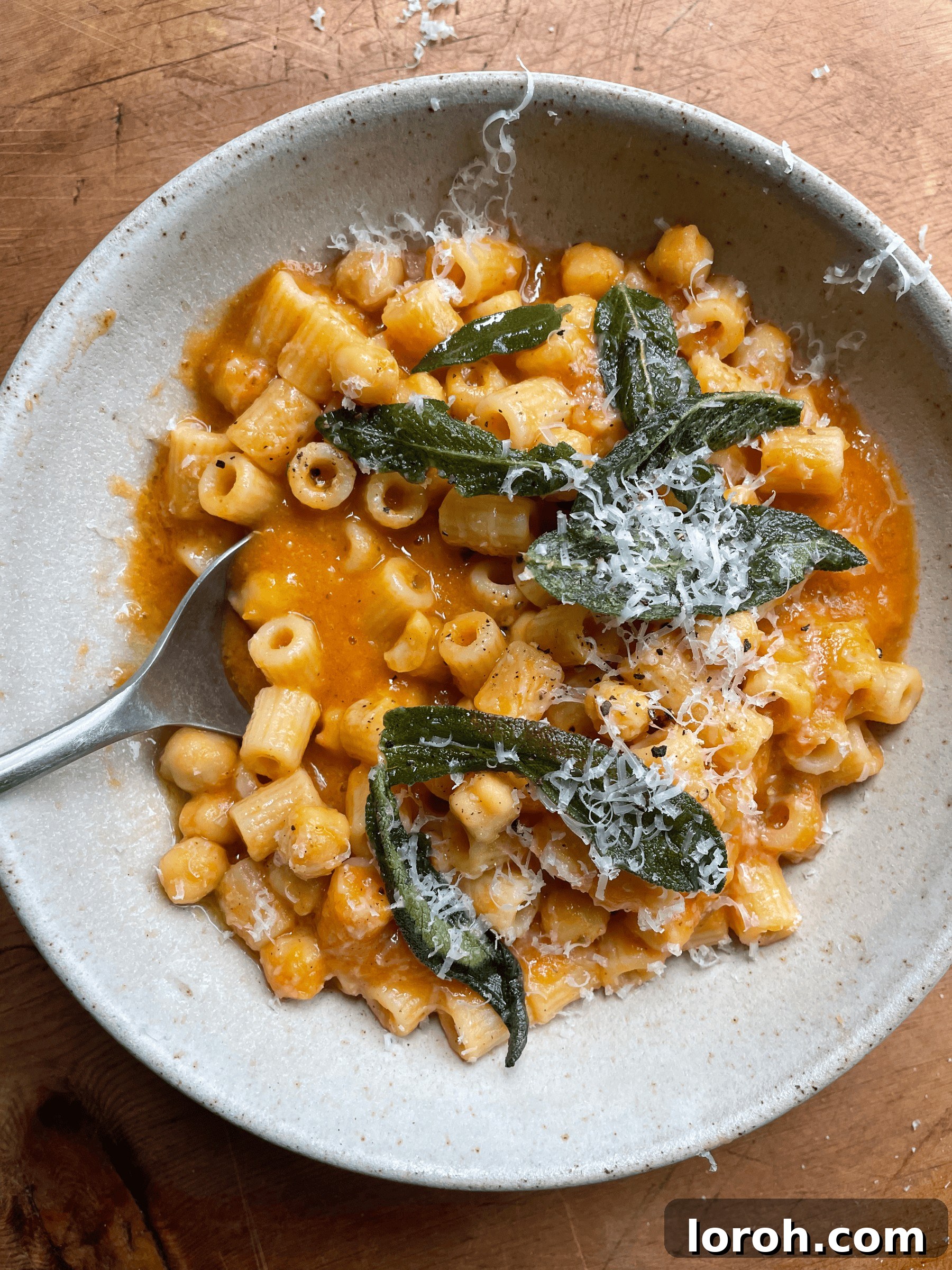
Pasta e Ceci, or pasta with chickpeas, is another celebrated classic from the Italian ‘poor kitchen’. This dish perfectly illustrates how simple, readily available ingredients can create a profoundly satisfying meal. Cheap and wonderfully filling, it relies on the wholesome goodness of chickpeas and pasta as its main base, often supplemented with a few vegetables and aromatics. While our modern recipe might be elevated with generous lashings of Parmesan and crispy sage leaves – ingredients that would have been luxuries for the truly impoverished – the traditional version focuses on the pure, comforting essence of chickpeas and pasta, often seasoned simply with garlic, olive oil, and a touch of chili. It’s a testament to the power of legumes as an affordable, protein-rich staple that sustained generations.
Pasta Alla Puttanesca: A Pantry Powerhouse
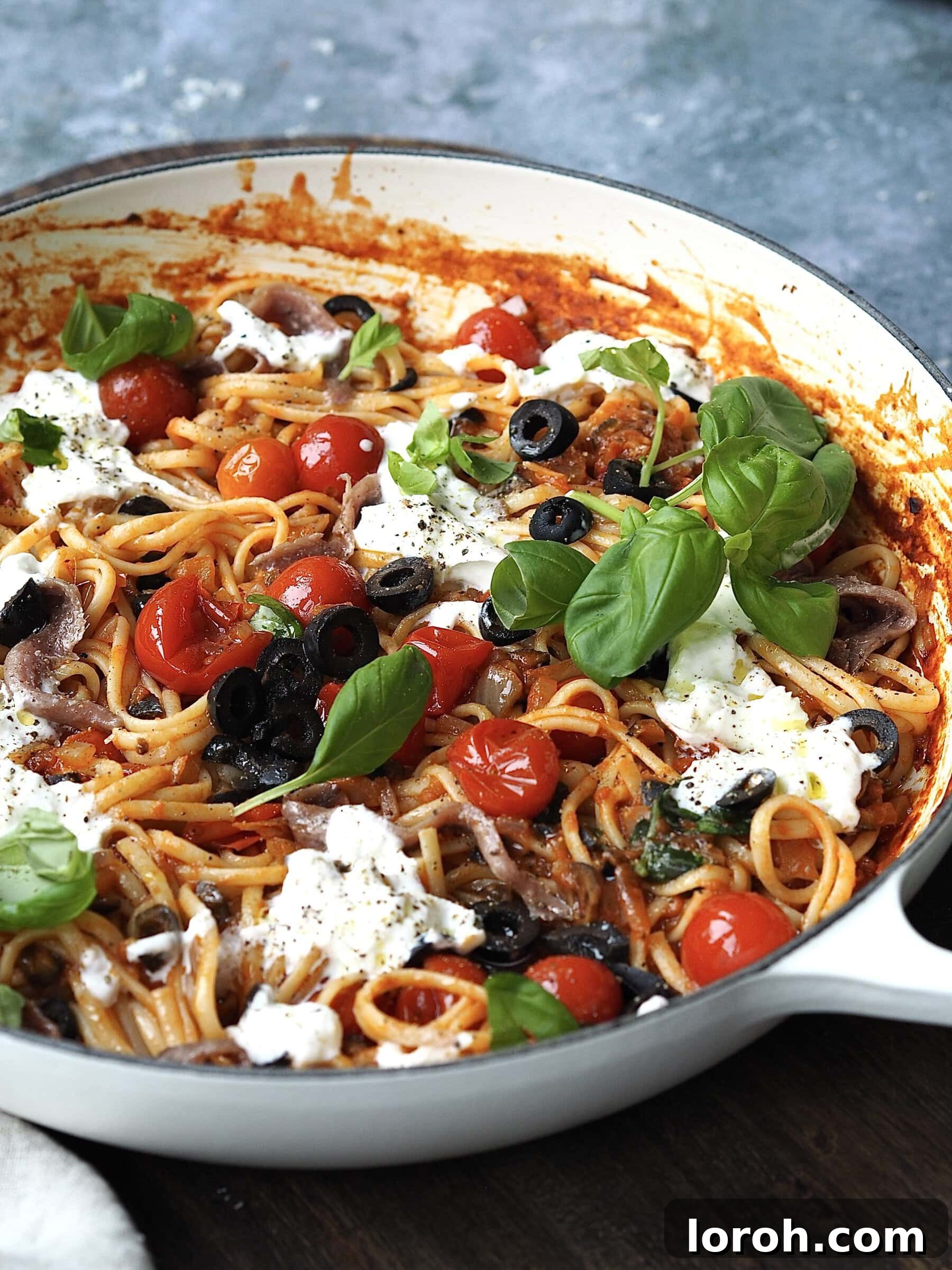
Spicy, warming, and bursting with robust flavors, Pasta Alla Puttanesca is a quintessential cucina povera staple, particularly known for its reliance on jarred and pantry ingredients. Originating from Naples, this quick and flavorful dish harnesses the bold tastes of canned tomatoes, olives, capers, garlic, and chili flakes. These ingredients were easily stored, affordable, and provided immense flavor without the need for fresh, expensive produce. While serving it with creamy burrata, as many modern recipes suggest, is certainly not traditional to the frugal spirit of cucina povera, the cooling contrast it offers to the fiery sauce is undeniably delightful. At its heart, however, Puttanesca remains a brilliant example of how resourceful cooks could create a deeply satisfying meal from non-perishable items.
Salumi: The Art of Italian Cured Meats
The broad term Salumi refers to a vast array of Italian cured meats, encompassing favorites such as prosciutto, bresaola, coppa, soppressata, pancetta, mortadella, and nduja, to name just a few. In the context of cucina povera, salumi were not merely delicacies but vital preservation methods. The curing process, involving salting, spicing, and often air-drying, was essential for preserving meat long before refrigeration was common, ensuring longevity and a stable food source throughout the seasons.
Beyond preservation, curing also concentrates the flavors and saltiness, allowing smaller portions to profoundly boost the taste of what might otherwise be plain vegetable or grain-based dishes. Examples like soppressata and nduja (a spicy, spreadable sausage from Calabria) are particularly relevant to cucina povera. These were often crafted from a clever mix of offcuts, lesser-used parts, and fat, ensuring that every morsel of the animal was utilized. This ingenious transformation of humble ingredients into delicious, long-lasting cured sausages or spreads epitomizes the no-waste, resourceful spirit of Italian peasant cooking.
Frequently Asked Questions About Cucina Povera
Literally translating to “poor kitchen,” cucina povera is a traditional Italian cooking philosophy originating from rural peasants. It emphasizes resourcefulness, utilizing every part of ingredients, seasonal eating, and creating delicious, nourishing meals from humble, affordable staples. It’s a testament to making the most out of very little, born out of necessity but enduring as a respected culinary art form.
Many iconic Italian dishes have their roots firmly planted in cucina povera. Some of the most famous include:
- Pasta e Fagioli: A hearty pasta and bean soup/stew, widely varied by region.
- Risi e Bisi: A Venetian rice and pea dish, often described as a thick soup or risotto.
- Panzanella: A Tuscan bread salad made with stale bread, tomatoes, and other garden vegetables.
- Ribollita: Another Tuscan classic, a thick vegetable and bread soup, often reheated (“re-boiled”).
- Spaghetti Aglio e Olio: A simple, yet incredibly flavorful pasta dish with garlic, olive oil, and chili.
- Minestrone: A versatile vegetable soup that uses whatever is in season and available.
- Fagioli all’Uccelletto: Tuscan white beans cooked with sage and tomato.
These dishes exemplify how basic ingredients can be transformed into incredibly flavorful and satisfying meals.
While all Italian cuisine shares a foundation of fresh ingredients and robust flavors, cucina povera distinctively prioritizes affordability and resourcefulness. It heavily focuses on legumes, grains, vegetables (often foraged or home-grown), and economical cuts of meat or offal. In contrast, other broader Italian culinary styles, particularly those developed in more affluent regions or for special occasions, may feature more luxurious ingredients like prime cuts of meat, abundant seafood, richer cheeses, more eggs, and complex sauces, which would have been inaccessible or impractical for the rural poor. Cucina povera celebrates simplicity and necessity over extravagance.
Cucina povera originated out of sheer necessity in the poor, rural areas of Italy, with roots stretching back as far as the Middle Ages and persisting through centuries of economic hardship, including the post-war period. Italian peasants and common folk had to survive and make nourishing, filling meals with extremely limited resources. This continuous challenge fostered an enduring attitude of resourcefulness, creativity, and a deep respect for every ingredient, giving birth to the culinary philosophy of la cucina povera. It’s an approach to cooking that still profoundly influences Italian cuisine today, serving as a core pillar of its identity and showcasing the resilience of its people.
Easy Dessert Recipes
Sfingi (Italian Doughnuts)
Comfort Food
Pesto Lasagne (Lasagne al Pesto)
Lunch Recipes
Frittata di Zucchini (Zucchini Frittata)
Easy Dinner Recipes
Zucchini Risotto (Risotto di Zucchini)