
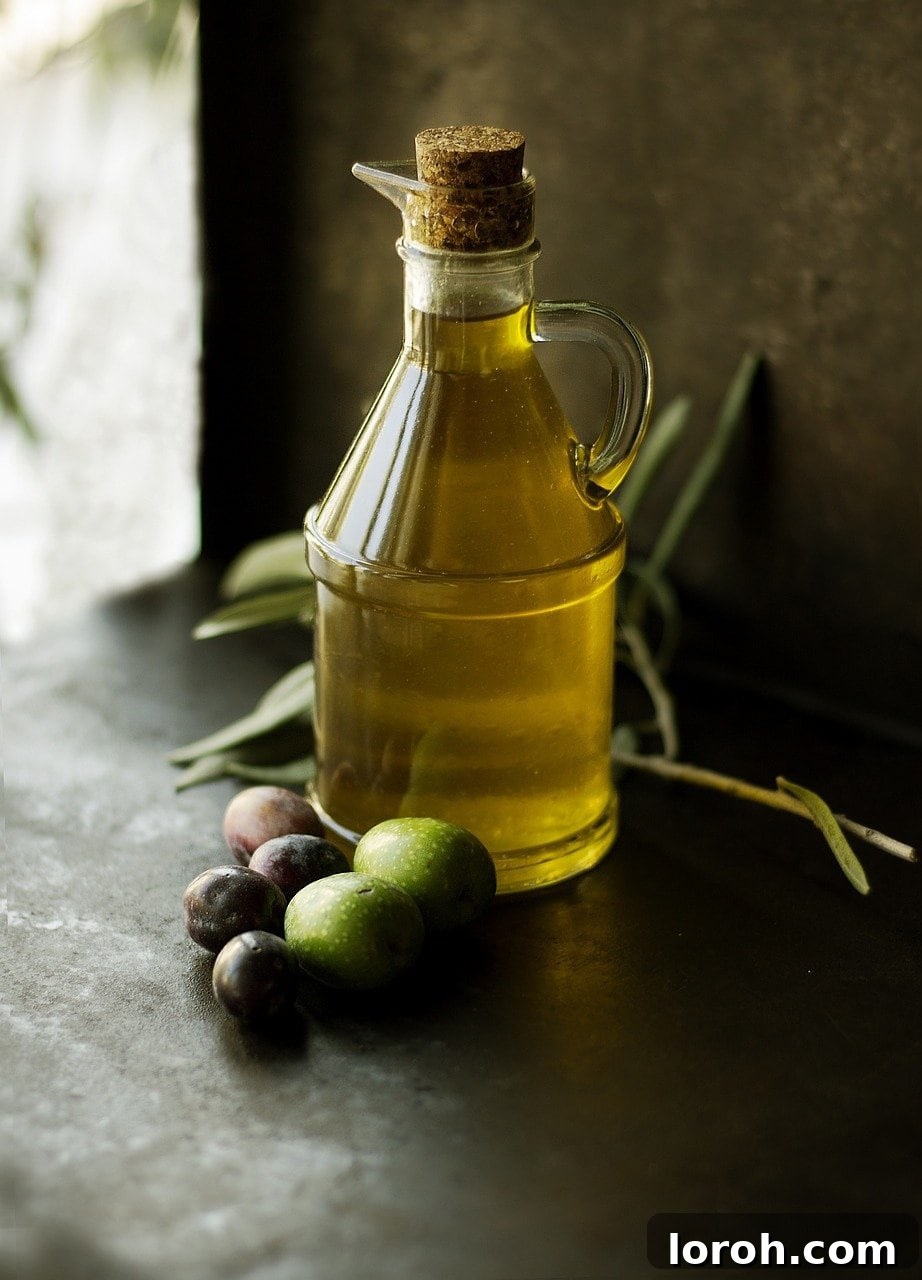
Mastering Cooking Oils: A Comprehensive Guide to Neutral, Flavored, and Specialty Fats
In the vast and exciting world of culinary arts, few ingredients are as fundamental and versatile as cooking oils. Far more than just a medium for heat transfer, the right oil can profoundly impact the flavor, texture, and even the nutritional value of your dishes. Understanding the diverse properties of different oils – from their smoke points and flavor profiles to their processing methods – is a crucial skill for any home cook or professional chef aspiring to elevate their creations. This comprehensive guide will demystify the extensive array of options available, empowering you to confidently select the perfect fat for every cooking method and desired outcome.
The Two Primary Categories: Neutral vs. Flavored Oils
At its heart, the world of cooking oils can be broadly categorized into two distinct groups: those designed for their lack of flavor, known as neutral oils, and those specifically chosen for their ability to impart unique characteristics, referred to as flavored or specialty oils. Each category serves a vital, albeit different, purpose in the kitchen, and discerning when to employ each is a cornerstone of sophisticated cooking.
Neutral Cooking Oils: The Unsung Heroes of Versatility
A neutral oil, as its designation implies, possesses an almost imperceptible flavor. Its primary function is to facilitate cooking processes without interfering with or altering the intrinsic taste profile of your final dish. These oils are indispensable in countless culinary applications where the objective is to allow other ingredients to shine, or when a clean, pure taste is paramount. Their inherent lack of dominant flavor makes them exceptionally versatile, serving as an excellent conduit for heat, an emulsifying agent, and a tenderizing component in various recipes.
Perhaps the most critical attribute of neutral oils is their remarkably high smoke point. The smoke point represents the temperature at which an oil begins to decompose, producing visible smoke. When an oil surpasses its smoke point, it not only develops an unpleasant, acrid, burnt taste that can ruin a dish, but it also releases free radicals and undesirable compounds, potentially compromising the nutritional integrity and safety of your food. High smoke point oils are engineered to withstand elevated temperatures without degrading, making them the optimal choice for demanding cooking methods such as deep frying, searing, roasting, and high-heat sautéing and stir-frying.
Among the most widely utilized and accessible neutral oils are:
- Vegetable Oil: Often a proprietary blend of various plant-derived oils, vegetable oil is a ubiquitous and cost-effective pantry staple. It is renowned for its consistent high smoke point and extremely mild flavor profile, making it a reliable choice for general-purpose cooking, including frying, baking, and the creation of dressings where a discreet base is preferred. Its versatility is unmatched for everyday kitchen tasks.
- Canola Oil: Extracted from specific varieties of the rapeseed plant, canola oil stands as another highly popular neutral option. It is particularly valued for its consistently high smoke point, typically ranging between 204°C and 230°C (400°F and 446°F), coupled with its exceptionally mild flavor. Furthermore, its favorable fatty acid composition, rich in monounsaturated and omega-3 fatty acids, often positions it as a healthier choice for many discerning cooks.
- Rapeseed Oil: While the term “canola oil” specifically refers to a variety of rapeseed oil with low erucic acid, traditional rapeseed oil can sometimes exhibit a more pronounced, slightly pungent flavor. However, the types of rapeseed cultivated specifically for culinary oil production are carefully selected for their neutrality. Modern cold-pressed rapeseed oils, available in some regions, can offer a delicate, slightly nutty undertone while still maintaining a relatively high smoke point, thereby bridging the gap between purely neutral and subtly flavored options.
- Sunflower Oil: Derived from the seeds of sunflowers, this oil comes in several forms. High-oleic sunflower oil, in particular, boasts an impressive smoke point (often around 232°C / 450°F) and an impeccably clean, neutral taste, rendering it outstanding for virtually all types of high-heat cooking. Standard sunflower oil is also a perfectly reliable choice for deep frying and various baking applications.
- Safflower Oil: Much like sunflower oil, high-oleic safflower oil provides a wonderfully neutral flavor and a high smoke point, making it eminently suitable for deep frying, pan-frying, and other demanding culinary applications where flavor neutrality is desired.
- Grapeseed Oil: Characterized by its lighter body and remarkably neutral flavor, grapeseed oil also features a commendably high smoke point (approximately 216°C / 420°F). It is an excellent selection for crafting delicate salad dressings, light sautéing, and even baking, where a subtle touch of fat is required without any intrusive flavor.
- Refined Avocado Oil: While unrefined avocado oil can have a slight, pleasant flavor, the refined version is specifically processed to remove any distinctive taste, making it incredibly neutral. It also boasts one of the highest smoke points (up to 271°C / 520°F), making it an exceptional choice for the most rigorous high-heat cooking tasks.
These oils serve as your essential arsenal for preparing dishes such as exquisitely crispy fried chicken, tender and airy baked muffins, vibrant stir-fries, or any recipe where the oil’s primary function is to provide a cooking medium without asserting its own identity over the star ingredients.
Flavored Cooking Oils: Adding Depth and Character
In stark contrast to their neutral counterparts, flavored oils are deliberately chosen for their distinctive taste, captivating aroma, and often vibrant color. These oils are not merely cooking mediums; they are integral components in dishes where their unique characteristics are intended to enhance, complement, or even fundamentally define the overall flavor profile. While generally less suitable for extremely high-heat applications due to their typically lower smoke points, they excel magnificently in a host of other crucial culinary roles.
- Extra Virgin Olive Oil (EVOO): Perhaps the most celebrated and globally recognized flavored oil, EVOO is the undisputed cornerstone of Mediterranean cuisine. As an unrefined, first cold-pressed oil, it meticulously retains the robust, complex, and often fruity, peppery, or grassy notes characteristic of fresh olives. With a relatively moderate smoke point (around 190°C / 375°F), EVOO is best reserved for finishing dishes, crafting sublime salad dressings, preparing flavorful marinades, serving as a delectable dipping oil for bread, and for gentle, light sautéing. Its intricate flavor is absolutely crucial in classic preparations like spaghetti aglio e olio, homemade pesto, or simply drizzled generously over grilled vegetables to enhance their natural sweetness.
- Virgin and Regular Olive Oil: These grades of olive oil, while not possessing the same intense flavor or low acidity as Extra Virgin, still carry a distinct olive essence. They are more versatile for general cooking, pan-frying, and light baking applications where the presence of an olive note is desirable without the premium cost or intensity of EVOO.
- Coconut Oil: The flavor profile of coconut oil varies significantly based on its processing. Virgin (unrefined) coconut oil offers a wonderfully distinct tropical, sweet coconut aroma and flavor, making it an excellent choice for Asian and tropical-inspired cuisines, specific baking recipes (particularly in vegan preparations), and enriching smoothies. Its unique property of solidifying at room temperature also imparts distinctive textural qualities in baked goods. Refined coconut oil, on the other hand, has had its coconut flavor largely removed, making it a neutral, high-smoke-point option.
- Toasted Sesame Oil: This incredibly potent finishing oil possesses an undeniably rich, nutty, and unmistakable aroma that is central to many Asian dishes. Due to its very low smoke point and intense flavor, toasted sesame oil is seldom used for direct cooking. Instead, a mere few drops are typically added at the very end of the cooking process or incorporated into dressings to impart authentic and profound Asian flavors to stir-fries, noodle dishes, and marinades.
- Avocado Oil: While its refined counterpart can be neutral, unrefined avocado oil boasts an impressive smoke point (up to 271°C / 520°F) and a mild, buttery, slightly nutty flavor. This subtle richness makes it a “flavored” oil in certain contexts, particularly for sophisticated dressings or dishes where its gentle notes can provide a delightful enhancement without overpowering other ingredients.
- Nut Oils (Walnut, Hazelnut, Almond): These delicate and highly aromatic oils are almost exclusively employed as finishing oils or in cold preparations like dressings due to their distinct, rich, and often intensely nutty flavors combined with very low smoke points. They are superb for drizzling over fresh salads, pasta dishes, or specialty baked goods, adding a layer of gourmet sophistication.
- Pumpkin Seed Oil: Celebrated for its striking dark green hue and intense, nutty, slightly sweet, and earthy flavor, pumpkin seed oil is primarily utilized as a finishing oil. It is a staple in various European cuisines, often drizzled artistically over creamy soups, vibrant salads, and even certain desserts to add a unique flavor dimension.
- Chili Oil and Garlic Oil: These infused oils offer an immediate flavor boost. Whether store-bought or homemade, chili oil provides a spicy kick and often a vibrant red color, while garlic oil infuses dishes with a warm, aromatic garlic essence. They are perfect for drizzling over finished dishes, using in marinades, or for sautéing.
Refined or Unrefined: Understanding the Processing
The crucial distinction between refined and unrefined oils lies in the extent of processing they undergo after being extracted from their source plant. This level of processing exerts a significant influence on an oil’s inherent flavor, aroma, color, smoke point, and even its overall shelf life.
Unrefined Oils: Nature’s Purest Expression
Unrefined oils, frequently labeled as “virgin,” “extra virgin,” or “cold-pressed,” are characterized by minimal processing. Following the initial crushing of the raw material (be it seeds, fruits, or nuts) to extract the oil, it typically undergoes only fundamental filtration to remove any solid sediments. This gentle, non-intensive process is designed to ensure that the oil retains the maximum possible amount of its natural flavors, characteristic aromas, and beneficial nutritional compounds originally present in the plant source. The distinct and often robust taste of unrefined oils is frequently a highly prized attribute, lending depth, complexity, and authenticity to a wide range of dishes. However, precisely because they contain more inherent impurities and volatile compounds, unrefined oils generally exhibit a lower smoke point and tend to have a shorter shelf life compared to their refined counterparts.
Prime examples of unrefined oils include extra virgin olive oil, virgin coconut oil, toasted sesame oil, and the majority of specialty nut oils. These are best employed in culinary applications where their intrinsic, unadulterated flavors are intended to be celebrated and showcased, such as in fresh salad dressings, as elegant dipping oils, in vibrant marinades, or as a delicate finishing drizzle over already cooked dishes. Due to their lower smoke points, they are generally not recommended for high-heat cooking methods like deep frying, which could destroy their delicate flavors and create undesirable compounds.
Refined Oils: Enhanced Stability and Neutrality
Conversely, oils that are designated “refined” have undergone a series of additional, more intensive processing steps subsequent to their initial extraction. These sophisticated steps often encompass heating, bleaching, filtering, and deodorizing. Each stage is meticulously designed to purify the oil, significantly extend its shelf life, and, crucially, to eliminate strong flavors, pronounced aromas, and undesirable colors. The comprehensive refining process intentionally strips away some of the more volatile compounds that contribute to an oil’s natural character but also tend to lower its smoke point. Consequently, refined oils are inherently more stable when subjected to high temperatures and invariably possess a substantially higher smoke point than their unrefined counterparts.
Common examples of widely available refined oils include standard vegetable oil, canola oil, sunflower oil (non-high-oleic varieties are often refined), refined olive oil, and refined coconut oil. Their pronounced neutrality makes them unequivocally ideal for demanding culinary tasks such as deep frying, general baking, and sautéing, where the expectation is for the oil to perform its functional role as a silent workhorse rather than to act as a significant flavor contributor. If your ultimate goal is to achieve the absolute most neutral oil possible, the strategic choice would be to opt for an already mild-tasting oil (such as canola or sunflower) specifically in its refined version. This ensures maximum stability and minimal flavor impact.
Choosing the Best Oil for Your Cooking Method
The selection of the appropriate cooking oil is not a universal, one-size-fits-all decision. Instead, it is a nuanced choice that hinges heavily on the specific cooking technique you intend to employ, as well as the precise flavor profile you aim to construct in your dish. Thoughtfully considering these interconnected factors will significantly guide you in making the optimal choice:
High-Heat Cooking: Prioritizing Smoke Point and Neutrality
When you are preparing meals using cooking methods that intrinsically demand elevated temperatures – such as the intense heat required for deep frying, the sustained heat for roasting, the rapid heat for searing, or the vigorous heat for stir-frying and pan-frying – the oil’s smoke point becomes the single most critical factor. Utilizing an oil with an inadequately low smoke point for these applications will inevitably lead to burnt oil, imparting deeply unpleasant flavors to your food, and potentially creating harmful byproducts. For these high-temperature techniques, a neutral, high-smoke-point refined oil is your most reliable and safest choice.
- Deep Frying: Whether your culinary ambition is to create perfectly crispy tempura, golden and fluffy French fries, or a classic, exquisitely fried chicken, you absolutely require an oil capable of maintaining stable, high temperatures without succumbing to smoking. Canola oil, sunflower oil (particularly the high-oleic varieties), standard vegetable oil, and refined peanut oil are all excellent, proven choices. They effectively contribute to a desirable crisp texture while allowing the natural, unadulterated flavors of the food to shine through.
- Roasting: For roasting a vibrant medley of vegetables, succulent cuts of meat, or tender poultry, a neutral oil like canola, sunflower, or even refined avocado oil ensures uniform browning and the coveted crisp edges without contributing any undesirable or intrusive flavors. These oils distribute heat remarkably effectively, consistently leading to perfectly cooked interiors and beautifully caramelized exteriors.
- Searing and Stir-Frying: Rapid cooking over intense, direct heat necessitates an oil that will not prematurely break down under pressure. Refined grapeseed oil, canola oil, or even a refined coconut oil can be exceptionally effective for searing meats to perfectly lock in their juices or for rapidly cooking diverse ingredients in a wok, achieving that characteristic “wok hei” without burning the oil.
Beyond the crucial aspect of preventing bitterness and off-flavors, utilizing more cost-effective neutral oils for high-volume applications such as deep frying also presents a sound economic advantage, as more intensely flavored or unrefined premium oils typically command a higher price point.
Flavor-Driven Cooking: Enhancing Your Dish with Distinctive Oils
Conversely, for dishes where the oil is specifically intended to be a prominent and celebrated flavor contributor, or for cooking methods that do not involve extreme and potentially damaging heat, you are afforded the wonderful creative freedom to choose oils with robust, appealing, and nuanced flavor profiles.
- Salad Dressings and Finishing: This is the arena where unrefined, flavorful oils truly come into their own and shine brightest. Extra virgin olive oil is the quintessential, classic choice for crafting sublime vinaigrettes, rich pestos, and simply for elegantly drizzling over fresh salads, hearty soups, or crisp bruschetta. Delicate nut oils, such as walnut or hazelnut oil, can impart an unparalleled sophistication to specific salads or gourmet dishes, while pumpkin seed oil offers a visually striking and profoundly flavorful accent.
- Mediterranean and Italian Cuisine: For achieving truly authentic Mediterranean and Italian dishes, high-quality extra virgin olive oil is not merely an option but an absolute non-negotiable ingredient. Its complex notes are utterly fundamental to the very essence and flavor of iconic pasta dishes like spaghetti aglio e olio, creamy hummus, and a myriad of vibrant vegetable preparations. Investing in the highest quality EVOO you can reasonably afford will invariably have a profoundly positive impact on the final taste and overall character of your culinary creations.
- Baking: While neutral oils are frequently specified for a wide array of baking recipes (e.g., muffins, cakes), certain creations benefit immensely from the judicious inclusion of flavored oils. For example, if you are crafting a banana bread infused with desiccated coconut, utilizing virgin coconut oil not only introduces a delightful tropical aroma but also perfectly complements and harmonizes with the existing flavors. Artisanal olive oil cakes serve as another prime illustration where the oil’s distinctive flavor is intentionally featured as a star ingredient.
- Sautéing with Intention: Sautéing, defined as the rapid cooking of food in a small amount of fat over medium heat, presents a fantastic and often overlooked opportunity to strategically employ flavored oils. Since sautéing typically does not involve intense browning or excessively high temperatures that would risk burning or degrading delicate oil flavors, incorporating an infused garlic oil, a vibrant chili oil, or a herbaceous oil can directly and effectively transfer those nuanced flavors into your ingredients. This thoughtful approach ensures that the delightful aroma and exquisite taste of your chosen flavored oil are neither wasted nor destroyed by excessive heat, thereby contributing directly and significantly to the dish’s overarching character from the very initiation of the cooking process.
- Asian Cuisine: Toasted sesame oil is an absolutely indispensable ingredient for imbuing dishes with profound depth and an authentic character in Asian cooking. Its intensely strong flavor means that only a small quantity is necessary, typically added judiciously towards the very end of the cooking process or incorporated into dressings to achieve that iconic, rich umami flavor.
Consideration for Dishes with Dominant Flavors
Even in scenarios where your primary aim is not to explicitly highlight the oil’s inherent flavor, the strategic use of a neutral oil continues to be a sensible and often superior choice for dishes where other ingredients are unequivocally intended to provide the main gustatory experience. For instance, when meticulously preparing a rich, deeply aromatic curry or a complex, slow-simmered stew, a neutral oil provides the ideal cooking medium, allowing the intricate interplay of spices, fresh herbs, and main proteins to take center stage without any intrusive interference from the fat. This pragmatic approach is not only culinarily sound, ensuring a balanced flavor profile, but it is also frequently more economical, as neutral oils generally command a lower price point compared to premium, strongly flavored varieties.
Beyond the Basics: Understanding Oil Storage and Health
Proper storage is an absolutely crucial factor for preserving the quality and significantly extending the shelf life of all your cooking oils. All oils are inherently susceptible to the process of oxidation, which can regrettably lead to rancidity, a state that profoundly affects both flavor and potentially results in the formation of harmful compounds. To mitigate this, always store your oils in a cool, dark environment, meticulously shielded from direct sunlight and any sources of heat. It is imperative to tightly seal bottles after each and every use to minimize exposure to air, which accelerates oxidation. Delicate unrefined oils, particularly premium extra virgin olive oil and most nut oils, are notably more prone to degradation and, ideally, should be consumed within a few months of opening their seals to ensure optimal freshness and flavor.
While the primary focus of this comprehensive guide has been on the myriad culinary applications of various oils, it is equally important to acknowledge that oils also exhibit considerable variations in their nutritional profiles. Many oils, especially those abundantly rich in beneficial monounsaturated and polyunsaturated fats (such as extra virgin olive oil, canola oil, and avocado oil), are recognized for their positive contributions to a healthy, balanced diet. However, it is an immutable truth that moderation remains paramount, as all oils are, by their very nature, calorie-dense. Therefore, it is always wise to prioritize quality and to thoughtfully select oils that not only impeccably fit your specific cooking requirements but also align harmoniously with your individual dietary preferences and overall health objectives.
By diligently cultivating a deeper understanding of the distinct types of cooking oils, their unique properties, and their ideal applications, you empower yourself to make truly informed choices that will consistently enhance the flavor, refine the texture, and ultimately contribute to the resounding success of every single dish you endeavor to create. Embrace the incredible diversity of oils available in your kitchen, and in doing so, unlock an entirely new and exciting level of culinary excellence.