
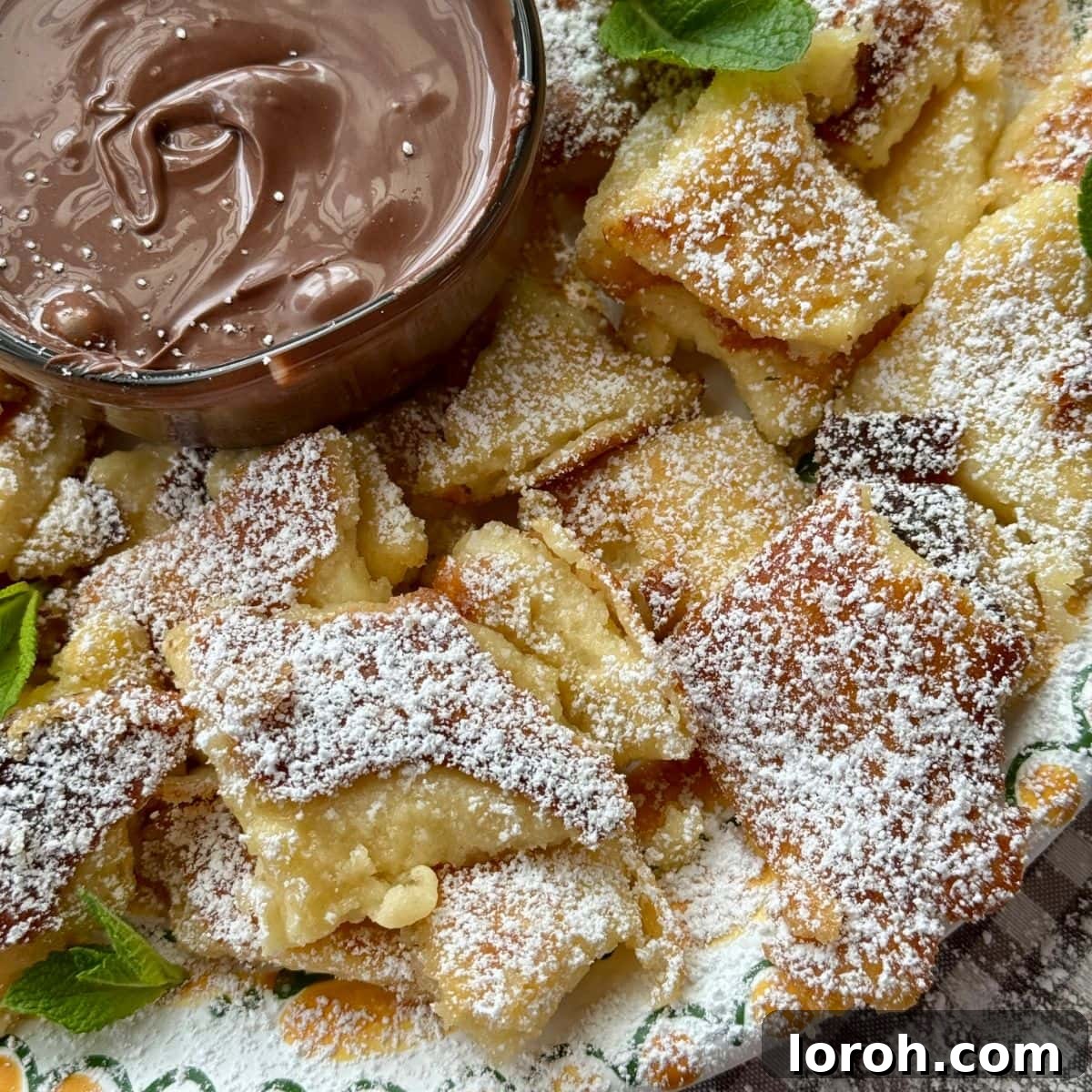
Prepare your taste buds for an extraordinary culinary journey! If you’ve never had the pleasure of tasting Kaiserschmarrn, you are truly in for an unforgettable treat. This iconic traditional Austrian pancake isn’t your average griddle cake; it’s a delightfully unique creation where the pancake is intentionally broken, or “torn,” into smaller, irregular pieces during cooking, then generously dusted with a cloud of icing sugar. Traditionally, it finds its perfect partner in a vibrant fruit compote, most commonly made with plums, offering a delightful contrast of sweet and tart. Despite its gourmet appeal, Kaiserschmarrn is remarkably simple to prepare, yet consistently delivers an exquisite flavor and texture experience.
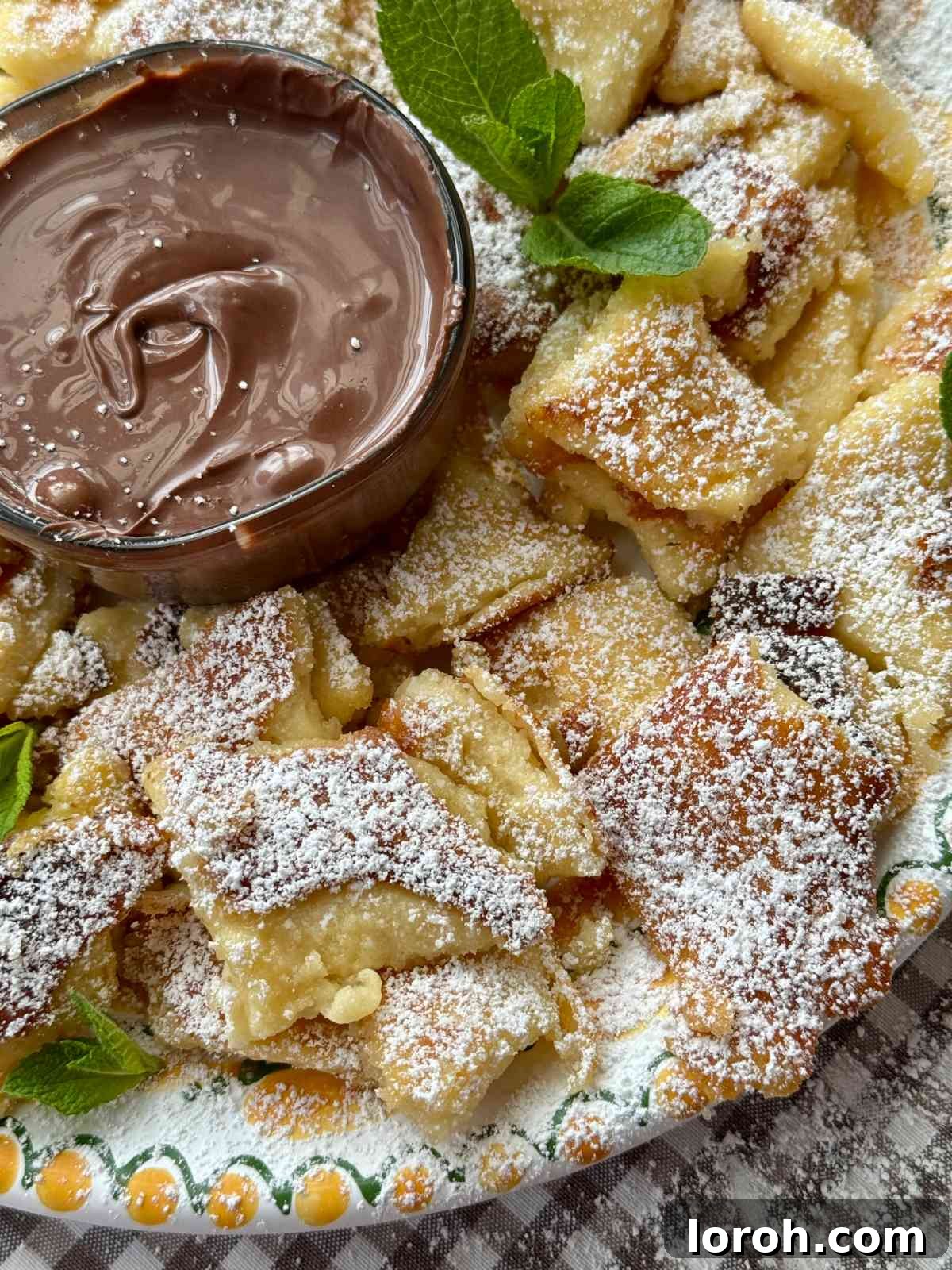
Imagine small, golden-brown bites of caramelized pancake, wonderfully crisp on the outside and unbelievably fluffy and light on the inside. This heavenly texture is achieved through a special technique that sets Kaiserschmarrn apart from other pancake varieties. Much like the beloved Dutch poffertjes, these delightful morsels offer a similar bite-sized charm, but with a distinct Austrian character. In its homeland, Kaiserschmarrn is incredibly versatile, gracing tables as a hearty brunch dish, a satisfying main course for lunch, or a decadent dessert. Honestly, it’s truly wonderful at any time of day!
While often served with classic fruit compotes, the beauty of Kaiserschmarrn lies in its adaptability. Here, for example, I’ve paired it with smooth, rich Nutella – a personal favorite that adds a touch of modern indulgence. However, even a simple combination of melted butter and a sprinkle of sugar provides a mouthwatering experience that highlights the pancake’s inherent deliciousness. This comprehensive recipe guide is packed with all the essential tips and clever tricks you’ll need to master the art of making perfect Kaiserschmarrn, ensuring a foolproof and utterly delicious result every single time. Dive in and discover why this Austrian classic has captivated hearts (and appetites) for centuries!
Why You Will Love This Kaiserschmarrn Recipe
Kaiserschmarrn isn’t just a dish; it’s an experience. Here are compelling reasons why this recipe will quickly become a cherished favorite in your kitchen:
- Unbelievably Fluffy and Light Texture – The secret lies in gently folding whipped egg whites into the batter. This crucial step infuses the pancake with air, resulting in an ethereal, cloud-like texture that melts in your mouth. Unlike denser pancakes, Kaiserschmarrn offers a delicate, airy bite that is truly unique and addictive.
- Quick, Simple, and Rewarding – From mixing to serving, you can have this delightful Kaiserschmarrn gracing your table in a mere 30 minutes. Its simplicity makes it perfect for last-minute cravings or spontaneous gatherings, proving that exceptional flavor doesn’t have to demand hours of effort.
- Minimal, Everyday Ingredients – This recipe calls for a handful of basic pantry staples that you likely already have on hand. No need for exotic items or special trips to the store, making it incredibly convenient and accessible for any home cook. Eggs, flour, milk, sugar, and butter are the heroes of this dish.
- Perfectly Versatile for Any Occasion – Whether you’re planning an indulgent weekend brunch, seeking a comforting midday meal, or desiring a show-stopping dessert to impress guests, Kaiserschmarrn fits the bill. Its adaptable nature means it pairs beautifully with an array of toppings, allowing you to customize it to your heart’s content, making it suitable for both casual family meals and festive celebrations.
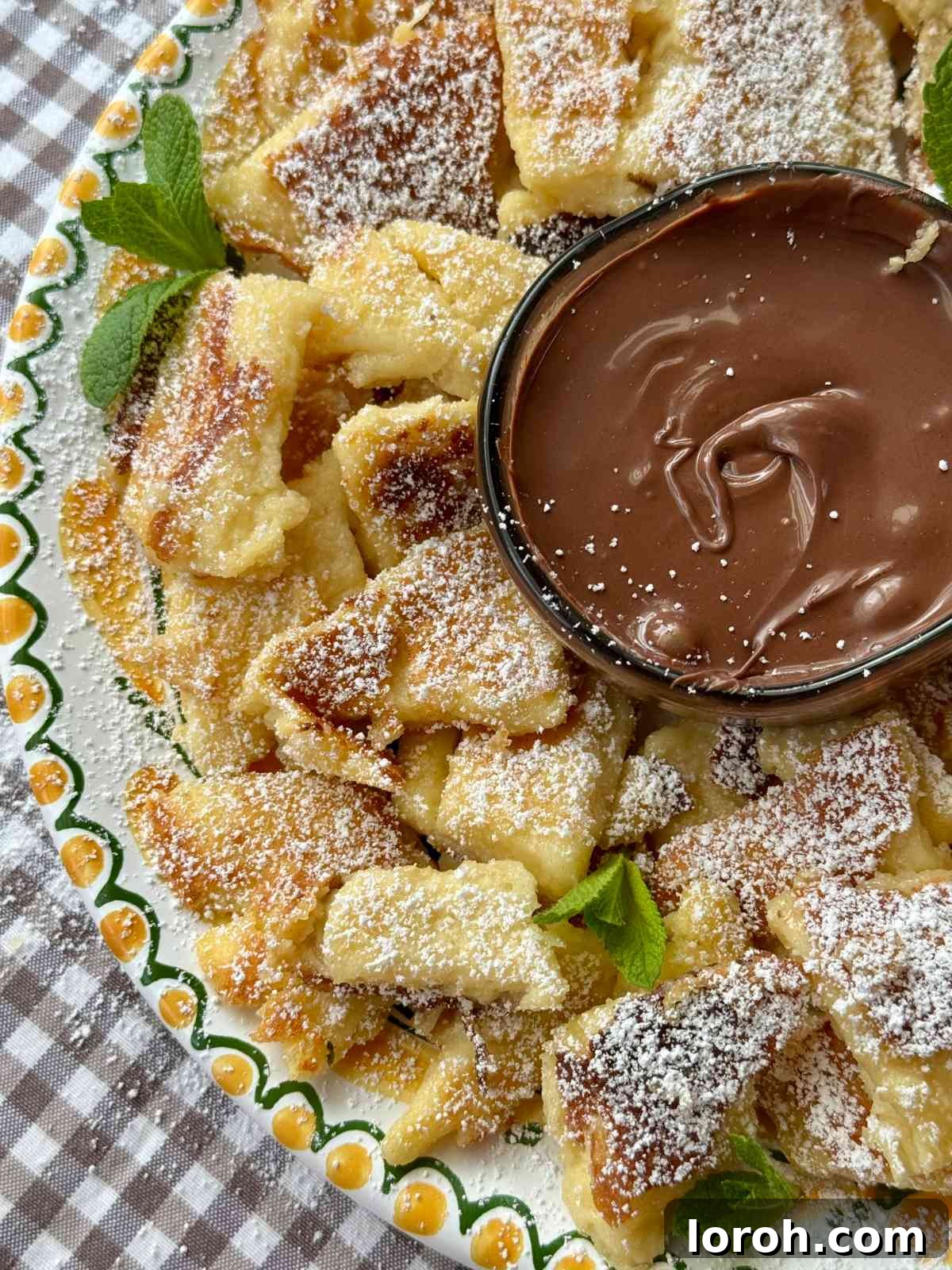
The Essential Ingredients for Kaiserschmarrn
Creating authentic Kaiserschmarrn relies on a few high-quality, yet simple, ingredients. Each component plays a vital role in achieving that signature fluffy texture and rich flavor.
Eggs: The star of the show! Separating the yolks and whipping the whites to stiff peaks is crucial for the airy structure. Large, fresh eggs yield the best results.
Plain Flour – Also widely known as ‘all-purpose’ flour in North America. This provides the fundamental structure of our pancake. A good quality plain flour ensures a smooth batter and a tender crumb. While gluten-free alternatives can be used (see variations), traditional Kaiserschmarrn relies on standard wheat flour.
Milk: Whole milk is recommended for its richness, which contributes to a more tender and flavorful pancake. However, any milk (including dairy-free options like almond or oat milk) can be used, though it might slightly alter the texture and taste.
Butter – We use butter not just for its rich, creamy flavor, but also because it is the superior choice for greasing your pan. Butter helps prevent the Kaiserschmarrn from sticking and contributes significantly to those coveted golden, crispy, caramelized edges that are so characteristic of this dish. Its flavor profile is undeniably better than oil for this particular recipe.
Granulated Sugar: A touch of sugar in the batter adds sweetness and aids in the caramelization process, giving the Kaiserschmarrn its beautiful golden hue. For dusting, icing sugar (powdered sugar) is essential.
Vanilla Extract: A splash of good quality vanilla extract enhances the overall sweetness and adds a warm, aromatic depth to the pancake. Always opt for pure vanilla extract over imitation for the best flavor.
Flakey Sea Salt: Just a pinch of salt is vital to balance the sweetness and bring out the full flavor of all the ingredients, preventing the pancake from tasting flat.
Full recipe details, including precise measurements, can be found in the printable recipe card at the bottom of this post. Simply scroll down to discover the exact proportions for your perfect Kaiserschmarrn!
Substitutions and Creative Variations
One of the many charms of Kaiserschmarrn is how wonderfully it lends itself to customization. While the classic version is delicious, don’t hesitate to experiment with these delightful additions and adjustments to tailor it to your taste:
Flavorful Add-ins: Elevate your Kaiserschmarrn by folding in additional ingredients to the batter. Try rum-soaked raisins (a very traditional addition, often plumped in warm rum for a boozy kick), finely chopped almonds for a nutty crunch, or small, diced apple pieces which soften beautifully as they cook, adding a hint of fruity sweetness. Other options include lemon zest for brightness or a touch of cinnamon for warmth.
Sugar Choices: The type of sugar you use can subtly influence the final flavor and caramelization. While granulated sugar is standard, golden caster sugar offers a finer texture and a slightly richer, more nuanced sweetness. For a deeper, molasses-like note, soft light brown sugar works exceptionally well, contributing to even more pronounced caramelization.
Fresh Berries: Serving Kaiserschmarrn with fresh berries is a fantastic way to introduce bright, tart notes that beautifully cut through the richness of the pancake. Raspberries, strawberries, blueberries, blackberries, or pitted cherries are all delicious choices. A medley of seasonal berries creates a visually appealing and refreshingly tasty accompaniment.
Indulgent Chocolate: While not a traditional Austrian pairing, melted chocolate makes an incredibly delicious and popular modern topping for Kaiserschmarrn. Drizzle dark, milk, or white chocolate over the warm pieces for a decadent finish that chocoholics will adore.
Diverse Toppings: Kaiserschmarrn is a blank canvas for your favorite toppings. My personal indulgence, as mentioned, is Nutella, but the possibilities are endless! Explore other creamy spreads like Lotus Biscoff for a spiced caramel flavor, or create an elegant twist with my easy homemade pistachio cream. A spoonful of your favorite fruit jam (apricot, berry, or cherry are excellent) offers classic charm. For creamy delight, try a dollop of whipped cream, a swirl of squirty cream, or even a scoop of vanilla ice cream. A drizzle of pure maple syrup or golden honey adds natural sweetness and a lovely sheen. Powdered sugar, of course, is non-negotiable for authenticity!
Dietary Adjustments: For those with dietary needs, consider using plant-based milk (almond, oat, or soy) as a dairy-free alternative. Gluten-free all-purpose flour blends can also be substituted for plain flour, though the texture might be slightly different. Always ensure your baking powder (if adding any, though not in this specific recipe) is gluten-free if needed.
How to Make Easy Kaiserschmarrn: A Step-by-Step Guide
Follow these detailed steps to create perfectly fluffy and caramelized Kaiserschmarrn. For precise ingredient quantities, refer to the full recipe card at the very end of this page.
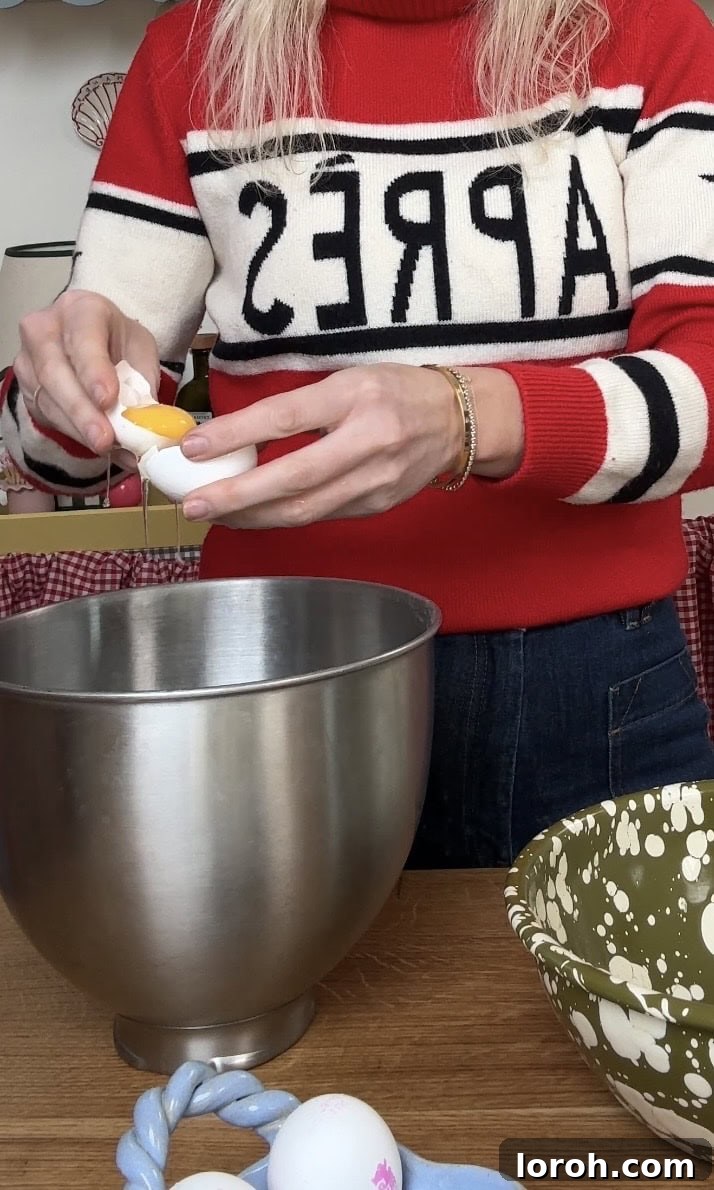
ONE: Separate the Eggs. Begin by carefully separating the eggs. Place the egg whites into a large, very clean mixing bowl. Transfer the egg yolks into a separate, smaller bowl. For best results, use your clean hands to gently pass the yolks between your fingers, allowing the whites to fall away cleanly. Ensure no yolk gets into the whites, as this can prevent them from whipping properly.
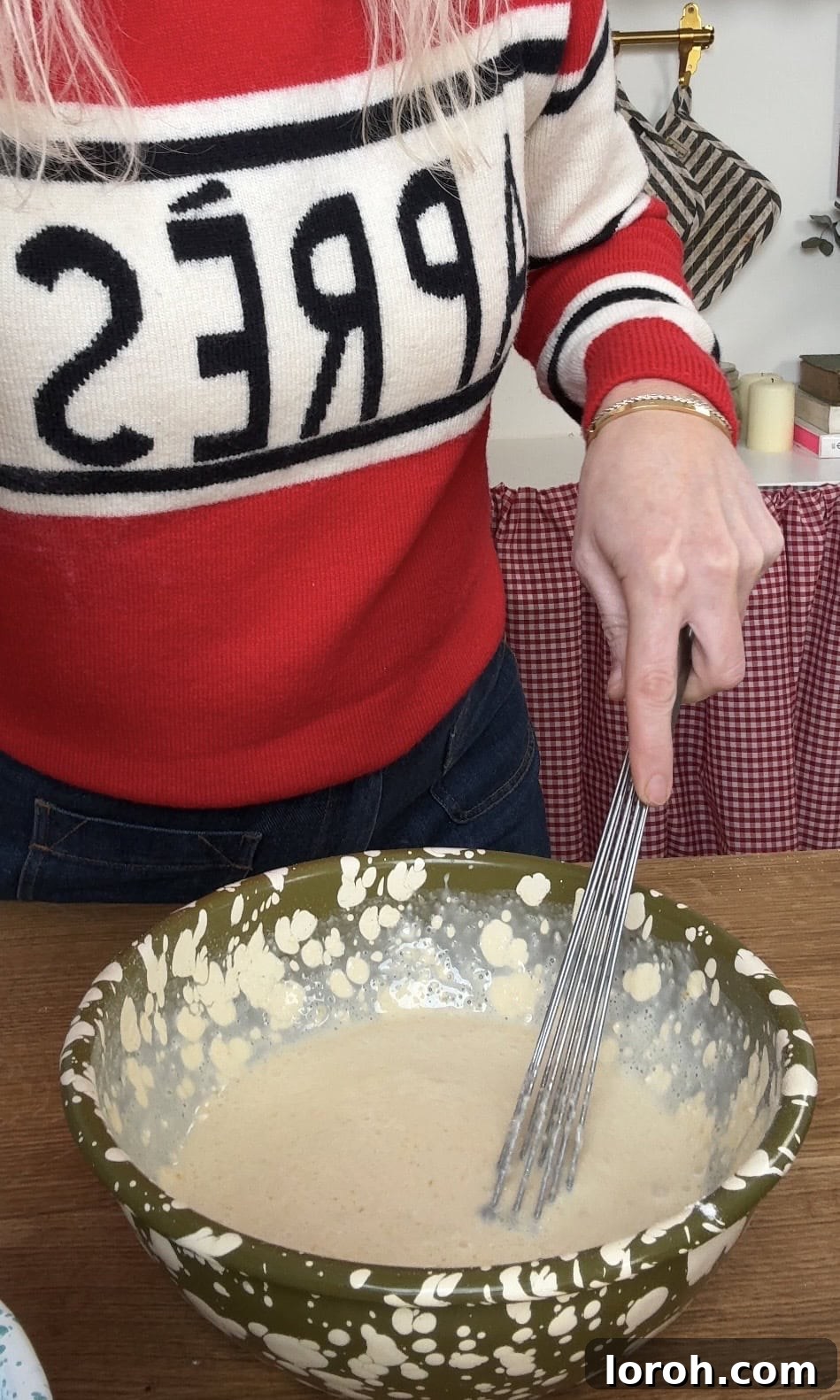
TWO: Create the Yolk Batter. To the bowl containing the egg yolks, add the first portion of sugar (25g), milk, melted butter, vanilla extract, and a pinch of salt. Whisk these ingredients together thoroughly until they are well combined and smooth. Next, add the plain flour and continue to mix until a smooth, lump-free batter forms. Be careful not to overmix; just combine until smooth. Set this mixture aside.
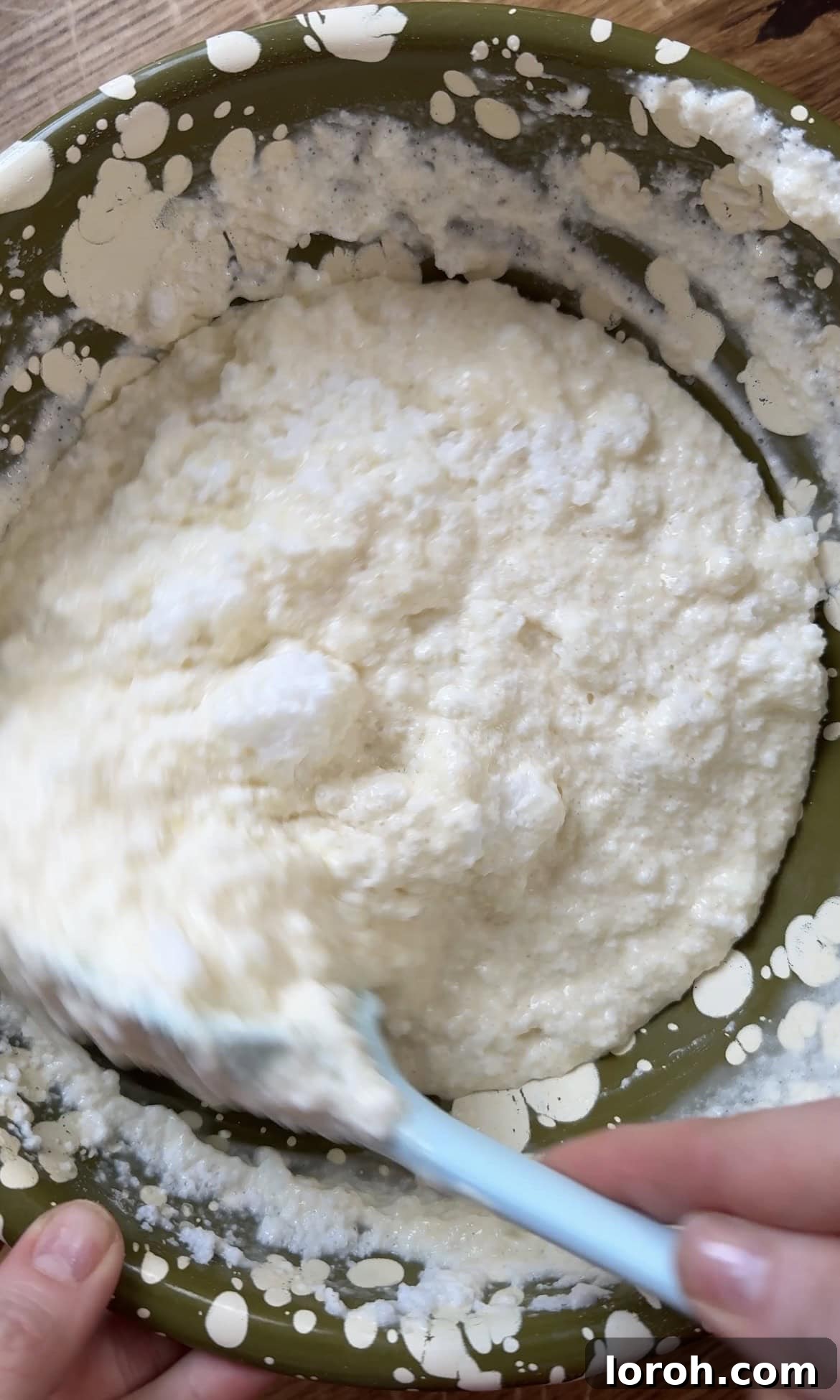
THREE: Whip Egg Whites to Stiff Peaks. Using an electric whisk or a stand mixer fitted with a whisk attachment, beat the egg whites in their large, clean bowl until they form stiff, glossy peaks. This means when you lift the whisk, the peaks stand firm and hold their shape. This step is crucial for achieving the signature fluffy texture of Kaiserschmarrn.
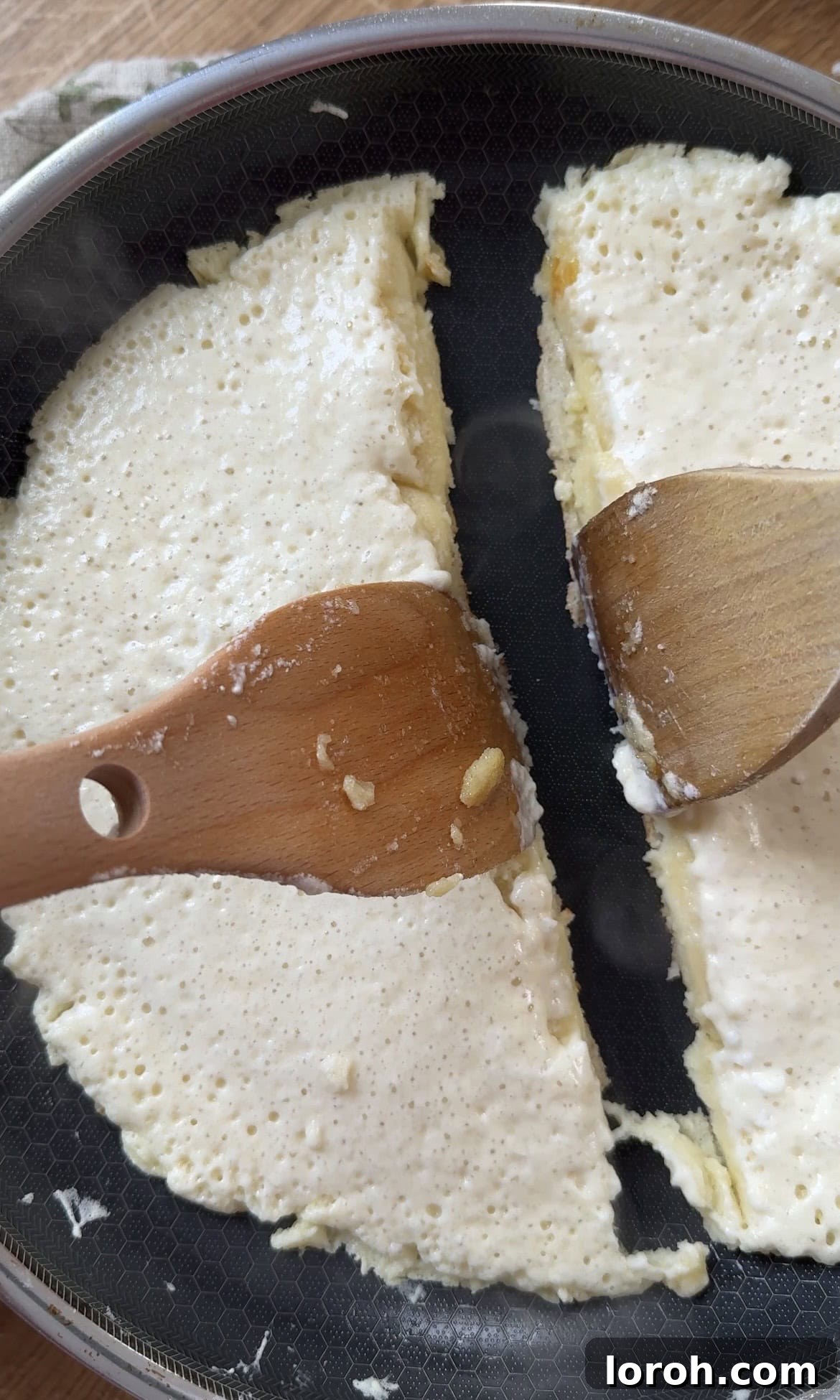
FOUR: Combine and Cook. Gently fold the beaten egg whites into the prepared yolk batter using a large spatula or a metal spoon. Use a light, cutting motion to incorporate the whites without deflating them too much. The goal is to retain as much air as possible for fluffiness. Next, melt a generous knob of butter in a large frying pan over medium heat. Once the butter is foaming and sizzling, pour the entire batter into the pan. Let it cook undisturbed for a few minutes until the base is set and beautifully golden brown.
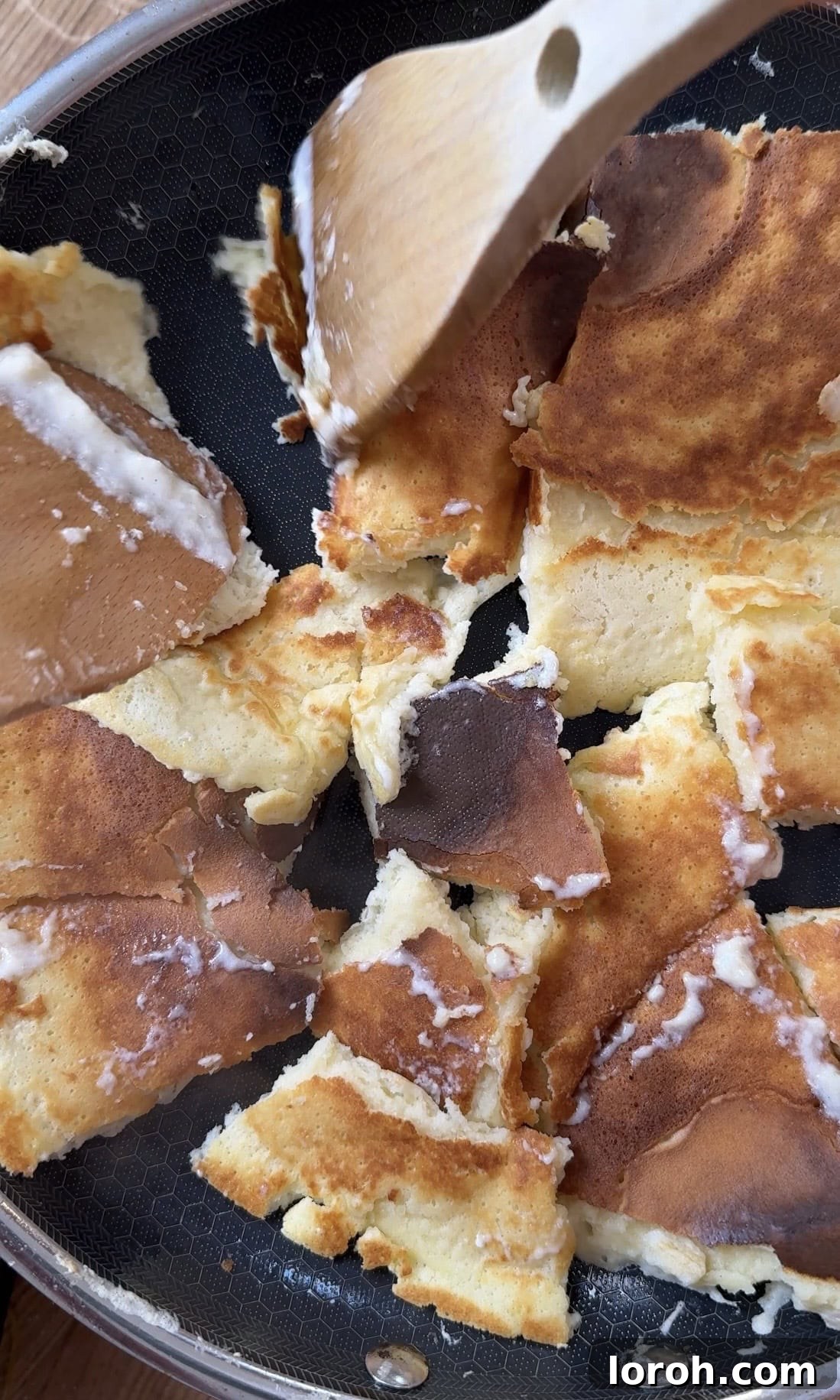
FIVE: Tear and Fry. Once the base of the pancake is set and golden, use a spatula to break the large pancake into four rough quarters directly in the pan. Flip each quarter to cook the other side. Once the second side is slightly set and beginning to brown, use two spatulas to tear the pancake further into smaller, irregular, bite-sized pieces. Continue to cook, turning occasionally, allowing all sides to become golden.
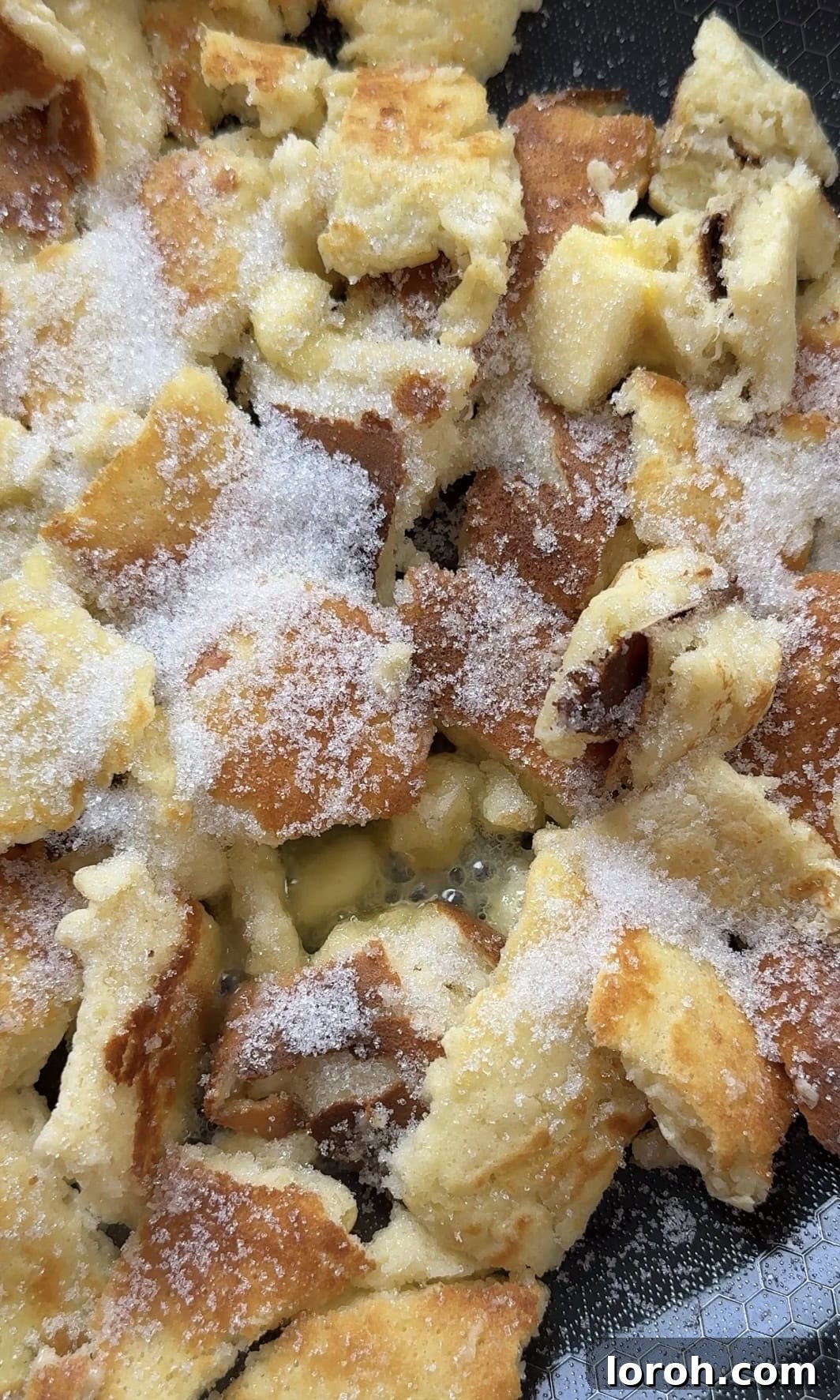
SIX: Caramelize and Serve. When the Kaiserschmarrn pieces are small and bite-sized, add the remaining 30g of butter and 25g of granulated sugar (approximately 1-2 tablespoons) to the pan. Toss everything together, allowing the butter and sugar to melt and coat the pancake pieces. Continue cooking for a few more minutes, stirring frequently, until the edges caramelize beautifully and turn crisp and golden brown. Immediately transfer the warm Kaiserschmarrn to a serving dish, dust generously with icing sugar, and serve straight away with your preferred traditional or modern topping.
Expert Cooking Tips for Perfect Kaiserschmarrn
Achieving Kaiserschmarrn perfection is simple with these essential tips:
- Master the Egg Whites: This is arguably the most critical step. Make sure to properly whip the egg whites to stiff peaks. If you skip this, or if your whites are not stiff enough, you will lose the signature light and airy texture that makes Kaiserschmarrn so special. The fluffiness relies entirely on the air beaten into the egg whites and gently folded into the batter. Ensure your bowl and whisk are perfectly clean and free of any grease.
- Embrace the Butter! Do not be shy with the butter! You absolutely need generous amounts of butter – both for greasing the pan initially and for the final caramelization stage. This abundance of butter is what creates those irresistible crispy, golden-brown edges and a rich, indulgent flavor. A good quality butter will truly shine through.
- Tear While Cooking is Key: The tearing of the pancake into pieces while it’s still in the pan is not just for aesthetics; it’s fundamental to the dish’s texture. Breaking the pancake allows more surface area to come into contact with the hot pan and butter, facilitating the caramelization process and ensuring those wonderfully crisp edges and tender centers in every bite.
- Use a Large Frying Pan: The size of your pan makes a significant difference. Using a pan that is too small will overcrowd the Kaiserschmarrn, causing it to steam rather than fry. For that desired golden-brown, crispy exterior, you need ample space for the pancake to spread out and cook evenly. A large, heavy-bottomed frying pan (ideally 10-12 inches or 25-30 cm) with good heat distribution is essential.
- Control Your Heat: Cook Kaiserschmarrn over medium heat. Too high, and the outside will burn before the inside cooks through. Too low, and it won’t get those beautiful caramelized edges. Patience is key; let it cook gently until golden before tearing.
- Serve Immediately: Kaiserschmarrn is best enjoyed straight from the pan. The crispy edges and fluffy interior are at their peak when warm. While leftovers can be reheated, the fresh experience is unparalleled.
Frequently Asked Questions About Kaiserschmarrn
Kaiserschmarrn directly translates to “Emperor’s Mess” or “Emperor’s Scramble.” This charming name refers to the Austrian Emperor Franz Joseph I, for whom the dish was reputedly invented. The popular legend suggests that a chef accidentally “ruined” a batch of classic pancakes, resulting in a messy, broken dish. Despite its unconventional appearance, the Emperor ate the ‘messy’ pancakes anyway and found them so delicious that he gave them his imperial seal of approval, thus bestowing upon them their regal name.
Absolutely, yes! While rum-soaked raisins are a very traditional addition, many people prefer Kaiserschmarrn without them. The recipe is incredibly versatile, and omitting raisins will not compromise the deliciousness of the dish. If you’d like to include a fruity element but dislike raisins, consider swapping them for finely diced apples, cranberries, or even a handful of fresh berries folded into the batter. I often make Kaiserschmarrn plain, and it’s always a hit.
The most common reason for Kaiserschmarrn lacking fluffiness is improper handling of the egg whites. It’s crucial to ensure your egg whites are whipped to stiff peaks – they should hold their shape firmly when the whisk is lifted. Additionally, when folding the beaten egg whites into the yolk batter, do so very gently with a large spatula or metal spoon, using a light, cutting, and folding motion. Overmixing or being too aggressive at this stage can knock out all the precious air, resulting in a dense pancake instead of a light and airy one.
While both are griddle-cooked flour-based dishes, Kaiserschmarrn has distinct differences. The primary distinction lies in its preparation: Kaiserschmarrn batter typically incorporates stiffly whipped egg whites, which are gently folded in to create a uniquely light and fluffy texture that traditional pancakes rarely achieve. Furthermore, instead of being cooked as individual round cakes, Kaiserschmarrn is cooked as one large, thick pancake and then intentionally torn into small, irregular pieces during the cooking process. In contrast, classic American pancakes are usually small, round, and much denser, and rarely feature whipped egg whites.
The most traditional Austrian accompaniments for Kaiserschmarrn include a generous dusting of icing (powdered) sugar and a warm fruit compote. Plum compote is arguably the most classic, often in the form of Zwetschgenröster, a spiced Austrian plum compote. Apple sauce, lingonberry jam, or various other stewed fruits (like apricots or cherries) are also very popular choices. These tart fruit additions provide a wonderful counterpoint to the sweet, rich pancake, creating a perfectly balanced dessert or brunch.
It’s generally not recommended to prepare the complete batter (with the folded egg whites) far in advance. The air incorporated into the egg whites, which is responsible for the fluffiness, will deflate over time. However, you can separate your eggs and prepare the yolk batter (Step TWO) a few hours ahead and store it covered in the fridge. When ready to cook, simply whip the egg whites fresh and gently fold them in just before cooking.
A large, heavy-bottomed, non-stick frying pan or a well-seasoned cast-iron skillet is ideal. The heavy bottom ensures even heat distribution, preventing hot spots and promoting uniform cooking. The non-stick surface is crucial for easily flipping and tearing the pancake without it sticking. A 10-12 inch (25-30 cm) pan is perfect for a recipe serving 2-4 people.
Other Delicious Pancake Recipes You Might Enjoy
If you’ve enjoyed the unique experience of Kaiserschmarrn and are eager to explore more diverse pancake traditions from around the globe, you’re in luck! Here are some other delightful pancake recipes that offer a fresh twist on this beloved dish:
Discover the delicate Pannekaker from Norway, explore the sweet and savory possibilities of Racuchy Apple Pancakes from Poland, or indulge in the elegant Aumônières de Crêpes from France. Each offers a unique cultural perspective on pancakes.
More Pancake Inspiration:
Pancake Recipes
Fluffy Banana Pancakes (Vegan)
Pancake Recipes
Pannukakku (Finnish Oven Pancake)
Pancake Recipes
Lemon Ricotta Blueberry Pancakes with Whipped Honey Butter
Breakfast & Brunch
Easy Pancake Recipe Without Baking Powder
If you tried this delightful recipe for Kaiserschmarrn or any other recipe on our site, please don’t hesitate to leave a rating or comment below and let us know how your culinary adventure went! Your feedback is always appreciated.
Kaiserschmarrn (Traditional Austrian Pancakes)
Kaiserschmarrn is a classic Austrian dessert made from a thick, incredibly fluffy pancake that’s uniquely torn into bite-sized pieces as it cooks, then caramelized to perfection and dusted with icing sugar.
Rate Recipe
Print Recipe
Ingredients
For the batter:
- 3 large eggs, divided
- 40 g unsalted butter, melted
- 1 tsp vanilla extract
- 25 g granulated sugar
- 1 pinch flakey sea salt
- 125 g plain flour (all-purpose flour)
- 240 ml milk (whole ideally)
- Butter, for frying
For finishing:
- 30 g unsalted butter, cubed
- 25 g granulated sugar
- Icing (powdered) sugar, for dusting
Instructions
- Start by carefully separating the eggs. Place the egg whites into a large, very clean mixing bowl and the yolks into another bowl. The best method is often using clean hands, allowing the whites to slip away from the yolk.
- To the bowl with the egg yolks, add 25g of sugar, the milk, melted butter, vanilla extract, and salt. Whisk these ingredients together until well combined. Stir in the plain flour until a smooth batter forms, being careful not to overmix. Set aside.
- In a separate, clean bowl, use an electric whisk or stand mixer to beat the egg whites until they form stiff peaks. They should hold their shape firmly when the whisk is lifted.
- Gently fold the beaten egg whites into the prepared yolk batter using a large spatula or metal spoon. Use a light, cutting motion to incorporate them without deflating too much air.
- Melt a generous knob of butter in a large frying pan (10-12 inches recommended) over medium heat. Once the butter is foaming, pour the entire batter into the pan. Let it cook undisturbed for a few minutes until the base is set and golden brown.
- Once the base is set, use a spatula to break the large pancake into four rough quarters in the pan. Flip each quarter to cook the other side. After the second side is slightly set, use two spatulas to tear the pancake further into rough, bite-sized pieces directly in the pan.
- When the Kaiserschmarrn pieces are small and golden, add the extra 30g of cubed butter and 25g of granulated sugar (about 1-2 tbsp) to the pan. Toss everything together, continuing to cook and stir until the butter and sugar melt, coating the pieces and caramelizing their edges to a crisp, golden finish.
- Transfer the warm Kaiserschmarrn immediately to a serving dish, dust generously with icing sugar, and serve straight away with your favorite topping.
Notes
For a more visual guide, scroll up to the helpful step-by-step photos on how to make Kaiserschmarrn.
To store: Cooked Kaiserschmarrn can be kept in an airtight container in the fridge for up to 2 days.
To reheat: Reheat Kaiserschmarrn in a frying pan with a little more butter over medium heat until warmed through and crispy again.
To freeze: You can freeze cooked Kaiserschmarrn in a sealed, freezer-safe container for up to 2 months. Defrost at room temperature before reheating for best results.
Serving suggestions: Traditionally, Kaiserschmarrn is served with icing (powdered) sugar and a tart plum compote (like Zwetschgenröster). However, it’s also incredibly delicious with apple sauce, lingonberry jam, or modern twists like Nutella, Lotus Biscoff spread, homemade pistachio cream, or a drizzle of maple syrup or honey (see the Substitutions and Variations section for more creative ideas).
Nutrition Information (Approximate)
- Calories:
- 749 kcal
- Carbohydrates:
- 79g
- Protein:
- 19g
- Fat:
- 39g
- Saturated Fat:
- 22g
- Polyunsaturated Fat:
- 3g
- Monounsaturated Fat:
- 11g
- Trans Fat:
- 1g
- Cholesterol:
- 336mg
- Sodium:
- 146mg
- Potassium:
- 355mg
- Fiber:
- 2g
- Sugar:
- 32g
- Vitamin A:
- 1432 IU
- Calcium:
- 207mg
- Iron:
- 4mg
Nutrition information is automatically calculated and should only be used as an approximation. Actual values may vary based on specific ingredients and preparation methods.
Enjoyed this recipe? Leave a comment below!