
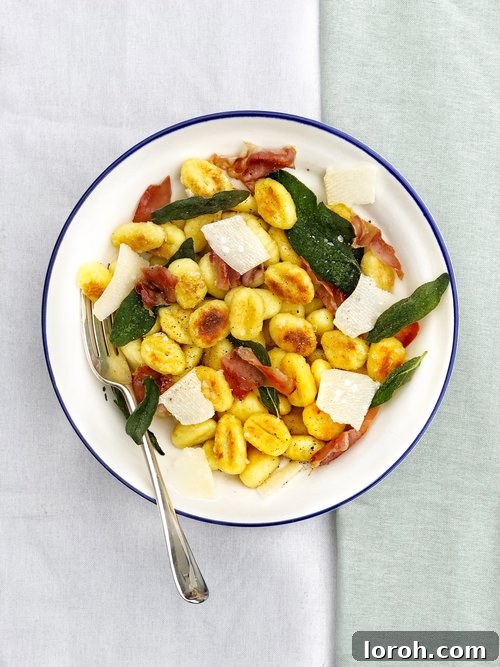
Gnocchi with Crispy Sage and Prosciutto: An Authentic Italian Delight Inspired by Gino D’Acampo
By: Margie
The Art of Homemade Gnocchi: Light, Fluffy, and Utterly Delicious
Gnocchi often carries a reputation for being an intimidating dish to prepare from scratch, leading many to opt for store-bought versions. However, the truth is that homemade gnocchi is surprisingly simple to master, especially once you understand a few fundamental principles. Forget the dense, rubbery textures of disappointing gnocchi past; the goal here is to create pillowy soft dumplings that are almost ethereal in their lightness. With a little practice, you’ll be producing restaurant-quality gnocchi that melts in your mouth.
This particular recipe, inspired by the renowned Italian chef Gino D’Acampo, celebrates the rustic charm of traditional gnocchi while elevating it with a harmonious blend of crispy sage and savory prosciutto. It’s a combination that truly sings, offering a delightful contrast of textures and robust flavors. The beauty of gnocchi lies in its versatility; while this specific preparation is incredibly satisfying, homemade gnocchi serves as a perfect canvas for nearly any sauce, from a simple tomato passata to a rich pesto or a creamy cheese sauce.
One of the brilliant aspects of making gnocchi is that some steps can be prepared in advance. For instance, you can cook and mash your potatoes the day before, significantly reducing the active prep time on cooking day. This simple trick alleviates much of the potential stress, allowing for a more relaxed and enjoyable cooking experience.
This recipe yields approximately 6 generous servings, making it ideal for a family meal or a small gathering with friends. The process is a culinary journey that rewards patience and a gentle touch, culminating in a dish that embodies the heart and soul of Italian home cooking.
Key Ingredients for Perfect Homemade Gnocchi
Crafting exceptional gnocchi starts with selecting the right ingredients. Each component plays a crucial role in achieving that coveted light and airy texture.
-
Potatoes: You’ll need about 6 large potatoes, weighing approximately 2kg in total. For the best results, opt for starchy varieties like Russets (also known as Idaho potatoes) or Maris Piper. These potatoes have a lower water content and a floury texture when cooked, which is essential for light gnocchi. Waxy potatoes tend to yield a denser, gummy gnocchi.
When it comes to preparing the potatoes, you have two primary methods: baking or boiling. While baking them whole in their skins can result in a drier potato flesh, which is ideal, boiling is often quicker and perfectly acceptable if done correctly. Today, we will focus on the boiling method.
- Flour: Approximately 300g of plain (all-purpose) flour or, if you can find it, Italian ’00’ flour. ’00’ flour is finely milled and has a lower protein content, contributing to a silkier, more delicate gnocchi. However, good quality plain flour works wonderfully too. The exact amount of flour can vary depending on the moisture content of your potatoes, so be prepared to adjust slightly. The key is to add just enough flour to bind the dough without making it tough.
- Eggs: Two medium-sized eggs act as a binder, helping to hold the potato and flour mixture together, contributing to the gnocchi’s structure and richness.
- Salt: Essential for seasoning both the potato cooking water and the gnocchi dough itself, enhancing all the flavors.
Step-by-Step Instructions: Crafting Your Gnocchi from Scratch
Follow these detailed steps to create your exquisite homemade gnocchi. Remember, patience and a gentle hand are your best allies.
- Prepare the Potatoes: Fill a large pot with cold water and add a generous pinch of salt. Halve your potatoes, leaving the skin on, and place them into the pot. Bringing them to a boil from cold water ensures even cooking.
- Cook the Potatoes: Bring the water to a rolling boil and cook the potatoes until they are fork-tender throughout. This typically takes about 40 to 45 minutes, depending on their size.
-
Peel and Rice/Mash: Once cooked, do not drain the water from the pot just yet. Carefully remove the potatoes using a slotted spoon. While still hot (but handleable!), peel off their skins. This can be a bit challenging as they are hot, but doing it while warm is crucial for a light texture.
Immediately push the peeled potatoes through a potato ricer. A ricer is highly recommended as it breaks down the potatoes into fine, fluffy strands without overworking them, which can lead to gluey gnocchi. If you don’t have a ricer, mash them thoroughly with a fork on a clean chopping board until you achieve a light, lump-free consistency.
- Cool the Potatoes: After ricing or mashing, spread the potatoes out on your work surface and allow them to cool for about 10 minutes. This step is vital; adding eggs to steaming hot potatoes will scramble them.
-
Form the Dough: Lightly sprinkle about 300g of flour onto a clean work surface. Gently tip the cooled, mashed potatoes onto the flour. Season the potatoes well with salt and a little black pepper. Create a well in the center of the potato mound and crack the two eggs into it.
Using your hands, gradually work the flour and eggs into the potatoes, moving from the outside in. Mix until a soft, cohesive dough forms. The key here is to work the dough as little as possible. Overworking the dough develops the gluten in the flour, resulting in tough gnocchi. The dough should be moist but not overly sticky.
- Adjust Flour (if needed): If your dough feels too sticky to handle, add a very small amount of additional flour, a tablespoon at a time, until it becomes pliable. Avoid the temptation to add too much flour.
- Portion the Dough: Once your dough is ready, divide it into approximately 8 equal pieces.
- Roll into Ropes: Take one piece of dough and, on a lightly floured surface, gently roll it into a long, uniform rope, about 2 centimeters (just under an inch) thick. Repeat with the remaining dough pieces.
- Cut the Gnocchi: Using a knife or a bench scraper, cut each rope into individual gnocchi pieces, roughly 3 centimeters (about 1.2 inches) in length.
- Shape the Gnocchi (Optional, but Recommended): For the characteristic gnocchi shape that helps sauces cling, gently press each piece against the tines of a fork, rolling it downwards slightly to create ridges and a slight ‘c’ curve. This takes a little practice to get right, so don’t worry if your first few aren’t perfect. Watching a quick YouTube video on gnocchi shaping can be incredibly helpful and will demystify the technique. Be gentle to maintain the gnocchi’s delicate structure.
- Cook the Gnocchi: Reheat the potato cooking water, or bring a fresh pot of generously salted water to a boil. Cook the gnocchi in small batches to avoid overcrowding the pot, which can lower the water temperature and cause them to stick. They are done when they float to the surface, which usually takes only a couple of minutes.
- Serve Immediately or Finish with a Fry: Scoop the cooked gnocchi out with a slotted spoon. For this crispy sage and prosciutto dish, we’ll take an extra step. Instead of serving them directly with the sauce, fry the boiled gnocchi in a little butter for a minute or so. This creates a beautifully golden and crispy exterior, adding another layer of texture and flavor that is utterly divine.
- Enjoy! Your perfectly cooked gnocchi is now ready for its delicious accompaniment.
Making the Crispy Sage Leaves: A Garnish of Distinction
Crispy sage leaves are not just a garnish; they are an integral part of this dish, offering an aromatic, slightly earthy, and wonderfully textural contrast to the soft gnocchi and salty prosciutto. They are also incredibly easy to make!
- Heat the Oil: In a small pan, heat a thin layer of neutral oil (like vegetable or grapeseed oil) over medium heat. You don’t need much, just enough to shallow-fry the leaves.
- Fry the Sage: Once the oil is hot, carefully add fresh sage leaves, about 4 or 5 at a time. They will crisp up very quickly, often in a matter of seconds. Keep a close eye on them, as they can burn easily.
- Avoid Burning: A burnt sage leaf will taste bitter and unpleasant, so remove them from the oil as soon as they turn vibrant green and become crisp.
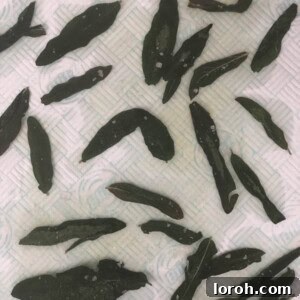
- Drain and Season: Using a slotted spoon, remove the crispy sage leaves from the pan and place them on a plate lined with kitchen paper to blot off any excess oil. While still warm, sprinkle them with a pinch of flaky sea salt, such as Maldon.
- Versatile Garnish: These crispy sage leaves are truly versatile! Beyond this gnocchi dish, they make a fantastic garnish for other pasta dishes, creamy risottos, elegant canapés, or even alongside roasted pork or chicken. Their delightful crunch and fragrant flavor elevate almost any savory preparation.
Bringing It All Together: Crispy Sage, Prosciutto, and Parmesan
Once your gnocchi is boiled and crisped in butter, and your sage leaves are fried to perfection, it’s time to assemble this magnificent dish. The combination of salty, thinly sliced prosciutto, the aromatic crunch of crispy sage, and the sharp, nutty flavor of freshly shaved Parmesan cheese creates a symphony of tastes and textures that truly makes this gnocchi recipe special.
To serve, arrange the golden, pan-fried gnocchi on plates. Drape slices of prosciutto over and around the gnocchi, allowing its savory notes to intertwine with the delicate potato dumplings. Scatter the crispy sage leaves generously on top, providing both a visual appeal and an irresistible crunch. Finish with a generous showering of freshly shaved or grated Parmesan cheese. The warmth of the gnocchi will slightly soften the cheese, releasing its full aroma.
This dish is a testament to how simple, high-quality ingredients, prepared with care, can transform into an extraordinary culinary experience. It’s comforting, elegant, and deeply satisfying.
Tips for Gnocchi Success
- Don’t Overwork the Dough: This is the most crucial rule for light gnocchi. Mix just until combined.
- Use Starchy Potatoes: Russets or Maris Piper are your best friends here. Their low moisture content is key.
- Rice While Hot: Pushing potatoes through a ricer while they’re hot helps them dry out and become fluffier.
- Cool the Potatoes: Ensure potatoes are cooled before adding eggs to prevent scrambling.
- Lightly Flour Your Surface: Too much flour on the work surface can dry out the dough; just enough to prevent sticking.
- Cook in Batches: Overcrowding the pot lowers water temperature and can make gnocchi stick together or cook unevenly.
- Taste and Adjust: Always taste your potato mash and dough for seasoning before cooking.
- Embrace Imperfection: Homemade gnocchi might not look perfectly uniform, and that’s part of its rustic charm!
Variations and Pairing Suggestions
While the crispy sage and prosciutto preparation is undeniably delicious, feel free to explore other ways to enjoy your homemade gnocchi:
- Simple Butter and Parmesan: A classic and elegant choice, allowing the gnocchi’s delicate flavor to shine.
- Pesto Genovese: Toss with fresh basil pesto for a vibrant, aromatic dish.
- Tomato Sauce: A simple homemade marinara or a slow-cooked ragu makes for a hearty and comforting meal.
- Creamy Mushroom Sauce: Earthy mushrooms in a rich cream sauce perfectly complement the potato gnocchi.
- Brown Butter Sauce: A nutty brown butter sauce with a squeeze of lemon and fresh herbs is another delightful option.
Serve your gnocchi with a crisp green salad and a glass of light-bodied white wine, such as a Pinot Grigio or Sauvignon Blanc, to complete the Italian dining experience.