
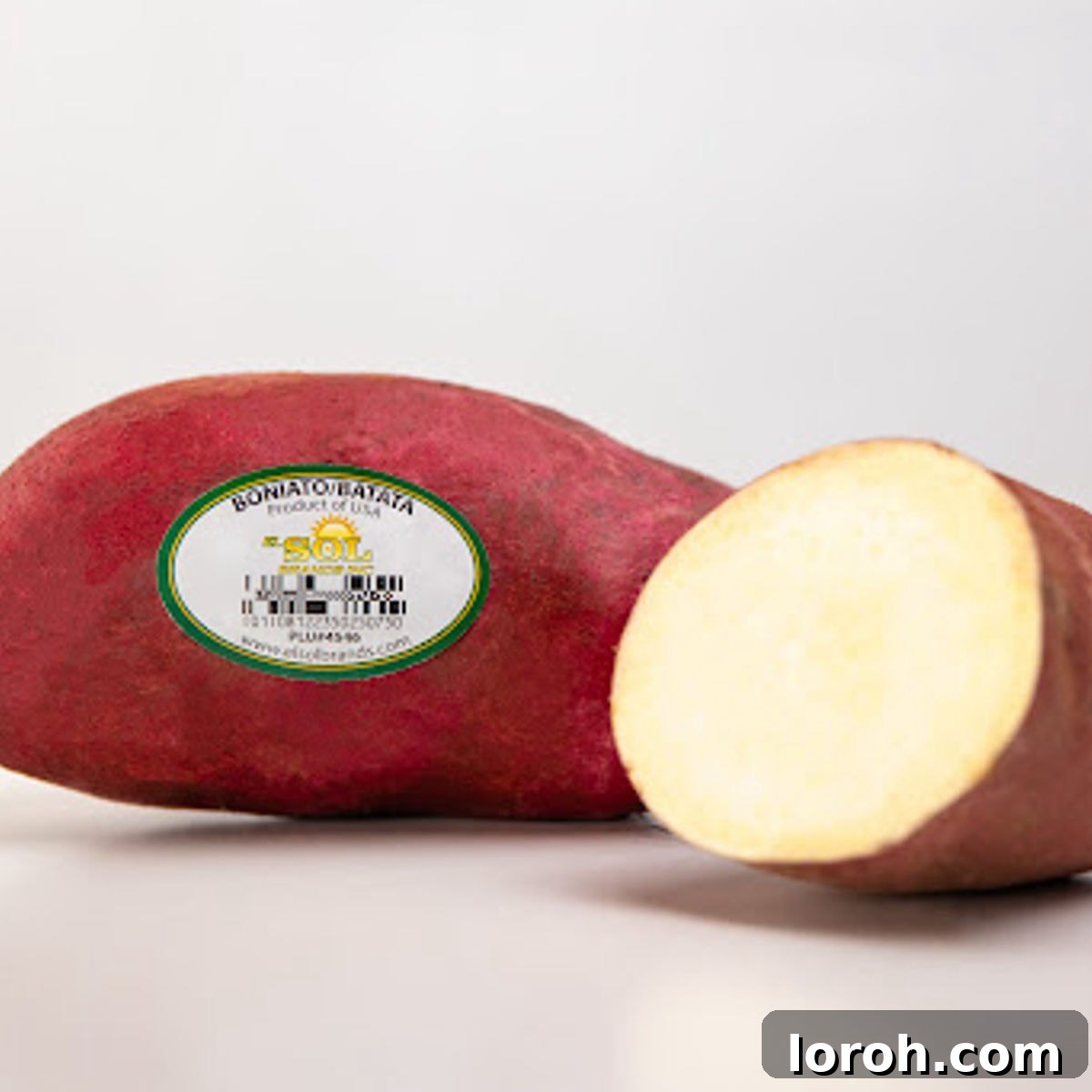
Boniato, often celebrated in Caribbean and Latin American kitchens, is a captivating root vegetable with a distinctive profile. Known affectionately as the Cuban sweet potato, it boasts a creamy white or pale-yellow flesh, a delightful nutty flavor, and a versatile texture that positions it perfectly between a starchy white potato and a sweeter orange sweet potato. Far from being just another tuber, boniato is a culinary gem, offering a unique taste and texture that can elevate countless dishes, yet it remains surprisingly underutilized in many parts of the world.
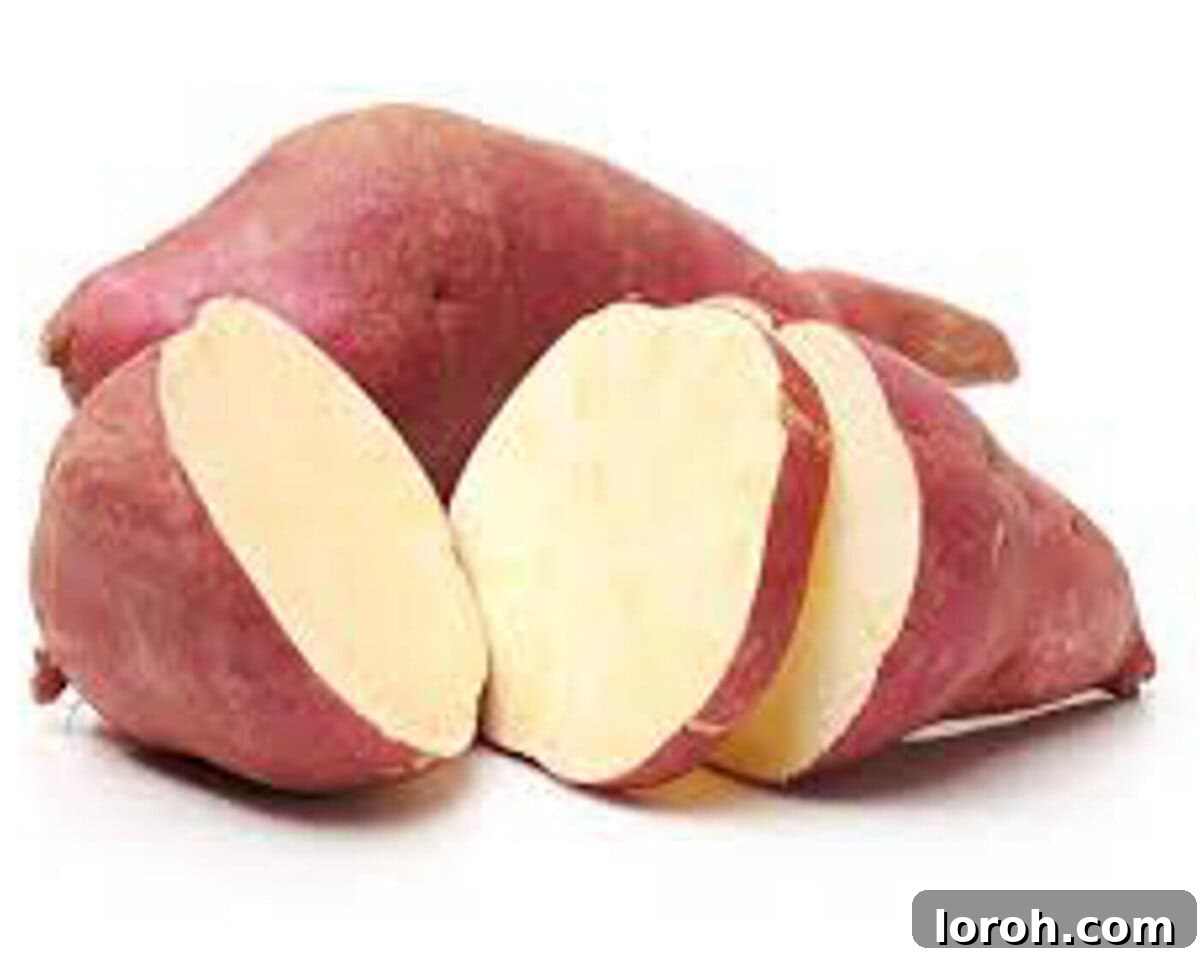
This comprehensive guide delves deep into the world of boniato. We’ll uncover what makes this white sweet potato so special, explore its origins and nutritional benefits, and provide practical advice on how to choose, store, and cook it to perfection. Whether you’re a seasoned chef or a home cook looking to expand your culinary horizons, you’ll find everything you need to confidently incorporate boniato into your meals, from hearty roasts to comforting mashes.
What Is Boniato? Unveiling the Cuban Sweet Potato
Boniato, scientifically known as Ipomoea batatas, is a distinct variety of sweet potato that stands out from its orange-fleshed relatives. Predominantly cultivated in the sun-drenched regions of the Caribbean, Central America, and specific areas of the US, particularly Florida, it is a staple in many traditional cuisines. Its defining characteristics include a thin skin that ranges in color from reddish-brown to light brown, encasing a firm, dry, and often pale-yellow or bright white interior.
Unlike the intensely sweet and moist texture associated with common orange sweet potatoes, boniato offers a subtler sweetness and a notably drier, starchier consistency. This unique texture makes it more akin to a traditional white potato, yet it carries an unmistakable delicate, earthy, and chestnut-like flavor that sets it apart. This drier starchiness also means it holds its shape exceptionally well during cooking, making it ideal for dishes where you want structure rather than a mushy texture.
Throughout various cultures, this fascinating root vegetable goes by several intriguing names:
- Batata: A widely recognized name, particularly in Spanish-speaking countries and regions with Portuguese influence.
- Camote Blanco: A common identifier in many parts of Latin America, explicitly meaning “white sweet potato.”
- White Sweet Potato: While this term can sometimes refer to other white-fleshed sweet potato varieties, it frequently denotes boniato in general usage.
- Cuban Sweet Potato: A popular moniker in North America, highlighting its strong association with Cuban cuisine and culture.
Beyond its culinary versatility, boniato also boasts an impressive nutritional profile. It’s a good source of complex carbohydrates, providing sustained energy. It contains dietary fiber, which aids in digestion, and is rich in vitamins and minerals, including Vitamin C, Vitamin A (though less beta-carotene than orange varieties), potassium, and manganese. Its natural, mild sweetness and adaptable texture make it an excellent choice for savory applications, though it can certainly shine in certain dessert preparations as well.
Boniato vs. Sweet Potatoes vs. Yams: A Clear Distinction
The world of root vegetables can often be confusing, with many varieties sharing similar appearances but vastly different culinary applications. Boniato, sweet potatoes, and yams are frequently lumped together, but understanding their distinct characteristics is key to successful cooking. While all are tubers, their flavors, textures, and ideal uses diverge significantly.
Let’s clarify the differences with a detailed comparison:
| Feature | Boniato (White Sweet Potato) | Sweet Potato (Orange-Fleshed) | Yam (True Yam) |
|---|---|---|---|
| Flesh Color | White or pale yellow, very consistent. | Bright orange, sometimes even deeper reddish-orange. | Highly variable: white, purple, yellow, or even reddish. |
| Texture (Cooked) | Dry, fluffy, starchy, similar to a baking potato but with a slightly softer crumb. Holds its shape well. | Moist, creamy, sometimes stringy, very soft and almost purée-like when cooked. | Very starchy, often drier and rougher than boniato, can be quite fibrous depending on the variety. |
| Flavor Profile | Nutty, mildly sweet with earthy undertones, often described as chestnut-like. Subtler than orange sweet potatoes. | Very sweet, often caramel-like, rich, and distinctly earthy. | Mild, very earthy, often less sweet than boniato, sometimes even bland. Flavour can vary greatly by variety. |
| Skin Appearance | Thin, reddish-brown to light brown, often rougher in texture than orange sweet potatoes. | Thin, smooth, typically reddish-brown or copper-colored. | Thick, rough, bark-like, often dark brown or black. Can be hairy. |
| Common Culinary Uses | Frying (chips, fries), mashing (savory), roasting, adding to stews and soups, making Latin American fritters. | Baking, roasting, casseroles, pies, desserts (sweet potato pie), purées. | Boiling, mashing (often in African and Caribbean cuisines), Fufu (pounded yam), stews. |
| Botanical Classification | Ipomoea batatas (a variety of sweet potato). | Ipomoea batatas (various cultivars). | Dioscorea species (a completely different plant family). |
The key takeaway is that while boniato is botanically a sweet potato, its culinary characteristics diverge significantly from the orange varieties. Yams, on the other hand, are an entirely different species altogether, despite the frequent mislabeling of orange sweet potatoes as “yams” in North American supermarkets. Understanding these differences will help you choose the right tuber for your recipe and avoid disappointing results.
How to Buy & Store Boniato for Optimal Freshness
To truly appreciate boniato, it’s essential to select the best quality produce and store it correctly to maintain its unique flavor and texture. A perfectly chosen and preserved boniato will guarantee delicious results in your kitchen.
How to Choose the Best Batata at the Market
When you’re at the grocery store or farmer’s market, here’s what to look for to ensure you’re picking prime boniato:
- Firmness: Always choose boniatos that are firm to the touch. Avoid any that feel soft, mushy, or spongy, as these are signs of spoilage or old age. A firm boniato indicates freshness and a good, solid texture for cooking.
- Unblemished Skin: Inspect the skin for any cuts, bruises, deep cracks, or soft spots. While minor imperfections are often cosmetic, significant damage can lead to quicker spoilage. The skin should be relatively smooth, although some natural roughness is normal.
- Medium Size: Opt for medium-sized roots whenever possible. Very large boniatos can sometimes be stringy or dry in the center, while very small ones might cook too quickly and unevenly. Medium-sized boniatos tend to have the best balance of texture and moisture.
- No Sprouts or Mold: Naturally, avoid any boniatos that show signs of sprouting or mold growth, which indicate that the vegetable is past its prime and deteriorating.
- Healthy Color: The skin should have a consistent reddish-brown to light brown hue, without large green patches which can indicate solanine (though less common in boniato than regular potatoes).
Finding boniato might require a trip to specific stores. You’ll most frequently discover this delightful root at Latin American or Caribbean grocers, specialty international supermarkets, or well-stocked farmers’ markets. Its peak season typically runs from late summer through winter, making it a wonderful cold-weather cooking ingredient.
How to Store Boniato Effectively
Proper storage is crucial for extending the shelf life and preserving the quality of your boniato. Follow these guidelines to keep them fresh:
- Cool, Dark, and Dry Place: The ideal storage environment for boniato is a cool, dark, and dry cupboard, pantry, or cellar. Aim for temperatures between 50-60°F (10-15°C).
- Avoid the Refrigerator: Unlike many vegetables, boniato should never be stored in the refrigerator. The cold temperatures can convert its starches into sugars, leading to a gritty texture and an undesirable change in flavor. It can also cause the flesh to harden prematurely.
- Good Air Circulation: Store boniatos in a breathable container, such as a mesh bag, a paper bag, or an open basket. Avoid airtight containers or plastic bags, which can trap moisture and encourage mold growth.
- Keep Away from Other Produce: Store boniato separately from fruits and vegetables that emit ethylene gas (like apples, bananas, and tomatoes), as ethylene can accelerate ripening and spoilage.
- Shelf Life: When stored correctly, boniato can last for an impressive 2 to 3 weeks, sometimes even longer, allowing you plenty of time to enjoy this versatile ingredient.
How to Cook Boniato: Unleashing its Culinary Potential
Boniato’s unique texture and subtle flavor make it incredibly versatile in the kitchen, thriving in many preparations usually reserved for both white potatoes and sweet potatoes. Its dry, fluffy interior and ability to hold its shape are particular advantages, allowing it to absorb flavors beautifully and achieve satisfying textures. Here’s a deeper dive into the most popular and delicious ways to cook boniato.
Versatile Cooking Techniques for Boniato
- Roasted Boniato: A Crispy Delight
Roasting is arguably one of the best ways to enjoy boniato, as it caramelizes the natural sugars and develops a beautifully crispy exterior while maintaining a fluffy interior. To roast, begin by peeling the boniato (or leave the skin on for extra texture and nutrients, especially if organic and well-washed). Cut it into uniform cubes (about 1-inch) or wedges for even cooking. Toss the pieces generously with good quality olive oil, salt, freshly ground black pepper, and your choice of herbs and spices – rosemary, thyme, paprika, or garlic powder work wonderfully. Spread them in a single layer on a baking sheet to prevent steaming. Roast at 200°C (390°F) fan-assisted (or 220°C/425°F static) for 30-40 minutes, flipping halfway through, until golden brown and tender. These are fantastic as a side dish, in grain bowls, or as a base for salads.
- Mashed Boniato: Creamy and Flavorful
Mashed boniato offers a comforting alternative to traditional mashed potatoes. Its drier texture means it absorbs fats and liquids without becoming watery. Peel the boniato and cut it into evenly sized chunks. Boil in generously salted water until very tender, usually 15-20 minutes. Drain thoroughly. Mash with a potato masher or fork, incorporating butter, coconut milk, or cream for richness. Season with salt, pepper, and a touch of nutmeg or a pinch of cayenne for warmth. For a savory twist, try adding roasted garlic or fresh herbs like chives. It makes a superb side for grilled meats or fish.
- Fried Boniato: Irresistibly Crispy Chips & Hash
Boniato’s starchy nature makes it perfect for frying, yielding wonderfully crisp results. For boniato chips or fries, peel and slice the boniato thinly using a mandoline or cut into uniform sticks. For extra crispiness, soak the slices/sticks in cold water for 30 minutes, then drain and pat very dry. Fry in batches in hot oil (around 175°C/350°F) until golden and crisp. Season immediately with salt. For a hearty hash, dice cooked or raw boniato and fry with onions, peppers, and your favorite spices until beautifully browned and tender. This is an excellent addition to breakfast or brunch spreads.
- Boniato in Soups & Stews: A Hearty Thickener
Boniato lends itself beautifully to soups and stews, adding a subtle sweetness and a comforting, creamy body. Its robust texture holds up well during simmering, preventing it from disintegrating. Peel and cube boniato, then add it to your favorite vegetable, chicken, or beef stews. It acts as a natural thickener as it breaks down slightly. For creamy soups, boil boniato chunks until tender, then blend with broth, aromatics like leeks and garlic, and a touch of cream or plant-based milk until smooth. Its mild flavor won’t overpower other ingredients, making it a versatile base.
- Baked Boniato: Savory Bakes and Pies
Whole baked boniato is a simple, wholesome option, similar to a baked potato. Pierce the skin several times with a fork, rub with a little oil, and bake at 200°C (400°F) for 45-60 minutes, or until tender. Split open and top with butter, sour cream, chives, or even a spicy chili. Boniato also excels in savory bakes and gratins, where its firmness allows it to create appealing layers. Slice thinly and layer with cheese, cream, and herbs for a delicious gratin, or incorporate it into a shepherd’s pie topping for a unique twist.
- Grilling Boniato: Smoky and Tender
For a delicious summer side, try grilling boniato. Slice it into ½-inch thick rounds or planks, toss with olive oil, salt, pepper, and a hint of smoked paprika. Grill over medium-high heat for 5-7 minutes per side, until tender with attractive grill marks. The smoky flavor from the grill beautifully complements boniato’s earthy notes. Serve with a fresh salsa or chimichurri for a vibrant dish.
- Air Frying Boniato: Quick and Healthy Crispiness
The air fryer is perfect for achieving crispy boniato with less oil. Cut boniato into fries, cubes, or even thin chips. Toss with a tablespoon of oil and your desired seasonings. Air fry at 190°C (375°F) for 15-25 minutes, shaking the basket periodically, until golden and tender-crisp. This method delivers fantastic results for snacks or quick side dishes.
Experimenting with these techniques will reveal the full spectrum of boniato’s culinary potential. Don’t be afraid to substitute it for other root vegetables in your favorite recipes, adjusting for its unique texture and mild sweetness.
Frequently Asked Questions About Boniato
Japanese sweet potatoes, such as the popular Satsumaimo variety, typically feature a deep purple or reddish-purple skin and a creamy, yellow flesh. When cooked, they become very sweet and have a custard-like, moist texture. In contrast, boniato has a thinner reddish-brown skin and a drier, white to pale-yellow flesh. Its flavor is distinctly nuttier and less sweet than Japanese sweet potatoes, with an earthy, chestnut-like undertone. While both are members of the sweet potato family, their culinary characteristics and flavor profiles are quite distinct, leading to different optimal uses in cooking.
Absolutely! While boniato’s mild sweetness makes it excellent for savory dishes, it is also traditionally used in many Caribbean and Spanish desserts. Its firm, dry texture allows it to hold up well in baked goods. Common dessert applications include sweet pies (similar to pumpkin or sweet potato pie, but with a unique flavor), sweet empanadas, puddings, or even candied boniato. If substituting for orange sweet potatoes in very sweet desserts, you might consider adding a little extra sweetener (like honey, maple syrup, or brown sugar) to balance its milder natural sugar content and enhance the desired sweetness.
Boniato is becoming increasingly available, but it might not be in every mainstream supermarket. Your best bet for finding boniato in the UK and US is at Latin American or Caribbean specialty grocers. International supermarkets with diverse produce sections are also good sources. Additionally, look for it at local farmers’ markets, especially during its peak season from late summer through winter. Don’t hesitate to ask your local produce manager if they can stock it.
Yes, boniato is a brilliant and often preferred substitute for orange sweet potatoes in many recipes, particularly savory ones. However, it’s important to expect some textural and flavor differences. Boniato will yield a firmer, drier result, and a less intensely sweet, more nutty flavor. This makes it excellent for roasting, frying, and mashing where you desire a less sweet profile. If you’re adapting a savory recipe that calls for sweet potato, boniato might need a little extra butter, olive oil, or cream to achieve a similar moistness. For sweet recipes, you may want to add a spoonful of honey, maple syrup, or sugar to compensate for its milder sweetness, depending on your preference.
Boniato doesn’t demand any complex or special preparation, making it very user-friendly, similar to handling a regular potato. The first step, regardless of your intended dish, is to give it a thorough wash under cool running water to remove any lingering dirt or debris from its skin. Whether or not you peel boniato is largely a matter of personal preference and the specific requirements of your recipe. The skin is edible and contains additional fiber and nutrients, but it can be slightly tougher and rougher than the skin of orange sweet potatoes. If you’re roasting, baking, or frying boniato for a rustic dish where a bit of chewiness is welcome, leaving the peel on can add texture and visual appeal. For recipes requiring a smoother consistency, such as mashes, purées, or soups, peeling the boniato is typically recommended to ensure a silky-smooth result. You can use a vegetable peeler or a paring knife to easily remove the skin.
Boniato is a nutritious addition to any diet. It’s an excellent source of complex carbohydrates, providing sustained energy without the rapid blood sugar spikes associated with simple sugars. It is rich in dietary fiber, which promotes digestive health, aids in satiety, and helps regulate blood sugar levels. Boniato also offers a good supply of essential vitamins and minerals, including Vitamin C (an antioxidant vital for immune function), potassium (important for blood pressure regulation), and manganese. While it has less beta-carotene than orange sweet potatoes, it still contributes valuable micronutrients to your diet, making it a wholesome choice.
While boniato is safe to eat raw, it’s not commonly consumed in this state. Raw boniato has a very hard, starchy, and somewhat fibrous texture, and its flavor is much less appealing than when cooked. Cooking boniato transforms its starches, making it tender, more palatable, and easier to digest, while also enhancing its natural sweetness and nutty notes. For the best culinary experience, it is always recommended to cook boniato before eating.
With its subtle nutty flavor, versatile texture, and rich nutritional profile, boniato is truly a delightful and underappreciated root vegetable. It bridges the gap between traditional white potatoes and sweeter orange sweet potatoes, opening up a world of culinary possibilities. From crispy roasted sides and creamy mashes to hearty soups and unique desserts, boniato offers a distinct taste experience that can transform your everyday meals. We encourage you to seek out this Cuban sweet potato and explore its culinary potential – you might just discover your new favorite ingredient!
More Helpful Tips & Culinary Guides
Helpful Tips
Everything You Need To Know About: Cavolo Nero
Helpful Tips
Everything You Need To Know About: Sea Bream
Helpful Tips
Everything You Need To Know About: Camembert
Helpful Tips
Everything You Need To Know About: Nduja