
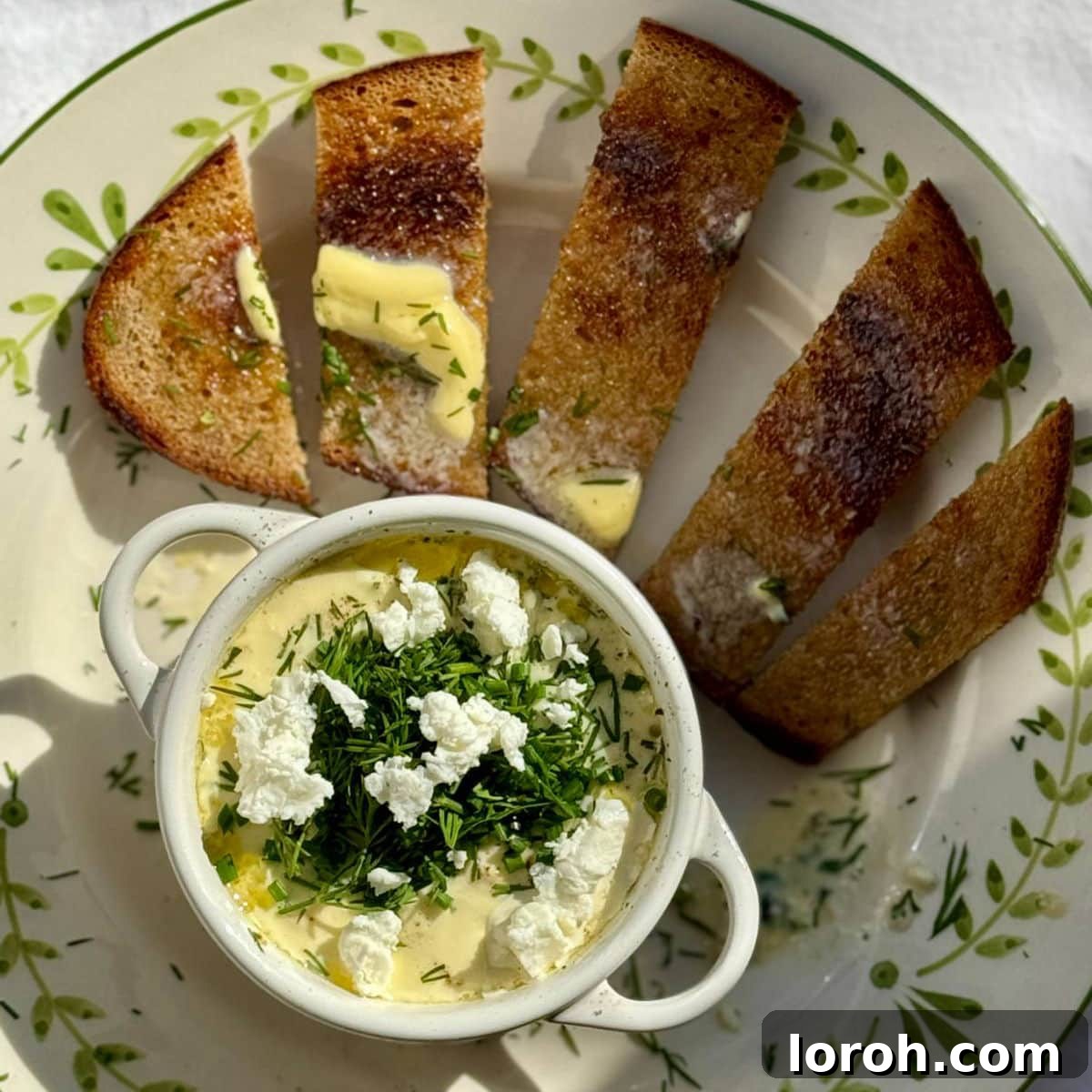
Oeufs Cocotte: Effortlessly Elegant Baked Eggs with Feta and Spinach
Craving a brunch that’s both elegant and incredibly simple to prepare? Look no further than Oeufs Cocotte, a classic French dish that translates to “eggs in a ramekin.” This delightful recipe, featuring creamy, salty feta and vibrant spinach, enveloped by a perfectly cooked egg yolk, is a culinary revelation. It’s my absolute favorite for a quick weekend brunch or a satisfying weekday lunch, offering a gourmet experience with minimal effort. The rich combination of textures and flavors, perfectly complemented by warm, buttery toast for dipping, creates a truly irresistible meal that will quickly become a cherished addition to your recipe repertoire.
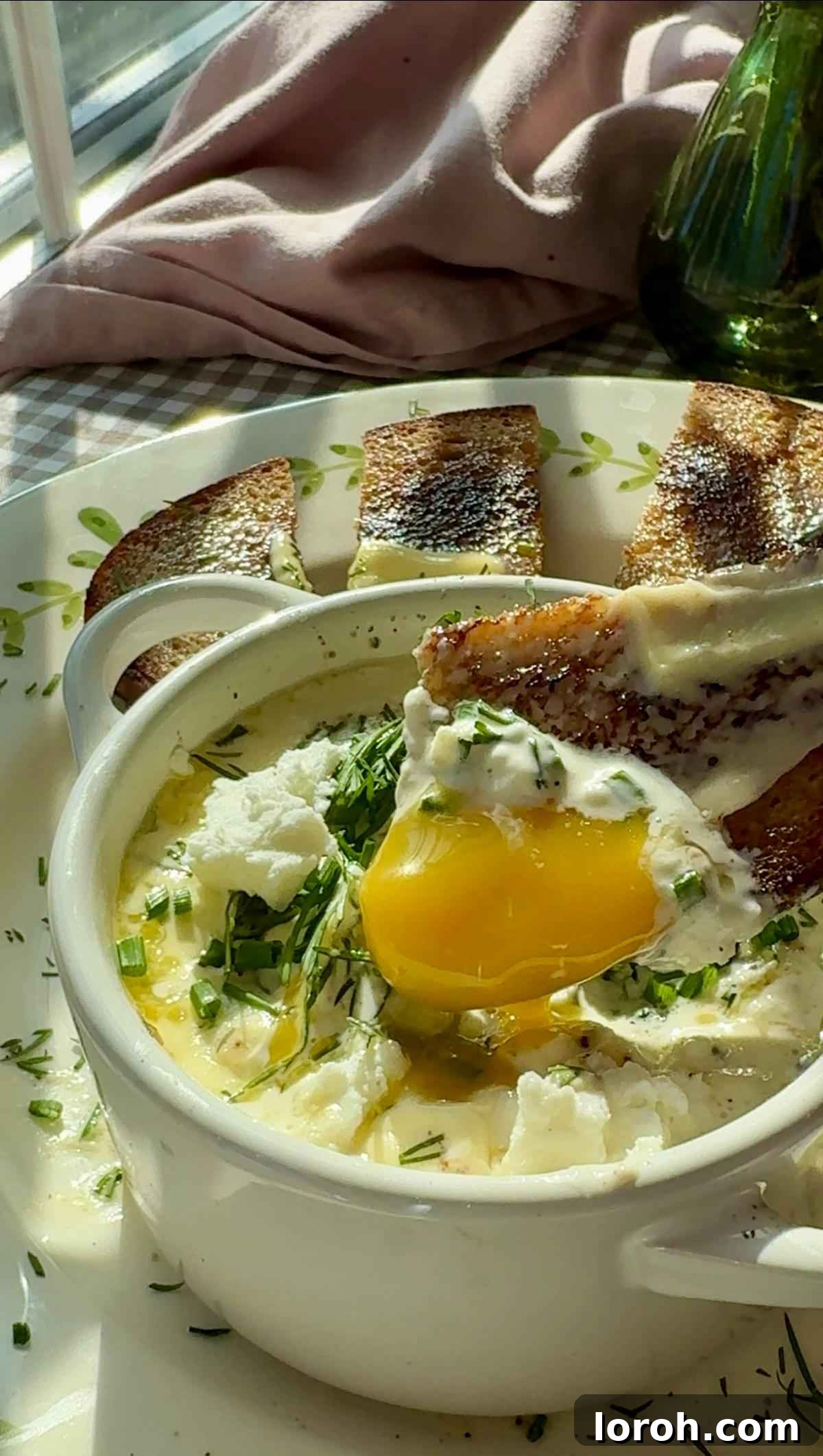
For many, no brunch is complete without eggs. While classic choices like Turkish Eggs, hearty Breakfast Bagel Sandwiches, or a luxurious Salmon Omelette are wonderful, Oeufs Cocotte holds a special place due to its unparalleled ease and versatility. This recipe effortlessly transitions from a leisurely weekend feast to a quick, nourishing meal on a busy day. What makes it even more appealing is the endless potential for customization. You can easily adapt the flavors to suit your mood or what you have on hand, transforming this simple dish into a new culinary adventure every time.
Imagine a sophisticated French variation with savory ham, nutty Gruyère cheese, and a sprinkle of fresh chives. Or perhaps an Italian twist, incorporating vibrant pesto and sun-dried tomatoes for a burst of Mediterranean flavor. For those who enjoy a bit of spice, a Shakshuka-inspired cocotte with rich tomatoes, smoked paprika, and aromatic herbs offers a comforting warmth. The beauty of Oeufs Cocotte lies in its adaptability, allowing you to craft a unique and delicious experience with every preparation.
Table of Contents
- Why You Will Love This Oeufs Cocotte Recipe
- The Story of Oeufs Cocotte
- Essential Ingredients for Baked Eggs
- Creative Substitutions and Variations
- How to Make Easy Baked Eggs (Oeufs Cocotte)
- Expert Cooking Tips for Perfect Results
- Frequently Asked Questions About Baked Eggs
- Other Breakfast & Brunch Recipes You Might Enjoy
- Oeufs Cocotte (Easy Baked Eggs) Full Recipe
Why You Will Love This Oeufs Cocotte Recipe
- Effortlessly Quick & Simple: This recipe is designed for maximum flavor with minimum fuss. From prep to plate, you’re looking at under 20 minutes, making it ideal for busy mornings or spontaneous cravings. It proves that gourmet meals don’t have to be complicated or time-consuming.
- Perfect for Any Occasion: Whether you’re whipping up a quick breakfast for yourself, a romantic brunch for two, or entertaining a crowd, these baked eggs scale up beautifully. Simply adjust the number of ramekins and ingredients, and you’re set to impress with a dish that looks as good as it tastes.
- Pantry-Friendly Ingredients: You’ll love how this recipe relies on just a handful of staple ingredients you likely already have in your kitchen. Fresh eggs, a touch of cream, and simple additions like feta and spinach create a harmonious blend of flavors without requiring a special trip to the store.
- Incredibly Versatile: The base recipe is a blank canvas for your culinary creativity. The spinach and feta combination is just one of many delicious possibilities. Easily swap in different cheeses, herbs, or vegetables to invent new flavor profiles and keep your breakfasts exciting.
- A Taste of French Elegance: Oeufs Cocotte offers a touch of French sophistication to your table. Despite its simple preparation, the presentation is inherently elegant, making it feel like a special treat every time you enjoy it. It’s comfort food with a refined edge.
The Story of Oeufs Cocotte: A French Culinary Gem
Oeufs Cocotte, meaning “eggs in a cocotte,” is a classic French dish that has graced breakfast tables and bistros for generations. A “cocotte” originally referred to a small, lidded earthenware pot, emphasizing the method of cooking eggs gently within their own individual vessel. This technique, also known as a bain-marie or water bath, ensures the eggs cook evenly and slowly, resulting in perfectly tender whites and a lusciously runny yolk—the hallmark of a truly great Oeufs Cocotte.
The beauty of this dish lies in its simplicity and adaptability. While the basic preparation involves eggs, cream, and seasoning, it quickly became a canvas for adding various ingredients like cheese, herbs, vegetables, and cured meats. It represents a quintessential French approach to cooking: taking humble, high-quality ingredients and transforming them into something extraordinary with precise technique. Today, Oeufs Cocotte remains a beloved dish, cherished for its comforting warmth, elegant presentation, and the sheer joy of dipping buttery toast into its creamy depths.
Essential Ingredients for Baked Eggs
For precise measurements and detailed steps, refer to the printable recipe card located at the very bottom of this post!
Crafting the perfect Oeufs Cocotte starts with selecting quality ingredients that work harmoniously together. Here’s a closer look at the stars of this particular recipe:
Fresh Eggs: The foundation of our dish! Always opt for the freshest, highest quality eggs you can find. Large eggs are typically recommended for this recipe. Fresh eggs not only taste better but also hold their shape beautifully when baked, yielding that coveted perfectly set white and gooey yolk.
Double Cream (Heavy Cream): This is where much of the luxurious creaminess comes from. In the UK, it’s known as double cream; in the US, it’s referred to as heavy cream. Its high fat content ensures a rich, velvety texture that perfectly complements the eggs and other ingredients, preventing them from drying out and infusing every bite with decadence.
Authentic Feta Cheese: Our chosen cheese adds a wonderful salty, tangy counterpoint to the richness of the eggs and cream. True Greek feta, traditionally made from sheep’s milk (or a blend with goat’s milk), offers a distinct crumbly texture and robust flavor that makes all the difference. Avoid softer, creamier “feta-style” cheeses for the best results; their flavor profile won’t be as impactful.
Fresh Spinach: This leafy green wilts down beautifully, adding a lovely earthy note and a vibrant splash of color. It’s also packed with nutrients, making your breakfast both delicious and wholesome. Remember to thoroughly drain it after wilting to prevent a watery final product.
Aromatic Fresh Herbs (Dill and Chives): The combination of dill and chives is simply exquisite with spinach, feta, and eggs. Dill offers a fresh, slightly anise-like flavor, while chives provide a mild, oniony kick. These herbs brighten the dish and add an essential layer of aromatic complexity, elevating the overall taste experience. Don’t underestimate the power of fresh herbs to transform a simple meal!
Creative Substitutions and Variations: Personalize Your Baked Eggs
The beauty of Oeufs Cocotte lies in its incredible versatility. While the spinach and feta combination is a personal favorite, this dish is a fantastic canvas for culinary creativity. Feel free to experiment with these delicious substitutions and additions to make it uniquely yours:
Cheese Alternatives: Don’t limit yourself to feta! A world of cheese awaits to enhance your baked eggs.
- For a nutty, robust flavor, try grating in hard cheeses like Gruyère or Comté. They melt beautifully and add depth.
- If you prefer something milder and ultra-creamy, soft-ripened cheeses such as Brie or Taleggio are excellent choices, melting into luscious pockets.
- A sprinkle of freshly grated Parmesan or Pecorino Romano can add a sharp, salty finish.
- For a touch of tang, crumbled goat cheese pairs wonderfully with spinach and other vegetables.
Herb Swaps: The right herbs can completely transform the character of your Oeufs Cocotte.
- Instead of dill, consider using fresh thyme, delicate lemon thyme, or aromatic oregano for a more Mediterranean profile.
- If chives aren’t available, finely chopped spring onions (scallions) offer a similar mild oniony flavor and crisp texture.
- For a touch of warmth and spice, a pinch of freshly chopped parsley or coriander (cilantro) can be delightful, especially with more savory additions.
Exciting Additions: Elevate your baked eggs by incorporating other flavorful ingredients.
- Sautéed Mushrooms: Fry sliced mushrooms until golden before adding them with the spinach for an umami-rich depth.
- Sun-Dried Tomatoes or Fresh Cherry Tomatoes: Scatter finely sliced sun-dried tomatoes (oil-packed for extra flavor) or halved cherry tomatoes for bursts of sweet and tangy goodness.
- Garlic Infusion: Add a pinch of crushed garlic to the spinach while wilting, or for a deeper, sweeter flavor, use a dollop of roasted garlic paste.
- Olives: Sliced pitted olives (Kalamata or green) can introduce a lovely briny note, complementing the feta particularly well.
- Pesto Perfection: A spoonful of fresh pesto (basil, sun-dried tomato, or even pistachio pesto) swirled into the cream or added on top before baking creates an instant flavor boost.
- Cured Meats: For a heartier option, finely diced cooked ham, crispy bacon bits, or spicy chorizo can be layered in.
- Other Vegetables: Experiment with finely chopped bell peppers, asparagus tips, or even a spoonful of leftover roasted vegetables.
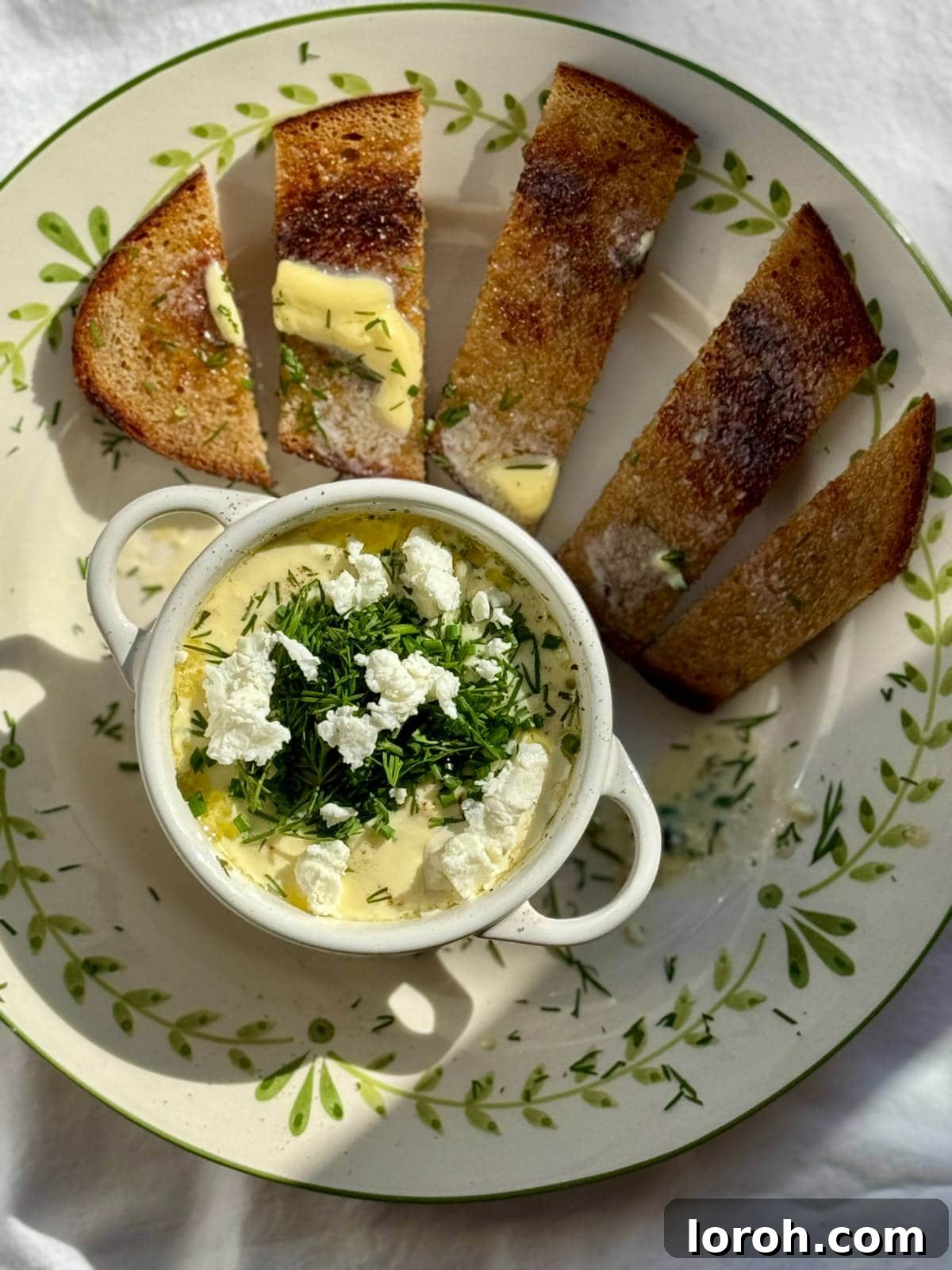
How to Make Easy Baked Eggs (Oeufs Cocotte): A Step-by-Step Guide
This is a visual and descriptive guide to the process. For precise measurements and the full recipe, please scroll down to the printable recipe card at the bottom of the page.
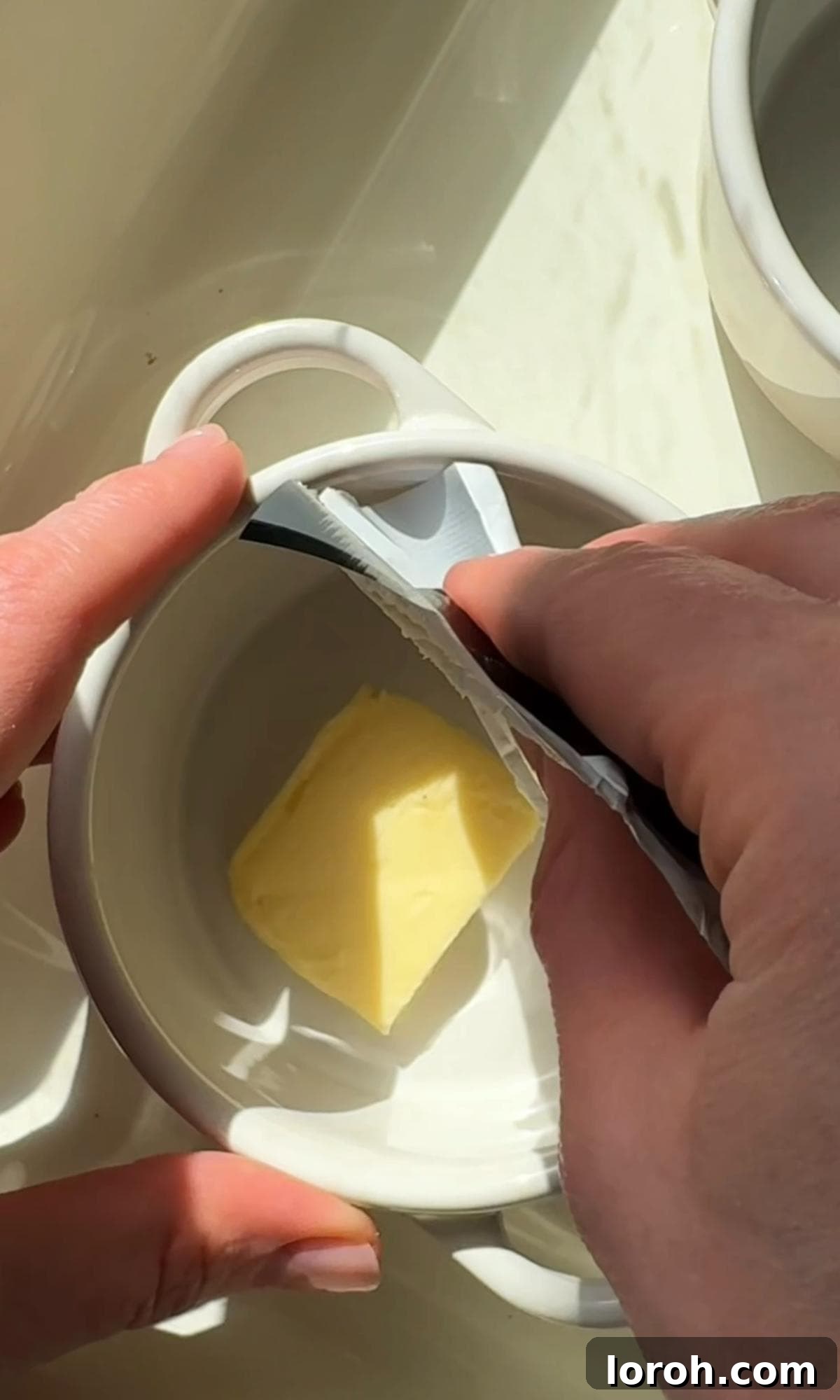
STEP ONE: Begin by preheating your oven to 180°C/160°C Fan/350°F. This ensures the oven is at the correct temperature for even cooking from the start. Take two individual ramekins (ideally ones with lids, around 10cm wide) and generously grease the insides with softened butter. This crucial step prevents sticking and adds a wonderful flavor to the edges of your baked eggs. Set them aside while you prepare the spinach.
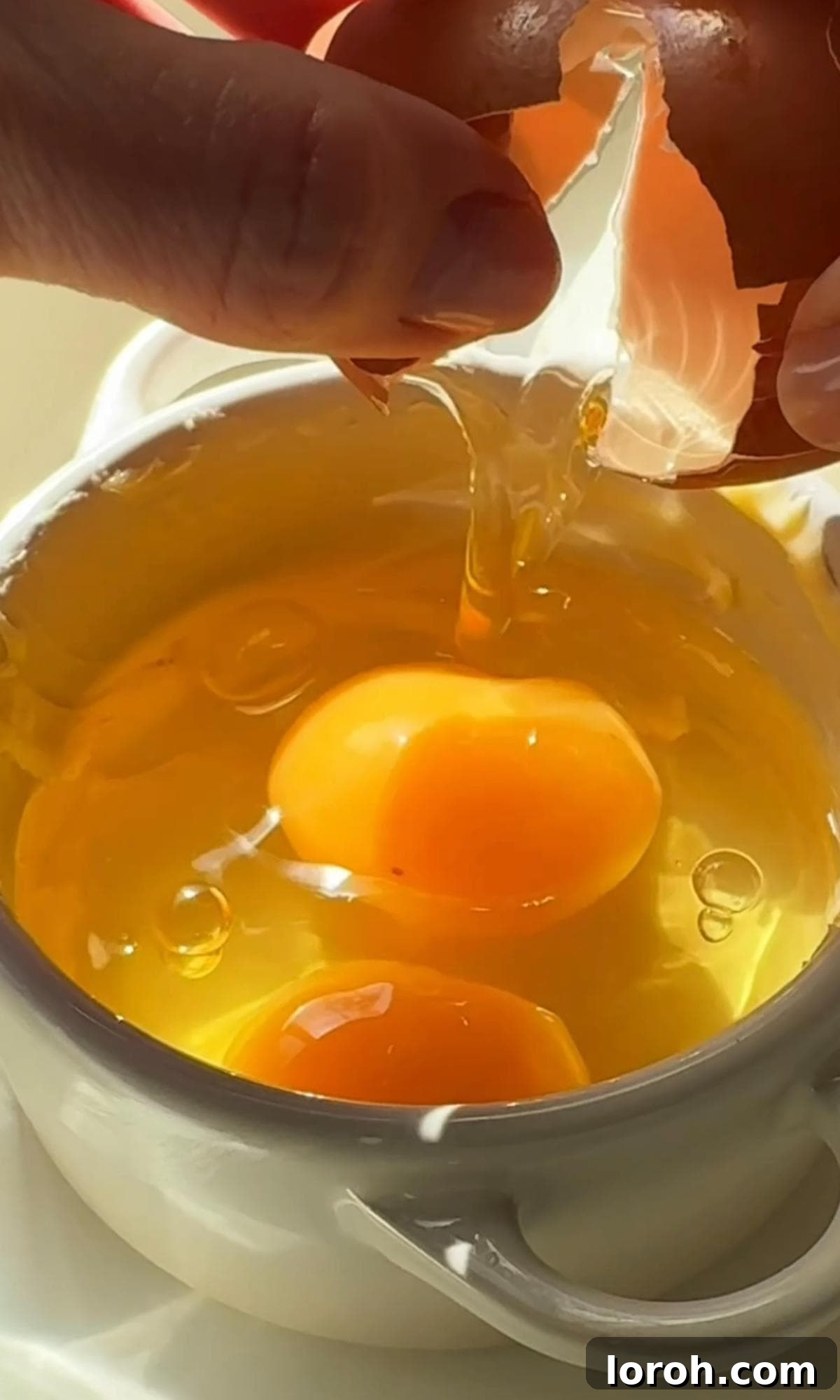
STEP TWO: Next, wilt the fresh baby spinach. Drizzle a teaspoon of olive oil into a large non-stick frying pan and add the spinach. Cook over a low-medium heat, stirring occasionally, until it has significantly reduced in volume and is fully wilted (this usually takes about 5 minutes). Once wilted, immediately transfer the spinach to a sieve and press out as much liquid as possible with a wooden spoon, or wrap it in a clean tea towel and squeeze firmly. This prevents your Oeufs Cocotte from becoming watery. Roughly chop the drained spinach and then crack two large, fresh eggs directly into each of your prepared ramekins.
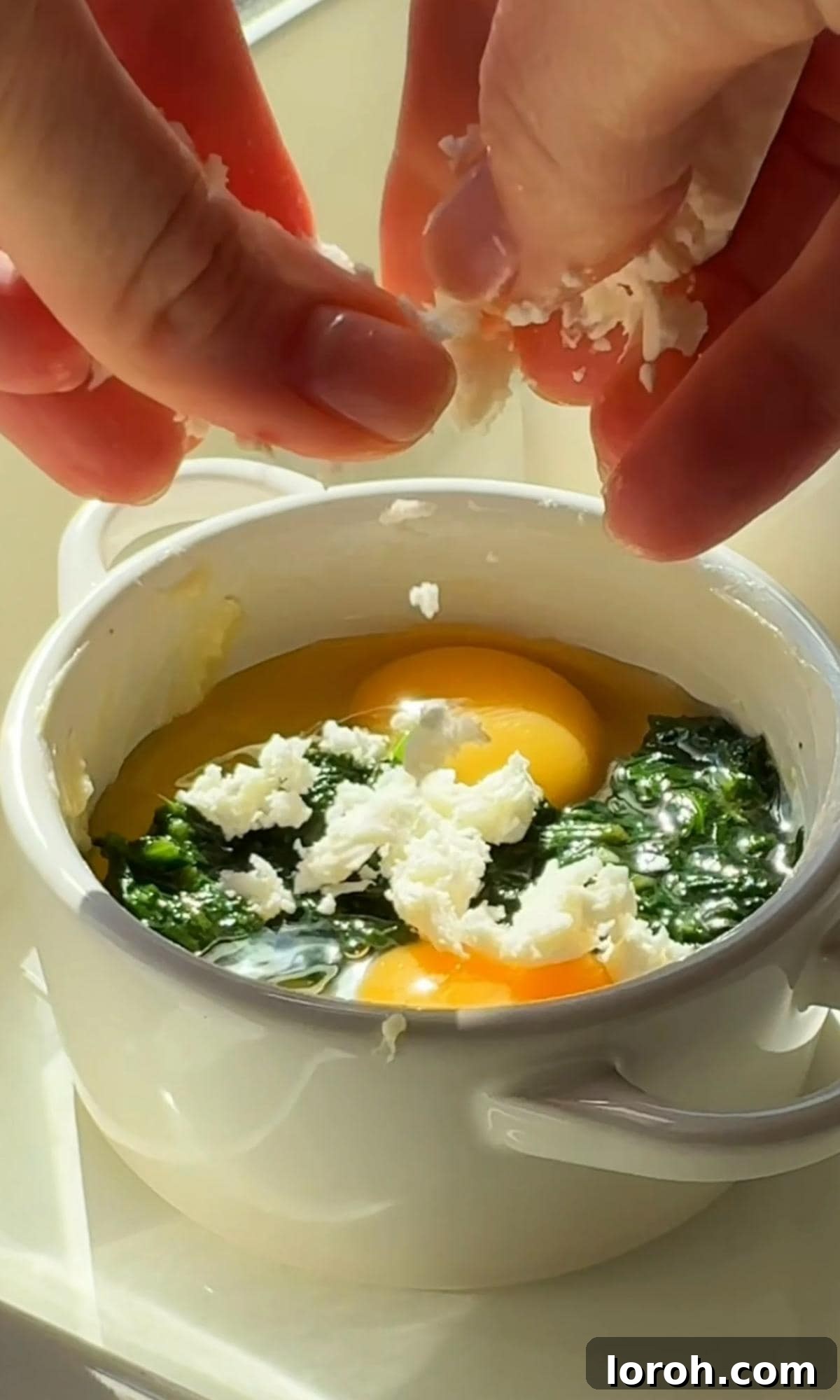
STEP THREE: Evenly divide the now-chopped and well-drained spinach between the two ramekins, scattering it gently around the eggs. Once the spinach is in place, crumble the fresh feta cheese generously over the top of the eggs and spinach in both ramekins. The feta will add a wonderful salty and tangy burst of flavor that beautifully complements the creamy eggs.
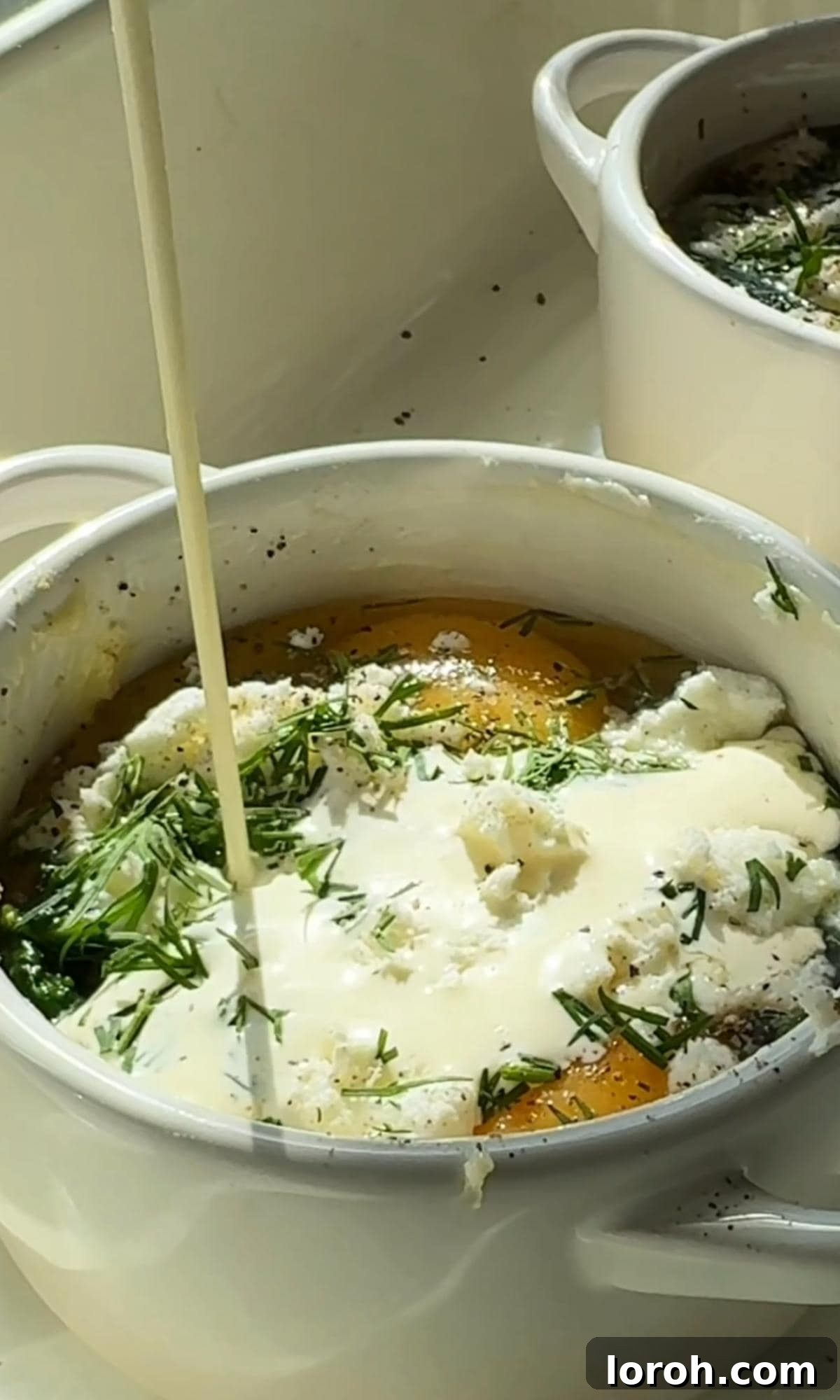
STEP FOUR: Carefully pour two tablespoons of rich double cream (or heavy cream) into each ramekin, allowing it to nestle around the eggs and mingle with the spinach and feta. Season generously with salt and freshly ground black pepper, remembering that feta is naturally quite salty so adjust accordingly. Finally, sprinkle one tablespoon of freshly chopped dill over the ingredients in each ramekin, enhancing the aroma and flavor of the dish.
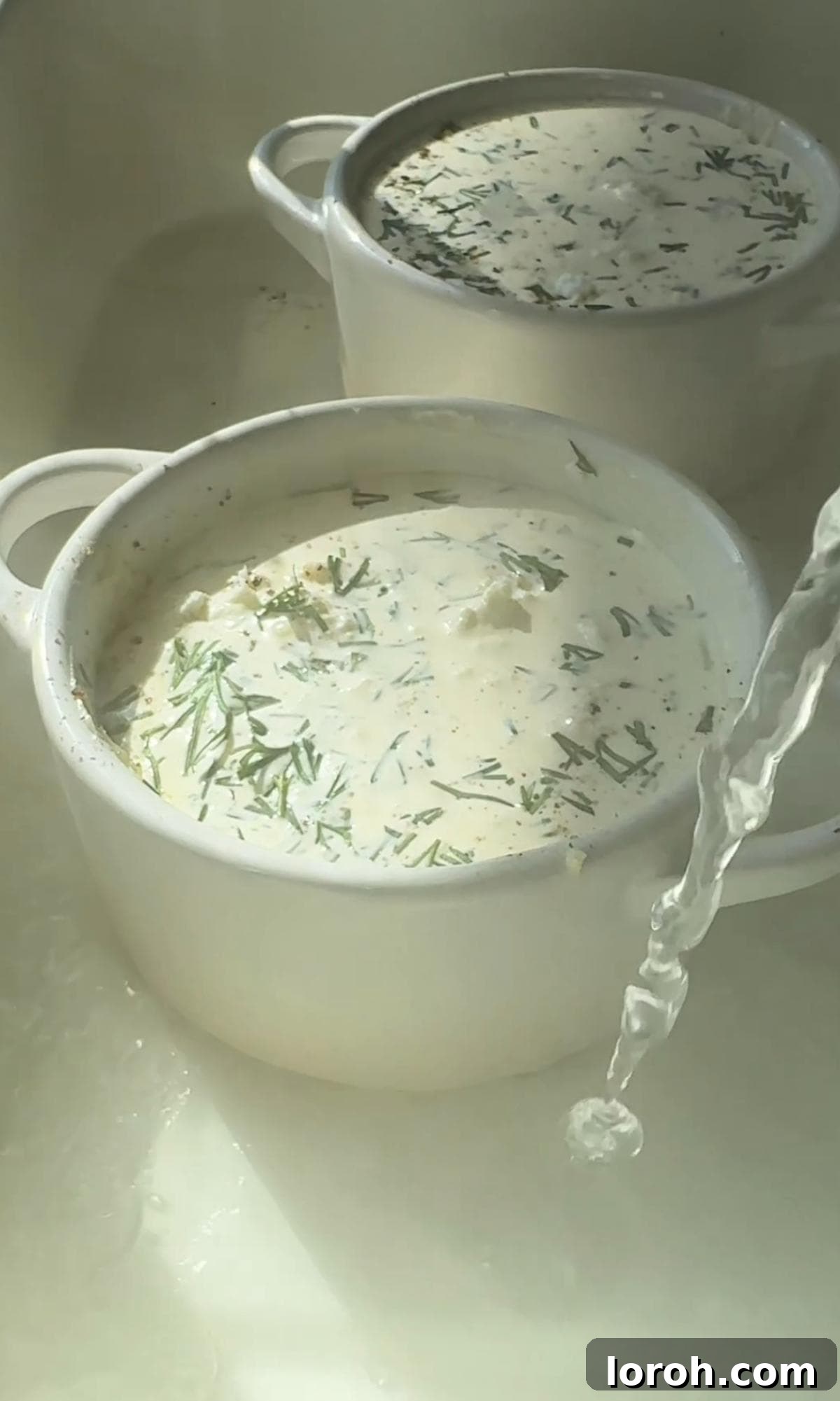
STEP FIVE: Place your filled ramekins into a larger roasting tin or baking dish. Carefully pour just enough boiling water into the roasting tin to come halfway up the sides of the ramekins, creating a bain-marie (water bath). If your ramekins have lids, place them on. If not, cover the entire roasting tin with aluminum foil to trap the steam. Gently transfer the tin to your preheated oven and bake for approximately 15-20 minutes. The cooking time will vary depending on your oven and desired yolk consistency; I recommend checking them at 15 minutes to ensure a slightly runny, luscious yolk.
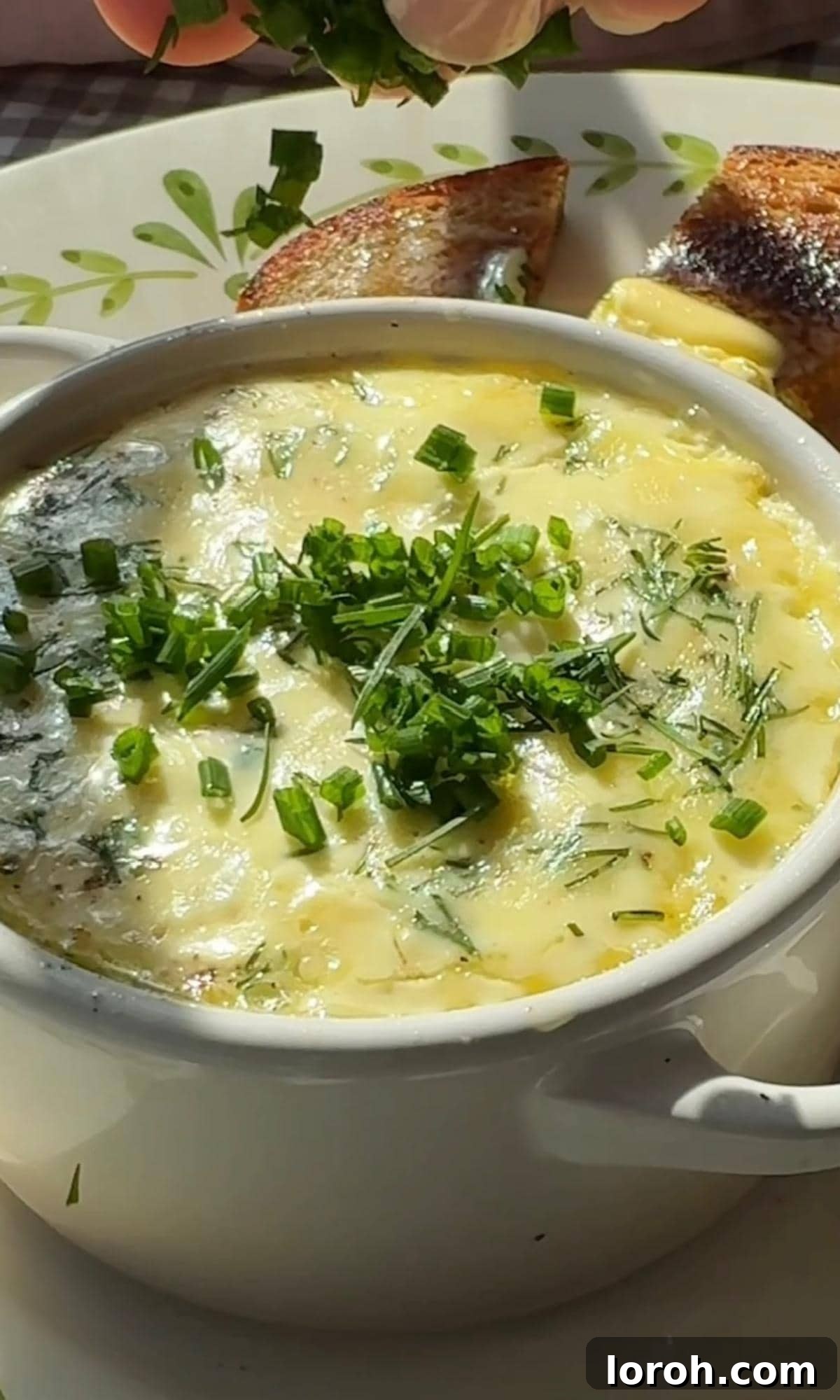
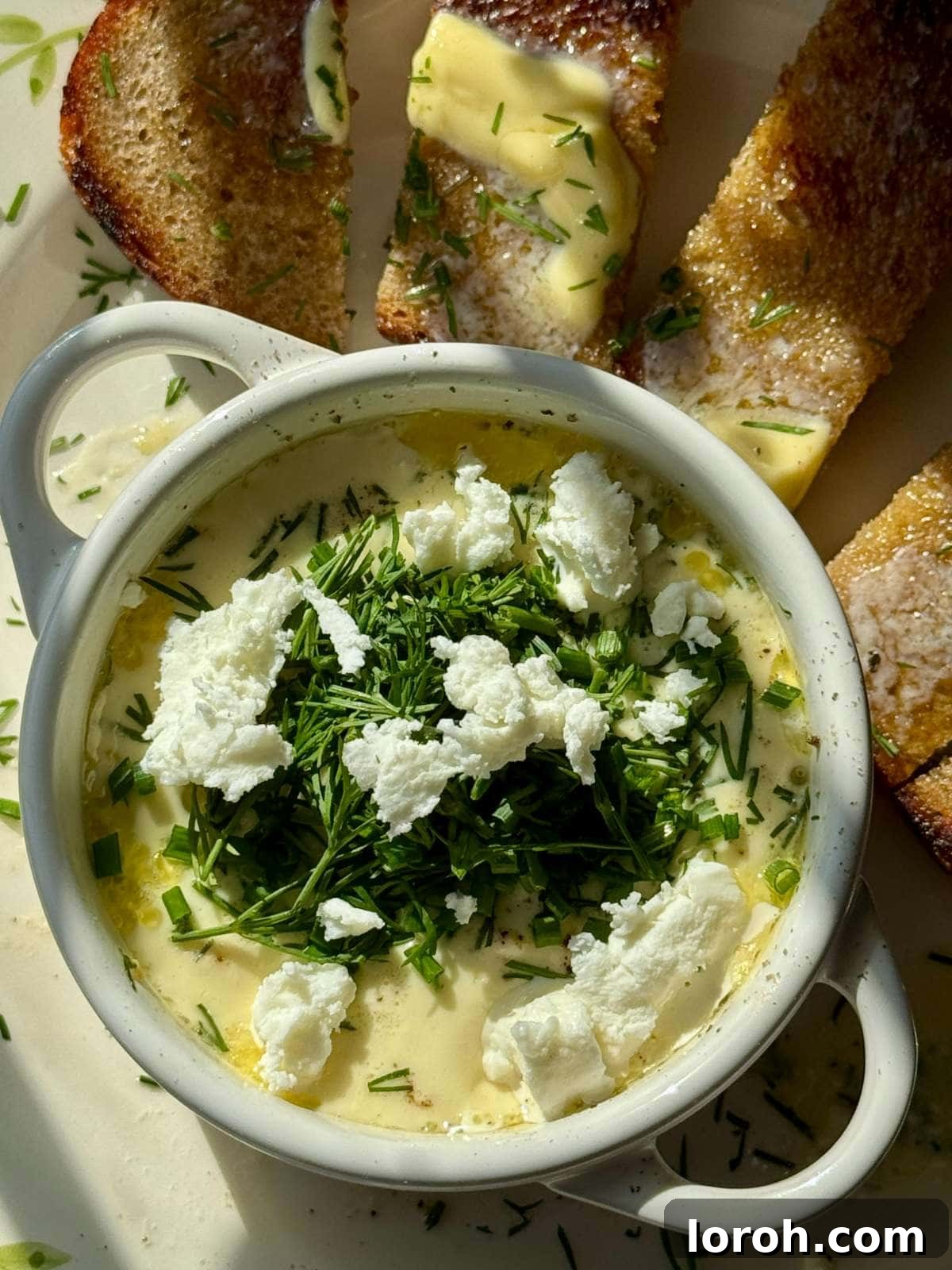
STEP SIX: Once baked to your liking, carefully remove the roasting tin from the oven. Using oven mitts, gently lift out the hot ramekins and place one onto each serving plate. Sprinkle generously with the remaining finely chopped chives for a fresh burst of flavor and a touch of color. Serve your Oeufs Cocotte immediately, accompanied by slices of hot, buttered toast – perfect for dipping into the rich, creamy yolk and savory contents. Enjoy this simple yet utterly delicious French classic!
Expert Cooking Tips for Perfect Oeufs Cocotte Every Time
Achieving the perfect Oeufs Cocotte is easy with a few key techniques. Follow these expert tips to ensure your baked eggs are consistently creamy, flavorful, and a delight to eat:
The Golden Rule: Thoroughly Drain the Spinach: This step cannot be stressed enough! After wilting the spinach, it will release a significant amount of water. If this excess liquid isn’t removed, your Oeufs Cocotte will be watery and diluted, rather than luxuriously creamy. Use a fine-mesh sieve and press down firmly with the back of a spoon, or, for even better results, squeeze it dry in a clean kitchen towel. This ensures concentrated flavor and a perfect texture.
Choose Quality Feta: The type of feta you use makes a real difference. Seek out traditional Greek feta made from sheep’s milk or a blend of sheep’s and goat’s milk. This authentic feta offers a distinct salty tang and crumbly texture that melts beautifully and imparts a far superior flavor compared to “feta-style” cheeses made from cow’s milk. It’s worth the slight extra effort to find the real deal.
Mastering Baking Time for Your Ideal Yolk: The cooking time is crucial for achieving your preferred yolk consistency. Keep a close eye on your eggs as they bake, especially towards the end of the cooking window. All ovens vary, and factors like the size and material of your ramekins (thicker ceramic will cook slower than thinner glass) will influence how quickly the eggs set. For a wonderfully runny yolk, you’ll want the whites to be set but the yolk still very jiggly. For a firmer yolk, extend the cooking time slightly. Begin checking at 15 minutes and go from there.
The Importance of the Water Bath (Bain-Marie): Don’t skip the water bath! Cooking Oeufs Cocotte in a bain-marie encourages gentle, even heat distribution, which is essential for perfect baked eggs. This method prevents the delicate egg whites from becoming rubbery and ensures the yolks remain wonderfully tender and creamy, rather than drying out. Use boiling water in the bath to help the oven temperature stabilize faster.
Seasoning Wisely: Remember that feta is already quite salty. Be mindful when adding additional salt to your eggs, especially before tasting. A good grind of fresh black pepper, however, is always welcome and enhances the overall flavor profile. You can always add more seasoning after baking if needed.
Frequently Asked Questions About Oeufs Cocotte
Baking Oeufs Cocotte in a bain-marie (or water bath) is a classic French technique that ensures gentle and even cooking. This controlled heat environment is crucial for achieving perfectly tender egg whites and a runny, luscious yolk. It prevents the edges of the eggs from overcooking and becoming rubbery, while keeping the yolks from drying out, resulting in a consistently creamy and smooth texture throughout.
Absolutely! This recipe is incredibly adaptable for larger gatherings. Simply double, triple, or quadruple the ingredients as needed. Just ensure you have enough ramekins and a large enough roasting tin or baking dish to accommodate them in a single layer for the water bath. The cooking time should remain similar, but keep a closer eye on the eggs, as slight variations in oven loading can affect how quickly they set.
The quintessential accompaniment for Oeufs Cocotte is, without a doubt, hot buttered toast. Its crisp edges and soft interior are ideal for dunking into the gooey yolk, creamy feta, and savory spinach mixture. Beyond toast, consider serving with crusty French baguette, toasted pita bread (especially if you’ve leaned into a Mediterranean theme), or even sturdy vegetable sticks for a lighter option. A simple green salad on the side also makes for a lovely, balanced meal.
Yes, you can absolutely use frozen spinach, and it can actually be a time-saver! There’s no need to wilt it in a pan first. Simply defrost the frozen spinach (you can do this in the microwave or by letting it sit at room temperature for a while). The most critical step then is to squeeze out as much excess water as humanly possible. Frozen spinach tends to retain more liquid than fresh wilted spinach, so be extra diligent with this step to avoid a watery cocotte. Once thoroughly drained, proceed with the recipe as normal.
For the absolute best texture and experience, Oeufs Cocotte is a dish that truly shines when served immediately after baking. The yolks will be perfectly runny and the whites tender. If made ahead or reheated, the eggs will continue to cook, leading to firmer yolks and potentially rubbery whites, diminishing the delicate appeal of the dish. While technically possible to reheat gently, it’s highly recommended to enjoy them fresh from the oven.
Other Breakfast & Brunch Recipes You Might Enjoy
If you’ve fallen in love with the simplicity and deliciousness of Oeufs Cocotte, you’ll be thrilled to discover more of our fantastic breakfast and brunch recipes that are just as easy and satisfying. Expand your culinary repertoire with these egg-centric and delightful dishes:
Don’t miss out on my vibrant Courgette Corn Fritters, which are wonderfully crispy and packed with fresh flavor – perfect for a lighter brunch. For another effortless egg dish that’s great for feeding a crowd, try my rustic Courgette Frittata (Frittata di Zucchini). And for a truly indulgent and comforting morning treat, our rich Ham and Cheese Croissant Bake is an absolute must-try. Each recipe offers a unique way to start your day with incredible taste and minimal fuss!
More Brunch Inspiration
Recipes
The Best Sweetcorn Fritters
Breakfast & Brunch
Easy Pancake Recipe Without Baking Powder
Easy Healthy Recipes
Scarpaccia (Italian Zucchini Tart)
Easy Baking Recipes
Chocolate Chunk Muffins
If you tried my Oeufs Cocotte or any other recipe on the site, please do leave a rating or comment below and let us know how it went! Your feedback is invaluable.
Oeufs Cocotte (Easy Baked Eggs)
10
20
30
2 servings
Rate Recipe
Print Recipe
Ingredients
- 15 g unsalted butter, softened
- 1 tsp olive oil
- 200 g fully prepared baby spinach
- 4 large eggs
- 4 tbsp double cream
- 20 g feta
- Salt and freshly ground black pepper
- 1 tbsp freshly chopped dill
To serve:
- 2 tbsp finely chopped chives
- Hot buttered toast
Instructions
-
Preheat the oven to 180°C/160°C Fan/350°F. Grease two ramekins liberally with the softened butter (I like to use the ones with the lids – mine were about 10cm wide). Set aside.
-
Drizzle the oil into a large non-stick frying pan and add the spinach. Cook over a low-medium heat, stirring occasionally, until wilted (it will look like a lot at first, but will reduce dramatically in size after cooking). This takes around 5 minutes.
-
Once wilted, tip into a sieve and use a wooden spoon to push out as much liquid as possible (this stops your baked eggs and feta becoming watery). Alternatively, tip into a clean tea towel, wrap up, twist and squeeze out as much water as possible over a sink. Once you have removed as much liquid as you can, transfer onto a chopping board and roughly chop.
-
Crack 2 eggs into each ramekin. Divide the chopped spinach equally between the two, then crumble over the feta. Add 2 tbsp double cream to each ramekin, then season with salt and freshly ground black pepper (bear in mind that feta is quite salty). Sprinkle with dill.
-
Pop the ramekins into a roasting tin or baking dish. Pour in just enough boiling water to come halfway up the sides of the ramekins. If your ramekins have lids, pop them on. If not, cover the roasting tin/baking dish with foil. Pop in the oven and bake for about 15-20 minutes – or until the yolks are set to your liking (I like mine with a slightly runny yolk – so lightly set but with some wobble).
-
Remove from the oven and carefully lift out the ramekins – they will be hot! Place one on each plate. Serve straight away sprinkled with chives alongside slices of hot buttered toast.
Notes
To store: Once baked, these baked eggs and feta are best served straight away for optimal texture and flavor.
To reheat: This is one of those dishes that is best served immediately as reheating tends to overcook the eggs, making them rubbery.
Cheese: Swap the feta for all sorts of cheeses. Nutty Gruyère and Comté are delicious. Try Brie or Taleggio (they melt well) or Parmesan.
Herbs: Swap the dill for thyme, lemon thyme or oregano if you prefer. The chives can be subbed for spring onions.
Other additions: Fry mushrooms with the spinach and add in. You could scatter in sliced sun-dried tomatoes, chopped cherry tomatoes, crushed or roasted garlic, sliced pitted olives or a dollop of fresh pesto.
Nutrition
Nutrition information is automatically calculated, so should only be used as an approximation.