
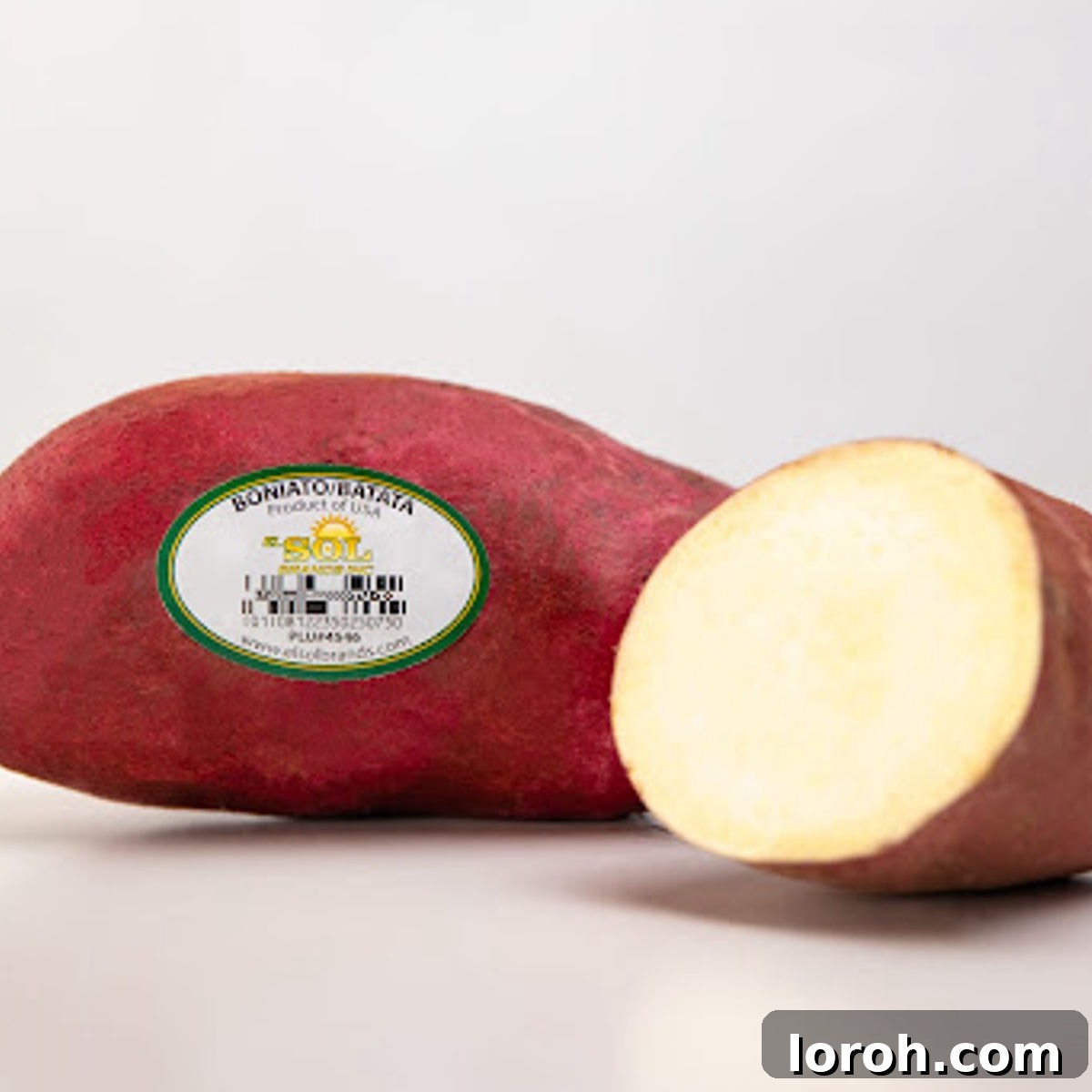
Boniato, often hailed as the “Cuban sweet potato,” is a captivating root vegetable gaining increasing recognition beyond its traditional Caribbean strongholds. With its distinct creamy white flesh, subtly nutty flavor, and remarkably versatile texture, it elegantly bridges the gap between a classic white potato and a conventional orange-fleshed sweet potato. This unique profile makes boniato a cherished staple in Caribbean kitchens and an exciting ingredient for adventurous home cooks worldwide. Offering a delicate sweetness and a starchy yet fluffy consistency, boniato stands out as a delicious, often underutilized, ingredient ready to elevate a wide array of dishes.
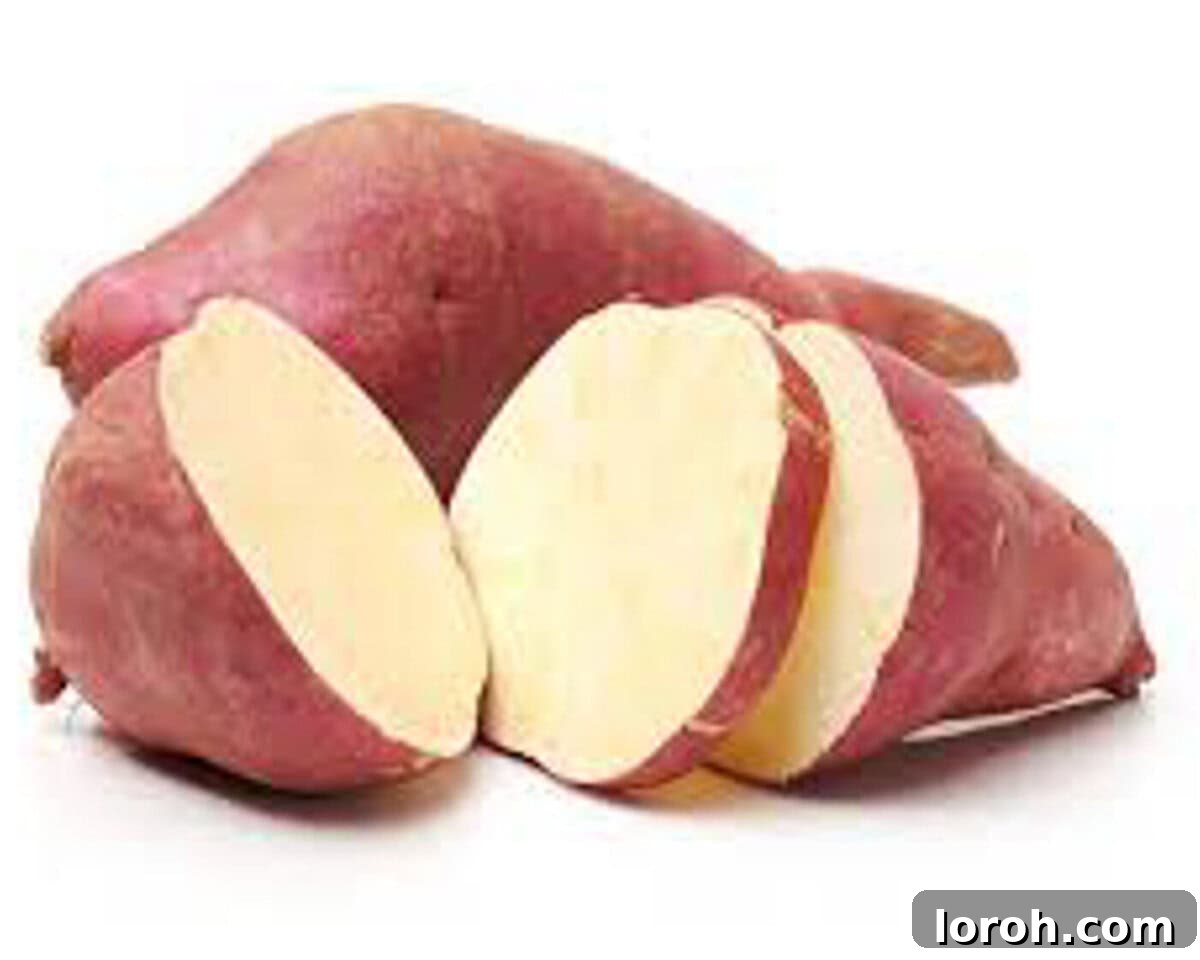
This comprehensive guide delves deep into the world of boniato. We will explore its botanical identity, uncover its rich nutritional benefits, provide expert tips on how to select and store this delightful root, and share a myriad of cooking techniques and mouth-watering recipes to help you incorporate this extraordinary ingredient into your culinary repertoire. Get ready to discover your new favorite potato!
What Is Boniato? Unpacking the Cuban Sweet Potato
Boniato is a distinct variety of sweet potato (Ipomoea batatas), though its appearance and flavor profile often lead to confusion with other root vegetables. It is predominantly cultivated and celebrated in the warm climates of the Caribbean, Central America, and specific regions of the United States, such as Florida, where its popularity continues to grow. Characterized by its relatively dry and starchy texture, boniato boasts striking white or pale-yellow flesh encased in a thin reddish or light brown skin. Unlike its vibrant orange cousins, boniato offers a much milder sweetness, aligning more closely with the starchiness of a regular white potato, yet it distinguishes itself with a subtle, delicate chestnut-like flavor that adds depth to any dish.
Its versatility in the kitchen is one of its greatest assets, making it suitable for both savory and, surprisingly, some sweet applications. The subtle sweetness allows it to absorb and complement a broader spectrum of flavors, making it a culinary chameleon that can adapt to various preparations.
Beyond its primary name, this unique white sweet potato is also recognized by several other regional appellations, including:
- Batata: A common name, particularly in Spanish-speaking regions and some parts of the US.
- Camote blanco: Widely used in Latin America, directly translating to “white sweet potato.”
- White sweet potato: While accurate, it’s important to note this term can also refer to other varieties of sweet potatoes with white flesh, making “Boniato” or “Cuban sweet potato” more specific.
Despite superficial resemblances to other sweet potatoes and even true yams, boniato truly stands apart. Its unique combination of dry texture, mild sweetness, and nutty undertones makes it an indispensable ingredient in traditional cuisines and a fantastic option for diversifying modern cooking.
Boniato’s Unique Nutritional Profile: More Than Just a Delicious Root
Beyond its culinary appeal, boniato offers a substantial nutritional bounty, making it a healthy addition to any diet. This root vegetable is an excellent source of complex carbohydrates, providing sustained energy without the sharp sugar spike associated with highly processed foods. Its high dietary fiber content is crucial for digestive health, aiding in regularity and promoting a feeling of fullness, which can be beneficial for weight management.
Boniato is also packed with essential vitamins and minerals. It’s a good source of Vitamin C, a powerful antioxidant vital for immune function and skin health, and Vitamin B6, which plays a key role in brain development and function, as well as metabolism. Furthermore, it supplies important minerals such as potassium, critical for maintaining healthy blood pressure and fluid balance, and magnesium, involved in over 300 enzymatic reactions in the body. Compared to regular white potatoes, boniato often contains a more favorable nutritional balance, especially regarding its fiber and antioxidant content. Incorporating boniato into your meals is an easy and delicious way to boost your daily nutrient intake.
Boniato in Culinary History and Culture: A Caribbean Culinary Cornerstone
The history of boniato is deeply intertwined with the culinary heritage of the Caribbean and Latin America. Indigenous populations in these regions have cultivated and relied on various forms of sweet potatoes, including boniato, for centuries, long before European arrival. This makes boniato not just a food source but a link to ancient agricultural practices and vibrant cultural traditions.
In many Caribbean nations, particularly Cuba and Puerto Rico, boniato is more than just a side dish; it’s a staple, a symbol of comfort food, and an integral component of national identity. Its mild flavor and firm texture make it exceptionally versatile for traditional preparations. From the beloved Cuban Mojo-marinated boniato to classic stews and fritters, it adds body, creaminess, and a subtle sweetness that balances rich, savory flavors. It’s also often featured in traditional holiday meals and celebratory feasts, cementing its place as a cornerstone of the regional culinary landscape. Understanding its cultural significance enriches the experience of cooking and tasting boniato, connecting you to generations of culinary wisdom.
Differences Between Boniato, Orange Sweet Potatoes, and True Yams
The world of root vegetables can be confusing, and boniato is often mistakenly grouped with orange sweet potatoes or yams. While they are all starchy tubers, their distinct characteristics significantly impact their best culinary uses. Understanding these differences is key to appreciating boniato’s unique qualities.
| Feature | Boniato (Cuban Sweet Potato) | Orange Sweet Potato (e.g., Jewel, Garnet) | True Yam (African/Asian Yam) |
| Flesh color | White or pale yellow | Bright orange | White, purple, or yellow |
| Texture | Dry, starchy, floury, fluffy | Moist, creamy, sometimes stringy | Very starchy, dry, often rougher texture |
| Flavour | Nutty, earthy, mildly sweet, chestnut-like | Very sweet, often caramel-like | Mild, earthy, less sweet, sometimes bland |
| Common use | Frying (for crispness), mashing, soups, stews, baking (savory dishes) | Baking, roasting, pureeing, desserts, sweet applications | Boiling, pounding (fufu), frying in savory preparations |
The primary distinction lies in their texture and sweetness. Orange sweet potatoes are known for their high moisture content and intense sweetness, making them ideal for baking, pies, and sweet casseroles. True yams, on the other hand, are botanically distinct and possess a very dry, starchy texture and a more neutral flavor, often requiring longer cooking times and are typically used in African, Caribbean, and Asian cuisines for savory dishes or pounded into a paste. Boniato uniquely sits in the middle: it’s drier and starchier than an orange sweet potato, allowing it to crisp beautifully when fried or roasted, yet it offers a delicate sweetness and nutty flavor profile that is absent in most true yams. This unique combination makes boniato a versatile choice, performing exceptionally well in savory preparations where a less sweet, more substantial potato is desired, but also surprisingly good in certain desserts.
How to Buy & Store Boniato: Tips for Freshness and Longevity
To fully enjoy the distinct flavor and texture of boniato, knowing how to select the best specimens and store them properly is crucial. A well-chosen and correctly stored boniato can last for weeks, ensuring it’s ready whenever culinary inspiration strikes.
How to Choose the Best Batata
When selecting boniato at the market, look for indicators of freshness and quality:
- Firmness: The boniato should feel firm and solid to the touch throughout. Avoid any that feel soft or mushy, as this is a sign of spoilage.
- Unblemished Skin: Inspect the reddish or light brown skin for any cuts, bruises, mold, or dark spots. While minor imperfections are normal, significant damage can lead to faster spoilage.
- Medium Size: Opt for medium-sized roots. These tend to cook more evenly than very large or very small ones, and their flavor is often at its peak.
- No Sprouting: Avoid boniatos that have started to sprout, as this indicates they are older and their starch is converting to sugar, which can alter their texture and flavor.
You’ll most reliably find boniato at Latin American grocery stores, international supermarkets, or bustling farmers’ markets, particularly from late summer through the winter months when they are typically in season and at their freshest.
How to Store It for Optimal Freshness
Proper storage is essential to maintain boniato’s quality and extend its shelf life:
Always keep boniato in a cool, dark, and dry cupboard or pantry. It’s imperative to avoid storing them in the refrigerator, as the cold temperatures can cause their starches to convert to sugars too quickly, leading to a harder texture and a loss of their characteristic nutty flavor. High humidity can also encourage mold growth, so ensure good air circulation. Stored correctly in these conditions, boniato can last impressively for up to 2-3 weeks, allowing you ample time to plan your delicious meals.
How to Cook Boniato: Unlocking Its Culinary Potential
Boniato is an incredibly versatile root vegetable, capable of shining in a multitude of preparations. Its dry, fluffy interior and mild, nutty flavor make it particularly well-suited for methods that allow its unique texture to develop. Don’t be afraid to experiment, as boniato adapts wonderfully to many techniques commonly used for other root vegetables.
Key Cooking Techniques for Boniato
- Roasted: A fantastic way to bring out boniato’s natural sweetness and achieve a delightful crispy exterior. Peel and cube the boniato into uniform pieces. Toss them generously with olive oil, salt, freshly ground black pepper, and your favorite herbs like rosemary or thyme, or spices such as paprika or cumin. Roast in a preheated oven at 200°C (180°C fan) for 30–35 minutes, or until golden brown and tender, flipping halfway through. This method yields a wonderfully fluffy interior, much like my herb roasted potatoes.
- Mashed: For a creamy and comforting side dish, boniato mashes beautifully. Peel and cut boniato into large chunks, then boil them in salted water until they are fork-tender (about 15-20 minutes). Drain thoroughly and mash with a fork or potato masher. Incorporate butter, olive oil, or coconut milk for a dairy-free option, along with a pinch of salt and pepper. For extra flavor, stir in roasted garlic or fresh herbs like cilantro.
- Fried: Boniato’s dry texture makes it an excellent candidate for frying, resulting in wonderfully crisp fries or chips. Slice boniato thinly for chips or cut into fry-like sticks. Fry in hot oil until golden brown and crispy. Season immediately with salt. They offer a delightful alternative to traditional potato fries.
- Soups and Stews: Bonito adds a lovely body and a subtle, earthy sweetness to creamy root vegetable soups or hearty stews. Dice and add boniato along with other vegetables; it will soften and lend a comforting texture as it cooks, thickening the broth naturally.
- Baked: Just like traditional potatoes, boniato can be baked whole, providing a simple yet satisfying meal. Pierce the skin several times and bake at 200°C (180°C fan) for 45-60 minutes, or until very tender. Split open and serve with your preferred toppings. It also works wonderfully cubed in savory pies, gratins, or as a sturdy layer in vegetable bakes, holding its shape better than wetter sweet potato varieties.
- Boiled: For a straightforward preparation, boil peeled and cubed boniato until tender. It can be served simply with a pat of butter, used as a base for salads, or quickly mashed for other recipes.
Popular Boniato Recipe Inspirations: From Savory to Sweet
Boniato’s versatility extends to a wide array of dishes, offering a unique flavor and texture profile that can transform everyday meals. Here are some inspiring recipe ideas to get you started:
- Savory Delights:
- Cuban Mojo Boniato: Roast or boil boniato chunks and toss them with a vibrant garlic-citrus Mojo sauce for an authentic Caribbean side dish.
- Boniato Fries with Garlic Aioli: Cut into thick-cut fries, deep-fry or bake until golden, and serve with a homemade garlic aioli for a delightful snack or side.
- Boniato and Black Bean Chili: Incorporate diced boniato into your favorite vegetarian chili recipe for added texture, sweetness, and heartiness.
- Boniato Hash with Chorizo: Sauté diced boniato with spicy chorizo sausage, onions, and bell peppers for a flavorful breakfast or brunch.
- Boniato Gratin: Layer thinly sliced boniato with cream, garlic, and cheese, then bake until bubbly and golden for a sophisticated side dish.
- Sweet Treats:
- Boniato Fritters (Buñuelos de Boniato): Popular in Spanish and Latin American cuisines, these sweet, fried boniato doughnuts are often spiced with cinnamon and served with a syrup.
- Boniato Pie: A less sweet alternative to traditional sweet potato pie, boniato pie offers a rich, custardy filling with subtle nutty notes.
- Boniato Pudding: Create a smooth, creamy pudding by pureeing cooked boniato with milk, sugar, spices like nutmeg and cinnamon, and baking it until set.
Boniato pairs wonderfully with bright citrus flavors (lime, orange), pungent garlic, fresh herbs (cilantro, parsley), and bold spices (cumin, paprika). It also complements roasted meats like pork and chicken, and fresh seafood. Don’t hesitate to experiment with these combinations to discover your own favorite boniato dishes!
Frequently Asked Questions About Boniato
While both are unique sweet potato varieties, Japanese sweet potatoes (like Satsumaimo or Murasaki) typically have a distinctive purple skin and a creamy, yellow, very sweet flesh that often caramelizes beautifully when cooked. Boniato, in contrast, features a reddish or light brown skin and a drier, white or pale-yellow flesh. It is considerably less sweet than Japanese varieties, offering a more prominent nutty, earthy flavor profile that lends itself better to savory preparations.
Absolutely! Despite its milder sweetness compared to orange sweet potatoes, boniato is a beloved ingredient in many Caribbean and Spanish desserts. Its delicate flavor and firm texture make it excellent for dishes like sweet pies, often spiced with cinnamon or nutmeg, sweet empanadas, or even creamy puddings and fritters (like Buñuelos de Boniato). When using it in sweet recipes, you might need to add a bit more sweetener (sugar, honey, or maple syrup) to achieve the desired sweetness level.
Boniato is becoming increasingly available due to its growing popularity. You’ll usually find it stocked at well-supplied Latin American grocers, large international supermarkets, or specialty produce stores. Farmers’ markets, especially during the late summer through winter season, are also great places to find fresh, locally grown boniato in both the UK and the U.S.
Yes, boniato is often a brilliant substitute in recipes that call for orange sweet potatoes, especially savory ones. However, be mindful of the differences: boniato will result in a firmer, drier texture and significantly less sweetness. If substituting in a savory dish, you might want to add a bit of butter, cream, or stock to enhance moisture. For sweet recipes, you may need to adjust by adding a spoonful of honey, maple syrup, or sugar to compensate for its milder natural sweetness and achieve the intended flavor profile.
Boniato is straightforward to prepare, much like a regular potato, and doesn’t require any special treatment. Start by giving it a good scrub under running water to remove any dirt from its thin skin. Whether you peel it or not largely depends on your personal preference and the specific dish you’re making. The skin is edible, though slightly tougher and earthier than that of orange sweet potatoes. For rustic roasted dishes or fries, leaving the skin on can add a pleasant texture and nutritional value. For smoother results, such as mashed boniato or creamy soups, peeling is generally recommended to achieve the desired consistency.
More Helpful Guides & Tips
Helpful Tips
Everything You Need To Know About: Cavolo Nero
Helpful Tips
Everything You Need To Know About: Sea Bream
Helpful Tips
Everything You Need To Know About: Camembert
Helpful Tips
Everything you need to know about: Nduja