
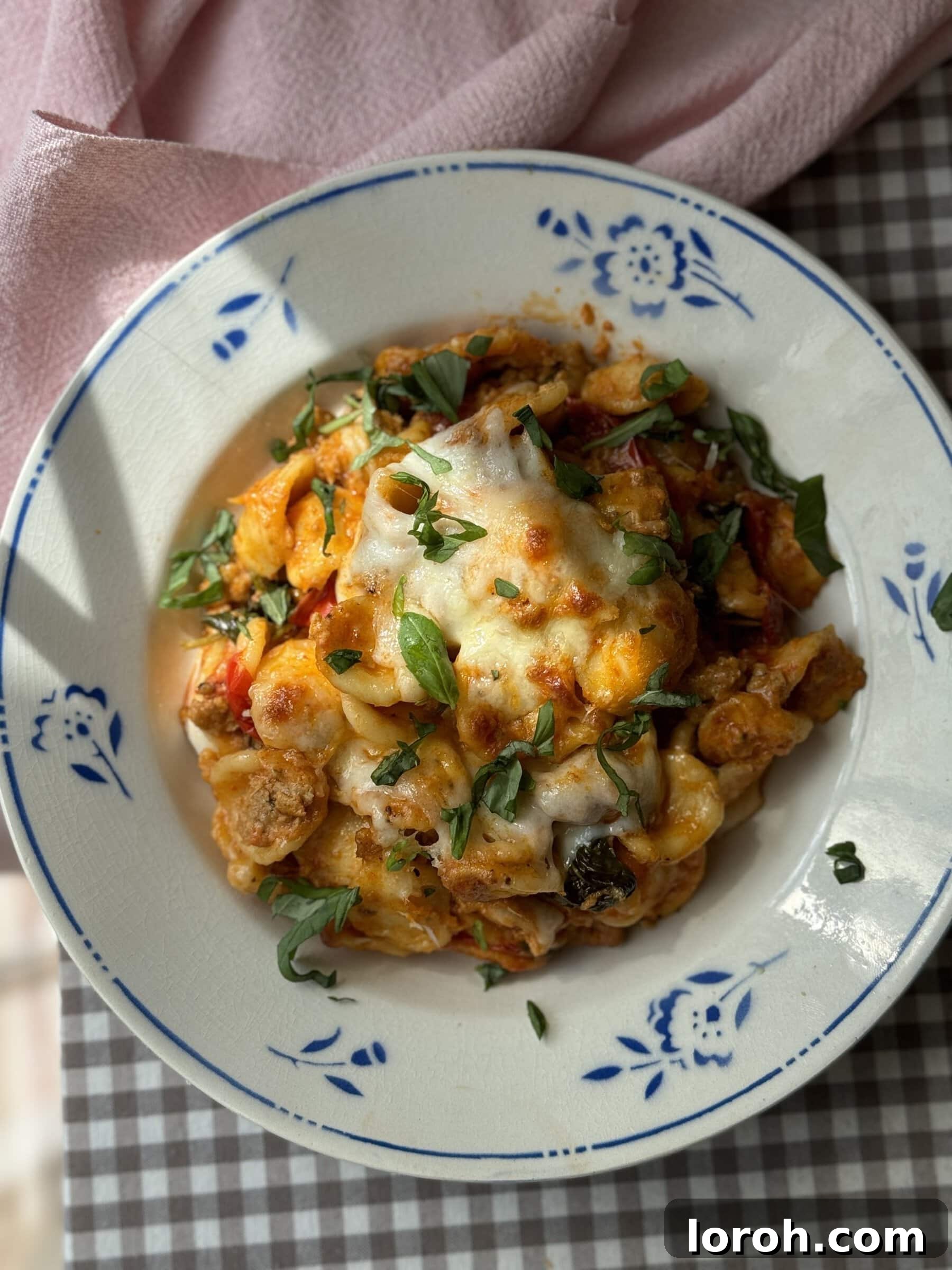
Nduja and Sausage Pasta Bake: Your New Favorite Comfort Food
Few dishes evoke the same heartwarming feeling as a homemade pasta bake, and this Nduja and Sausage Pasta Bake takes that comfort to an entirely new level. Imagine a golden-brown, irresistibly crispy, and cheesy topping giving way to a rich, saucy, and utterly delightful pasta underneath. It’s the kind of meal that wraps you in a warm hug, perfect for any evening.
I’ve crafted countless versions of classic sausage pasta recipes, serving them straight from the pan. But transforming this beloved dish into a bake, with its signature crispy top, elevates it beyond expectations. The baking process adds a mere 15-20 minutes to your cooking time, yet the result is a deeply satisfying texture and an explosion of flavors that you’ll crave again and again. This isn’t just another pasta dish; it’s an experience.
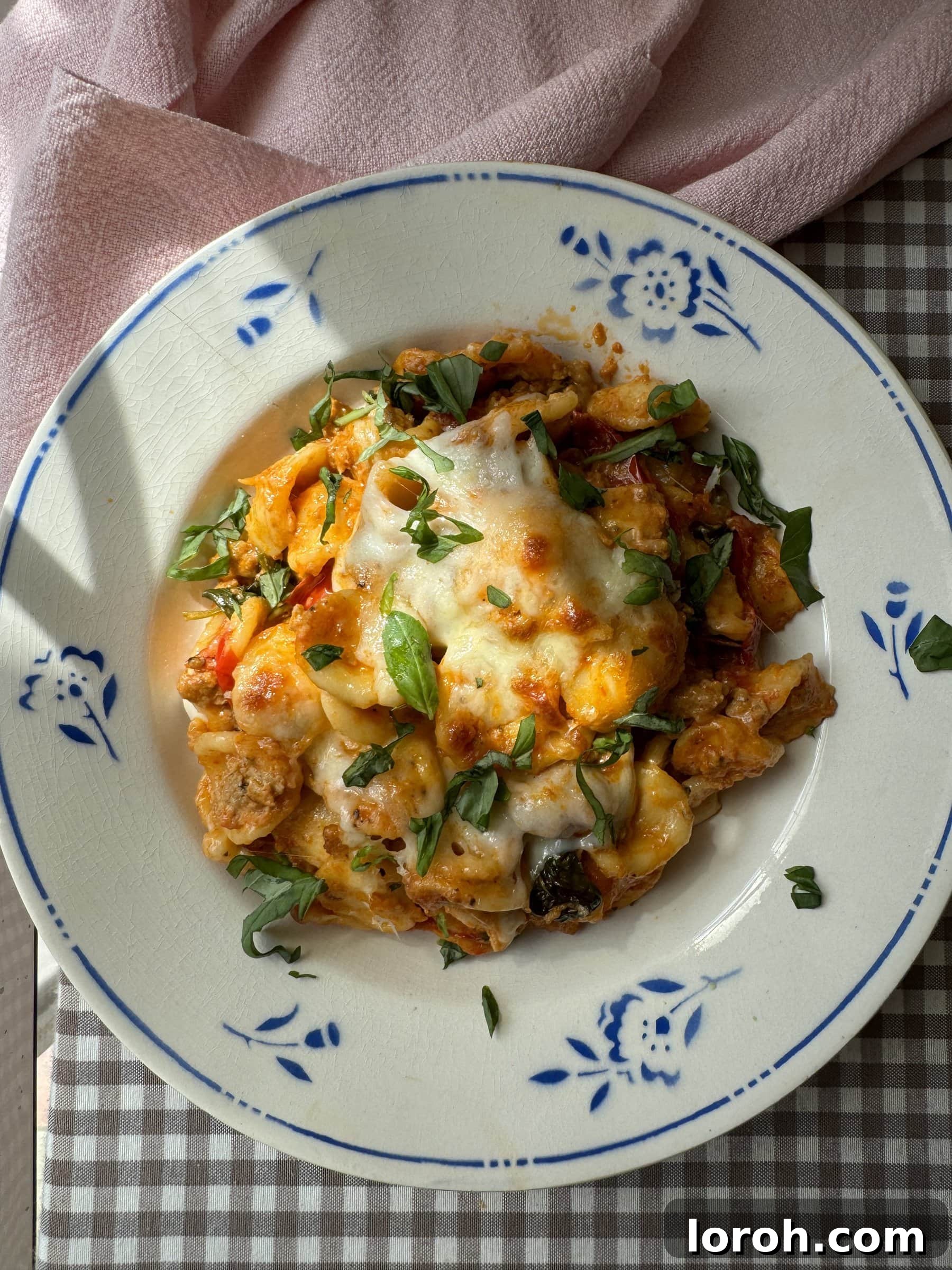
Beyond its incredible taste, this sausage pasta bake with nduja is an absolute dream for meal prepping. It’s the ideal make-ahead recipe, one that I frequently batch-cook. Knowing I have a wholesome, delicious homemade meal waiting for me after a hectic day brings immense peace of mind. Check our FAQs section for more detailed tips on how to prepare this dish in advance. It’s also incredibly versatile and family-friendly. The spice level from the ‘nduja can be easily adjusted – you can even omit it entirely for a milder, classic tomato pasta bake, and it will still be incredibly flavorful. Serve it alongside a crisp green salad or some warm, crusty garlic bread, and you’ll have a complete meal that’s guaranteed to be a hit with everyone at the table.
Table of Contents
- Why You’ll Love This Nduja Sausage Pasta Bake
- Essential Ingredients for Your Pasta Bake
- Substitutions and Creative Variations
- Step-by-Step Guide: How to Make Nduja and Sausage Pasta Bake
- Expert Cooking Tips for Perfect Results
- Frequently Asked Questions (FAQs)
- Other Delicious Pasta Recipes to Try
- Full Nduja and Sausage Pasta Bake Recipe Card
Why You’ll Love This Nduja Sausage Pasta Bake
This isn’t just another pasta bake; it’s a culinary journey. Here’s why this particular recipe is destined to become a beloved staple in your kitchen:
- It offers a unique and exciting twist on your usual pasta bake. The secret ingredient? Smokey, spicy Nduja paste. This vibrant Calabrian spreadable sausage infuses the dish with an incredible depth of flavor. Don’t worry about it being overly spicy; combined with the creamy mascarpone and rich tomato sauce, the ‘nduja provides a gentle warmth and a captivating smoky undertone that enhances every bite without overwhelming your palate. It’s a sophisticated flavor profile that stands out from the crowd.
- This recipe is the ultimate make-ahead meal solution. For those busy weeknights or when entertaining, simply assemble the pasta bake ahead of time, cover it with cheese, and pop it into the oven when you’re ready to eat. This minimal fuss approach means you can spend less time cooking and more time enjoying your delicious, homemade dinner, making it perfect for meal prep or a stress-free dinner party.
- It’s incredibly versatile and adaptable to your tastes and what you have on hand. While the ‘nduja adds a fantastic dimension, you can easily swap it out for other flavor boosters like basil pesto for a fresh, herbaceous note, or even sun-dried tomato paste for a richer umami flavor. Furthermore, feel free to get creative with your additions! Incorporate your favorite vegetables such as spinach, bell peppers, or mushrooms, and experiment with different cheeses like sharp cheddar, nutty Gruyère, or creamy provolone to truly make this recipe your own.
- This sausage pasta bake is deeply comforting, hearty, and undeniably delicious. Its warming qualities make it perfect for cooler evenings, offering a satisfying meal that nourishes both body and soul. Once you experience the combination of crispy sausage, tender pasta, rich sauce, and bubbling cheese, you’ll discover a new go-to recipe that your family will ask for again and again. It truly elevates the classic pasta bake to gourmet status with minimal effort.
Essential Ingredients for Your Pasta Bake
For precise measurements and the full ingredient list, please refer to the recipe card at the bottom of this page.
Crafting the perfect pasta bake begins with selecting high-quality ingredients that build layers of flavor. Here’s a closer look at what you’ll need:
Sausages: The foundation of this dish. We recommend opting for the best quality pork sausages you can find. The flavor of the sausages is paramount here, as they provide a significant portion of the dish’s richness and savory character. Good quality sausages have a better meat-to-fat ratio and superior seasoning, which will make a noticeable difference in the final taste. Remove their casings before cooking to allow them to break down easily and crisp up beautifully. You can use plain pork sausages for maximum versatility or choose a subtly flavored variety like Italian sweet sausage if you prefer.
Olive oil: A drizzle of good quality extra virgin olive oil is essential for frying the sausages and creating the sauce base. It adds a subtle fruity note and helps prevent sticking.
Cherry tomatoes: These small, sweet tomatoes burst beautifully when cooked, releasing their juices to form a vibrant, fresh sauce base. They contribute natural sweetness and acidity that balances the richness of the sausages and mascarpone. If cherry tomatoes are out of season, canned chopped tomatoes or passata can be used as a substitute, though fresh is always preferred for this recipe’s specific flavor profile.
Tomato purée/paste: A concentrated burst of tomato flavor, this ingredient intensifies the sauce’s richness and umami. It adds depth and a beautiful red hue. You could swap for sundried tomato paste for an even richer, more complex flavor if you prefer.
‘Nduja paste: This spicy Italian spreadable sausage paste is the star of our unique twist. Hailing from Calabria, it’s made from pork, fat, and a generous amount of Calabrian chillies and spices, giving it a distinctive smoky and moderately spicy flavor. When cooked into the sauce, it melts and infuses the entire dish with a wonderful warmth and complexity. It is entirely optional if you prefer a more classic, milder tomato pasta sauce – or you can swap it for a tablespoon of pesto for a strong basil flavour that offers a different, but equally delicious, aromatic dimension.
Pasta: The backbone of any pasta bake. I used orecchiette (meaning “little ears”) because their small, curved shape is absolutely ideal for catching and holding onto the creamy, chunky tomato and sausage sauce, ensuring every bite is flavorful. However, feel free to use whatever small dried pasta shape you have to hand, such as fusilli, penne, rigatoni, or conchiglie. Avoid long pasta shapes like spaghetti or tagliatelle, as they can become messy and difficult to serve when baked in a casserole dish.
Mascarpone: This Italian cream cheese is a game-changer, adding a luxurious creaminess and richness to the sauce. It mellows the ‘nduja’s heat and brings a silky smooth texture. If you don’t have mascarpone, a splash of double cream, a dollop of cream cheese, or even crème fraîche can be used as a substitute to achieve a similar creamy body and smoothness.
Fresh basil: A handful of fresh basil leaves, torn or chopped, adds a burst of aromatic freshness that brightens the entire dish and perfectly complements the tomato and pork flavors. Add it towards the end of cooking to preserve its vibrant taste.
Salt and pepper: Essential seasonings that elevate all the other flavors. Always taste and adjust as you go, especially after adding pasta water, which can dilute the seasoning slightly.
Parmesan cheese: A generous amount of freshly grated Parmesan is stirred into the pasta and sprinkled on top for its sharp, salty, umami notes. It contributes significantly to the savory depth and creates a fantastic crispy crust when baked.
Mozzarella: One ball of fresh mozzarella, torn into pieces, is scattered over the top of the pasta before baking. It melts beautifully, creating those irresistible, gooey, cheesy stretches and a bubbling, golden crust that is the hallmark of any great pasta bake.
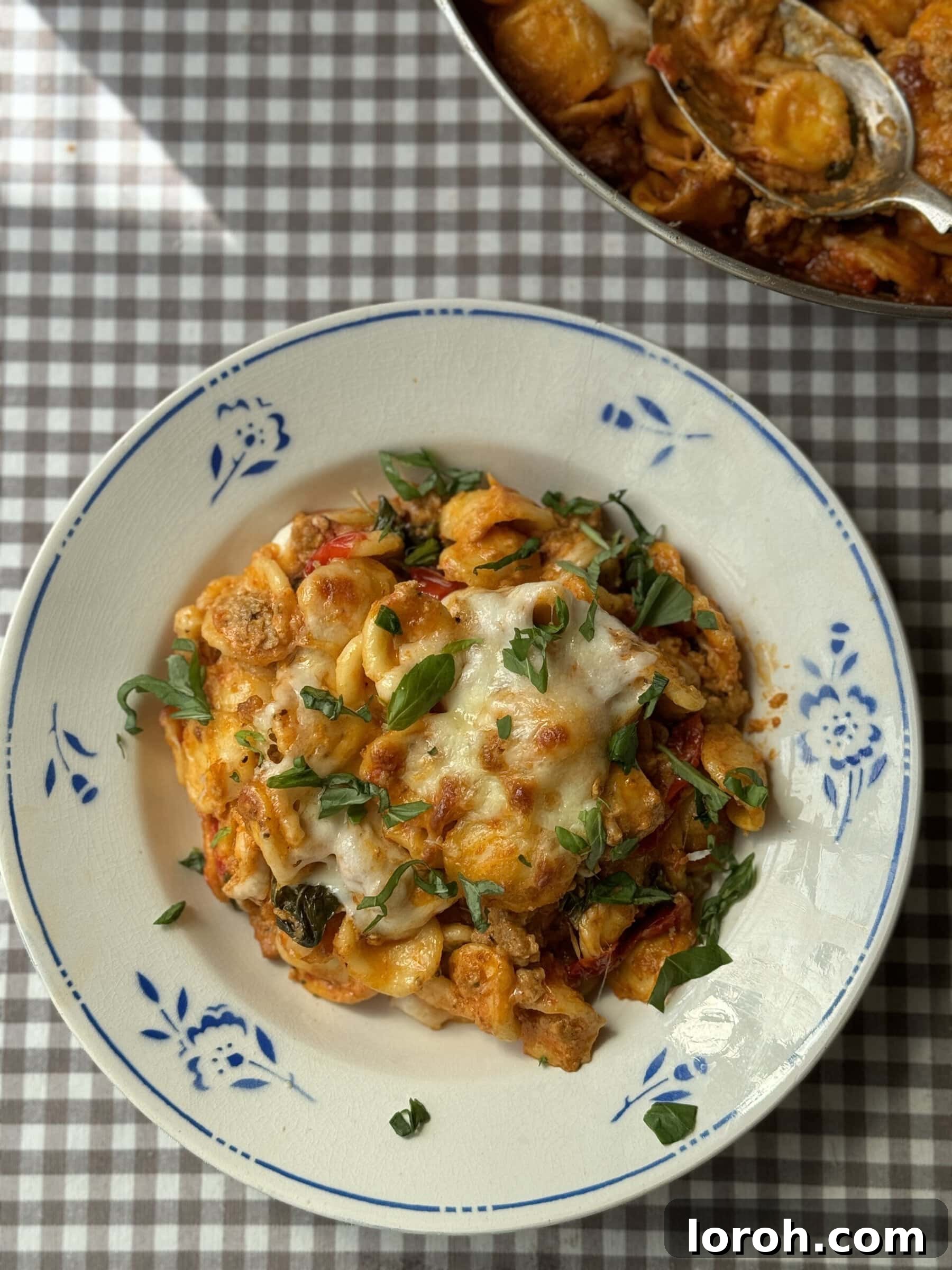
Substitutions and Creative Variations
One of the joys of cooking is its flexibility, and this sausage and nduja pasta bake is incredibly forgiving and open to customization. Don’t be afraid to experiment with these suggestions to tailor the dish to your pantry, preferences, or dietary needs:
Tomatoes: While cherry tomatoes offer a delightful sweetness and burst in the sauce, you have alternatives. You could use baby plum tomatoes or even larger tomatoes chopped into bite-sized pieces if that’s what you have. If fresh tomatoes are out of season or unavailable, a good quality tin of chopped cherry tomatoes or even regular diced tomatoes (drained slightly) can be a suitable substitute. For an even richer base, consider using a good quality passata (strained tomato puree) as part of your liquid.
Pasta Shape: We love orecchiette for its sauce-capturing ability, but feel free to use any small, dried pasta shape. Fusilli, penne, rigatoni, conchiglie (shells), or farfalle (bow ties) all work exceptionally well in baked dishes as they hold their shape and integrate nicely with the sauce. As mentioned, steer clear of long pasta shapes like spaghetti or fettuccine, as they can clump and become difficult to manage in a bake.
Mascarpone: This creamy Italian cheese lends a luxurious silkiness to the sauce and perfectly balances the spice. If you don’t have mascarpone, a splash of double cream (heavy cream), a dollop of cream cheese, or crème fraîche can be used instead. They all provide that essential creamy body and smoothness to the sauce. For a lighter touch, a spoonful of Greek yogurt could work, but add it off the heat to prevent curdling.
Sausages: While plain pork sausages offer the most flexibility for seasoning, don’t hesitate to explore other varieties. Caramelized onion sausages or apple sausages would add a lovely sweetness, while hot Italian sausages would ramp up the spice. You can also use other ground meats like ground pork, ground beef, or even ground turkey. If using plain ground meat, remember to season it well with salt, pepper, a little crushed garlic, and some dried herbs like oregano or fennel seeds (which complement pork beautifully) to build flavor as it fries.
Garlic: Freshly crushed or finely minced garlic cloves cooked with the sausages will infuse the sauce with an irresistible aroma. For a deeper, sweeter garlic flavor, try roasting a whole head of garlic until soft, then squeezing the pulp into your sauce. In a pinch, a shake of garlic granules or garlic powder can be used, but fresh is always superior.
‘Nduja Paste: If you’re hesitant about the spice or simply want a different flavor profile, ‘nduja is completely optional. You can replace it with a teaspoon of smoked paprika for a smoky flavor without the heat, or a spoonful of basil pesto for a fresh, herbaceous Italian twist. For a spicier kick, add an extra teaspoon of ‘nduja or a pinch of red pepper flakes.
Add more vegetables: Boost the nutritional value and texture by incorporating extra vegetables. Sautéed mushrooms, finely diced bell peppers, baby spinach (stirred in at the end until wilted), or even thinly sliced zucchini would be delicious additions. For heartier vegetables like broccoli florets or chopped kale, you might want to blanch them slightly before adding them to the sauce.
Cheese Alternatives: Beyond Parmesan and mozzarella, many other cheeses would create a fantastic crust and flavor. Consider grated provolone, fontina, or even a sharp cheddar for a more pronounced cheesy punch. For a tangy twist, some crumbled goat cheese could be lovely.
Herbs & Spices: Fresh basil is wonderful, but you can also introduce other herbs. Fresh parsley, oregano, or a touch of rosemary would complement the sausage and tomato beautifully. For a deeper flavor, a pinch of dried oregano or Italian seasoning could be added to the sauce along with the tomato paste.
Make it Gluten-Free: Simply swap out regular pasta for your favorite gluten-free pasta brand. Most brands hold up well in baked dishes, just ensure you cook it al dente before combining with the sauce.
Make it Vegetarian/Vegan: This dish can be easily adapted! Use plant-based sausages (many excellent flavored varieties are available) and omit the ‘nduja or opt for a plant-based ‘nduja alternative like Belazu Ve-du-ya. For the cheese, substitute with vegan mozzarella shreds and a vegetarian or vegan Parmesan-style hard cheese. Nutritional yeast can also add a cheesy, umami depth to the sauce.
Step-by-Step Guide: How to Make Nduja and Sausage Pasta Bake
This detailed, step-by-step guide will walk you through each stage of creating this incredible sausage pasta bake. For the complete list of ingredients and precise measurements, please refer to the recipe card located at the bottom of this page.
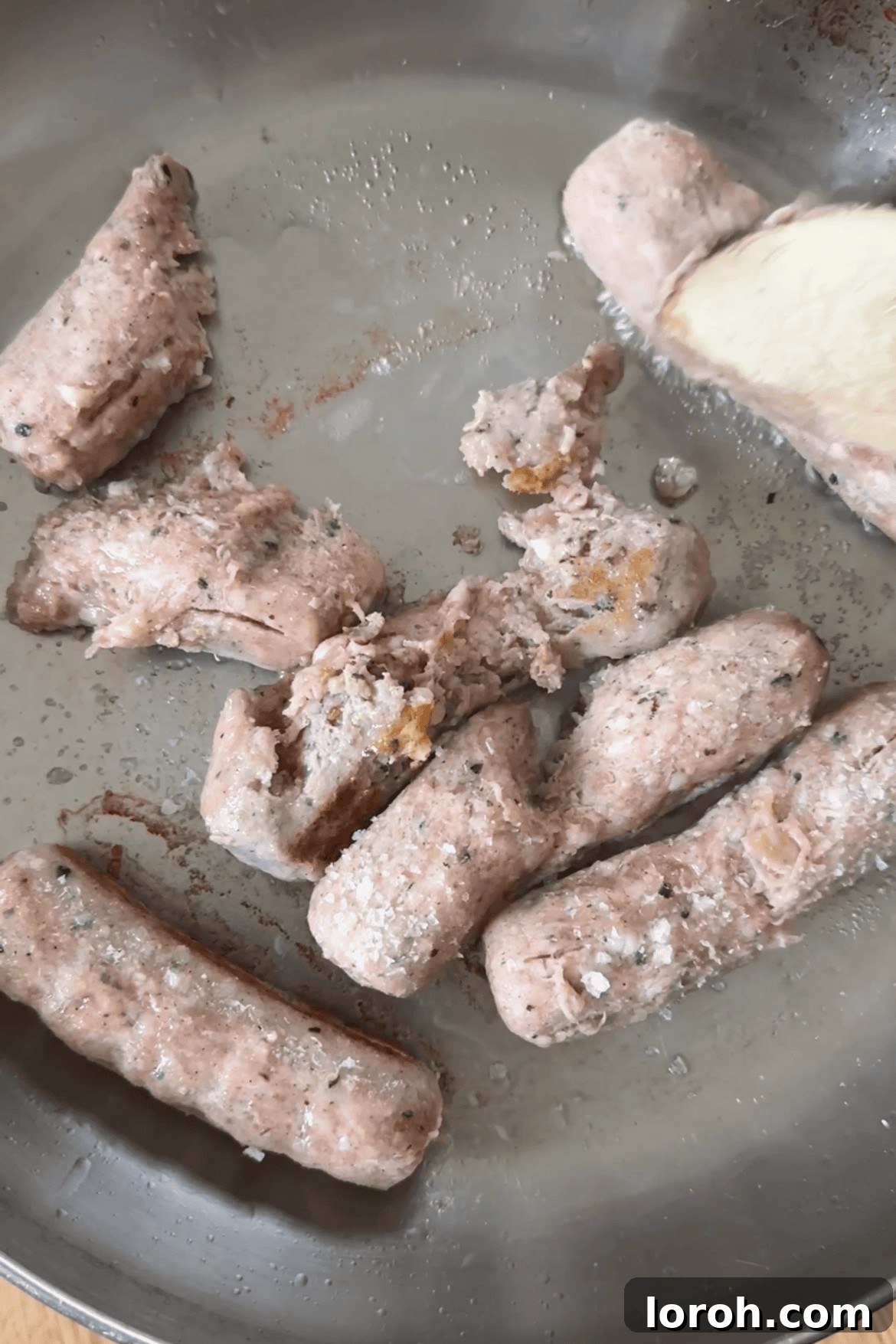
ONE: Prepare and Fry the Sausages. Begin by heating a generous drizzle of olive oil in a large non-stick frying pan or skillet over a medium heat. Carefully remove the casings from your sausages. To do this easily, score the length of each sausage with a sharp knife, then gently peel away the skin – this process is much simpler if your sausages are cold from the fridge. Add the de-cased sausage meat to the hot pan. Using a wooden spoon or spatula, aggressively break the sausage meat into small, bite-sized pieces. Fry for approximately 10-15 minutes, stirring occasionally to ensure even cooking and prevent burning. The goal here is to achieve a deep golden-brown color and a wonderfully crisp texture, as this contributes significantly to the overall flavor of the bake. Don’t rush this step; the crispiness is key!
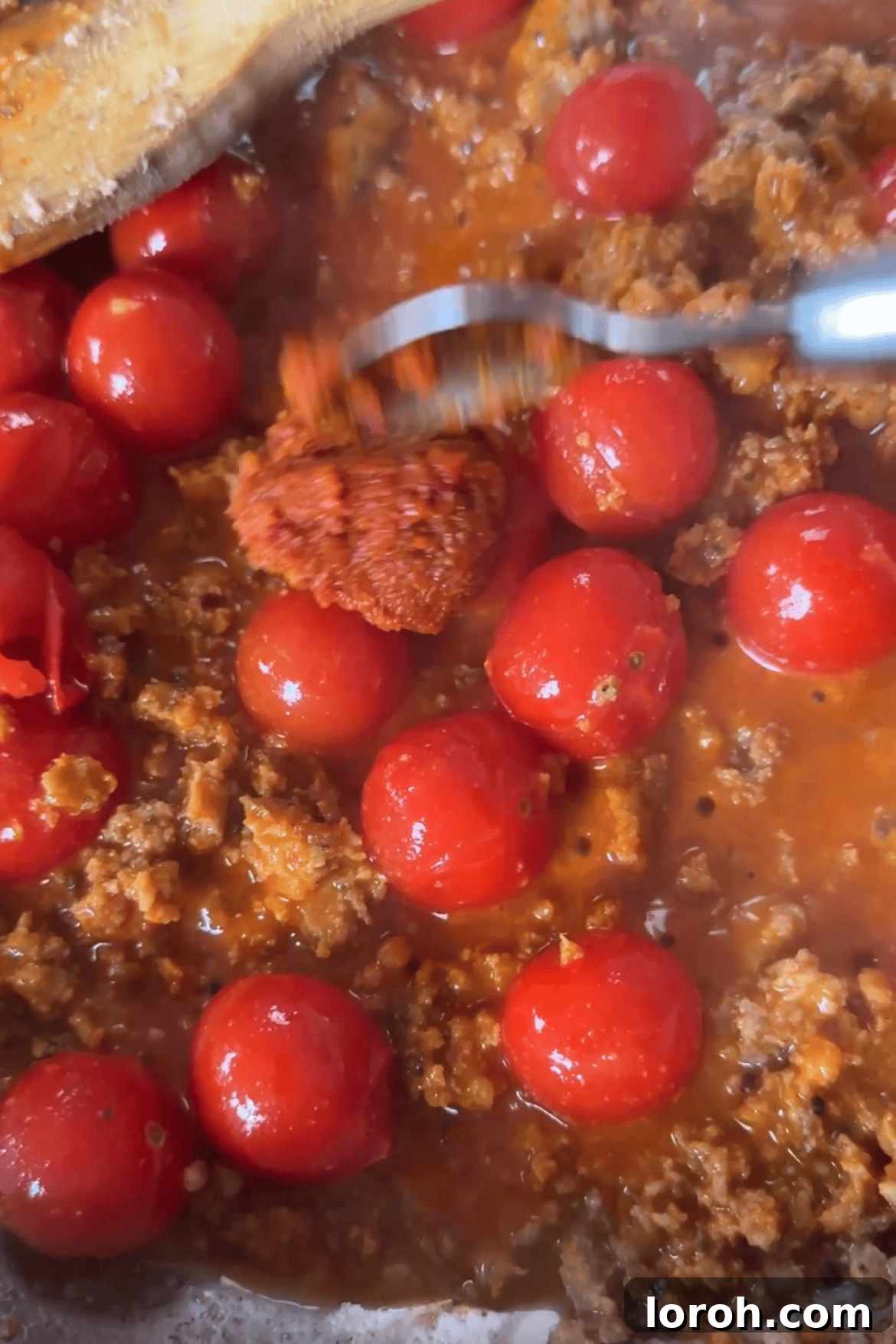
TWO: Build the Flavorful Sauce Base. Once your sausage pieces are beautifully golden and crisp, add the cherry tomatoes, tomato purée, and (if using) the ‘Nduja paste to the pan. Stir all the ingredients together thoroughly, ensuring the tomato paste and ‘nduja are well incorporated with the sausage. Continue to fry for a few more minutes, allowing the flavors to meld and the tomatoes to soften slightly. Then, add a generous splash of water (about 1/2 cup initially). Reduce the heat to a gentle simmer and let it cook for about 10 minutes. During this time, use the back of your wooden spoon to gently press down on the cherry tomatoes, encouraging them to burst and release their sweet juices, which will form the foundation of your rich sauce.
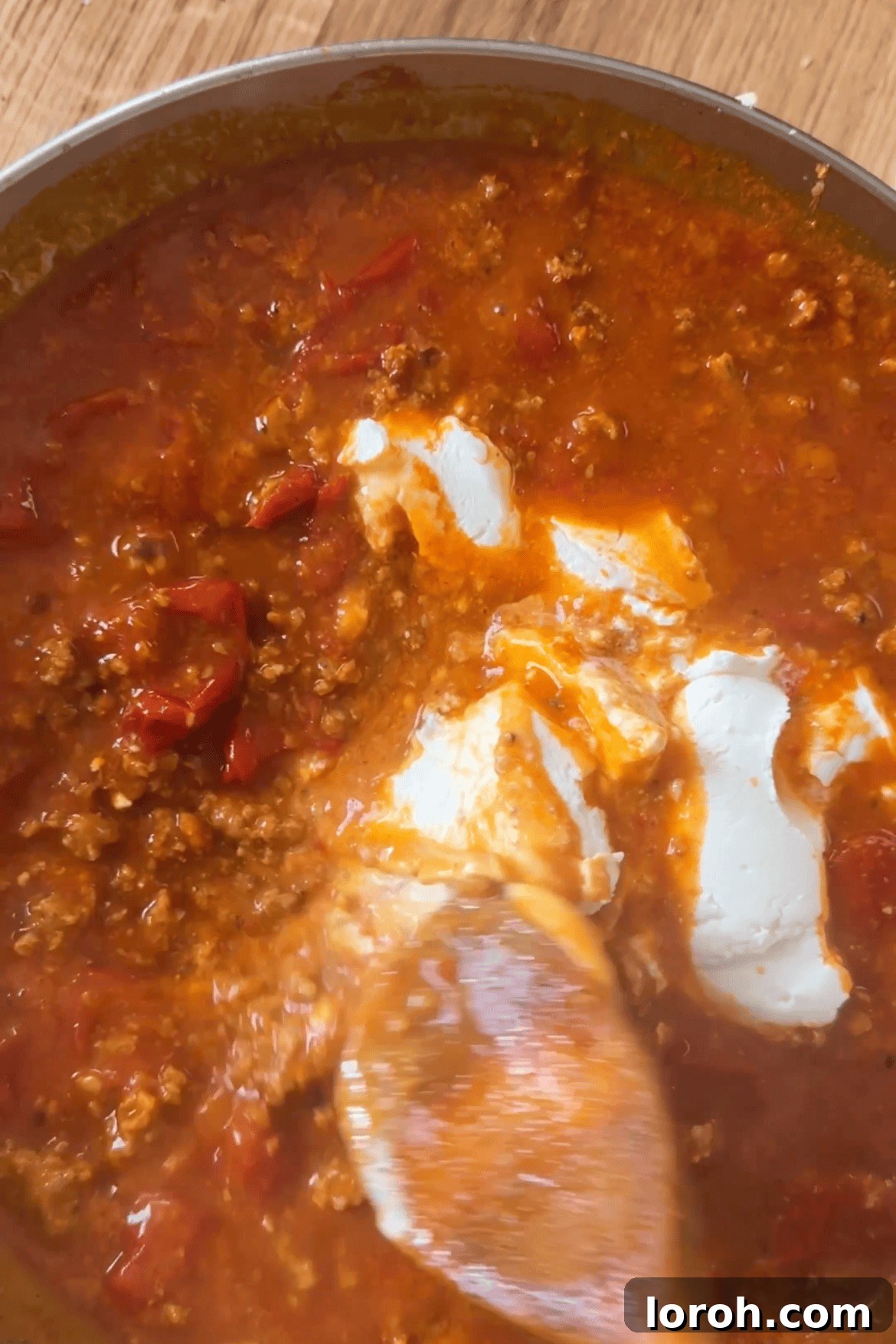
THREE: Cook the Pasta and Preheat Oven. While your sauce is simmering and developing its depth, bring a large pot of well-salted water to a rolling boil. Add your chosen pasta shape and cook it according to package instructions, but aim for about 3 minutes shy of al dente. The pasta will continue to cook in the oven, so slightly undercooking it now prevents it from becoming mushy later. Also, preheat your oven to 200°C (400°F) to ensure it’s ready when your pasta bake is assembled. Once the tomatoes in your sauce have fully broken down and formed a luscious, thick sauce, add the mascarpone cheese to the pan and stir it in until completely melted and smooth. This step adds a beautiful creaminess and balances the rich flavors.
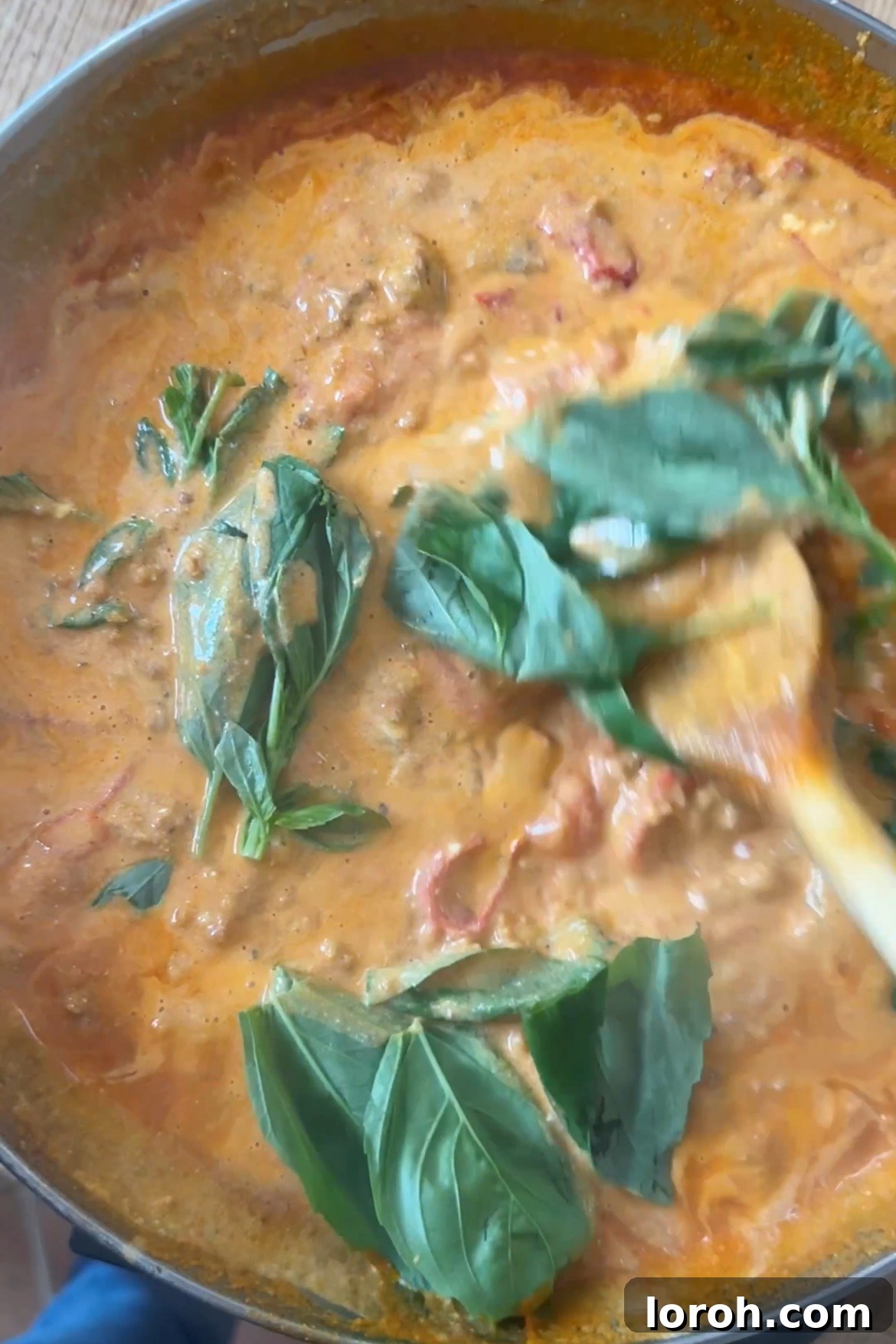
FOUR: Finish the Sauce with Basil and Pasta Water. Once the mascarpone is fully incorporated and the sauce is creamy, it’s time to add the fresh basil. Tear or finely chop a handful of fresh basil leaves and stir them into the sauce. This adds a wonderful aromatic lift. Crucially, now is also the time to add a splash of the starchy pasta cooking water. This magic ingredient helps to emulsify the sauce, making it silky smooth and ensuring it clings beautifully to the pasta. If the sauce appears too thick, add a little more pasta water until you reach your desired consistency – you want it luscious and flowing, not overly dry or watery.
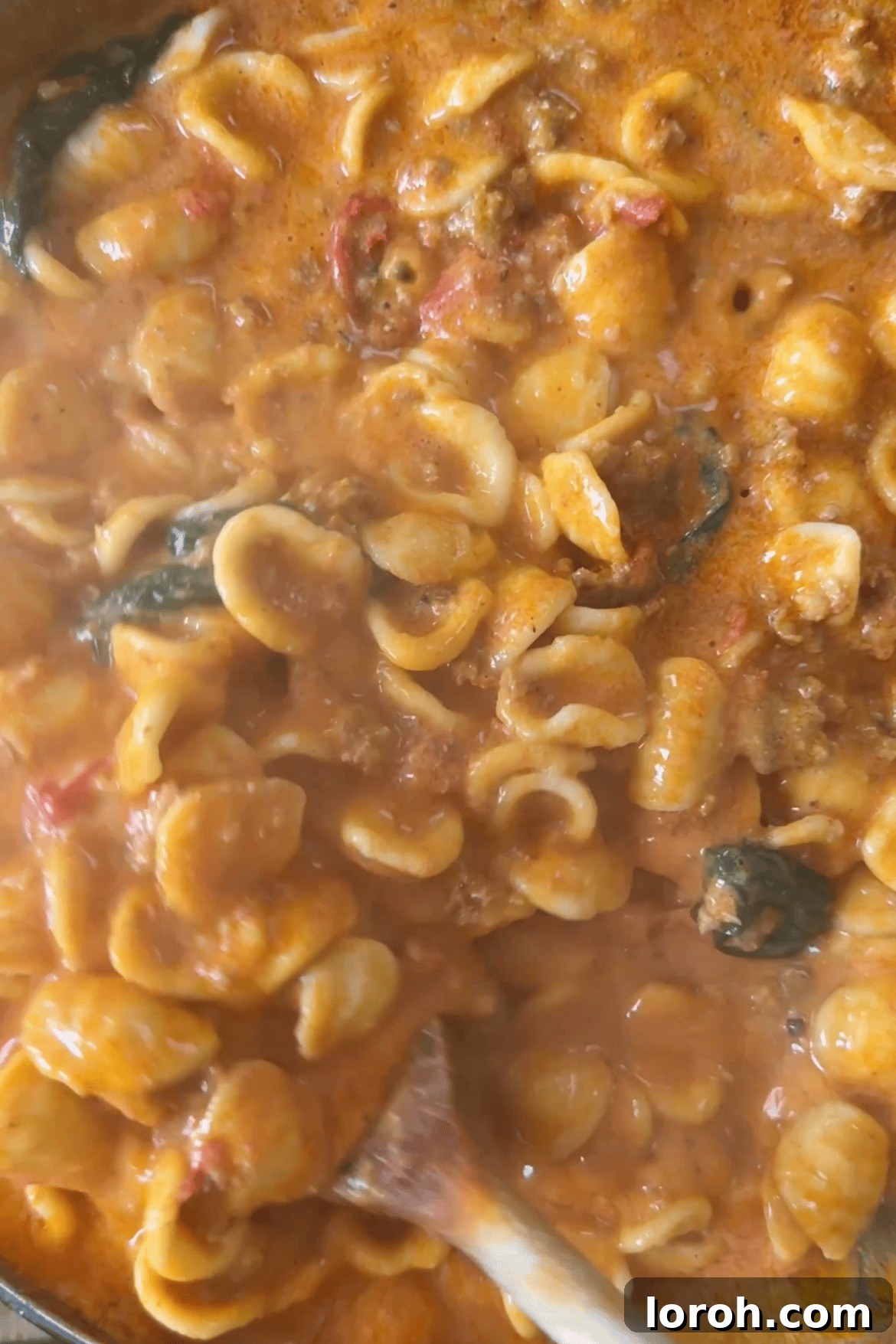
FIVE: Combine Pasta and Sauce. Drain your al dente cooked pasta, reserving at least a cup of the starchy pasta water. Add the pasta directly into the frying pan with the sausage and tomato sauce. Sprinkle in about half of your freshly grated Parmesan cheese and, if desired, a little more fresh basil. Stir everything together thoroughly until every piece of pasta is beautifully coated in the rich, creamy sauce. If the mixture seems a little dry or too thick, add an additional splash or two of the reserved pasta water, stirring until the sauce becomes loose, glossy, and perfectly silky. Taste and adjust seasoning with salt and pepper as needed.
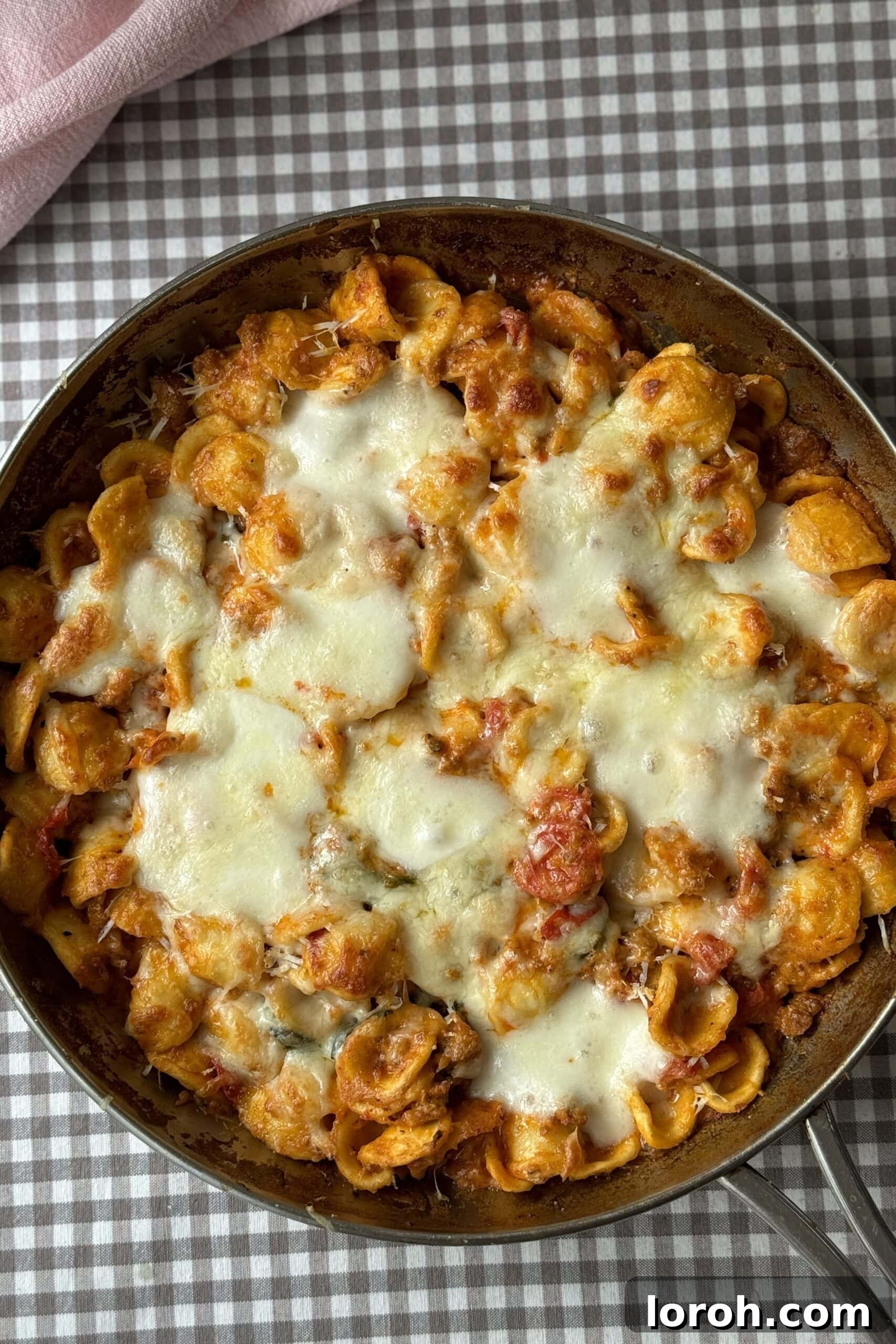
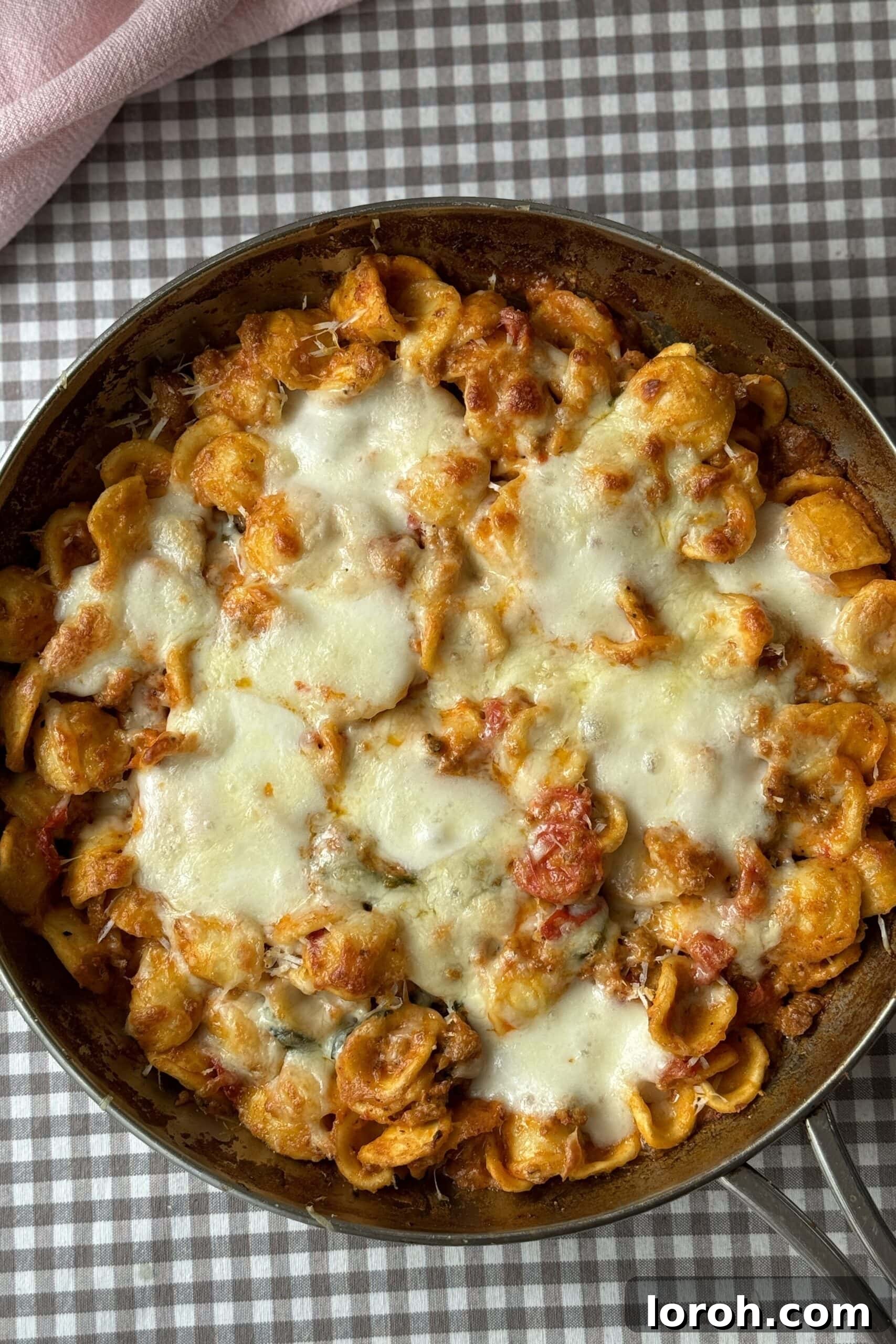
SIX: Bake to Golden Perfection. Transfer the entire pasta mixture into an ovenproof baking dish, spreading it out into an even layer. Evenly scatter the torn pieces of fresh mozzarella cheese over the top, ensuring good coverage. Then, generously sprinkle the remaining freshly grated Parmesan cheese over the mozzarella. This double layer of cheese will create an absolutely irresistible golden, bubbling, and crispy crust. Place the dish in your preheated oven and bake for 15-20 minutes, or until the cheese is gloriously melted, bubbly, and beautifully golden brown on top. Allow it to rest for a few minutes before serving to let the flavors settle and the cheese cool slightly. Serve hot and enjoy!
Expert Cooking Tips for Perfect Results
Achieving a truly outstanding Nduja and Sausage Pasta Bake involves a few key techniques. Keep these tips in mind to ensure your dish is nothing short of spectacular:
Maximize Sausage Crispiness: This is a non-negotiable step for flavor and texture. To achieve maximum crispiness, it’s crucial to break the sausages down into very small, uniform pieces using your wooden spoon or spatula. Don’t be afraid to press down and really work them in the pan. They may take longer than you anticipate to turn a deep golden-brown and become perfectly crisp – often 10-15 minutes, sometimes a little more. Keep stirring them occasionally to ensure even browning and to prevent any pieces from burning. If the pan seems too dry at any point, don’t hesitate to add another small splash of olive oil to help them crisp up properly. The crispy bits of sausage add incredible texture and depth to the sauce.
The Magic of Pasta Water: Never underestimate the power of starchy pasta cooking water. It’s one of the best-kept secrets for creating restaurant-quality, silky, and luscious pasta sauces. As pasta cooks in boiling water, it releases starch, transforming the plain water into a starchy elixir. When this starchy water is added to your sauce, it acts as a natural emulsifier, helping the fats and liquids in the sauce to bind together. This creates a beautifully smooth, glossy texture that clings perfectly to the pasta. So, always reserve at least a cup of pasta water before draining your pasta. Adding a splash or two to your sauce will elevate it from good to truly phenomenal.
Seasoning Throughout: Seasoning is not a one-time event but an ongoing process. Taste your sauce at various stages – after adding the tomatoes, after simmering, and definitely after incorporating the mascarpone and pasta water. Flavors can mellow or intensify, and adding small adjustments of salt and pepper as you go ensures a perfectly balanced final dish. Remember that Parmesan cheese is salty, so account for that when adding salt.
Al Dente Pasta is Key: For a baked pasta dish, it’s essential to cook your pasta slightly under al dente – about 2-3 minutes less than the package instructions. The pasta will continue to cook and absorb moisture in the oven, and pre-cooking it perfectly al dente will result in mushy pasta after baking. Slightly undercooked pasta will finish cooking in the sauce, resulting in a firm, satisfying bite.
Don’t Overcrowd the Pan: When browning the sausages, ensure your pan isn’t too crowded. If there are too many sausages in the pan, they will steam rather than fry, preventing them from getting that desirable crispy texture. If necessary, cook the sausages in two batches.
Even Cheese Layer for the Best Crust: When adding the mozzarella and Parmesan to the top of your pasta bake, ensure an even distribution. This guarantees that every spoonful will have a piece of that wonderful bubbling, golden, crispy cheese crust, which is arguably the best part of any pasta bake.
Frequently Asked Questions (FAQs)
Here are some common questions about making and enjoying this delicious Nduja and Sausage Pasta Bake:
No, you absolutely don’t have to bake it, although we highly recommend it for that irresistible crispy, cheesy topping! If you’re short on time or prefer a more classic pasta dish, this recipe is still incredibly delicious as a stove-top sausage pasta. Simply spoon the finished pasta directly into bowls instead of an oven-proof dish, and serve each portion topped with a sprinkle of fresh mozzarella, Parmesan, and a few fresh basil leaves. It’s a fantastic meal either way, but the bake adds an extra layer of texture and comfort.
Removing sausage casings might seem like a small faff initially, but it gets much easier with practice. The simplest method is to use a sharp knife to score along the entire length of the sausage skin. Then, gently pull away the sides of the casing from the meat. A pro tip: this process works best if the sausages are chilled and fridge-cold to start with, as the casing will be firmer and less prone to tearing or sticking to the meat. This allows the sausage meat to crumble and crisp up effectively when frying.
‘Nduja is a unique Italian spreadable cured sausage paste originating from Calabria, a region in southern Italy known for its spicy cuisine. It’s made from a blend of high-quality pork meat, fat, a generous amount of locally grown Calabrian chillies, and various spices and herbs. This combination gives ‘nduja its distinctive deep red color, rich umami flavor, and a wonderful smoky heat. Unlike other sausages, it has a soft, spreadable texture. It’s often used to add intense flavor to sauces, stews, as a topping for pizza, or simply spread on crusty bread (it doesn’t require cooking as it’s already cured). In this Sausage Pasta Bake, it melts into the sauce, infusing it with a complex, warming spiciness. You can certainly leave it out if you prefer a milder, more classic tomato-based recipe, making it more universally family-friendly.
Absolutely! This recipe is highly adaptable for vegetarian diets. Simply opt for your favorite vegetarian-friendly sausages; there are many excellent varieties available, some even with lovely flavor profiles like Italian herb or apple sage. For the ‘Nduja, you can either omit it entirely or look for a plant-based version, such as the Belazu Ve-du-ya, which offers a similar smoky and spicy kick. Finally, swap the Parmesan for a vegetarian-friendly Parmesan-style hard cheese like Gran Moravia, or a good quality strong cheddar would also work wonderfully to create that essential cheesy crust.
Yes, this recipe is perfect for making ahead! You can assemble the entire pasta bake up until the point of baking. Once combined in the ovenproof dish and topped with cheese, simply cover it tightly with plastic wrap and then a layer of aluminum foil. Chill it in the refrigerator for up to 2-3 days. When you’re ready to bake, remove it from the fridge and pop it into the preheated oven as instructed. Keep in mind that it might require an additional 5-10 minutes of baking time since it’s starting cold, so watch for that bubbling, golden-brown crust.
Yes, this sausage pasta bake with nduja freezes exceptionally well, making it ideal for future quick meals. To freeze, assemble the entire dish in its ovenproof container, up to the point where it would normally go into the oven. Cover it securely with a layer of plastic clingfilm, followed by a layer of heavy-duty aluminum foil to prevent freezer burn. Label with the date and freeze for up to 3 months. When you’re ready to enjoy it, transfer the frozen bake to the refrigerator and allow it to defrost completely at room temperature (this may take 12-24 hours). Once fully defrosted, remove the coverings and bake it in a preheated oven as per the recipe instructions, until it’s bubbling and the cheese is golden and crispy.
Absolutely! To make this Nduja and Sausage Pasta Bake gluten-free, simply substitute regular wheat pasta with your favorite brand of gluten-free pasta. Most gluten-free pasta varieties hold up very well in baked dishes, just ensure you cook them al dente according to their package directions before mixing with the sauce. All other ingredients are naturally gluten-free, but always double-check labels, especially for sausages, to ensure no hidden gluten-containing additives.
The spice level of this dish is easily customizable! For a milder flavor, especially if serving children or those sensitive to heat, you can reduce the amount of ‘nduja paste by half, or even omit it entirely. If you want a significant kick, feel free to add an extra tablespoon of ‘nduja, or incorporate a pinch of dried red pepper flakes into the sauce along with the tomatoes. Always taste the sauce as you go and adjust to your preference before combining with the pasta and baking.
Other Delicious Pasta Recipes to Try
If you’ve fallen in love with this Nduja and Sausage Pasta Bake, you’re in for a treat! Explore more comforting and flavorful pasta dishes from our collection:
- For another delicious sausage-based pasta, try my Creamy Sausage Pasta (Pasta alla Norcina), a rich and indulgent dish perfect for cooler evenings.
- If you’re a fan of classic Italian flavors, my Penne Amatriciana offers a spicy, savory tomato sauce with guanciale.
- For another hearty baked pasta, don’t miss my comforting Bolognese Pasta Bake, a family favorite that’s perfect for feeding a crowd.
- Craving seafood? My Prawn and Chorizo Pasta offers a fantastic blend of smoky and spicy flavors.
- And for something truly unique, give this creamy and vibrant Chicken Vodka Pasta a try.
More Pasta Inspirations
Easy Pasta Recipes
Creamy Sausage Pasta (Pasta alla Norcina)
Recipes
Sausage and Fennel Rigatoni with Chilli and Cavolo Nero
Easy Pasta Recipes
Creamy Mushroom and Spinach Pasta
Easy Pasta Recipes
Creamy Mushroom Pasta
If you tried this irresistible Nduja and Sausage Pasta Bake or any other recipe on our site, please don’t hesitate to leave a comment below and let us know how it turned out! Your feedback is invaluable and helps other home cooks discover new favorites. Happy cooking!
Nduja and Sausage Pasta Bake
Rate Recipe
Print Recipe
Ingredients
- 6 good quality pork sausages, casings removed
- Olive oil
- 300 g cherry tomatoes
- 2 tbsp tomato paste
- 2 tbsp nduja paste (optional, for spice and smokiness)
- 125 g mascarpone
- Fresh basil, a handful, torn
- 400 g short pasta, we used orecchiette but use what you have (fusilli, penne work well)
- Salt, to taste
- Pepper, to taste
- Parmesan, for grating (divided)
- 1 ball of mozzarella, torn into pieces
Instructions
-
In a large non-stick frying pan with a drizzle of olive oil over medium heat, add the sausages. To remove the casings, score the skin with a knife and then pull it away; using fridge-cold sausages makes this easier. Break the sausage meat apart with a wooden spoon into small, uniform pieces. Fry for about 10-15 minutes, stirring occasionally, until the sausage is deep golden brown and completely crisp. This crispiness adds incredible flavor and texture.
-
Once the sausages are crisp, add the cherry tomatoes, tomato paste, and ‘Nduja paste (if using). Stir well to combine all ingredients and continue to fry for a few more minutes, allowing the flavors to meld. Then, add a generous splash of water (about 1/2 cup). Bring to a gentle bubble and simmer for 10 minutes, using the back of your wooden spoon to press down on the cherry tomatoes and encourage them to burst and form a rich sauce.
-
Meanwhile, get your pasta on to boil in a pot of well-seasoned boiling water. Cook the pasta for about 3 minutes less than the package instructions (al dente) as it will finish cooking in the oven. While the pasta cooks, preheat your oven to 200°C (400°F).
-
Once the tomatoes have fully broken down and formed a robust sauce, stir in the mascarpone cheese until it’s completely melted and smooth. Then, add the fresh basil leaves (torn or chopped) and a splash of the starchy pasta water, stirring until you have a smooth, creamy, and luscious sauce.
-
Drain the al dente cooked pasta, reserving at least a cup of pasta water. Add the pasta to the pan with the sauce. Stir in half of the freshly grated Parmesan cheese and, if desired, more fresh basil. Mix everything thoroughly to coat the pasta in the creamy tomato and sausage sauce. Add more reserved pasta water as needed to achieve a loose, silky consistency. Taste and adjust seasoning with salt and pepper.
-
Transfer the entire pasta mixture into an ovenproof baking dish and spread it into a smooth, even layer. Scatter the torn mozzarella pieces evenly over the top, followed by a generous sprinkle of the remaining Parmesan cheese. Bake in the preheated oven for 15-20 minutes, or until the cheese is bubbling, melted, and beautifully golden brown and crispy on top. Allow to rest for a few minutes before serving hot.
Notes
To store: Any leftover Nduja and Sausage Pasta Bake can be transferred to an airtight container and kept in the fridge for up to 3 days. While it will lose some of its crispy top, the flavors will still be wonderfully delicious and comforting.
To reheat: If reheating a single portion, you can warm it gently in the microwave for 1-2 minutes until piping hot throughout. Alternatively, for a stovetop reheat, place it in a saucepan with a knob of butter or a splash of water over medium heat, stirring well until saucy and heated through. If you have a larger amount leftover in the baking dish, you can place it back in the oven at 200°C (400°F) for around 15 minutes, or until it’s bubbling hot. Bear in mind that while still delicious, reheating pasta in the oven risks overcooking the pasta, so keep an eye on it.
To freeze: This pasta bake freezes beautifully. Assemble the entire dish in an oven-safe container, up until the baking stage. Cover it tightly with plastic clingfilm, then add a layer of aluminum foil. Freeze for up to 3 months. When you’re ready to enjoy it, remove it from the freezer and allow it to defrost completely in the refrigerator or at room temperature. Once fully defrosted, bake it in a preheated oven as instructed, until it’s bubbling and golden.
Make ahead: Assemble the whole thing up until baking it. Cover tightly and chill in the refrigerator for up to 2-3 days. When ready to bake, pop it in the oven as instructed. It may take an additional 5-10 minutes longer to heat through and brown as it’s coming from a cold temperature.
Sausages: We recommend using good-quality plain pork sausages for the best flavor, but feel free to experiment with different flavored varieties like Italian sweet or hot sausage, or even caramelized onion sausages. Ground pork mince can also be used; just make sure to season it well with salt, pepper, and herbs, and get it beautifully brown and crispy.
Pasta: While orecchiette is our top choice for its sauce-holding capabilities, you can use pretty much any small, dried pasta shape you have in your store cupboards. Fusilli and penne are both excellent choices that hold up well in a bake. Avoid long, thin pasta shapes for best results.