
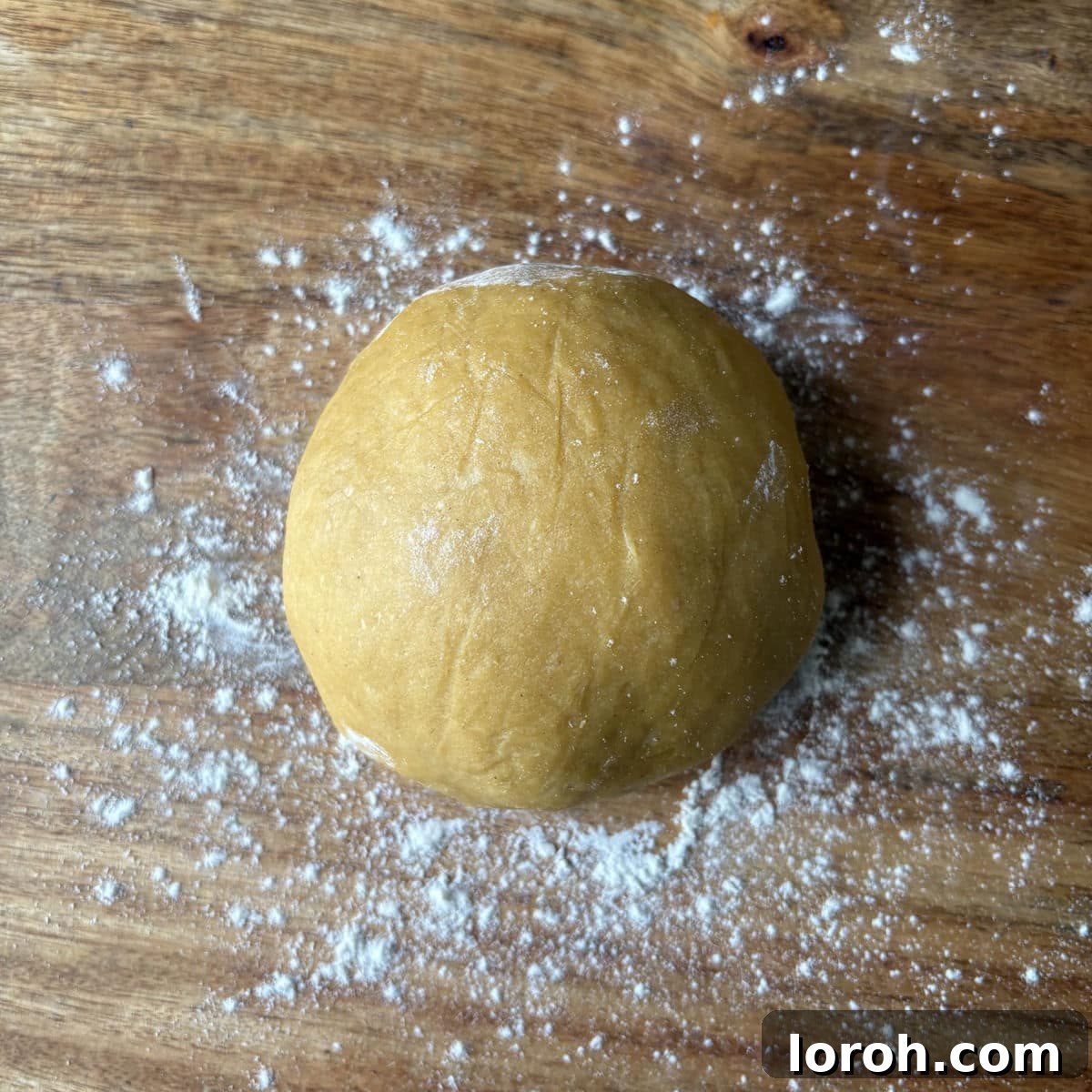
Mastering Homemade Pasta Dough: Your Guide to Silky Fresh Pasta from Scratch
There’s a unique satisfaction that comes with crafting homemade pasta dough. While it might seem like a task reserved for experienced chefs, making fresh pasta from scratch is surprisingly accessible and incredibly rewarding. It’s not necessarily a quick weeknight meal, but rather a meditative and enjoyable culinary project for a leisurely weekend. The process, from combining simple ingredients to rolling out silky sheets, is a truly soothing experience that culminates in a dish far superior to anything store-bought.
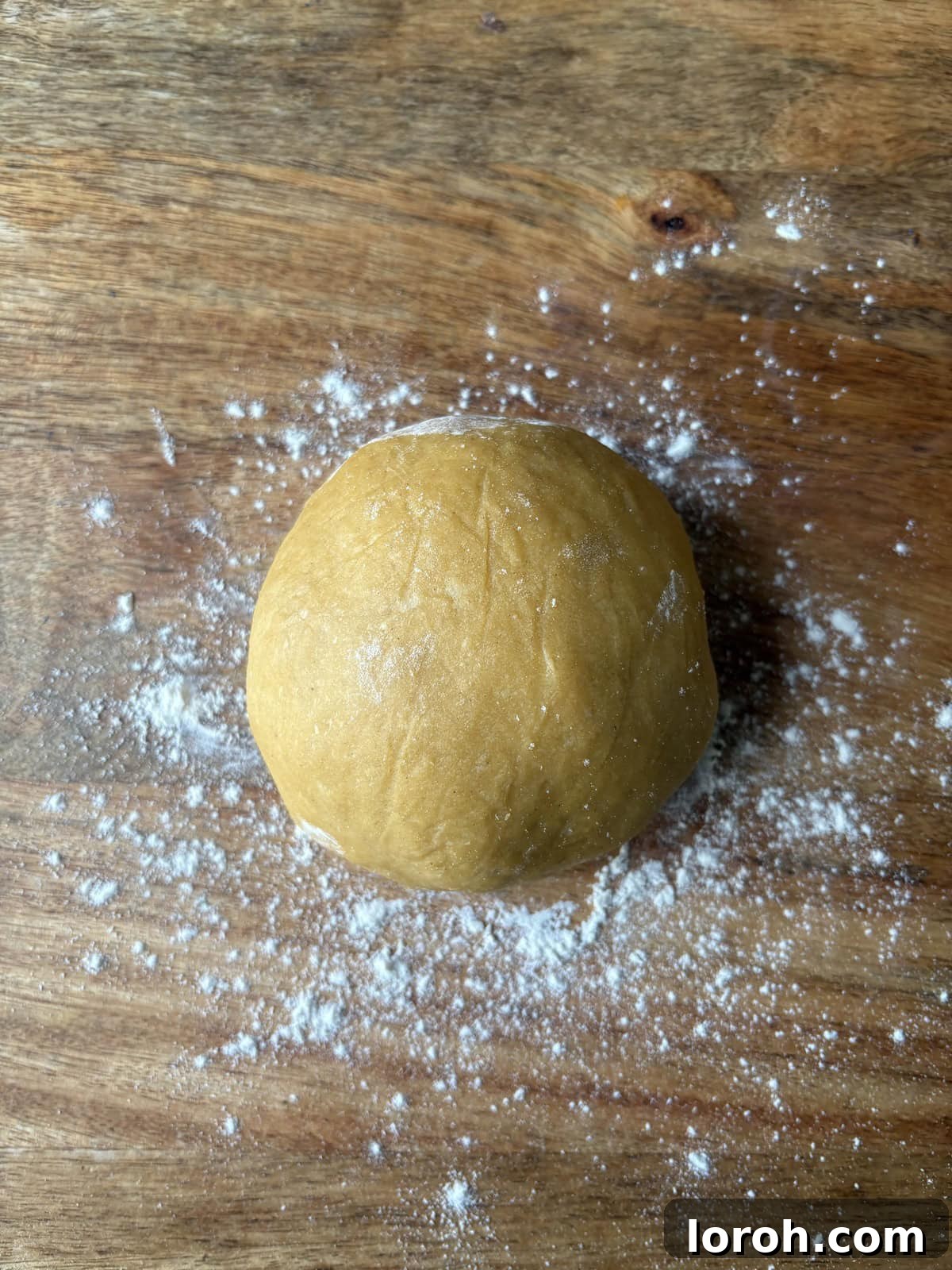
This recipe focuses on the fundamental pasta dough itself, using just a few basic ingredients to achieve a wonderfully smooth and pliable result every time. Consider this your essential starting point for countless delicious pasta creations. While this guide covers the art of making the dough, the world of pasta shapes and sauces is vast and exciting. Once you master this basic recipe, you can explore various possibilities like delicate garganelli, elegant triangoli, or classic tagliatelle. For sauces, let your imagination run wild! Try a vibrant pistachio pesto, a rich amatriciana, or the ever-popular, simplest tomato sauce. The possibilities are endless when you start with exceptional homemade pasta.
Table of Contents
- Why You’ll Love This Homemade Pasta Recipe
- Essential Ingredients for Perfect Pasta Dough
- Step-by-Step Guide: How to Make Easy Pasta Dough
- Step 1: Mixing and Kneading the Dough
- Step 2: Resting the Dough
- Step 3: Rolling and Shaping the Dough
- Expert Tips for Homemade Pasta Success
- Frequently Asked Questions About Homemade Pasta
- What to Serve With Your Fresh Pasta
- The Complete Homemade Pasta Dough Recipe Card
Why You’ll Love This Homemade Pasta Recipe
Creating fresh pasta from scratch is an incredibly rewarding culinary endeavor, and this particular recipe makes the process enjoyable and straightforward. Here’s why you’ll want to make this easy pasta dough again and again:
- Simplicity at its Best: Despite its impressive results, this dough is remarkably simple to make, requiring just a few basic ingredients and a bit of patience. The method is forgiving, making it perfect for both beginners and seasoned pasta makers. You’ll gain a deeper appreciation for the craft without feeling overwhelmed.
- Unmatched Versatility: This foundational dough is a blank canvas for your culinary creativity. Whether you desire long strands like fettuccine or tagliatelle, delicate filled pastas like ravioli or tortellini, or unique hand-shaped varieties like garganelli or orecchiette, this dough can be transformed into virtually any pasta shape you can imagine. Its pliable texture makes it a joy to work with, opening up a world of possibilities for your meals.
- Perfect for Meal Prep & Freezing: Homemade pasta is not just for immediate enjoyment. You can easily prepare this dough in advance, or shape large batches of pasta to store. Freshly shaped pasta can be frozen for up to three months, ensuring you always have gourmet-quality pasta on hand for quick, delicious meals. Imagine the convenience of pulling homemade pasta from your freezer on a busy weeknight!
- Superior Flavor & Texture: The difference between fresh, homemade pasta and dried, store-bought varieties is astonishing. Homemade pasta boasts a tender, silken texture and a rich, nuanced flavor that simply cannot be replicated. It absorbs sauces beautifully, creating a harmonious and deeply satisfying eating experience that elevates any meal.
- A Therapeutic Culinary Experience: The process of making pasta – from the tactile experience of kneading the dough to the rhythmic motion of rolling it out – can be incredibly therapeutic. It’s an opportunity to slow down, engage your senses, and connect with your food in a meaningful way. It’s a wonderful activity to share with family and friends, creating lasting memories in the kitchen.
Essential Ingredients for Perfect Pasta Dough
The beauty of traditional pasta dough lies in its simplicity. You only need a handful of high-quality ingredients to create something truly magical. Here’s a closer look at what goes into this recipe and why each component is important:
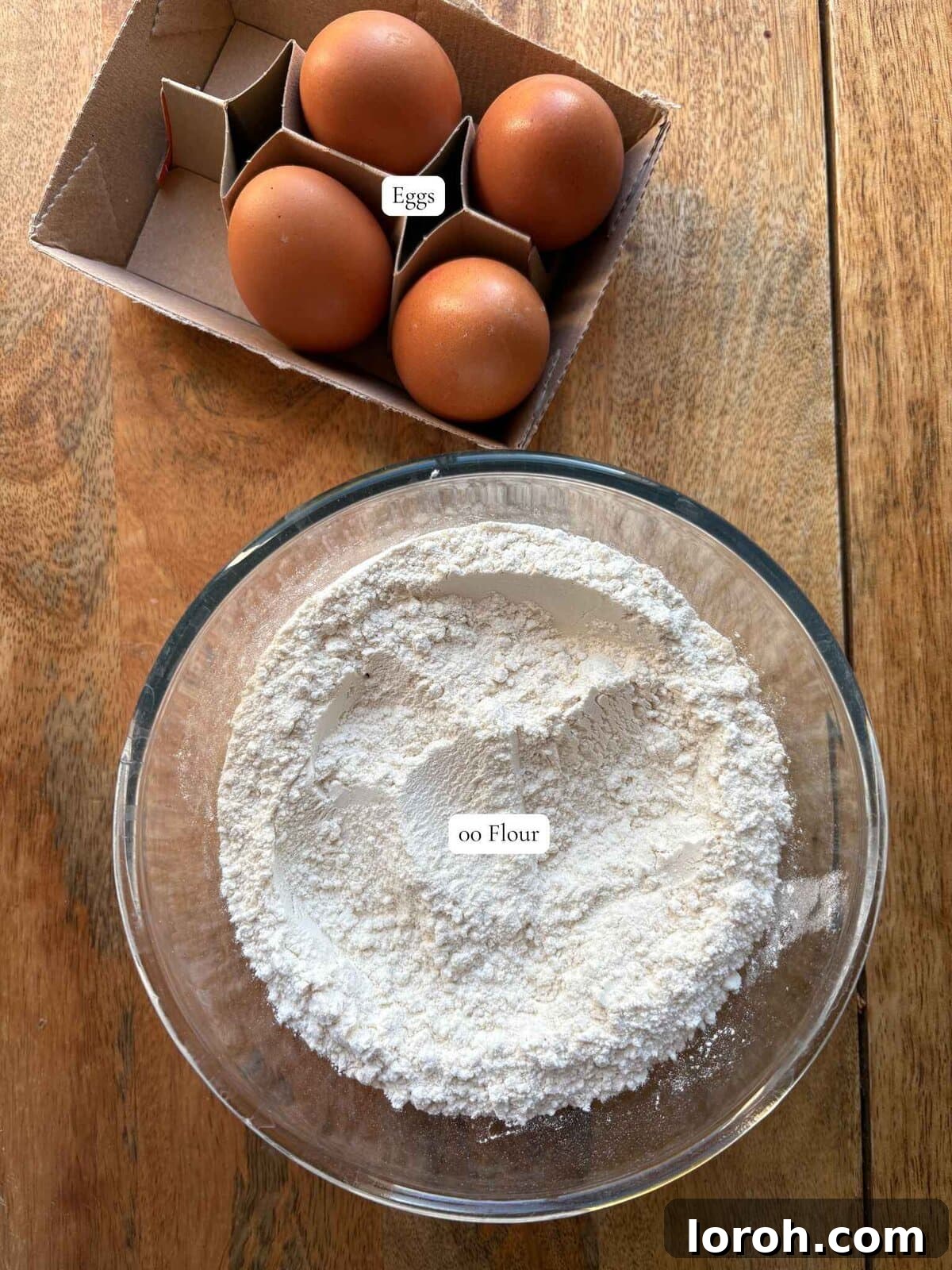
For precise measurements and detailed instructions, please refer to the complete recipe card at the very bottom of this post.
The Flours: The Foundation of Your Pasta
- ’00’ Flour: This is the secret to authentic Italian pasta. “Doppio Zero” or “00” flour is an Italian wheat flour that is incredibly finely ground and has a moderate to high protein content. Its fine texture creates a very smooth, elastic, and silken dough, perfect for rolling thin and shaping. It’s readily available in most large supermarkets in the UK and internationally. If you can’t find ’00’ flour, a good quality all-purpose flour with a protein content of around 10-12% can be a decent substitute, though the texture might be slightly less refined.
- Semolina Flour (Durum Wheat Semolina): Often used for dusting, semolina flour is coarser than ’00’ flour. Its granular texture acts as a non-stick agent, preventing your pasta sheets from sticking together during rolling, shaping, and resting. Because it’s coarser, it doesn’t absorb into the dough as much as fine flour, making it ideal for keeping surfaces and pasta sheets dry. It also contributes to a slightly firmer bite (al dente) in the cooked pasta, especially when incorporated into the dough for certain regional styles.
The Binder: Eggs for Flavor and Structure
- Large Eggs: Eggs are the primary liquid and binder in this pasta dough. They provide richness, a beautiful golden color, and crucial protein that gives the pasta its structure and elasticity. The number of eggs can sometimes vary based on their size and the humidity in your environment, which is why working by hand gives you the best feel for the dough’s consistency. For a richer, more vibrant yellow pasta, some recipes use only egg yolks, while others use whole eggs for a balance of richness and strength. This recipe uses whole eggs for excellent results.
Optional Additions (and why you might use them):
- Salt: A pinch of salt is often added to the flour to enhance the flavor of the pasta itself. While it might seem minor, it makes a noticeable difference.
- Olive Oil: A small amount of olive oil can sometimes be added to the dough to make it more pliable and easier to work with, and to give it a subtle richness. However, for a classic, firm egg pasta, it’s often omitted.
- Water: In some recipes, or when adjusting for very dry flour or smaller eggs, a tiny bit of water might be added to achieve the right dough consistency. Always add water very sparingly, a teaspoon at a time.
Step-by-Step Guide: How to Make Easy Pasta Dough
This section provides a visual and detailed walkthrough of the pasta-making process. For the full, printable recipe, please scroll to the bottom of the page.
Step 1: Mixing and Kneading the Dough
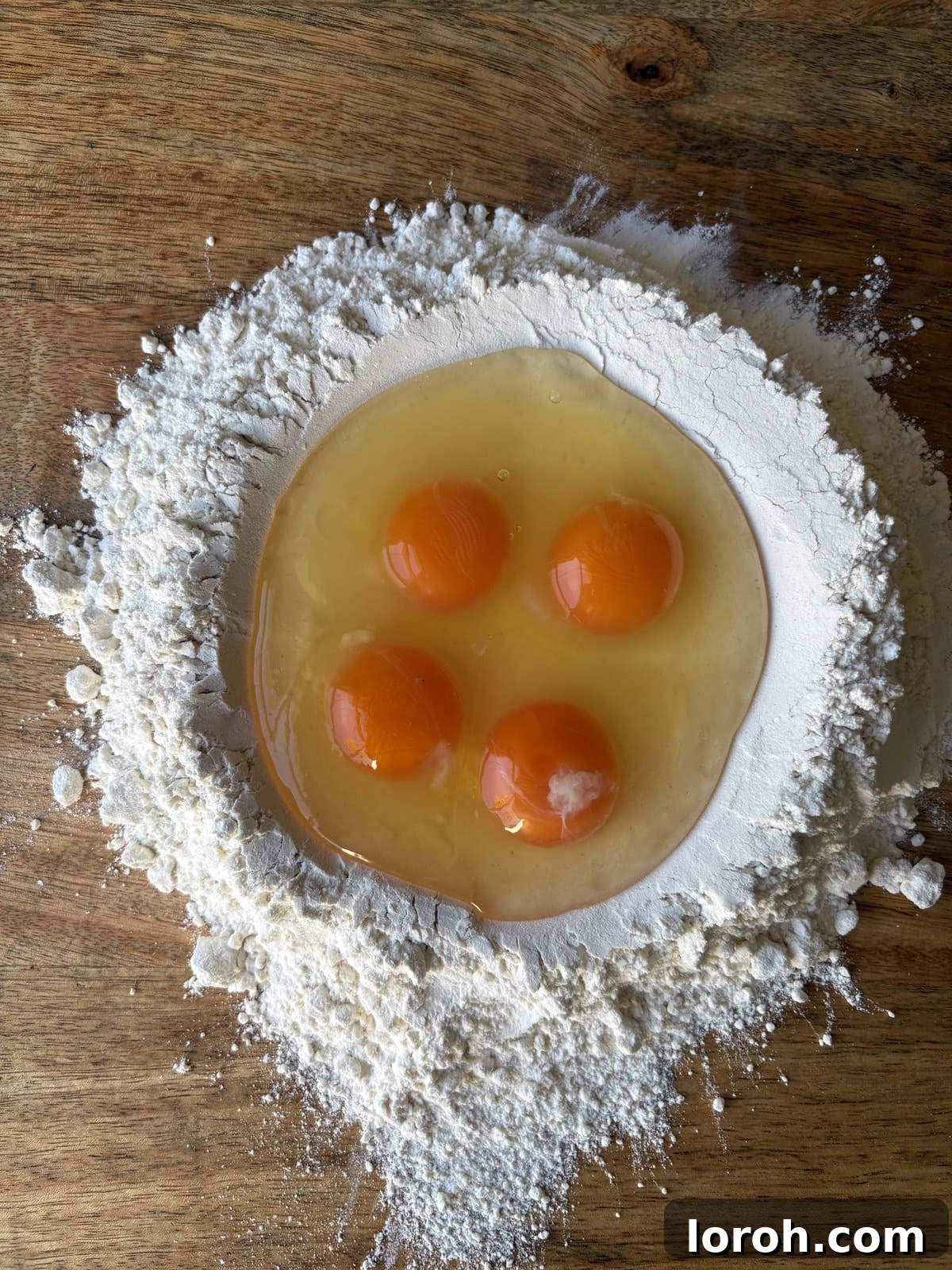
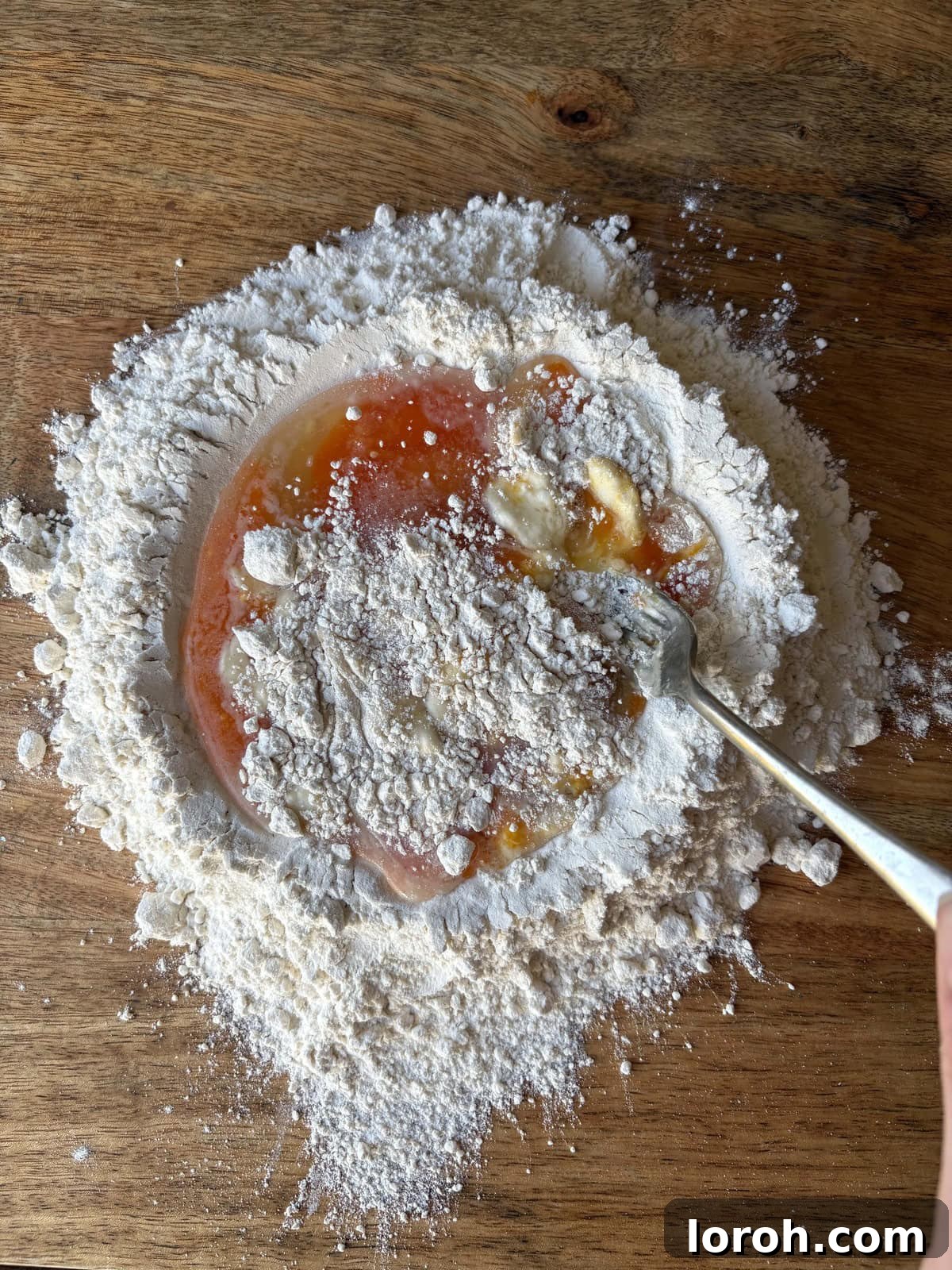
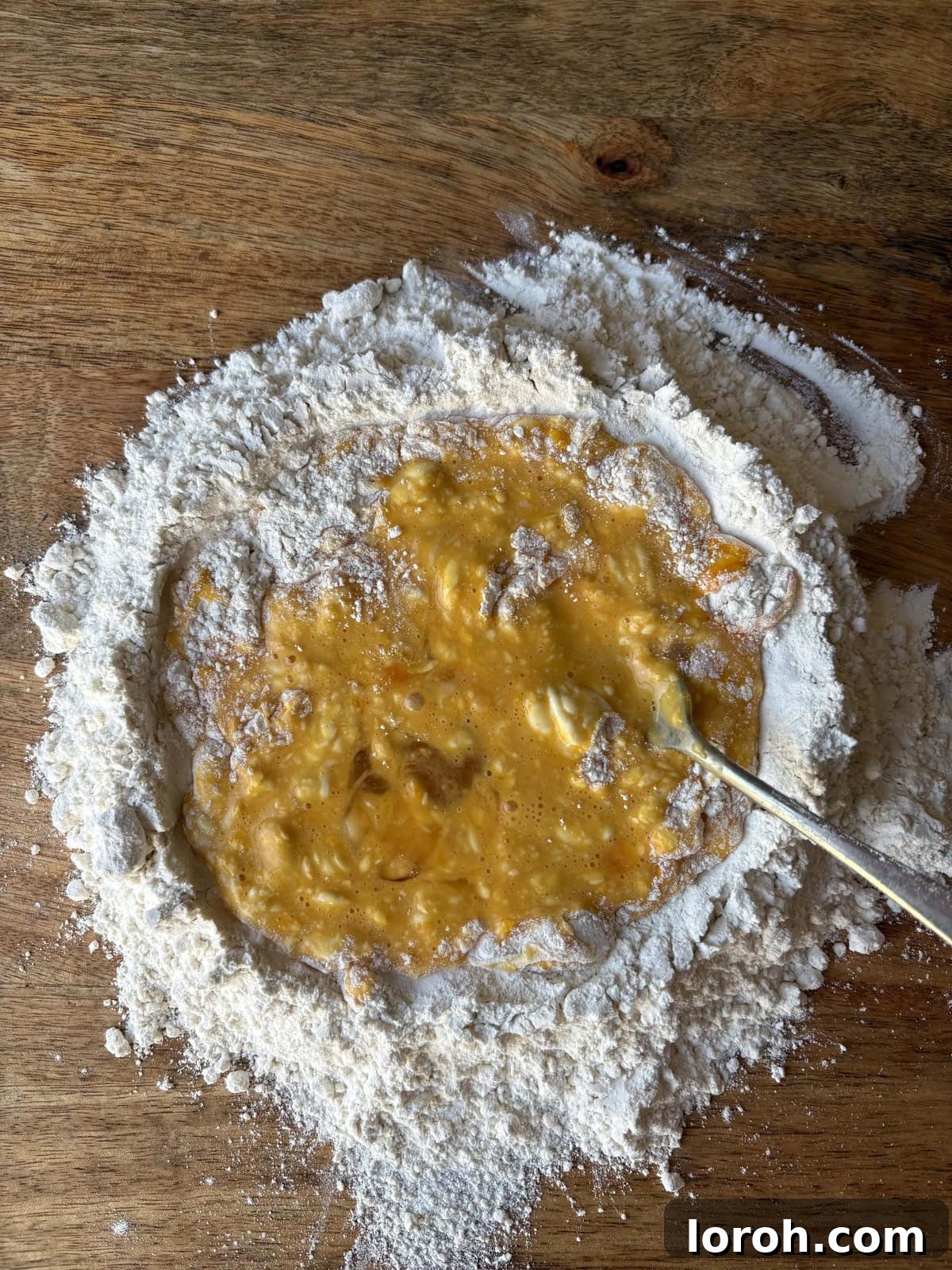
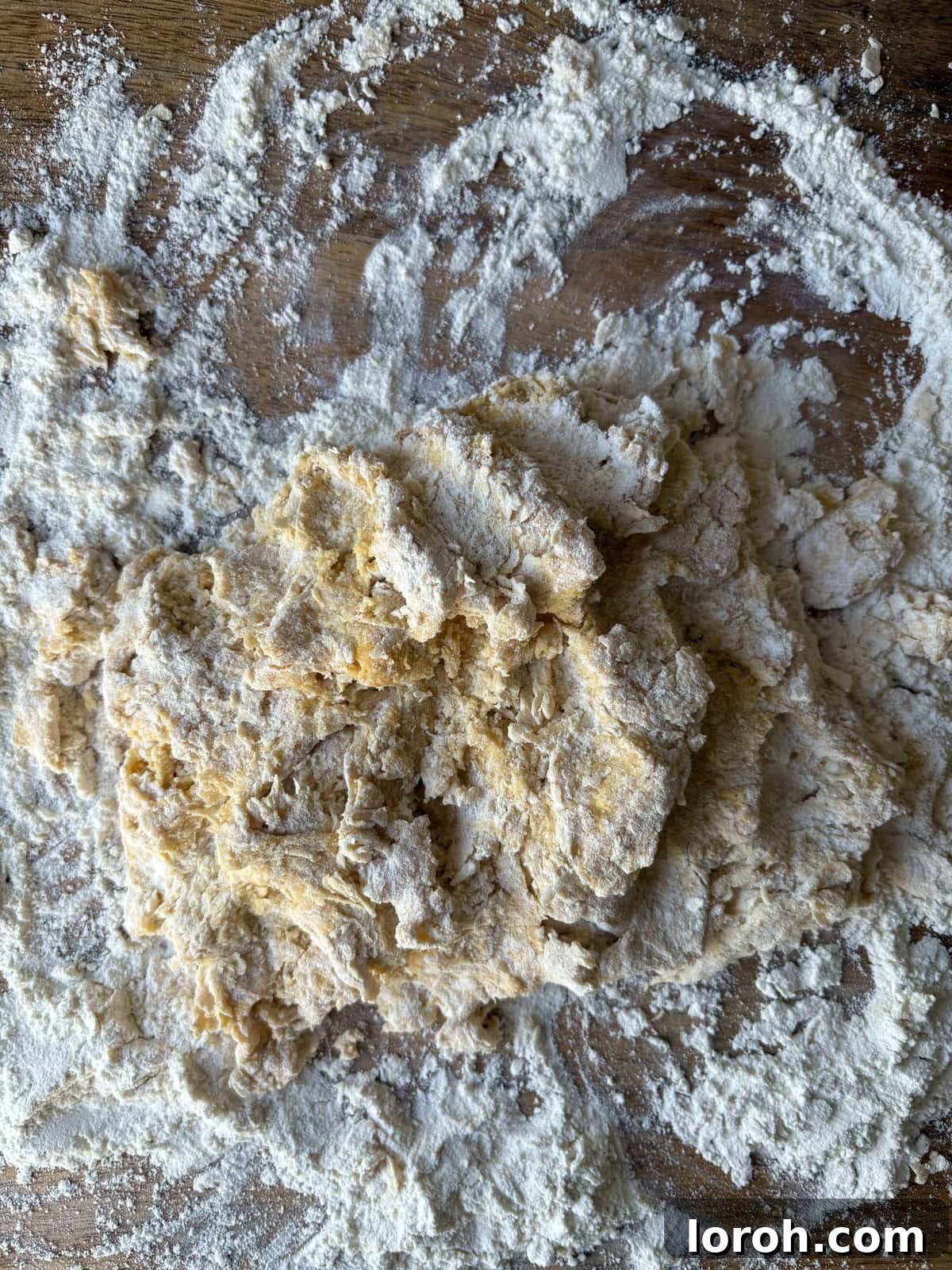
This is where the magic begins! The initial mixing and subsequent kneading are crucial for developing the gluten structure in the dough, which is what gives fresh pasta its characteristic chew and elasticity.
Step 2: Resting the Dough
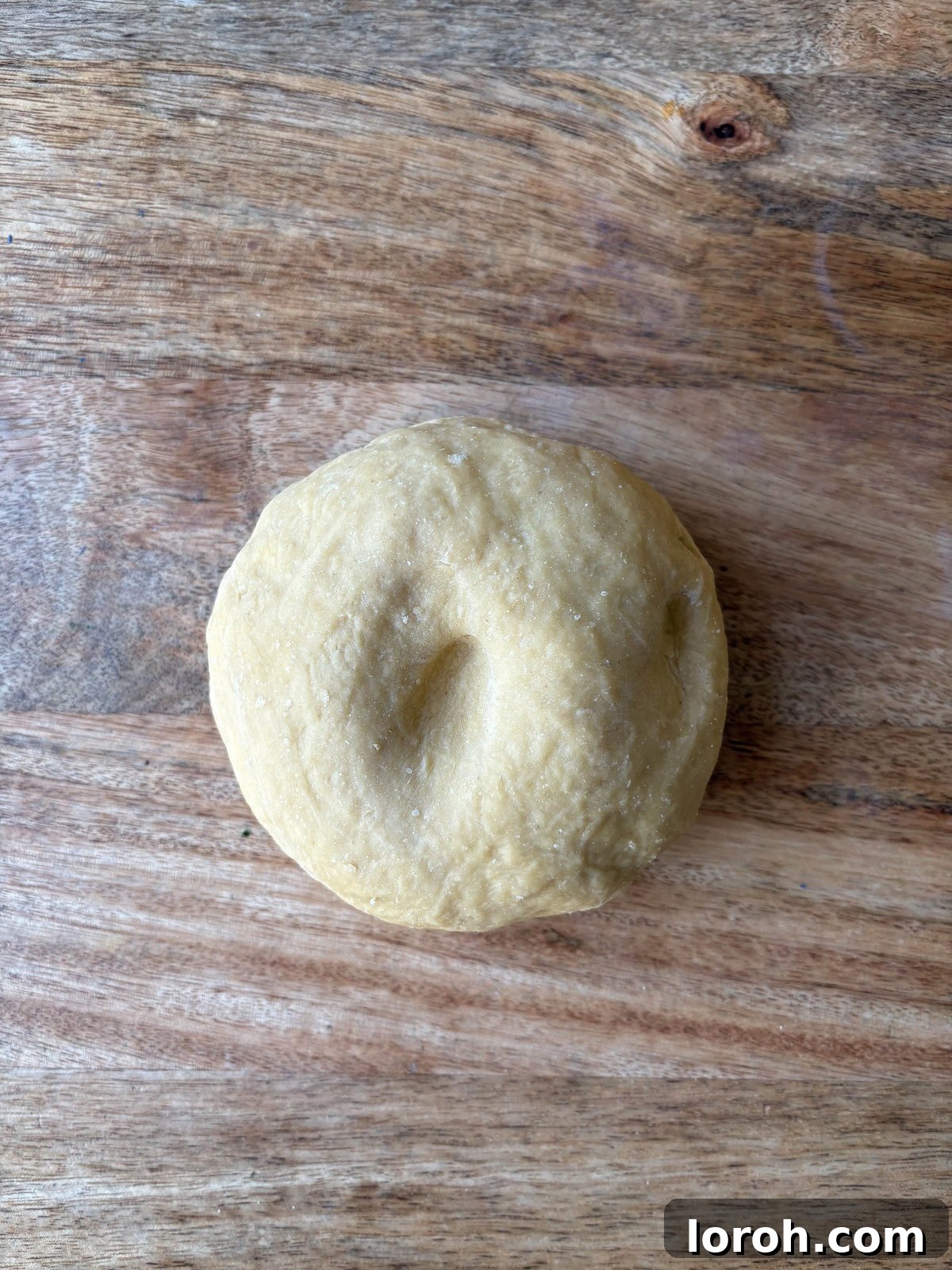
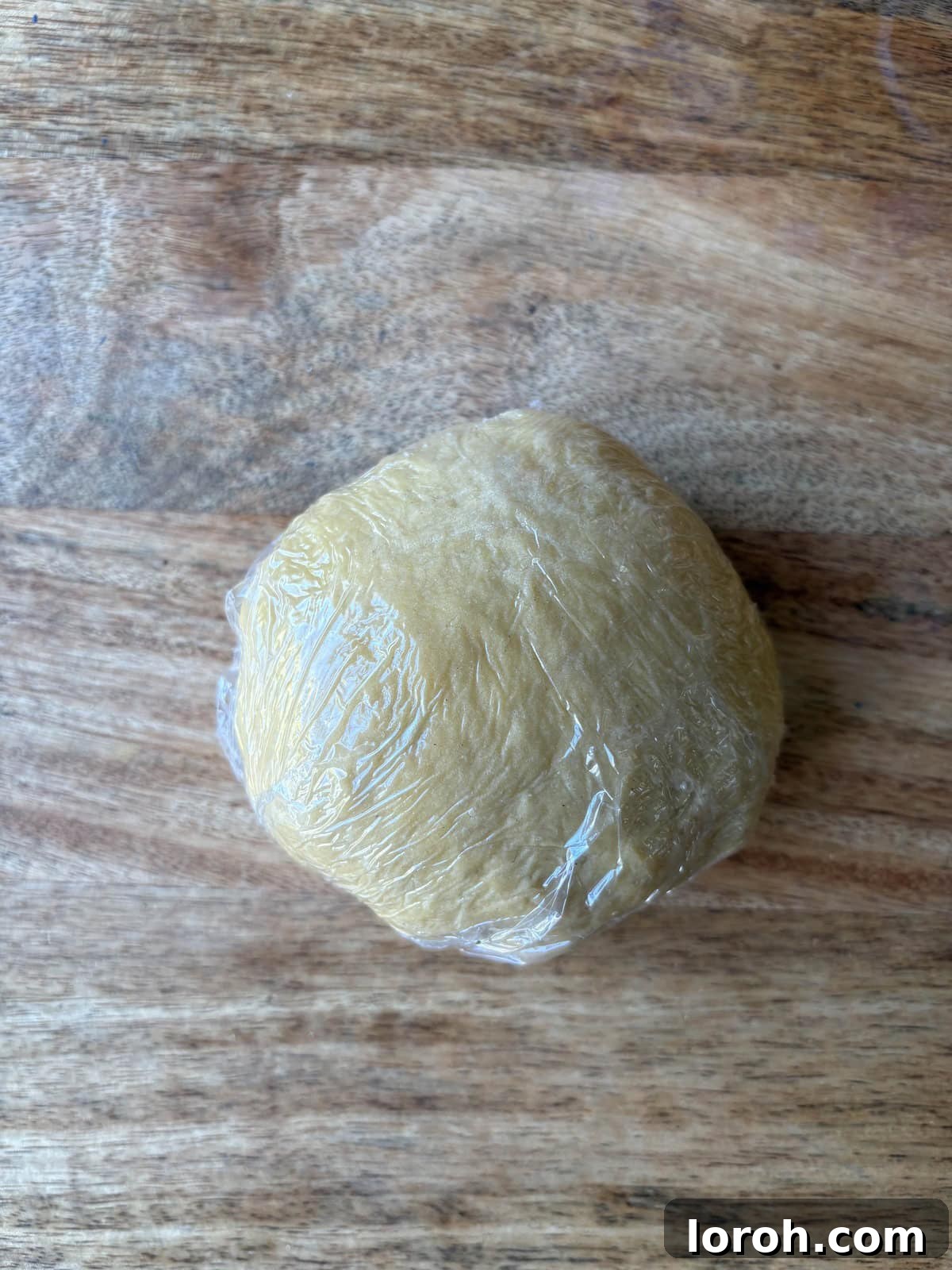
The resting phase is often overlooked but is absolutely essential for perfectly pliable pasta dough. After vigorous kneading, the gluten in the dough is very tight and springy. If you try to roll it out immediately, it will constantly snap back, making it frustratingly difficult to work with. A simple test: press your finger into freshly kneaded dough, and it will spring back. After resting for 30 minutes to an hour, the gluten will have relaxed, and your finger imprint should hold. This indicates the dough is ready to be rolled thinly without resistance.
Step 3: Rolling and Shaping the Dough
Now comes the fun part – transforming your rested dough into beautiful pasta sheets, ready to be shaped!
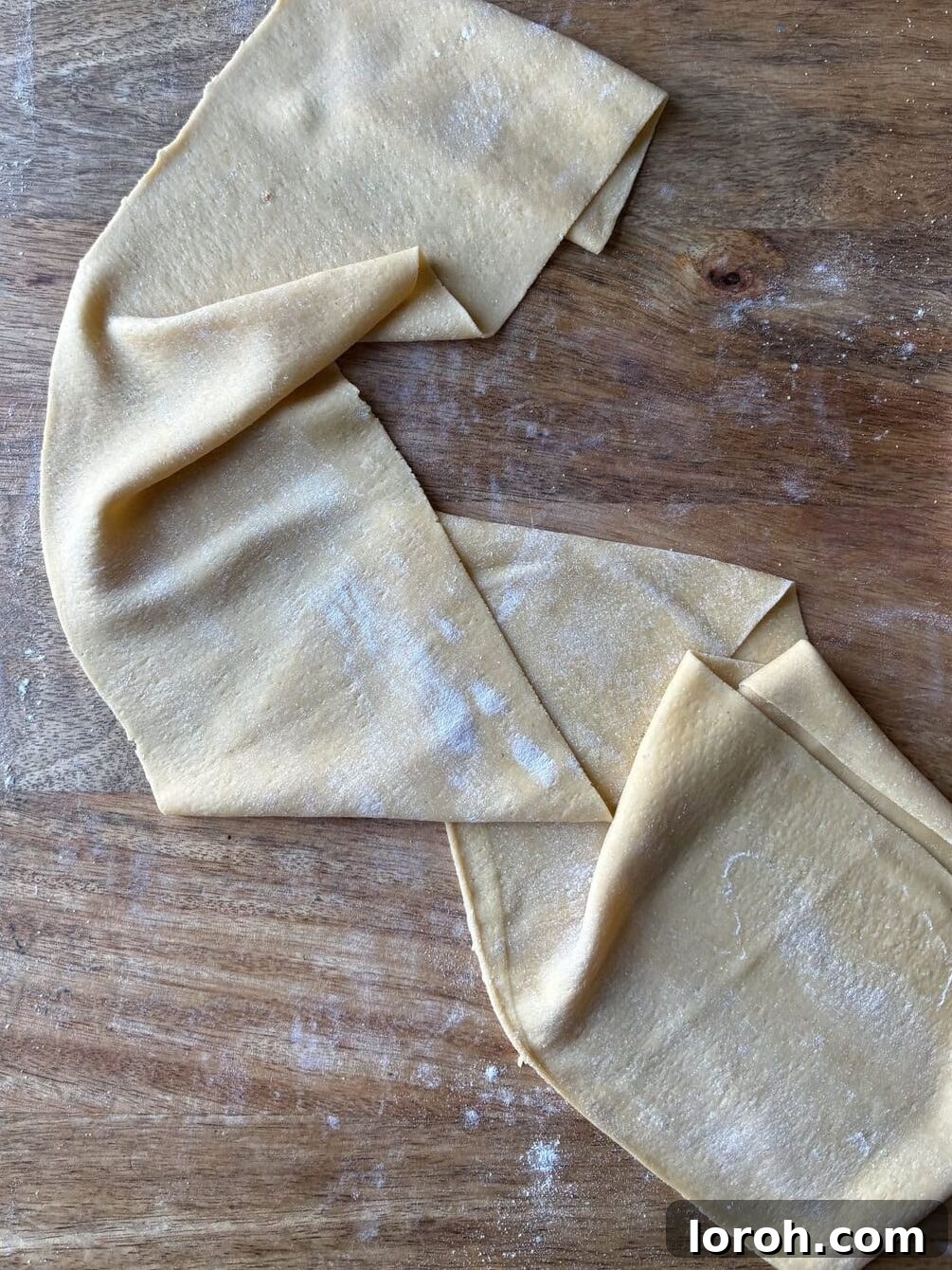
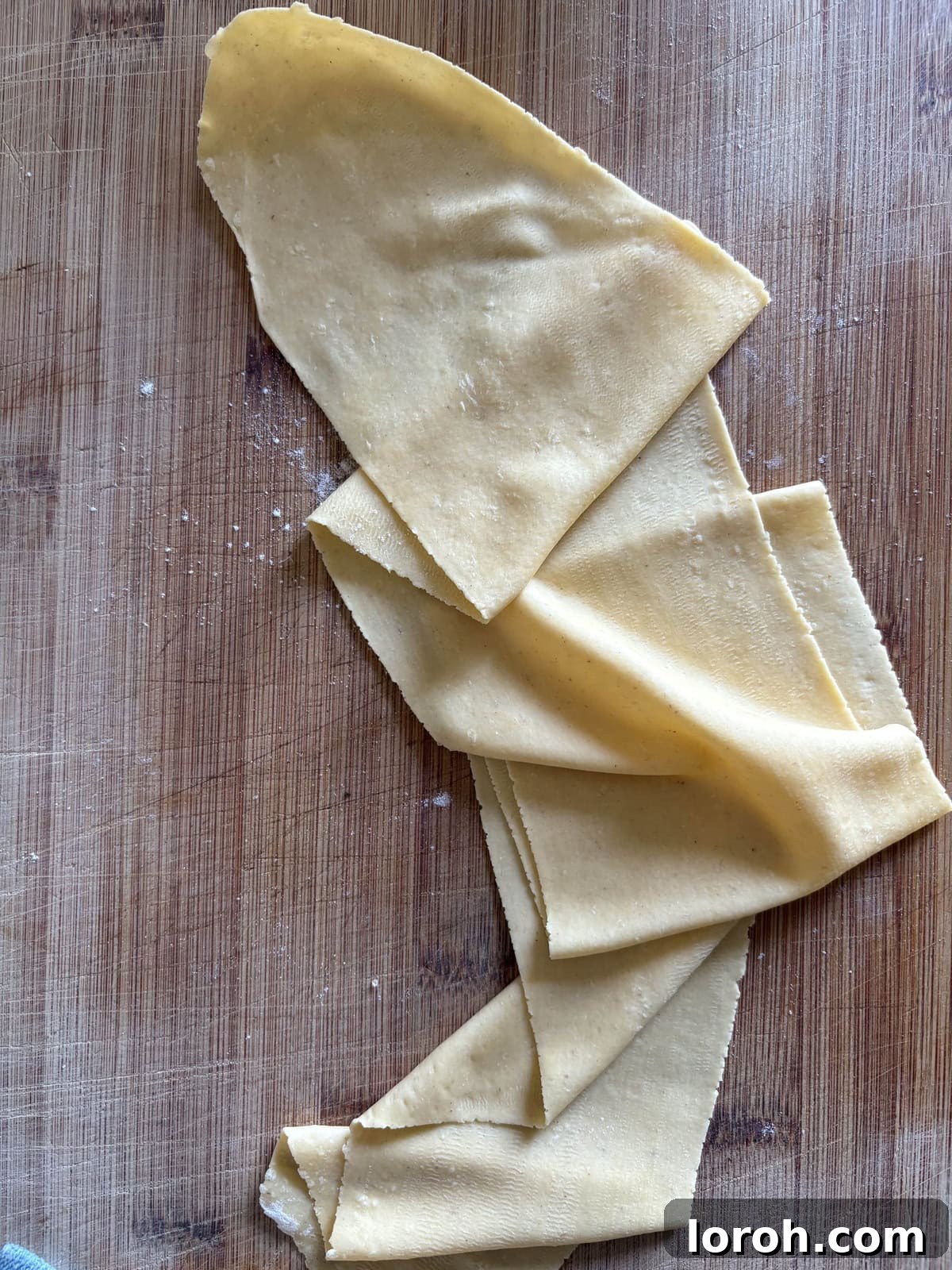
Once your pasta sheets are rolled to the desired thickness, they are ready for shaping. Use a sharp knife or pasta cutter to create ribbons, or various molds and techniques for filled or hand-shaped pasta. Remember to keep all rolled pasta covered with a clean, slightly damp cloth or cling film to prevent it from drying out as you work.
Expert Tips for Homemade Pasta Success
Making pasta is a craft, and a few key tips can elevate your experience and ensure consistently excellent results. Pay attention to these details for perfectly pliable and delicious homemade pasta every time:
-
Maintain a Clean and Dry Work Surface
The foundation of great pasta making is a clean, dry, and spacious work surface. Whether you’re using a large wooden board or a countertop, ensure it’s meticulously clean. Any lingering moisture can quickly alter the hydration of your delicate dough, making it sticky and difficult to manage. A clean surface also prevents any unwanted flavors or debris from incorporating into your pasta.
-
Understand the Importance of Dough Resting
Resting the dough is a non-negotiable step. After kneading, the gluten network in the dough is tight and springy. If you try to roll it out immediately, it will constantly snap back, making it frustratingly difficult to work with. A simple test: press your finger into freshly kneaded dough, and it will spring back. After resting for 30 minutes to an hour, the gluten will have relaxed, and your finger imprint should hold. This indicates the dough is ready to be rolled thinly without resistance.
-
Prevent the Dough from Drying Out
Homemade pasta dough is very susceptible to drying out, which can quickly turn it brittle and unworkable. As you work with individual portions of dough, always keep the remaining dough tightly wrapped in cling film (plastic wrap) or covered with a lightly dampened tea towel. Similarly, once you’ve rolled out sheets or shaped pasta, cover them immediately until you are ready to cook or store them. A dry pasta sheet will crack and break during shaping or cooking.
-
Embrace Hand Mixing for Optimal Control
While food processors can seem like a shortcut, mixing pasta dough by hand offers unparalleled control, especially for beginners. The exact hydration of pasta dough can be influenced by numerous variables: the size of your eggs, the humidity in your kitchen, and even the specific brand of flour. Working by hand allows you to truly “feel” the dough, assessing its texture and moisture content. You can make subtle adjustments – adding a tiny bit more flour if it’s too sticky, or a few drops of water if it’s too dry – based on intuition rather than strict measurements. This hands-on approach teaches you to understand the dough, leading to better results.
-
Proper Flour Dusting
When rolling out pasta, especially through a machine, light dusting with semolina flour is crucial. Semolina, being coarser, prevents sticking without being absorbed into the dough as much as ’00’ flour. This ensures your pasta sheets remain smooth and don’t become tough. Use just enough to prevent sticking, not so much that it creates a visible layer on the pasta.
-
Gradual Thinning with the Pasta Machine
If using a pasta machine, always start with the widest setting and gradually move down to thinner settings. Never skip settings. This gentle, incremental thinning process helps to stretch the gluten evenly, preventing tears and ensuring a consistent thickness. Fold the dough in half and pass it through the widest setting a few times at the beginning; this further smooths and strengthens the dough.
-
Cooking Fresh Pasta
Fresh pasta cooks significantly faster than dried pasta – often in just 2-4 minutes, depending on its thickness and shape. Cook it in a large pot of generously salted boiling water. The water should taste like the sea. Cook until it’s perfectly al dente, tender but with a slight bite. Toss immediately with your favorite sauce.
Frequently Asked Questions About Homemade Pasta
Here are answers to some common questions about making fresh pasta at home, designed to help you confidently tackle this rewarding culinary project.
’00’ flour (pronounced “doppio zero”) is a finely ground Italian wheat flour. The “00” classification refers to how finely the flour has been milled, with ’00’ being the finest, followed by ‘0’, ‘1’, and ‘2’ (coarser). This flour typically has a moderate to high protein content (around 10-12%), which develops into a strong yet elastic gluten structure crucial for pasta. Its fine texture results in a very smooth, silky, and pliable dough that is ideal for rolling thin without tearing, giving your pasta a delicate bite and superior mouthfeel. While you can use all-purpose flour, ’00’ flour truly elevates the texture of homemade pasta.
While it’s possible to make pasta with just a rolling pin and a sharp knife, it requires considerable effort and skill to achieve the desired thinness and evenness. For consistently excellent results and a much easier process, a manual pasta machine (with a hand crank) is highly recommended. It allows you to effortlessly roll out dough to precise, uniform thicknesses. Other useful tools include a bench scraper (for gathering dough), a large clean work surface, cling film for resting, and ideally, pasta drying racks or a clean tea towel to dry shaped pasta.
Yes, absolutely! Freezing is a fantastic way to preserve your homemade pasta. It’s generally better to freeze shaped pasta rather than raw dough. To freeze shaped pasta (like fettuccine, ravioli, or tortellini): Arrange the fresh pasta in a single layer on a floured baking sheet (semolina works well) and freeze for about 20-30 minutes, or until solid. This “open freezing” prevents the pieces from sticking together. Once frozen, transfer the pasta to an airtight container or a freezer-safe bag. It can be stored for up to 3 months. The best part? You can cook it straight from frozen; just add it directly to boiling water, no need to defrost!
For the best results, pasta dough is best used relatively quickly after its initial 30-minute rest. Ideally, you shouldn’t let it rest for longer than 1 hour at room temperature. If you need to make it further in advance, wrap it tightly in cling film and refrigerate it for a few hours, but be aware that refrigerated dough can become stiffer and harder to work with. Always bring it back to room temperature before attempting to roll it. If you roll and shape the pasta, it’s best cooked within 24 hours. Store shaped pasta in a sealed container in the fridge if not cooking immediately. As mentioned, freezing shaped pasta is the superior option for longer storage (up to 3 months).
Yes, you absolutely can! While the traditional hand-mixing method (as detailed above) offers unparalleled tactile feedback, a food processor or stand mixer can speed up the initial mixing process. For a food processor, pulse the flour and eggs until a shaggy dough forms, then turn it out and knead by hand. For a stand mixer, use the dough hook attachment on low speed until the ingredients combine and form a cohesive ball, then continue kneading by hand or with the machine until smooth. Be careful not to overmix, as this can make the dough tough. Regardless of the mixing method, always finish with a brief hand-kneading session to truly feel the dough’s texture and ensure it’s perfectly smooth.
Pasta dough consistency is key, and it’s easy to adjust. If your dough is too sticky after kneading, add a tiny bit more ’00’ flour (a teaspoon at a time) and continue kneading until it feels smooth and elastic without sticking to your hands. If it’s too dry and crumbly, wet your fingertips with a few drops of water (don’t add water directly to the dough) and continue kneading. The warmth and moisture from your hands, combined with the tiny bit of water, will help bring it together. Remember, pasta making is an art of touch and adjustment, so trust your instincts!
What to Serve With Your Fresh Pasta
Once you’ve mastered this incredible homemade pasta dough, a world of culinary possibilities opens up! Fresh pasta pairs beautifully with a wide array of sauces and fillings. Here are some inspiring ideas to make the most of your culinary creation:
- Classic Shapes & Sauces: For simple yet elegant meals, roll your dough into garganelli (delicately ridged tubes that capture sauce perfectly) or triangoli (charming small folded triangle shapes, often filled). These shapes truly shine with lighter, fresh sauces.
- Hearty Meat Sauces: The richness of homemade pasta is a perfect match for slow-cooked ragùs, bolognese, or a robust amatriciana sauce.
- Pestos & Creamy Sauces: Toss your fresh pasta with vibrant pistachio pesto or explore the unique flavors of a white pesto pasta. For something indulgent, a creamy chicken pasta or a rich creamy mushroom pasta will truly highlight the fresh texture of your handmade noodles.
- Simple Tomato-Based Dishes: Sometimes, the simplest sauces are the best. A quick and easy tomato sauce or a flavorful pasta with cherry tomato sauce allows the exquisite taste of your fresh pasta to take center stage.
- Seafood Delights: Fresh pasta, especially thinner varieties, is fantastic with seafood. Consider a zesty prawn & chorizo pasta for a delightful blend of sea and spice.
- Beyond the Basics: Don’t limit yourself! Experiment with different fillings for ravioli or tortellini, or try a unique shape like pici pasta, thick hand-rolled noodles perfect for absorbing robust sauces. And for a deeper dive into Italian ingredients, don’t miss “Everything you need to know about: Nduja.”
Whichever path you choose, remember that the joy of homemade pasta is in the journey and the delicious destination. Enjoy experimenting!
The Complete Homemade Pasta Dough Recipe Card
How To Make Easy Pasta Dough
Margie Nomura
20 mins
30 mins
50 mins
4 servings
Rate Recipe
Print Recipe
Ingredients
- 400 g ‘00’ flour, plus extra for dusting
- 4 eggs
- Semolina flour, to dust
- A pinch of salt (optional)
Instructions
-
On a clean work surface, pile your ’00’ flour and use the base of a mixing bowl or your hand to create a wide well in the center. Crack the eggs into the well. If using, add a pinch of salt. Using a fork, gently break up the egg yolks and whites until well combined. Begin to slowly incorporate small amounts of flour from the inner edge of the well into the egg mixture. Continue whisking, gradually bringing more flour in, being careful not to let the egg spill over the edge of the well.
-
Once the mixture has thickened into a thick paste, use a bench scraper or your hands to gather all the surrounding flour and bring the mixture together into a shaggy, rough dough. Begin kneading the dough vigorously for about 10-15 minutes. Use the heel of your hand to push the dough away from you, fold it back, rotate, and repeat. Continue until all the flour is fully incorporated and the dough feels smooth, elastic, and forms a tight, cohesive ball. If the dough ever feels too dry or stiff during kneading, lightly dampen your fingertips with water and continue kneading.
-
Wrap the kneaded dough tightly in cling film (plastic wrap) and let it rest at room temperature for a minimum of 30 minutes, and up to 1 hour. This resting period is crucial as it allows the gluten to relax, making the dough much more pliable and easier to roll without tearing. After resting, the dough should be soft and receptive to shaping.
-
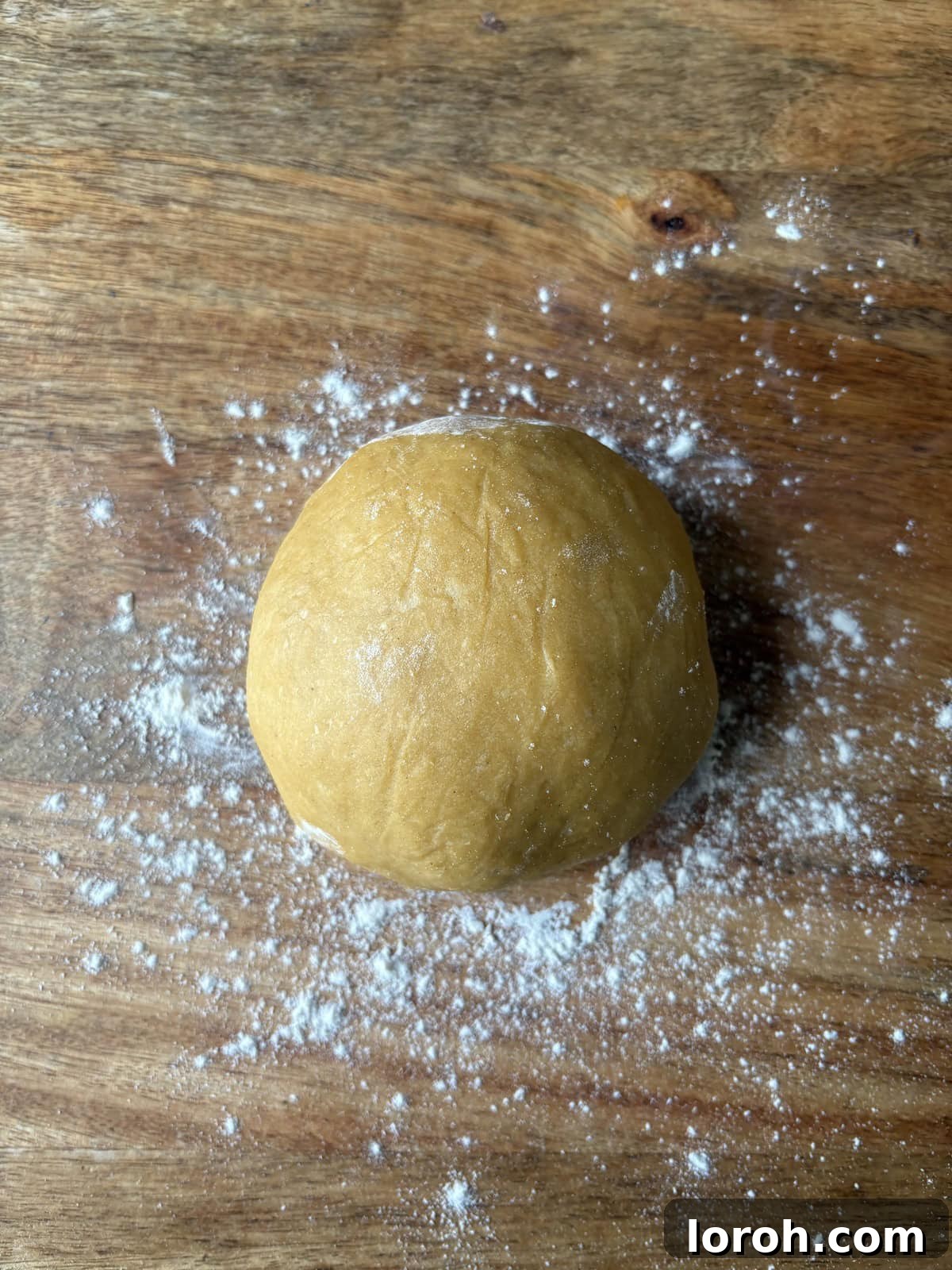
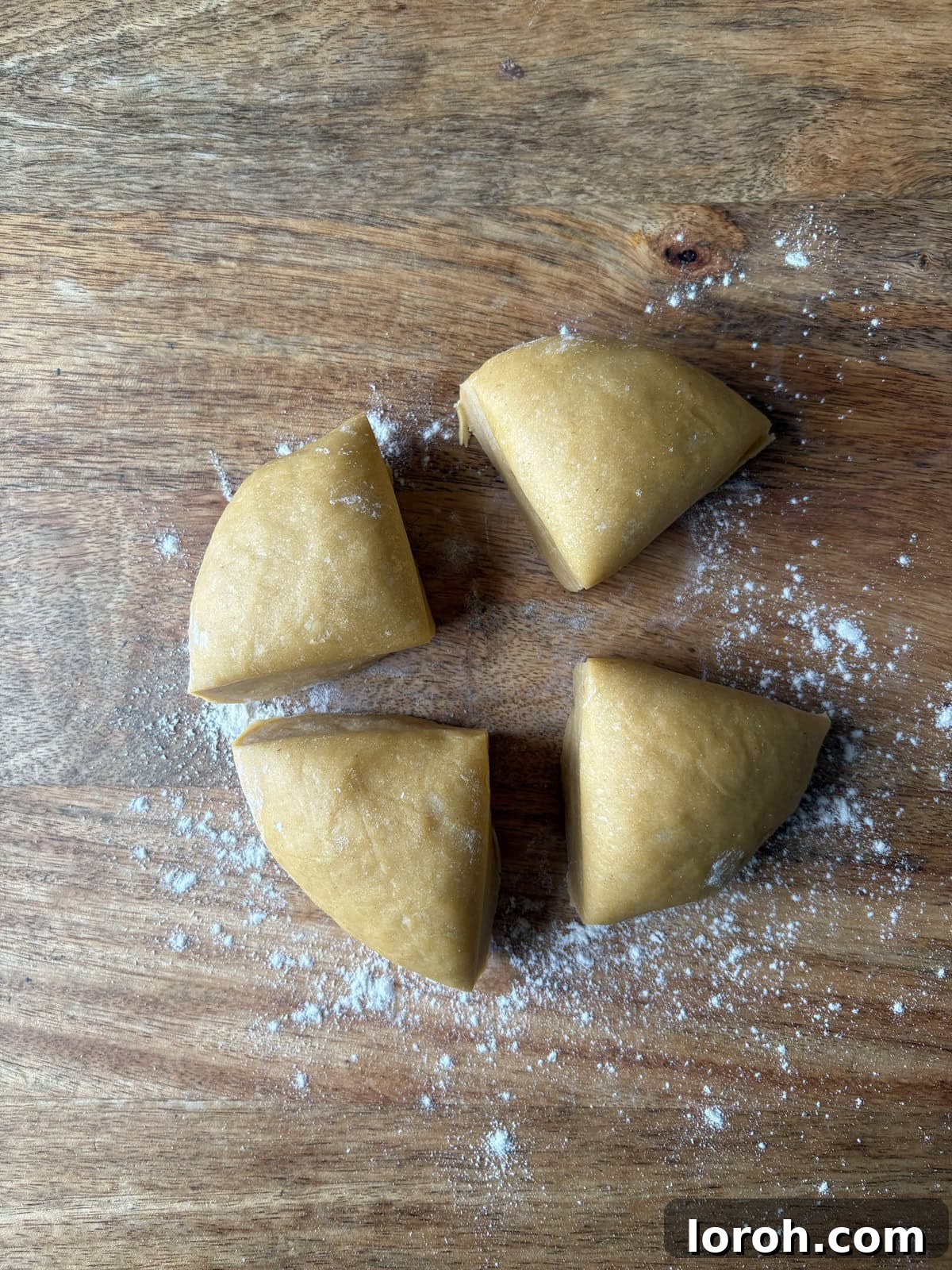
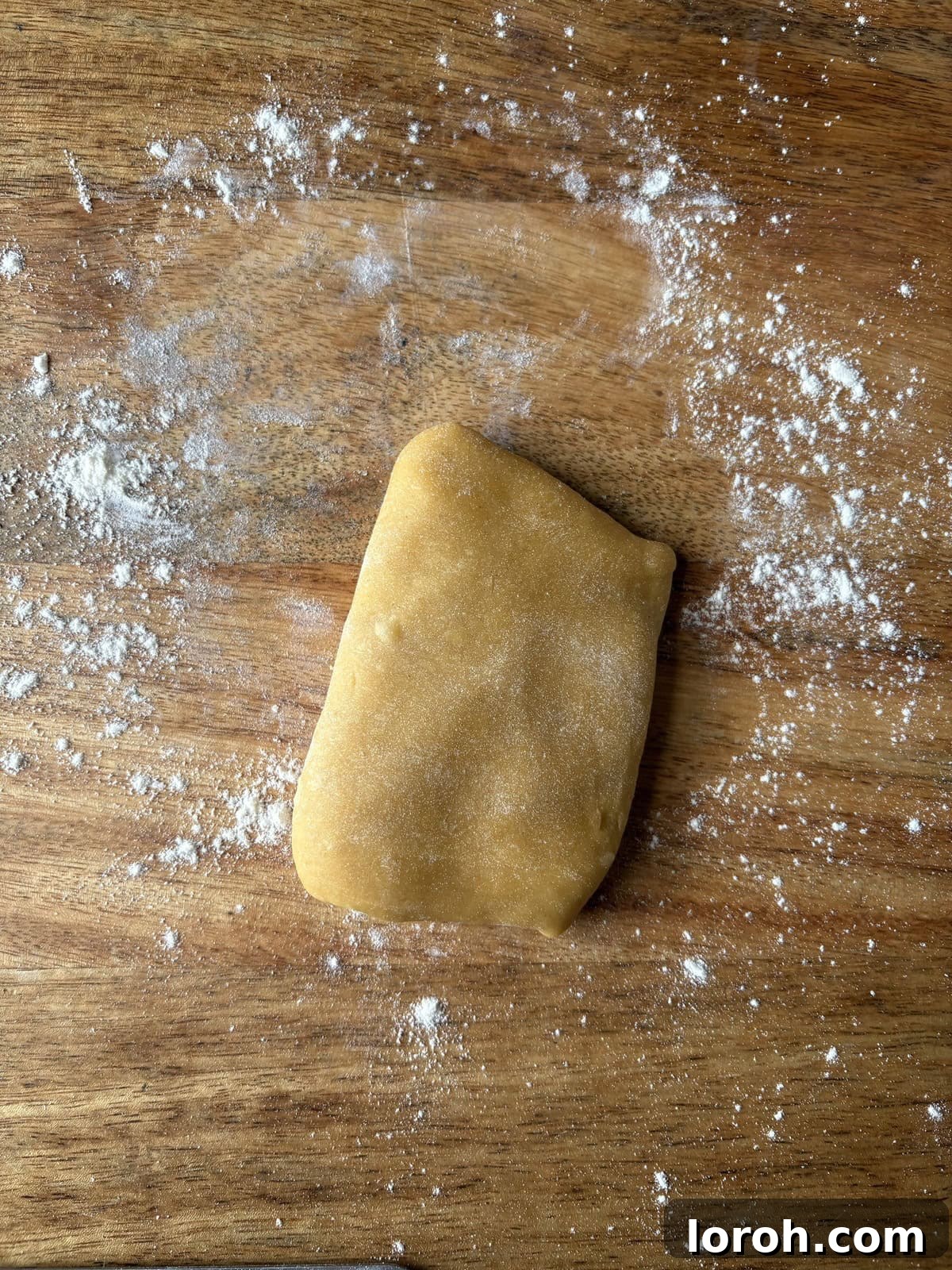
Unwrap the dough and cut it into four equal quarters. Keep the unused portions covered tightly with cling film or a damp tea towel to prevent them from drying out. Take one quarter of dough and flatten it slightly on a lightly dusted surface (using semolina flour) into a rough rectangular shape.
-
Pass this flattened dough through the widest setting of your pasta machine. Fold both ends of the resulting pasta sheet into the middle, creating a neat rectangle again (like folding a letter). Pass this folded sheet through the widest setting two or three more times. This step helps to further smooth out the dough and develop its elasticity.
-
Now, begin to gradually reduce the thickness setting on your pasta machine. Pass the dough through each subsequent setting once (or twice if it feels sticky, dusting lightly with semolina flour if needed). Continue this process until you reach your desired thinness. The ideal thickness depends on the type of pasta you’re making: typically the second or third narrowest setting for most fresh pasta like tagliatelle or fettuccine, and even thinner for filled pastas like ravioli or tortellini.
-
Transfer the rolled-out pasta sheet to a clean tray or baking sheet generously dusted with semolina flour. Ensure the sheets are not overlapping excessively to prevent sticking. Immediately cover the rolled sheets with cling film or a clean, slightly damp tea towel to keep them from drying out while you roll the remaining dough. Repeat with the other dough quarters. Once all sheets are rolled, cut or shape your pasta as desired.
Notes
To Store Fresh Dough: After its initial rest, the dough is best used within 1 hour at room temperature. If you need to delay, wrap it tightly and refrigerate for a maximum of 2-3 hours, but be aware it might become slightly stiffer. Always bring it back to room temperature before rolling.
To Store Shaped Pasta: Once you’ve rolled and shaped your pasta, it’s best cooked within 24 hours. Store it in a single layer on a floured tray or in an airtight container in the refrigerator. Ensure it’s covered to prevent drying.
To Freeze Shaped Pasta: Freezing is an excellent option for longer storage. Arrange shaped pasta (e.g., fettuccine nests, individual ravioli) in a single layer on a semolina-dusted baking sheet. Freeze until solid (about 20-30 minutes), then transfer to an airtight container or freezer-safe bag. It can be stored for up to 3 months. Cook directly from frozen by adding to boiling water – no need to defrost.
Nutrition
Carbohydrates: 72g,
Protein: 18g,
Fat: 4g,
Saturated Fat: 1g,
Polyunsaturated Fat: 1g,
Monounsaturated Fat: 2g,
Trans Fat: 0.02g,
Cholesterol: 164mg,
Sodium: 62mg,
Potassium: 61mg,
Sugar: 0.2g,
Vitamin A: 238IU,
Calcium: 25mg,
Iron: 1mg
Nutrition information is automatically calculated, so should only be used as an approximation.
Loved this recipe? Leave a comment below!
Your feedback helps others discover delicious meals.